Best Time to Visit Belogradchik: A Seasonal Guide
Last updated July 2026. The best time to visit Belogradchik depends on fortress hours, photography light, and trail footing, in that order of priority for most travelers. Summer keeps the fortress open until 21:00 for sunset photography, while winter brings snow, shorter hours, and icier steps.
When Is the Best Time to Visit Belogradchik?
Photographers get the best light in autumn, when the rock pillars pick up warm color and the crowds thin out. Hikers do best in late spring or early autumn, when daytime temperatures stay comfortable on exposed trail sections. History buffs can visit any month, since the fortress and its courtyards are covered and mostly weatherproof. Winter visitors trade shorter days for empty viewpoints and snow-covered rock formations, though the steps inside the fortress get slippery. This guide is built for independent travelers, photographers, and Sofia-based visitors weighing a weekend trip, not a fixed group itinerary. For the full range of sights beyond the fortress, see 10 Best Things To Do in Belogradchik (2026).
| Season | Months | Typical Temperatures | Fortress Hours | Crowd Level | Best For |
|---|---|---|---|---|---|
| Spring | March–May | 8–20°C (46–68°F) | 9:00–17:00 | Low to moderate | Wildflowers, quieter trails |
| Summer | June–September | 18–32°C (64–90°F) | 8:00–21:00 | High | Sunset photography, hot air balloon flights |
| Autumn | October–November | 6–16°C (43–61°F) | 9:00–17:00 | Moderate | Foliage color, photography |
| Winter | December–February | -5–5°C (23–41°F) | 9:00–17:00 | Low | Snow scenes, solitude |
Spring in Belogradchik (March–May): Wildflowers and Quiet Trails
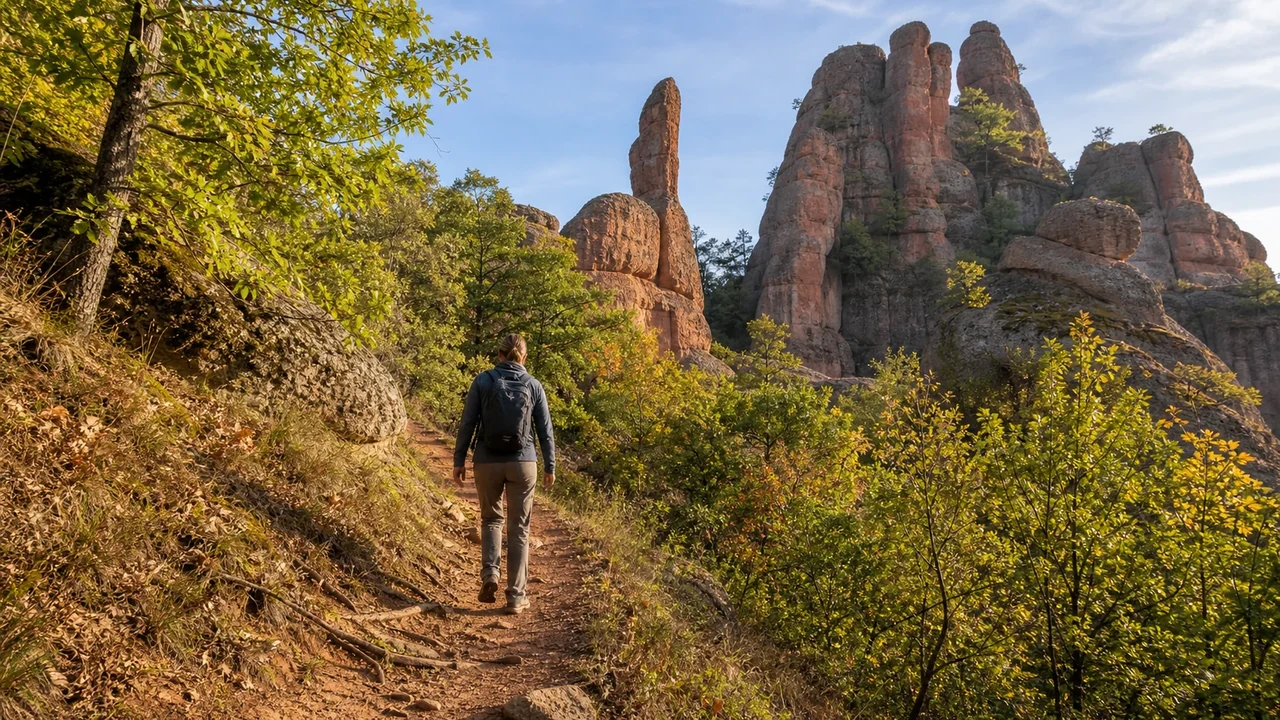
Spring brings wildflowers to the meadows below the fortress and fresh green growth across the rock formations. Late April and May tend to show the most wildflower color across those meadows. Daytime highs typically run 8–20°C (46–68°F), comfortable for hiking without summer's heat. Trails can stay muddy after snowmelt through March, so waterproof boots help on the steeper sections of the Belogradchik Hiking Trails: A Complete Guide to the Best Routes. Fortress hours in spring follow the off-season schedule, 9:00 to 17:00, so plan an early start if you also want time at the rock viewpoints.
Summer in Belogradchik (June–September): Long Hours and Golden-Hour Light
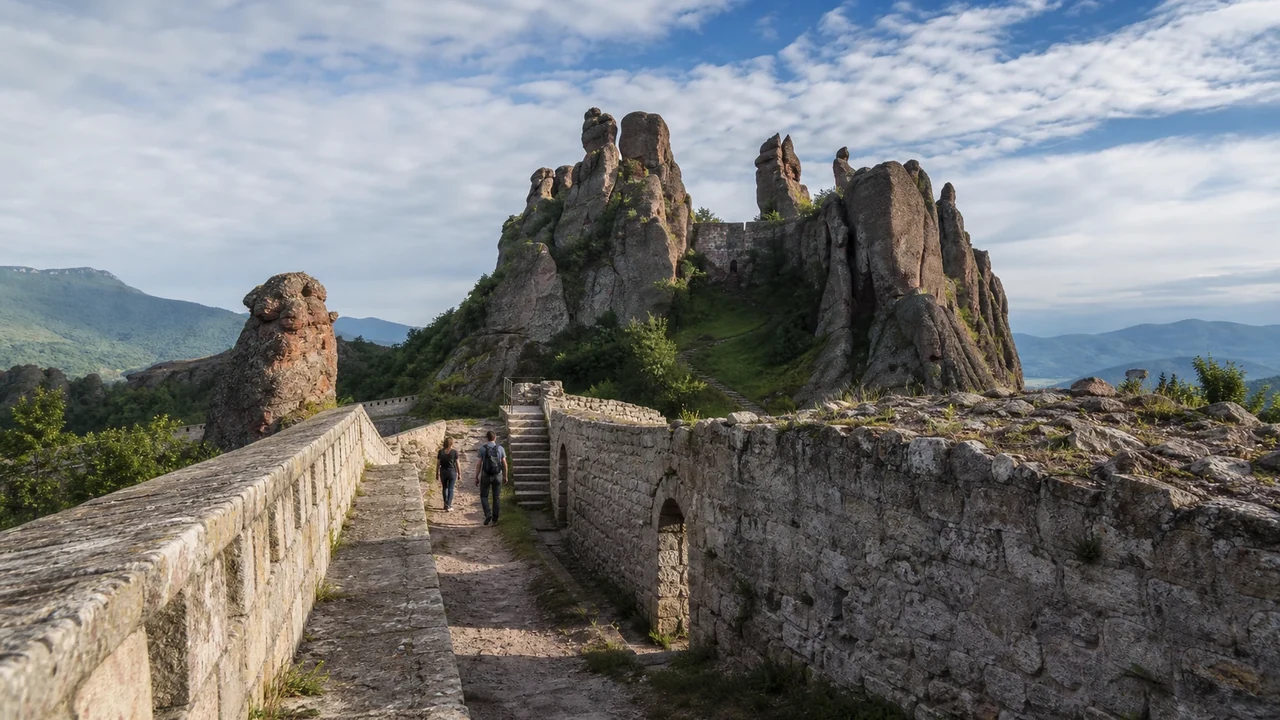
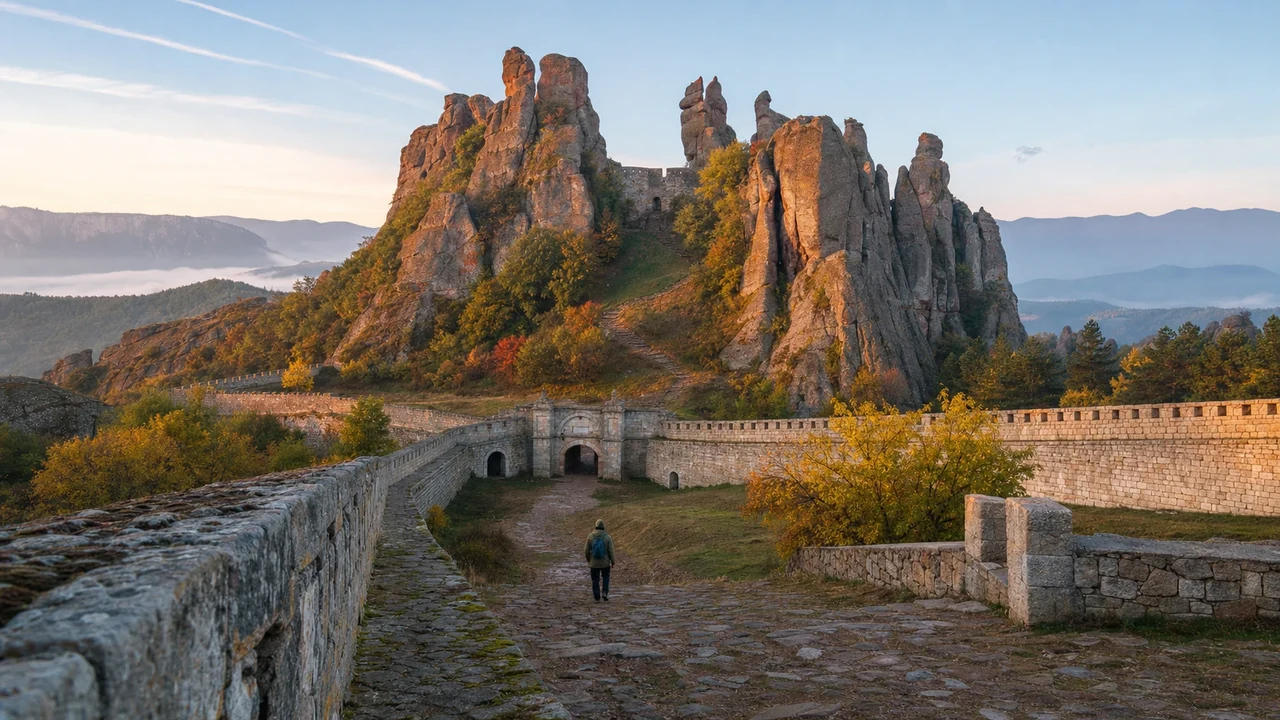
Summer heat is the trade-off for the year's longest fortress hours, open 8:00 to 21:00 daily. Afternoon temperatures often reach 30°C (86°F) or higher in July and August, so plan fortress visits for morning or the two hours before closing. That evening window lets you catch sunset light on the rock pillars from inside the walls. In our editorial assessment, few Bulgarian fortress sites stay open this late, which opens a rare golden-hour photography window. Hot air balloon flights also operate over the fortress and rock formations in summer, weather permitting. Balloon flight pricing is set by individual operators, so compare current listings directly before booking. Some summers also bring the Opera of the Peaks performance staged among the rocks. Check the current year's schedule since dates shift, and the event draws bigger weekend crowds when it runs.
Autumn in Belogradchik (October–November): Foliage and Moody Light
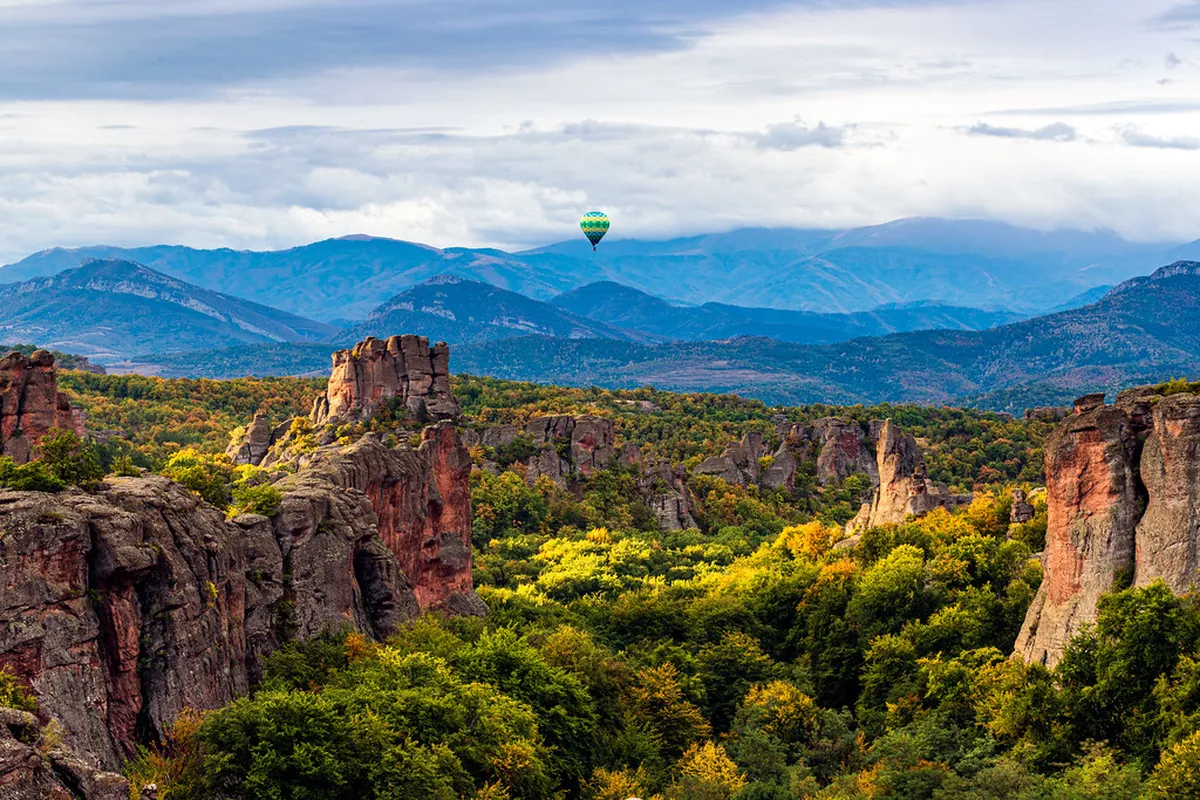
Autumn is peak photography season around the rock formations, when foliage color contrasts with the reddish stone of the Belogradchik Rocks. The Belogradchik Rocks are also on Bulgaria's tentative list for UNESCO World Heritage consideration. Daytime temperatures cool to roughly 6–16°C (43–61°F), and mornings often carry mist through the gorge below town. Crowds thin out compared to summer, though weekends still draw day-trippers from Sofia. Fortress hours shift back to 9:00–17:00 in October, so plan an afternoon visit to catch the lower autumn sun angle through the courtyards. Wet leaves make some outdoor steps slick, so grip-soled shoes matter as much here as they do in winter.
Winter in Belogradchik (December–February): Snow and Short Days
Winter turns the rock formations dramatic under snow, with far fewer visitors than any other season. Nighttime temperatures can drop below 0°C (32°F), and cold snaps occasionally push lows toward -5°C (23°F). Daylight is short during winter's 9:00-to-17:00 hours, so start your visit by early afternoon at the latest. Snow and ice make the fortress steps and rock-viewpoint paths genuinely slippery, so pack boots with real tread, not city sneakers. Public bus service also thins out on Sundays. That limits options if a day trip is your only plan for winter.
Monthly Planning Calendar for Belogradchik
The month-by-month notes below build on the seasonal patterns above. They're most useful if your travel dates are already fixed and you want a quick sense of what to expect that month specifically.
- January: coldest month, occasional snow on the rocks, fortress hours 9:00–17:00.
- February: still off-season hours; fewer crowds than any other month.
- March: transitional weather; trails may be muddy from snowmelt.
- April: wildflowers begin; off-season hours still apply until June.
- May: greenery peaks; good hiking window before summer heat.
- June: summer hours begin, 8:00–21:00; hot air balloon season starts.
- July: hottest month; avoid midday fortress visits.
- August: still hot; some of the busiest weekends of the year.
- September: cooling temperatures; last month of summer fortress hours.
- October: foliage color begins; hours shift back to 9:00–17:00.
- November: cooler, quieter, still good for photography before winter.
- December: shortest days; snow possible on higher viewpoints.
Getting to Belogradchik: Car, Train, or Tour
Three main ways connect Sofia to Belogradchik: driving, the train-plus-taxi combination, or a guided day tour. Drivers can take Road 16, a smaller route past villages and rock formations, instead of the more direct Road 81. Belogradchik sits close to the Serbian border in northwestern Bulgaria, and most itineraries treat it as a standalone stop rather than a stopover. Two direct trains run daily from Sofia to Oreshets, the nearest rail stop, and the ride passes through the Iskar Gorge. Sofia Sever, the city's second station, offers an alternative departure point a short taxi ride from Sofia Central. Trains switch locomotives at Mezdra partway through the route, a stop long enough to walk between platforms. From Oreshets station, a taxi covers the remaining 12 km to Belogradchik in about 20 minutes. One direct daily bus also runs between Sofia and Belogradchik. The table below compares time and cost across all four options. See the Sofia-to-Belogradchik transport guide for full timetables and platform details.
Sunday's return bus shifts to a 15:00 departure, well before the fortress's usual closing times, especially in summer when extended hours until 21:00 mean day-trippers must rush and would miss available visit hours.
| Method | One-Way Time | Approx. Cost |
|---|---|---|
| Direct train + taxi | About 4–5 hours train, plus 20 minutes taxi | €6.90 train, plus roughly €10 taxi |
| Indirect train (change at Mezdra) + taxi | About 4–5 hours train, plus 20 minutes taxi | €7.37 second-class train, plus roughly €10 taxi |
| Direct bus | About 3.5–4 hours | Check current fare when booking |
| Private car | About 3 hours | Fuel and any toll costs only |
| Guided day tour | Full day, Sofia to Sofia | Priced per operator; compare against the DIY train-and-taxi total above |
Costs, Tickets, and Fortress Hours
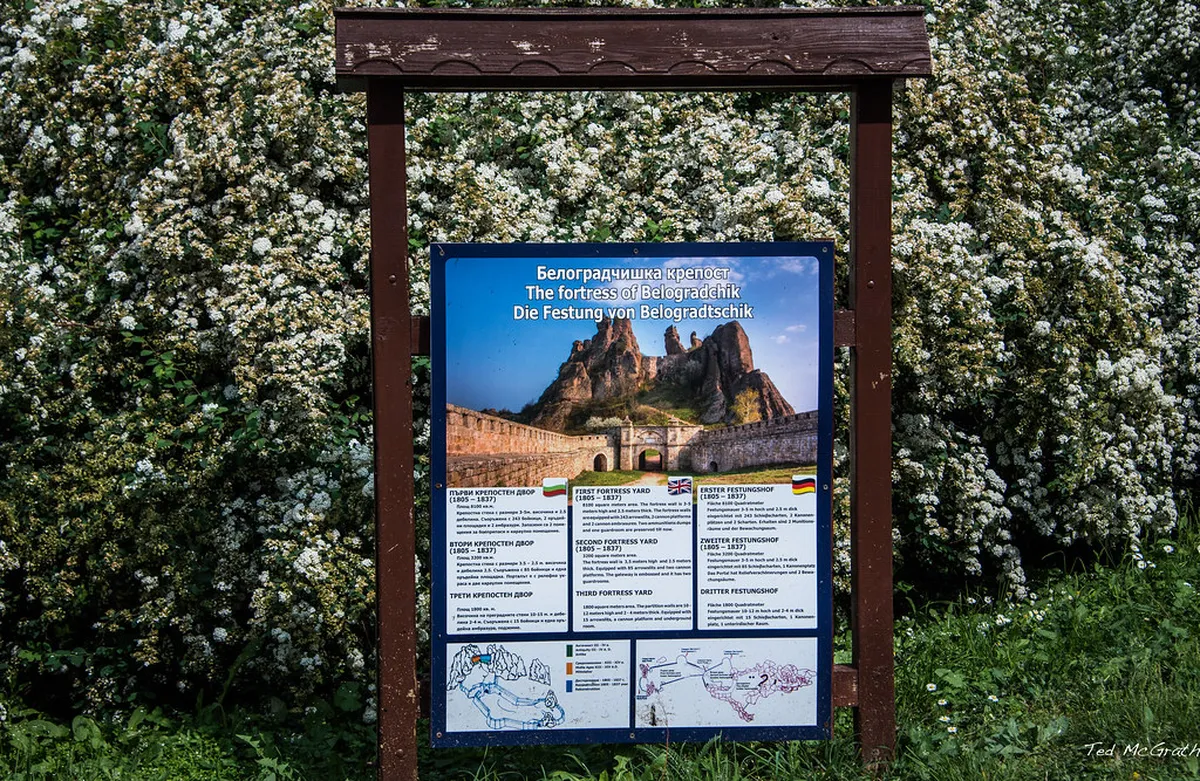
Ticket prices and fortress hours both shifted in recent years, so confirm current figures before you budget the trip. Give the visit at least two hours to cover the fortress's three courtyards and climb to the upper viewpoints. For the fortress's Roman-to-Ottoman history beyond ticket logistics, see the Kaleto Fortress guide.
- Adult entrance: €7.50 as of February 2026 listings, up from a longstanding 8 BGN rate.
- Fortress hours, June–September: 8:00–21:00 daily.
- Fortress hours, October–May: 9:00–17:00 daily.
- Audio guide: scan the on-site app if no English-speaking guide is available that day.
Where to Stay: Overnight vs. Day Trip
A same-day round trip from Sofia runs 6 to 7 hours of travel once you add fortress time, which is workable but tight. Staying overnight buys time for the fortress, a hike through the surrounding rock formations, and a side trip to a nearby cave. Hotel Skalite is the town's main hotel-scale option, and several smaller guesthouses fill in the budget end of the market. Guesthouse rates typically track seasonal demand, running lower outside summer and higher at the peak. Budget roughly €25–€35 a night from October through May, rising toward €45 or more a night in July and August. Confirm current rates directly with each guesthouse or with Hotel Skalite before booking. If a day trip fits your schedule better, follow the pacing in the one-day Belogradchik itinerary. Compare it against a guided day trip from Sofia before booking either option. For accommodation specifics and current listings, see Where To Stay In Belogradchik Travel Guide.
Summer lodging costs reach €45 or more a night compared to €25–€35 off-season, but the fortress's extended hours until 21:00 make tight day-trip scheduling viable, potentially offsetting accommodation expense.
Essential Tips for Your Belogradchik Visit
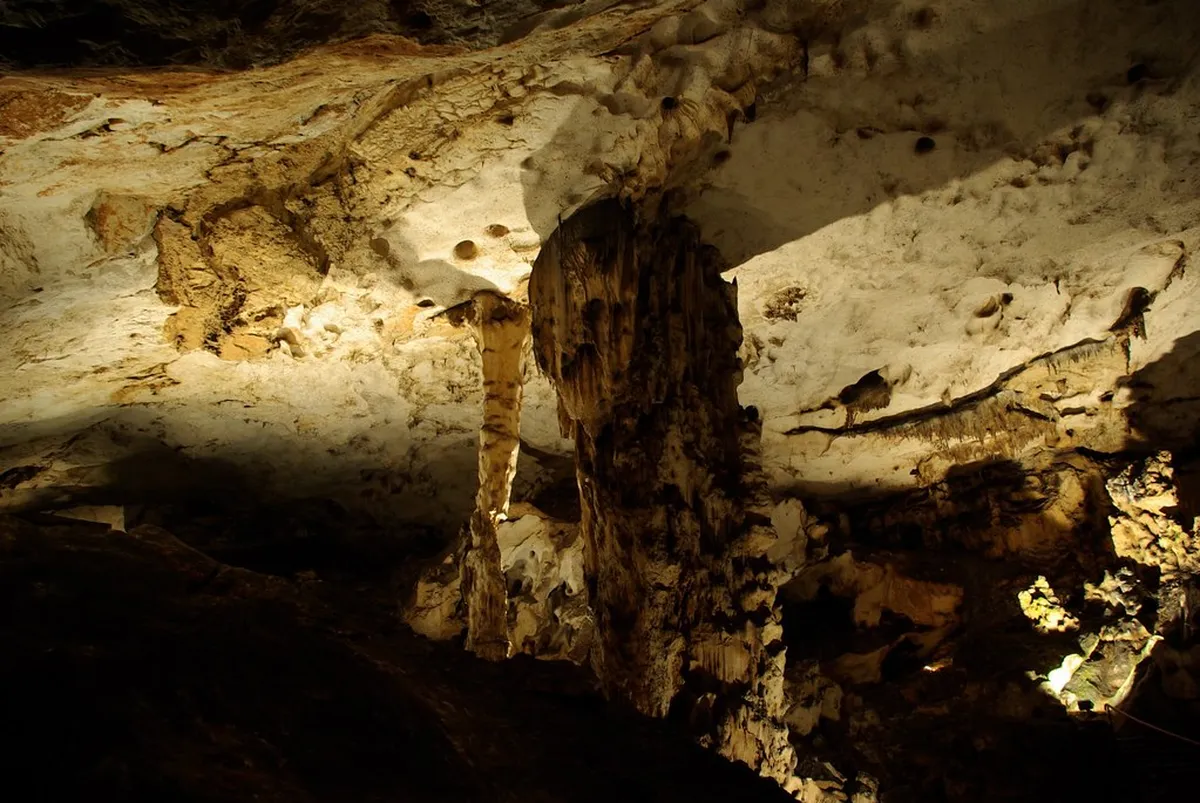
Photograph the fortress from the viewpoint near the Astronomical Observatory for a wide angle over the rock pillars and town below. Footwear needs vary sharply by season, and rushing a Sunday departure is the most common planning mistake. For dinner with a direct view of the fortress, Mislen Kamak is a commonly recommended option in town. Plan a taxi or tour for the cave visit, since public transport does not reach it directly. See the Magura Cave Travel Guide for current access details before you go.

- Winter and after rain: grip-soled boots for icy or wet fortress steps.
- Summer: breathable hiking shoes with good tread for heat and dust.
- Spring: waterproof footwear for muddy trail stretches near the rock formations.
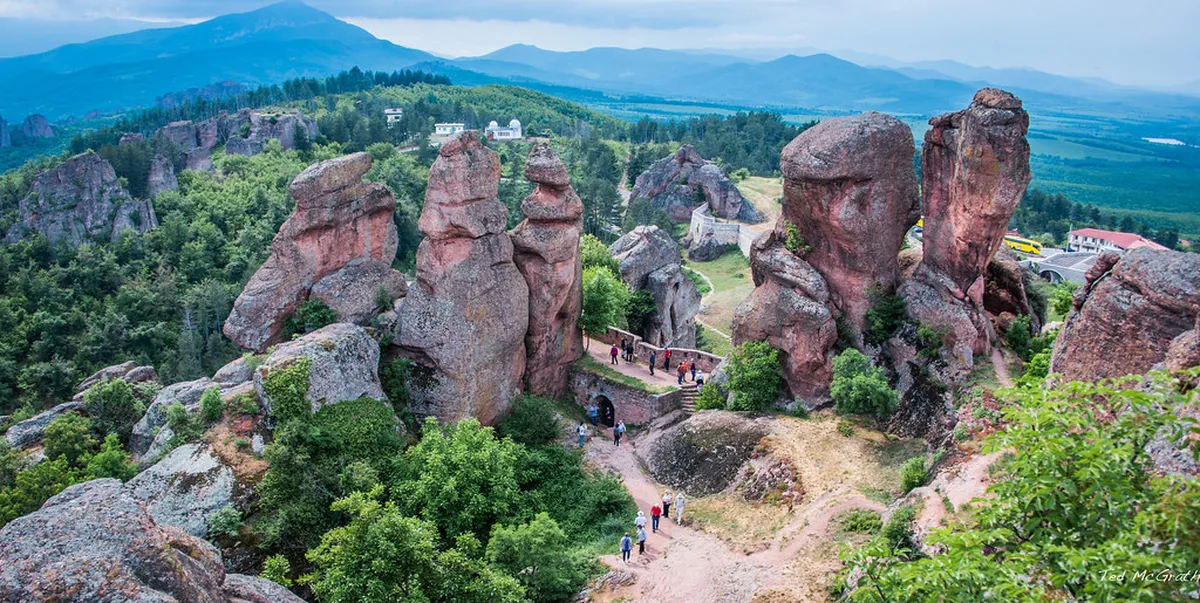
- Named formations: look for the Goddess Mother and the Gorilla Rock along the trail below the fortress.
- Sunday travel: the return bus from Belogradchik shifts to a 15:00 departure instead of the usual early-morning run.
- Off-season or rainy days: Magura Cave holds a steady 12°C (54°F) year-round as a reliable backup plan.
For trip-planning details, see Belogradchik travel guide - Wikivoyage and Belogradchik - Wikipedia.
Frequently Asked Questions
What is the best time to visit Belogradchik overall?
Most travelers do best in autumn or late spring, when temperatures stay moderate and crowds are thinner than summer weekends. Photographers who want the late golden-hour light should aim for June through September instead, when fortress hours run 8:00 to 21:00.
Is Belogradchik worth visiting in winter?
Yes, if you want snow-covered rock formations and near-empty viewpoints. Expect shorter fortress hours, 9:00 to 17:00, colder temperatures near or below 0°C (32°F), and icy steps that call for real hiking boots.
How many days do you need in Belogradchik?
One full day covers the fortress and a short hike, which works for a long day trip from Sofia. Two days allow time for the surrounding rock trails and a side trip to Magura Cave without rushing.
Can you visit Belogradchik as a day trip from Sofia?
Yes, but budget 6 to 7 hours of travel round trip by car, or roughly 4 to 5 hours each way by train and taxi. A guided day tour handles the logistics for you, though it leaves less flexible time at the fortress than driving yourself.
Do the fortress hours change by season?
Yes. From June through September the fortress stays open 8:00 to 21:00, and from October through May it closes earlier, at 17:00, opening at 9:00.
What's the best month for photography at Belogradchik?
October is usually the strongest month, when foliage color meets the red-toned rock pillars in softer light. Summer evenings also work well, since the fortress stays open until 21:00 for sunset shots inside the walls.