Kazanlak Rose Festival: A Complete Planning Guide
Last updated July 2026. The Kazanlak Rose Festival is Bulgaria's largest rose-harvest celebration, centered on dawn picking rituals, a Rose Queen coronation, and a Sunday parade. It always falls on the first weekend of June, when Rosa Damascena roses are still fragrant with morning dew.
What Is the Kazanlak Rose Festival?
Kazanlak has celebrated its rose harvest since 1903, when local organizers first staged a festival to mark the flower and raise funds for community causes. Rosa Damascena is the oil-bearing rose grown across the surrounding valley. Industry accounts value its essence at several times the price of gold, which is why the harvest became a public event rather than a private one. The event grew steadily after 1930, when organizers arranged discounted train tickets to draw visitors from across Bulgaria, and it has drawn international attention in the decades since. Programming actually stretches from May into June, with concerts, workshops, and exhibitions scheduled around the villages before festival weekend itself. Villages around town host the actual picking, while Kazanlak's center hosts the coronation and parade that close out the weekend. For a broader list of sights and seasonal events in town, see this roundup of 7 Best Things to Do in Kazanlak (2026).
Rose-Picking Rituals: Where and When to Go
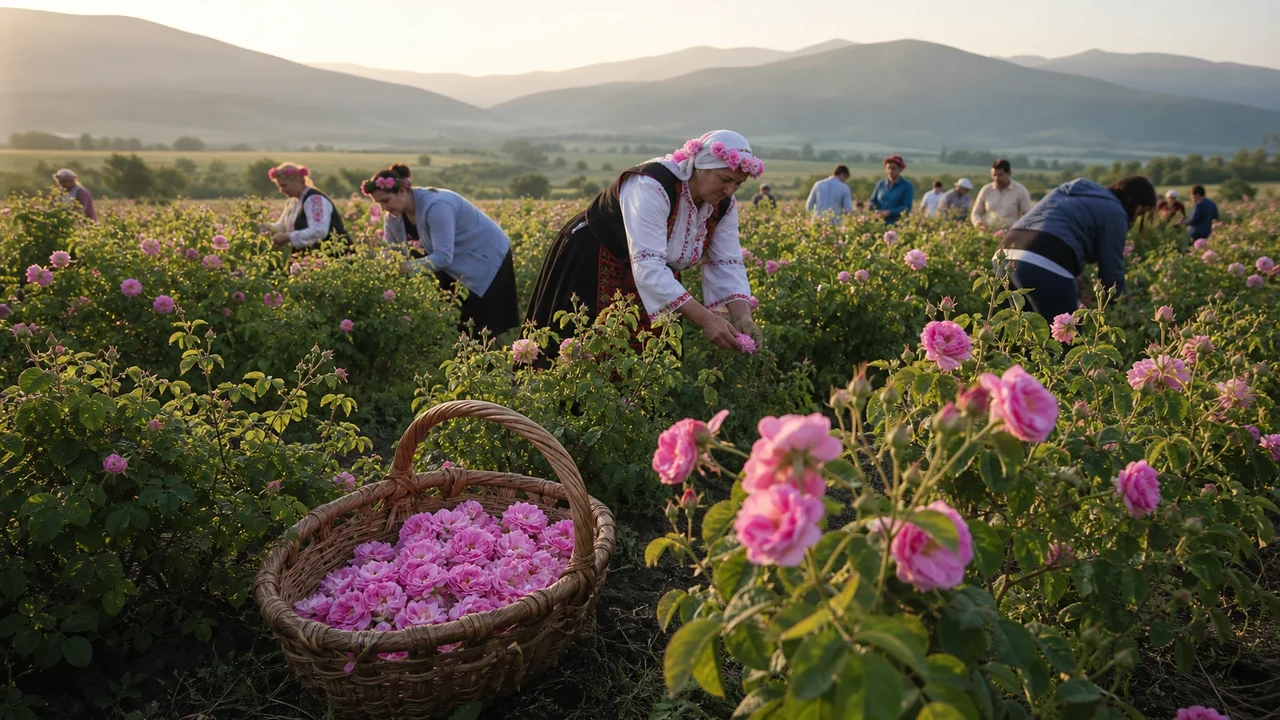
Rose-picking rituals happen in villages outside Kazanlak, not in the town center itself. Enina and Kran host the most-visited rituals on the first weekend of June. Several smaller villages hold their own ceremonies at the same time. Picking is done entirely by hand, since the process has to preserve the oils inside each petal. Picking runs from 5 a.m. to 10 a.m., while dew still coats the petals. Arrive by 9 a.m. at the latest. Petals lose oil content once dew evaporates and the sun climbs higher, so early starts matter more than a full day on site. Photographers get the richest color and dew detail in the first hour after picking begins, before crowds and midday sun flatten the light. The Rose Valley stretches close to 59 miles (95 km) between the Stara Planina and Sredna Gora mountain ranges, averaging around 7 miles (12 km) wide. That geography keeps the growing region shielded from cold winter winds and gives the roses the cool nights they need. More detail on the terrain is in this guide to the Rose Valley near Kazanlak.
- Enina: the most-visited rose-picking ritual, closest to Kazanlak's center
- Kran: a second high-traffic ritual site with folk performances
- Kanchevo: about 6 miles (10 km) from Kazanlak, a common taxi trip
- Koprinka, Yasenovo, Rozovo, and Razhena: smaller rose-growing villages with local rituals
Rose Queen Coronation and the Sunday Parade
A Rose Queen contest opens the festival weekend, with a graduating local woman chosen and crowned by the previous year's queen. High school graduates from Kazanlak traditionally compete for the crown, chosen for their connection to local tradition and public presence, and the winner becomes the face of that year's festival. Music, traditional costumes, and a communal Horo dance mark the coronation, pulling spectators into the celebration. The queen typically enters on a flower-decked stretcher and showers the crowd with rose petals before the festivities continue. The parade follows on Sunday at noon and runs roughly 60 to 90 minutes through Kazanlak's main street. Clubs, schools, and kindergartens march in costume, and the newly crowned queen and runners-up lead the procession. Full-day planning from rose-picking rituals through the parade fits well into a multi-day Kazanlak itinerary.
Tickets and Costs: What's Free and What You Pay For
Standing along the parade route costs nothing, and most rose-picking viewing in the villages is free to attend. Reserved seating for the Sunday parade is a paid add-on, along with the Friday folklore concert on the main square and organized rose-picking excursions with transport included. Paid seating costs more than free standing room but guarantees shade-adjacent seating and a clear sightline for the full 60- to 90-minute procession. Guided tour operators often purchase block tickets in advance on behalf of travelers, which is worth considering if you would rather not track ticket release dates yourself. Check the festival's own event calendar and Kazanlak's municipal tourism pages close to your travel dates for current-year prices, since organizers set exact figures annually.
| Event | Access |
|---|---|
| Standing at the parade route | Free |
| Rose-picking viewing in the villages | Free |
| Reserved parade seating | Paid |
| Friday folklore concert | Paid |
| Organized rose-picking excursion with transport | Paid |
Booking Accommodation Before February
Hotels in Kazanlak often sell out by February for a festival that runs in June, so book as early as the calendar allows. Pavel Banya and Stara Zagora serve as reliable backups once Kazanlak rooms disappear, both within a short drive of the festival villages. Booking directly with a hotel rather than through a third-party site can also help during festival week, since some properties hold back a few rooms for direct guests. Comparing options early also gives more flexibility on where to eat after a long festival day. Restaurants in Kazanlak fill up fast on festival weekend evenings, so reservations help. Full lodging options, including guesthouses closer to the rose villages, are covered in this guide to Where To Stay In Kazanlak Travel Guide. Travelers building a longer trip around bloom season should also check the best time to visit Kazanlak for weather and crowd patterns beyond festival weekend.
Getting to Kazanlak and the Transport Squeeze
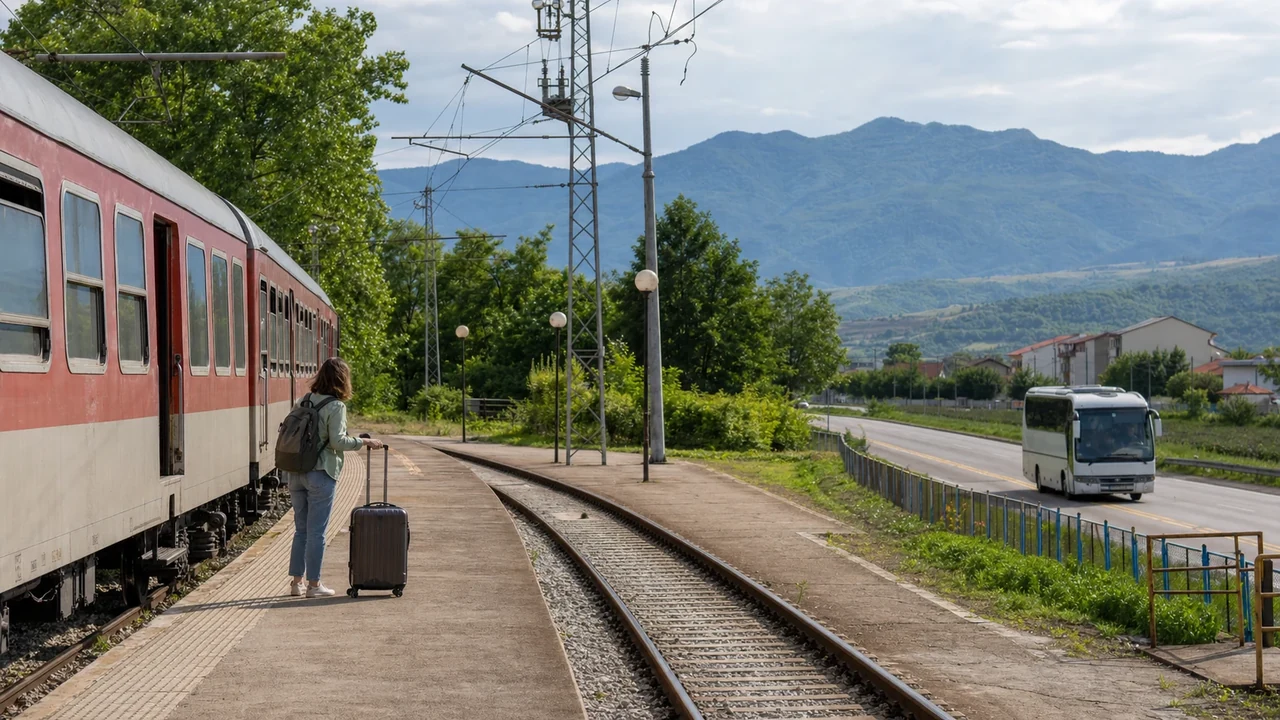
Sofia and Plovdiv are the two most common gateways for reaching Kazanlak during festival weekend. Route details and travel times are covered in this guide on How to Get to Kazanlak: Bus, Train, and Car Options (2026). A dedicated route breakdown covers the Plovdiv to Kazanlak: Transport Guide 2026 connection specifically. Local taxis and buses thin out fast once the parade crowd arrives, and travelers who wait until the morning of the parade to arrange a ride often find nothing available. Bulgaria's rail network arranged special festival trains as far back as 1930, but do not treat that as guaranteed transport today. Confirm current-year schedules directly, and book a taxi in advance rather than count on a special service showing up. Travelers who prefer full control over timing sometimes rent a car in Sofia or Plovdiv and drive to Kazanlak on their own schedule, though parking near the parade route fills early on Sunday morning. Arriving a day early, before the Sunday rush, avoids most of the squeeze entirely.
Arriving a day early beats the Sunday transport squeeze: rose-picking happens Sunday, 5-9 a.m., well before the parade-day surge that drains local taxis and parking.
Beyond the Roses: The Valley of the Thracian Kings
Festival weekend sits inside a region packed with UNESCO-listed history, so pair the rituals and parade with a few sites nearby. The wider valley holds hundreds of Thracian tombs, shrines, and treasures uncovered across the region.
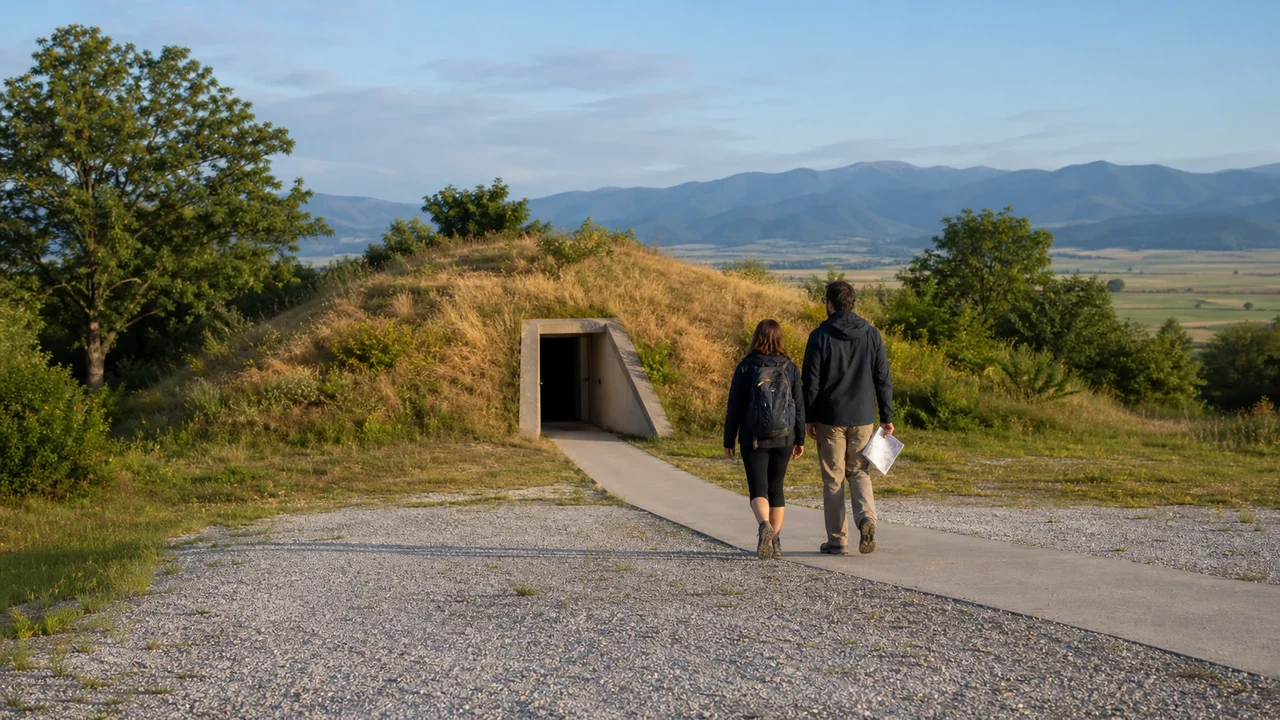
- Thracian Tomb Of Kazanlak Travel Guide: a UNESCO-listed burial mound dating to the 4th century BC, a short trip from the festival center
- Kazanlak Rose Museum Travel Guide: artifacts tracing rose-oil production back to the 18th century, when local families began extracting oil from petals
- Valley of the Thracian Kings Itinerary: A Complete 1-3 Day Guide: hundreds of tombs, shrines, and treasures scattered across the wider valley
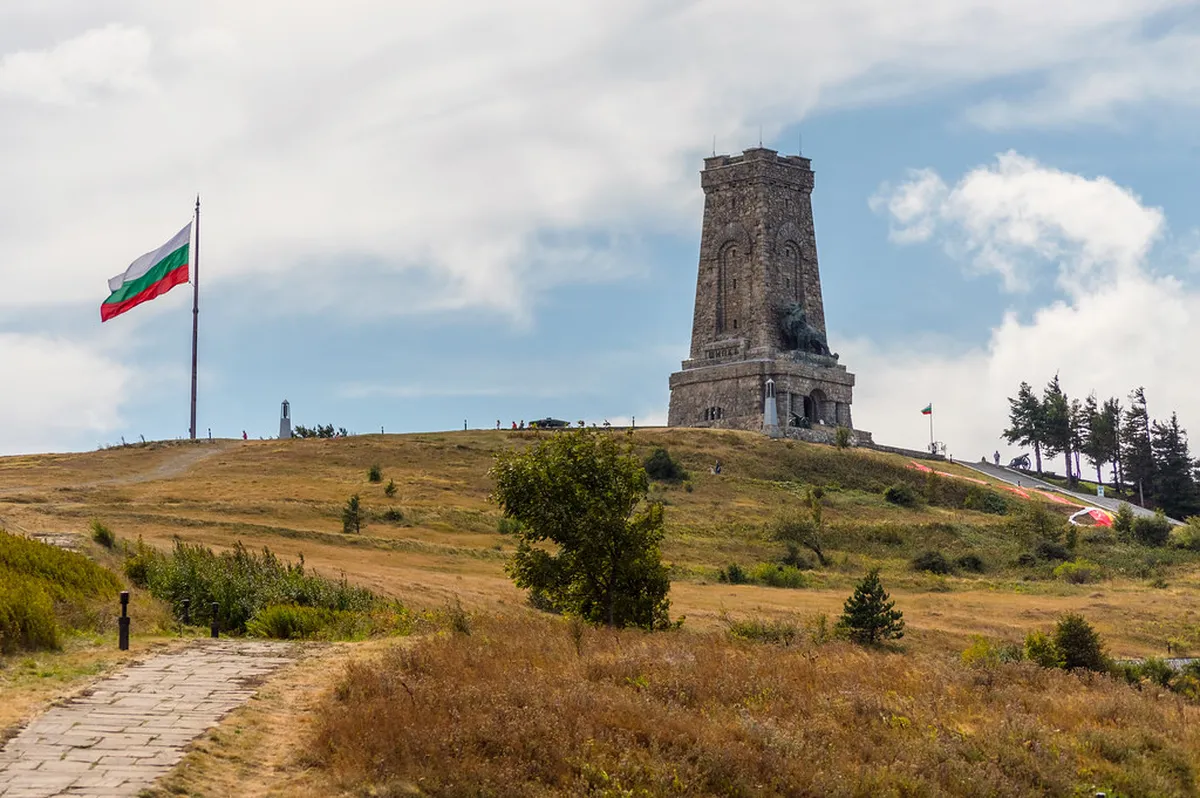
- Shipka Pass And Memorial Travel Guide: a monastery, monument, and museum within reach of Kazanlak
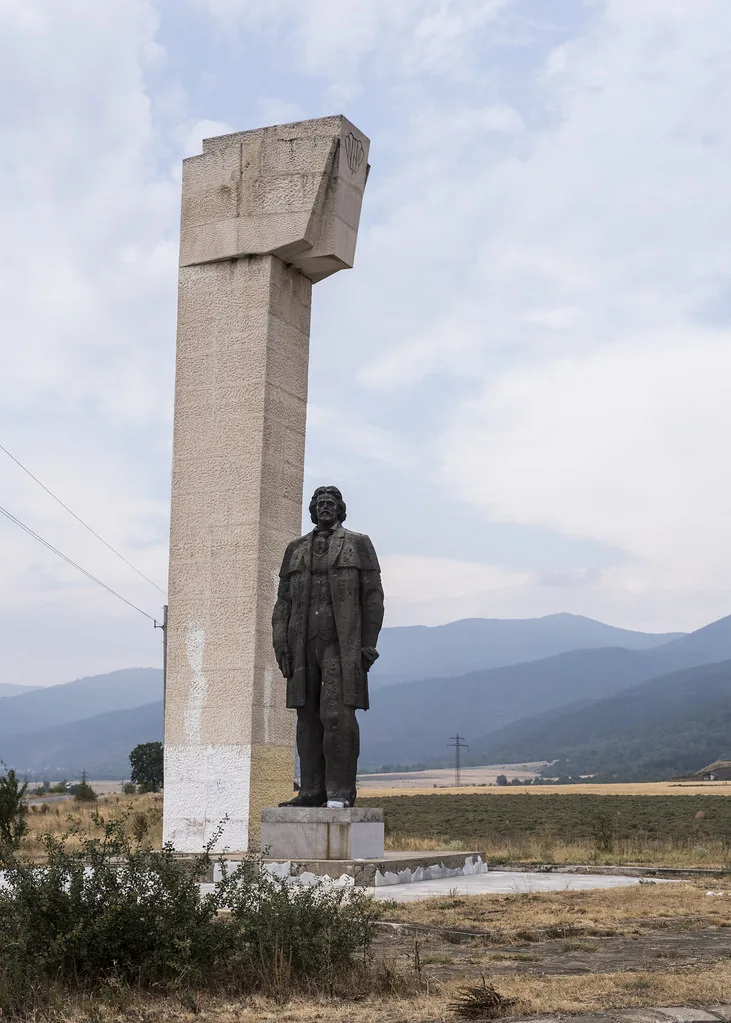
- Buzludzha Monument: How to Visit in 2026: the communist-era monument on Buzludzha peak, a detour for history-focused travelers
- Day Trips From Kazanlak Travel Guide: more routes for spreading festival weekend across the region
How Rose Oil Is Made: From Petal to Kazan
Kazanlak takes its name from kazan, the Turkish word for a distillation cauldron once used to render rose petals into oil. Bulgaria's rose plantations date back to the 16th century, when the first fields appeared in the valley around Kazanlak. Petals go through steam distillation shortly after picking, since oil content drops fast once the flowers dry out. Production historically centers on Kazanlak, Karlovo, Kanchevo, Rozovo, Pavel Banya, and Razhena, the same villages tied to today's festival rituals. It takes close to £7,700 of hand-picked petals to distill about £2 of finished oil. That scarcity is part of why the essence trades at several times the price of gold. That ratio also explains the early-morning picking window. Every hour of delay costs measurable oil yield across a labor-intensive harvest.
Picking runs from 5 a.m. to 10 a.m. when dew preserves petals' oil content; each hour of delay past that window measurably reduces yield during harvest.
A Realistic Festival-Weekend Timeline
Festival weekend follows a predictable rhythm once you know the pattern. Friday typically brings the folklore concert and market stalls in the main square. Saturday is built around the Rose Queen contest and coronation, held the day before the parade. Sunday starts early in the villages and ends with the parade through Kazanlak's center at noon.
- Friday evening: folklore concert and craft market stalls in the main square
- Saturday: Rose Queen contest and coronation ceremony
- Sunday, 5-9 a.m.: rose-picking rituals in Enina, Kran, and nearby villages
- Sunday, 12-1:30 p.m.: the grand parade through Kazanlak's main street
Mistakes to Avoid: Timing, Sun, and Transport
The single biggest planning mistake is arriving after 10 a.m. expecting to see the rose-picking ritual in progress. Petals get picked and sorted well before mid-morning, so a late start means missing the harvest entirely and catching only the aftermath. The parade brings a second challenge. Standing spectators face up to 90 minutes in direct sun, often with no guaranteed shade along the route. Temperatures on parade day often climb into the warmest part of the Bulgarian summer, so shade is scarce and the standing crowd packs in tightly along the barriers. Pack accordingly, since vendors near the parade route cannot be counted on for supplies once the crowd fills in. Local taxis and buses run light on festival weekend, so finalize transport arrangements well before the Sunday rush rather than relying on day-of options.
- Sun hat and sunscreen for the 60- to 90-minute parade
- Refillable water bottle for open-field rituals and full-sun parade viewing
- Comfortable closed shoes for uneven ground in the rose fields
- Cash in Bulgarian lev for village stalls that may not take cards
- A downloaded offline map of the rose villages, since rural mobile signal can thin out
Kazanlak vs. Karlovo vs. Gurkovo: Choosing Your Festival
Kazanlak hosts the largest and most tourist-oriented celebration, with the fullest lineup of rituals, coronation, and parade. Karlovo and Gurkovo run smaller, more local versions worth considering if crowds are the main concern. Karlovo runs its rose festival on the last Saturday in May, a couple weeks ahead of Kazanlak, and doubles as a center for rose oil and rose water production. Gurkovo holds a smaller celebration built around rose picking in the Koriyata area, with rose brandy brewed and rose jam tasted on the town square. In our editorial assessment, Karlovo and Gurkovo draw noticeably smaller crowds than Kazanlak, which suits travelers who want the rituals without the parade-day density. Travelers who want the full parade-and-coronation spectacle should choose Kazanlak. Those seeking a quieter, more local version have Karlovo and Gurkovo as alternatives.
| Location | Timing | Scale | Highlights |
|---|---|---|---|
| Kazanlak | First weekend of June | Largest, most tourist-oriented | Rose-picking rituals, Rose Queen coronation, Sunday parade |
| Karlovo | Last Saturday in May | Mid-size, rose-oil production hub | Rose Queen procession, folklore concerts, kukeri performances |
| Gurkovo | Same general period | Smallest, most local | Rose picking in the Koriyata area, rose brandy brewing, rose jam tasting |
For trip-planning details, see Kazanlak travel guide - Wikivoyage and Kazanlak - Wikipedia.
Frequently Asked Questions
When is the Kazanlak Rose Festival in 2027?
The festival always falls on the first weekend of June. The 2026 edition ran June 6 and 7, and the 2027 edition is set for June 5 and 6. Confirm exact dates on the official festival calendar closer to your travel date, since some peripheral events shift slightly year to year.
Do you need a ticket to watch the parade?
Standing along the parade route is free. Reserved seating is a paid option, along with the Friday folklore concert and organized rose-picking excursions. Paid seating mainly buys comfort and a guaranteed sightline rather than access to something otherwise closed off.
What time should you arrive for the rose-picking rituals?
Arrive by 9 a.m. at the latest. Picking runs from 5 a.m. to 10 a.m., while dew still coats the petals, so earlier arrivals see more of the ritual. Villages like Enina and Kran get busy fast once the main crowd arrives from Kazanlak.
Where can you stay if Kazanlak hotels are already full?
Kazanlak hotels often sell out by February for a June festival. Pavel Banya and Stara Zagora both work as nearby backups with a short drive to the festival villages. Booking a package tour is another option, since several operators handle both lodging and ticketing together.
Is Kazanlak the only town with a rose festival?
No. Karlovo holds its own celebration on the last Saturday in May, and Gurkovo runs a smaller, more local version around the same period. Kazanlak remains the largest and most visited of the three.
What should you pack for festival weekend?
Pack sun protection, a refillable water bottle, and closed shoes for uneven ground in the rose fields. Carry cash in Bulgarian lev for village stalls that may not take cards. A downloaded offline map helps in villages where mobile signal thins out.