Valley of the Thracian Kings Itinerary: A Complete 1-3 Day Guide
Last updated July 2026, this valley of the Thracian kings itinerary maps a practical route through the tomb-studded hills around Kazanlak. Tombs and museums sit far apart across a wide agricultural valley, so distances that look short on a map take real driving time. Below, one-day and three-day versions cover the UNESCO tomb, the original Golyama Kosmatka mound, Shipka Pass, and a Stara Zagora extension for travelers with extra time.
At a Glance: Your Valley of the Thracian Kings Itinerary
Kazanlak sits at the center of a valley that holds roughly 1,300 known burial mounds, with about 300 excavated so far. The Thracian tribes buried here are linked in ancient sources to figures like Orpheus and Spartacus, though the tombs themselves record local rulers rather than myth. Locally, the area doubles as the Rose Valley, since the same farmland grows the roses used in Bulgaria's rose-oil industry. These sites spread across farmland and hillside villages. No bus or train links them directly, so a rental car or private driver is the only reliable way to connect them. This itinerary complements the broader 7 Best Things to Do in Kazanlak (2026) guide with a tomb-focused route.
The valley holds roughly 1,300 known burial mounds, but only about 300 excavated so far, meaning visitor itineraries sample just a fraction of the known Thracian tombs while the vast majority of potential archaeological sites remain underground unexplored.
Rose Festival crowds peak in late May and early June, alongside the highest hotel demand of the year. July and August bring dry heat and thinner crowds, which suits travelers who prioritize the tombs over festival events. For a fuller month-by-month breakdown, see the Best Time to Visit Kazanlak 2026 Guide guide.
- Day 1 - Kazanlak: visit the Thracian Tomb of Kazanlak replica, Iskra Historical Museum, and Ethnographic Complex Kulata.
- Day 2 - The Valley and Shipka: Golyama Kosmatka, Ostrusha and Grifoni tombs, then Shipka Memorial Church and Shipka Pass.
- Day 3 (optional) - Stara Zagora: Augusta Trayana ruins, the Museum of Religions, and Starozagorski Mineralni Bani.
Day 1: Kazanlak's UNESCO Tomb and Iskra Museum
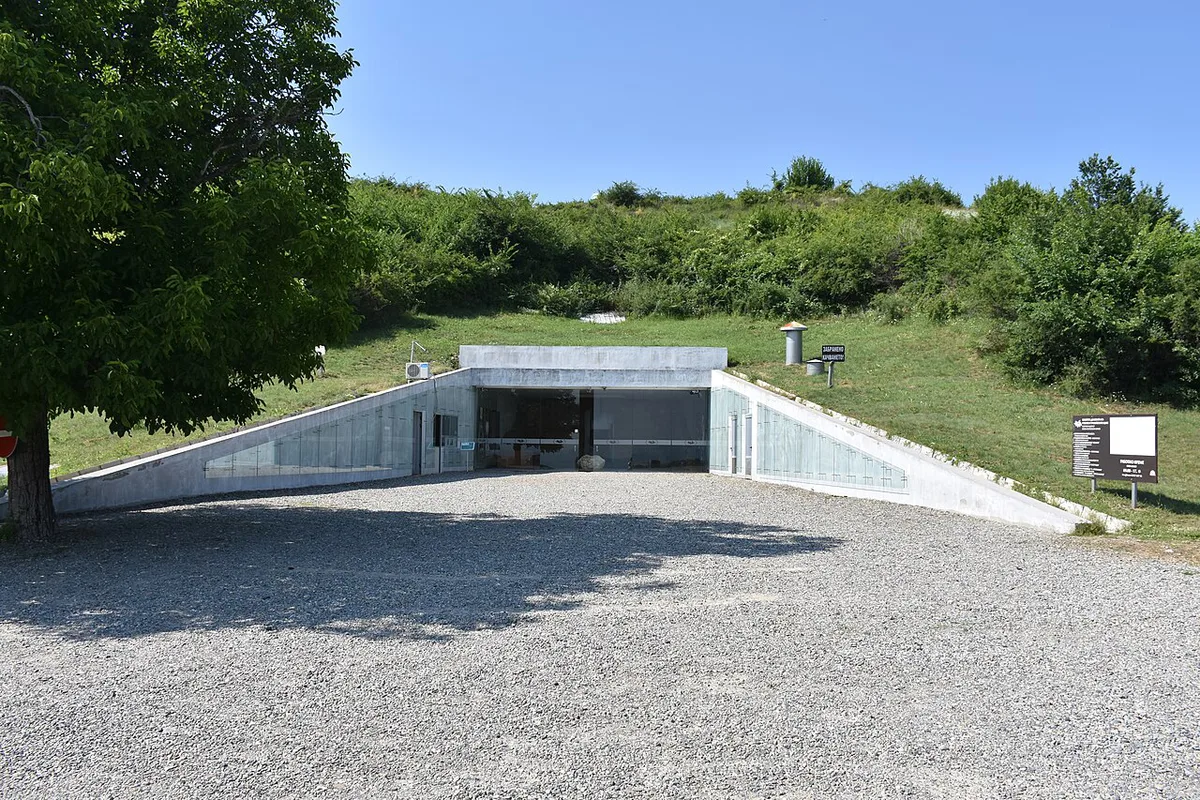
Start at the Thracian Tomb Of Kazanlak Travel Guide, the site that put the valley on the UNESCO World Heritage list. What you walk through is a full-scale replica built beside the original mound. Its frescoes date to the end of the 4th century BC, and the original tomb stays sealed to protect them. Golyama Kosmatka, visited on Day 2, is the original you can actually enter.
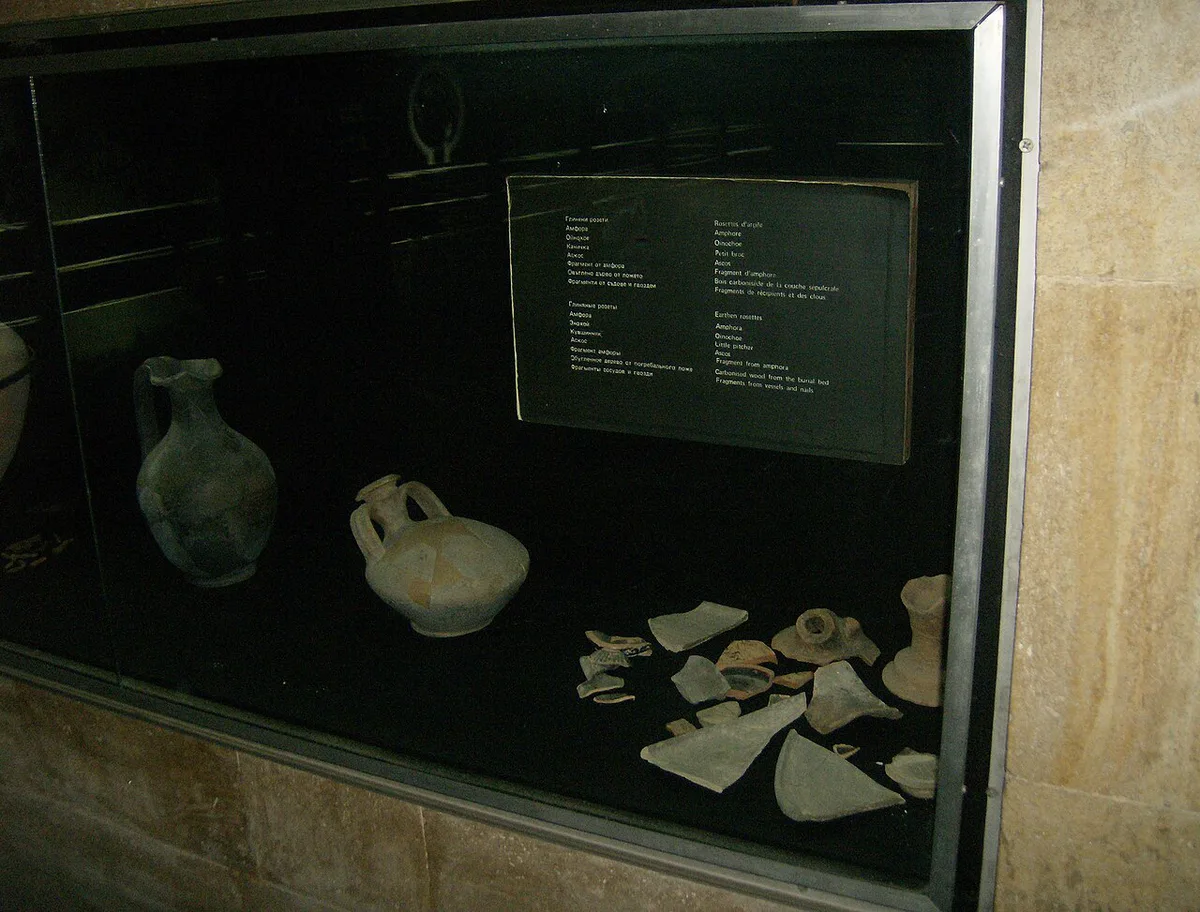
Iskra Historical Museum holds the gold artifacts and other grave goods excavated from the valley's tombs. None of that material stays on site at the mounds themselves. Budget about an hour for the collection, matching the pace of the guided day tours that run from Sofia.
Round out the day at Ethnographic Complex Kulata, a 19th-century house museum that displays traditional rose-oil distillation equipment used in the region. A fuller rose-oil story is told at the Kazanlak Rose Museum Travel Guide, worth adding if you skip festival-only demonstrations. Rose liquor and rose jam tastings are typically available at Kulata. Refuel afterward at one of the Best Restaurants in Kazanlak: Where to Eat in the Rose Valley before heading back to your accommodation.
Day 2: Golyama Kosmatka and Shipka Pass
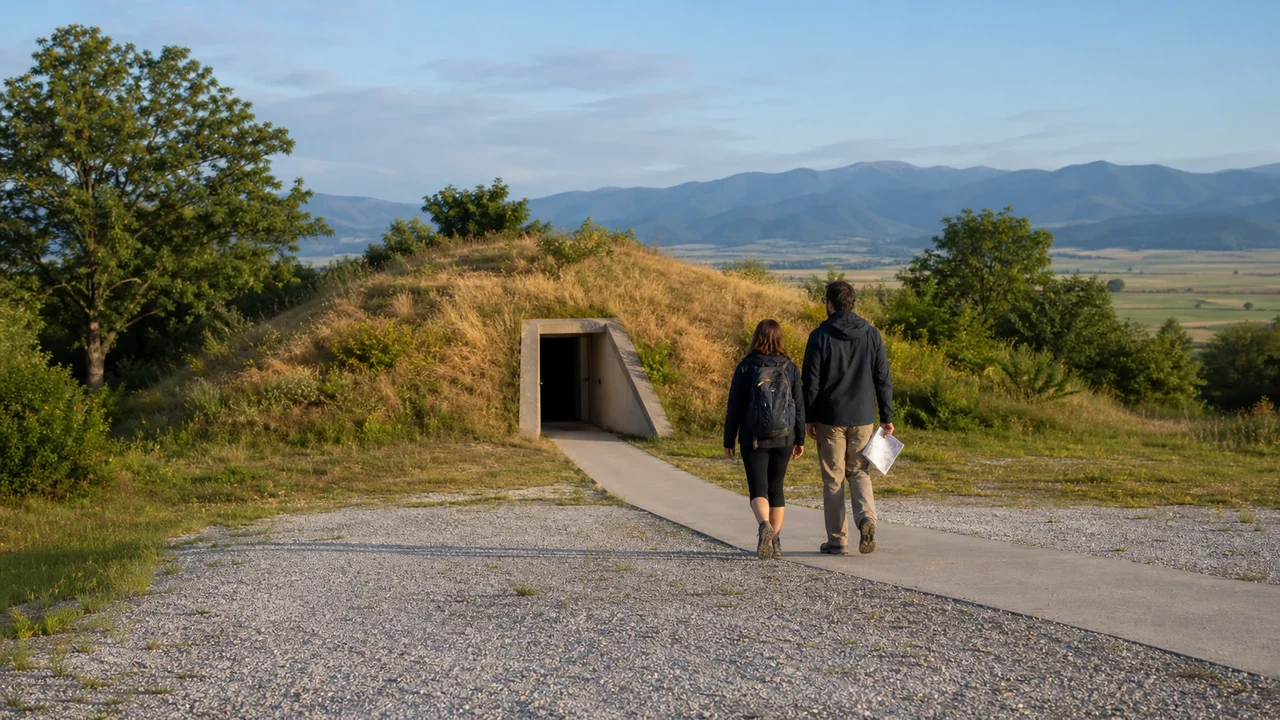
Golyama Kosmatka is the original tomb experience the Kazanlak replica can't match. Dated to the 5th century BC, it holds one of the richest troves of Thracian grave goods found in the region. Its stone entrance corridor and massive door give the site a different feel from the reconstructed Kazanlak mound, associated with the ruler Seuthes III.
Ostrusha tomb, dated to the 4th century BC, is known for a carved stone ceiling that mixes relief work with painted portraits and floral patterns. Grifoni tomb is older still, dated to the 5th century BC. It has three burial chambers connected by a single corridor, and produced some of the richest grave goods found in the valley. Restoration schedules shift, so confirm current opening hours for both before you drive out.
From the tombs, drive toward Shipka town for the Memorial Church of the Nativity of Christ, easy to spot from a distance thanks to its gold-covered domes. Modest dress is expected inside, and a short uphill walk connects the parking area to the entrance. Confirm current visiting hours locally, since they can shift around religious holidays.
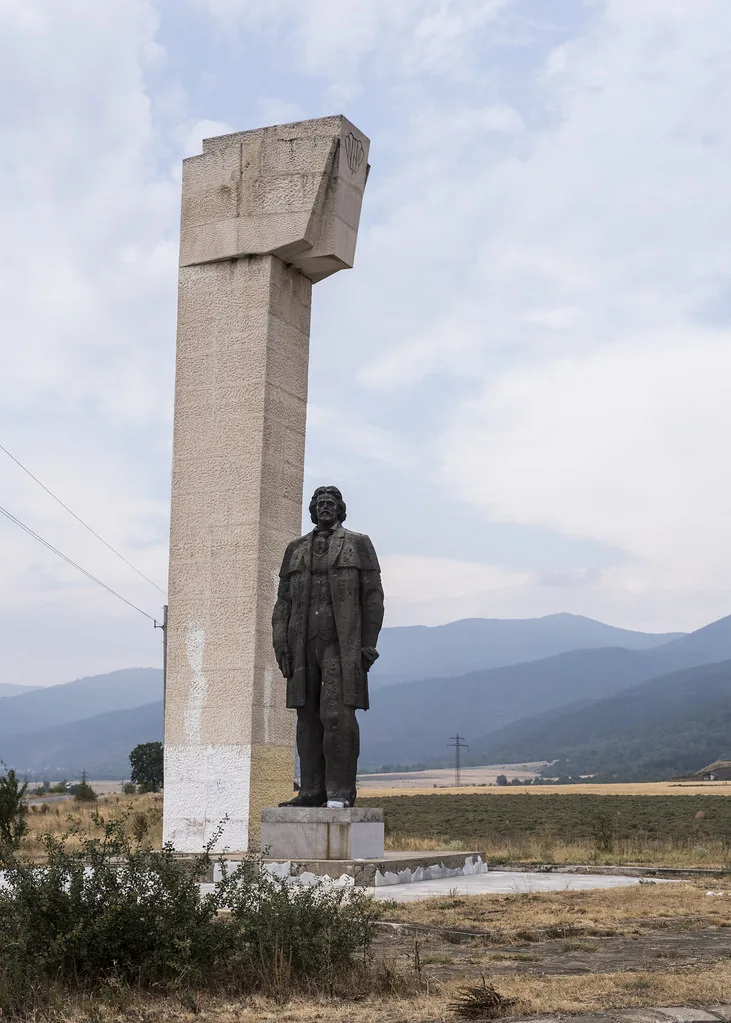
Continue up to Shipka Pass and its memorial, built to commemorate the Russo-Turkish War battles that helped end Ottoman rule in Bulgaria. Panoramic valley views open up from the hilltop platform, and most visitors treat the climb and the history as equally worthwhile. Travelers with an extra day sometimes extend north to the Buzludzha Monument: How to Visit in 2026; check current access conditions before detouring, since the site has a history of restricted entry.
Day 3: Stara Zagora's Roman and Ottoman Layers
Stara Zagora rewards a full extra day and gives you a wider hotel base than Kazanlak during festival season. Inside the Regional Museum of History, a preserved stretch of the ancient Augusta Trayana street sits intact with its original paving and columns. An open-air section beyond it holds the Augusta Trayana amphitheater.
Nearby, the Museum of Religions layers three places of worship inside one building: a Thracian pagan temple, a 10th-century Orthodox church, and an Ottoman-era mosque. Painted walls and Quranic inscriptions from the mosque period remain visible alongside the older Christian and pagan layers. Few sites in the region pack that much religious history into a single stop.
For a slower alternative to Kazanlak's town center, head to Starozagorski Mineralni Bani, a mineral-spring spa village about 12 miles (20 kilometers) away. It works well as a lunch stop or, per past traveler accounts, as an overnight base when Kazanlak hotels fill up around festival dates. Pair this stop with the Day Trips From Kazanlak Travel Guide guide if you want more options beyond the tomb route.
Rose Festival Extras Worth Timing Around
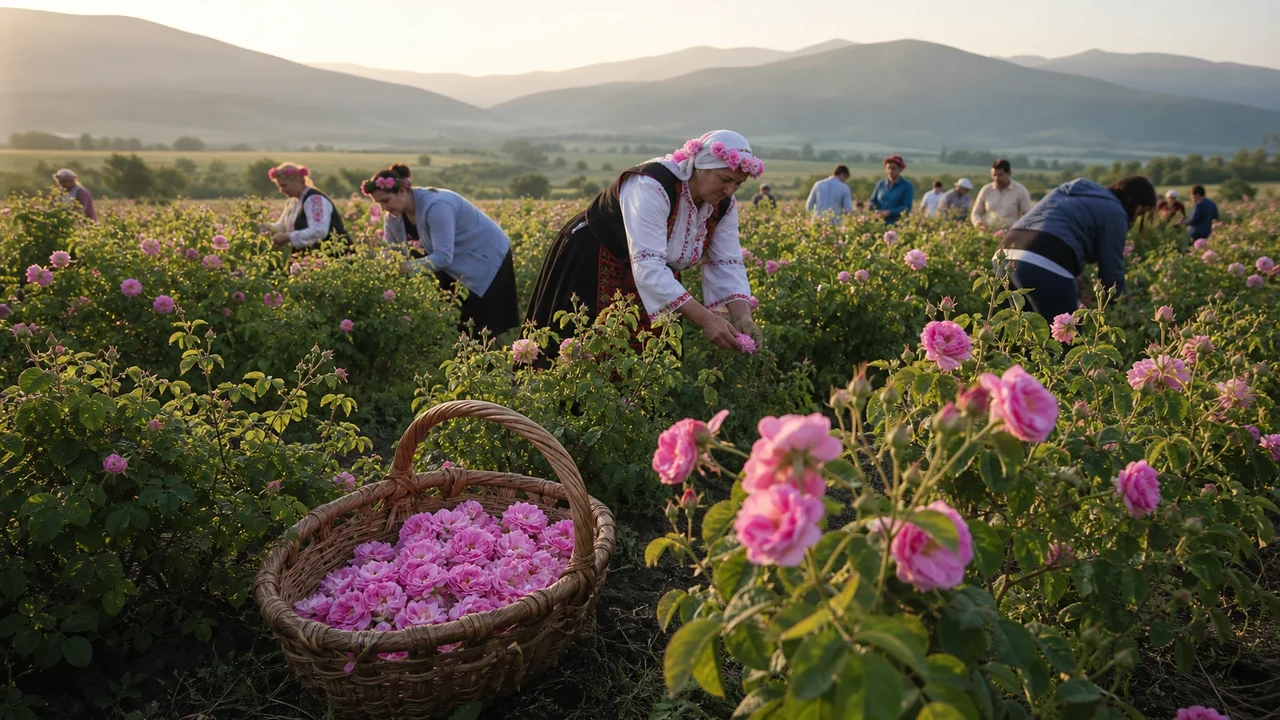
Festival activities spread across several valley villages rather than staying in one place. The rose-picking ritual takes place in village fields, including Kran at the edge of Kazanlak, where visitors join the harvest alongside dancers in traditional Bulgarian dress.
Kazanlak's city center hosts the Princess Rose Ceremony during the festival, and it draws large crowds. If a packed central event isn't your priority, the rose-picking fields offer a quieter alternative with the same seasonal atmosphere.
Timing inside the festival window matters too. Visiting in late May instead of early June improves your odds of catching roses still on the bush, since much of the harvest is finished by the first days of June.
Which Tombs to Skip When Time Is Short
Not every itinerary needs all five tomb sites, and a clear cutoff helps when time runs short. Use the table below to match your available hours to a realistic stop list.
Even a 3-hour visit covers the valley's two core contrasts: replica tomb versus original, and site versus museum artifact. For a broader multi-day plan that goes beyond tombs, cross-reference the Kazanlak itinerary guide.
| Time Available | Visit | Skip |
|---|---|---|
| 3 hours | Thracian Tomb of Kazanlak, Golyama Kosmatka | Iskra Museum, Ostrusha, Grifoni |
| Half day (4-5 hours) | Add Iskra Historical Museum | Shipka Pass, Stara Zagora |
| Full day | Add Shipka Memorial Church and Shipka Pass | Stara Zagora |
| 3 days | Everything above, plus the Stara Zagora extension | Nothing major |
Getting to the Valley: Sofia, Plovdiv, and Timing
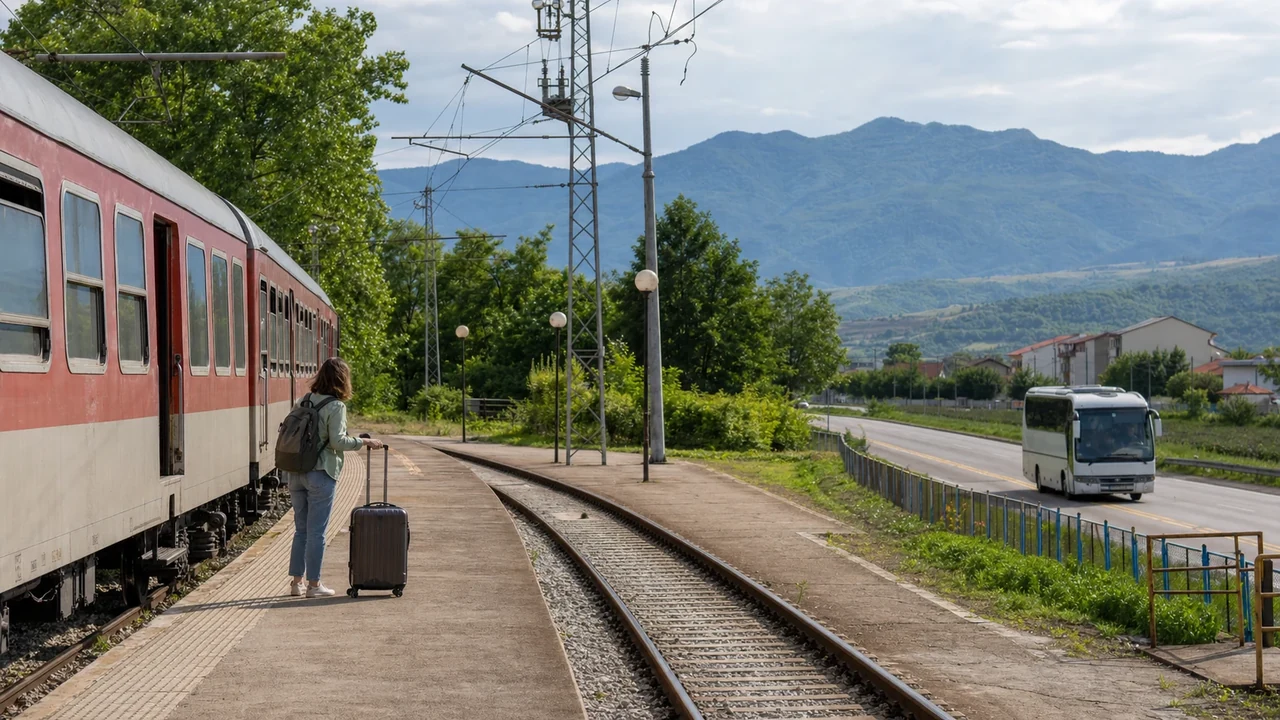
Most visitors reach Kazanlak by rental car, and the route you take shapes the rest of the trip. From Sofia, plan on roughly 3 hours of driving; see the How to Get to Kazanlak: Bus, Train, and Car Options (2026) guide for route options. From Plovdiv, the drive shortens to about 1.5 hours, covered in the Plovdiv to Kazanlak: Transport Guide 2026 guide, which makes Plovdiv a practical overnight stop before the tombs.
A trip from Sofia requires roughly 3 hours of driving each way, which means combining it with a minimum 3-hour site visit makes it a full day commitment; Plovdiv travelers can substantially shorten this timeline.
Independent travel accounts report Kazanlak-area hotels booking up roughly six months ahead of the Rose Festival, a pattern worth taking seriously if you are targeting early June. Stara Zagora offers a wider hotel base than Kazanlak's town center and stays easier to book during festival dates. Check the Where To Stay In Kazanlak Travel Guide guide for base options. See the Rose Festival guide for the event's dated schedule.
Budget and Booking: Guided Tours vs. Self-Drive
A private guided tour removes the driving-and-navigating problem entirely, at a price. Guided operators typically compress the Kazanlak tomb, Grifoni, and Ostrusha into a single 3-hour stop, then finish with an hour at Iskra museum before the drive back to Sofia. One operator's multi-day Thracian heritage itinerary lists private tour rates starting at €3,590 for a solo traveler and dropping as group size grows, recommended between April and October. A single room supplement adds €240 to any tier.
Smaller-scale day tours from Sofia run about 10 hours. A typical package includes:
Most operators offer a full refund if you cancel at least 24 hours before departure, though festival-period bookings tend to carry stricter terms. Individual site entrance fees are separate from these tour packages, so check each museum locally for combined-ticket options since availability can change.
| Group Size | Price per Person |
|---|---|
| 1 traveler | €3,590 |
| 2-3 travelers | €1,890 |
| 4-5 travelers | €1,190 |
| 6-7 travelers | €990 |
- Hotel pickup and drop-off
- A professional guide
- Entrance fees
- Private vehicle transport
Add Helvetia Tomb to the Day 2 Route
Helvetia Tomb is the clearest omission from the Day 2 route. It stands near Shipka, close to the Grifoni mound, so both can be paired without a major detour. Archaeologists date Helvetia to the late fourth century BC. Its long entrance corridor leads through an antechamber into a rectangular burial chamber.
The interior offers a useful contrast with Ostrusha. Helvetia emphasizes carefully fitted masonry, plastered surfaces, and a stone ritual bed. Ostrusha is better known for its carved ceiling and painted decoration. Visitors interested in construction methods may therefore value Helvetia more than a second richly decorated tomb.
Place Helvetia after Golyama Kosmatka and before Grifoni, then continue to the Memorial Church of the Nativity of Christ. This keeps the archaeological stops together before the climb toward Shipka Pass. Access can change during conservation work, and smaller tombs may keep shorter hours than Kazanlak’s main museums. Confirm same-day opening at Iskra Historical Museum or the local visitor center before driving to the mound.
Frequently Asked Questions
Is the Thracian Tomb of Kazanlak you visit the original?
No. What's open to visitors is a full-scale replica built next to the sealed original mound, which protects the 4th-century-BC frescoes inside. Day 2's stop at Golyama Kosmatka lets you enter an original tomb directly.
Can you visit the Valley of the Thracian Kings without a car?
Not practically. The tombs and museums sit far apart across open farmland, and no bus or train service connects them directly. Rent a car, hire a private driver, or book a guided day tour that includes transport between stops.
When is the best time to visit for the Rose Festival versus a quieter trip?
The Rose Festival runs in late May and early June and comes with the year's heaviest crowds and hotel demand. Visiting in late May rather than early June also improves your odds of catching roses still on the bush. July and August bring dry heat and thinner crowds, better suited to travelers focused on the tombs rather than festival events.
How many tomb sites should you plan to see in one day?
Two to three is realistic for a single day: the Kazanlak replica, Golyama Kosmatka, and possibly one more if you skip the Iskra museum. Trying to fit all five major sites plus Shipka into one day usually means rushing through each stop.
Is Kazanlak or Stara Zagora the better base?
Kazanlak puts you closest to the tomb sites, which matters most on a 1-day visit. Stara Zagora offers a wider hotel selection and stays easier to book during the Rose Festival, especially given reports of Kazanlak hotels filling up months ahead. For a 3-day trip, splitting nights between both towns works well.
Are combined tickets available for the tombs and museums?
Sourcing doesn't confirm a valley-wide combined ticket, so check each site locally, since bundled pricing can appear or disappear season to season. Guided day tours from Sofia bundle entrance fees into one upfront price, which sidesteps the question entirely.