Pleven Battle History: A Guide to the 1877 Siege Sites
Last updated July 2026, this guide walks through pleven battle history from the first Russian assault in July 1877 to the Ottoman surrender that December. Every stage of the four-month siege connects to a place you can visit today, from the Pleven Panorama to Skobelev Park. Use the route below to decide how much time the sites deserve on a Sofia day trip or a longer Bulgaria stay.
Pleven Battle History: Why the 1877 Siege Still Matters
Osman Pasha's defense of Pleven delayed the Russian army for five months and reshaped the final stage of the Russo-Turkish War of 1877 to 1878. Historian AJP Taylor's account credits that delay with forestalling any near-term Russian push toward Constantinople, buying the Ottoman Empire time it would not get back. Contemporary observers in Europe called the conflict the war between the blind and the one-eyed, a nod to the strategic errors on both sides. Historian Micheal Clodfelter's tally puts Russian and Romanian losses near 50,000 killed, wounded, or missing across the siege. Ottoman casualties reached roughly 25,000, plus 43,340 troops who surrendered with Osman Pasha that December. That resistance cost the Ottoman side time it could not spare. It also hardened Russian resolve and led to the blockade tactics that ended the war within months. Bulgaria remembers the outcome as the War of Liberation, and Pleven's streets still carry that memory in monument form. Much of modern Pleven's built-up center now sits over the former siege lines, so Skobelev Park's preserved earthworks are some of the only stretches of that 1877 terrain never built over. None of that history sits roped off behind glass alone, since Pleven has folded the battle sites into daily city life, from the central square to the hillside park above it.
Timeline of the Four Assaults on Plevna
Russian troops crossed the Danube at Svishtov in late June 1877 and captured the fortress at Nikopol before turning south toward Pleven. That capture had opened the Danube crossing that made the whole campaign possible in the first place. Osman Pasha marched his roughly 15,000-strong garrison from Vidin and reached the town just hours ahead of the Russian army. That head start let English-trained Ottoman engineers dig redoubts and trenches across the surrounding hills before the first Russian assault arrived. A redoubt is an earthwork fort with a raised bank and firing trench, not a natural hill, even though the mounds inside today's Skobelev Park look like rolling terrain. Four separate assaults followed over the next five months, each testing a different Russian and Romanian strategy.
Russian and Romanian forces sustained near 50,000 killed, wounded, or missing across the four initial assaults before the blockade strategy of General Totleben finally brought the siege to an end.
- First assault, 20 July 1877: About 6,500 Russian troops attack, but poor reconnaissance and Osman Pasha's fresh defenses turn the offensive back.
- Second assault, 30 July 1877: Russian strength grows to roughly 26,200 troops and 140 cannons, yet inaccurate maps and weak coordination cost the attack again.
- Third assault, the Great Assault, 11 to 12 September 1877: Reinforced by 35,000 Romanian troops, the coalition fields about 83,000 men and 424 cannons. General Mikhail Skobelev's column captures the Kovanlak and Issa Aga redoubts, the war's bloodiest single engagement, before being ordered to retreat when reinforcements are refused.
- Fourth stage, blockade and surrender: General Eduard Totleben replaces direct attacks with a full siege that cuts Ottoman supply lines. Osman Pasha's breakout attempt fails and Pleven surrenders on 10 December 1877.
Top Pleven Battle History Sites to Visit Today
Most of the sites below sit within or just outside Pleven's compact center, though the single most important one is not downtown at all. If time is tight, prioritize the Panorama over the museum. It delivers the siege's defining moment in a single stop, while the Regional Historical Museum rewards a second, slower visit with archival depth.
Ottoman defenders initially numbered roughly 22,000 to 34,000 troops when the siege began, yet 43,340 troops who surrendered indicated the garrison had grown significantly during the five-month standoff.
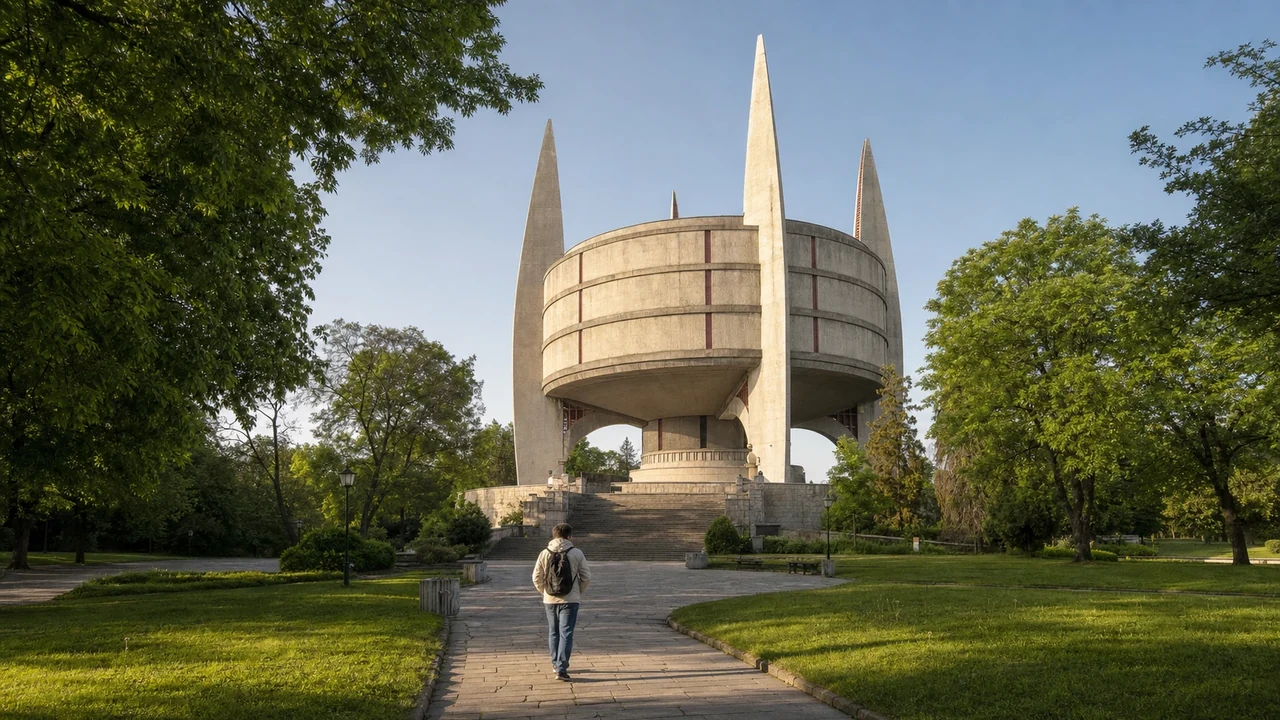
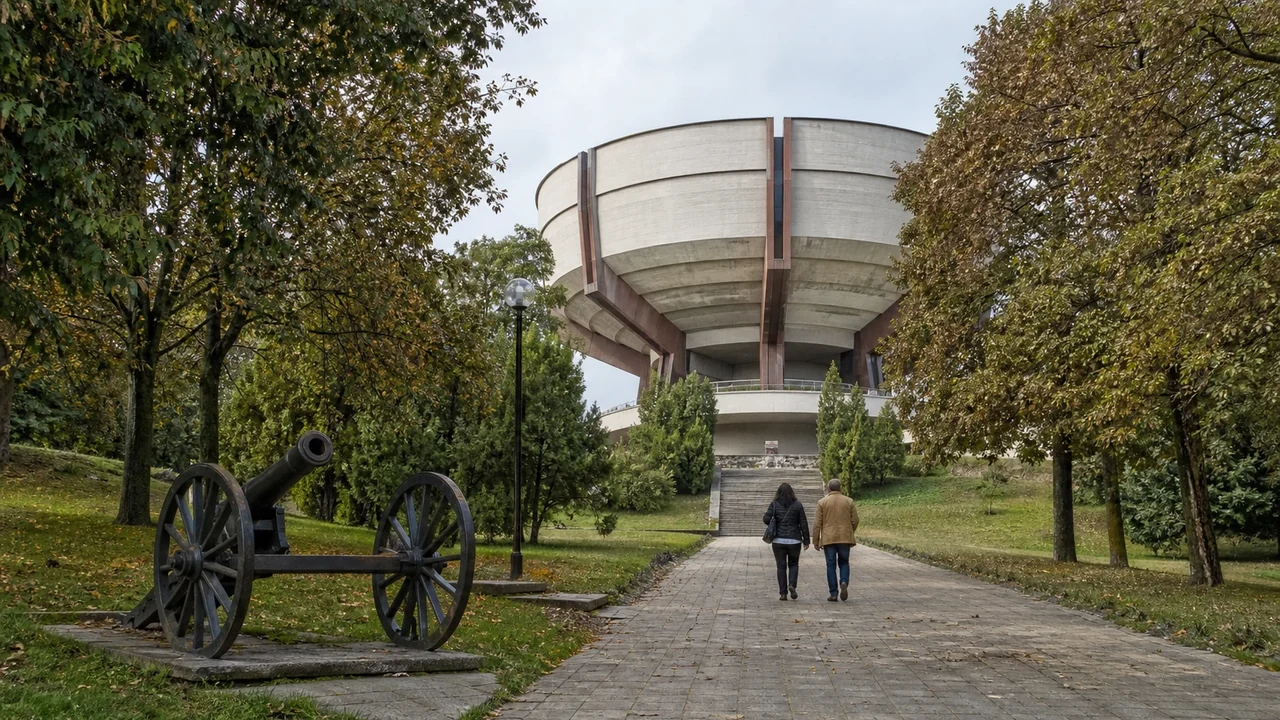
- Pleven Panorama, Pleven Epopee 1877: A round memorial building inside Skobelev Park, built on the battlefield of the Third Assault. Its 360-degree canvas depicts the September 1877 fighting in full detail. See the Pleven Panorama guide for canvas details and current opening hours.
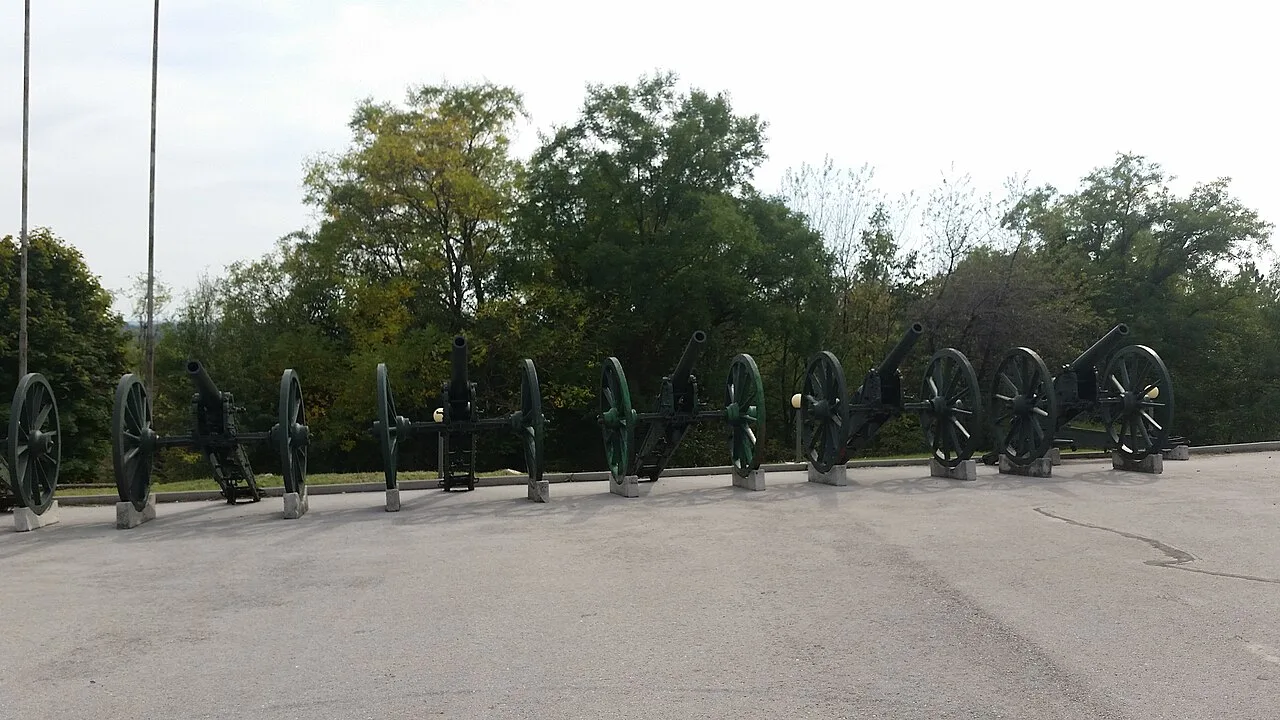
- Skobelev Park, the Valley of Death: The ground where Skobelev's column took the Kovanlak and Issa Aga redoubts in September 1877, turned into a memorial park in 1898. Walk the surviving earthworks and trench lines yourself.
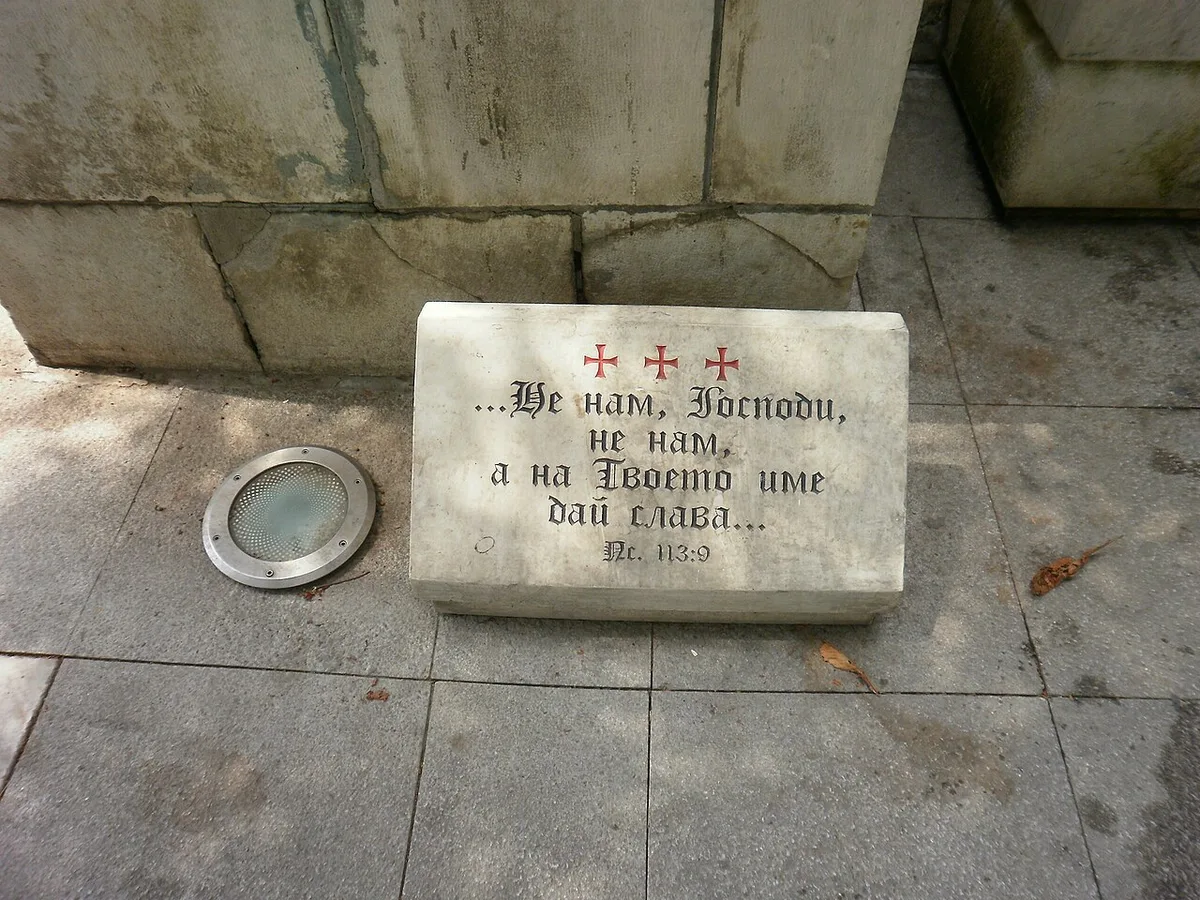
- St. George the Conqueror Chapel-Mausoleum: A domed chapel in Pleven's central square holding the remains of Russian, Romanian, and Bulgarian soldiers. Its fence forms the backdrop for the annual December 10 reenactment.
- Regional Historical Museum: Houses a dedicated Russo-Turkish War wing with period weapons, maps, and archival material. It is the better stop for anyone who wants primary-source depth beyond the Panorama's single scene.
- Gorni Dubnik and Telish Redoubts: The peripheral battlefields where Gurko's troops cut the Sofia Highway supply line. Worth the detour only if you have a car and a full day to spare.
Planning Your Pleven Battle History Route: Time, Transport, and Costs
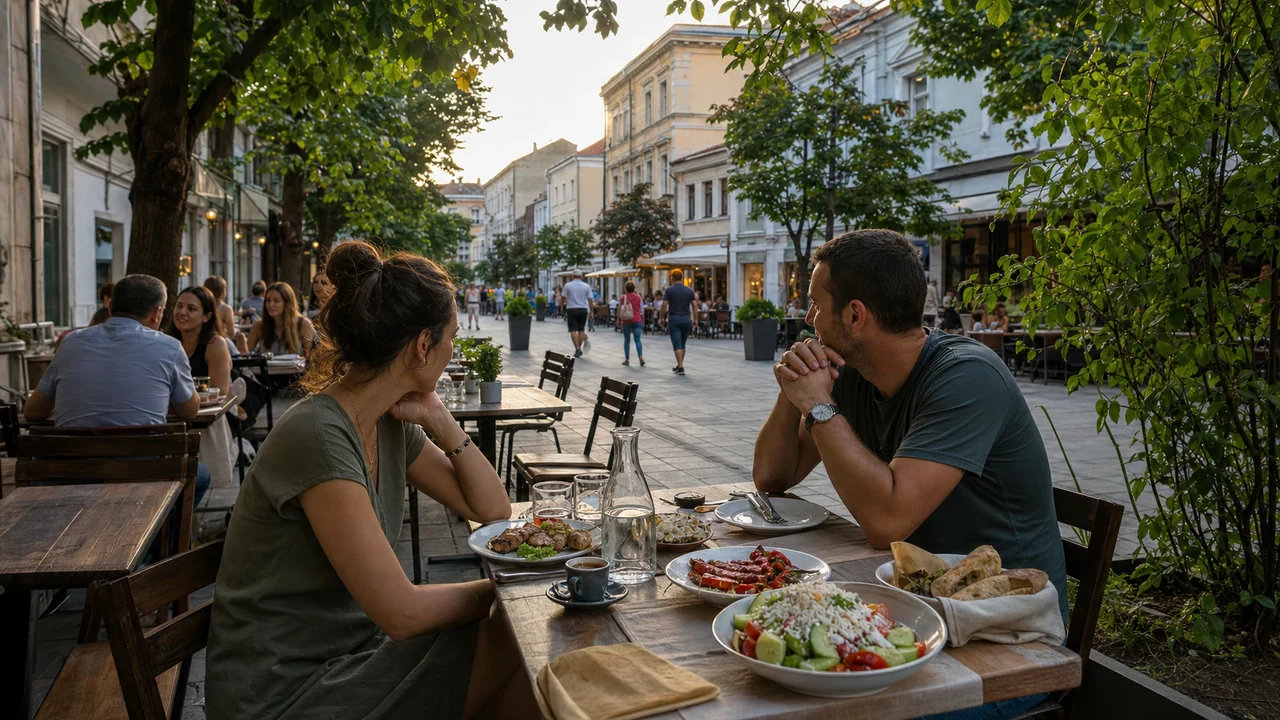
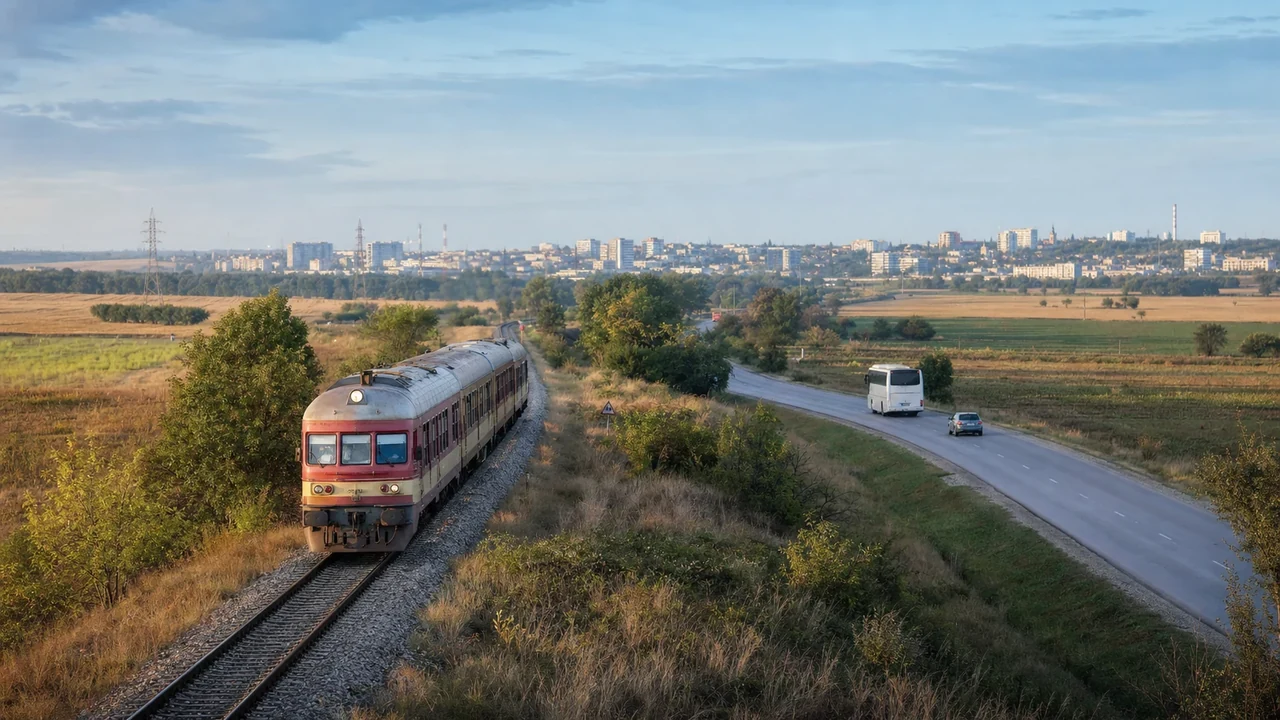
A focused loop through the Panorama, Skobelev Park, and the Mausoleum fits into half a day. Add the Regional Historical Museum and a slower walk through the redoubts, and plan for a full day instead. Skobelev Park and the Panorama sit next to each other, so once you have made the uphill climb, budget only a few extra minutes between the two. Skip the assumption that the Panorama sits downtown. It is a 20 to 30 minute uphill walk from Pleven's central square, or a short taxi ride if you are short on time. Refuel at one of the restaurants in Pleven near the central square before that uphill stretch. Check transport options from Sofia before deciding between a day trip and an overnight stay. The one-day Pleven itinerary shows how to pair the battle route with the rest of downtown. If you are arriving by rail from another Bulgarian city, review train travel in Bulgaria for current schedules. Staying overnight lets you add the museum and a slower park walk without rushing, so compare Where to Stay in Pleven 2026: Best Hotels & Areas options near the center. Entrance fees at the Panorama and the museum are priced in Bulgarian lev and change periodically, so confirm current admission at each ticket office before you go. Budget the Panorama as the pricier of the two, since its scale and technical upkeep cost more to maintain than the museum's standard exhibition halls. A private guided tour of both sites costs meaningfully more than visiting independently. Comparing the two admission prices before you go helps you decide whether to add the museum on the same day or save it for a return visit. Liberation Day reenactments happen every December 10 around the Mausoleum in the central square, restaging the Ottoman surrender with period uniforms and weapons. Confirm the current year's program locally, since exact timing and scale can shift.
Key Figures Behind the Siege: Osman Pasha, Skobelev, and the Romanian Army
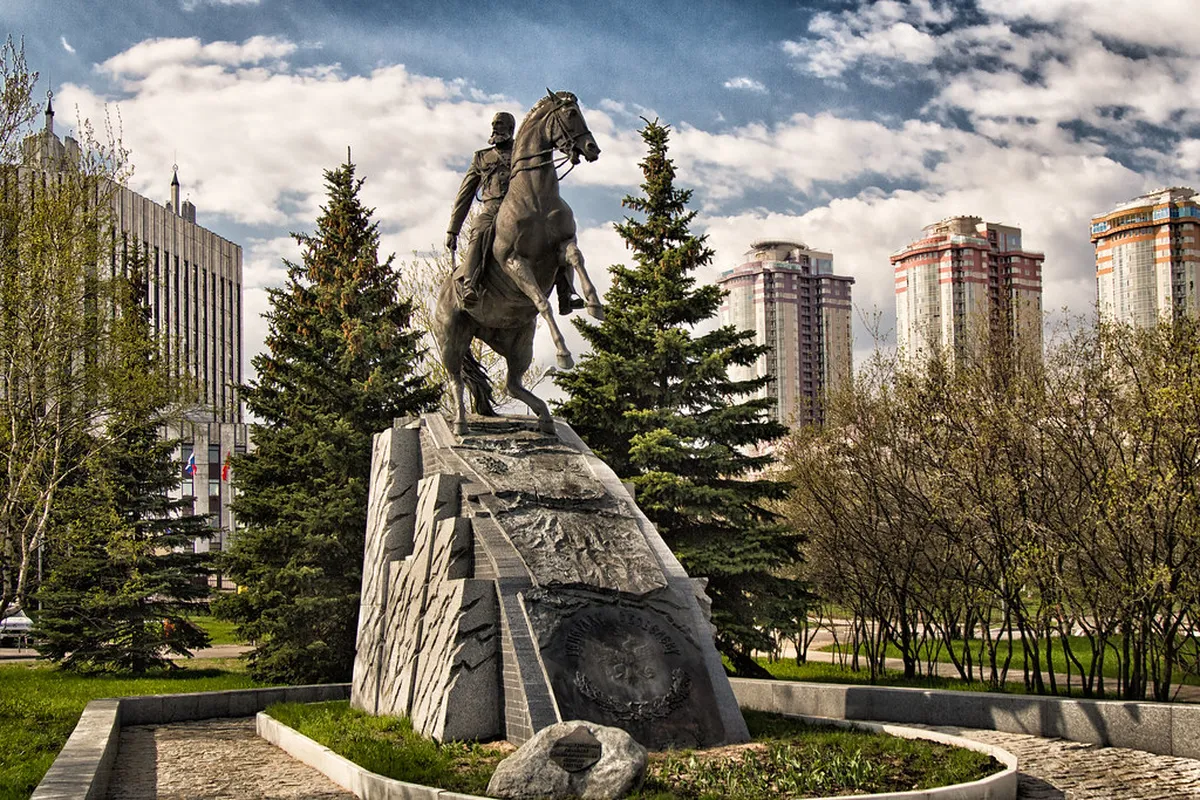
Osman Pasha earned the nickname the Lion of Plevna for holding a numerically superior enemy for five months with a garrison that grew from roughly 22,000 to 34,000 troops at different stages of the siege. Some accounts also credit part of his success to rapid-firing Winchester rifles issued to his troops, which let a smaller garrison hold off larger Russian assaults longer than expected. His surrender terms were honored respectfully by the Russian command, and Ottoman accounts still credit his defense as one of the war's most skilled campaigns. General Mikhail Skobelev, known as the White General for the white horse and uniform he wore into battle, led the only breakthrough of the Third Assault before being forced to retreat when reinforcements were refused. Skobelev Park and its Valley of Death nickname preserve his role in Pleven's memory today. Tsar Alexander II directed the Russian war effort from the field and, according to his son's own letter, felt the weight of the campaign's casualties personally. King Carol I of Romania held nominal command of the Great Assault alongside General Mihail Cerchez's Romanian troops, a partnership that is easy to overlook in Russian-focused accounts of the siege. General Eduard Totleben's blockade strategy, not a fifth direct assault, is what actually broke the siege in December 1877. That mix of Russian, Romanian, and Ottoman leadership is why Pleven's memorials list names from three different armies rather than one.
Mistakes to Avoid on Your Pleven Battle History Route
A few planning mistakes come up often enough to flag directly before you build a schedule.
- Assuming the Panorama sits in the city center: it is a 20 to 30 minute uphill walk, or a short taxi ride, from downtown Pleven, not a five-minute stop off the main square.
- Overlooking the Romanian army's role: Romanian troops made up close to half the coalition force at the Great Assault and suffered some of its heaviest losses, so skipping that context misses half the story.
- Ignoring seasonal hours: the Panorama and Regional Historical Museum can close on Mondays or around specific holidays, so confirm current hours before building a tight schedule around them.
- Treating Kaylaka Park as part of the battle route: it is Pleven's recreational park, separate from the military history sites, and belongs on a broader 11 Best Things To Do In Pleven, Bulgaria (2026) Guide list instead. See Kaylaka Park for what it actually offers.
Pleven Battle History in Literature and Popular Memory
The siege appears in fiction as well as monuments. Boris Akunin's historical novel The Turkish Gambit sets its plot against the Russo-Turkish War and the Plevna campaign, giving readers a fictionalized entry point into the events commemorated in Pleven's parks and museums today. European newspapers at the time followed what they called the Plevna Delay with fascination, turning Osman Pasha into a recognized figure well before the siege ended. That press attention is part of why the battle still shows up in accounts of the war well beyond Bulgaria. Modern visitors encounter both versions, novel and monument, within the same afternoon in Pleven's central square.
What to Look for Inside the Pleven Panorama
The Panorama is easier to understand when you follow its halls as a sequence rather than treating it as one large painting.
- The introductory displays establish the Russo-Turkish War, including the April Uprising, the Danube crossing, and the Romanian army’s entry into the campaign.
- The circular panorama recreates the Third Assault of September 1877. Look for Skobelev’s troops advancing toward the Kovanlak and Issa Aga redoubts.
- The diorama shifts to Osman Pasha’s failed December breakout near the Vit River, which ended the siege.
The foreground uses earth, weapons, equipment, and sculpted terrain to hide the boundary between the viewing platform and the painted battlefield. This creates the building’s immersive effect.
Before leaving, compare the depicted slopes with the surviving earthworks outside in Skobelev Park. The Panorama stands near the ground contested during the Third Assault. Walking the park afterward helps turn the painted redoubts and trenches into readable features of the modern landscape.
Frequently Asked Questions
What was the Siege of Plevna, and why does pleven battle history matter to travelers?
The Siege of Plevna was a five-month standoff in 1877 between Ottoman forces under Osman Pasha and a Russian-Romanian coalition. Its outcome delayed the Russian advance toward Constantinople. That delay still shaped the path to Bulgarian independence, which is why Pleven's monuments treat 1877 as a founding year.
How much time should you plan for the Pleven battle history sites?
A focused loop through the Panorama, Skobelev Park, and the Mausoleum fits into half a day. Add the Regional Historical Museum and a slower walk through the redoubts, and plan for a full day instead.
Is the Pleven Panorama within walking distance of the city center?
It is close but not central. Expect a 20 to 30 minute uphill walk from the main square, or take a short taxi ride if you are pressed for time.
Is Pleven worth a day trip from Sofia for its battle history?
Yes, if you plan around transport schedules first. Check transport options from Sofia before committing, since journey time determines whether the Panorama and central sites fit into one day.
What role did Romania play in the Siege of Plevna?
Romanian troops made up close to half the coalition force during the Third Assault in September 1877. They suffered heavy losses alongside Russian units, and their contribution is central to understanding the siege beyond the usual Russian-Ottoman framing.
What is a redoubt, and why do Skobelev Park's hills matter?
A redoubt is a self-contained earthwork fort with a raised bank and firing trench, not a natural hill. Ottoman troops built rows of them across Pleven's high ground in 1877, and the mounds inside Skobelev Park today are the surviving remnants of that defensive network.