Melnik 2 Day Itinerary: How to Spend 48 Hours Beyond the Day Trip
Last updated July 2026, this melnik 2 day itinerary offers a slower alternative to the rushed Sofia or Bansko day trip. Two full days let you pace the historic houses, wine cellars, and pyramid hikes without racing sunset. Day 1 stays in the town center and its cellars, then Day 2 heads out to Rozhen Monastery and a second winery.
Melnik 2 Day Itinerary at a Glance
Melnik packs a lot into two days despite its size as Bulgaria's smallest town. Expect short walking distances between sights, a compact list of restaurants, and an easy add-on trip to Rozhen Monastery on Day 2. The overview below gives you the shape of the plan before the hour-by-hour detail.
- Day 1 focus: Revival-era houses, the Kordopulov House cellar, and an evening wine tasting
- Day 2 focus: the trail to Rozhen Monastery, plus a second cellar or a corner of town you skipped
- Best base: a guesthouse or wine hotel inside the old town, walking distance to dinner
- Typical overnight cost: around €45-75 for a double room in a traditional guesthouse
- Typical meal cost: €12-18 per person for a sit-down lunch or dinner with local wine
- Getting around: the historic core is walkable; the car stays parked until Day 2's alternative driving route
Is Two Days in Melnik Enough for Bulgaria's Smallest Town?
Melnik holds the distinction of being Bulgaria's smallest town, and that status shapes this plan more than anything else. Expect a handful of restaurants rather than dozens, and reserve a dinner table during wine season since seating fills fast. Two days is enough time to see Melnik properly, and it's the minimum if you want to add Rozhen Monastery without rushing. A single day forces a choice between the house museums and the wine cellars. Splitting the visit across two days removes that trade-off and adds a full morning among the Struma Valley's vineyards. It also leaves room for an unhurried lunch instead of a quick stop between sights.
Getting to Melnik: Driving vs. Public Transport
Most visitors reach Melnik by car, since bus connections from Sofia and Bansko run on limited daily schedules that don't suit a flexible two-day plan. The Sofia and Bansko day trip guide covers driving times and the bus alternative in detail. Aim to arrive by early afternoon on Day 1, so the historic core is still open for a first walk before dinner. Renting a car for both days also makes the Day 2 alternative drive to Rozhen straightforward if the trail conditions look rough. Public transport works for a single focused day but adds friction once Rozhen and a second cellar enter the plan.
Where to Park in Melnik
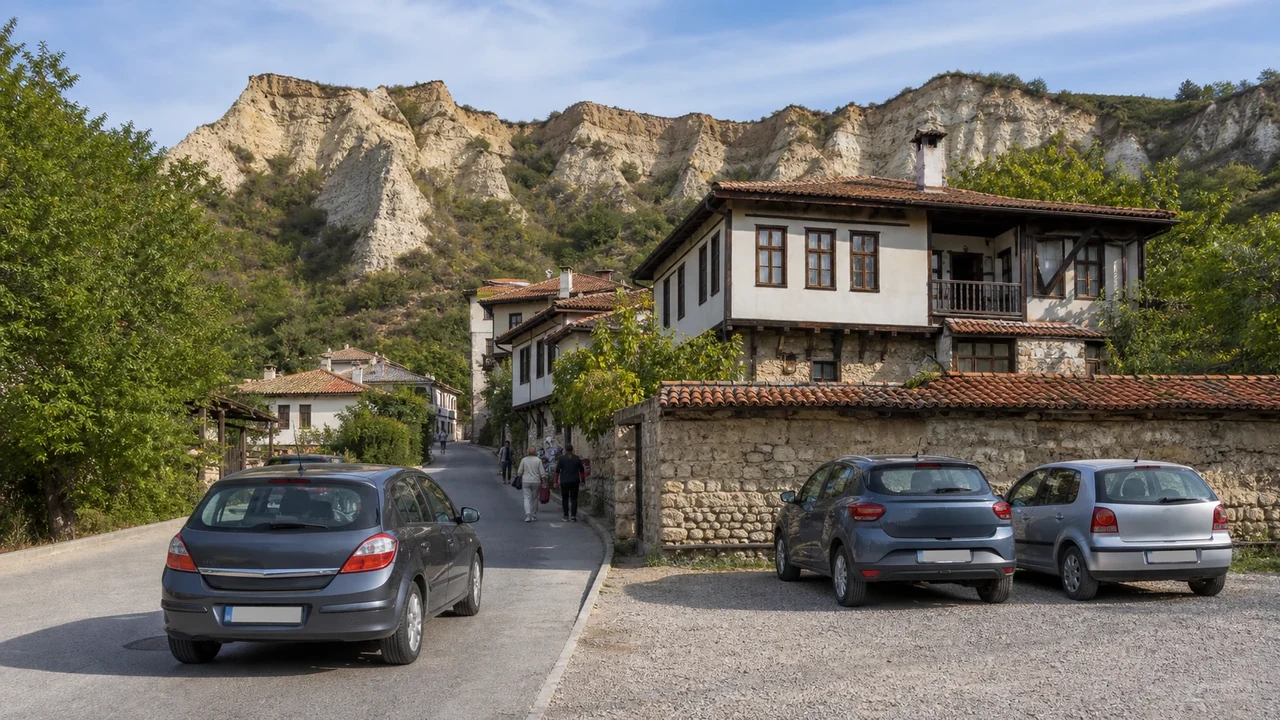
Melnik's streets predate cars, so the center stays largely closed to through traffic. Parking is limited to a few designated lots at the edges of town, and spaces fill early during peak wine-season weekends. Guesthouses often reserve or point guests toward the nearest lot, and the town's parking guide maps out every option in detail. Plan to walk the last stretch with your bags, since cars generally don't reach guesthouse doors on the narrowest lanes. Moving the car once for the full two days is normal; you won't need it again until the Day 2 monastery run.
When to Visit: Timing Your Two Days
Wine season runs through the harvest months, when cellars are busiest and tastings often need a booked slot rather than a walk-in. The seasonal guide to visiting breaks down when the Struma Valley is at its best and when the Rozhen trail tends to be driest. Shoulder-season weeks generally mean quieter cellars and easier footing on the hike. Winter visits are possible but expect shorter daylight hours for the Day 2 monastery hike, so start earlier than you would in summer. Whatever the season, book cellar tastings and a guesthouse room ahead rather than assuming same-day availability.
Day 1: Revival Houses, Wine Cellars, and Sunset at the Pyramids
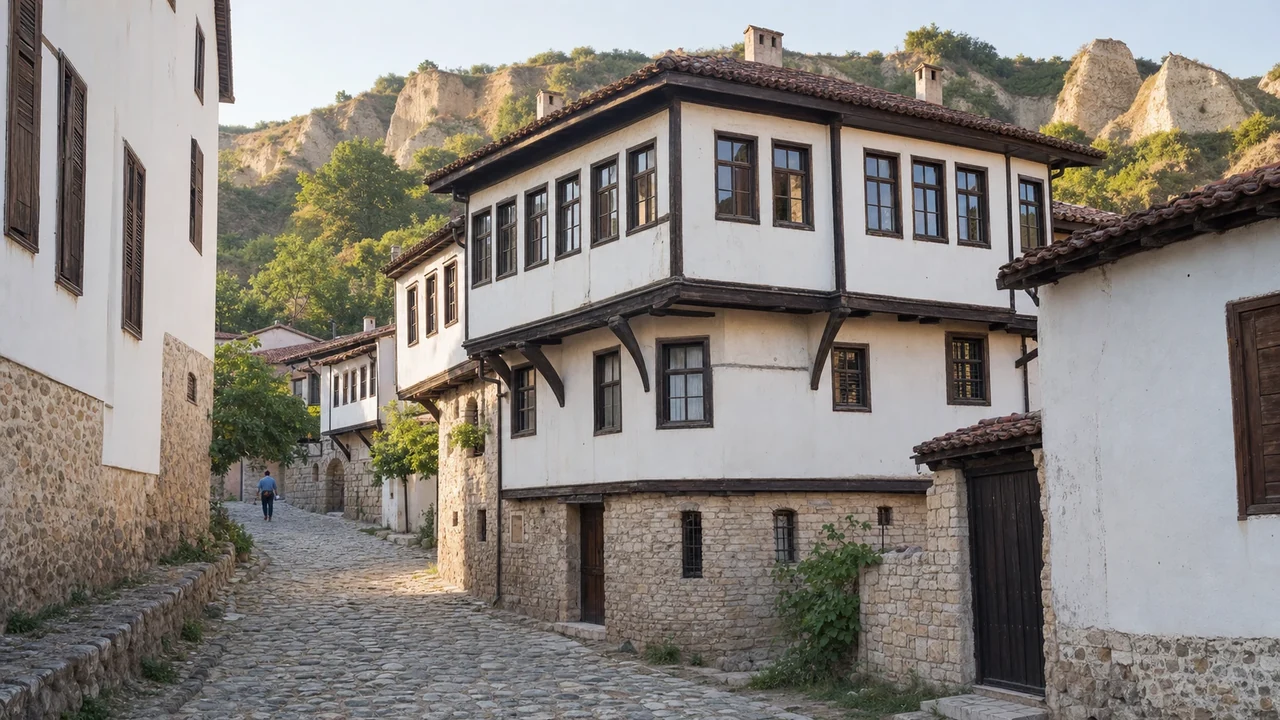
Revival-era architecture opens Day 1, and wine closes it. Everything below sits within walking distance of the main street, so the car stays parked until tomorrow. Pace yourself between stops rather than treating the list as a checklist to clear.
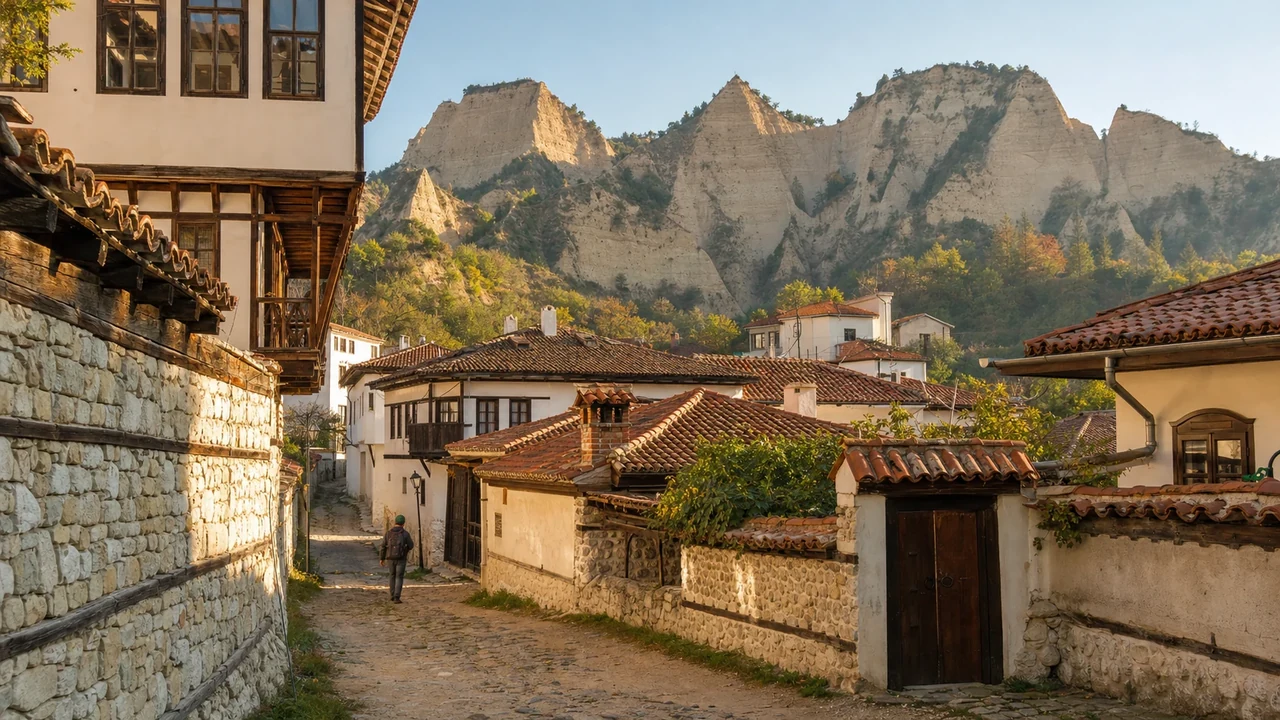
- Morning: walk the main cobblestone street and take in the National Revival-era houses that define the town's architecture.
- Late morning: visit the house museum you prioritized, then browse the artisan and wine shops along the main street.
- Lunch: sit down for Pirin-region dishes at one of the guesthouse restaurants in the guide to where to eat. Budget around €12-18 per person for a full meal with local wine.
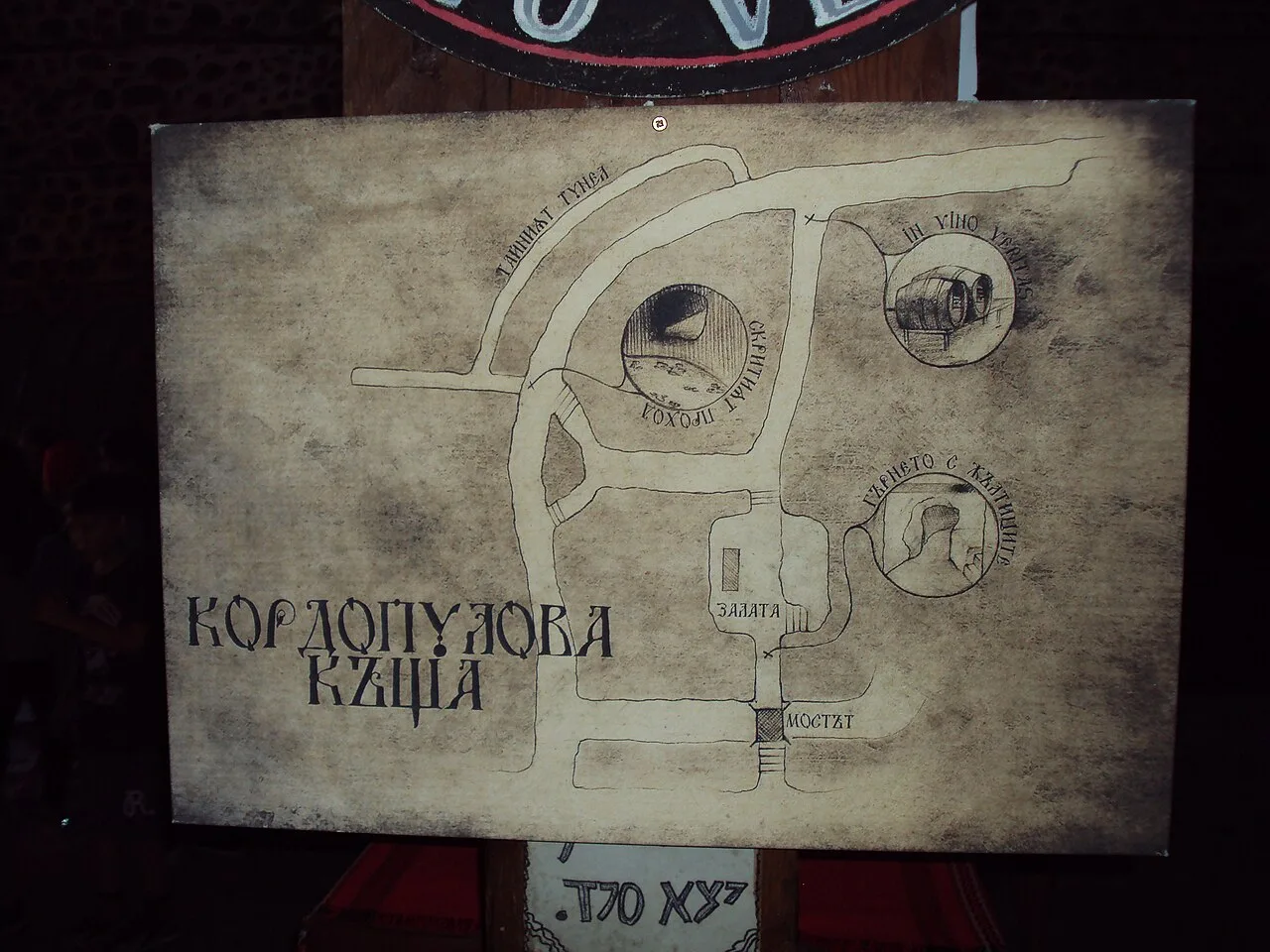
- Afternoon: tour the Kordopulov House Travel Guide for its stained-glass windows and the tunnel-carved wine cellar beneath it. Entry carries a nominal fee payable on site.
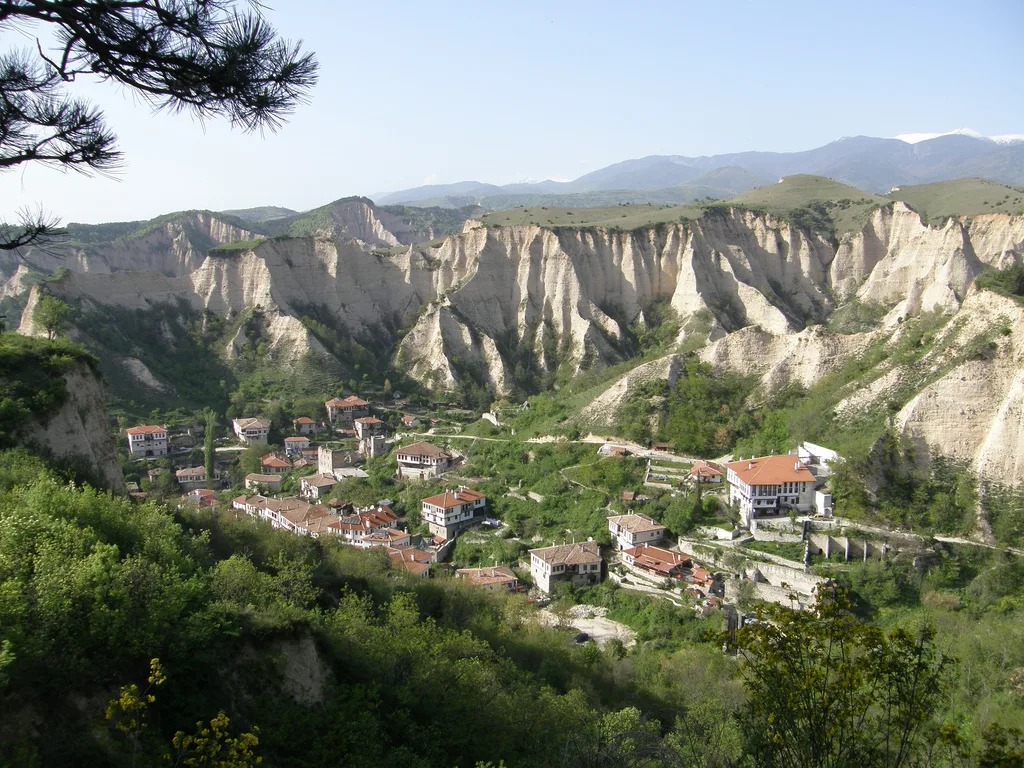
- Sunset: climb to the lookout points above town for a view over the sandstone pyramid formations as the light turns the rock orange.
- Evening: settle into a tasting built around the region's signature grape, the Broad-Leaved Melnik Vine, covered in the Struma Valley wine guide. A flight of four to five pours typically runs €10-15.
Choosing Between Melnik's House Museums
Melnik has several preserved Revival-era houses open to visitors, and they are not equally worth your time when the schedule is tight. Favor a house with an intact cellar or original interior furnishings over one that only opens its facade. Pick one house for a visit under an hour, then pair it with the Kordopulov House later in the day. With two hours to spare, add a second house for contrast in style and family history. Skipping a third or fourth house is not a loss; the cellars and the pyramid overlook reward the time more.
Day 2: The Hike to Rozhen Monastery
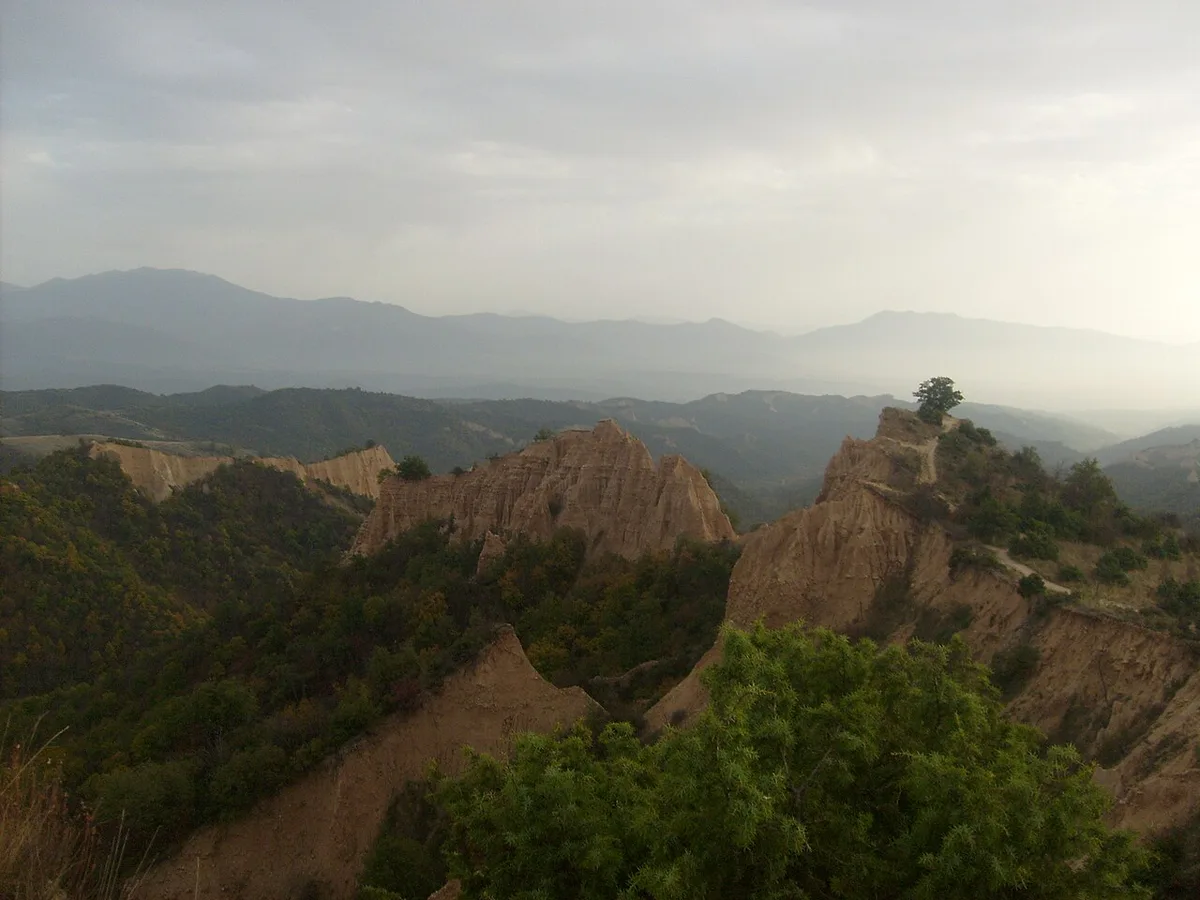
The route between Melnik and Rozhen Monastery follows a marked path across the sandstone badlands, and conditions shift with weather. Confirm current trail status locally before you set out, since erosion has affected sections of this route in past seasons. Hiking gets you closer to the badlands scenery along the way, while driving is the better call after rain, when the eroded sections get slick. Either way, carry water, since shade is scarce on the exposed stretches.
Plan Day 2 to allow 45–60 minutes for the monastery while securing an early morning departure, ensuring you can complete the hike, explore the grounds, and return to Melnik with afternoon time to spare.
- Morning: set out early on the eco-trail to Rozhen, and allow extra time for the exposed, sandy sections rather than pacing it like a paved trail.
- Mid-day: visit Rozhen Monastery, and cover shoulders and knees before entering. The monastery enforces a modest dress code at the gate.
- Alternative for non-hikers: skip the trail, drive the road route instead, and walk the short path up from the monastery's parking area.
- Afternoon: back in Melnik, visit a second cellar or explore a corner of town missed on Day 1. The full list of things to do covers options beyond the wine houses.
Packing and Pacing for the Rozhen Hike
The Rozhen trail crosses open, exposed ground with little shade, so sun protection and a refillable water bottle matter more than technical gear. Sturdy walking shoes with real tread help on the sandy, eroded sections more than smooth-soled sneakers do. Build in extra time rather than a fixed pace, since footing on sandstone is slower going than it looks from a distance. Travelers who prefer not to hike at all can drive the road route in a fraction of the time and still spend a full mid-day at the monastery.
Where to Stay: Guesthouses vs. Wine Hotels
Melnik's lodging splits into two types: family-run guesthouses in restored Revival-era buildings, and newer wine hotels built around a cellar or tasting room. The guide to where to stay breaks down both categories by location and price. Guesthouses put you closest to the restaurants on the main street. Wine hotels trade that convenience for an on-site cellar and a quieter room at night. Either type typically runs €45-75 a night for a double room in peak season, so book the style that matches your Day 1 evening plan.
Rooms cost €45-75 nightly and represent just part of the budget. Factor in meals at €12–18 per person and two sit-down wine tastings at €10–15 per flight to estimate your total spending.
Why Stay Overnight Instead of a One-Day Rush
A single day in Melnik means picking either the house museums or the wine cellars, not both. The one-day version of this itinerary covers that compressed plan. Staying overnight removes the trade-off, since you get an unhurried tasting after dinner instead of one squeezed in before a return drive. It also opens up the Rozhen Monastery hike, which a single day rarely has room for. Day 2 afternoon also stays free for a second cellar instead of the road back to Sofia or Bansko.
Rozhen Monastery: What to See and How to Visit Respectfully
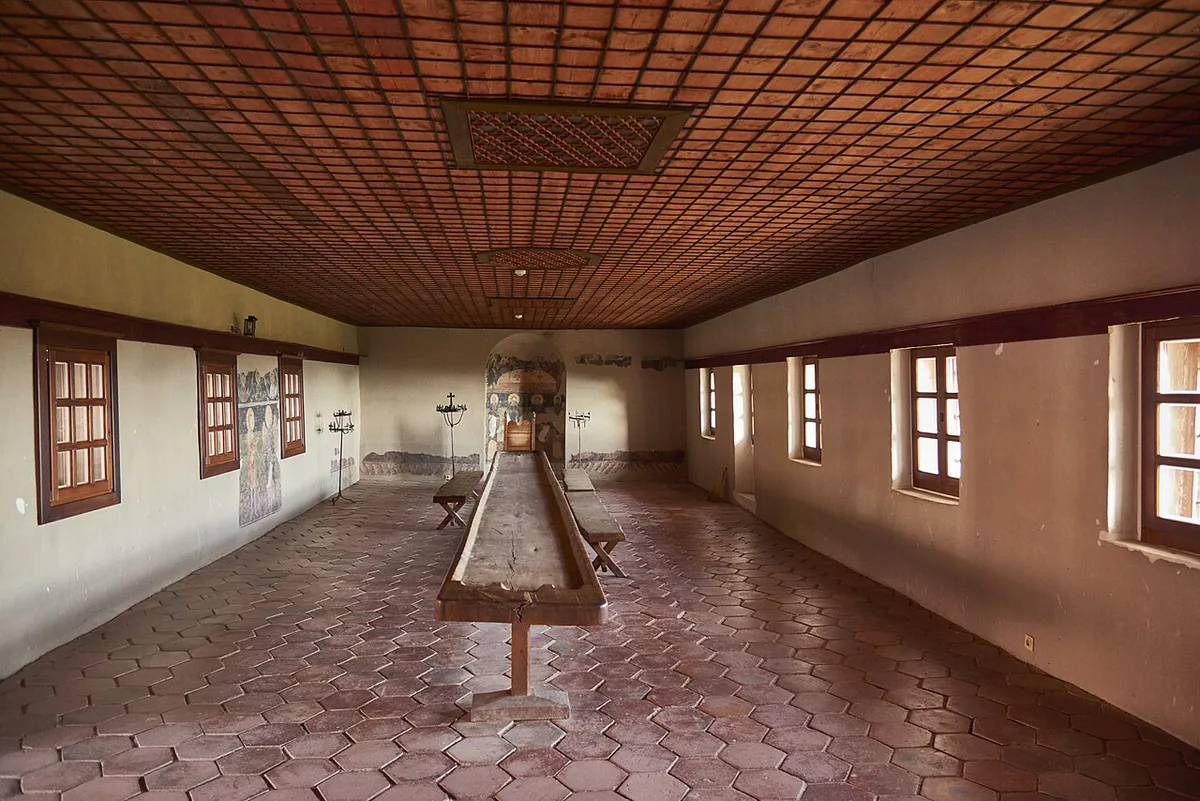
Rozhen Monastery is dedicated to the Nativity of the Mother of God and is the largest monastery in Bulgaria’s Pirin region. Its medieval roots predate much of the present complex, whose residential wings and church decoration reflect later rebuilding. Inside the main church, focus on the carved wooden iconostasis and its wall paintings. The monastery also preserves a revered copy of the Panagia Portaitissa icon. The enclosed courtyard and timber galleries are central to the site’s character. Nearby, the grave of Bulgarian revolutionary Yane Sandanski stands beside the Church of Saints Cyril and Methodius.
This remains an active Orthodox monastery, not only a sightseeing stop. Wear clothing covering your shoulders and knees, and keep voices low around the church. Silence your phone, avoid interrupting worship, and never photograph monks without permission. Photography rules can differ inside sacred spaces, so follow posted signs or ask before using a camera. Do not touch icons, frescoes, or devotional objects. If a service is underway, stand quietly near the rear and let worshippers approach the icons first. Allow 45–60 minutes for the monastery, plus extra time for Sandanski’s grave.
Frequently Asked Questions
Is Melnik expensive to visit?
Melnik is not an expensive base by Bulgarian standards. A guesthouse room runs roughly €45-75 a night, and a full restaurant meal with wine costs €12-18 per person, in line with prices across the wider Struma Valley.
Can you hike to Rozhen Monastery in sneakers?
Regular sneakers work in dry conditions, since the trail is mostly packed dirt and sandstone rather than technical terrain. After rain, the eroded sections get slick, so shoes with more grip make the descent easier. Confirm current trail status before you set out, since erosion has periodically affected sections of this path.
How many wineries can you realistically visit in two days?
Two full days comfortably fit two sit-down tastings: one on Day 1 evening and a second on Day 2 afternoon. Trying to fit more turns the trip into a string of pours rather than a paced visit, and most cellars prefer a booked slot over a walk-in rush.
Is Melnik dog-friendly?
Policies vary by guesthouse and restaurant, so confirm the pet policy directly when you book. Bulgaria's Revival-era house museums, including the Kordopulov House cellar, generally do not allow animals inside, so plan around that if traveling with a dog.
What should you pack for two days in Melnik?
Pack sturdy walking shoes for both the cobblestone streets and the exposed trail to Rozhen Monastery. Sun protection matters, since the sandstone badlands offer little shade along the hiking route. Bring a light layer for the evening wine tasting, since cellar interiors stay cool even in summer.
Should you hike to Rozhen Monastery or drive?
Hike if you're comfortable on uneven, exposed terrain and want the badlands scenery along the way. Drive if the trail is wet, if you're short on time, or if a member of your group can't manage uneven footing. Both routes end at the same monastery gate, so the choice affects the morning only, not the rest of Day 2.