One Day in Pleven Itinerary: Panorama, Old Town, and Kaylaka Park
Last updated July 2026. A one day in Pleven itinerary works because the city's key sites cluster into two walkable zones, linked by one uphill stretch through Skobelev Park. Pleven sits north of Sofia, and a single focused day here covers the Pleven Panorama, the pedestrian center, and Kaylaka Park without overreaching.
This One-Day Pleven Itinerary at a Glance
Pleven is Bulgaria's seventh-largest city, with a population of roughly 90,000 people. More than 450 places in the wider area carry architectural or cultural significance, a scale that surprises most first-time visitors. The five-month Siege of Pleven in 1877 cost the Russian and Romanian alliance around 38,000 casualties, and that history still shapes the city's streets. Over 200 war monuments stand across town, many ringed by the cannon-and-bayonet fences that are Pleven's signature detail. One day covers the major sites well. Add a second day only if you also want the Devetashka Cave or Krushuna Falls outside the city. Bring comfortable walking shoes, since the pedestrian zone downtown is extensive and Skobelev Park adds real elevation on top of it. For the fuller list of stops across town, see our 11 Best Things To Do In Pleven, Bulgaria (2026) Guide guide.
- History buffs: prioritize the Pleven Panorama, Skobelev Park, and the Museum of the Liberation grounds.
- Nature lovers: shift extra time toward Kaylaka Park in the late afternoon.
- Casual walkers: linger on Vasil Levski Boulevard and Vazrazhdane Square rather than rushing between monuments.
- Day-trippers from Sofia or Veliko Tarnovo: visit the Panorama first thing, then compress the pedestrian-core stops to match a single train or bus return.
Why the Siege of Pleven Still Shapes the City
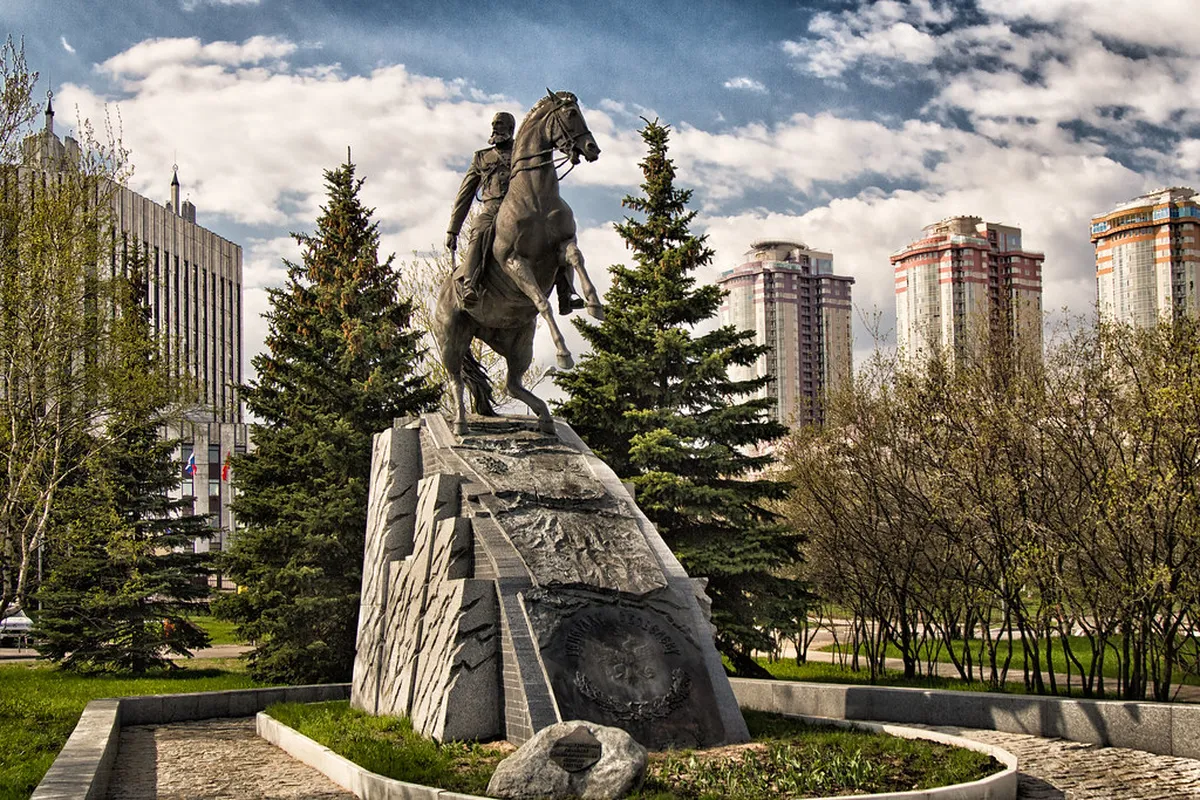
Vasil Levski, the Bulgarian national hero, chose Pleven in 1869 as the site for the country's first revolutionary committee. That network became the foundation of the wider independence movement. Human settlement in the area goes back to at least the 5th millennium BC. Thracian, Roman, and Byzantine rule preceded roughly five centuries under the Ottomans. Eight years after Levski's committee, General Osman Nuri Pasha turned Pleven into a formidable defensive position during the Russo-Turkish War. Three Russian assaults, in July and then September 1877, were beaten back with heavy losses. The Russian command then switched to a siege strategy and cut off supplies to the city. Civilians inside suffered badly during the months that followed. On December 10, 1877, Osman Pasha attempted a breakout, failed, and surrendered with his remaining garrison. The five-month siege cost the Russian and Romanian alliance around 38,000 casualties. The war was effectively over once Pleven fell. Pleven has not forgotten it. Every year, December 10 is marked with a formal reenactment, complete with period costumes and military formations. That history explains why the morning of this itinerary leans so heavily on monuments and memorial grounds.
The 38,000 casualties from the five-month 1877 siege are commemorated by over 200 monuments throughout the city and an annual December 10 reenactment in period costume, making Pleven's entire landscape a living memorial to this history.
Your One-Day Pleven Itinerary, Stage by Stage
Follow this order to move from Skobelev Park's hillside back into the flat city center, then out to Kaylaka Park by late afternoon. Visiting the Pleven Panorama first, before mid-morning tour groups arrive, keeps the queue short. The downtown pedestrian core stays flat and easy the rest of the day.
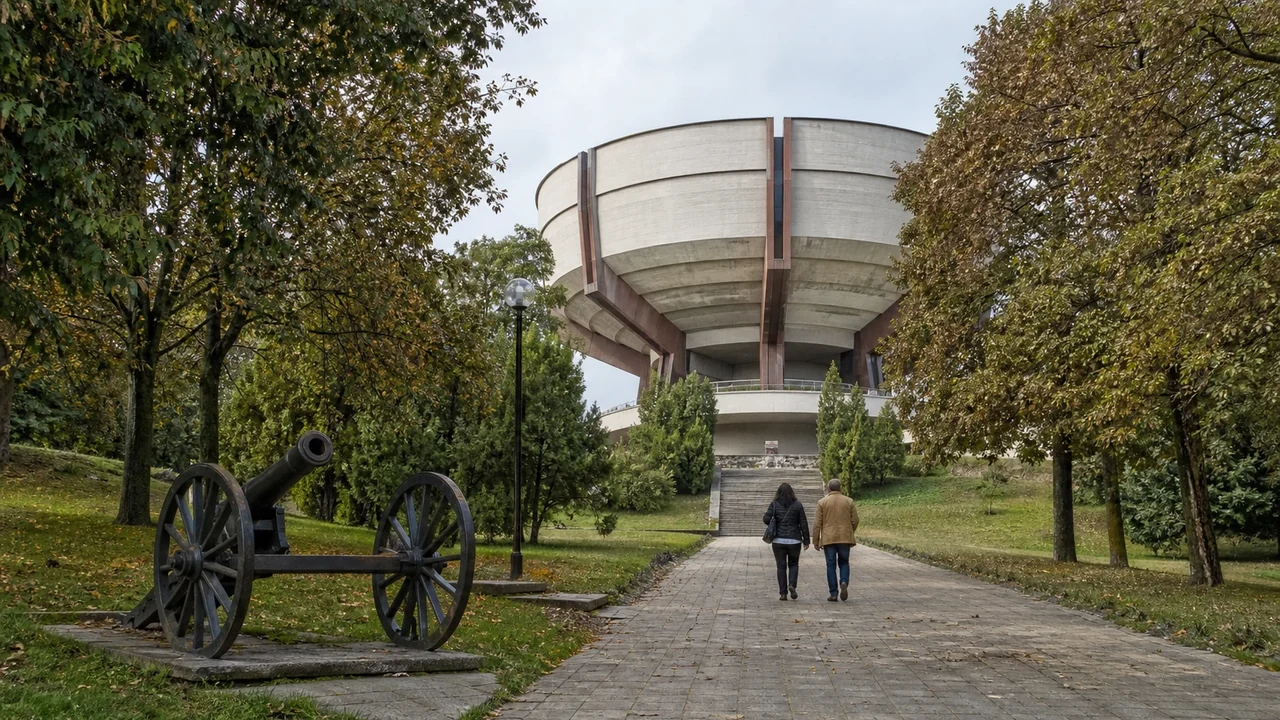
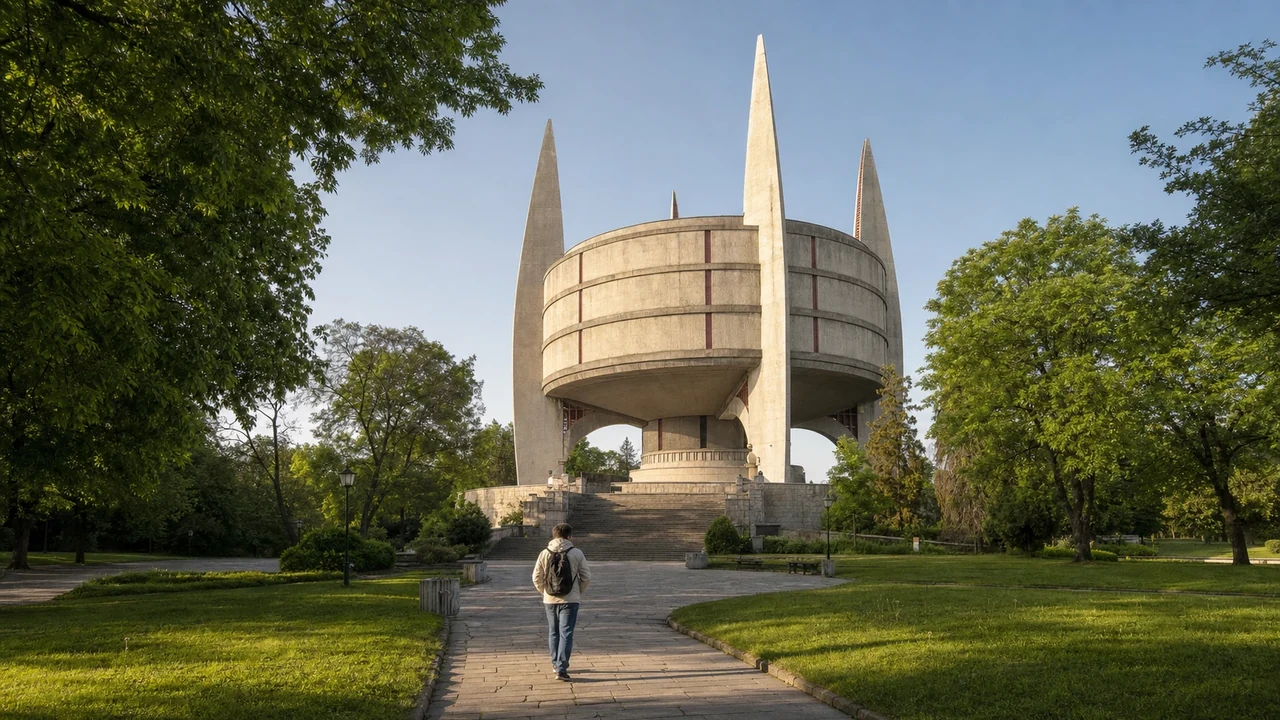
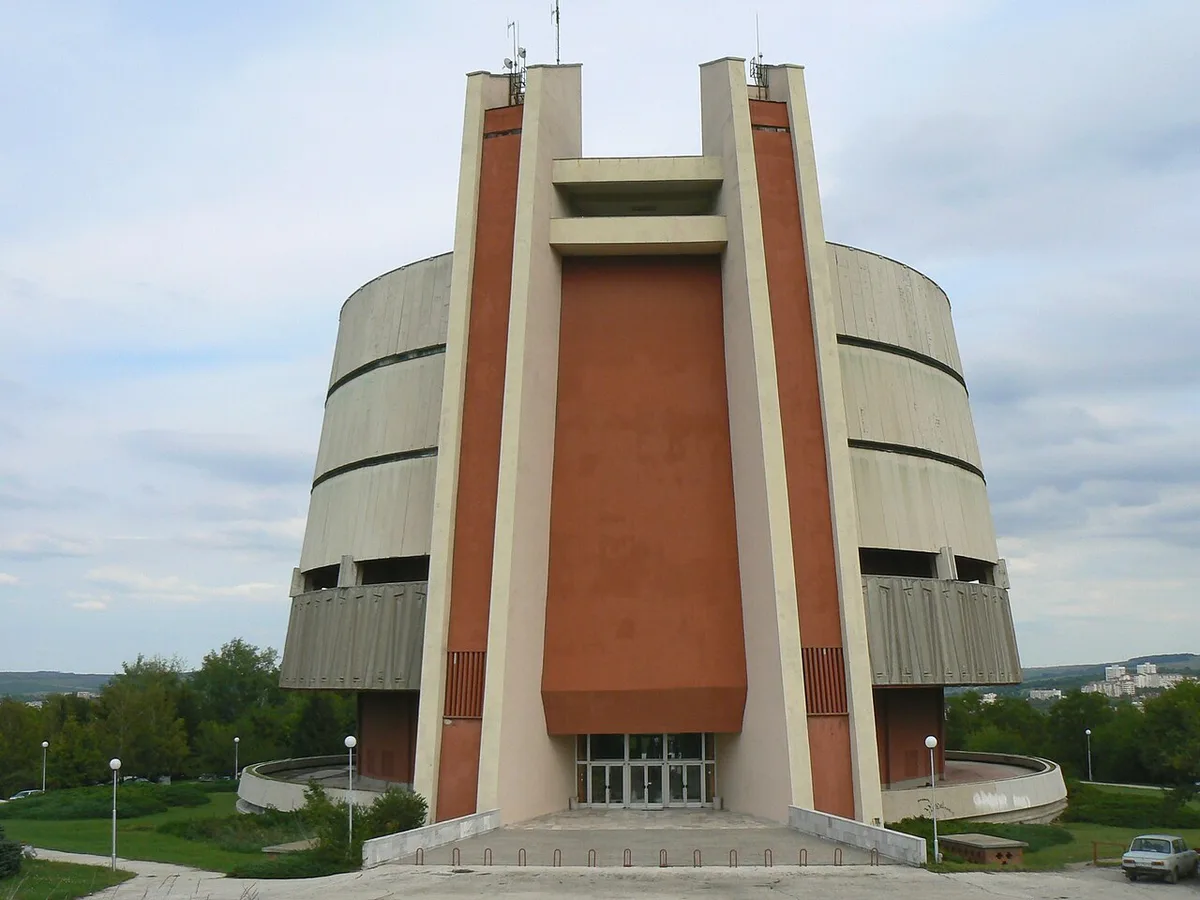
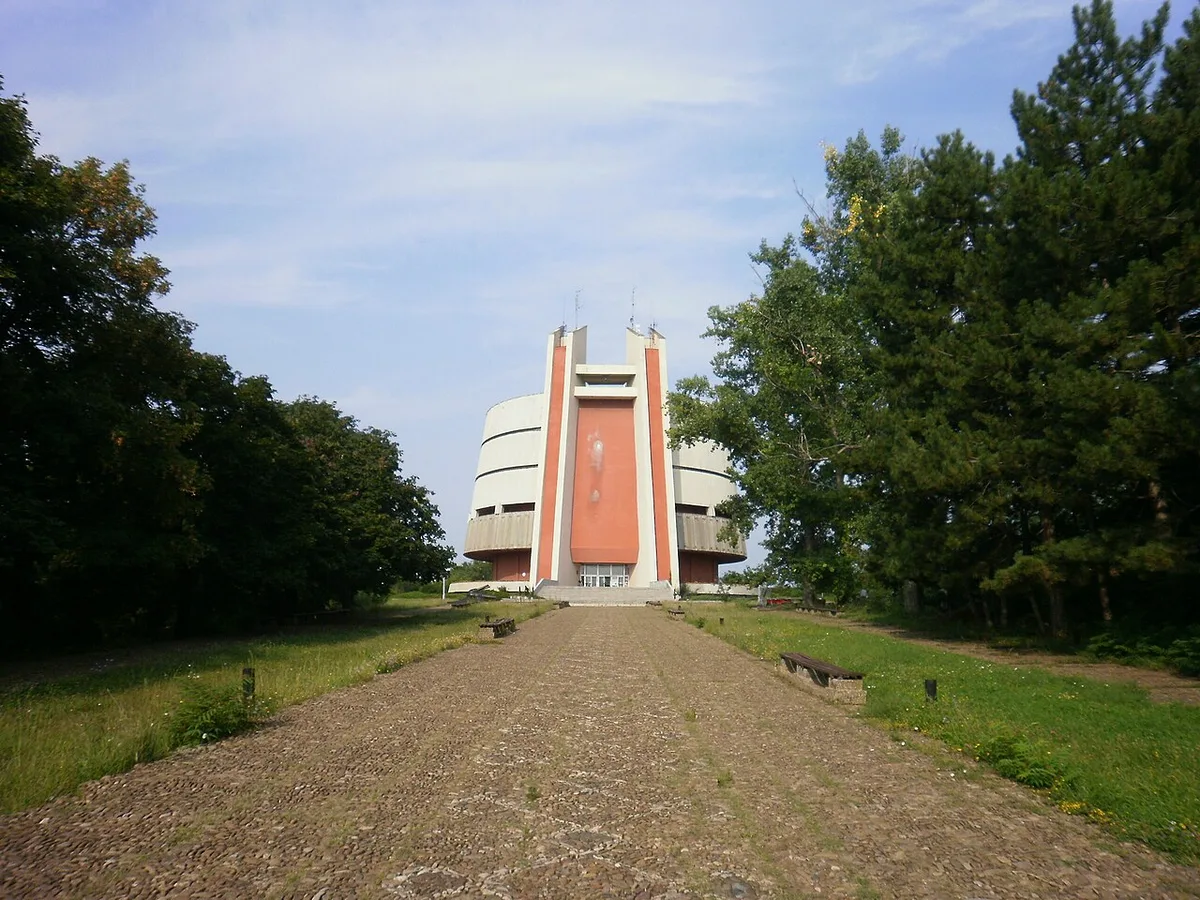
- 8:30-9:30 a.m.: Pleven Panorama (Epopee 1877). View the 360-degree painting of the third and bloodiest assault on the city. Budget 45 to 60 minutes inside Skobelev Park, and arrive early to beat tour groups.
- 9:30-10:30 a.m.: Skobelev Park. Walk the redoubts and mass graves on the grounds where the fighting happened, then head downhill toward the city center.
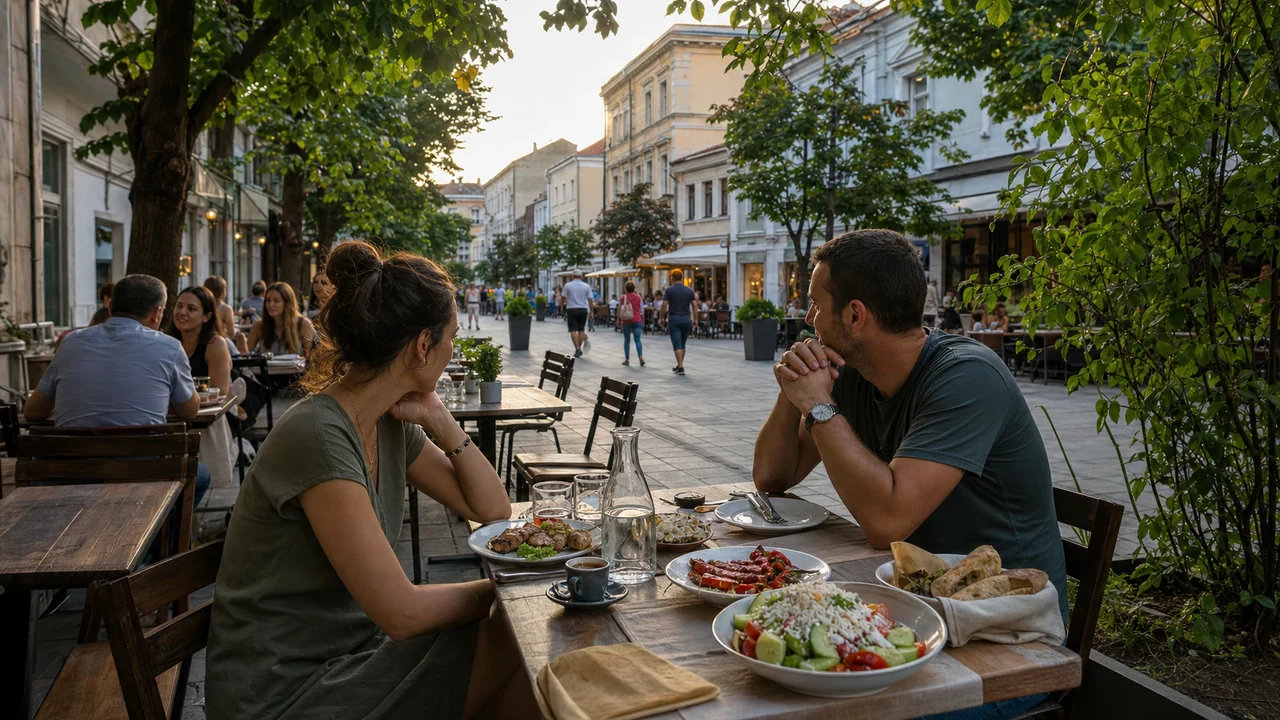
- 10:30-11:30 a.m.: Vasil Levski Boulevard. Cross onto Pleven's main pedestrian spine for coffee, at around €1.20 to €1.50 a cup, and a look at its cafés and bakeries.
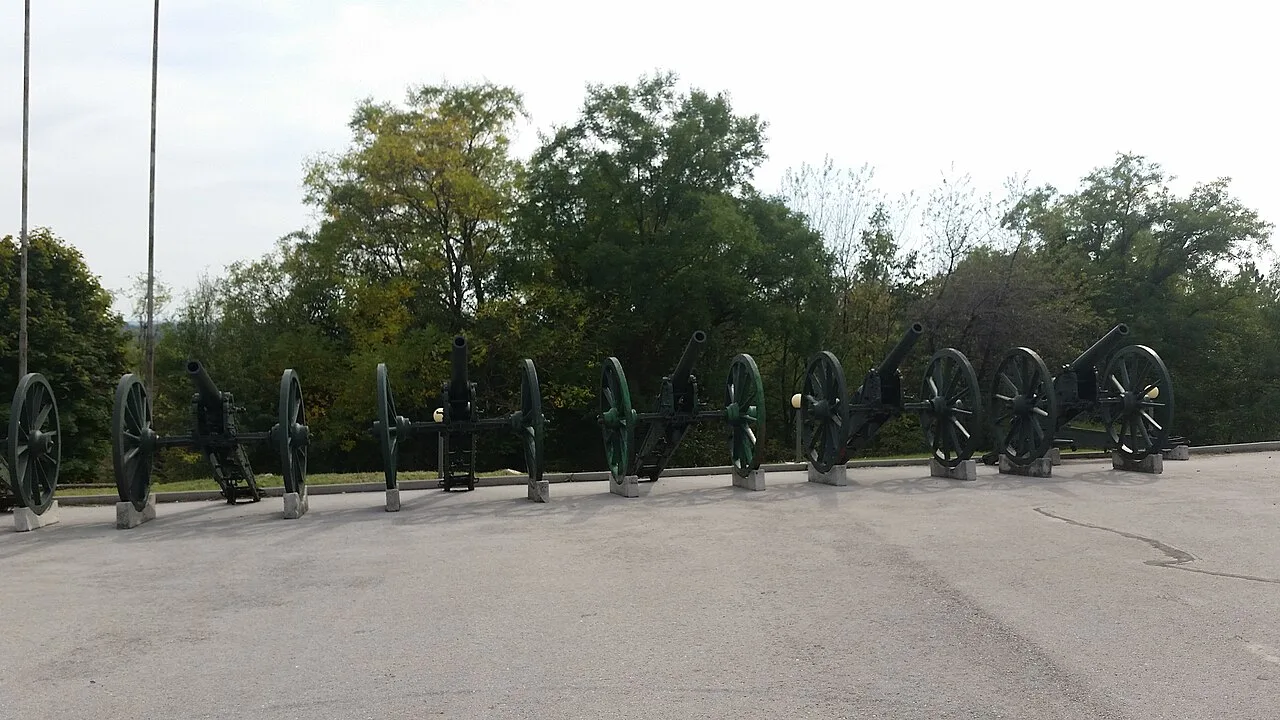
- 11:30 a.m.-1:00 p.m.: Lunch and the Museum of the Liberation of Pleven 1877. Eat regional north Bulgarian dishes, then walk the outdoor memorial grounds with their original 1877 cannon fences. Entry runs roughly 5 to 10 лв.
- 1:00-2:30 p.m.: Vazrazhdane Square and the Ivan Radoev Theatre. See the tiered fountain, the Chapel-Mausoleum of St. George the Victorious, and the theatre named for Pleven-born playwright Ivan Radoev.
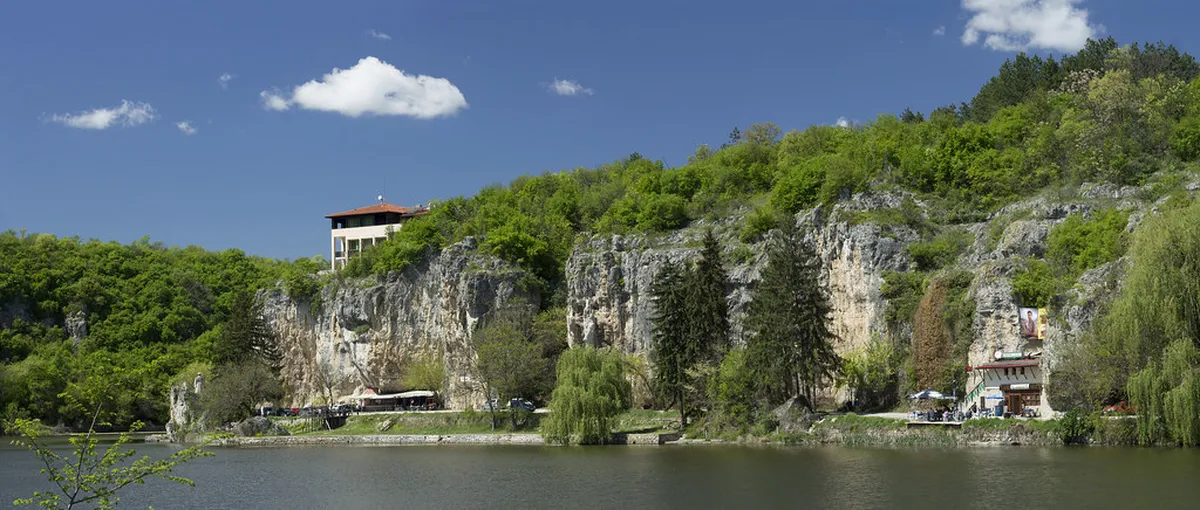
- 2:30-4:30 p.m.: Kaylaka Park. Walk the lake paths in this protected park, then detour into the cave-set Wine Museum before heading back to the center for the evening.
Morning: Pleven Panorama and Skobelev Park
The Pleven Panorama exhibit opened in 1977, on the centennial of the siege. It is one of only a few circular panorama museums of its kind anywhere in the world. It depicts the third and bloodiest assault on the city in full 360-degree detail. Weekday mornings tend to be quietest inside, before organized tour groups arrive later in the day. The building sits inside Skobelev Park rather than downtown, so budget 45 to 60 minutes there. Skobelev Park itself involves a real uphill walk past the redoubts and mass graves, so comfortable shoes matter here more than anywhere else on the route.
Midday: Vasil Levski Boulevard and Lunch
Vasil Levski Boulevard ranks among Bulgaria's longest pedestrian streets. It carries the name of the revolutionary who founded the country's first secret committee here in 1869. Cafés along the boulevard charge around €1.20 to €1.50 for coffee. The atmosphere stays relaxed and local, not a tourist zone. Check current picks in our Pleven restaurant guide before you set out for lunch. Regional north Bulgarian dishes are the reliable choice here. Budget 60 to 90 minutes for an unhurried meal rather than a quick stop.
Afternoon: Vazrazhdane Square, Museums, and the Theatre
The Museum of the Liberation of Pleven 1877 marks the house where Osman Pasha surrendered. Its outdoor grounds are ringed with actual 1877 cannons rather than replicas. Entry runs roughly 5 to 10 лв, and 20 to 30 minutes covers the full site. Vazrazhdane Square centers on a tiered water cascade that lights up in the evenings. Nearby, the Chapel-Mausoleum of St. George the Victorious holds the remains of soldiers who died in the siege. The Ivan Radoev Theatre stands in the city center, named for the Pleven-born playwright who lived from 1923 to 1982. Its facade is worth a stop even without a ticket for a performance. If time allows, the Narodnata Cheshma, a historic public fountain still in use, sits close to the Church of St. Nicholas the Wonderworker, which has free entry. Danail Popov Boulevard, tree-lined and pleasant, reflects the wide, purposeful rebuilding that followed Bulgarian independence. Pleven also has a city park with a regional art gallery and a singing fountain, a good option if you have spare time before Kaylaka Park. Look for the cannon-and-bayonet fences ringing monuments across the city. They are a Pleven-specific detail rarely mentioned in generic guides. For the wider list of stops, see our 11 Best Things To Do In Pleven, Bulgaria (2026) Guide guide. For the day's military history in more depth, follow the Pleven Battle History: Guide to the 1877 Siege Sites & Panorama.
Late Afternoon: Kaylaka Park and the Wine Museum
Kaylaka Park is a large protected natural area inside city limits, with lake paths that feel far removed from the monument-heavy morning. A Wine Museum sits inside a cave within the park, an unusual setting most first-time visitors do not expect. Ninety minutes to two hours covers a lake loop plus the cave visit without rushing. Directions and trail layout are covered in our Kaylaka Park guide.
The afternoon's 2:30-4:30 p.m. visit to Kaylaka Park transitions from war monuments to lake paths that feel far removed from the monument-heavy morning, including an unexpected cave-set Wine Museum—a natural respite before heading back.
Getting to Pleven from Sofia: Train vs Car
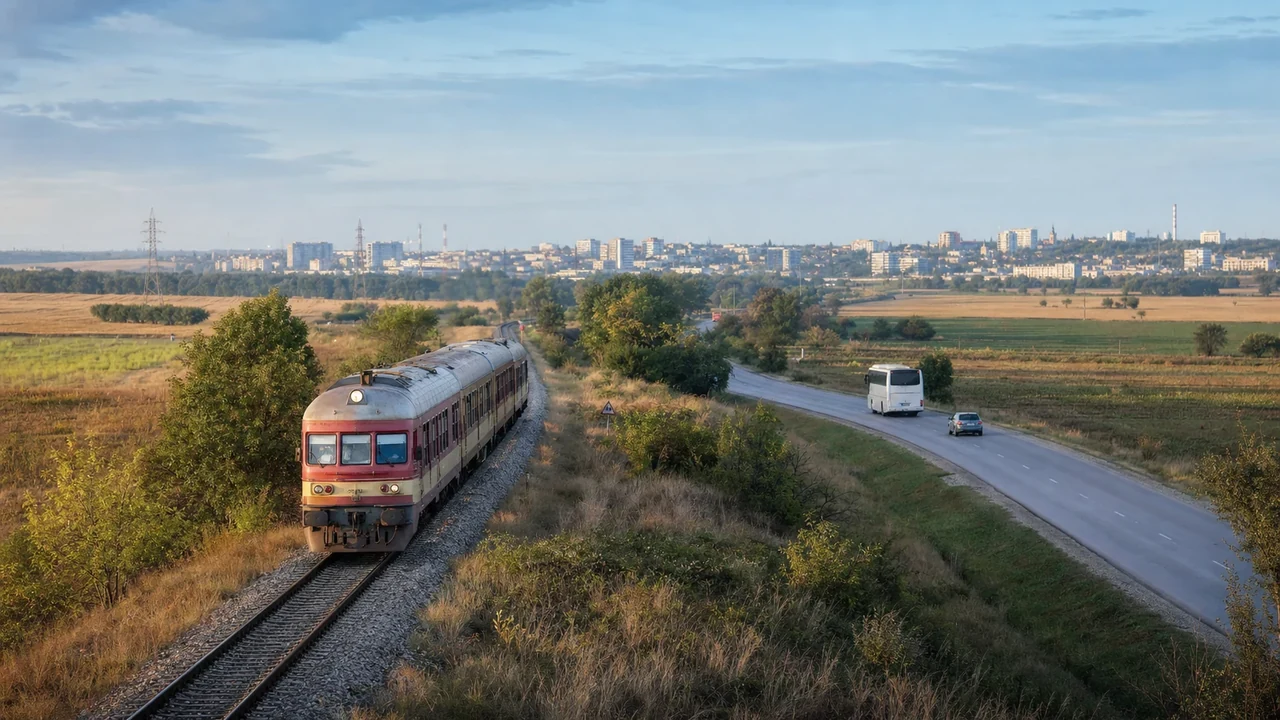
Pleven sits about 105 miles (170 kilometers) north of Sofia, and a car covers that distance in roughly 2.5 hours outside rush hour. The train route runs slower but more scenic. Direct buses tend to be the fastest public option. Neither option needs advance seat booking for a single day trip, though checking the timetable the night before avoids surprises. Travelers based in Veliko Tarnovo can use the same car-versus-train trade-off for their own day trip. Compare current timetables in our Sofia to Pleven transport guide. Check route options in the wider trains in Bulgaria guide before booking, since schedules shift by season.
| Mode | Distance / Duration | Trade-off |
|---|---|---|
| Car | 105 miles (170 km), about 2.5 hours | Fastest and flexible; parking near the center is the only friction point |
| Train | Slower than driving | Scenic route, a good option if the ride itself is part of the day |
| Bus | Faster than the train | Direct routes and no parking to manage |
Practical Planning Tips for a Pleven Day Trip
As of 2026, coffee along Vasil Levski Boulevard runs about €1.20 to €1.50 a cup. Typical entry to sites such as the Museum of the Liberation grounds costs roughly 5 to 10 лв, and the Pleven Panorama and the Wine Museum fall in a similar range. May tends to bring comfortable walking weather for the outdoor monuments. Pleven also marks its city holiday on May 15, when Vazrazhdane Square often carries extra decorations and the fountain runs at full power. December 10 marks Liberation Day, when Pleven holds a formal reenactment of the 1877 surrender in period costume. Travelers staying overnight rather than day-tripping can compare neighborhoods near the pedestrian core in our Where to Stay in Pleven 2026: Best Hotels & Areas guide.
| Expense | Typical Cost |
|---|---|
| Coffee, Vasil Levski Boulevard | €1.20-€1.50 |
| Museum of the Liberation entry | 5-10 лв |
| Pleven Panorama / Wine Museum entry | about 5-10 лв |
What's Next: Devetashka Cave, Krushuna Falls, and Lovech
Travelers with a car can extend beyond this one day in Pleven itinerary toward the Devetashka Cave and the Krushuna Falls. Lovech also sits within range for those adding a second day. Both sites pair naturally with a Pleven stop for travelers already touring northern Bulgaria by car. None of these detours need an overnight stay if the Pleven day starts early and stays on schedule.
Getting Around Pleven Without a Car
The day becomes easier when treated as three separate zones rather than one continuous walk. The Pleven Panorama stands in Skobelev Park, uphill from the pedestrian center. Kaylaka Park lies beyond the central sightseeing area and is better reached by a short local ride.
- From Pleven Central Railway Station, take a taxi or local bus toward Skobelev Park. Show “Панорама Плевенска епопея 1877” if the driver does not recognize the English name.
- After visiting the Panorama, walk downhill toward Vasil Levski Boulevard and Vazrazhdane Square. The central museums, cafés, theatre, and chapel-mausoleum are close enough to explore on foot.
- Continue to Kaylaka Park by taxi or local bus rather than spending the late afternoon walking along approach roads. Ask for “Кайлъка” and confirm the best pickup point for your return.
Local bus routes and frequencies can change, especially on weekends. Check the return timetable before entering Kaylaka Park if you must catch an evening train or bus.
For trip-planning details, see Pleven travel guide - Wikivoyage and Pleven - Wikipedia.
Frequently Asked Questions
Is one day enough to see Pleven?
Yes, for most travelers. A one day in Pleven itinerary covers the Pleven Panorama, Skobelev Park, the pedestrian center, and Kaylaka Park. Add a second day only if you also want the Devetashka Cave or Krushuna Falls.
How far is Pleven from Sofia, and what's the best way to get there?
Pleven sits about 105 miles (170 kilometers) north of Sofia. Driving takes roughly 2.5 hours, while train and bus options run slower but need no parking. Compare current timetables before you commit to one mode.
What is the Pleven Panorama, and how much time should you plan for it?
The Pleven Panorama is a 360-degree painted depiction of the third assault during the 1877 siege. It opened in 1977 and sits inside Skobelev Park. Plan 45 to 60 minutes inside, and arrive near opening to avoid tour groups.
What does a day in Pleven cost?
Coffee along Vasil Levski Boulevard runs about €1.20 to €1.50. Entry to sites such as the Museum of the Liberation grounds costs roughly 5 to 10 лв. Lunch and any transport add to that baseline.
When is the best time to visit Pleven?
May tends to bring comfortable walking weather for the outdoor monuments, and it includes Pleven's May 15 city holiday. December 10 marks Liberation Day, when Pleven holds a formal reenactment of the 1877 surrender in period costume.
Is Kaylaka Park worth the detour after a history-heavy day?
Yes. Kaylaka Park offers lake paths and a cave-set Wine Museum, a natural counterpoint to the morning's memorials. Plan 90 minutes to two hours to see both without rushing.
Do you need a car to do this itinerary?
No. Everything from the Panorama to Kaylaka Park is walkable or a short local ride once you are in Pleven. A car mainly matters for reaching Sofia, the Devetashka Cave, or Krushuna Falls.