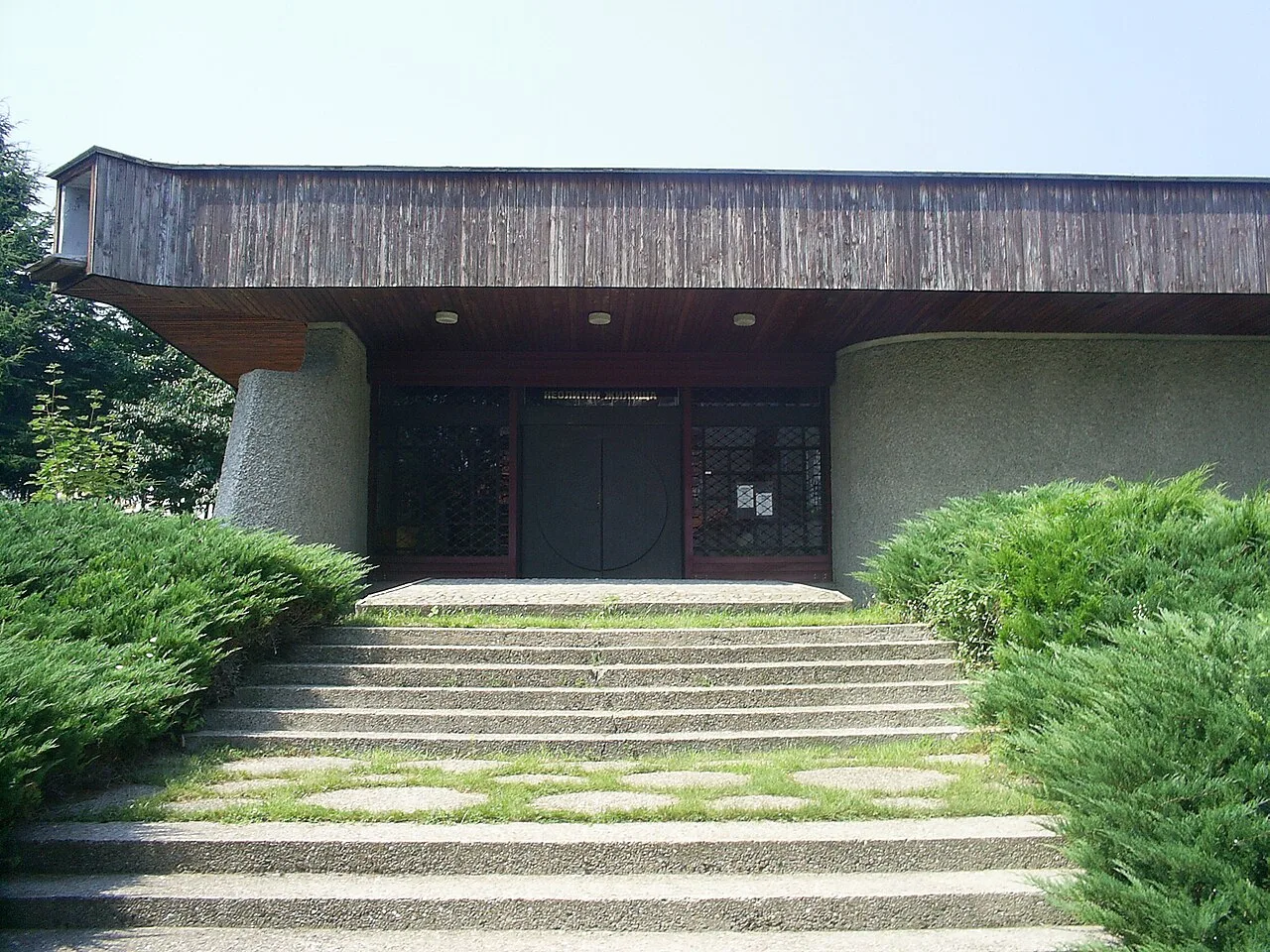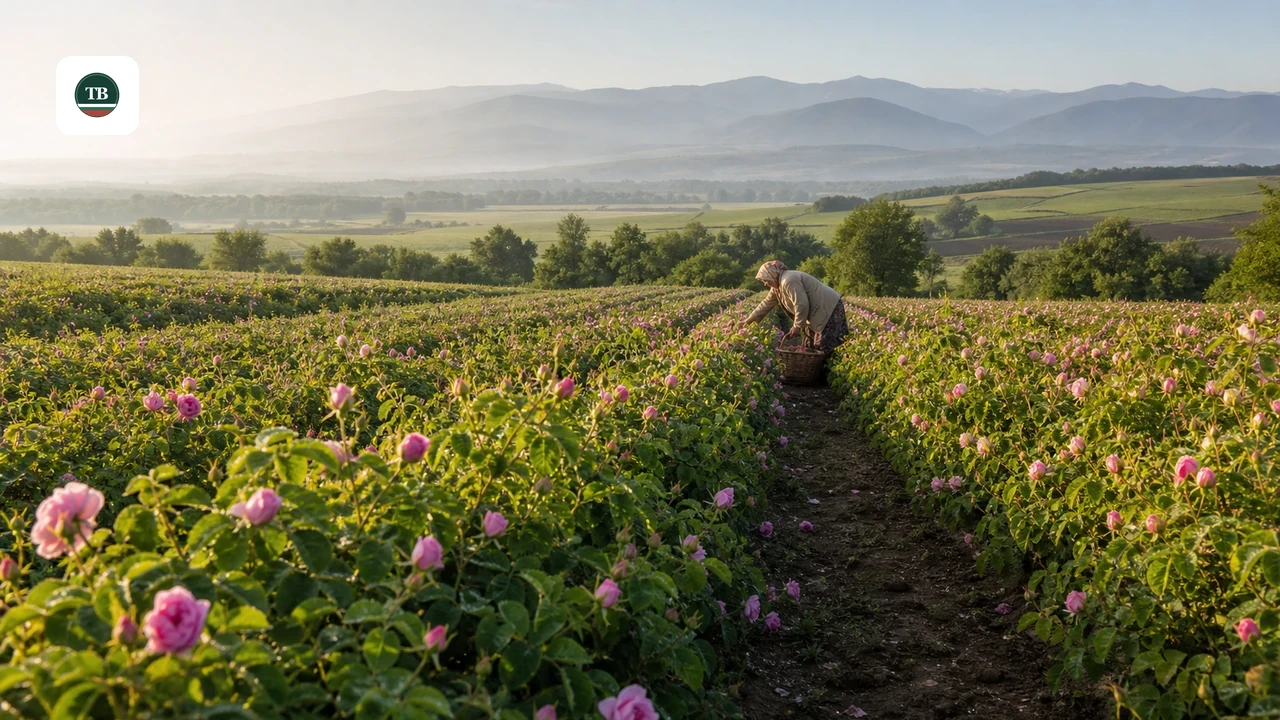
The Best Time to Visit Stara Zagora, Season by Season
Last updated August 2026, the best time to visit Stara Zagora is late spring or early autumn. Linden trees bloom around town in late May and June, while September and October bring the wine harvest and Stara Zagora Day without the Thracian Valley's peak summer heat. This guide breaks down weather, festivals, and museum hours season by season so you can match your trip to what you want to see.
The Verdict: Best Time to Visit Stara Zagora
May, June, September, and October offer the most comfortable conditions for exploring Stara Zagora on foot. Midday temperatures during these months typically run from the high teens to mid-20s Celsius (mid-60s to mid-70s Fahrenheit). That's mild enough for a full day at the open-air ruins near the Antique Forum Augusta Trayana. These ruins sit directly in front of the State Opera and the Regional Library downtown, an easy add to any shoulder-season walk. Peak summer brings the harshest weather, with Thracian Valley afternoons regularly topping 35°C (95°F) in July and August. Winter suits a slower, museum-focused trip instead, since the city's indoor sites work regardless of temperature.
Peak summer brings afternoon temperatures regularly topping 35°C (95°F), making shoulder seasons preferable for comfortable walking tours. Summer visitors can shift to evening-focused activities like Opera in the Stadium and Jazz in the Yard when evenings cool to the low-to-mid 20s Celsius.
Seasonal timing also affects cost. Typical small-hotel rates in 2026 run lowest in winter, often around 60-70 лв a night. Rates climb toward 110 лв or more during festival weekends, including the September wine harvest and the June linden bloom. Booking a few weeks ahead of those peak weekends helps avoid the highest rates.
| Season | Typical Temperatures | Crowd Level | Key Events |
|---|---|---|---|
| Spring (Apr-Jun) | 15-24°C (59-75°F) | Moderate, building toward June | Linden bloom; regional rose harvest |
| Summer (Jul-Aug) | 25-35°C+ (77-95°F+) | Highest of the year | Opera in the Stadium; Jazz in the Yard |
| Autumn (Sep-Oct) | 15-23°C (59-73°F) | Moderate | Augustaida wine festival; Stara Zagora Day (Oct 5) |
| Winter (Nov-Mar) | -2 to 8°C (28-46°F) | Lowest of the year | Indoor museums; Beer Museum tours |
Spring (April to June): The City of Linden
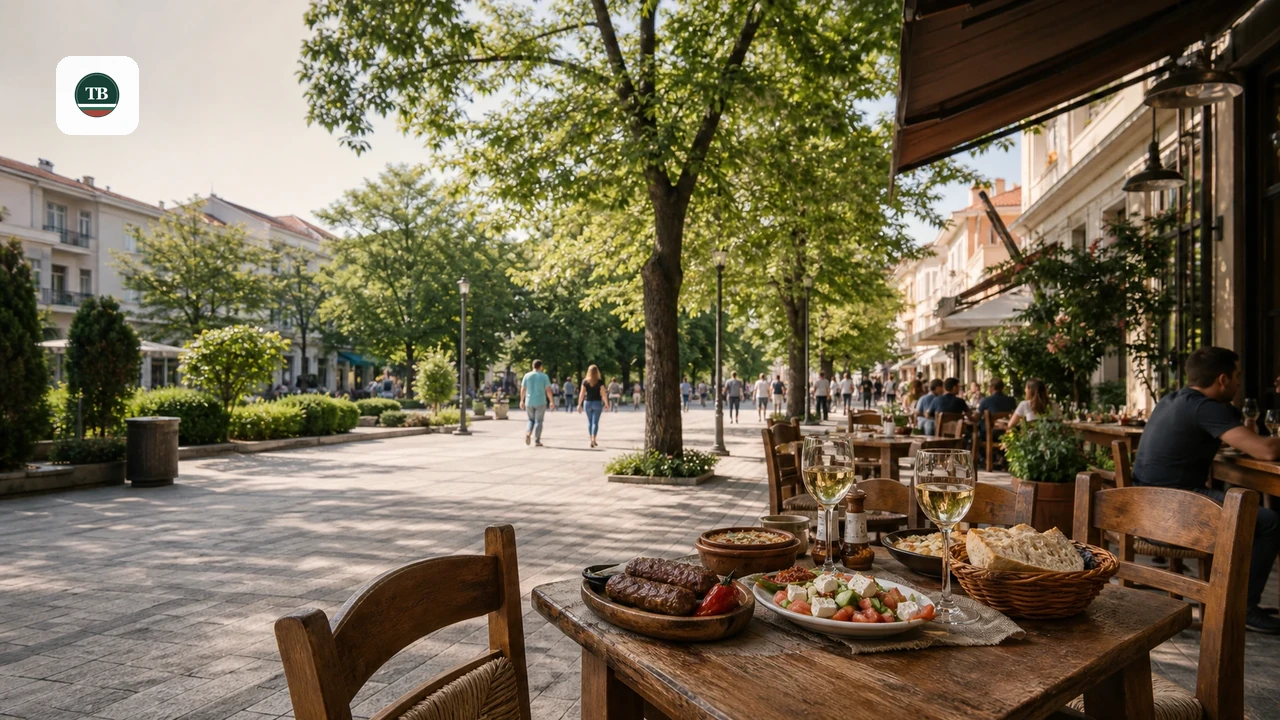
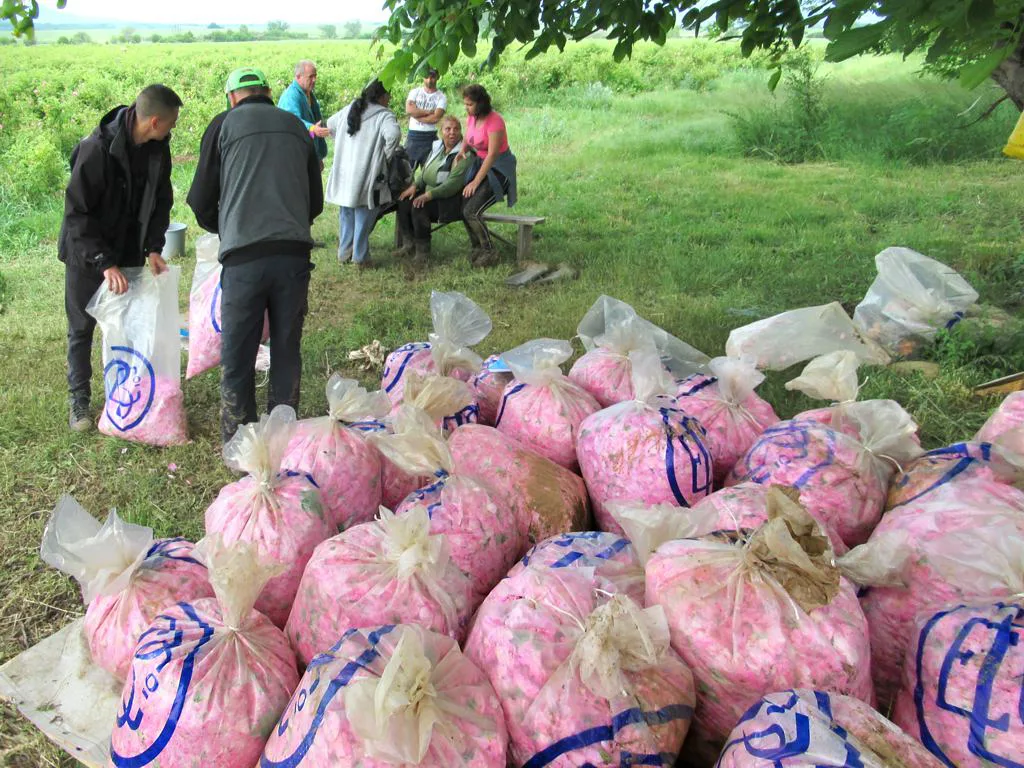
Spring turns Stara Zagora into its namesake City of Linden as trees along the central boulevards bloom in late May and into June. Afternoon highs typically run 18-24°C (64-75°F) in May, comfortable for the walk between the open-air ruins downtown. That mild window lines up with the wider region's rose harvest. Harvest timing runs roughly late May into June, shaping the area's festival calendar. Cooler mornings make this the easiest season to pair the outdoor Roman-heritage route with a walk across town. Add the Neolithic dwellings exhibit before midday heat builds. It preserves a prehistoric settlement mound dating to around 6000 BC, among the oldest such sites in Europe. The unhurried pace of a spring morning suits the small, detailed exhibit well. Antique mosaics from a Roman-era private home and a public building sit in the city center. They're easiest to find on a slow spring walk, with a stop at the museum desk for directions. Bedechka Park, with its lake and walking paths, is also at its best once the spring bloom settles in. National Kids Folklore Competition, known locally as Orpheus Spring, is one of several youth arts events that keep to the same season. April tends to bring more rain, so pack a layer for showers before the season dries out toward June.
Summer (July-August): Managing Thracian Valley Heat
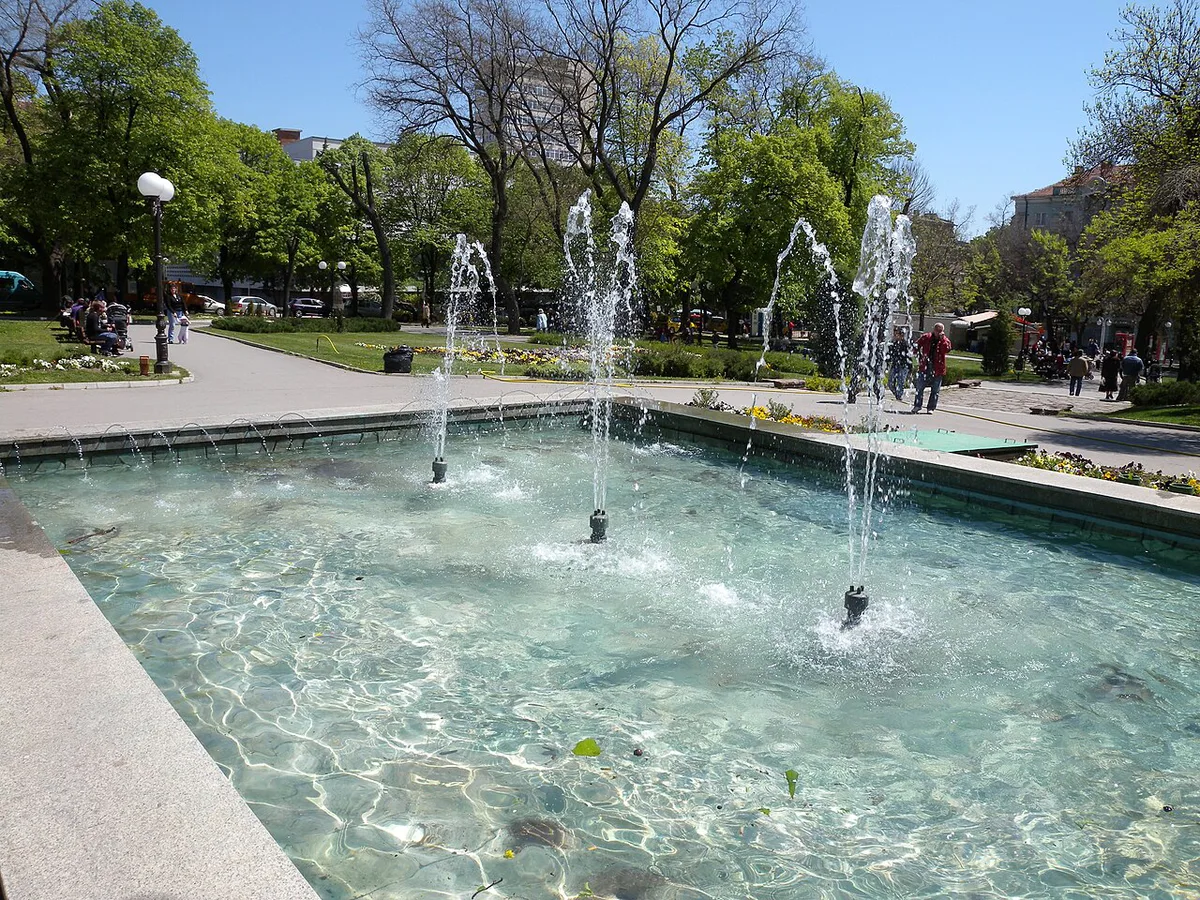
Summer is Stara Zagora's hottest and driest stretch, with Thracian Valley afternoons regularly climbing past 35°C (95°F) in July and August. That heat makes the 600-plus steps up to the Defenders of Stara Zagora Memorial Complex genuinely risky at midday. Plan the climb for early morning or just before sunset instead. This monument sits roughly 3 km, or nearly 2 miles, from the center, so budget time getting there before the heat sets in. Its main structure rises about 50 meters (164 feet), shaped like a waving flag that represents the Samara flag carried by Bulgarian volunteer fighters in 1877. From the top, the panorama takes in the city and surrounding hills, worth the early start. Evenings cool into the low-to-mid 20s Celsius (mid-70s Fahrenheit) and stay busy. Opera in the Stadium and Jazz in the Yard, the latter held at the Architect's House, are two of the season's outdoor draws. Shaded spots like Bedechka Park and the pedestrian street Tsar Simeon Veliki are more comfortable than open plazas once the sun is high. Penguins fountain and the small pissing-boy statue in the central park are popular meeting points once the afternoon heat sets in. Many of the region's sightseeing highlights shift toward evening hours in July and August for exactly this reason.
Autumn (September-October): Harvest and History
Autumn brings some of the year's most comfortable conditions, with daytime highs easing to 16-23°C (61-73°F) through September and October. Augustaida, known formally as the Festival of Wine and Cultural Heritage, times its harvest celebrations to this window. It draws visitors into the region's wine culture. Vineyards across the region's wine country open for harvest-season tastings during these weeks. Local producers across the valley open cellar doors specifically for the harvest crowd. Late September is a practical window to combine city sightseeing with a vineyard afternoon. Night of Arts, held on the last Friday of September, adds an evening arts crawl to the same stretch. October 5th marks Stara Zagora Day, commemorating the 1879 laying of the city's first post-Liberation building stone, with local celebrations across the center. Mild afternoons and lower humidity also make September and October the strongest months for regional day-trip options. This Thracian Kings tomb route is a good match for this weather window.
Winter (November-March): Indoor Exploration
Winter turns Stara Zagora into a museum-first destination. Daytime highs typically hover around 2-8°C (36-46°F) from December through February, with colder nights near or below 0°C (32°F). Stara Zagora's Regional Museum of History stays comfortable in any weather. It holds an extensive collection of artifacts, including the Samara flag from the 1877 Liberation War. Its collection also includes the underground stretch of Augusta Trayana's original Roman street. Set inside the city's surviving mosque, the Museum of Religions is another indoor option that works regardless of temperature. St. Dimitar Church, the city's first Revival-era church, and the Hilendar convent add two more indoor stops. Its restored 19th-century classroom ties to Bulgarian Revival-era student life. Add the Art Gallery too, where the icon collection includes pieces dating to the 17th century. Many regional Bulgarian museums close one day a week, often Monday, so confirm current hours before building a winter itinerary around them. Indoors year-round, the Beer Museum "The World of Zagorka" is also a practical winter stop; advance booking is typically required. With shorter days and quieter streets, winter visitors have an easier time finding rooms. Browse lodging options in the city for hotels near the museum district.
Planning Your Itinerary: How Much Time Do You Need?
How much time you need in Stara Zagora depends on the season and how many day trips you want to add. A one-day express visit and a two-day deep dive both work well from a base in the city center. Both flex around the weather guidance above. Total walking distance for the one-day route runs about 2.5-3 miles (4-5 km) round trip, flat except for the climb to the monument. Whichever route you pick, build in the seasonal notes above. Summer favors an early start; winter favors a later, museum-heavy midday.
- One day: Regional History Museum, Museum of Religions, and the Defenders of Stara Zagora Memorial Complex, timed for cooler morning or evening hours.
- One day plus: add the Antique Forum Augusta Trayana ruins and the antique mosaics nearby, both an easy walk from the museum district.
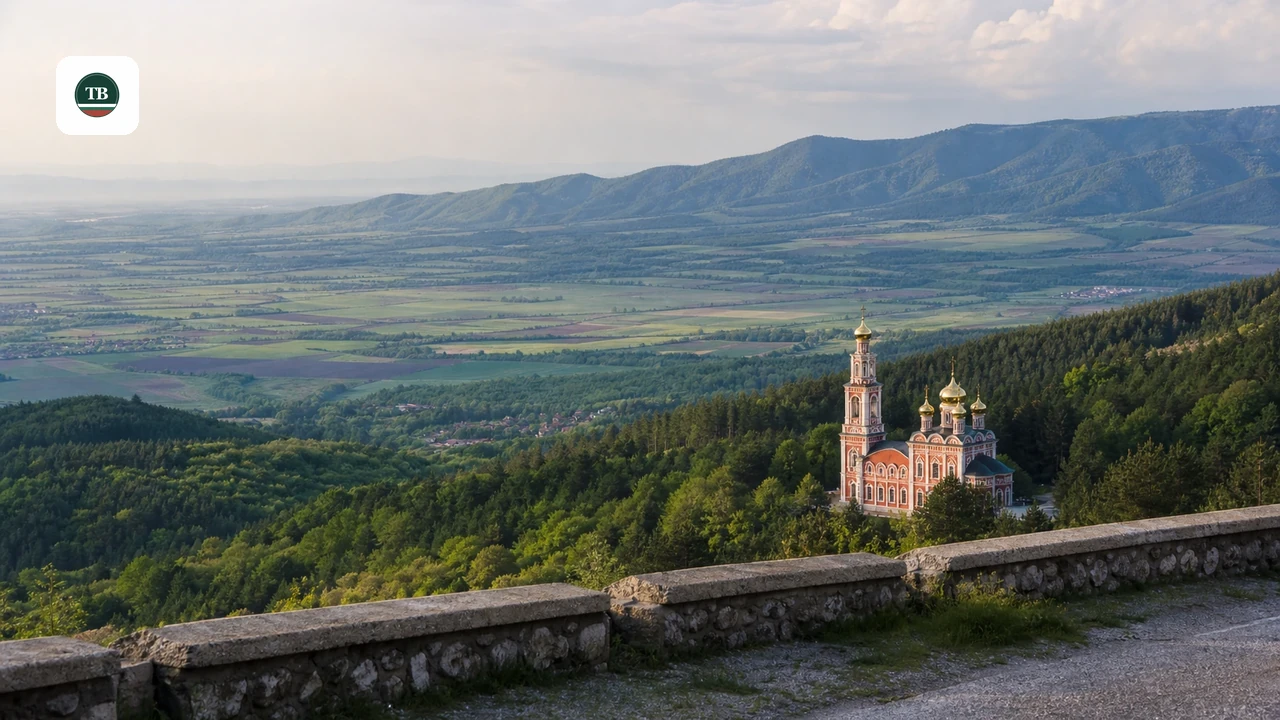
- Two days: keep the city-center sites on day one, then add a half-day drive to the Shipka Pass route on day two.
- Buzludzha alternative: swap in Buzludzha's hilltop monument for a different half-day detour.
- Any itinerary: catch the Puppet Theater Clock performance on the hour if it falls on your route.
Logistics: Getting There and Getting Around
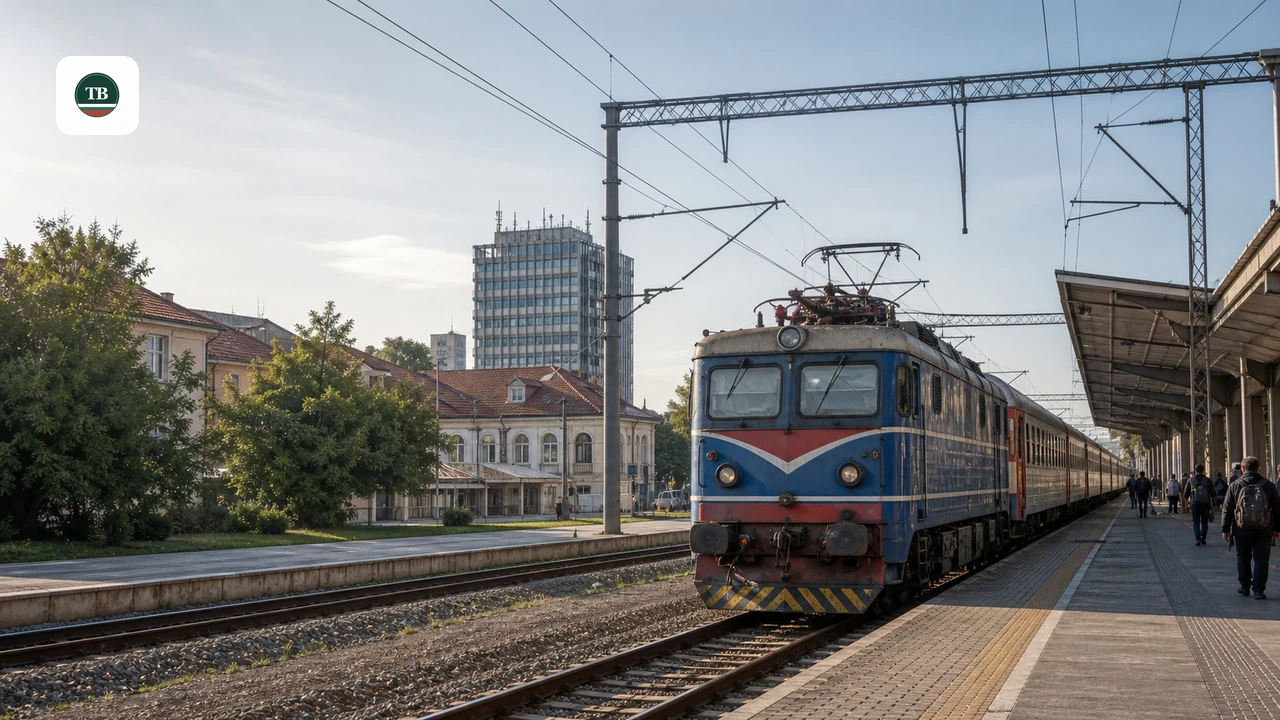
Getting to Stara Zagora is straightforward, since the city sits on the main corridor between Sofia and the Black Sea coast. Plovdiv's short rail and bus links make it the easiest approach if you're routing through the Thracian Valley from the west. For full route details, current fares, and station information, see the guide to getting to the city.
- From Sofia: about 143 miles (230 km) east, by train, bus, or car.
- From Plovdiv: about 62 miles (100 km) northeast, the shortest hop into the city.
- From Burgas: about 106 miles (170 km) west, workable as a stopover route.
- By train: check current timetables through Bulgaria's train network before booking.
- By bus: frequent daily departures connect Sofia, Plovdiv, and Burgas, though schedules can shift with little notice.
- By car: the E80/A1 corridor links Sofia and Plovdiv to the city, useful for combining a visit with Shipka Pass or the Thracian Kings tombs.
Mistakes to Avoid
A few timing mistakes come up again and again, and most are easy to avoid with a little planning.
- Skipping a check on midday break hours: the Neolithic dwellings exhibit and other small museums often close for a break in the early afternoon.
- Underestimating the walk to the monument: the Defenders of Stara Zagora Memorial Complex sits close to 3 km, or nearly 2 miles, uphill from the center.
- Climbing to the monument at midday in July or August, when Thracian Valley temperatures can pass 35°C (95°F).
- Missing the Puppet Theater Clock: the performance only runs on the hour, so time a walk past the theater accordingly.
- Assuming dinner tables are easy to find during a festival weekend; reserve ahead through local restaurant picks around Augustaida or the June bloom.
- Packing for one season only: spring mornings and winter evenings both run cool enough for a jacket, even when midday feels mild.
- Leaving hotel booking until the last week before Augustaida or the June bloom, when central rooms sell out first.
Frequently Asked Questions
What is the best time to visit Stara Zagora?
The best time to visit Stara Zagora is late spring, from May into June, or early autumn, in September and October. Both windows bring daytime highs in the high teens to mid-20s Celsius (mid-60s to mid-70s Fahrenheit), comfortable for walking the open-air Roman ruins downtown. Spring adds the linden bloom and the region's rose harvest, while autumn brings the Augustaida wine festival and Stara Zagora Day on October 5th.
How hot does Stara Zagora get in summer?
Peak summer regularly pushes Thracian Valley afternoons past 35°C (95°F), especially in July and August. That heat makes an uphill climb to the Defenders of Stara Zagora Memorial Complex risky at midday. Save it for early morning or evening instead.
Is Stara Zagora worth visiting in winter?
Yes, winter works well for a museum-focused trip. Daytime highs typically run 2-8°C (36-46°F) from December through February. That's cold enough to favor the indoor museums covered above. Many regional museums close one day a week, often Monday, so confirm hours before you plan around them.
How long should you plan to spend in Stara Zagora?
One day is enough for the core museums and the Defenders of Stara Zagora Memorial Complex. Two days allow a slower pace plus a half-day trip to the Shipka Pass route. Or swap in Buzludzha's hilltop monument for a different half-day stop.
When are the main festivals in Stara Zagora?
Linden bloom and the region's rose harvest run roughly late May into June. Augustaida lands in September as the wine and cultural heritage festival, and Stara Zagora Day follows on October 5th. Opera in the Stadium and Jazz in the Yard fill the summer calendar between these two shoulder seasons.
What should you pack for a Stara Zagora trip by season?
Summer calls for sun protection and light layers, since Thracian Valley afternoons can pass 35°C (95°F). Spring and autumn mornings run cool even when afternoons feel mild, so bring a light jacket. Winter needs a warm coat, since nighttime lows can dip near or below 0°C (32°F).