One Day in Pomorie Itinerary: Old Town, Salt Lake, and Thracian History
Last updated August 2026, this one day in Pomorie itinerary sequences the town's split geography into one workable loop. Pomorie sits on a narrow peninsula between Burgas and Sunny Beach, so the Old Town and the mainland sites need separate transit planning. The route below starts inland at the Thracian Tomb and St. George Monastery, then finishes at the salt pans and Old Town promenade by evening.
At a Glance: Is One Day in Pomorie Enough?
Yes, one day is enough to cover Pomorie's main sites, but the town's shape forces two separate legs. The peninsula holds the Old Town, the harbor, and the salt flats. Across the narrow neck of land, the mainland side holds the Thracian Tomb and St. George Monastery. Expect a day that feels healing, salty, and historic, and noticeably quieter than the resort strips nearby. This day suits wellness travelers chasing mud and salt treatments. It also suits slow travelers stepping back from Sunny Beach's pace, and history buffs drawn to Thracian and monastic sites. Bulgaria's national tourism portal lists the southern Black Sea coast, including Pomorie, among its wellness-travel destinations.
| Site | Entry fee |
|---|---|
| St. George Monastery | Free |
| Salt Museum (adult) | 3 лв |
| Salt Museum (child) | 2 лв |
| Thracian Tomb | Modest fee; confirm locally |
- Distance from Burgas: 20.5 km
- Distance from Sunny Beach: 18 km
- Time needed: a full day, roughly 9 hours door to door
- Split geography: Old Town peninsula plus mainland New Town, joined by a narrow neck of land

Old Town vs. New Town: Reading Pomorie's Peninsula
Pomorie sits on a long, narrow, rocky spit that juts into Burgas Bay. Historically the town was known as Anchialos, a name still tied to the salt-production methods the Salt Museum showcases. The tip of the spit holds the Old Town, the fishing harbor, and the 19th-century wooden houses. A narrow neck connects the peninsula to the mainland, and that neck is the geography fact that shapes the whole day. Cross it, and you reach the New Town, where the Thracian Tomb and the salt pans sit inland from the water. That split decides whether your morning needs a taxi or works fine on foot.
The Perfect One Day in Pomorie Itinerary
This sequence starts inland, then works back toward the water as the afternoon cools into evening. Add a 30-minute buffer between stops in peak summer, when the harbor area gets busiest. Times are approximate start points, not fixed bookings, so adjust as needed. Swap any stop using the full attractions list if something here doesn't fit your priorities.
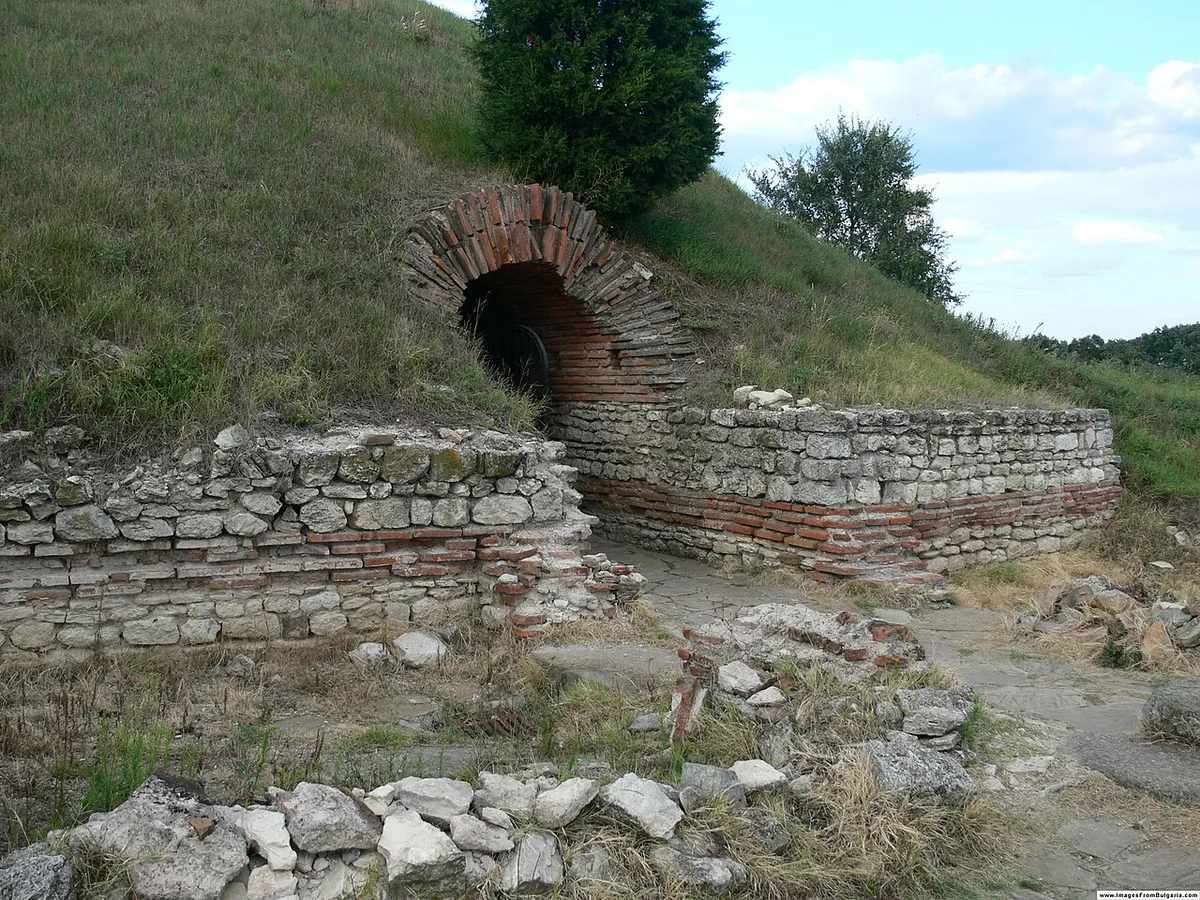
- 9:00 AM-10:00 AM: Thracian Beehive Tomb. Tour the 2nd- to 3rd-century AD stone tomb, built in a beehive-style design that's unusual among Thracian tombs in the region. It sits roughly 4 km from the Old Town center, so weigh the walk-versus-taxi trade-off in the logistics section before setting out.
- 10:00 AM-11:00 AM: St. George Monastery. Walk the grounds of this working monastery, dating to the 16th century, and taste the ayasmo spring water believed locally to have healing properties. Entry is free, though dress respectfully since services still run here.
- 11:00 AM-12:00 PM: Cross back over the peninsula's neck. Head from the New Town back toward the harbor, where the Old Town's narrower streets and the marina come into view. This is the one transit leg worth timing loosely, since traffic through the neck can back up in peak summer.
- 12:00 PM-1:30 PM: Lunch near the marina. Sit down for Black Sea seafood at one of the harbor-front tavernas; harbor-front restaurant picks covers specific options and price ranges.
- 1:30 PM-3:00 PM: Museum of Salt. Tour the only museum in Bulgaria and Eastern Europe dedicated to solar-evaporation salt production, using techniques rooted in ancient Anchialos, Pomorie's historic name. Entry runs 3 лв for adults and 2 лв for children, cash only.
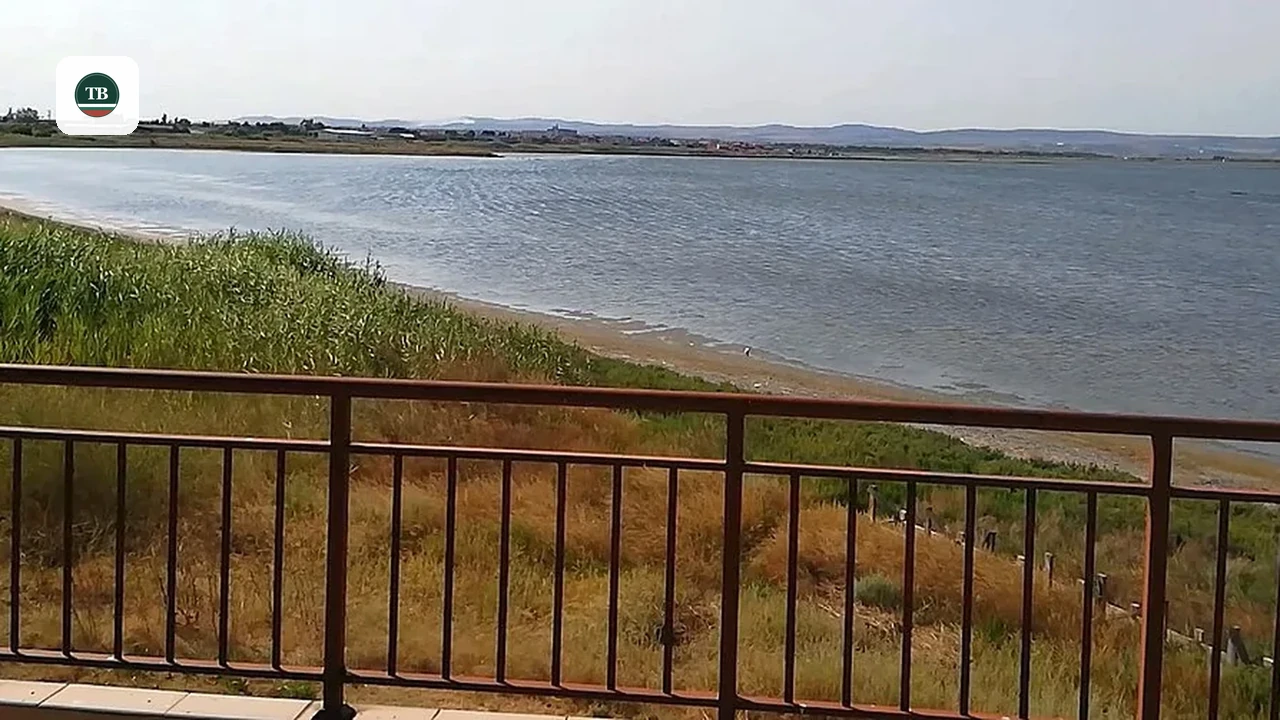
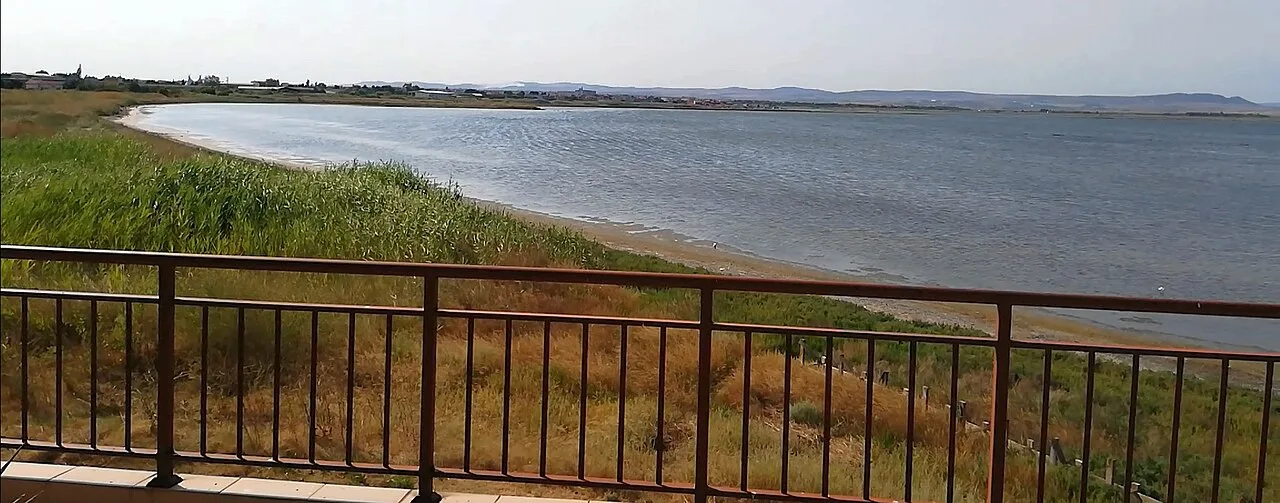
- 3:00 PM-4:30 PM: Pomorie Lake and the mud baths. Apply the lake's dark therapeutic mud, let it dry fully in the sun, then rinse off in the lake shallows. Full steps and safety notes are in salt lake mud-bath guide.
- 4:30 PM-6:00 PM: Yavorov Rocks promenade and the Old Houses. Walk the seafront path past the rock formations, then detour a block inland to see the 19th-century wooden Old Pomorie Houses in the architectural reserve, before looping back to the harbor.
- 6:00 PM onward: Sunset and rakia on the western promenade. Close the day with local wine and rakia facing the water, away from the peninsula's evening wind.
Getting to Pomorie and Getting Around for the Day
Pomorie makes an easy day trip from two bases. Burgas sits 20.5 km away, and Sunny Beach sits 18 km away. Day-trippers based in either town should start with getting to Pomorie for bus and transfer specifics. Travelers flying in first can check airport transfer options for the wider route from the airport. Once in town, the Old Town itself is fully walkable, but the Thracian Tomb sits about 4 km away, which needs its own plan. Parking near the Salt Museum is limited to a small lot; if it's full, plan to park a short walk away instead. Salt Museum and Thracian Tomb hours both shorten in the shoulder season, and posted times shift year to year. Confirm same-day hours through the Pomorie Municipality site before building the morning around a fixed schedule.
| Option | Approx. time each way | Best for |
|---|---|---|
| Walk | Roughly 45-50 minutes | A full free morning and no mobility concerns |
| Local bus | Varies by schedule | Budget travelers who confirm timings in advance |
| Taxi | Roughly 10 minutes | Keeping the morning on a tighter clock |
When to Visit: Summer Beach Days vs. Winter Wellness
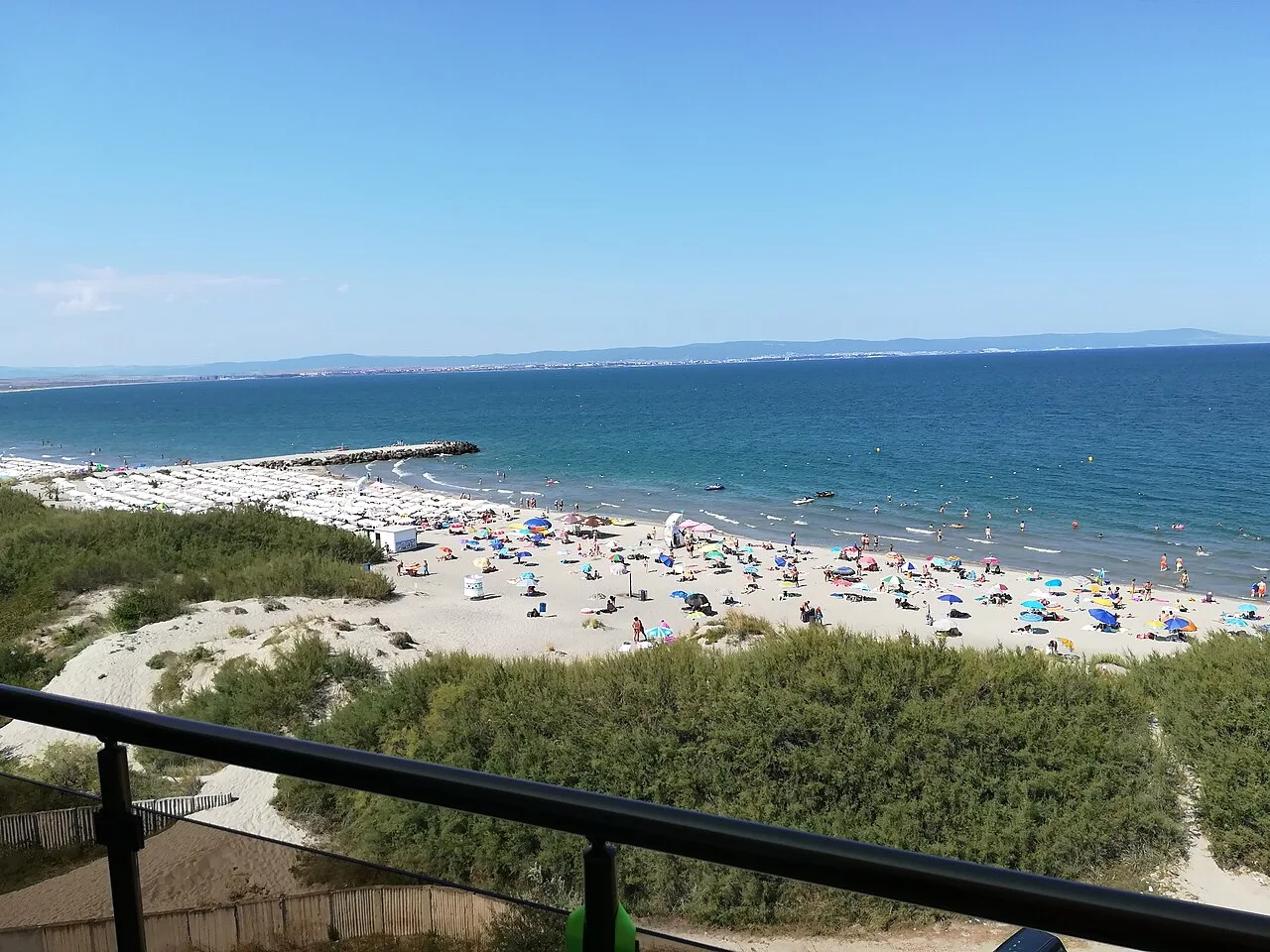
Summer favors the full beach-and-mud version of this itinerary, when both the lake and the sea are warm enough to use comfortably. Pomorie's sand runs darker than the golden beaches at Sunny Beach, from higher iron and manganese content in the soil. That same mineral profile is part of why the lake's mud draws visitors managing joint pain. See Pomorie's black-sand beaches for a fuller comparison with the resorts nearby. Its peninsula shape also makes Pomorie windier than Sunny Beach, worth planning around for the evening promenade walk. Winter shifts the day toward indoor wellness instead, since the outdoor lake routine stops making sense in the cold. Wellness-focused travelers often extend this into a multi-day spa stay rather than a single afternoon. Bulgaria's other spa towns cover year-round thermal options if your dates fall outside the warm season. Check the best time to visit for month-by-month specifics before locking in dates.
Summer visits require a 30-minute buffer between stops when the harbor area gets busiest. Pomorie's mineral-rich black sand holds heat, requiring water shoes for the afternoon, unlike Sunny Beach's golden beaches.
- Summer (Jun-Sep): both the beach and the mud baths are usable; book dinner early since the promenade fills up at sunset.
- Shoulder season (Apr-May, Oct): smaller crowds, but confirm Salt Museum and Thracian Tomb hours before you go.
- Winter (Nov-Mar): shift the day toward indoor spa treatments, since the lake routine isn't practical in the cold.
Two Ways to Adjust This Pomorie Itinerary
This route works as written for most first-time visitors. Two swaps fit different priorities instead.
- Spa Purist path: Swap the Thracian Tomb and monastery morning for a full day at a medical spa instead. Medical spa day passes covers which hotels run treatment programs open to non-guests. Where to base yourself helps if you'd rather stay overnight than day-trip.
- History Explorer path: Local tour operators already pair a shortened Pomorie morning with an afternoon in Nessebar, running the combination as a roughly four-hour trip. Keep the Thracian Tomb and St. George Monastery, then swap the salt-and-mud afternoon for a walk through Nessebar's cobblestone streets and historic churches instead.
Practical Tips for the Day
A handful of small preparations make the day run smoother, especially around the mud baths and museum stops.
The 3 лв adult and 2 лв child entry fees for the Salt Museum require cash payment, while planning for restaurants and spa add-ons should include card access, as those costs run considerably higher.
- Bring cash. The Salt Museum takes cash only for tickets and salt products.
- Pack a towel and a change of clothes for after the mud baths, plus water shoes for the black sand, which holds heat.
- Wear light layers for the evening promenade, since the peninsula's wind picks up after sunset.
- Confirm Salt Museum and Thracian Tomb hours the same morning if you're visiting in shoulder season.
- Carry a card as well as cash; the museum entry fee is small, but restaurants and spa add-ons run higher.
Frequently Asked Questions
Is one day enough time in Pomorie?
Yes, for most travelers. One day covers the Thracian Tomb, St. George Monastery, the Salt Museum, and the mud baths, plus the Old Town promenade in the evening. Travelers who want a full spa program instead of the history stops should plan an overnight stay rather than a single day trip.
How do you get from the Old Town to the Thracian Tomb?
The Thracian Tomb sits about 4 km from the Old Town center, across the peninsula's narrow neck. Walking takes roughly 45 to 50 minutes each way, while a taxi covers the same distance in about 10 minutes. A local bus also runs the route; confirm the current schedule locally before relying on it for a tight morning.
How much does the Salt Museum cost?
Entry runs 3 лв for adults and 2 лв for children, and payment is cash only. The Thracian Tomb charges a similarly modest entrance fee. Confirm the current posted rate at the door, since neither site publishes a fixed online rate card.
Is Pomorie worth visiting instead of just staying in Sunny Beach?
Pomorie offers a slower pace than Sunny Beach. It also has sites Sunny Beach doesn't: a Thracian tomb, a working monastery, and a salt museum beside a therapeutic mud lake. It works well as a single day trip from Sunny Beach, about 18 km away, without giving up a resort base there.
When is the best time for the Pomorie mud baths?
Summer is the standard window, when the lake and the outdoor mud routine are both usable comfortably. Outside peak summer, treat the mud-bath stop as optional and lean more on the museum and history stops instead.
Can you combine Pomorie with Nessebar in one day?
Yes, though it makes for a fuller day. Local tour operators already run a combined Nessebar-and-Pomorie route lasting roughly four hours from Nessebar port. Pairing them works best if you trim the Pomorie side to the Thracian Tomb, the monastery, and a shorter Old Town walk.
Is Pomorie's black sand safe for swimming?
Water at Pomorie Lake and the town's beaches is generally reported as clean by visitors, though the black sand can get hot enough to burn bare feet in peak summer. Water shoes help, and mornings are cooler underfoot than midafternoon.
What's a realistic budget for this Pomorie day trip?
Entry fees alone stay low: 3 лв for the Salt Museum as an adult, 2 лв as a child, and free entry at St. George Monastery. The Thracian Tomb adds a similarly modest fee. Lunch, transport, and any spa add-ons are the bigger swing factors in the day's total cost.