Stara Zagora Roman Heritage Day Trip: 2026 Walking Route
A Stara Zagora Roman heritage day trip connects the Antique Forum of Augusta Traiana, a preserved Roman street beneath the Regional History Museum, the city's Roman collections, and a late-antique mosaic from a private home. The main sites sit close together in the modern centre, so a visitor arriving by train or car can cover the route on foot without turning the day into a transport exercise.
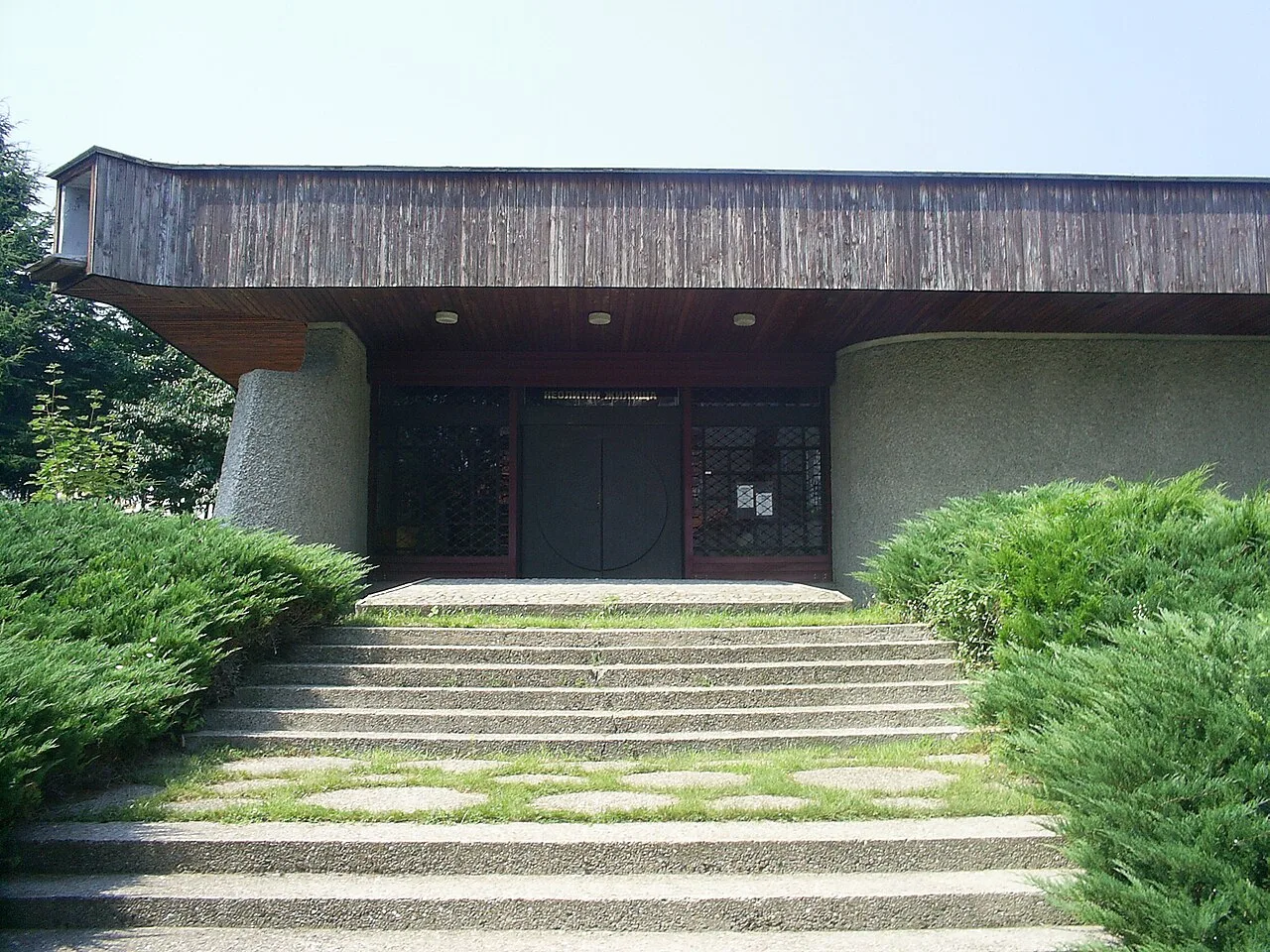
Augusta Traiana was founded around AD 106–107 under Emperor Trajan and became an important administrative, economic, and cultural centre in the Roman province of Thrace. The municipal tourism office describes a forum complex of about seven decares, including a stone-paved square, an auditorium for more than 1,300 spectators, baths, fortification remains, the western gate, and part of the decumanus maximus. This guide converts that history into a practical 2026 itinerary. For a broader city plan, use the pillar guide to the best things to do in Stara Zagora; for the much earlier settlement layer, read the Neolithic Dwellings Museum guide.
This 4K walk-through provides a preview of the forum complex and main archaeological sites:
Why Stara Zagora Works as a Roman Day Trip
Many Roman sites require a car and long walks between scattered ruins. Stara Zagora presents the opposite experience: its ancient civic centre lies beneath and beside the present-day city centre. The forum is open to the sky, while the museum was purpose-built over a surviving section of the Roman cardo maximus. That arrangement lets you move from monumental architecture to objects and street-level archaeology in a few minutes.
The city also offers enough context to understand what the stones meant. Under Marcus Aurelius, Augusta Traiana received the right to issue bronze coins, a privilege it exercised with interruptions for almost a century. Museum displays extend the story beyond imperial buildings to sculpture, weapons, coins, inscriptions, and domestic life. Stara Zagora's official history portal records the city's changing names—including Augusta Traiana, Beroe, Vereya, and Boruy—showing how later settlements repeatedly reused the same strategic place.
| Time | Stop | Focus |
|---|---|---|
| 09:30 | Antique Forum | Civic centre, auditorium, street plan |
| 11:00 | Regional History Museum | Roman street and archaeological collections |
| 13:00 | Central lunch | Rest near the pedestrian centre |
| 14:30 | Late-antique mosaic | Domestic art and private urban life |
| 16:00 | Forum return or city walk | Photography and historical context |
Stop 1: Antique Forum of Augusta Traiana
Start outdoors while the light is soft. The forum represented the public heart of the Roman city, with administrative, ceremonial, commercial, and entertainment functions concentrated around a paved civic space. The official Stara Zagora tourism description identifies the surviving auditorium, baths, fortress walls, western gate, and part of the decumanus maximus. The auditorium is often loosely called a theatre, but the broader forum context matters: this was a civic complex rather than an isolated performance venue.
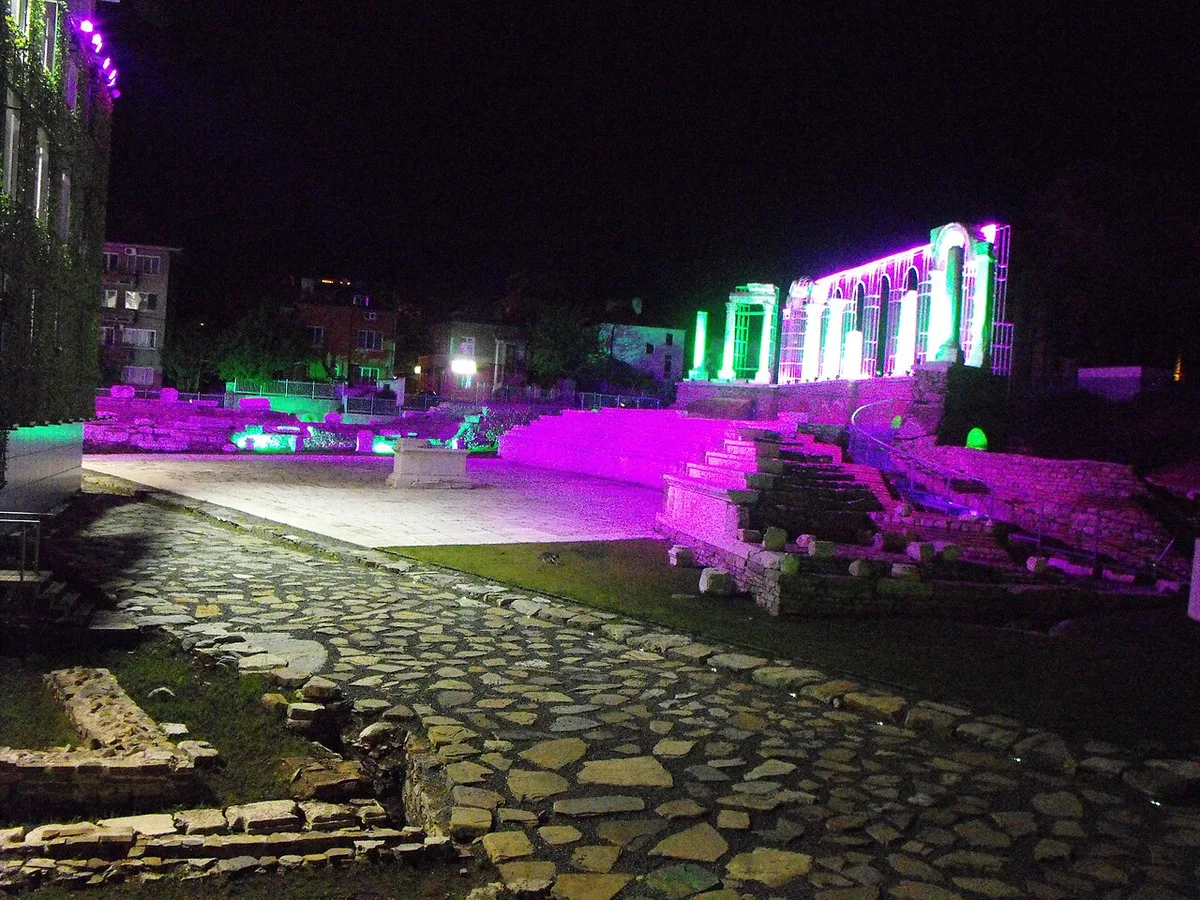
Look first at the relationship between the paved open area, the stepped seating, and the street alignments. Those lines make the scale of Roman planning easier to understand than isolated columns do. The city tourism portal says the forum is freely accessible and still hosts performances and concerts. Event preparation can temporarily affect access, so check the official Stara Zagora tourism portal or ask the Tourist Information Centre when a summer programme is scheduled.
Allow 60–90 minutes. Morning light usually gives clearer views of the paving, while evening illumination produces stronger atmosphere. Do not climb on low walls or cross barriers for photographs; exposed masonry is vulnerable even where the wider site is open.
Stop 2: Regional History Museum and the Roman Cardo
The Regional History Museum is essential because its building stands above a preserved section of Augusta Traiana's main north–south street, the cardo maximus. The archaeological level is not an ornamental fragment added to a general museum: it is the physical spine around which the building was designed. This makes the transition from outdoor forum to indoor street unusually coherent.
The museum reports around 100,000 movable cultural objects spanning prehistory to modern times. Roman highlights include coins of Augusta Traiana, a bronze helmet-mask, a Sarmatian sword, glass vessels, sculpture, and votive material. The collection explains the city's position within Thrace and shows how public status, trade, religion, and domestic life appeared in portable objects.
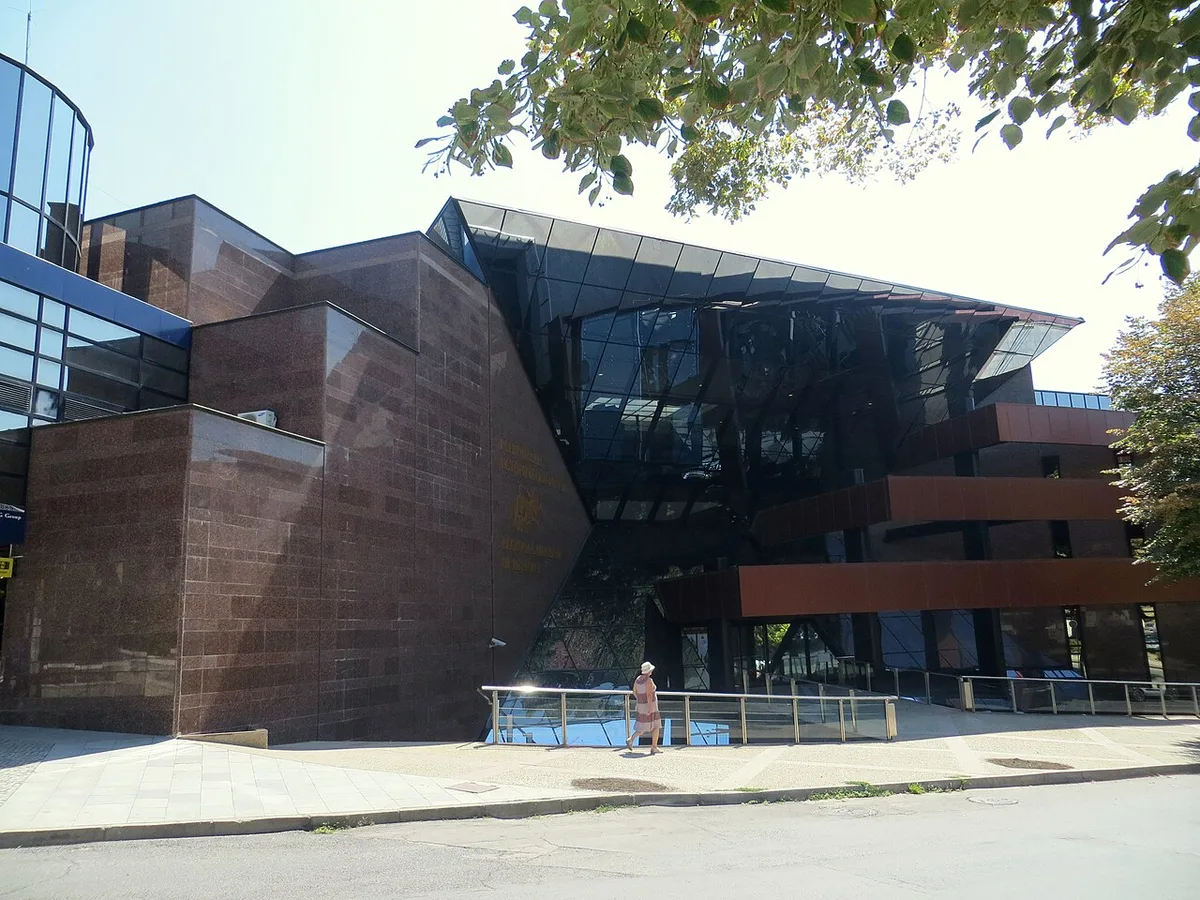
The official city listing currently gives exhibition hours of Tuesday–Sunday, 10:00–18:00, with Monday closure. Hours, admission, and English-language guiding can change, so confirm through the Regional History Museum before travelling. The museum is substantial enough for 90 minutes to two hours; visitors reading every panel will need longer.
Ask whether the late-antique mosaic site is open that day and whether an English-language guide is available. Smaller museum properties can have different access arrangements from the main building.
Stop 3: Late-Antique Mosaic from a Private Roman Home
The museum administers a fourth-century mosaic preserved from a private Roman residence. It shifts the day's emphasis from civic architecture to domestic display: mosaics communicated wealth, education, taste, and cultural affiliation inside elite homes. Seeing a house mosaic after the forum and cardo makes the city feel inhabited rather than merely monumental.
Access is the point to verify. The Regional History Museum lists the late-antique mosaic among its managed sites, but smaller properties may operate by request, seasonal schedule, or staffing availability. Confirm at the main museum before walking over. If the mosaic is closed, spend the extra time with the Roman gallery or return to the forum for photographs from a different angle.
The Bulgarian Ministry of Tourism's official museum description also identifies the forum, Museum of Religions, and late-antique mosaic among the regional museum's managed archaeological properties. Its overview of the Stara Zagora Regional History Museum is useful background, while the museum itself remains the authority for same-day access.
How to Read Augusta Traiana in the Modern Street Plan
Roman cities were organised through intersecting principal streets, public spaces, water systems, and defensible edges. In Stara Zagora, surviving stretches of the cardo and decumanus let you orient the forum within that larger plan. Stand at the forum and identify where the paved routes lead; then compare them with the modern grid. The alignments are not identical everywhere, but the exercise makes the ruins more legible.
Pay attention to thresholds and changes in paving. A broad public route, a monumental entrance, and a domestic floor solve different problems, and the archaeological remains preserve those distinctions. Museum labels provide dates and object names, but the most useful question is functional: who used this space, and for what?
A Roman-focused day does not need to include every museum in Stara Zagora. The Neolithic Dwellings are extraordinary but belong to a period thousands of years earlier. Save them for a second day or add them only if your schedule allows at least another hour. Travellers staying overnight can use the best Stara Zagora hotels and areas for 2026 to remain within walking distance of the centre.
Practical Planning for 2026
Tuesday through Sunday is the safest window because the main museum lists Monday closure. Begin at the forum before the museum opens, then enter the museum at or soon after 10:00. This sequence avoids wasting the cooler morning and keeps the afternoon flexible for smaller sites.
The central route is walkable, but summer shade is uneven around exposed archaeology. Carry water and wear shoes with stable soles for stone paving. Photography rules can differ between outdoor ruins and museum galleries; check signage rather than assuming flash or tripods are allowed. The Tourist Information Centre on Ruski Boulevard can confirm events, guides, and access changes.
From the railway station, the official tourism directions place the central visitor area about a 15–20 minute walk away. A taxi is useful with luggage, but it is unnecessary between the core Roman stops. Drivers should park once and complete the route on foot. Build a margin before your return train because museum visits often take longer than expected.
For lunch, stay near the pedestrian centre instead of driving elsewhere. A 45–60 minute break is enough to reset without breaking the historical sequence. Return to the forum in late afternoon if light and access are good; the second look is more meaningful after seeing the museum objects and street archaeology.
Continue planning: Use 10 Best Things To Do In Stara Zagora, Bulgaria and Neolithic Dwellings Museum, Stara Zagora Guide to connect this guide with the rest of your Bulgaria itinerary.
Frequently Asked Questions
Is the Roman Forum in Stara Zagora free?
The official Stara Zagora tourism listing states that the Antique Forum is freely accessible with no entrance fee. Events or conservation work can affect access, so check locally on the day.
How long does a Roman heritage day in Stara Zagora take?
Allow five to seven hours for the forum, main museum, lunch, and the late-antique mosaic if open. The compact route requires little transport time.
When was Augusta Traiana founded?
The official city history places its foundation around AD 106–107 under Emperor Trajan. It later became a major centre in the Roman province of Thrace.
What days should you avoid?
The main Regional History Museum currently lists Monday closure, so Tuesday through Sunday is safer. Confirm current hours and smaller-site access before travelling.
Can you walk between the Roman sites?
Yes. The forum, museum, and central archaeological properties form a compact urban route. Comfortable shoes are still useful because some surfaces are stone or uneven.
Make the Roman City Legible
The best sequence is forum first, museum second, and domestic mosaic third. It moves from public space to street infrastructure to private life, turning scattered remains into a coherent Roman city. Official sources supply the dates and dimensions; the walking route supplies the relationships between them.
Pair this guide with the broader Stara Zagora city guide, the Neolithic Dwellings guide, and Stara Zagora's best hotels and areas if the day trip becomes an overnight visit.