Best Time to Visit Koprivshtitsa: A Season-by-Season Guide
Last updated August 2026, and the best time to visit Koprivshtitsa is still May, June, or September, when days stay warm and every house museum keeps standard hours. Winter empties the cobbled lanes and dusts the rooftops with snow. Crowds still spike around the May 1-2 April Uprising anniversary and during any year the National Festival of Bulgarian Folklore returns to town.
When Is the Best Time to Visit Koprivshtitsa?
Koprivshtitsa sits at roughly 1,000 meters (3,280 feet) in the Sredna Gora range, so weather runs cooler than Sofia or Plovdiv in every season. Late spring and early autumn combine mild days, full museum hours, and thinner weekday crowds. Summer brings the town's biggest festivals but also its busiest weekends. Winter turns quiet and photogenic, with some house museums trimming their hours. Weekends pull noticeably more domestic day-trippers from Sofia than weekdays, in every season.
| Season | Months | Typical Temperatures | Crowd Level | Best For |
|---|---|---|---|---|
| Spring | March-May | Highs 18°C (64°F), lows 6°C (43°F) | Light, except May 1-2 | April Uprising history, blooming hillsides |
| Summer | June-August | Highs 27°C (81°F), lows 14°C (57°F) | Heaviest, especially weekends | Festivals, hiking, museum-hopping |
| Autumn | September-November | Highs 17°C (63°F), lows 4°C (39°F) | Light to moderate | Photography, foliage, cooler hikes |
| Winter | December-February | Highs 3°C (37°F), lows -6°C (21°F) | Minimal | Snow scenery, quiet guesthouses |
Monthly Weather and Events in Koprivshtitsa
Daylight and temperature swing fast in the Sredna Gora foothills, and both affect how a visit feels. Match the month list below against your own priorities before booking.
- January: highs near 2°C (36°F), snow likely, about 9 hours of daylight, several house museums run reduced winter hours.
- February: still cold with highs around 4°C (39°F), daylight stretching past 10 hours by month's end.
- March: a transition month with highs near 10°C (50°F), muddy trail sections possible, daylight nearing 12 hours.
- April: highs around 15°C (59°F), orchards blooming on the surrounding slopes, daylight past 13 hours.
- May: highs near 20°C (68°F); the May 1-2 April Uprising anniversary draws domestic visitors and extra weekend traffic.
- June: highs around 24°C (75°F), long evenings near 15 hours of daylight, comfortable for hiking Sredna Gora trails.
- July: highs near 27°C (81°F) by day, but evenings cool toward 14°C (57°F) at this elevation.
- August: warm days similar to July, plus the region's busiest festival weekends and the highest guesthouse demand of the year.
- September: highs ease to 21°C (70°F), fewer crowds, and clearer light for photography.
- October: highs near 15°C (59°F), fall color on the hillsides, daylight down to about 10 hours.
- November: highs around 9°C (48°F), first frosts possible, daylight under 10 hours.
- December: highs near 4°C (39°F), occasional snow, shortest daylight of the year at around 9 hours.
Museum Hours and Winter Access
House museums are Koprivshtitsa's main indoor draw, and their hours are not fixed year-round. Several properties run shorter winter hours or close individual rooms to manage heating costs. Most general guides skip this detail entirely. Confirm current opening times with the town's museum directorate before a late-autumn or winter visit rather than relying on a printed summer schedule. Spring through early autumn is the safest window for a full circuit of the The Six Koprivshtitsa House-Museums: Combined Ticket Guide (2026) without hour changes mid-trip. If your dates are fixed to winter, plan two or three priority museums rather than trying to fit all of them into a short daylight window.
Winter visits compound the sightseeing challenge: just 9 hours of daylight in January pair with reduced house-museum hours, making prioritized two-to-three-museum itineraries a necessity rather than a guide to complete circuits of the historic properties.
The National Festival of Bulgarian Folklore: Plan Around It
Koprivshtitsa's National Festival of Bulgarian Folklore is the single biggest scheduling factor for any visit. Held roughly every five years on the meadows above town, it draws performers and visitors from across Bulgaria. Many describe it as part of the country's UNESCO-recognized intangible cultural heritage. Confirmed dates are announced well in advance through the municipality and event organizers, and the Koprivshtitsa folklore festival guide tracks the latest schedule. Accommodation books out fast once dates are confirmed. Travelers aiming for a festival year should reserve rooms 12 months or more ahead. Outside a festival year, expect a quieter town with normal weekend rhythms instead of a region-wide event.
Best Time to Visit Koprivshtitsa for Every Traveler Type
Koprivshtitsa rewards different travelers at different times of year. Match your priorities to the season below.
- History buffs: visit around May 1-2 for April Uprising anniversary events, then spend an extra day inside the The Six Koprivshtitsa House-Museums: Combined Ticket Guide (2026) while spring hours run at full schedule.
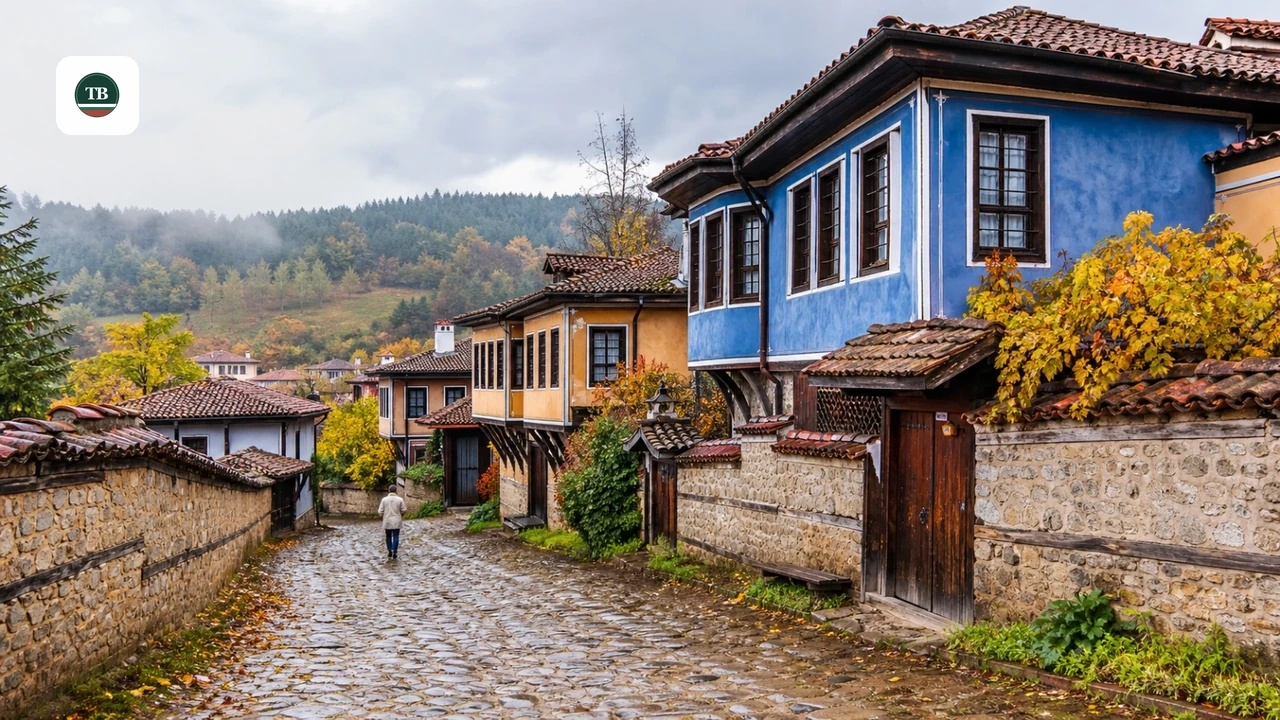
- Photographers: October delivers gold and rust foliage against the stone-and-timber houses. January mornings after fresh snow offer the quietest light.
- Budget travelers: late autumn and early spring bring shoulder-season rates and thinner crowds without winter's heating and access trade-offs.
- Hikers: June and September give the most stable weather for Sredna Gora trails, with cooler mornings than midsummer and drier ground than early spring.
Getting to Koprivshtitsa: Seasonal Travel Logistics
Most visitors reach Koprivshtitsa on a day trip, and the season changes how that trip feels. A Koprivshtitsa Day Trip From Sofia Travel Guide runs smoothly spring through autumn, with clear roads and reliable connections. A Plovdiv to Koprivshtitsa day trip covers hillier terrain, so build in extra time whenever snow or fog is possible. Winter can complicate both routes. Crews keep the main road maintained, but side roads and the shuttle between the train station and the town center run less predictably outside peak season. Check current shuttle timing before a winter visit, and plan for a full day rather than a rushed afternoon. The One Day in Koprivshtitsa Itinerary: A Complete Walking Guide (2026) lays out a route that works whether you arrive by car, train, or organized tour.
Where to Stay and Eat Through the Seasons
Where you sleep and eat shifts with the calendar too. Historic guesthouses built in the National Revival style keep their character but can run drafty in cold months. December through February favor rooms with modern heating over unrenovated originals. Rates swing hard with demand: budget rooms commonly list around €40-50 a night in low-season weeks like November or March. The same rooms can top €80 a night during the National Festival of Bulgarian Folklore or the May 1-2 weekend. The where to stay in Koprivshtitsa guide breaks down which properties handle winter best. For dinner, the best restaurants in Koprivshtitsa guide notes which kitchens stay open year-round versus scaling back outside the summer season.
Festival years require 12 months of advance booking and push typical room rates from €40-50 up to €80 a night, reflecting the scale of accommodation demand these events generate across the region.
How Rain Affects Hiking and Museum Plans
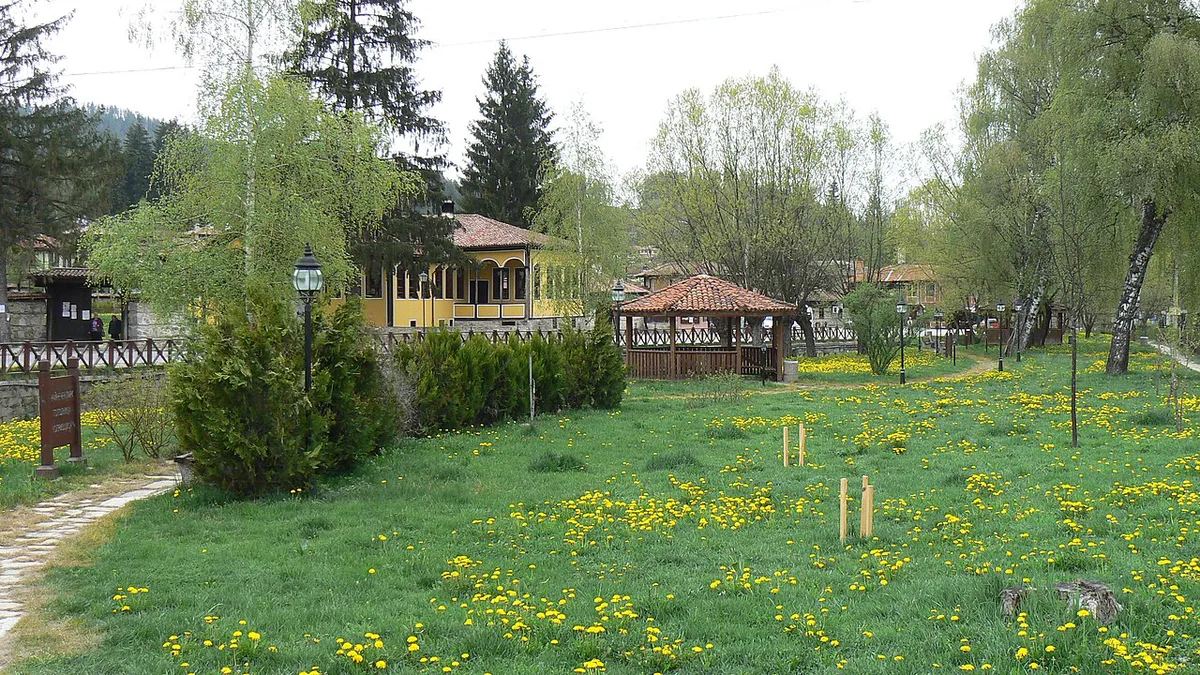
Rain deserves special attention because Koprivshtitsa’s wettest stretch generally falls in late spring and early summer. May and June offer green landscapes, but afternoon showers can interrupt walks in the Sredna Gora hills.
September is usually a better choice for hikers seeking drier paths and mild temperatures. March and April can leave trails muddy after snowmelt, especially on shaded slopes. Autumn rain also makes Koprivshtitsa’s uneven cobblestones slippery.
Check the local forecast before leaving Sofia or Plovdiv, since mountain conditions can differ from those in either city. Carry a light waterproof layer even when the morning looks clear.
- On wet mornings, prioritize Oslekov House and the Todor Kableshkov Memorial House.
- Save hillside walks and longer Sredna Gora routes for the clearest part of the day.
- Wear shoes with reliable grip for steep lanes around the historic center.
Thunderstorms can develop quickly during warmer months. Avoid exposed ridges when lightning is forecast, and keep a museum-based backup plan.
For trip-planning details, see Koprivshtitsa travel guide - Wikivoyage and Koprivshtitsa - Wikipedia.
Pair this with our broader Koprivshtitsa tourism attractions guide for the full city overview.
Frequently Asked Questions
Is Koprivshtitsa worth visiting in winter?
Yes, if you want an authentic, quiet version of the town. Snow settles on the National Revival houses, streets stay calm, and guesthouse rates drop. Pack for cold: winter highs often stay near 3°C (37°F) with lows well below freezing, and some house museums trim their opening hours.
When is the April Uprising anniversary in Koprivshtitsa?
The main commemorations fall on May 1-2, marking the start of the 1876 April Uprising. Expect extra domestic visitors, a program of events, and busier guesthouses than a typical spring weekend.
How many days do you need in Koprivshtitsa?
Most travelers see the core sights in a single day. The One Day in Koprivshtitsa Itinerary: A Complete Walking Guide (2026) covers a walking route past the main house museums. Add a second day only if you plan a Sredna Gora hike or a slower pace.
Is Koprivshtitsa accessible during heavy snow?
The main approach roads stay maintained and plowed through winter under normal conditions. Side streets and the shuttle link between the train station and the center can run less predictably during a heavy storm. Build extra time into a winter visit and confirm transport options a day ahead.
What is the best month for hiking Sredna Gora near Koprivshtitsa?
June and September give the most stable combination of dry trails and comfortable temperatures. Midsummer afternoons can feel hot on exposed slopes, while early spring trails often stay muddy from snowmelt. Bring layers regardless of month, since evenings cool quickly at this elevation.