Sofia vs Bucharest: Which Balkan Capital Wins?
Sofia vs Bucharest is one of the most common Balkan city debates for first-time travelers. Both capitals sit in former Eastern Bloc countries, share communist-era architecture, and cost less than most of Western Europe. Last updated July 2026, this guide uses current cost and travel-time data for both cities.
Rent alone runs about 52 dollars cheaper per month in Sofia than in Bucharest, according to cost-of-living data. Food and transport tilt slightly the other way, with Bucharest running six to twenty percent higher on those categories. Neither city wins every category, so the right pick depends on your budget and interests.
The sections below break down costs, sights, getting around, and who each city suits best. That comparison sits alongside other close Balkan match-ups in our Bulgaria Travel Comparisons: Which Trip Wins? series. If you are short on time, pick Sofia for its lower costs and compact center.
Here's a visual side-by-side comparison of both cities to help you decide:
Sofia vs Bucharest at a Glance
Sofia and Bucharest rarely win beauty contests, yet both reward travelers who stay a few days. Sofia offers Roman ruins, Orthodox cathedrals, and some of the lowest daily costs in the European Union. Bucharest counters with Belle Époque boulevards, a lively Old Town, and easy access to Transylvania castles.
The drive between Sofia and Bucharest takes about five and a half hours by car, or roughly eight hours by bus. Direct trains are limited, so most travelers drive or take a bus. Budget flights are sometimes available.
Both cities work as short city breaks or as a base for wider Balkan road trips. Travelers connecting the two should plan for a longer transfer than a typical short-haul train ride. The drive between them takes about five and a half hours, while the bus takes roughly eight hours.
The table below sums up the main trade-offs for a quick side-by-side comparison. Use it alongside the quick decision list to narrow your choice in under a minute.
- Pick Sofia if lower daily costs matter most
- Rent, food, and transport all run cheaper
- Pick Bucharest if grand architecture excites you
- Belle Époque streets and nearby castles
- Pick Sofia for a compact walkable center
- Main sights fit two to three days
- Pick Bucharest for a livelier nightlife scene
- Old Town bars stay busy after dark
- Pick both if your trip allows five-plus days
- A five-hour drive links the two cities
| Option | Best for | Cost range | Time needed | Pros | Cons | Pick if |
|---|---|---|---|---|---|---|
| Sofia | Budget-conscious culture seekers | $35-60 per day | Sofia: 2-3 days | Cheap eats, walkable core, free tours | Fewer iconic landmarks | You want lower costs and easy walking |
| Bucharest | Architecture and nightlife fans | $40-65 per day | Bucharest: 3-4 days | Grand boulevards, lively Old Town, castle day trips | Slightly higher daily costs | You want grand streets and Transylvania access |
Cost of Living: Sofia vs Bucharest Compared
Sofia consistently comes out cheaper across housing, though the gap is not huge. A one-bedroom apartment in the center averages 630 dollars a month in Sofia against 700 dollars in Bucharest. Move outside the center and rents drop to roughly 315 dollars in Sofia versus 350 dollars in Bucharest.
Families need more room, and that gap grows with apartment size. A three-bedroom apartment in the center runs about 1,260 dollars a month in Sofia versus 1,400 dollars in Bucharest. Over a year, choosing the cheaper market saves a family roughly 1,680 dollars.
Food costs sit much closer together, so daily habits matter less here. An inexpensive restaurant meal costs about 5.80 dollars in Sofia and 6.00 dollars in Bucharest. A mid-range dinner for two runs around 29 dollars in Sofia versus 30 dollars in Bucharest. Grocery staples like milk, eggs, bread, and chicken cost roughly 6.32 dollars in Sofia against 8.28 dollars in Bucharest.
Salaries follow a similar pattern to rent, favoring Bucharest by a modest margin. The average after-tax salary runs about 1,063 dollars a month in Sofia and 1,125 dollars in Bucharest. A monthly public transport pass costs 29 dollars in Sofia and 30 dollars in Bucharest, per cost-of-living trackers. For a deeper regional read, see how these figures stack up against neighboring capitals in Bulgaria vs Romania travel costs.
Pick Sofia If These Matter to You
Sofia suits travelers who want a value pick without sacrificing culture. The compact center packs Roman ruins, Orthodox cathedrals, and museums within easy walking distance. Free walking tours cover most major sights in about two to three hours.
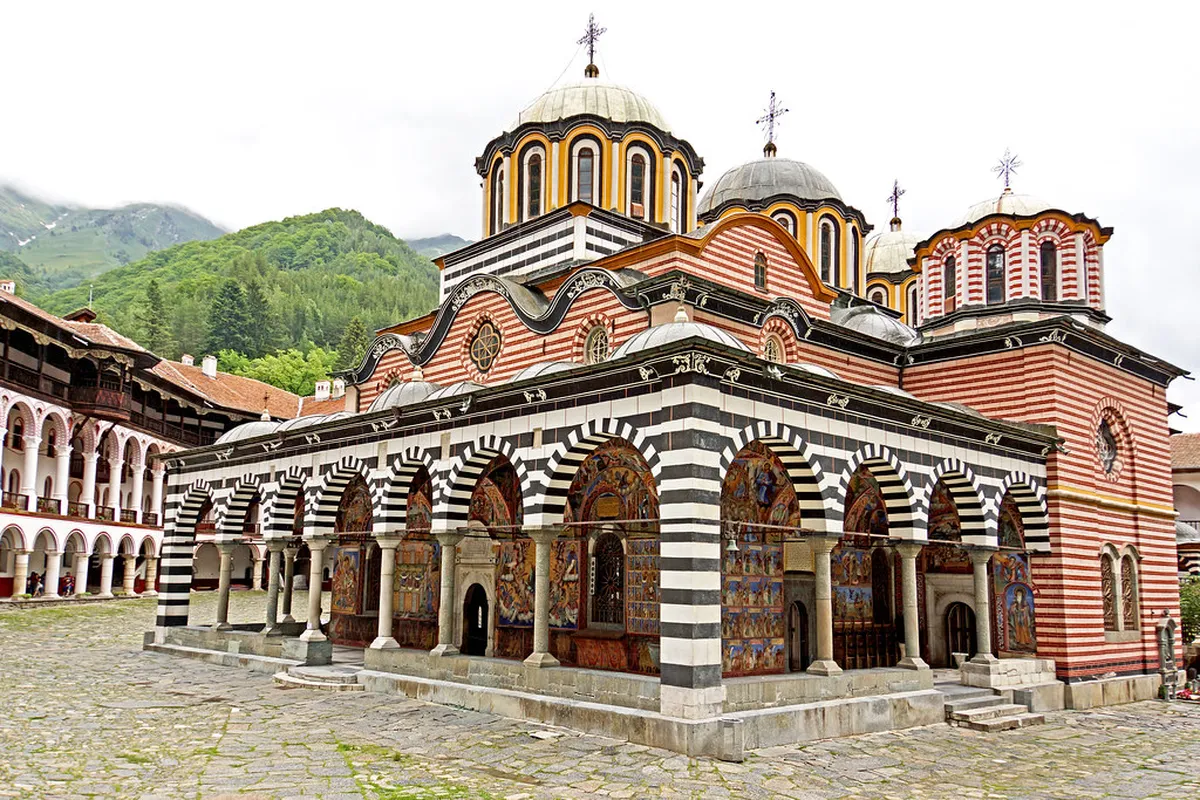
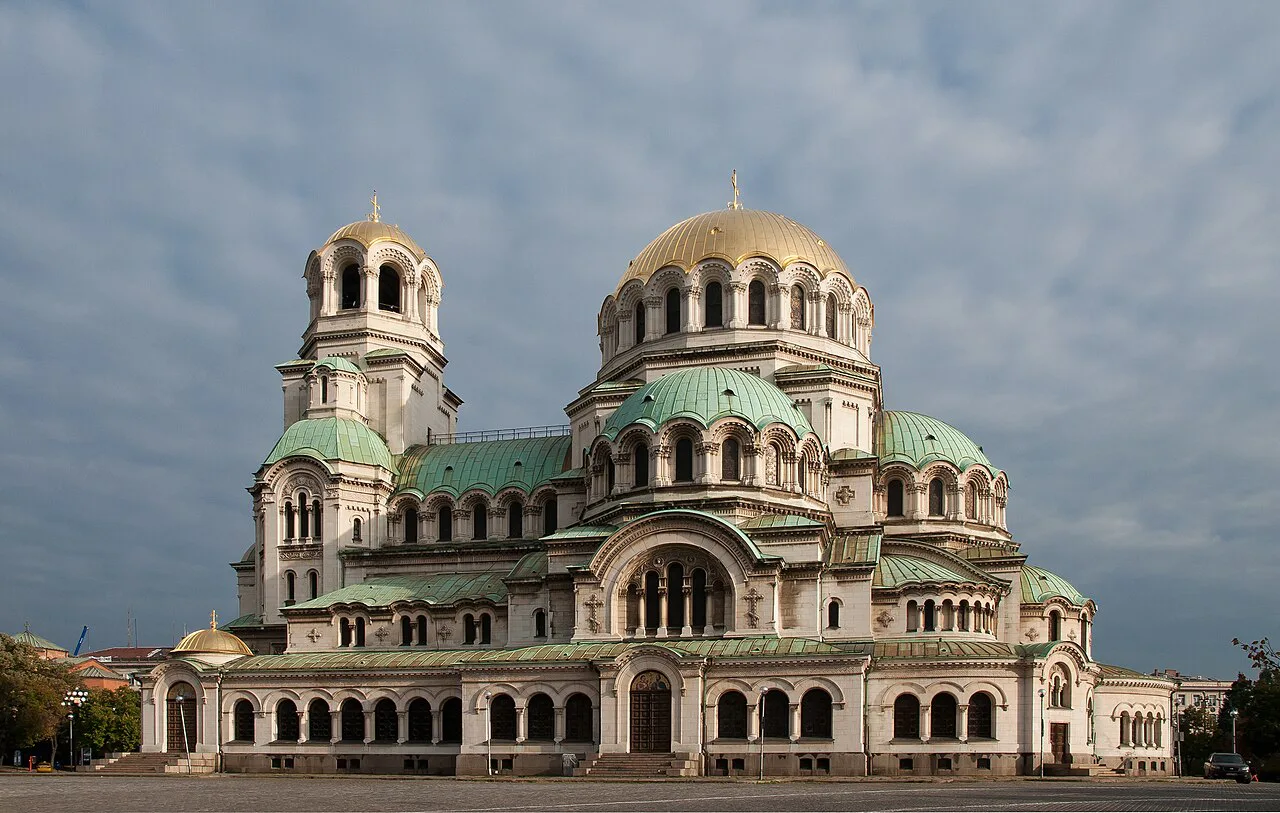
The Alexander Nevsky Cathedral Visitor Guide and its icon collection anchor most first visits. The Archaeological Museum adds context on Bulgaria's long Roman and Ottoman history. Both sit close enough together to see in a single relaxed morning.
Sofia also works well for travelers continuing further into the Balkans. It sits closer to Thessaloniki, Skopje, and Pristina than Bucharest does, easing onward travel. For a similar budget-first comparison, check our Bulgaria vs Serbia guide.
- You want the cheapest daily costs in the Balkans
- Rent, meals, and transport all run lower
- You prefer a compact, walkable historic center
- Main sights fit a two-day itinerary
- You love Roman and Ottoman-era history
- Ruins sit beneath the modern city
- You plan to continue on to Serbia or Macedonia
- Sofia sits closer to those borders
Pick Bucharest If These Matter to You
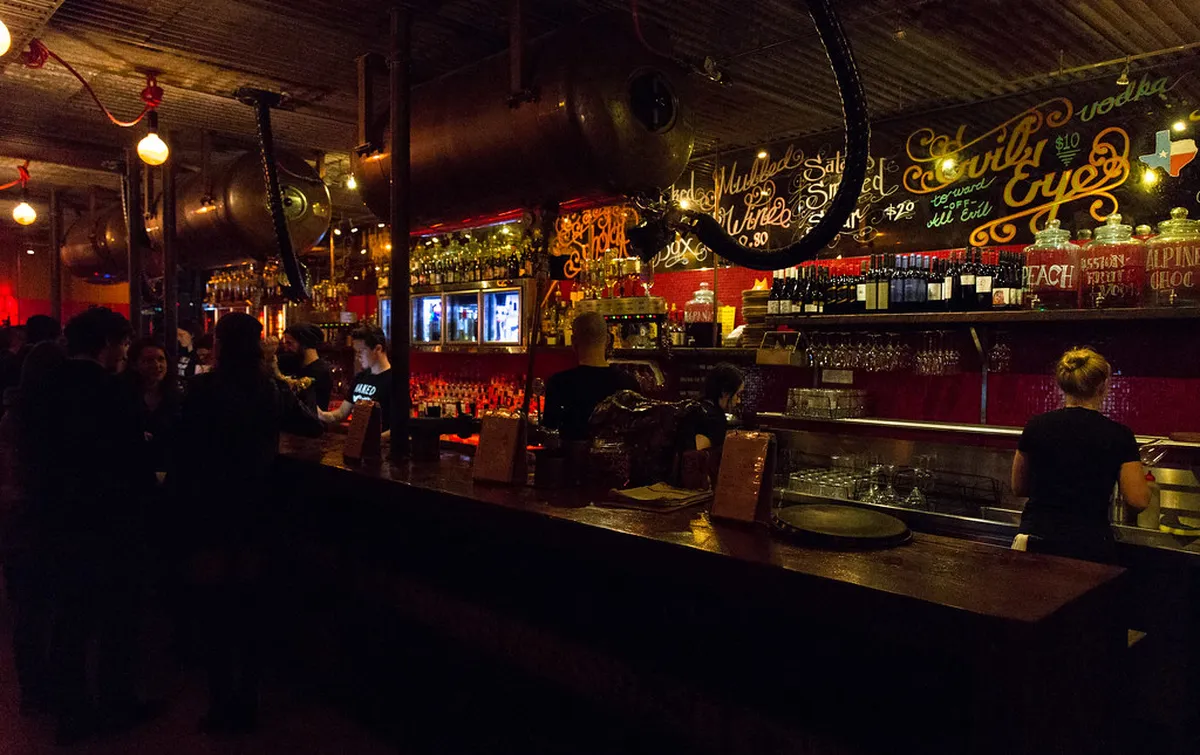
Bucharest suits travelers chasing grand architecture and a livelier evening scene. Wide Belle Époque boulevards give the city a distinct grand-capital feel. The revived Old Town fills with cafes, bars, and street life after dark.
Bucharest serves as the easiest base for Transylvania day trips, with Peles Castle, Bran Castle, and Brasov all reachable in a single long day. The city's Belle Époque boulevards and revived Old Town offer distinct architecture and evening entertainment.
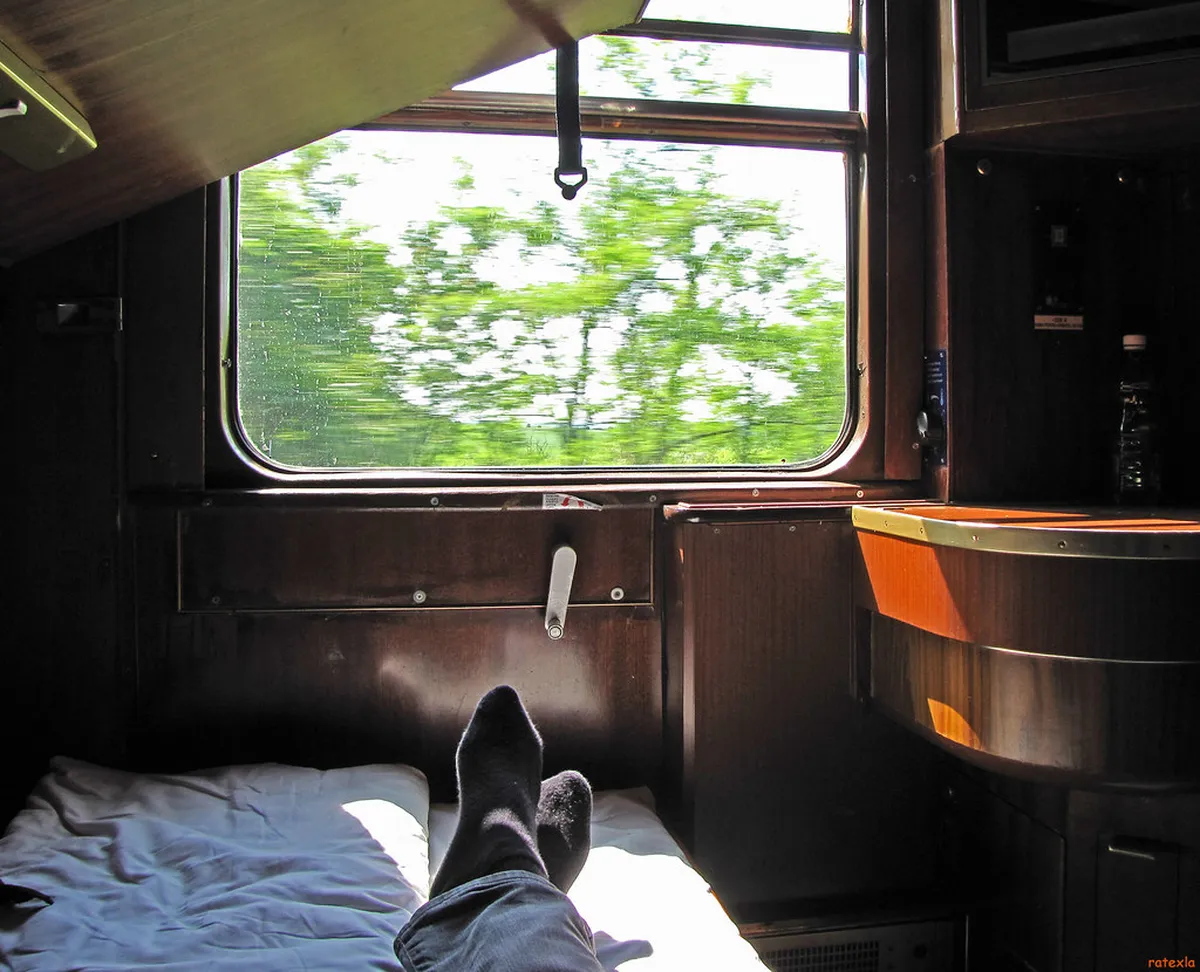
First impressions can be rough, given the heat and blocky communist-era architecture. Long-time residents often grow to love Bucharest, or, as one blogger noted, or at least like it quite a bit. Give the city two or three days before forming a final opinion.
Bucharest also serves as the easiest base for Transylvania day trips. Peles Castle, Bran Castle, and Brasov are all reachable in a single long day. For more Balkan trip planning ideas, browse the Tours Bulgaria blog.
- You want grand Belle Époque architecture and boulevards
- Wide avenues echo parts of Paris
- You plan day trips to Transylvania castles
- Bran and Peles Castle both reachable
- You enjoy a livelier late-night food and bar scene
- Old Town stays busy after dark
- You do not mind a rougher first impression
- The city grows on most visitors quickly
The Bottom Line: Sofia or Bucharest
For the average first-time visitor, Sofia edges out Bucharest as the easier pick. Its lower daily costs, compact center, and shorter sightseeing list suit a quick city break. Bucharest demands a bit more patience but rewards travelers with grander architecture and better day trips.
Sofia works best when time or budget is tight, ideally two to three days. Bucharest earns its keep with three to four days, especially if castles are on the list. Travelers with five or more days should do both, using the five-and-a-half-hour drive to link them.
Neither city is flashy, and both take a little patience to appreciate fully. Once the initial grey concrete fades, Roman ruins, cathedrals, and lively old towns take over. For a similar trade-off between budget and grandeur elsewhere in the region, see our Bulgaria vs Albania comparison.
Where to Stay: Best Bases in Each City
For Sofia, first-time visitors should stay around Serdika, Vitosha Boulevard Visitor Guide, or Oborishte. Serdika puts you near the metro interchange, Roman ruins, the Largo, and easy walks to St. Nedelya Church and Alexander Nevsky Cathedral. Vitosha Boulevard is better for restaurants and evening foot traffic, while Oborishte feels quieter and more residential without being far from the main sights. Staying by Sofia Central Railway Station can be practical for early buses or trains, but it is less atmospheric than the center.
In Bucharest, the easiest bases are Old Town/Lipscani, Universitate, Cismigiu, and Piata Romana. Old Town works best for nightlife and short stays, though it can be noisy. Universitate and Cismigiu are more balanced, with access to the National Theatre, Revolution Square, Cismigiu Gardens, and quick rides toward the Palace of Parliament. Piata Romana suits travelers who prefer cafes, restaurants, and broader boulevards over the densest bar streets.
Continue planning: Use Bulgaria Travel Comparisons: Which Trip Wins? and Bulgaria vs Albania: 2026 Travel Comparison to connect this guide with the rest of your Bulgaria itinerary.
Frequently Asked Questions
Is Sofia cheaper than Bucharest?
Sofia is slightly cheaper overall, mainly through lower rent. A one-bedroom apartment averages about 630 dollars a month in Sofia versus 700 dollars in Bucharest. Food and transport costs sit much closer together between the two cities.
How do you get from Sofia to Bucharest?
Direct trains are limited, so most travelers drive or take a bus. The drive takes about five and a half hours, while the bus takes roughly eight hours. Budget flights are sometimes available and can save time on tight itineraries.
Is Sofia or Bucharest safer for travelers?
Both capitals are generally safe for visitors who take normal city precautions. Petty theft in crowded tourist areas is the most common issue in each city. Stick to well-lit streets at night and keep valuables secure, as in any major capital.
How many days do you need in Sofia versus Bucharest?
Plan two to three days for Sofia to cover its compact historic center. Bucharest needs three to four days, especially with a Transylvania day trip added. Travelers combining both cities often spend five to seven days total.
Sofia and Bucharest both prove that Balkan capitals reward patience over instant charm. Sofia wins on cost and convenience, while Bucharest wins on grand architecture and day trips. Pick Sofia for a tighter budget and shorter visit, and Bucharest for a bigger city feel.
Either way, current 2026 prices keep both cities firmly in budget-travel territory. Check current fares and hotel rates before booking, since Balkan travel prices shift each season.