Bulgaria Travel Comparisons: A Balkan Guide
Last updated July 2026, this guide breaks down real bulgaria travel comparisons for planning season. Travelers often weigh Bulgaria against Romania, Serbia, Albania, and Bosnia before booking flights. Our take draws on verified costs and travel times, not guesswork. Each option suits a different kind of trip, budget, and pace.
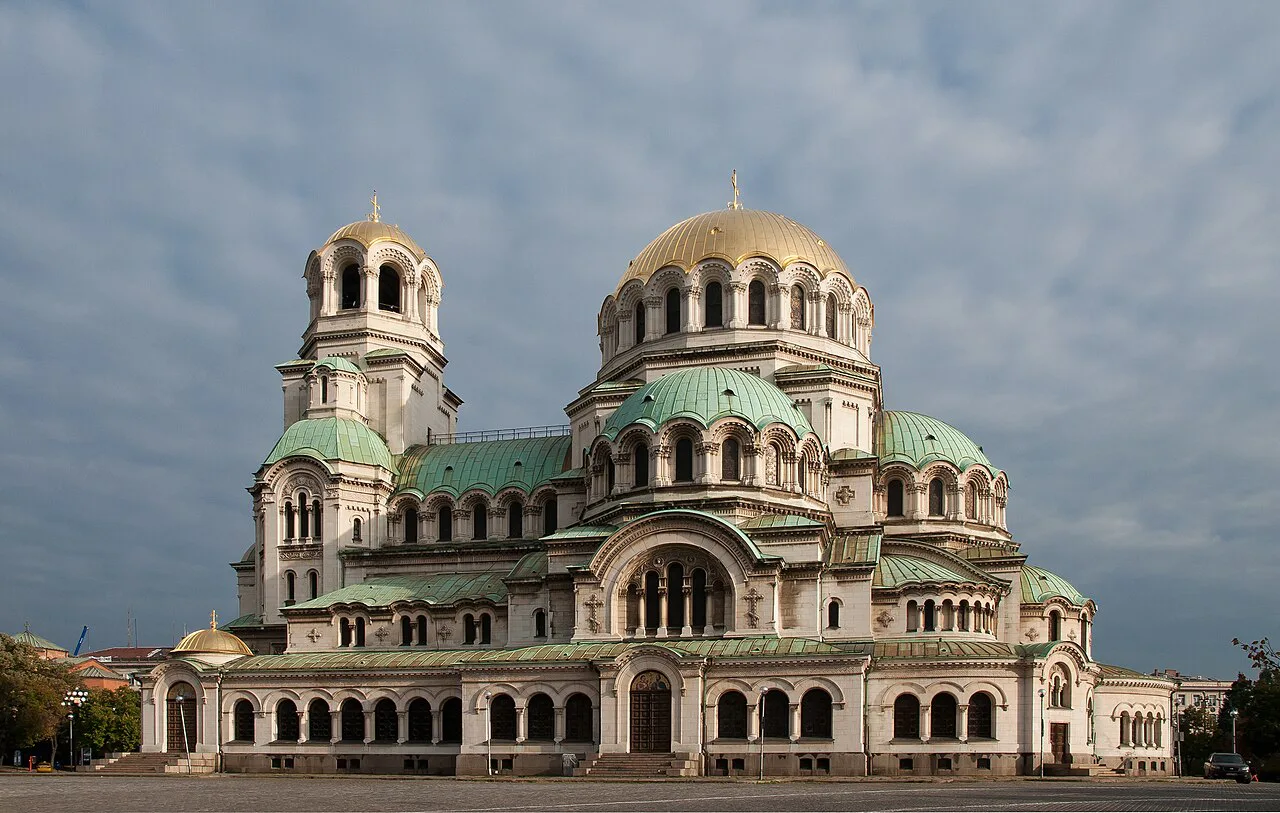
This travel guide showcases Bulgaria's most beautiful places and why travelers visit:
Bulgaria stands out for its low prices, uncrowded sites, and quick city-to-mountain access. A budget hotel room in Sofia commonly runs 40 to 50 EUR per night, while smaller cities cost less. Neighboring countries offer their own trade-offs in history, coastline, and nightlife. This bulgaria travel comparisons guide breaks each one down side by side.
Below, a quick-decision list and a full comparison table cover cost, time, and vibe. Detailed country-by-country matchups link out for readers who want deeper research. If you are short on time, pick Bulgaria for the best value-to-experience ratio in the Balkans.
Key Takeaways
- Bulgaria costs less than most Balkan neighbors, with meals near 10 EUR and rooms 25-50 EUR a night.
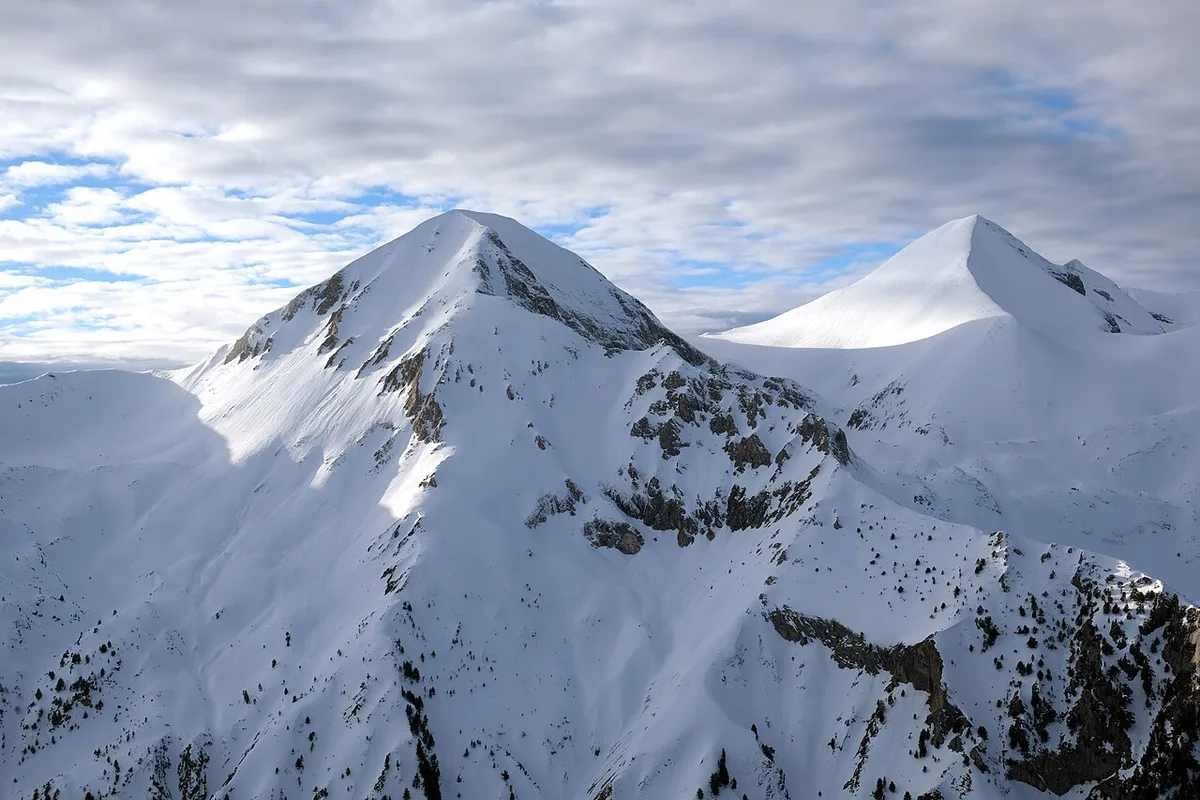
- The Vitosha summit is reachable from Sofia in under two hours via the Aleko hut.
- Romania suits castle-focused trips, while Bulgaria suits budget and quiet ruins.
- Check the detailed country matchups before booking a multi-country Balkan itinerary.
- Confirm current visa, train, and pricing details on official sources before travel.
Quick Decision: Choosing Your Bulgaria Trip
Every Balkan country rewards a different type of traveler. Budget backpackers, history buffs, and coastal seekers each have a natural fit. This section narrows the field before the full comparison table.
A quick numbers check helps set expectations before deeper research. Sofia's free walking tours draw about 6 to 8 people daily, versus 30 to 40 in busier European capitals. That gap signals how much less crowded Bulgaria feels overall.
Budget matters most for many first-time Balkan travelers. A restaurant meal in Bulgaria typically costs around 10 EUR. A half-liter beer can cost as little as 1 EUR. Romania and Serbia sit in a similar price band overall.
The comparison table below adds cost ranges, time needed, and trip pacing. Use it alongside the quick-decision list to narrow your shortlist. For extra planning detail, the toursbulgaria.com trip blog covers city-specific guides.
Weather and season also shape which country feels best to visit. Bulgaria's shoulder seasons, spring and early autumn, keep trails cool and rooms cheaper. Coastal Albania peaks in mid-summer, while Balkan mountains suit late spring hikes.
- Quick decision picks
- Pick Bulgaria for affordable mountains and ruins
- Pick Romania for castles and Carpathian scenery
- Pick Serbia for nightlife and river towns
- Pick Albania for budget Mediterranean coast
- Pick Bosnia for compact Ottoman-era history
Bulgaria Travel Comparisons at a Glance
The table below lines up five popular Balkan trips side by side. Costs reflect verified Bulgaria figures and relative price tiers for its neighbors. Time needed reflects a realistic first visit, not a rushed layover.
Bulgaria earns its off-grid value reputation through low prices and thin crowds. A budget room outside the capital typically runs 25 to 30 EUR a night. Sofia rooms with strong ratings tend to cost closer to 50 EUR.
Romania plays the castle-country role, with more built-out tourist infrastructure. Serbia leans into a party-capital identity around Belgrade's riverside clubs. Albania and Bosnia round out the coast-versus-history split in the region.
Albania wins on raw coastal affordability, earning its coastal-bargain label. Bosnia compresses deep Ottoman-era history into a shorter, walkable circuit. Each distinguishing trait below should guide which detailed matchup to read next.
Sofia's compact center pairs well with Bucharest's larger scale for city travelers. See Sofia vs Bucharest: 2026 Travel Comparison Guide for a side-by-side capital comparison. Both cities work as short weekend add-ons to a longer regional trip.
| Destination | Best for | Cost range | Time needed | Pros | Cons | Pick if |
|---|---|---|---|---|---|---|
| Bulgaria | Affordable mountains and ruins | 25-50 EUR/night, ~10 EUR meals | Bulgaria: 7-10 days | Cheap, uncrowded, fast internet | Limited English outside cities | You want value and quiet sites |
| Romania | Castles and Carpathian scenery | Similar budget tier to Bulgaria | Romania: 7-10 days | More tourist infrastructure, dramatic scenery | Busier peak-season crowds | You want polished castle towns |
| Serbia | Nightlife and river towns | Comparable to Bulgaria overall | Serbia: 5-7 days | Strong nightlife, easy rail links | Fewer coastal options | You want Belgrade's party scene |
| Albania | Budget Mediterranean coast | Often cheaper than Bulgaria | Albania: 6-9 days | Cheapest coastline in the region | Rougher infrastructure in places | You want beach time on a budget |
| Bosnia and Herzegovina | Ottoman old towns and canyons | Similar to Bulgaria, sometimes lower | Bosnia: 5-7 days | Mostar and Sarajevo history, river canyons | Smaller circuit, less variety | You want deep history, compact trip |
Pick Bulgaria If You Want This
Bulgaria fits travelers chasing value without sacrificing culture or scenery. Its blend of ancient ruins, mountain trails, and cheap city breaks is hard to match. The list below narrows down exactly who benefits most.
Vitosha's summit reaches in under two hours from Sofia's Aleko hut. The mountains sit just 20 minutes by car from the city center, enabling early mountain hikes before returning for afternoon exploration.
Budget-conscious travelers get the clearest win in Bulgaria. A five-hour first-class train ticket costs around 10 EUR, well below most Western European fares. Booking budget stays is simple through sites like Hostelworld.com.
Outdoor-focused travelers also do well here. Hikers can summit Vitosha from the Aleko hut in under two hours. Multi-day hut-to-hut treks extend the mountain season well into autumn.
Nature lovers also benefit from Bulgaria's compact geography. Sofia sits only about 20 minutes from the Vitosha Mountains by car. That makes an early hike and a late lunch in the city fully possible.
- You want affordable mountains and countryside trips
- Rooms run 25 to 30 EUR nightly
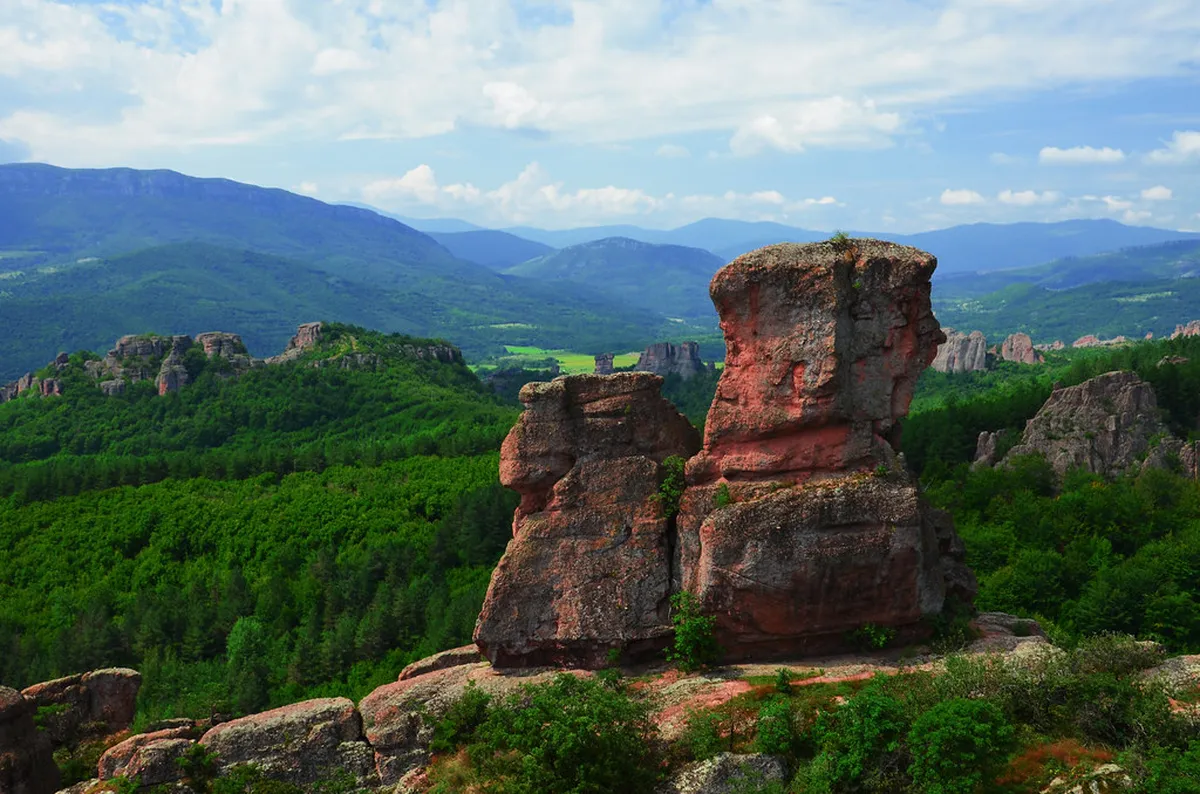
- You crave uncrowded ancient ruins and forts
- Belogradchik Fortress (Kaleto) Visitor Guide, Tsarevets in Veliko Tarnovo
- You need fast, reliable internet for remote work
- Bulgaria ranks among world's fastest connections
- You want easy trains plus mountain hikes
- Vitosha summit reachable in under two hours
Pick Romania If You Want This
Romania earns its castle-country reputation through Transylvania's fortified towns. Bran Castle and Sighisoara draw travelers chasing Gothic towers and hilltop views. Its tourism infrastructure is generally a step ahead of Bulgaria's.
Heritage-focused travelers gain the most from Romania's restored sites. Coverage from Indie Traveller notes more tourism investment in Transylvania than in Bulgaria. That extra polish often means easier signage and more guided tour options.
For a direct side-by-side, the Bulgaria vs Romania: Which Wins Your 2026 Trip? comparison breaks down costs and routes. Both countries pair well on a single overland Balkan itinerary. Choosing between them often comes down to castles versus mountains and ruins.
History-focused travelers gain from Romania's wider network of restored fortresses. Multi-day loops through Transylvania often combine three or four castle towns in one trip. That density of sights can suit travelers with a shorter overall timeline.
- You want dramatic castles and Carpathian peaks
- Bran Castle, scenic mountain drives
- You prefer more built-out tourist infrastructure
- More marked trails, tour operators
- You are pairing a Balkan and Central Europe trip
- Easy rail links toward Hungary
- You want painted towns and old squares
- Sighisoara, Brasov historic centers
Which Balkan Country Costs Less to Visit?
Cost is often the deciding factor among Balkan destinations. Bulgaria, Serbia, and Bosnia sit in a broadly similar budget band. Albania tends to undercut all of them along its coastline.
Bulgaria's budget stays average 25–50 EUR nightly outside Sofia. Meals cost around 10 EUR, and first-class trains run roughly 10 EUR for five-hour journeys, making it exceptionally affordable among Balkan neighbors.
Backpackers can find dorm beds in Bulgaria for around 10 EUR a night. Serbia's hostel prices run comparably, though nightlife spending in Belgrade adds up fast. The Bulgaria vs Serbia: Which Country to Visit guide compares nightlife costs and rail links in more detail.
Albania's coast often prices below Bulgaria's interior towns for food and stays. Budget guesthouses along the Albanian Riviera can undercut Black Sea options. The Bulgaria vs Albania: 2026 Travel Comparison matchup covers coastline value in more depth.
Bosnia's Sarajevo old town mixes cheap street food with moderate guesthouse rates. Mostar's bridge-side cafes and river tours add modest extra cost to a short visit. The Bulgaria vs Bosnia: Which Balkan Trip Wins in 2026? comparison lays out a sample daily budget.
None of these price gaps are dramatic once transport and activities get added in. The bigger difference usually comes down to trip pacing and personal interests. A traveler chasing beaches spends differently than one chasing museums and forts.
The Bottom Line on Bulgaria Travel
For most first-time Balkan travelers, Bulgaria offers the strongest overall value. Its mix of cheap trains, quiet ruins, and fast internet is hard for neighbors to match at these prices. Romania only edges ahead for travelers who specifically want castle-heavy itineraries.
Do both if the schedule allows, since Bulgaria and Romania sit within a single overnight train ride. Our honest pick for a first Balkan trip remains Bulgaria, with Romania as the natural add-on. Serbia, Albania, and Bosnia reward a second Balkan trip once the basics are covered.
Self-Guided Bulgaria vs Tour Company Trips
Tour companies are most useful in Bulgaria when the route links sights that are awkward by public transport. Sofia to Plovdiv, Veliko Tarnovo, Varna, and Burgas is straightforward by bus or train, so independent travel works well there. Guided day trips save more time for Rila Monastery, Boyana Church Visitor Guide, the Seven Rila Lakes lift area, Belogradchik Rocks, and the Rose Valley around Kazanlak.
When comparing operators, check whether entrance fees, hotel pickup, luggage space, and English-speaking guides are included. For mountain days in Rila or Pirin, prioritize small groups, clear weather-cancellation terms, and guides who state real hiking difficulty rather than only photo stops. For history-heavy routes, look for itineraries that allow enough time inside Plovdiv Old Town, Tsarevets Fortress Visitor Guide, or the Thracian tomb sites instead of stacking too many distant stops into one day.
Explore more: Bulgaria Travel Comparisons: Which Trip Wins?
Use these focused guides to plan the details, compare options, and build an itinerary that fits your trip.
Frequently Asked Questions
Is Bulgaria worth visiting compared to other Balkan countries?
Yes, Bulgaria offers strong value against its Balkan neighbors overall. Meals average around 10 EUR, and budget rooms run 25 to 50 EUR a night. Uncrowded sites like Belogradchik Fortress add extra appeal for a first Balkan trip.
Is Bulgaria safe for American travelers?
Bulgaria is generally considered safe, with calm, well-lit streets in Sofia and Plovdiv. Standard precautions still apply, especially late at night. Solo travelers, including women, commonly report feeling comfortable walking home after dark in central areas.
Which Balkan country is cheapest to visit?
Albania's coastline usually prices lowest for food and stays. Bulgaria and Serbia follow closely, with restaurant meals near 10 EUR. Bosnia sits in a similar budget band for a compact, history-focused trip.
How many days do you need for a Bulgaria trip?
Most first-time visitors plan 7 to 10 days for Bulgaria. That covers Sofia, Plovdiv, and one mountain or fortress day trip. Longer stays allow multi-day hut-to-hut hiking in the mountains.
Can you work remotely from Bulgaria?
Yes, Bulgaria's fast internet suits remote work well. Longer stays may require a digital nomad visa, with details here. Confirm current requirements before booking a multi-month stay.
Bulgaria travel comparisons ultimately come down to pace, budget, and personal taste. Every country covered here rewards a different kind of trip. Use the table and quick-decision list above before booking anything.
Bookmark the detailed matchups linked throughout this guide for deeper research. A little planning now saves time and money once you land in Sofia or Bucharest.
Explore More Bulgaria Guides
Keep planning your Bulgaria trip with these guides.