8 Essential Tips for Visiting the Wonderful Bridges in the Rhodopes
The wonderful bridges rhodopes, locally known as Chudnite Mostove, represent one of the most stunning natural phenomena in Bulgaria. These massive marble arches sit at 1,450 metres above sea level near the foot of Golyam Persenk peak (2,091 m) in the Western Rhodopes. Visitors often combine this trip with other 12 Best Things To Do In The Rhodope Mountains for a full nature experience. This guide covers everything from ancient dragon legends to the best ways to navigate the winding mountain roads in 2026.
Nature carved these structures over millions of years through the power of water and erosion. The site consists of two main bridges — and a lesser-known third formation — above the Erkyupriya River valley. The area is rich in biodiversity and local folklore that dates back centuries. Planning your visit requires understanding the local terrain and the seasonal changes of this high-altitude landmark.
Understand the Geology of Chudnite Mostove
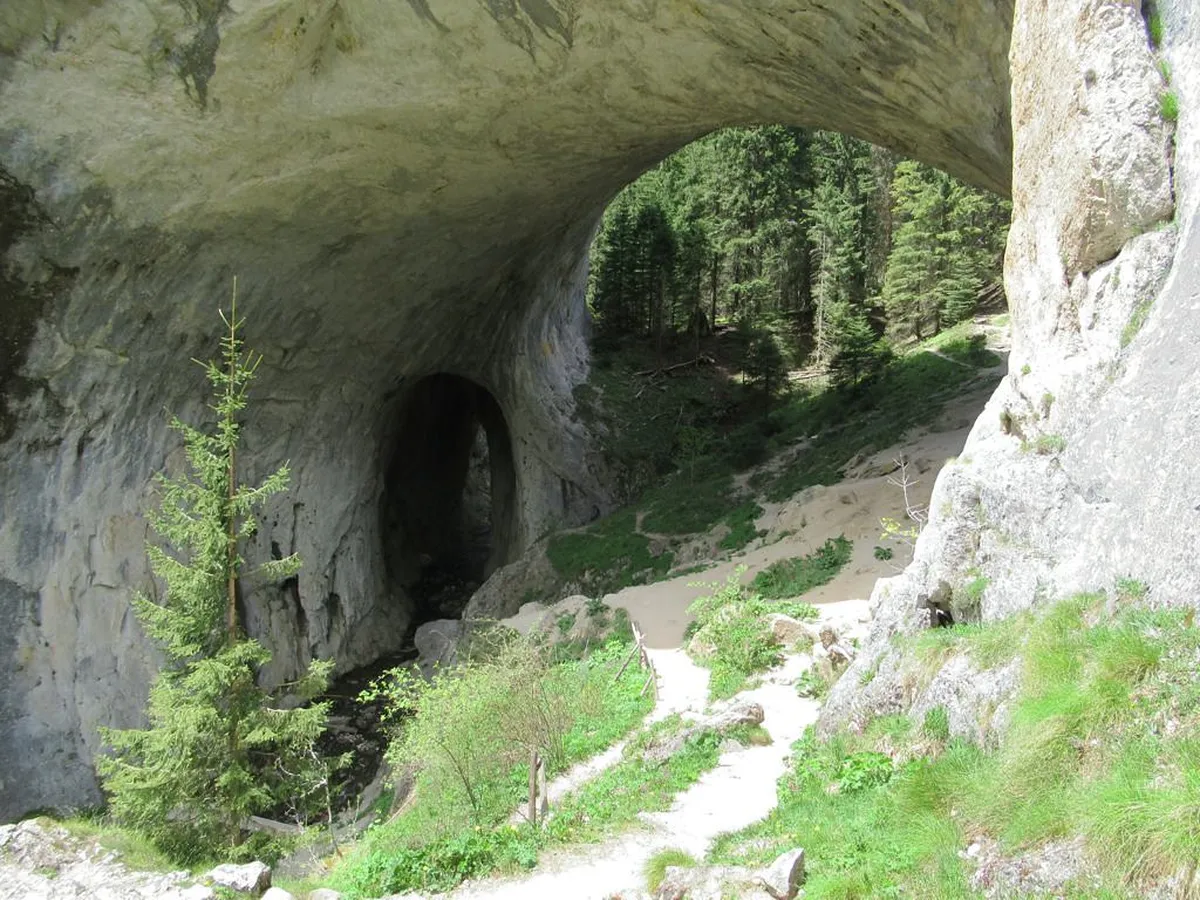
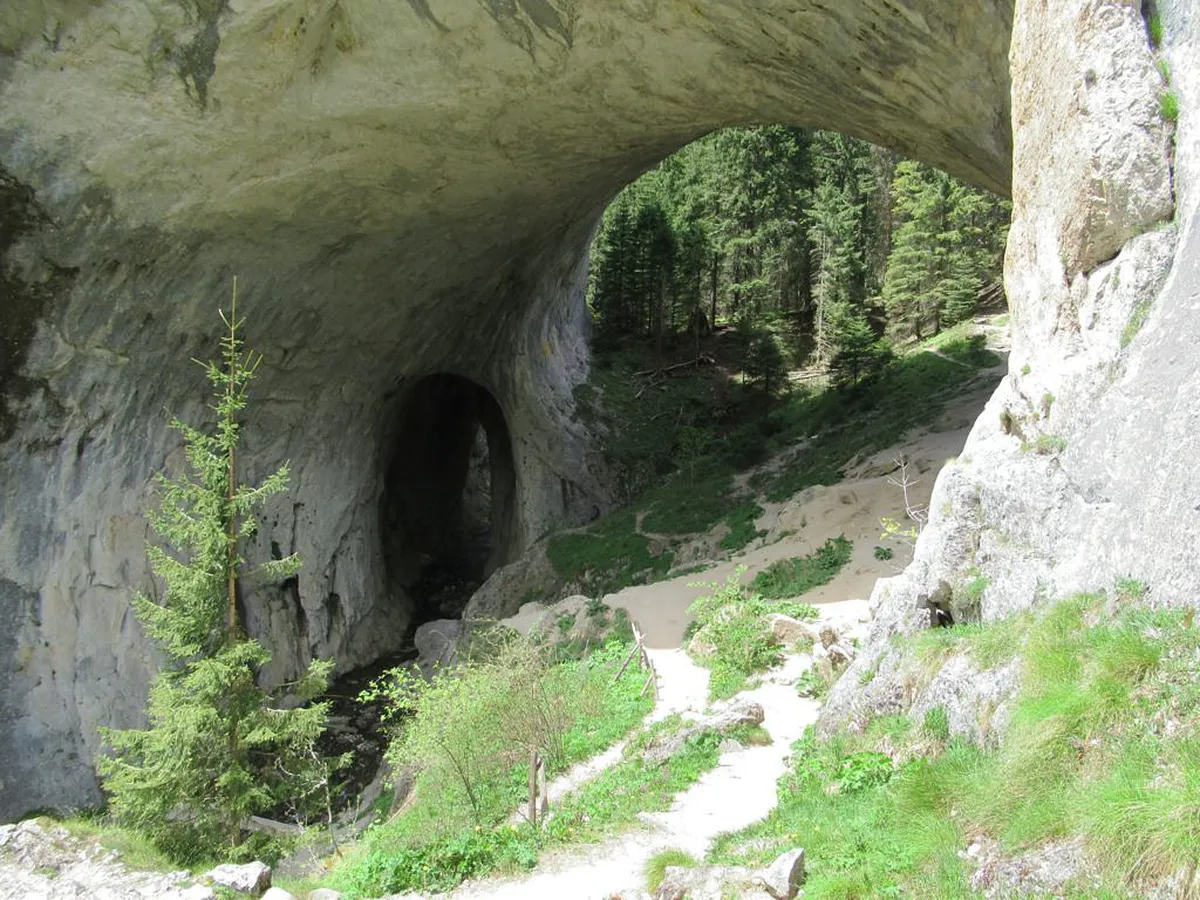
The geological history of the wonderful bridges rhodopes began with a massive underground cave system carved by the Erkyupriya River. High water levels slowly eroded the soft marble rock from within over millions of years. Parts of the cave ceiling collapsed progressively, leaving behind the spectacular arches visible today. Scientists classify these as a unique karst formation; you can read background on the site at Wikipedia's Marvelous Bridges entry.
The government declared this site a natural landmark by Decree of the Council of Ministers No 4941 on 18 July 1949. The surrounding Chernatitsa Ridge provides a dramatic backdrop of ancient pine and beech forests. Geologists still study the site to understand how the river continues to shape the lower passages. The marble walls often glow with a pale white light during bright midday sun.
What most casual visitors miss is that there are actually three distinct bridge formations here, not two. Below the large and small bridges, the Erkyupriya River enters a ponor cave — a third, smaller arch — and vanishes entirely underground. The water reappears on the surface roughly 3 kilometres farther downstream. This underground river journey makes Chudnite Mostove one of the most complete karst systems in the Balkans, not simply a pair of pretty arches.
Learn the Legend of the Dragon and the Donkey
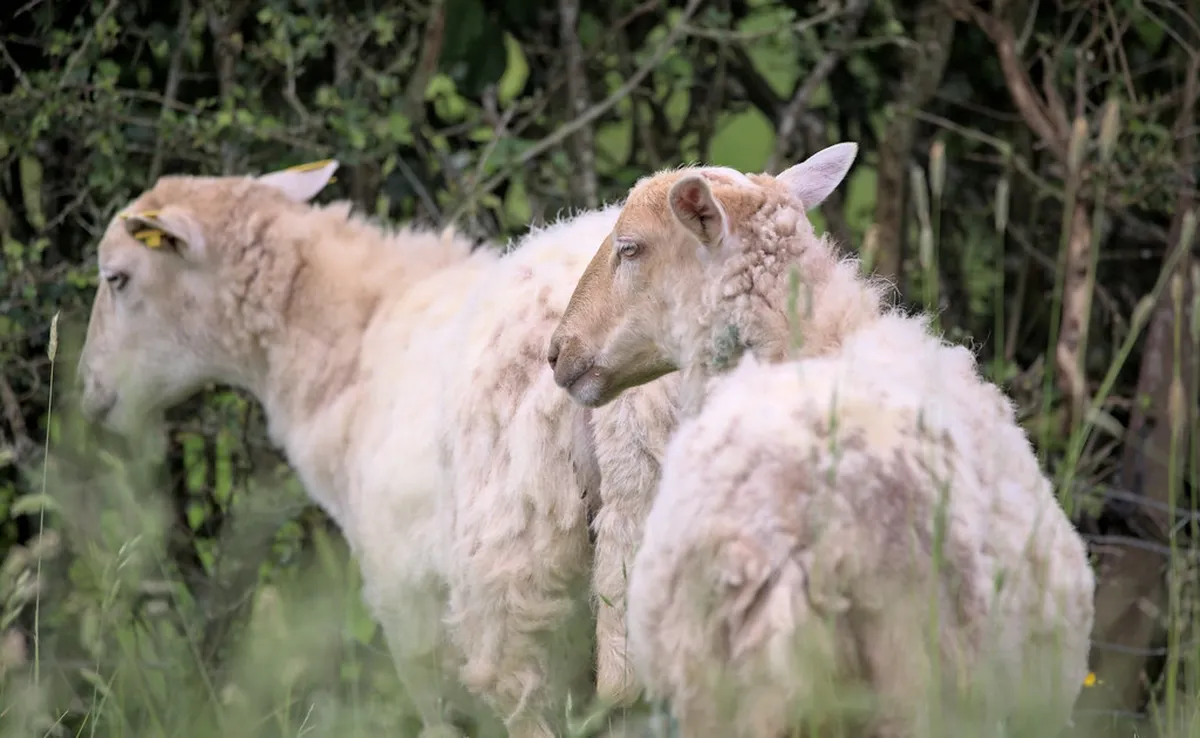
Local folklore offers a much more dramatic explanation for how these bridges appeared. According to legend, a fierce dragon once terrorized the nearby village of Zabardo. The beast would eat the villagers' sheep and keep the locals in a state of constant fear. A clever shepherd finally devised a plan to stop the dragon once and for all.
The shepherd loaded a donkey with bags of dry tinder — a fungal material used to start fire from flint and steel — and set them alight. The dragon swallowed the donkey whole, and the tinder burned slowly from within its stomach. In its final agony, the dragon found a small crack in the mountain and forced its way inside. Years later, when the dragon's bones decomposed, the great arched bridges remained.
This story remains a favourite among local guides who lead tours through the area. It reflects the deep connection between the Rhodope people and their rugged mountain environment. You can still feel a sense of mystery when exploring the darker corners of the arches. The legend adds a layer of magic to an already impressive physical site.
Explore the Massive Arches of the Large Bridge
The first bridge is the most impressive of the two due to its sheer scale. According to the Bulgarian Ministry of Tourism, it consists of three arches: the largest is 45 metres high and 40 metres wide, and the overall span runs nearly 100 metres in length. The bridge is roughly 15 metres wide in its widest sections. Official visitor information for the site is maintained at visitbulgaria.com, the Ministry of Tourism portal.
A well-maintained path leads visitors from the parking area directly to the top of the bridge. Safe railings allow you to look down into the valley from the very edge of the rock. The view from the bottom is equally stunning as you look up at the massive ceiling. Echoes of the river below bounce off the stone walls, creating a serene natural soundtrack.
- Large Bridge: nearly 100 m long, 45 m high (largest arch), 40 m wide, 15 m thick — three distinct arches
- Small Bridge: 60 m long, 50 m total height, 30 m arch height — three openings; river flows through the lowest tunnel
- Third (Ponor) Bridge: small; marks where the Erkyupriya disappears underground for 3 km
Discover the Tunnel Passages of the Small Bridge
The second bridge sits about 200 metres downstream from the larger formation. It is less accessible than the first but offers a more intimate cave-like experience. The total height of this bridge is 50 metres, with the arch itself rising 30 metres; the span runs 60 metres in length and features three distinct openings. The river enters a narrow tunnel here before disappearing into the mountain depths at the ponor cave just beyond.
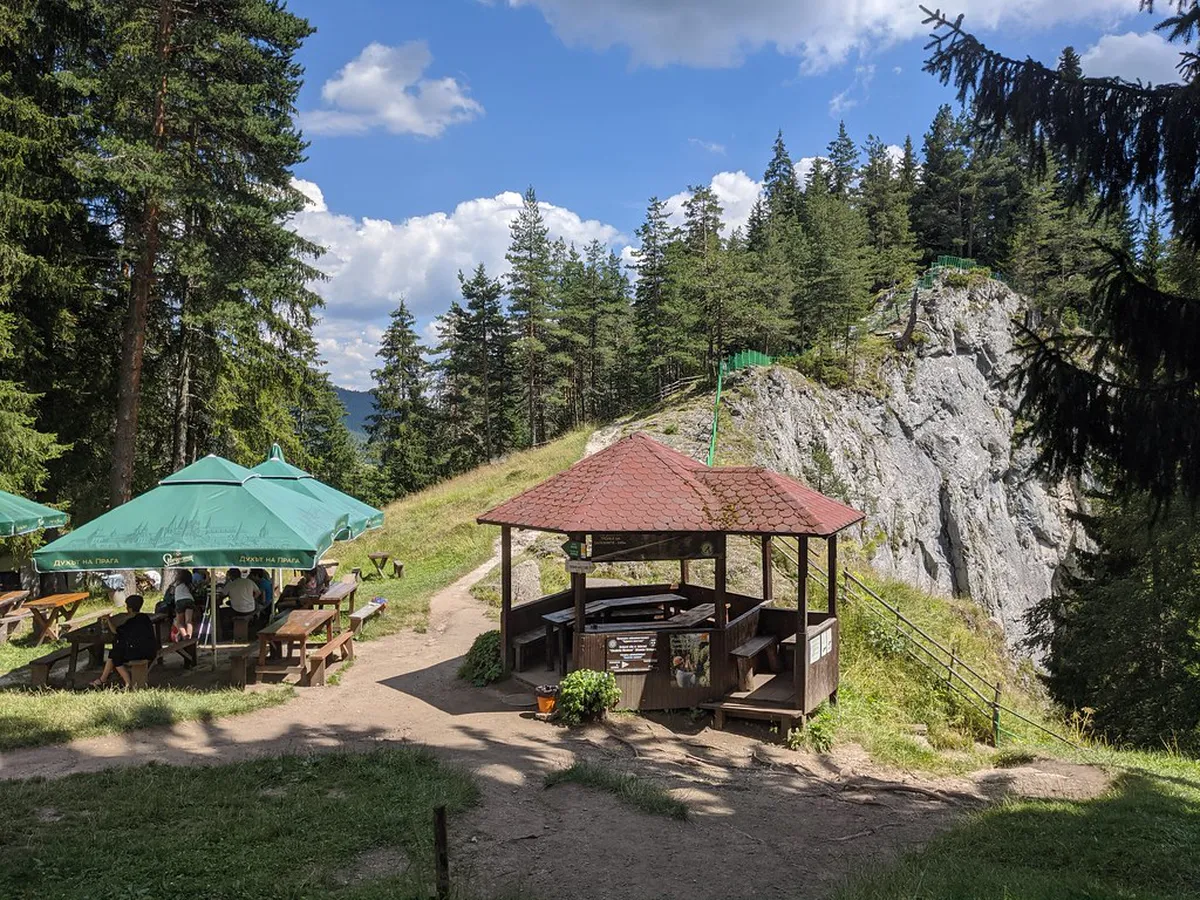
Near the entrance of this bridge, you can find the famous Icy Cave (Lednicata). Ice formations often remain inside this cave well into late summer because the shaded marble traps cold air. The temperature drops noticeably as you approach the second bridge's interior. Wear a light jacket even in July if you plan to explore the lower passages.
The path between the two bridges is steep and can be slippery after rain. Sturdy hiking boots are essential for navigating the uneven marble steps. You will find many quiet spots here for birdwatching or sitting by the river. The second bridge feels much more secluded than the main tourist area above.
Navigate the Route from Plovdiv, Chepelare, or Pamporovo
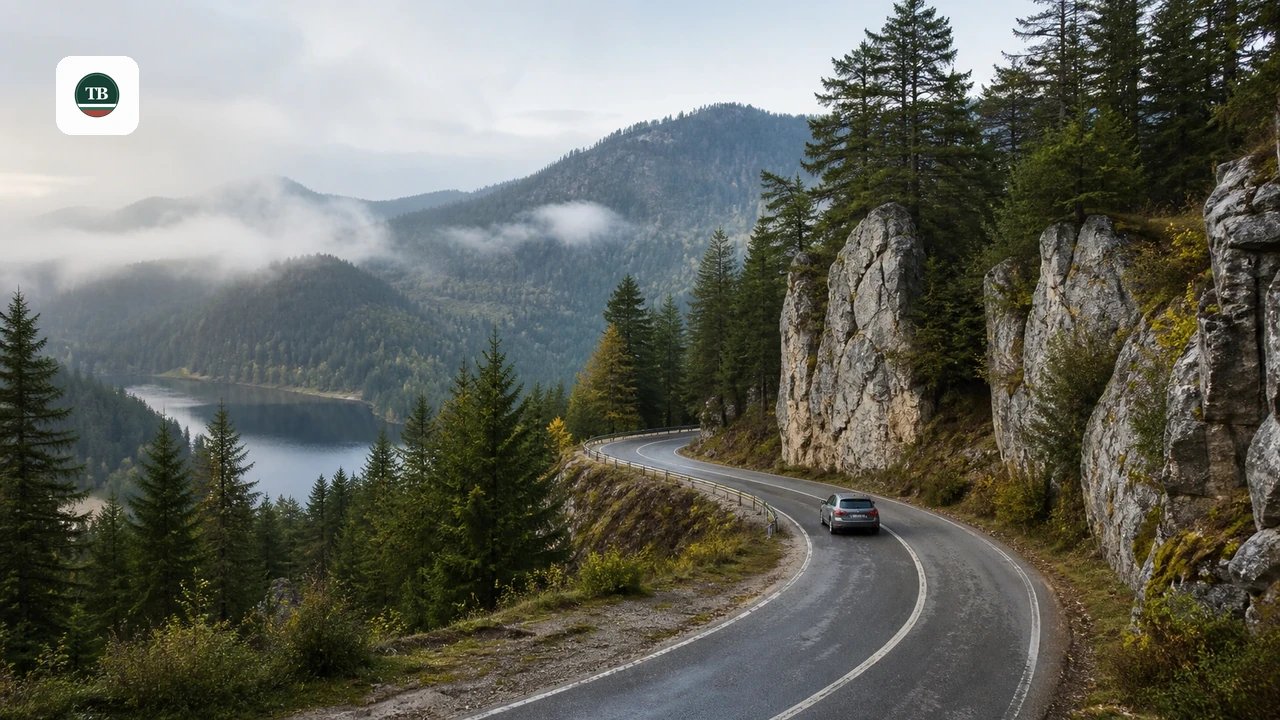
Getting to the wonderful bridges rhodopes requires a scenic drive through the mountains. From Plovdiv, take the main road south towards Smolyan. At approximately 70 km from Plovdiv, a clearly marked road sign on the right indicates the turn toward Chudnite Mostove. From that junction, a 17-kilometre asphalted road leads directly to the site — the final stretch has many curves, so drive at low speed.
From Chepelare, the bridges are only 35 km to the northwest — a useful approach if you are already based in the ski resort area. From Pamporovo, the road runs through Shiroka Laka and the village of Zabardo, covering about 47 km. Parking is available near the Chudnite Mostove Hut for a small fee. If you stay in the city, check our guide for 10 Best Things to Do and See in Smolyan for more day-trip ideas.
Hikers can also reach the bridges via the marked trail between the villages of Orehovo and Zabardo, which passes directly by the site. This trek takes several hours and requires a good level of physical fitness. The trail passes through dense forests and offers unique views of the Chernatitsa Ridge. Always carry a detailed map or use an offline GPS app when exploring these mountain paths.
There are no staff permanently stationed at the site. For further assistance, contact the Tourist Information Centre in Chepelare before your visit. The site has free entry to walk across and under the bridges; only the alpine trolley and guided tours carry separate fees.
Prepare for Seasonal Weather and Slippery Paths
The experience at the bridges changes dramatically depending on when you visit. Spring and early autumn offer the most pleasant temperatures and fewer crowds. Autumn brings vivid beech colour that creates a stunning visual contrast against the white marble. The site is equally popular during 10 Best Things to Do in Pamporovo in Summer for day-trippers seeking a cooler forest walk.
Midday sun in summer produces the best lighting conditions for photography inside the deep marble arches. If you want softer light without harsh shadows, the hour after sunrise or the hour before sunset works better — the arches face roughly north-to-south, so morning light enters the western face and afternoon light catches the eastern face. Bring a wide-angle lens or a phone with an ultra-wide mode to capture the full span of the large bridge from below.
Winter transforms the bridges into a frozen wonderland with massive ice pendants hanging from the overhangs. The marble becomes extremely slippery under snow or frost, and the access road may be difficult after heavy snowfall in January or February. Always check the local weather forecast before heading up the mountain in the colder months. Vehicles should have winter tyres fitted for reliable access.
Experience the Longest Alpine Trolley in the Balkans
Adventure seekers should not miss the alpine trolley (zip-line) located right at the site. This ride stretches for 240 metres, making it one of the longest in the Balkans and a major draw for families and thrill-seekers. It allows you to fly over the valley with a bird's-eye view of the marble arches below. Check the official Wonderfulbridges.com site for current operating hours and pricing before you travel.
The trolley provides a perspective on the scale of the formations that you simply cannot get from the ground. Instructors provide all necessary safety gear and a brief orientation session before each run. The ride is generally available during the peak tourist season from May through September, weather permitting. It offers a modern touch of excitement that sits comfortably alongside the ancient natural landscape.
Wait times can be longer on weekends when more visitors arrive from Plovdiv and Smolyan. The cost is reasonable compared to similar activities in Western Europe. Children can participate if they meet the height and weight requirements set by the operator. Combine the zip-line with the bridge walk for a half-day programme that covers both the geological and adventure aspects of the site.
Combining Chudnite Mostove with Smolyan and the Wider Rhodopes
The Wonderful Bridges work best as part of a wider Rhodope itinerary rather than a standalone day trip. From Smolyan (roughly 35 km by road), you can link the bridges with the 10 Essential Tips for Your Smolyan Lakes Visitor Guide, the Regional History Museum, and the Planetarium in a single day. Start at the bridges in the morning when the light is good for photography, then drive into Smolyan for lunch and an afternoon at the lakes.
If you are based in Pamporovo or Chepelare, a logical half-day circuit runs: Wonderful Bridges → Shiroka Laka village → return via the Arda River valley. Shiroka Laka is only about 30 km from the bridges and offers authentic Rhodope architecture and folk music. This loop covers three of the region's most-visited sights without backtracking.
For a longer stay, the area around Zabardo makes a quiet base. The Chudnite Mostove Hut near the parking area offers simple accommodation, letting you walk to the arches at dusk or dawn when tourist numbers are lowest. Alternatively, Grand Hotel Murgavets in Pamporovo provides full resort facilities about 47 km away, with guided transport available to the bridges. Both options have different trade-offs: the hut gives immediacy and silence; the hotel gives comfort and a wider range of excursions into the Rhodopes.
Spot the Rare Haberlea Rodopenzis Flower
Botanists visit the wonderful bridges rhodopes to find the rare Haberlea Rodopenzis, known locally as the resurrection flower. It can survive for years in a completely dried-out state and bloom again once moisture returns. The flower is endemic to the Balkan Mountains and thrives specifically on the shaded marble cliffs of sites like Chudnite Mostove.
Look for small purple flowers tucked into the crevices of the north-facing rock walls. They typically bloom in late spring when the mountain air is still moist and cool. The plant is a protected species, so visitors must not pick or disturb it. Photographers often spend time here in May trying to capture the delicate petals against the white stone.
The presence of this flower indicates a very clean and healthy ecosystem. It has survived since the pre-glacial period, making it a genuine botanical relic of the Rhodopes. Learning about the local flora enriches your understanding of what makes this corner of Bulgaria ecologically significant. Keep your eyes open for other alpine plants along the trail between the two bridges.
Continue planning: Use 12 Best Things To Do In The Rhodope Mountains and 10 Best Things to Do in Pamporovo in Summer to connect this guide with the rest of your Bulgaria itinerary.
Frequently Asked Questions
How do you get to the Wonderful Bridges from Plovdiv?
The drive from Plovdiv takes about 90 minutes. Head south on the main road toward Smolyan; at roughly 70 km from Plovdiv you will see a sign on the right indicating Chudnite Mostove. Follow that road for 17 km to reach the site. For more travel tips, visit toursbulgaria.com/blog.
Is there an entrance fee for the Wonderful Bridges?
There is currently no entrance fee to walk across or under the bridges themselves. You may need to pay a small fee for parking near the hut. The alpine trolley and guided tours carry their own separate costs.
Can you visit the Wonderful Bridges in winter?
Yes, the site is open in winter, but the road can be icy and the marble paths become very slippery when frozen. Ensure your vehicle has winter tyres and carry warm, waterproof clothing. The ice formations and pendants on the arches are a dramatic sight in January and February.
What is the legend of the Wonderful Bridges?
Local legend says a dragon terrorised shepherds near Zabardo village. They tricked it into swallowing a burning donkey packed with dry tinder. The fire burned the dragon from inside, and its dying body forced open a crack in the mountain, leaving the great arches behind when its bones eventually decomposed.
The wonderful bridges rhodopes offer a perfect mix of natural beauty, geological wonder, and local culture. Whether you seek adventure on the zip-line, peace among the resurrection flowers, or the thrill of standing beneath a 45-metre marble arch, this site delivers. The massive arches of Chudnite Mostove stand as a testament to the power of time, water, and karst geology. Make sure to bring your camera and a sense of wonder for this Bulgarian treasure.
Planning ahead for the winding roads and mountain weather ensures a smooth trip. Respect the local environment by staying on marked paths and never disturbing the protected flora. Combine the visit with Smolyan, Shiroka Laka, or Pamporovo to make the most of a single day in the Western Rhodopes. Start your journey and discover why these mountains are genuinely one of Bulgaria's most rewarding natural regions.