10 Best Things to Do in Shumen, Bulgaria: Monuments, Day Trips, and Logistics
Last updated August 2026, this guide covers things to do in Shumen, a walkable regional hub in northeastern Bulgaria for the First Bulgarian Empire's founding sites. Two hilltop landmarks anchor the compact center, while day trips reach the Madara Rider and the former capitals of Pliska and Preslav. Expect ten ranked attractions below, plus the transport, costs, and timing calls that shape a smart visit.
Where Is Shumen and Why Visit?
Shumen sits in northeastern Bulgaria on the main railway line linking Sofia to the Black Sea port of Varna, with roughly 100,000 residents. The city draws far fewer visitors than Plovdiv, Sofia, or Veliko Tarnovo. Its two hilltop landmarks and Ottoman-era mosque stay uncrowded even in peak summer.
Records place the city's founding in the 10th century, with a name some historians trace to the ruler Simeon the Great. Shumen grew on a trade route toward Constantinople and later sat on the frontier between the Ottoman and Russian empires. During the 19th century, Shumen became a center of the Bulgarian National Revival. Between 1950 and 1965, the city briefly carried the name Kolarovgrad before reverting to Shumen.
For history-focused travelers, Shumen works as the strategic base for the First Bulgarian Empire's Golden Age triangle. That triangle links the city itself, the Madara Rider, and the former capitals of Pliska and Preslav. Shumen also fits naturally into a longer 18 Best Places to Visit in Bulgaria: A Complete 2026 Guide route. It suits travelers tracing that history toward the coast.
Architecture enthusiasts get a specific draw here. Shumen concentrates more Brutalist and Socialist Modernist structures in one compact area than most Bulgarian cities, from the monument's cubist blocks to the unfinished central square downtown. Balkan road-trippers moving between Sofia or Veliko Tarnovo and the Black Sea coast can use Shumen as a natural stopover rather than a dedicated detour. That works especially well if the First Bulgarian Empire sites are already on the itinerary.
10 Best Things to Do in Shumen
The following ten stops cover Shumen's headline monuments, its walkable center, and the historic sites within easy reach. They are ordered roughly by proximity, starting on Ilchov Hill and moving outward toward the Golden Age triangle of Madara, Pliska, and Preslav. Each entry pairs the sight itself with the practical detail that actually changes a visit, whether that is a price, a distance, or a closure risk.
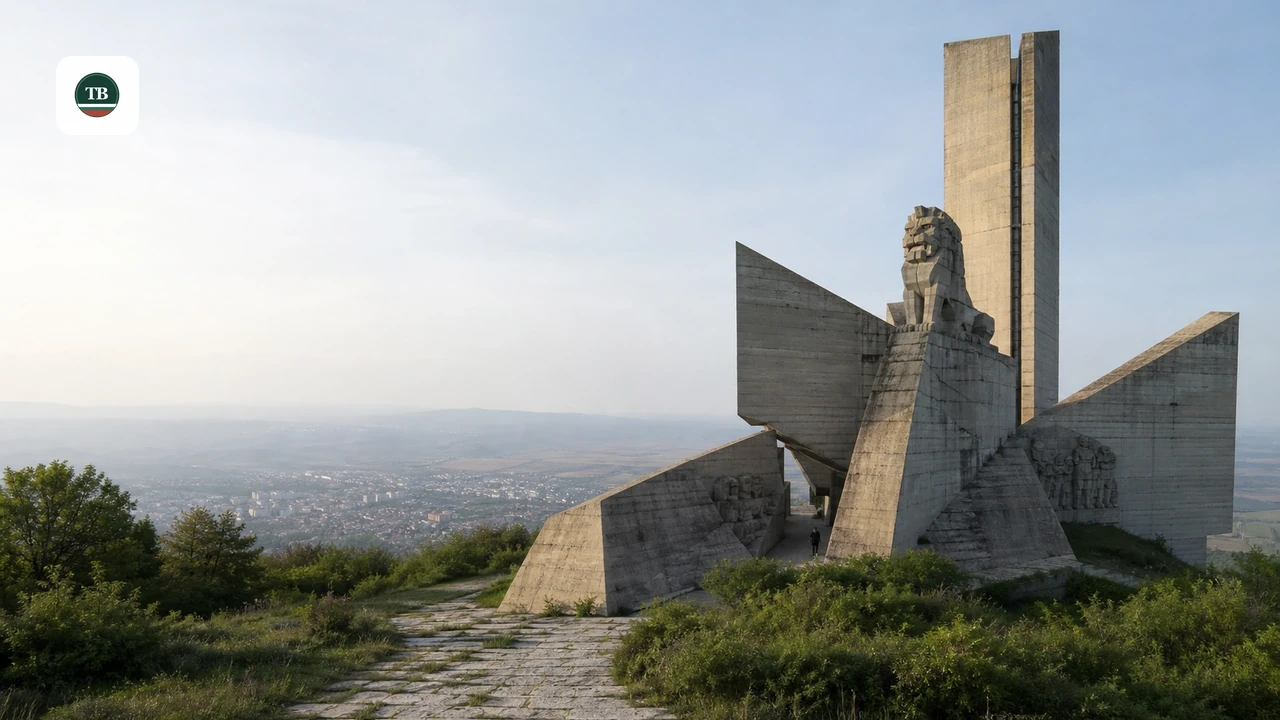
- Climb (or Taxi) to the Monument to the Founders of the Bulgarian State
- Built on Ilchov Hill, the monument was finished in 1981 for the 1300th anniversary of the Bulgarian state. Its cubist concrete blocks are visible from across the city.
- Three of the eight blocks carry mosaics widely described as the largest of their kind in Europe. Save time to go inside rather than just photograph the exterior.
- Reach it from the center by climbing roughly 1,300 stairs, about a 200 m elevation gain, or by taxi for around 10 BGN return. A fuller walk-through of both hilltop sites is in Shumen's fortress and monument guide.
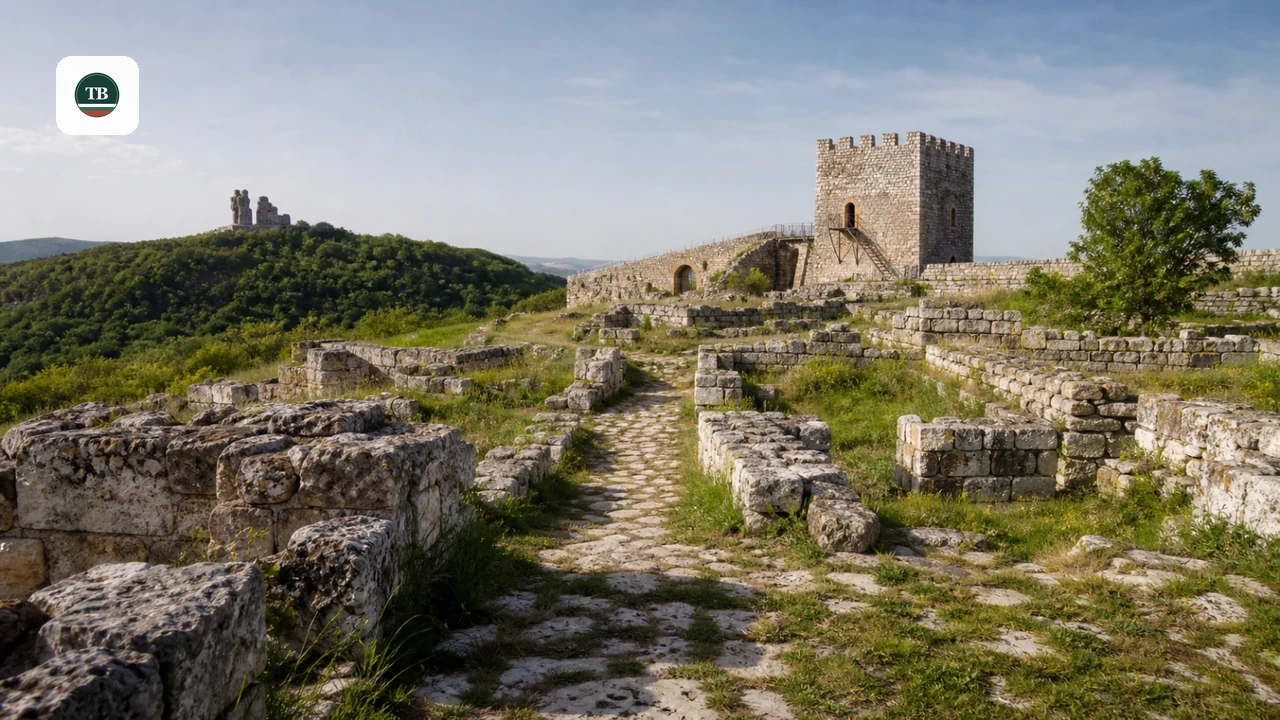
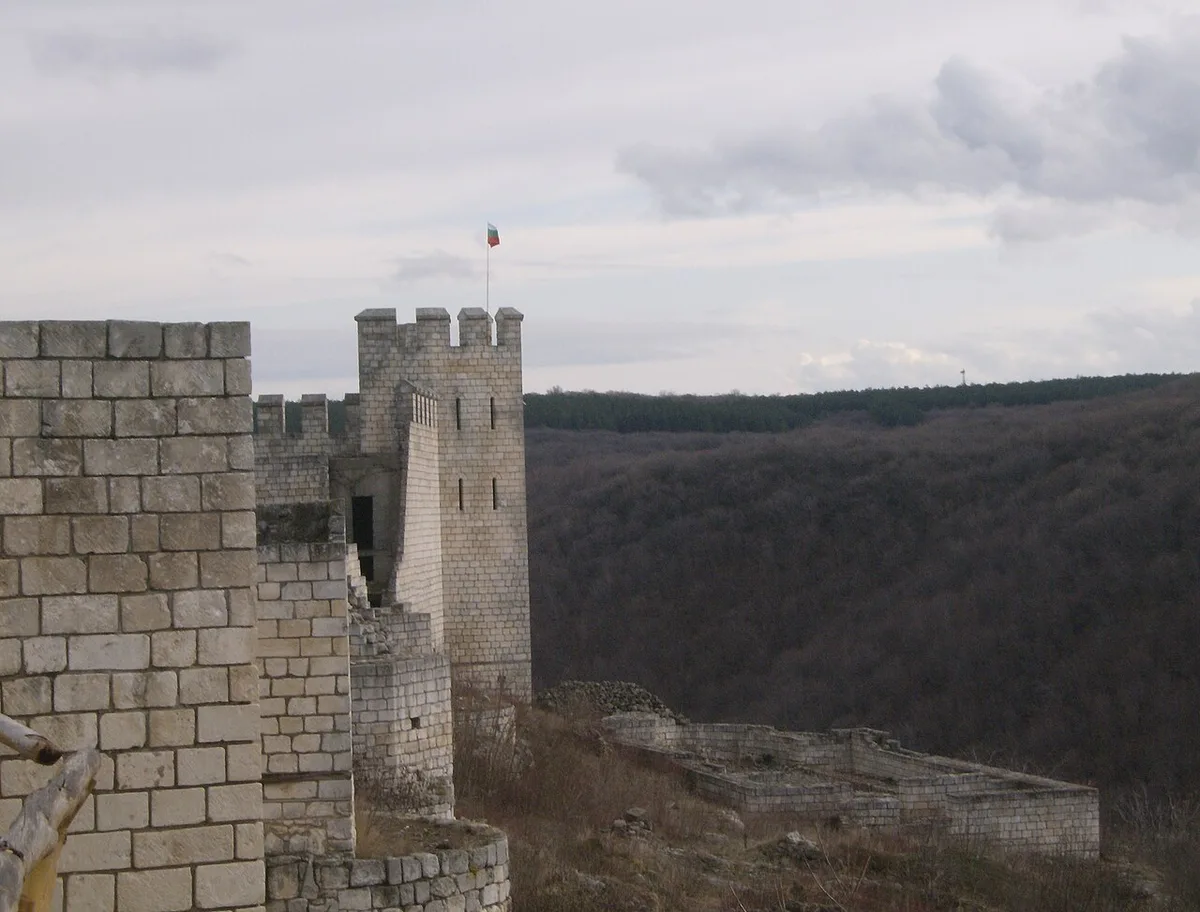
- Walk the Walls of Shumen Fortress
- The fortress reached its peak in the 14th century and fell into disrepair after the Ottoman victory at the Battle of Varna in 1444.
- Original stone ruins sit alongside restored wall sections, about 3 km from the monument on Ilchov Hill, making the two sites an easy combined stop.
- For comparison against Bulgaria's other medieval strongholds, see Bulgaria's best castles and fortresses, where Shumen Fortress sits alongside Veliko Tarnovo's Tsarevets.
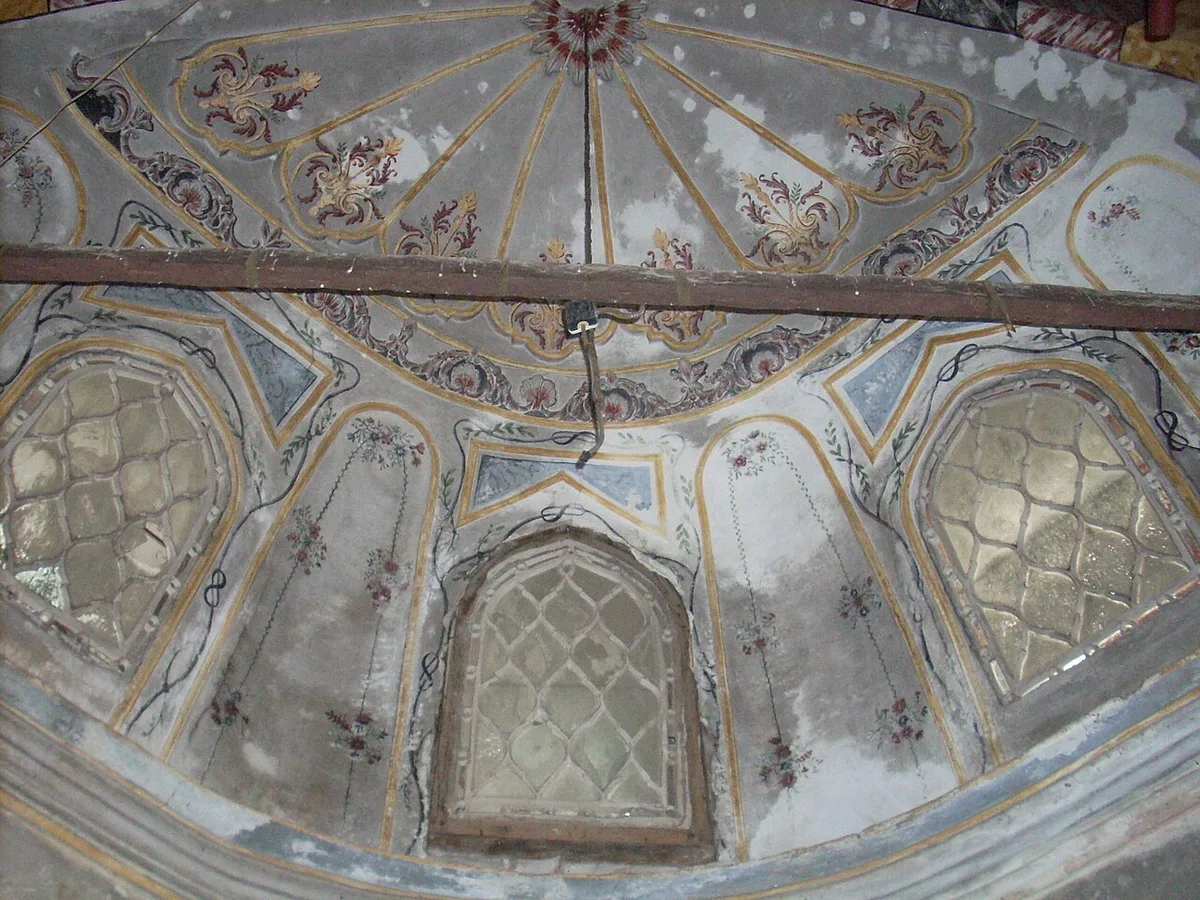
- Step Inside Tombul Mosque
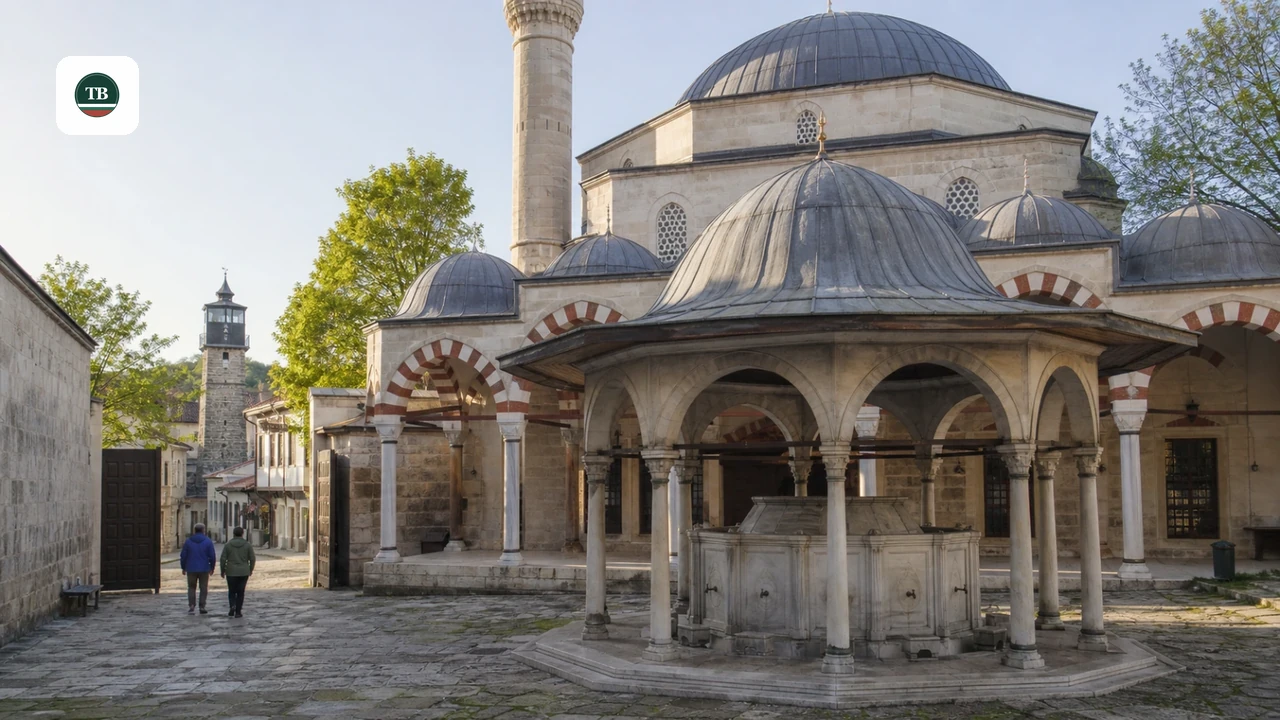
- Built between 1740 and 1744 under Ottoman rule, Tombul Mosque is the largest mosque in Bulgaria, with an interior known for its painted ceiling details.
- Modest dress is expected, and opening hours shift around ongoing restoration work, so confirm current access before planning a stop.
- If the mosque is closed, the Shumen Regional History Museum makes a solid backup for the same Ottoman-era history. Both sites feature in the Shumen old town and mosque guide.
- Wander Shumen's Old Town and Art Nouveau Streets
- The pedestrian center mixes cafes with early 20th-century Art Nouveau facades, some restored and some visibly weathered.
- Side streets hold Bulgarian National Revival-style houses, a smaller-scale echo of the architecture found in Plovdiv and Koprivshtitsa.
- Pair this walk with the Tombul Mosque visit above. Both sit within the same compact pedestrian core.
- Photograph the Unfinished Central Square
- Shumen's Central City Square complex was never completed, leaving raw Brutalist and late-Soviet-era concrete structures standing downtown.
- It draws urban-exploration and Socialist Modernism fans specifically, standing alongside the monument as one of the city's two major Brutalist landmarks.
- No formal restoration timeline has been announced, so its raw concrete state is very much the current, photographable reality.
- Visit Shumen Regional History Museum
- This is the fallback stop if Tombul Mosque is closed for restoration or prayer hours, covering the same Ottoman and Revival-era history on display around town.
- Exhibits connect the fortress, the Ottoman period, and the 19th-century National Revival covered on the old town walk.
- Check current hours before visiting, since regional museums in Bulgaria often close one weekday and shift schedules seasonally.
- Trace the Story of Shumensko Pivo
- Shumensko Pivo opened in Shumen in 1813, making it one of Bulgaria's earliest breweries.
- That same year, the city hosted an early Bulgarian theater performance, part of Shumen's role as a National Revival hub.
- Look for the Shumensko Pivo label at local restaurants and shops as an easy way to connect the city's brewing history to the present.
- Take a Day Trip to the Madara Rider (UNESCO)
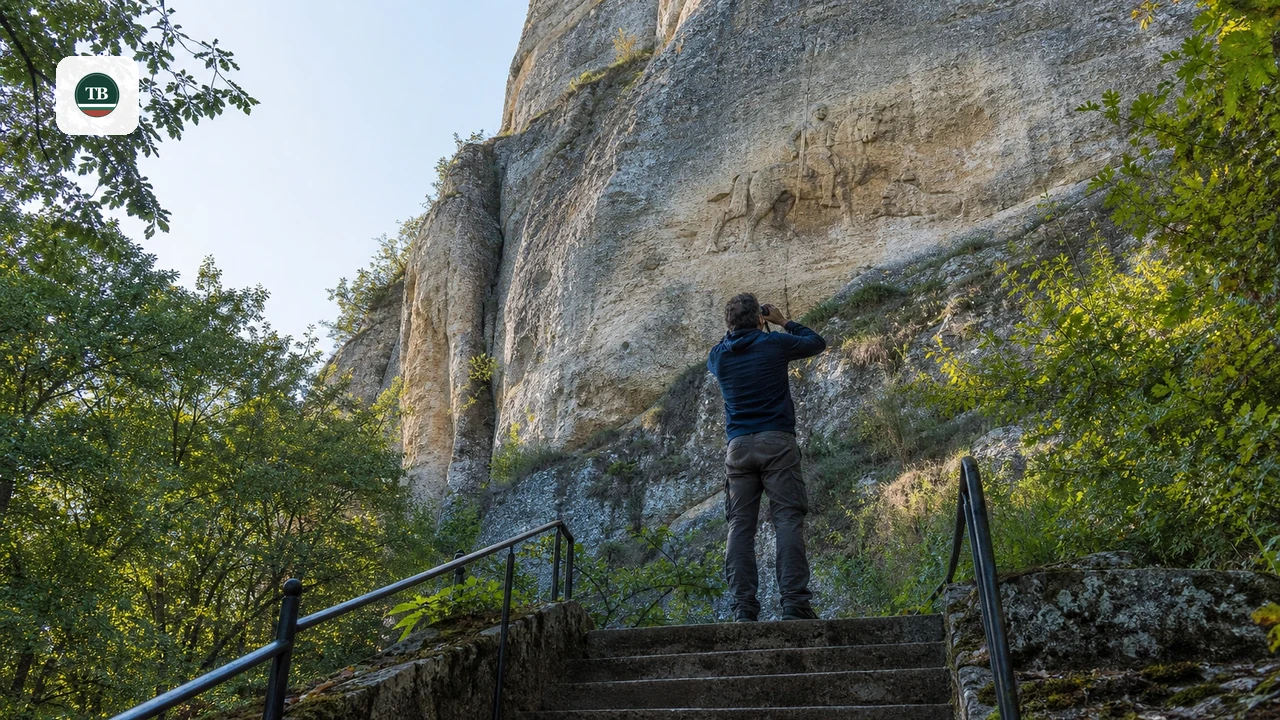
- The rider relief is carved into a cliff face on the Madara Plateau, dated to the 7th or 8th century. It has held UNESCO World Heritage status since 1979.
- It sits under 20 km from Shumen, but bus schedules are limited, so a rental car or organized transport is the more reliable option.
- Plan the stop with the dedicated Madara Rider day trip guide, which covers transport options and on-site timing in full.
- Extend to Pliska and Preslav, Bulgaria's Former Capitals
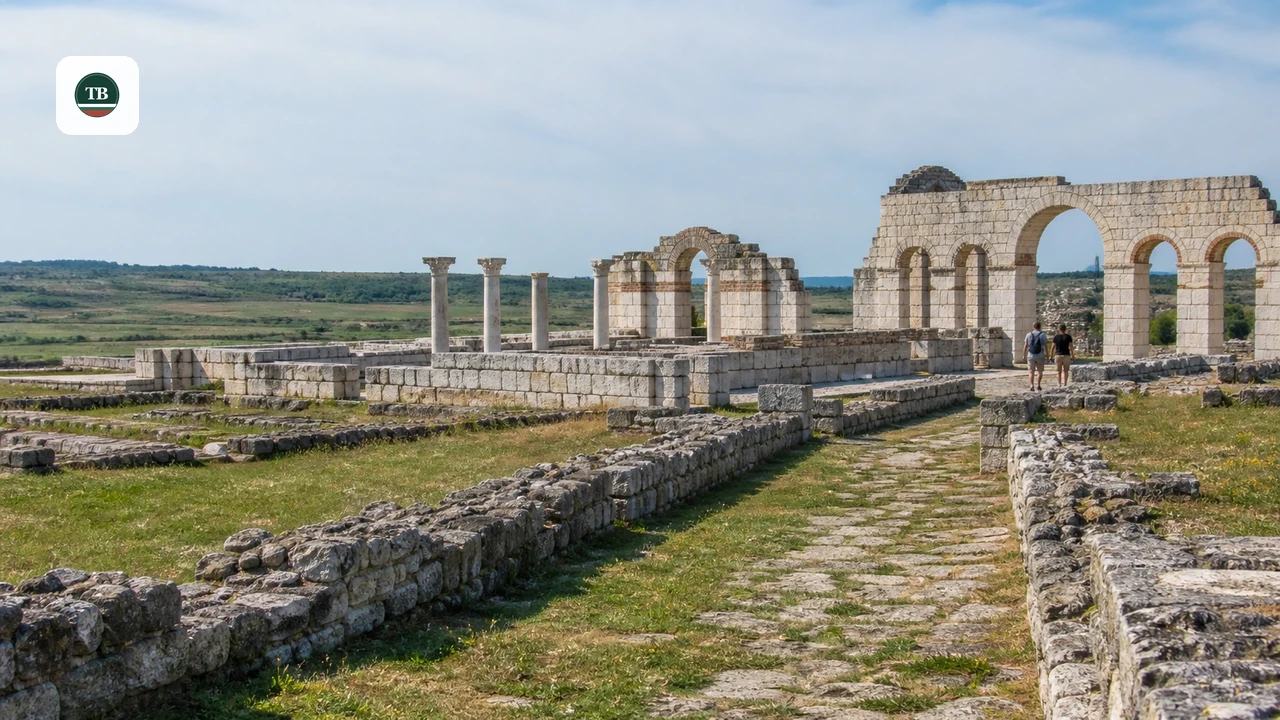
- Pliska and Preslav served in turn as capitals of the First Bulgarian Empire, and both round out the history covered at the monument and fortress.
- History-focused travelers can treat this as a natural extension beyond Madara. That stop is detailed in the Pliska and Preslav day trip guide.
- Both sites sit outside Shumen proper, so pair them with a rental car or organized tour rather than a walk-in visit.
- Use Shumen as a Road-Trip Stop Between Veliko Tarnovo and the Coast
- Shumen falls within easy reach of both Veliko Tarnovo and Varna, so it slots into a wider Bulgaria loop without a big detour.
- For the full route logic, including where to stop before and after Shumen, see the Bulgaria Road Trip Itinerary: 10 Essential Guide Sections.
- Travelers building a longer stay can also weave Shumen into a broader Bulgaria Itinerary 2026: Plan the Perfect Trip (5, 7, 10 & 14 Days) alongside Sofia and the coast.
How to Get to Shumen: Train, Bus, and Road Options
Shumen sits on the direct railway line between Sofia and Varna, so trains are the simplest way in. The ride from Sofia takes just under 6 hours. From Varna, expect about 1.5 hours.
Buses add routes to Ruse and Veliko Tarnovo, useful for travelers linking Shumen into a wider northern loop. Drivers flying into Varna Airport should budget for the roughly 90 km transfer or rental-car drive to Shumen. Road-trippers moving between Veliko Tarnovo and the Black Sea coast can treat Shumen as a stopover rather than a dedicated detour.
Local buses within the city are inexpensive, though schedules are sparser than in Sofia or Varna, so confirm timings a day ahead. Card payment coverage thins out at small vendors and bus counters, so keep BGN cash on hand for tickets and taxis.
Ticket counters at the bus and train stations generally take cash in BGN, and staff may have limited English. A saved, translated phrase or a translation app helps confirm times and platforms before boarding.
Self-driving travelers running the Sofia-to-Varna corridor sometimes skip Shumen for a straight highway run. That skips the monument and fortress detour, which typically adds only a couple of hours to the trip.
Planning Your Visit: Timing, Costs, and Language
Shumen works as a rushed day trip, covering the monument, fortress, mosque, and old town at a fast pace. An overnight stay fits the sights in more comfortably and leaves room for the Madara Rider without racing a return bus. Travelers extending to Pliska and Preslav should plan on a second full day, since both sites sit outside the city and reward unhurried visits.
A practical two-day split works well for most visitors. Day one covers the monument, fortress, mosque, and old town within the city. Day two heads out to Madara, or further to Pliska and Preslav for travelers with a rental car.
English is not widely spoken outside hotels and the main tourist points, especially among older residents. A translation app on your phone covers menus, bus timetables, and museum signage in a pinch. Basic Bulgarian phrases for numbers and directions go a long way at ticket windows and taxi stands.
The Bulgarian Lev (BGN) is the currency accepted at most small vendors, though hotels and larger restaurants generally take credit cards. Shumen is generally a safe stop for visitors who take standard precautions, such as watching belongings in crowded areas. Carry a mix of cash and card to cover both scenarios.
Travelers who want to add movement beyond the monument stairs can pair the stop with routes profiled in the 10 Best Bulgaria Hiking Trails to Try in 2026.
Budget roughly as follows for a one- or two-day stop. Confirm current entry fees directly with Shumen Municipality before you go, since amounts and hours shift with restoration schedules.
None of these fees run high enough to reshape a budget. The bigger cost variable is whether you rent a car for Madara, Pliska, and Preslav.
| Expense | Estimated Cost | Note |
|---|---|---|
| Taxi, center to the monument | ~10 BGN return | Confirm the fare with your driver before departure |
| Walk up the 1,300 stairs | Free | About 200 m of elevation gain |
| Monument, fortress, and mosque entry | Small individual fees | Rates and hours shift with restoration work |
| Local bus fare within Shumen | Low, paid onboard | Carry BGN cash in small notes |
Mistakes to Avoid in Shumen
A handful of planning slips account for most disappointing visits to Shumen, and each one is easy to avoid with a bit of foresight. Avoid these before locking in an itinerary.
The 1,300 stairs to the monument involve roughly 200 m elevation gain with limited shade in summer. Taking a taxi (around 10 BGN) avoids the midday heat risk.
- Climbing the 1,300 Stairs at Midday in July or August
- Northeastern Bulgaria turns hot and shadeless on the monument staircase in summer.
- Start the climb early morning, take the taxi instead, or split the ascent with breaks.
- Carry water regardless of which option you choose, since shade is limited the entire way up.
- Relying on Sunday Bus Schedules to Reach Madara
- Bus frequency to Madara thins out on Sundays, which can strand a car-free traveler for hours.
- Check the day-specific timetable before committing to a bus-only plan, or arrange a car for that leg.
- Weekday services run more frequently, so shifting the Madara trip off a Sunday solves most of the risk.
- Skipping the Monument's Interior
- The exterior blocks draw attention, but the large mosaics inside are the real highlight.
- Budget at least an hour to walk through the interior rather than photographing from outside.
- Photos from outside miss the carved detail on the eight main blocks entirely.
- Showing Up to Tombul Mosque Without Modest Dress
- Shoulders and knees should be covered to enter, in keeping with mosque etiquette across Bulgaria.
- Carry a light scarf or long layer even on a hot day, in case the dress code is enforced.
- Modest dress also applies to other religious sites you might add to a wider Bulgaria itinerary.
Explore things to do in other cities
- Primorsko's things to do
- Byala's things to do
- Hisarya's things to do
- Velingrad's things to do
- Lovech's things to do
- Sandanski's things to do
- Burgas's things to do
- Kranevo's things to do
- Tsarevo's things to do
- Dobrich's things to do
- Gabrovo's things to do
- Sveti Vlas's things to do
- Vratsa's things to do
- Blagoevgrad's things to do
- Bansko's things to do
- Troyan's things to do
- Plovdiv's things to do
- Smolyan's things to do
- Sozopol's things to do
- Ruse's things to do
Frequently Asked Questions
Is Shumen worth visiting?
Shumen is worth visiting for travelers interested in Bulgarian history and Brutalist-era monuments, especially as a base for the Madara Rider, Pliska, and Preslav. It has fewer conventional postcard views than Plovdiv or Veliko Tarnovo, so treat it as a history-and-architecture stop rather than a scenic one. Pair it with a night or two if the Golden Age triangle interests you beyond a quick photo stop.
How do you get from Sofia to Shumen?
Trains run on the direct Sofia-Varna line and take just under 6 hours to reach Shumen. Buses also connect the two cities for travelers who prefer a road option. Both options land you within walking distance of the old town center.
How far is Shumen from Varna and Varna Airport?
Varna is about 1.5 hours from Shumen by train. Varna Airport sits roughly 90 km away, so factor in a transfer or rental car if you are flying in. A taxi or shared shuttle covers that distance for travelers without a rental.
Is one day enough for Shumen, or should you plan an overnight stay?
A single day covers the monument, fortress, mosque, and old town at a fast pace. An overnight stay works better if you also want to reach the Madara Rider without racing a return bus. Add a second night if Pliska and Preslav are also on your list.
Do you need a car to visit the Madara Rider?
A car is the more reliable way to reach Madara, since bus schedules are limited and thin out further on Sundays. Organized transport or a rental car removes the timing risk that comes with public buses. Without a car, build in a wide buffer around the return bus time.
What should you wear to visit Tombul Mosque?
Modest dress is expected at Tombul Mosque, covering shoulders and knees. Confirm current opening hours before visiting, since the mosque periodically closes for restoration work. The Shumen Regional History Museum makes a solid backup stop if the mosque is closed.
What local food should you try in Shumen?
Traditional Bulgarian dishes are the main draw at Shumen's restaurants, including banitsa, a pastry filled with cheese. Kavarma, a meat and vegetable stew, and shopska salad, made with tomatoes, cucumbers, onions, and feta, round out a typical meal. Local restaurants across Bulgaria commonly pair these dishes with rakia, the national spirit, or regional wine.
Do you need a visa to visit Shumen?
Visa requirements depend on nationality. Citizens of the EU, the United States, and Canada can typically enter Bulgaria visa-free for short stays. Confirm current requirements with a Bulgarian embassy or consulate before booking, since rules can change.
Explore Things to Do in Shumen
Work through Shumen's hilltop landmarks, historic mosque quarter, and easy day trips to two ancient Bulgarian capitals and a UNESCO rock-art site.
In the city
- Shumen Fortress and Founders of the Bulgarian State Monument
- Shumen Old Town and Tombul Mosque: A Complete Visitor's Guide
Day trips from Shumen
- Madara Rider Day Trip from Shumen: 2026 Itinerary & Costs
- Pliska and Preslav Day Trip from Shumen: 2026 Route and Costs