Lovech Covered Bridge and Varosha Day Trip Guide
Last updated July 2026: Lovech's 19th-century Covered Bridge, Varosha's Revival-era lanes, and Hisarya Fortress form a compact day-trip route above the Osam River. The town sits between Sofia and Veliko Tarnovo and also works as a base for pairing Devetashka Cave with Krushuna Waterfalls. This guide focuses on the walking sequence, transport logistics, timing, and the stops that fit honestly into one day.
Lovech, Bulgaria at a Glance
Here are the basics before you build a Lovech, Bulgaria itinerary.
- Location: Forebalkan region of northern Bulgaria, on both banks of the Osam River
- Distance from Sofia: about 150 km (93 miles), a little over 2 hours by car
- Population: around 27,900 within city limits, per the 2022 census
- Elevation: averages 200 m (660 ft); Akbair Hill, the highest point, reaches about 450 m (1,480 ft)
- Nickname: the City of Lilacs, for the blooms that cover Stratesh Park each May
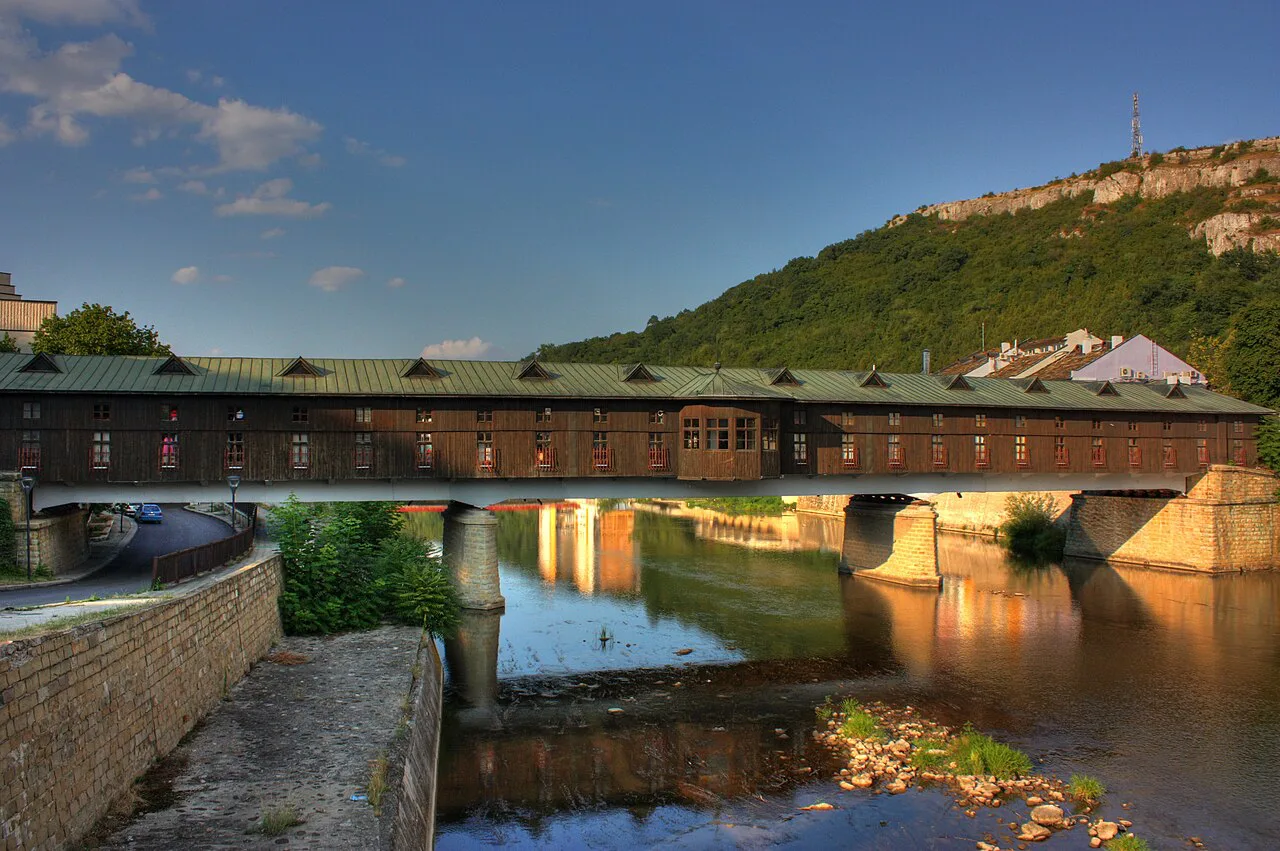
- Signature landmark: the 19th-century Covered Bridge, designed by builder Kolyu Ficheto
Is Lovech, Bulgaria Worth Visiting?
Lovech sits in the Forebalkan, the transition zone between Bulgaria's Danubian plain and the Balkan Mountains proper. The city spans both banks of the Osam River, mixing flat riverside streets with the steep hillside quarter of Varosha above the water. Its main sights sit close together: a 19th-century covered bridge, a hilltop fortress, and a Revival-era old town. That makes Lovech workable as a half-day stop, or a fuller day once you add the surrounding hills and museums. Nearby towns include Pleven, Troyan, and Teteven, all within reach for a longer northern Bulgaria loop. Lovech also sits within the same hill corridor that runs west toward Vratsa and the Forebalkan mountains, so it fits naturally into a broader regional route.
Top Things to Do in Lovech, Bulgaria
Lovech's landmarks cluster within walking distance of each other, linked by the Covered Bridge over the Osam River. Here is what to prioritize on a first visit:
- The Covered Bridge: Kolyu Ficheto's 19th-century pedestrian bridge, lined with small shops selling crafts and souvenirs
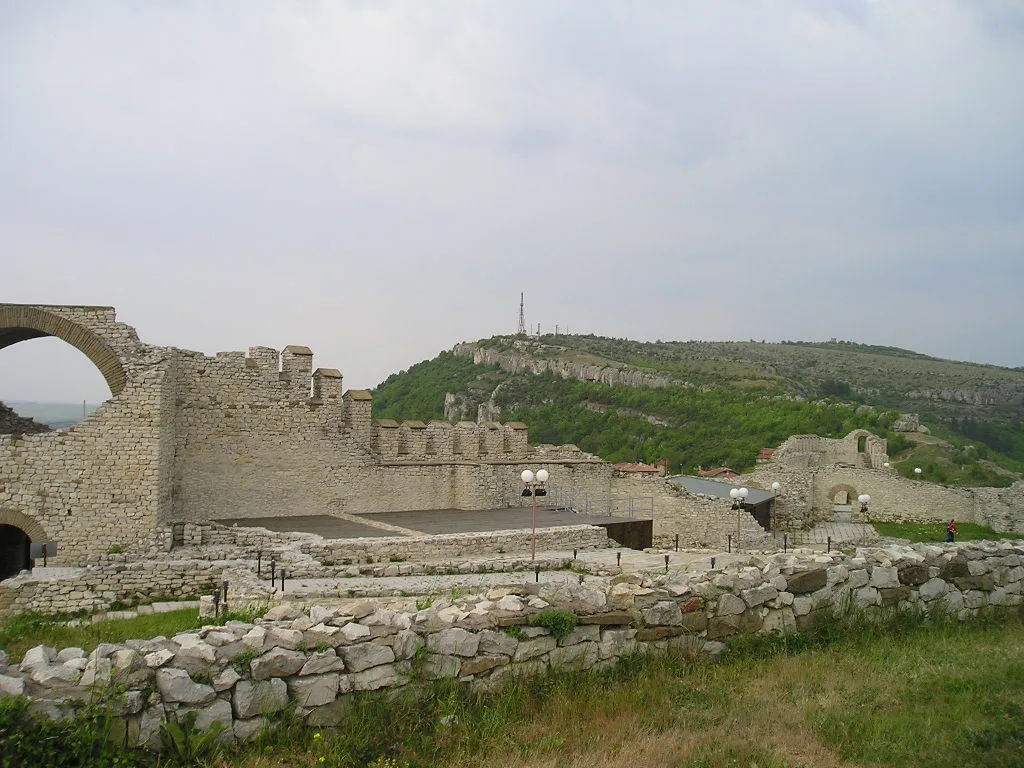
- Hisarya Fortress: hilltop ruins with views over the river, the bridge, and Varosha's rooftops
- Varosha: the Revival-era architecture reserve climbing the hillside above the bridge
- Vasil Levski Museum: exhibits on Bulgaria's 19th-century independence movement and Levski's role in it
- Stratesh Park and Lovech Zoo: the city's largest park, known for lilac bushes each May
The Covered Bridge: Kolyu Ficheto's 19th-Century Landmark
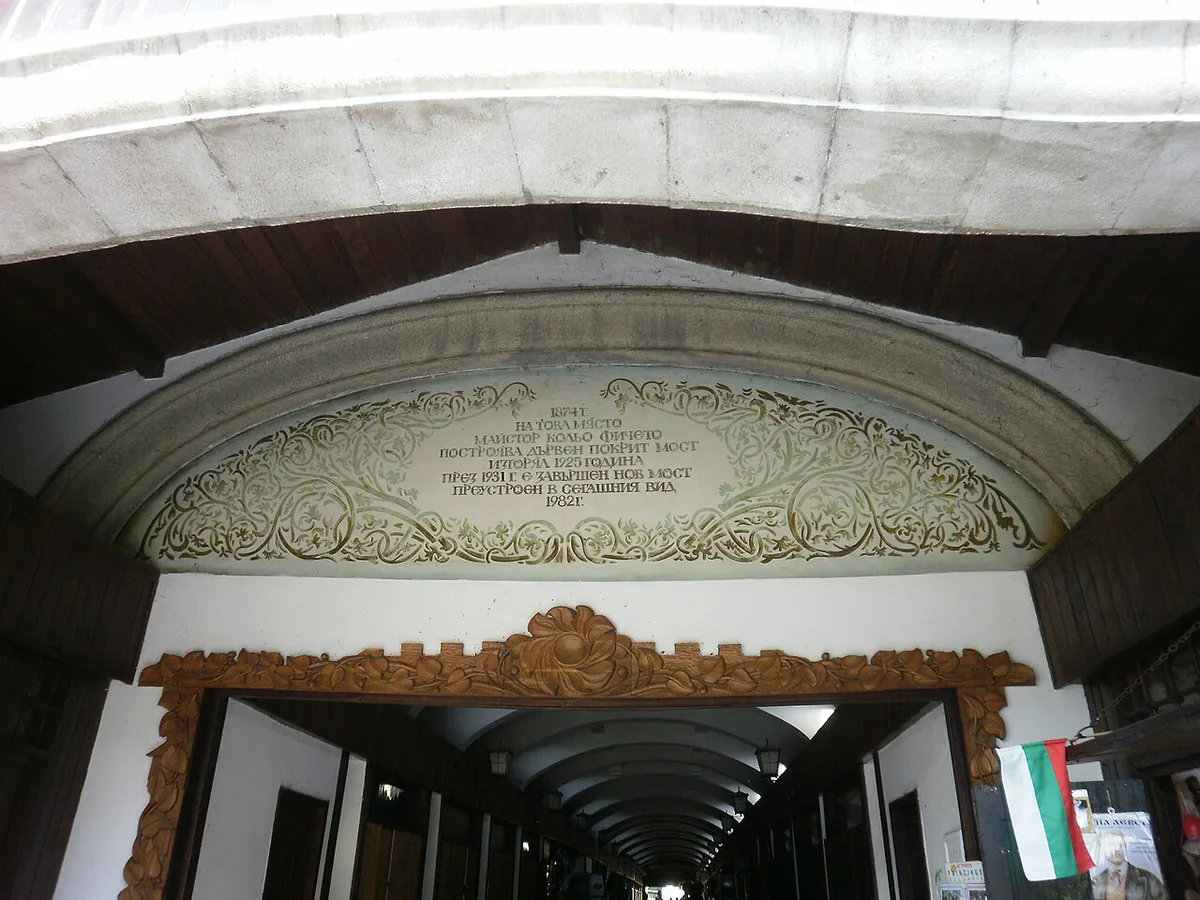
The Covered Bridge is Lovech's best-known landmark, designed by master builder Kolyu Ficheto in the 19th century. Historical accounts note it was rebuilt after a 1925 fire and still functions today as a working pedestrian crossing. Small shops line its interior, selling crafts, souvenirs, and snacks to everyone who crosses the Osam River on foot. Walk it slowly rather than treating it as a photo stop. The wooden roofline photographs best in soft morning light, and the riverbank on either side gives the clearest view of the full structure before you cross.
Both the Covered Bridge (Kolyu Ficheto's 19th-century design, rebuilt after 1925) and Varosha's Revival-era houses share carved wooden architectural details worth seeing up close. Slow exploration of both sites rewards those who look upward, beyond just navigating cobblestones and steps.
Hisarya Fortress and the Osam River Views
Hisarya is one of the hills framing Lovech's southwestern edge, alongside Bash Bunar. Fortress ruins sit atop this hill, overlooking the Covered Bridge, Varosha's rooftops, and the Osam River below. The climb up is short but steep, with uneven, cobbled paths near the top, so wear real walking shoes rather than sandals. Akbair Hill, Lovech's highest point at roughly 450 m (1,480 ft), lies nearby if you want a longer walk with wider views over the town. This mix of plain and mountain relief is typical of the Forebalkan zone. Check the Lovech Municipality site for any seasonal access notes before you go, since hilltop sites can close briefly for local events.
Varosha: Lovech's National Revival Old Quarter
Varosha is Lovech's old architecture reserve, built up the hillside directly above the Covered Bridge. Its wood-and-stone Revival-era houses, narrow lanes, and small churches date largely from the 19th century. The style echoes Tryavna's Revival-era streets farther east, though Varosha's lanes climb a steeper slope and see fewer visitors. Expect cobblestones and real inclines throughout, so plan Varosha as a slow walk rather than a quick loop. Look upward as you climb; carved wooden eaves and courtyard gates are easy to miss if you only watch your footing. Give the quarter at least an hour beyond the main lane near the bridge.
The Vasil Levski Museum and Lovech's Revolutionary History
Vasil Levski organized much of Bulgaria's 19th-century independence movement from Lovech, earning the town status as his revolutionary base. He is remembered nationally as the Apostle of Freedom, and the local museum devoted to him covers this period in detail. Understanding this history adds weight to a visit that might otherwise read as just a bridge and a fortress. The Regional Historical Museum Lovech oversees the city's heritage sites and lists current hours on its own site. Check it before planning a museum-heavy day, since hours can shift outside peak season.
Stratesh Park and Lovech Zoo
Stratesh Park sits on the 250 m plateau that frames Lovech's eastern side, the highest and largest park in the city. It is covered in lilac bushes that bloom each May, the source of Lovech's nickname, the City of Lilacs. The Lovech Municipality site publishes dates for the annual Lilac Festival, worth checking if you are timing a spring visit around it. The plateau also gives a clear view back down over the town and the Osam River valley. The park holds the Lovech Zoo, a smaller stop best paired with a walk rather than treated as a full excursion on its own.
How to Plan Your Time in Lovech
A half day covers the Covered Bridge, Hisarya Fortress, and a walk through Varosha. A full day adds the Vasil Levski Museum, Stratesh Park, and time to eat without rushing. Travelers based in Veliko Tarnovo can treat Lovech as a day trip, since it sits within range of a return drive. Staying overnight in Lovech makes more sense if you plan to add Devetashka Cave or Krushuna Waterfalls the next morning. Basing yourself in Veliko Tarnovo suits travelers who want a bigger base with more dining choices. Basing in Lovech suits travelers prioritizing an early start on the cave and waterfalls. For a wider view of how Lovech compares with other stops, see this roundup of top stops across Bulgaria.
Getting to Lovech: Train, Bus, and Car
Sofia is the most common starting point, about 150 km (93 miles) from Lovech. Each mode of transport trades off differently, so match the choice to your itinerary:
The drive to Lovech from Sofia spans 150 km—a little over 2 hours—yet this transport choice only marks the beginning; once you arrive, closed-toe shoes and water become essential for navigating cobblestones, uneven steps, and real inclines throughout town.
| Mode | Distance / Time | Notes |
|---|---|---|
| Car | 150 km (93 miles), a little over 2 hours | Fastest option, and most flexible for side trips to Devetashka Cave or Krushuna |
| Bus | 150 km (93 miles) | Direct services run from Sofia's bus stations; confirm current timetables before you travel |
| Train | Limited direct service | Check BDZ's current timetable before planning a route around rail |
Getting Around: Walking Lovech's Hills
Lovech's center is walkable, but the terrain is not flat. The modern center sits low near the river, while Varosha and Hisarya Fortress climb the hills above it. Expect cobblestones, uneven steps, and real inclines once you cross the Covered Bridge into the old quarter. Comfortable, closed-toe shoes matter more here than in flatter Bulgarian towns. Budget extra time for the climb up to Hisarya Fortress, especially in summer heat, and carry water since shaded rest points are limited on the way up.
Costs, Tickets, and Opening Hours
Lovech is inexpensive to visit compared with more touristed Bulgarian stops, and most of its landmarks are open-air and unstaffed. Bulgaria still runs on cash at small sites and shops, so carry some Bulgarian lev for the bridge's shops and any museum tickets.
| Site | Typical Access | Where to Confirm |
|---|---|---|
| Covered Bridge | Open access, no ticket booth | Individual shops inside keep their own hours |
| Hisarya Fortress | Open hilltop ruins, unstaffed | Lovech Municipality site for event closures |
| Varosha old quarter | Open access, walk anytime | No ticket required |
| Vasil Levski Museum | Small entry fee expected | Regional Historical Museum Lovech listings; comparable to regional museums in Tryavna or Vratsa |
| Lovech Zoo | Small entry fee expected | Lovech Municipality site |
Where to Eat and Stay in Lovech
Varosha's guesthouses put you inside the old quarter, a short walk from the Covered Bridge and Hisarya Fortress. The modern center across the river is flatter, with easier access for luggage and a wider choice of standard hotels. For meals, look for traditional Bulgarian mehana-style restaurants near the bridge and along the river promenade. Exact venues change year to year, so check current listings before you travel rather than relying on an old recommendation. Book ahead if your visit falls during May's Lilac Festival, when local rooms fill faster than usual.
Side Trips: Devetashka Cave, Krushuna Waterfalls, and Troyan
Devetashka Cave and Krushuna Waterfalls pair well with a Lovech visit, since both sit a short drive from the city. Devetashka Cave is large enough to need real time inside, so plan it before Krushuna rather than after a full day of walking in Lovech. Krushuna's terraced pools add a swimming stop if you are visiting in warmer months. From Lovech, you can also continue to a day trip to Troyan, just 35 km (about 22 miles) south, known for its monastery and woodcarving workshops. Pleven is another option if you are heading back toward Sofia rather than deeper into the mountains. Confirm current road conditions and opening access for the cave before you set out, since access points can change.
Mistakes to Avoid in Lovech
Do not treat Lovech as flat. The route from the modern center, across the Covered Bridge, and up into Varosha and Hisarya Fortress involves real elevation and cobblestones. Do not assume the bridge's shops keep late hours; time your visit for daytime if you want them open. Do not confuse the hilltop Hisarya Fortress here with the spa town of Hisarya's Roman ruins near Plovdiv. They share a name but sit in different provinces. Do not build a rail-only itinerary around Lovech without checking BDZ's current timetable first, since direct train service is limited. Confirm the museum's weekly closure day before visiting, since many Bulgarian regional museums close one day a week.
Why Lovech Became Vasil Levski’s Revolutionary Capital
Lovech was more than a convenient base for Vasil Levski. He made the town a central hub of the Internal Revolutionary Organisation during Bulgaria’s struggle against Ottoman rule.
Its location helped couriers move between communities north of the Balkan Mountains. Trusted local supporters provided meeting places, shelter, and routes through the surrounding hills. The Lovech committee coordinated a wider network of clandestine groups preparing for an uprising.
The Vasil Levski Museum in Varosha explains this underground system through documents, personal objects, and material connected with local revolutionaries. Visit it before exploring the old quarter, where the steep lanes help illustrate why discreet movement was possible.
Kakrina Inn lies in Kakrina village, roughly 17 kilometres northeast of Lovech. Ottoman authorities captured Levski near the inn in December 1872. The reconstructed building now operates as a museum associated with the Regional Historical Museum Lovech. Combining both sites gives clearer context than visiting the Lovech museum alone.
Further reading: Bulgaria on Wikivoyage · Bulgaria on Wikipedia
Continue planning: Use 18 Best Places to Visit in Bulgaria and Hisarya Roman Ruins and Spa Day Trip Guide to connect this guide with the rest of your Bulgaria itinerary.
Frequently Asked Questions
How far is Lovech from Sofia?
Lovech is about 150 km (93 miles) northeast of Sofia. Driving typically takes a little over 2 hours, depending on traffic and route, while direct buses cover the same distance from Sofia's bus stations.
Is Lovech worth visiting as a day trip from Veliko Tarnovo?
Yes, for travelers who want the Covered Bridge, Hisarya Fortress, and Varosha without changing hotels. A day trip covers the core sights comfortably. Staying overnight only makes sense if you plan to add Devetashka Cave or Krushuna Waterfalls the next morning.
When is the best time to visit Lovech?
May is the standout season, when the lilac bushes in Stratesh Park bloom and give the city its City of Lilacs nickname. Check the Lovech Municipality site for current Lilac Festival dates if you want to time a visit around it.
Can you visit Devetashka Cave and Krushuna Waterfalls from Lovech without a car?
A car gives the most flexibility for combining both stops in one day. If relying on public transport, check current routes and schedules before you travel, since service to smaller nearby sites can be more limited than the main road to Sofia.
Is the Hisarya Fortress in Lovech the same as the town of Hisarya near Plovdiv?
No. Hisarya Fortress is a hilltop ruin on one of the hills framing Lovech, in Lovech Province. Hisarya the spa town, known for its Roman ruins, sits near Plovdiv in a different province. They share a name but are unrelated stops.
What currency do you need in Lovech?
Bulgaria uses the Bulgarian lev (BGN), and small vendors along the Covered Bridge and around Varosha often expect cash. Carry some lev even if you plan to pay by card at larger hotels or restaurants.