Madara Rider Day Trip from Shumen: Complete 2026 Guide
Last updated August 2026: Madara sits about 20 minutes from central Shumen, the closest realistic base for a madara rider day trip from Shumen. Carved into the Madara Plateau in the 8th century, the relief is a UNESCO World Heritage Site with caves, a ruined chapel, and a steep fortress hike nearby. This guide covers transit options, costs, and a step-by-step route, with a link to the wider 10 Best Things to Do in Shumen, Bulgaria (2026 Guide) guide for the rest of the stay.
Madara Rider Day Trip from Shumen: At a Glance
Shumen offers the closest realistic base for a madara rider day trip from Shumen, since the archaeological reserve sits only 15 to 20 kilometers away. Most visitors spend two to four hours on site, longer if the plateau hike to the fortress is included. Morning light hits the relief directly until around 10:00, so an early start from Shumen gives sharper photos and a cooler climb. Varna-based tours typically add an extra hour of driving each way, which is the main reason this guide treats Shumen as the practical starting point.
- Distance from Shumen: about 15-20 km, roughly a 20-minute drive
- Train fare: €2 one-way from Shumen's Zhelezopatna gara
- Taxi or Bolt fare: about €15 one-way
- Entrance ticket: covers the relief, caves, chapel ruins, and museum
- Best arrival time: before 10:00 for direct morning light
- Fortress hike: more than 380 steps to the plateau summit
Getting from Shumen to Madara: Train, Bus, Taxi, or Car
Four practical options connect Shumen to Madara, and each trades off differently on time, cost, and flexibility. Details on each mode follow the comparison table below.
By train, service runs on the Shumen-Kaspichan-Varna line, and Madara has its own stop. From the platform, a signed path leads to the reserve entrance, so no local transport is needed for the final stretch. Trains depart from Shumen's Zhelezopatna gara, the city's main railway station, and a round-trip fare runs about €4, or €2 for each one-way leg. Buy tickets at the Zhelezopatna gara counter before boarding, since Madara's stop does not have staffed ticket sales.
By bus, marshrutka services to Madara typically depart from stops near the Zhelezopatna gara rather than from the Avtogara, Shumen's separate long-distance bus terminal. Confirm the current departure point and schedule locally before setting out, since regional routes shift from season to season.
By taxi or Bolt, the ride to Madara takes about 20 minutes and runs roughly €15 one-way. Arranging a return pickup in advance is worth doing, since taxis do not typically wait around the village for a return fare.
By car, two routes connect Shumen to Madara: an older regional road that runs through Madara village, and a newer highway bypass that saves a few minutes but skips the village center. Parking is available near the reserve entrance, and drivers can continue on toward Madara's neighboring ruin sites afterward without backtracking through Shumen first.
Opening hours at the reserve shift between the summer and winter seasons, so confirm the current schedule before locking in a departure time from Shumen. Early risers benefit most from the train or a private car, since morning marshrutka schedules can be sparser than the midday runs.
| Mode | Journey time | Cost | Best for |
|---|---|---|---|
| Train | About 20-25 min | €2 one-way | Budget travelers comfortable with a short walk from the station |
| Bus/marshrutka | About 20 min | Low-cost, pay on board | Travelers without a car who want a direct drop-off |
| Taxi/Bolt | About 20 min | €15 one-way | Fastest door-to-door option with the least walking |
| Self-drive car | About 20 min | Parking available near the reserve | Groups or anyone continuing on to Pliska and Preslav afterward |
Inside the Madara Archaeological Reserve
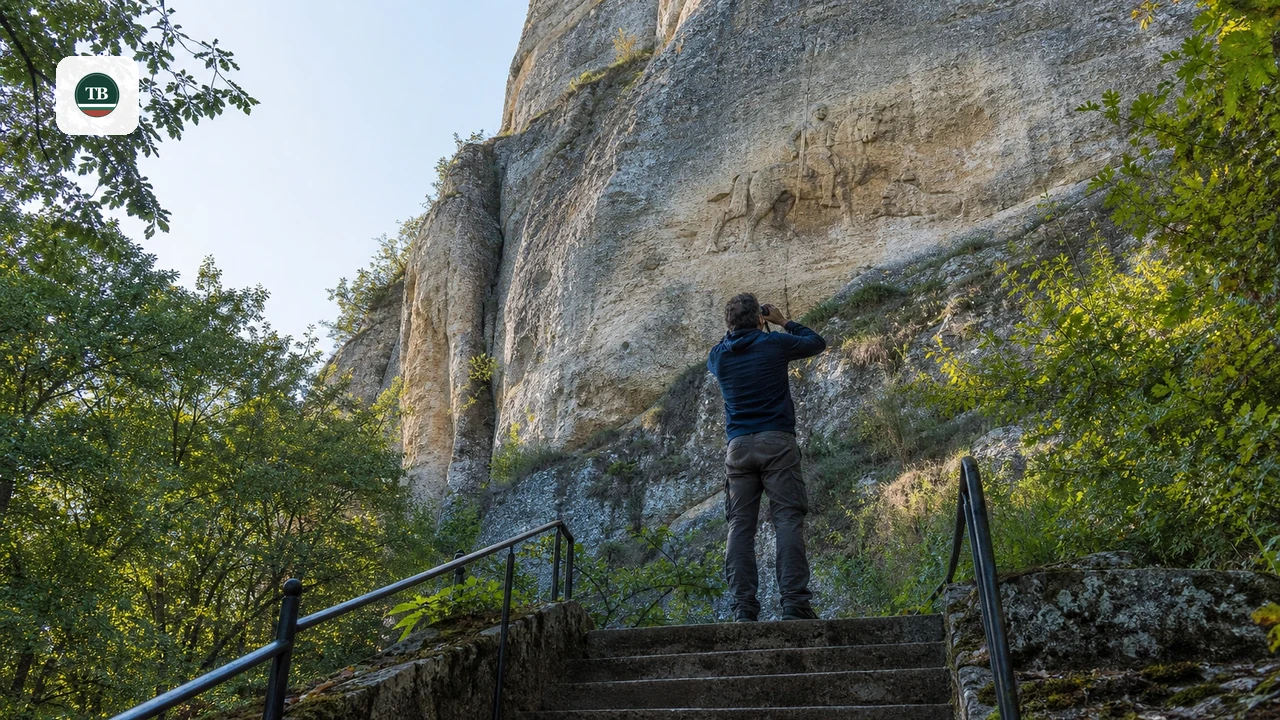
Khan Tervel appears in the Madara Rider relief, carved into the cliff face in the early 8th century and set roughly 23 meters above the ground. Historians often describe the carving as one of the few surviving examples of early Bulgar art from before the kingdom's later conversion to Christianity. Centuries of weathering have softened some of the detail, which is why direct morning light works best for seeing it clearly. Low-angle sun rakes across the stone and brings out the horse, rider, and hunting dog that flatten out under midday light.
Below the relief, the reserve includes the Great Cave and the Small Cave, both tied to a long occupation history. That history runs from an early Dionysus cult through a later rock-cut monastery, plus the ruins of a small medieval chapel nearby. Together they add real depth to a visit that could otherwise be a five-minute look at a rock face.
Inside the Small Cave, faint traces of the site's monastic period remain visible on the rock walls, a reminder that the plateau stayed in active use long after the relief itself was carved. Photography is generally allowed throughout the reserve, though flash near the relief adds little in daylight and is best skipped in favor of natural light from the designated viewing platform.
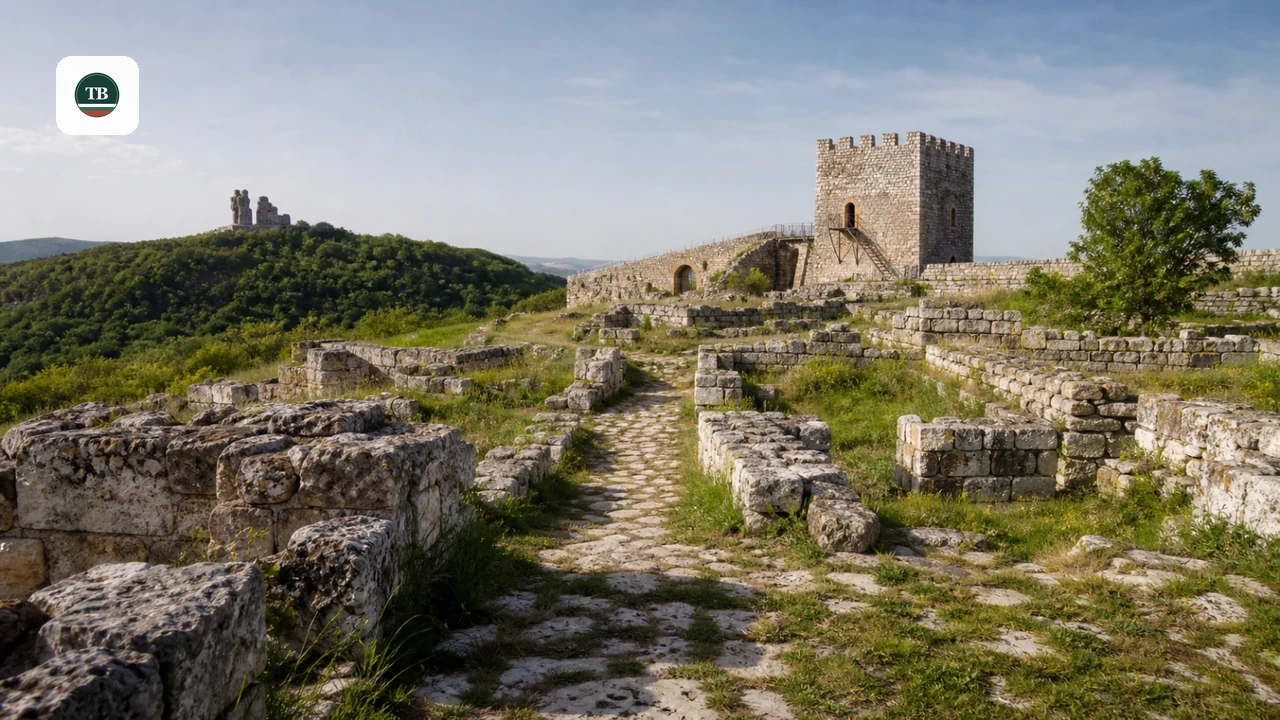
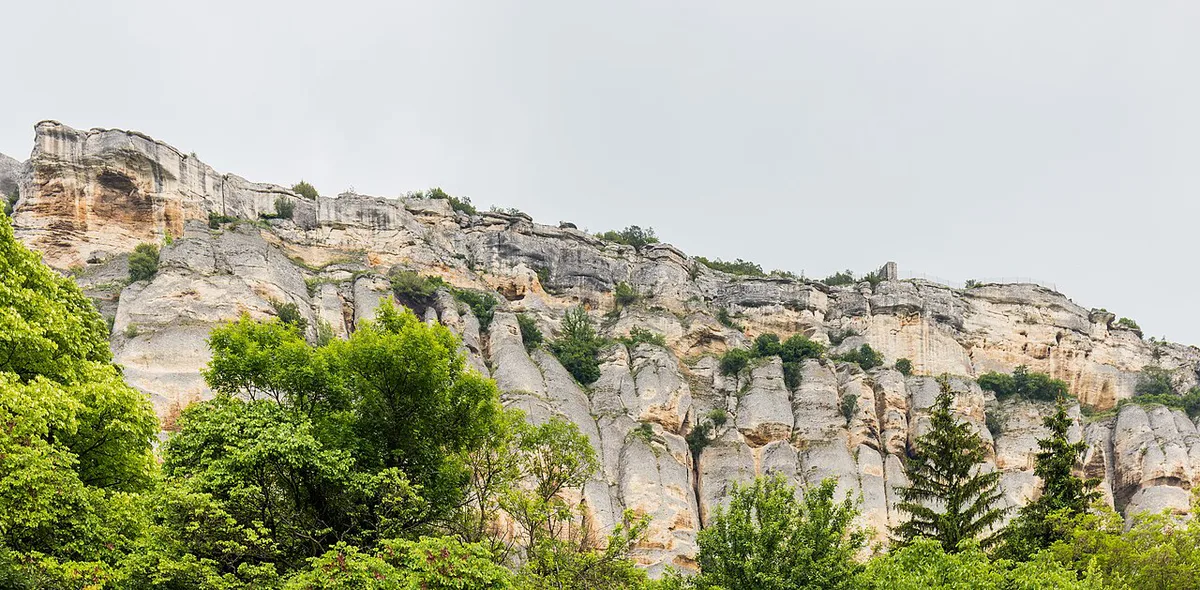
A marked path climbs from the base of the cliff to the top of the Madara Plateau, and it is genuinely steep. More than 380 steps lead to the fortress ruins at the summit, with open views back over the surrounding plain. Fortress ruins here are smaller and rougher than Shumen Fortress and Founders of the Bulgarian State Monument: A Complete Visitor Guide, but the plateau setting makes the climb worthwhile for anyone comparing the two sites.
Visit the small on-site museum before walking up to the relief itself, not after. It gives context on the carving, the caves, and the fortress that's easy to miss without it, and it takes only a few minutes to walk through.
A Half-Day Itinerary from Shumen
This half-day plan starts early to catch direct morning light on the relief and leaves enough time for the plateau hike without rushing. Shift everything an hour earlier in midsummer, when the sun climbs faster and the stairs heat up sooner. For lunch, Madara village has a handful of small taverns near the reserve entrance serving traditional Bulgarian dishes, useful for skipping the drive back before continuing the day. Shumen's own restaurant scene around the pedestrian center offers more variety for anyone who prefers to eat after returning.
- 08:30 - Depart Shumen by train, taxi, or car for the roughly 20-minute trip to Madara.
- 09:00-09:30 - Walk from the station platform or parking area to the reserve entrance and buy tickets.
- 09:30-10:30 - View the Madara Rider relief in direct morning light, then explore the Great Cave and Small Cave.
- 10:30-11:00 - Walk through the ruined medieval chapel and the small on-site museum for context.
- 11:00-12:30 - Climb the 380-plus steps to the Madara Fortress ruins on the plateau summit.
- 12:30-13:00 - Descend and eat in Madara village, or head back toward Shumen for lunch.
- 13:00 onward - Continue toward Pliska and Preslav for a fuller capitals circuit, or return to Shumen's Old Town.
Is the Madara Rider Day Trip Worth It?
Cost and time both favor Shumen over a Varna-based trip. Train fare runs about €2 each way against a roughly €15 one-way taxi fare, and either option reaches the reserve gate in around 20 minutes. Budget two to four hours on site total, more with the plateau hike included, since the fortress stairs add real time and effort.
Arrive before 10:00 for direct light and cooler conditions during the 380-step climb. Spring and fall (May through October) offer the best hiking conditions; July and August heat makes the exposed stairs harder.
Expect a physically demanding climb, with more than 380 uneven stone steps. Limestone sections turn slippery after rain, so skip the summit hike in wet weather or with mobility limitations. Ground-level access to the relief and caves stays open even when the plateau hike isn't an option.
Crowds thin out on weekday mornings, when the relief and caves see the fewest visitors and the plateau stairs are easiest to climb without waiting on narrow sections. Weekend afternoons draw more day-trippers from Varna, so an early Shumen departure also means beating the bulk of that traffic.
May, June, September, and October bring the mildest hiking conditions and the clearest visibility for photographing the relief. July and August add heat that makes the exposed stairs harder going, so carry water if visiting in peak summer. Anyone planning more stair climbs and ridge walks elsewhere in the country can cross-check conditions against the 10 Best Bulgaria Hiking Trails to Try in 2026.
Extending the Trip: Pliska, Preslav, and the First Bulgarian Capitals
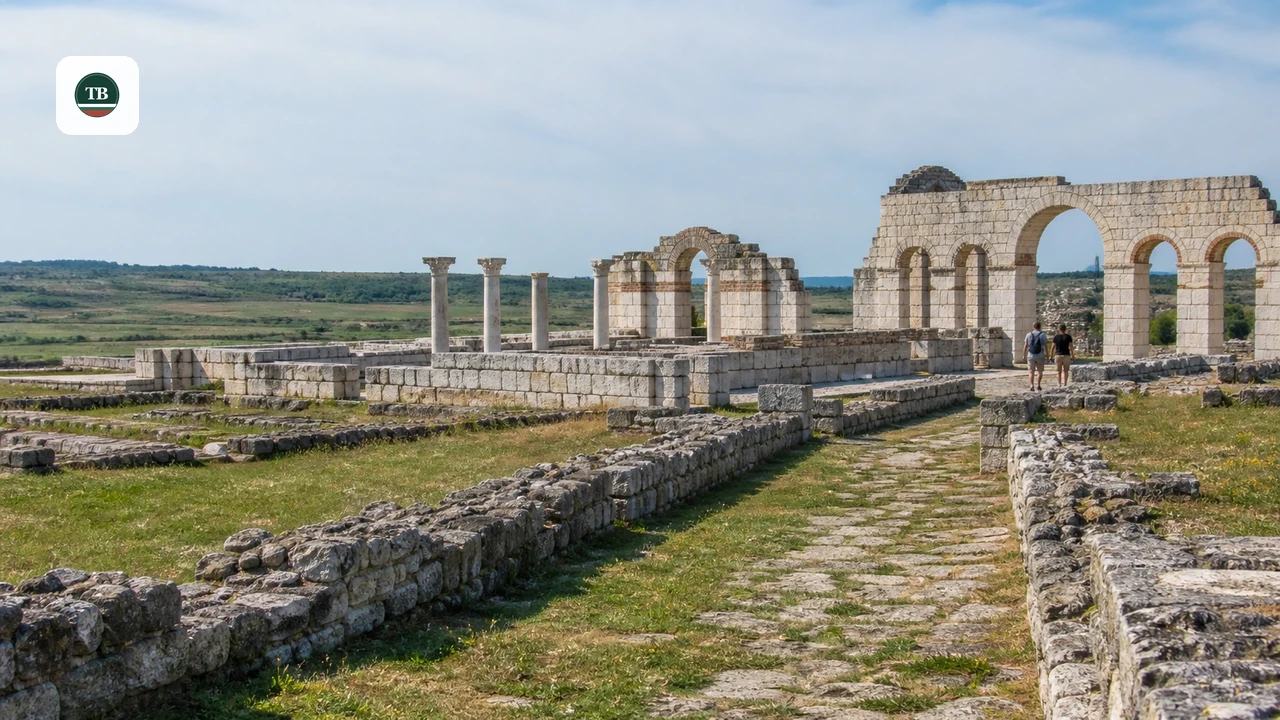
Shumen sits at the center of a route linking three former capitals of medieval Bulgaria, which makes it easy to pair Madara with a longer loop. Drivers can continue from Madara toward the other two capital sites rather than doubling back through Shumen first, since all three fall within a similar radius of the city. A full Pliska and Preslav day trip guide covers timing for combining both ruin sites in one afternoon. Preslav in particular sits close enough to Madara that many travelers treat the two as a single extended outing rather than two separate day trips, especially when starting early enough to catch the relief in morning light first.
Travelers building a longer route through the region can slot this triangle into a wider Bulgaria Road Trip Itinerary: 10 Essential Guide Sections. It also fits naturally into a broader Bulgaria Itinerary 2026: Plan the Perfect Trip (5, 7, 10 & 14 Days) for a first visit to the country.
Practical Tips for Visiting Madara from Shumen
A few practical details make the visit smoother. Footwear matters most on the plateau, since the limestone steps turn slick when wet and dusty when dry, so closed, grippy shoes work better than sandals. According to Shumen Municipality, Madara ranks among the region's key heritage stops accessible from the city. Cell coverage near the plateau can be patchy, so download or screenshot any transit schedules before leaving Shumen.
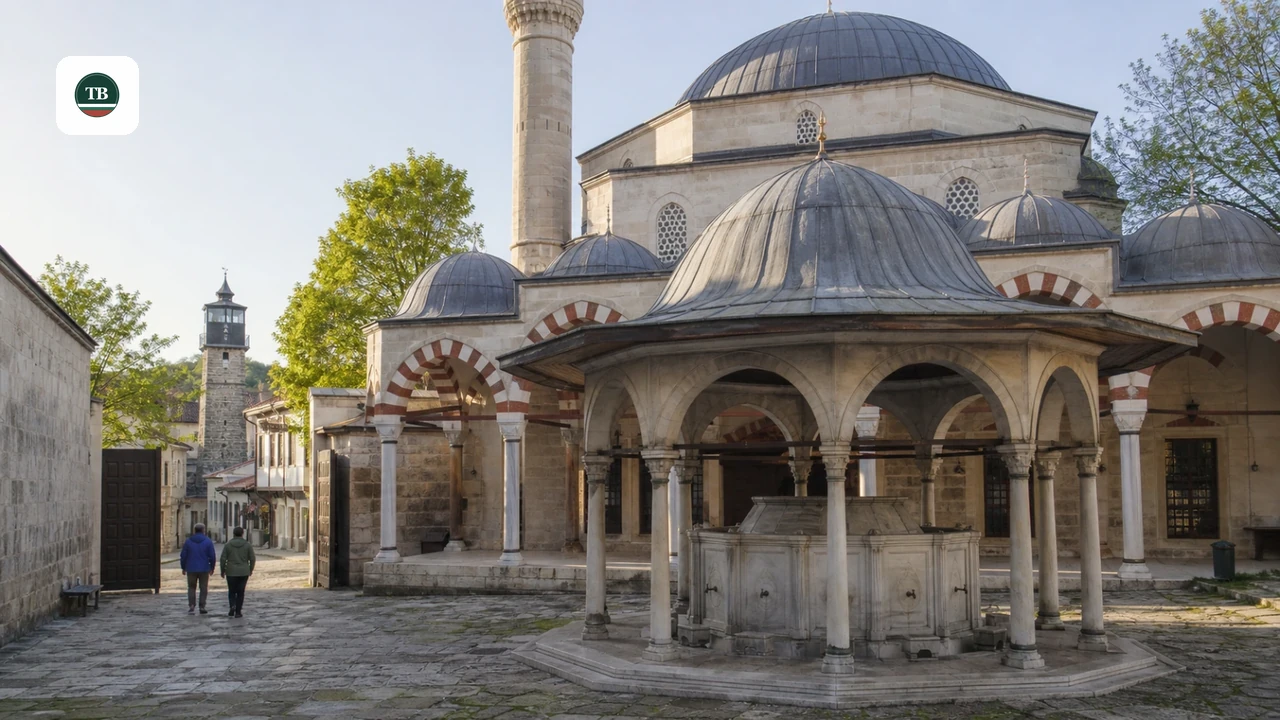
Guided tours of the reserve are sometimes available on-site or through operators in Shumen, useful for visitors who want the history explained in more depth than the on-site panels provide. Travelers comparing hilltop sites across the country can measure Madara's fortress ruins against the wider Bulgaria Castles: A Practical Guide to the Country's Best Fortresses and Ruins roundup. Back in Shumen, the Shumen Old Town and Tombul Mosque: A Complete Visitor's Guide area makes a good lower-effort stop for the rest of the day. For a broader shortlist of stops around the country, the 18 Best Places to Visit in Bulgaria: A Complete 2026 Guide guide gives additional context.
- Footwear: closed shoes with grip; limestone steps are slippery when wet
- Tickets: standard admission covers the relief, caves, chapel, and museum, with a reduced rate typically available for students and seniors
- Signage: information panels at the main reserve points are bilingual in Bulgarian and English
- Timing: arrive before 10:00 for direct light on the relief and cooler conditions on the stairs
- Water: no shaded refreshment stops sit directly on the plateau climb, so carry water for the stairs
- Facilities: restrooms and a small ticket office sit near the reserve's main entrance
Frequently Asked Questions
How much time do I need at the Madara Rider?
Plan on two to four hours total for the relief, caves, chapel ruins, and museum. Add extra time if the plateau hike is included, since climbing more than 380 steps and exploring the summit ruins can add over an hour.
Can I see the Madara Rider and Shumen Fortress in one day?
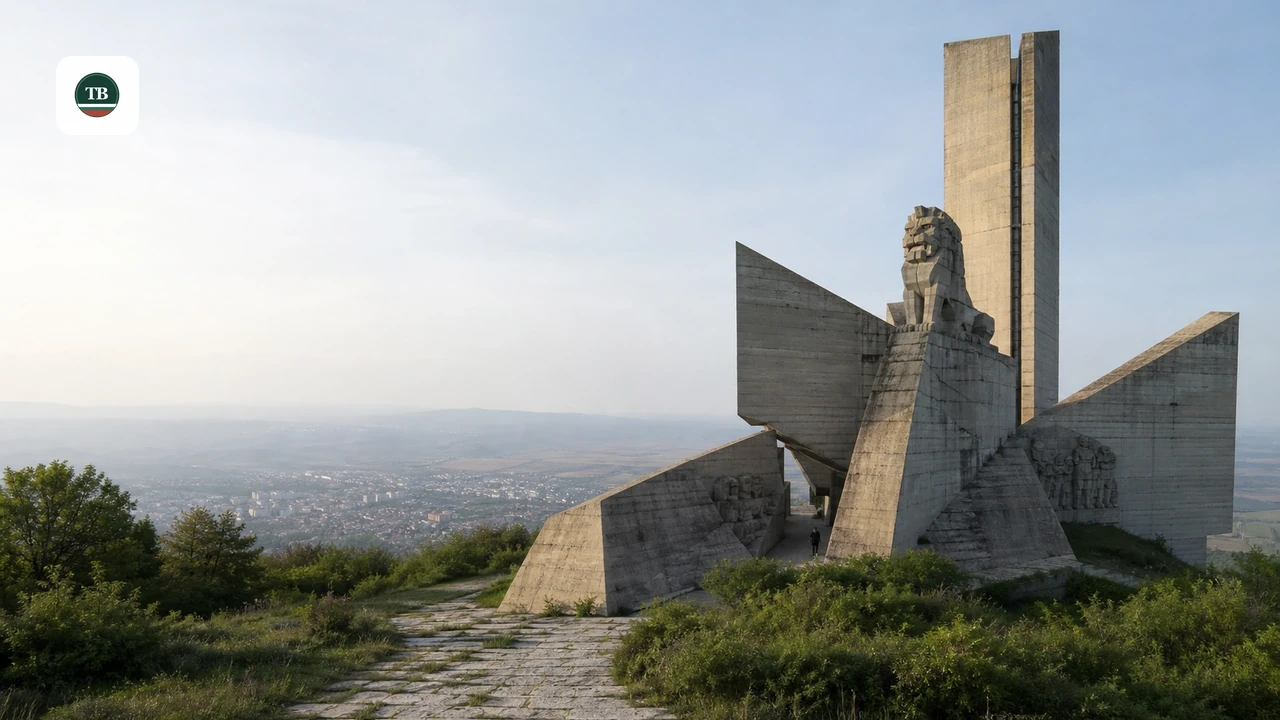
Yes. Madara sits about 20 minutes from Shumen, so a morning trip to the relief leaves the afternoon free for Shumen Fortress and Founders of the Bulgarian State Monument: A Complete Visitor Guide back in the city.
Is there an entrance fee for the Madara Archaeological Reserve?
Yes, the reserve charges an entrance fee. Standard admission covers the relief, caves, chapel ruins, and museum, and students and seniors typically get a reduced rate at the ticket booth.
Is the Madara Rider accessible for visitors with limited mobility?
Ground-level viewing of the relief needs no climbing, so it works for most visitors. Stairs and uneven paths lead to the caves and fortress plateau, and those areas are not wheelchair accessible.
What's the best time of day to photograph the Madara Rider?
Morning light before around 10:00 rakes across the relief at a low angle and brings out the carved detail. Midday sun flattens the image and makes the horse and rider harder to make out.
Do I need a car to visit the Madara Rider from Shumen?
No, a car isn't required. Train, marshrutka, and taxi options all reach Madara from Shumen in about 20 minutes, and any of them gets to the reserve gate without a rental car.
What should I pack for the Madara Rider hike?
Pack closed, grippy shoes for the limestone steps, water for the climb, and a hat or sunscreen in summer months. A light jacket helps in spring and autumn, when the plateau can feel breezier than Shumen at ground level.
Is Madara easy to combine with Pliska and Preslav in a single day from Shumen?
It's possible but ambitious. Most travelers split Madara into a half-day trip and treat Pliska and Preslav as a separate outing, since all three sites deserve unhurried time rather than a rushed single-day loop.