Shumen Old Town and Tombul Mosque: A Complete Visitor's Guide
Last updated August 2026, this guide covers Shumen old town and Tombul Mosque, the Ottoman-era complex anchoring the city's southwestern quarter. Sherif Halil Pasha financed the mosque between 1740 and 1744, and it remains the largest mosque in Bulgaria. Here's the architecture worth slowing down for, the practical visiting details, and a walking route linking the mosque to Shumen Fortress and the Founders Monument.
Sherif Halil Pasha and the Story Behind Tombul Mosque
Sherif Halil Pasha was born in the village of Madara, about 17 km (11 mi) east of Shumen. He rose to a senior administrative post in Ottoman Constantinople, then funded the mosque as a gift to the region that raised him. A well-known local legend says his father once told him he would never become a proper man. When the father died unmoved by his son's rank, Halil Pasha ordered a mosque grand enough to rival those built by the sultans in Istanbul. Builders finished the work in 1744, four years after construction began in 1740, during the Ottoman Tulip Period. Bulgarian authorities listed the complex as a monument of national importance in 1975. Officially, the mosque still carries Halil Pasha's name, though most visitors simply call it Tombul, after its rounded dome. A separate legend claims some of the stones came from the ruined medieval capitals of Pliska and Preslav, though no confirmed record supports the story.
Why Tombul Mosque Survived Bulgaria's Ottoman-Era Demolitions
Bulgaria spent five centuries under Ottoman rule, from the 1390s to the 1870s. After Bulgaria reemerged as an independent state in 1878, the new nation often treated Ottoman-era buildings as symbols of the former occupier. Mosques, bridges, public baths, inns, and houses came down across the country as it modernized along a central and western European model. The Ottoman Empire's decline in the 18th century had already brought bandit raids, heavy taxation, and unrest to regions like Shumen. Grand Ottoman monuments survive today mainly in places that kept a significant Turkish or Muslim community after independence. Shumen is one of those places, home to one of the largest Turkish communities in Bulgaria. That demographic continuity, more than any official preservation program, is why Tombul Mosque still stands largely intact.
Tombul Mosque Architecture: Tulip Period Style Explained
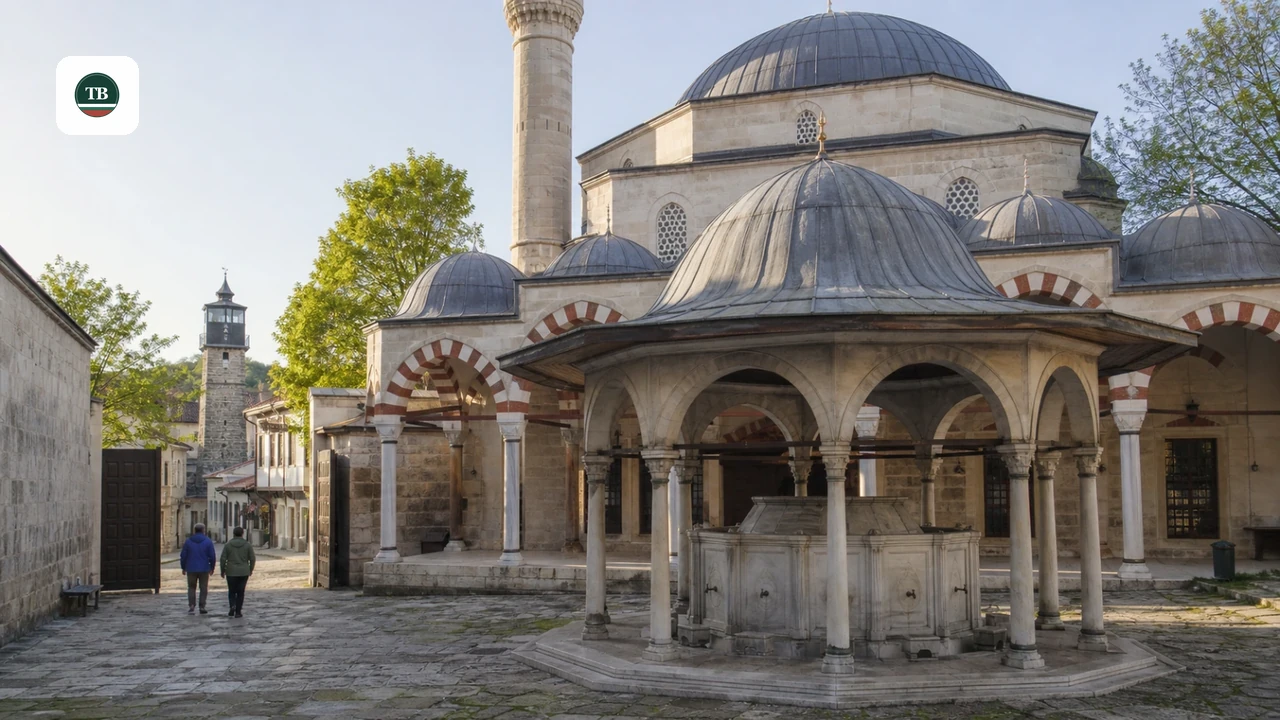
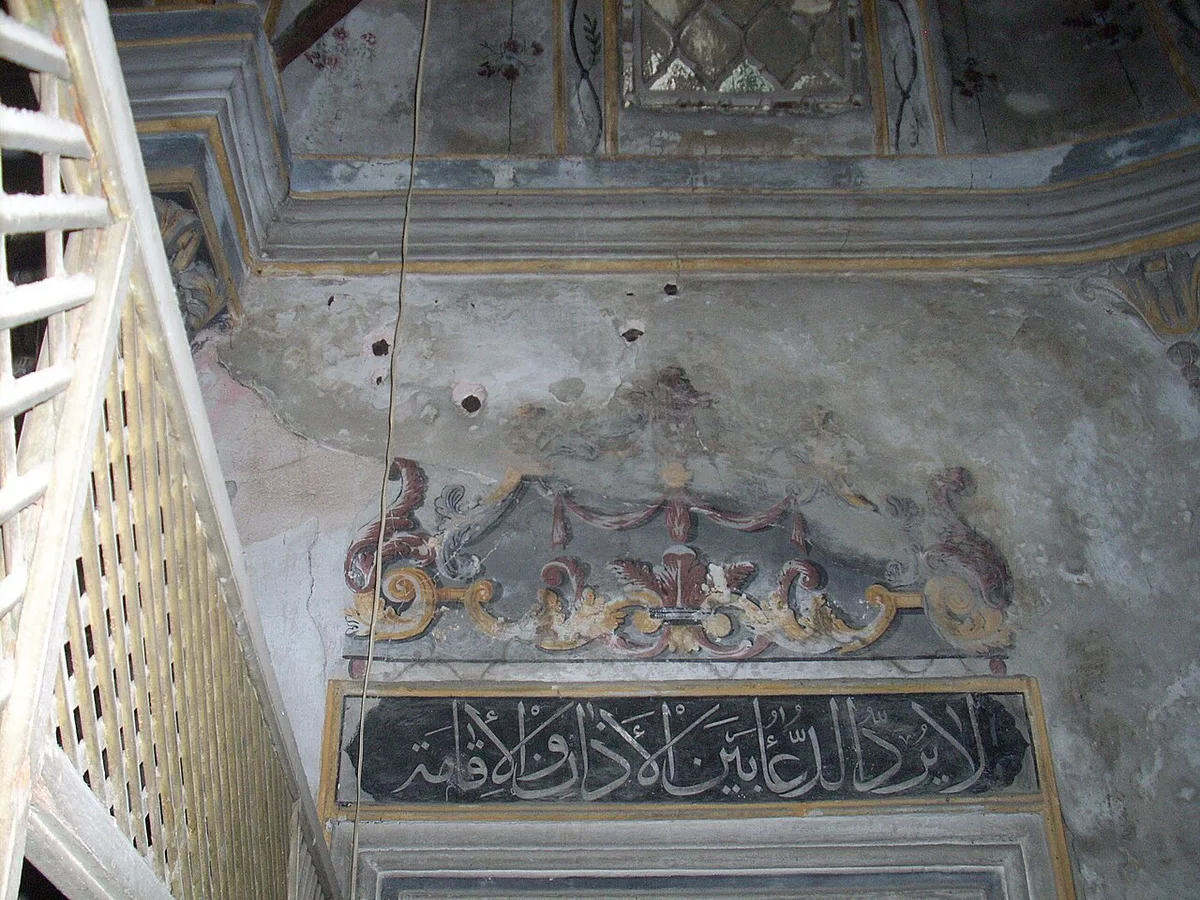
The prayer hall starts as a 15 m by 15 m (49 ft by 49 ft) square, steps up through an octagon, then closes into a circle beneath the dome. Four marble columns support an open vestibule with Moorish-style arcades at the entrance. Five smaller domes cover the vestibule itself, in addition to the great central dome over the prayer hall. Four belts of window openings ring the hall, and the upper three use stained glass. A 2005 survey uncovered original frescoes of plant motifs and Arabic Quranic inscriptions beneath later layers of paint. Heritage writers describe Tombul Mosque as the only surviving example of Tulip Period architecture in Bulgaria, a style that blended Ottoman form with French Baroque detail for roughly two decades in the 18th century. Exterior and interior surfaces both carry the ornate plaster and baroque flourishes typical of the style. Beyond the prayer hall sits a sahn, or courtyard, ringed by arches, plus a twelve-room extension that once served as a madrasa boarding house. Its attached school trained calligraphers, and some of the era's most skilled Arabic calligraphers studied there. Its library held more than 5,000 volumes in Arabic and Persian covering theology, geography, mathematics, and medicine. One prized manuscript, a 16th-century geography text by the Arab scholar al-Idrisi, now sits in the National Library in Sofia rather than at the mosque itself. A dedicated water fountain stands beside the main building, part of the original complex design. Restoration scaffolding that had obscured the exterior for years came down by early 2024, so the facade is fully visible again today.
The mosque was built in 1740-1744 during the Tulip Period, a brief 18th-century Ottoman Baroque style blending Ottoman and French aesthetics. Today it remains Bulgaria's only surviving example of this rare architectural movement, making it architecturally and historically singular.
| Detail | Figure |
|---|---|
| Year built | 1740-1744 |
| Style | Ottoman Tulip Period (Ottoman Baroque) |
| Minaret height | 40 m (130 ft) |
| Dome height | 25 m (82 ft) |
| Site area | 1,730 sq m (18,600 sq ft) |
| Prayer hall footprint | 15 m x 15 m (49 ft x 49 ft) |
| Status | Active mosque; monument of national importance since 1975 |
Shumen Old Town: Walking From Tombul Mosque to the Pedestrian Center
Tombul Mosque sits at Georgi Sava Rakovski 21, in the southwestern part of Shumen. The mosque once anchored the town's original center, but Shumen's core shifted as the city expanded outward. Today the walk from the mosque toward the modern pedestrian boulevard takes roughly 15 to 20 minutes on foot. Budget extra time if you plan to fold in more Shumen sightseeing stops. Architectural eras mix along these streets between the mosque and the center, so pace the walk rather than rush it. Most visitors reach the old town on foot from central Shumen, with a local taxi as a backup for the uphill return.
Visiting Tombul Mosque: Hours, Dress Code, and Entry Fees
Tombul Mosque functions as an active place of worship, not just a monument. Expect a small entrance fee, commonly cited in the 4-6 BGN range. Confirm the exact current amount locally, since posted fees can change. Cover your shoulders and knees, and bring a head covering if you are a woman planning to enter the prayer hall. Staff may ask you to remove your shoes before entering the prayer hall. Interior photography may carry a small separate fee. Ask at the entrance before you start shooting. Morning and late-afternoon light works best for photographing the courtyard arcades. Avoid visiting during active prayer times. Check the schedule posted at the entrance, or via the Shumen Municipality site. Seasonal opening hours shift year to year, so verify before you go rather than relying on outdated information online.
Pairing the Mosque With Shumen Fortress and the Founders Monument
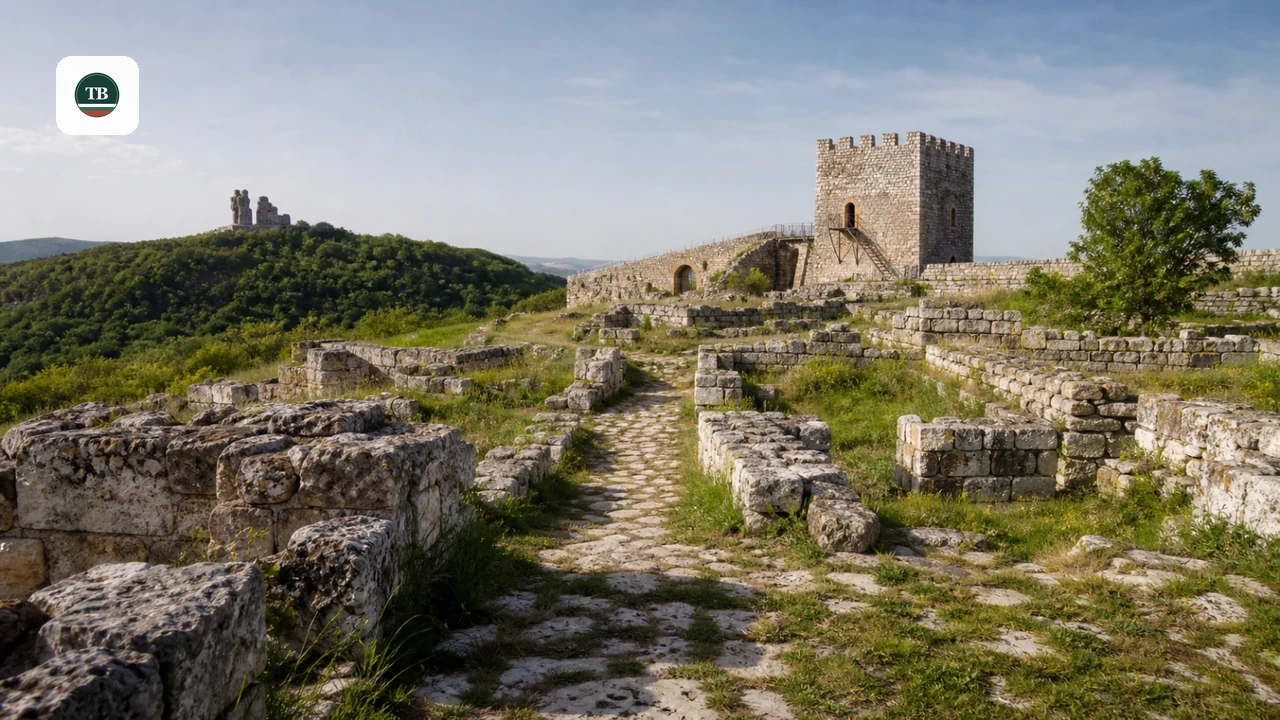
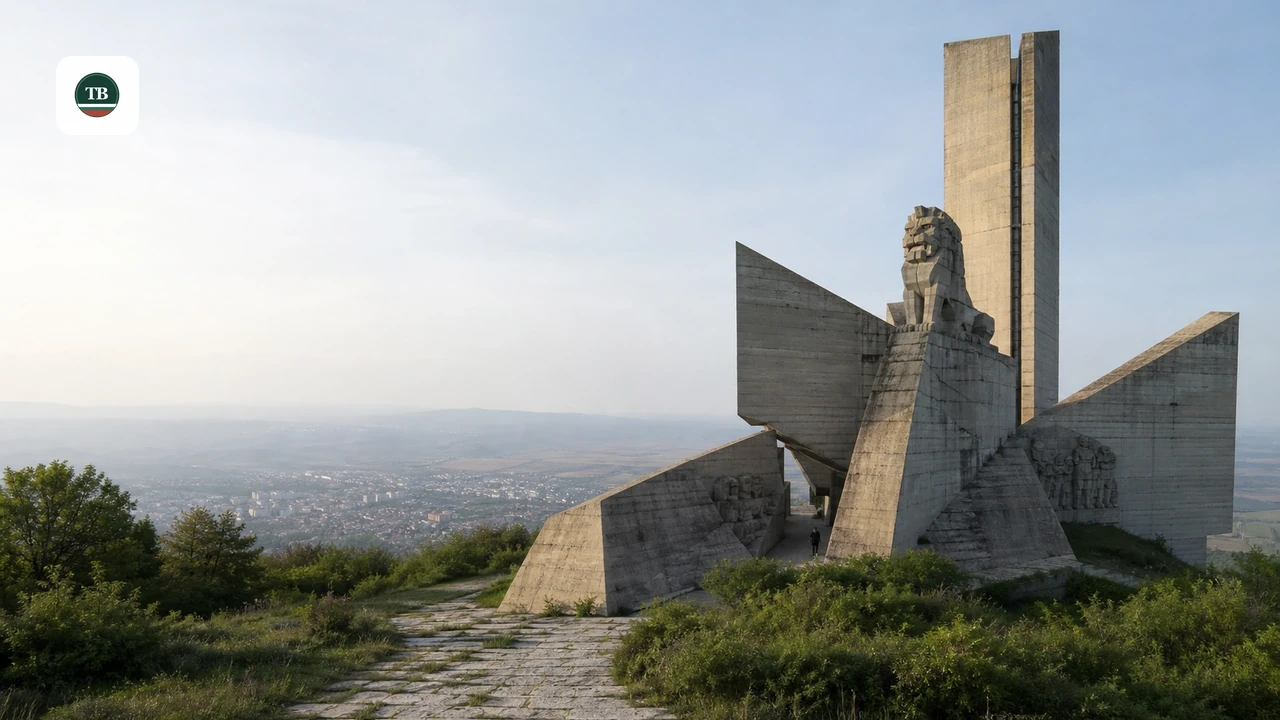
The Founders of the Bulgarian State Monument stands about 1.3 km (0.8 mi) from the mosque. Shumen Fortress sits roughly 1.5 km (0.9 mi) away, on high ground above the city. Both sites pair naturally with the mosque on a single afternoon. For opening hours and the climb up, see the detailed fortress and monument guide. Shumen Fortress features in roundups of Bulgaria's best fortress sites for its hilltop views over the old town. Wooded high ground surrounds the fortress, and hikers extending the trip can find more routes in the hiking and mountains guide.
Day Trips From Shumen: Madara, Preslav, and Pliska
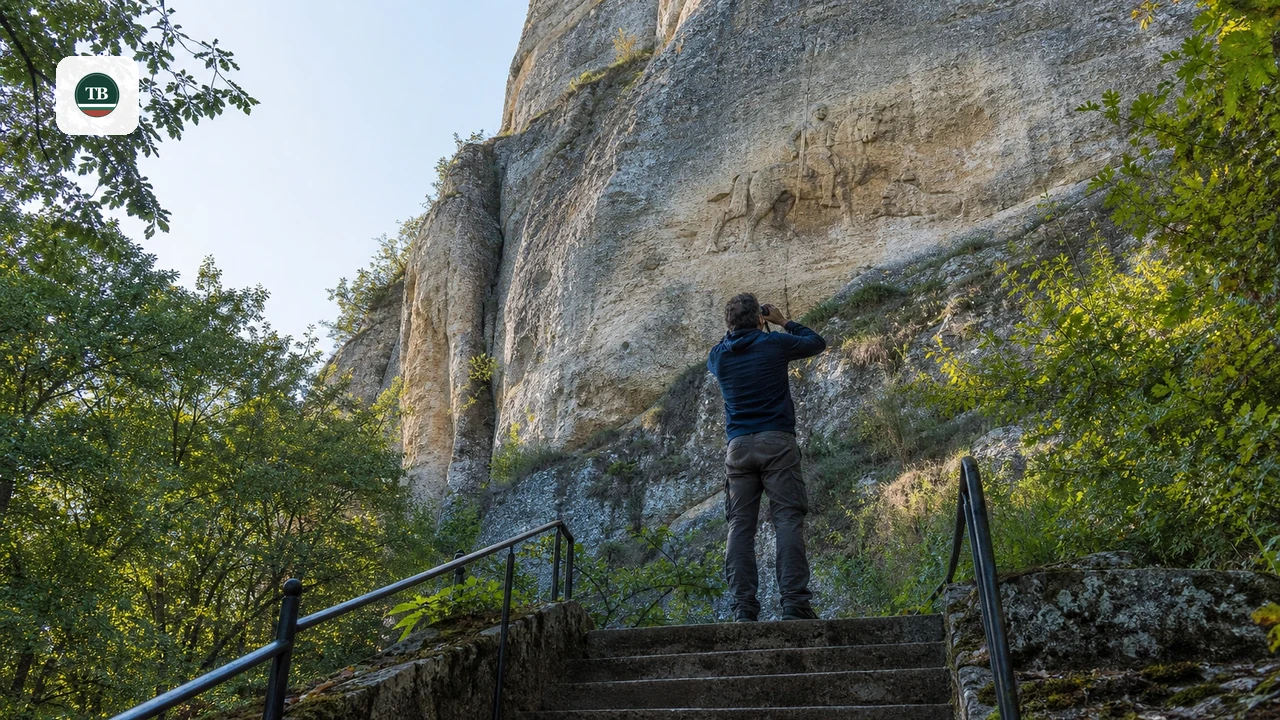
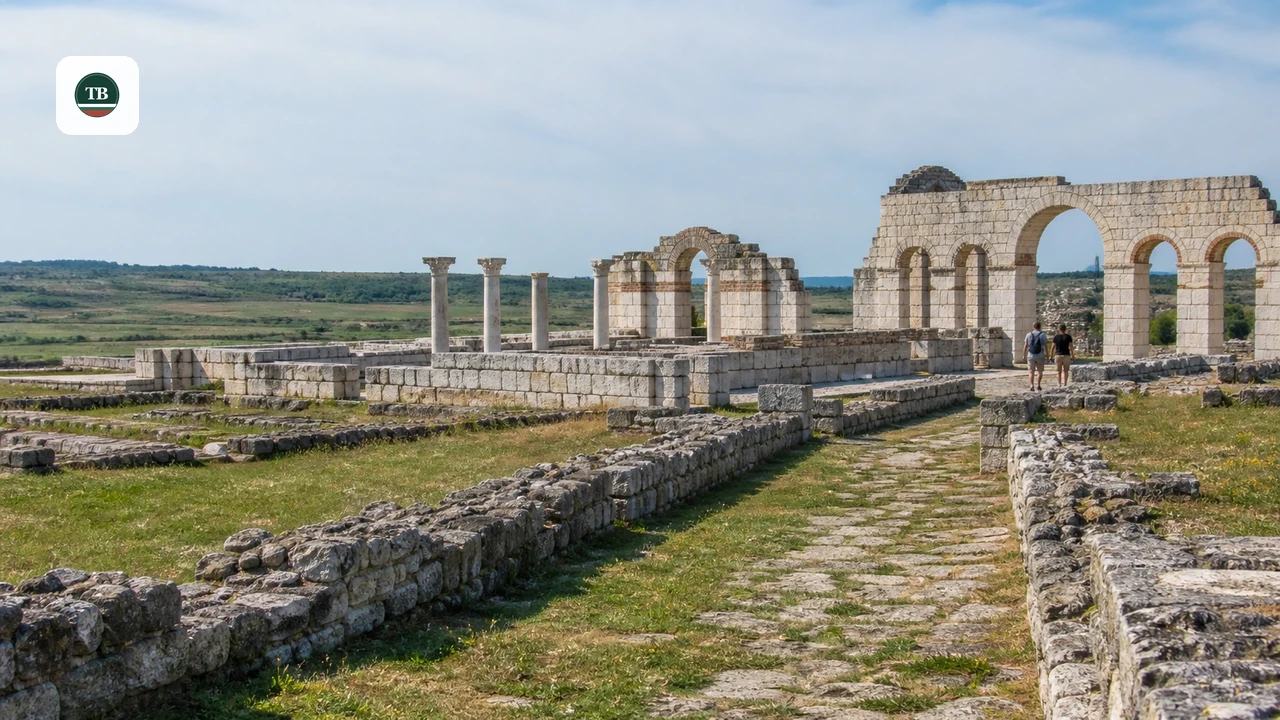
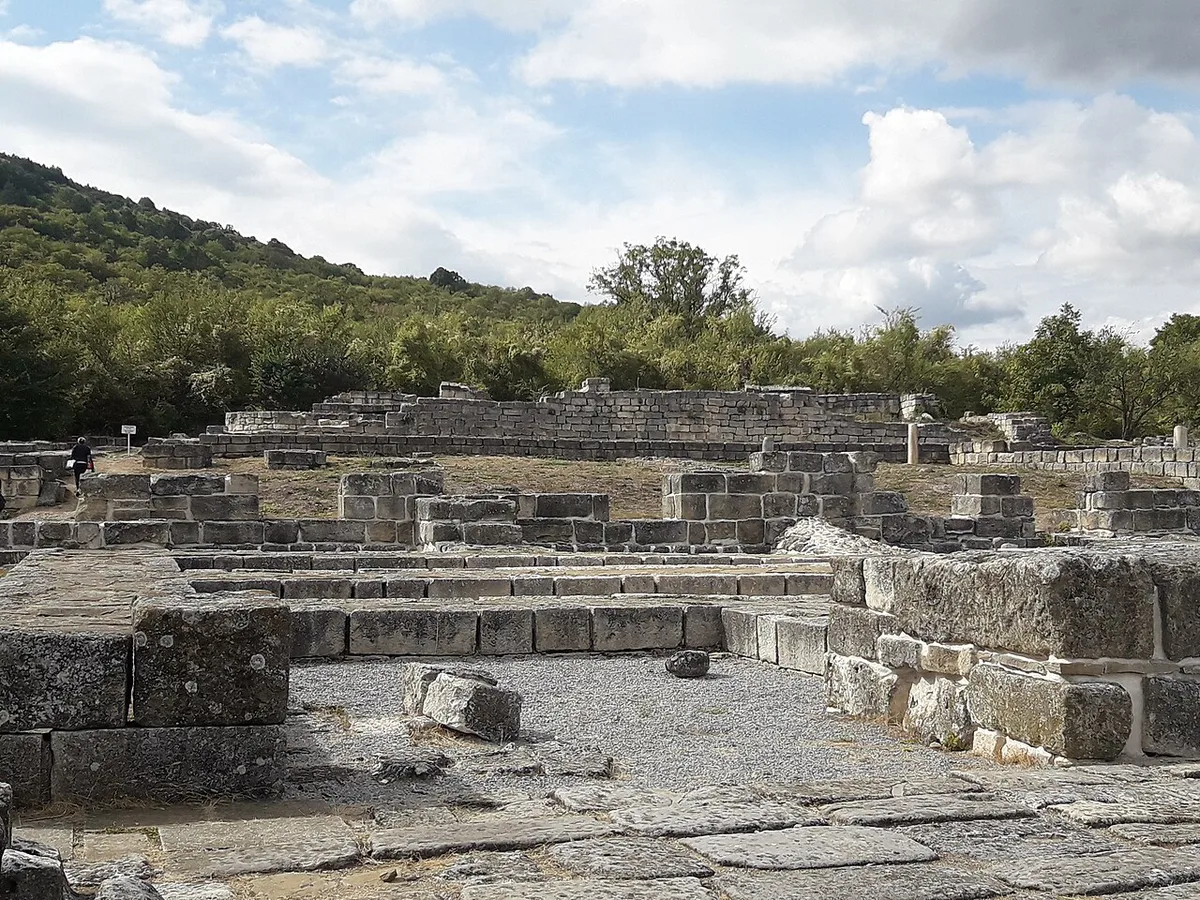
Madara Rider's rock relief sits about 17 km (11 mi) east of Shumen, near Halil Pasha's home village. Veliki Preslav, the medieval Bulgarian capital, lies about 16 km (10 mi) away and holds the Round Church among its ruins. The Round Church there is a large, partially preserved early medieval Eastern Orthodox structure, one of the region's key medieval sites. Pliska, the empire's earlier capital, sits roughly 30 km (19 mi) from Shumen. Preslav itself sits along the Golyama Kamchia River, about 30 km from Pliska, which is part of why the two pair well as one drive. Both stops combine into a single day trip via the Pliska and Preslav route. Madara Rider and the Thracian Tomb of Sveshtari both carry UNESCO World Heritage status. Sveshtari sits farther out, about 54 km (34 mi) from Shumen. Two more distant options round out a longer northeast Bulgaria loop. Abritus, a Roman walled city, lies about 40 km (25 mi) from Shumen. Demir Baba Teke, a 16th-century Alevi mausoleum near Sveshtari, sits about 54 km (33 mi) away. A rental car gives more flexibility for these day trips than relying on public transit. Drivers stringing multiple stops together can adapt the multi-day Bulgaria driving route to fit a northeast-focused loop. Without a car, look into guided day tours or a hired taxi from Shumen instead. If Shumen is one stop on a longer trip, slot it into a full country-wide Bulgaria itinerary.
Local lore links the mosque's construction to stones from the medieval capitals of Pliska and Preslav, though no evidence confirms this. Pliska lies roughly 30 km (19 mi) away—a rewarding day trip where visitors might contemplate the building's storied origins firsthand.
Mistakes to Avoid at Tombul Mosque and Shumen Old Town
A few planning slips repeat often enough at Tombul Mosque and Shumen old town to flag directly. For more options beyond the northeast, browse where else to go in Bulgaria before you finalize the route. Building a two- or three-day base in Shumen gives enough time for the mosque, the fortress, and at least one farther day trip without rushing any of them.
- Arriving during active prayer times, when non-worshippers may need to wait outside
- Skipping the head covering or wearing shorts, which can block entry to the prayer hall
- Underestimating the climb from the mosque up to the Founders Monument
- Parking directly outside the mosque entrance, where narrow streets fill fast
- Rushing the old town walk without budgeting the 15-20 minute transfer to the pedestrian center
Frequently Asked Questions
What is Tombul Mosque known for?
Tombul Mosque, formally the Sherif Halil Pasha Mosque, is the largest mosque in Bulgaria and one of the largest in the Balkans. Its 25 m (82 ft) bulbous dome gives the building its nickname, and its Tulip Period style is rare in the region. The complex also includes a courtyard, a former religious school, and a library, making it more than a single prayer hall to see.
How much does it cost to enter Tombul Mosque?
Entry commonly runs about 4-6 BGN, though the exact fee can change, so confirm the current amount locally before you go. Interior photography may carry a small separate charge, so ask at the entrance.
What should you wear to visit Tombul Mosque?
Cover your shoulders and knees, and bring a head covering if you are a woman planning to enter the prayer hall. Staff may also ask you to remove your shoes before you step inside. Lightweight, breathable fabric works well in summer, since modest coverage is required regardless of season.
How far is Tombul Mosque from Shumen Fortress?
Shumen Fortress sits about 1.5 km (0.9 mi) from the mosque, and the Founders of the Bulgarian State Monument is roughly 1.3 km (0.8 mi) away. Both make an easy same-day pairing on foot, though the climb toward the monument is steep.
Can you visit Tombul Mosque and Madara Rider in one day?
Yes, Madara Rider sits about 17 km (11 mi) east of Shumen, close enough for a half-day round trip by car or organized tour. Pair it with a stop at Veliki Preslav's Round Church if the day allows for a longer loop.
Is the mosque's historic library open to visitors?
The historic library once held more than 5,000 volumes, but its most valuable manuscript now sits in the National Library in Sofia rather than on-site. Check locally for current access to the remaining collection and reading rooms.
Why is it called Tombul Mosque?
The name reflects the shape of the mosque's dome rather than a formal title. Locals and heritage sources use it interchangeably with the official Sherif Halil Pasha Mosque name.
Is Tombul Mosque still an active mosque?
Yes, it functions as an active place of worship today, alongside its role as a heritage site. Visits should stay respectful, especially around prayer times.
What's the best way to combine Tombul Mosque with Shumen Fortress in one visit?
Start at the mosque in the morning, before it gets crowded, then walk toward Shumen Fortress and the Founders Monument afterward. Budget at least half a day for both sites plus the walking time between them, since the climb up to the monument takes real effort.