Varosha Old Town Lovech: An Architectural and Historical Journey
Last updated August 2026, this guide walks through Varosha, the old town quarter of Lovech, Bulgaria. The reserve sits on the right bank of the Osam River and was declared a protected architectural and historical zone in 1968. Expect cobblestone lanes, National Revival houses, and more than 200 protected monuments packed into a compact, walkable quarter.
Varosha Old Town Lovech: Location, History, and Status
Varosha covers the historic core of Lovech, on the right bank of the Osam River. A smaller cluster of related buildings sits across the water, near the Covered Bridge and Stratesh Park. Bulgaria's authorities declared the quarter an architectural and historical reservation in 1968. Protected buildings date mostly from the early 1800s through the 1970s, the core of the National Revival period. Sofia sits about 150km (roughly 93 miles) away, and Veliko Tarnovo is about 80km (roughly 50 miles) east. That distance puts Varosha on a workable Bulgaria road trip itinerary linking the two cities. The official Bulgaria tourism portal for Lovech counts more than 200 historical and architectural monuments inside the reserve. Pair this deep dive with the broader Lovech city guide for the rest of the city.
Top Things to Do in Varosha
Several landmarks anchor most visits to Varosha, and most sit within comfortable walking distance of each other.
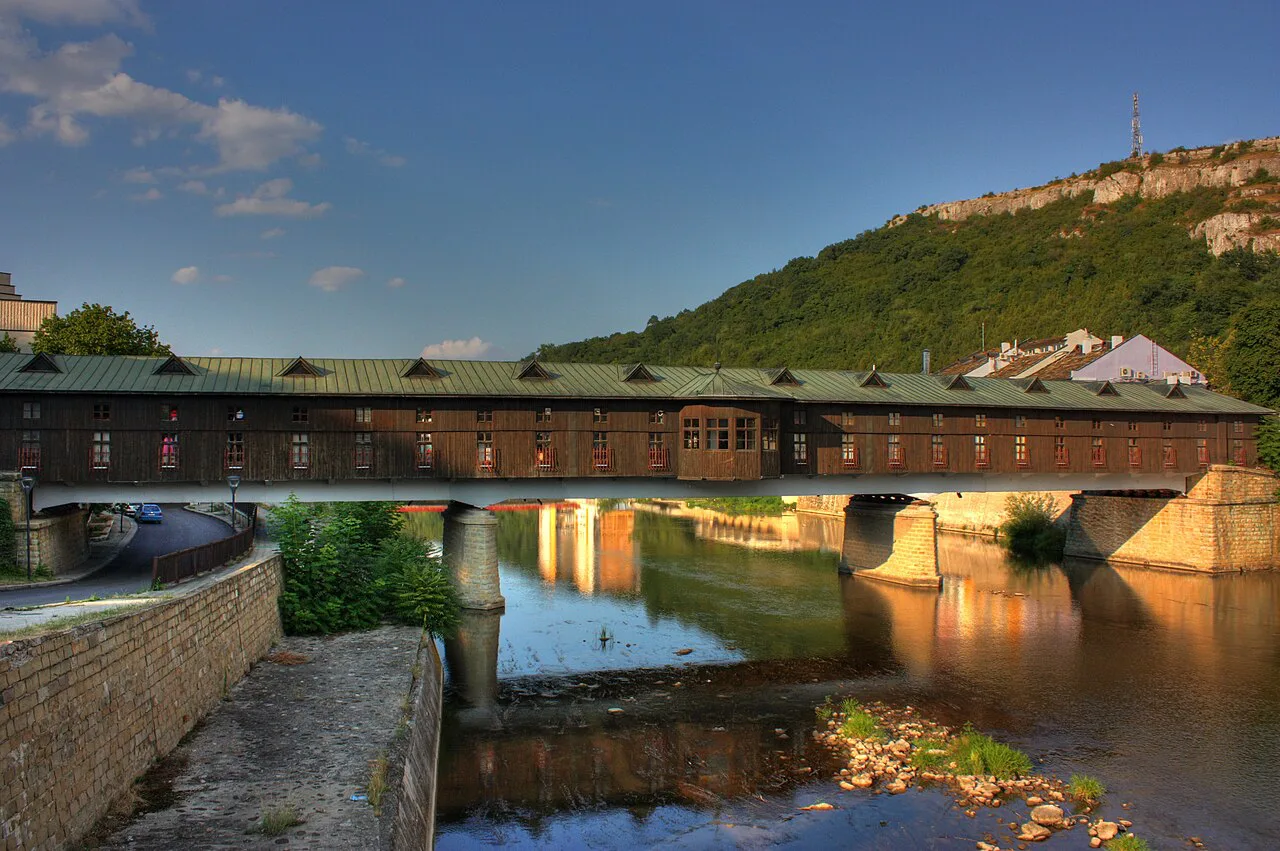
- Covered Bridge. Built by master builder Kolyu Ficheto, this wooden, shop-lined bridge is the visual symbol of Lovech. Regional heritage accounts describe it as one of only a handful of covered, shop-lined bridges of this kind still standing in Europe. Its shops still sell local crafts.
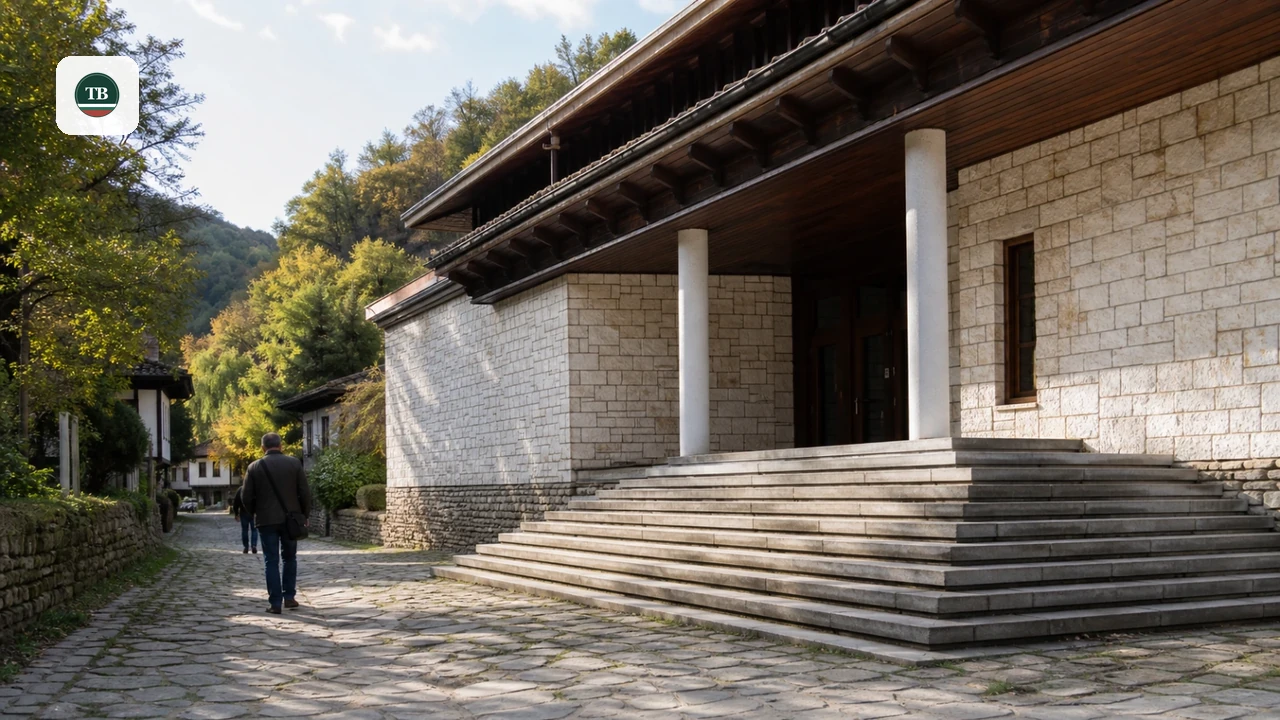
- Vasil Levski Museum. Exhibits tied to the revolutionary committee organized by Vasil Levski (1837-1873), including material connected to his campaign against Ottoman rule.
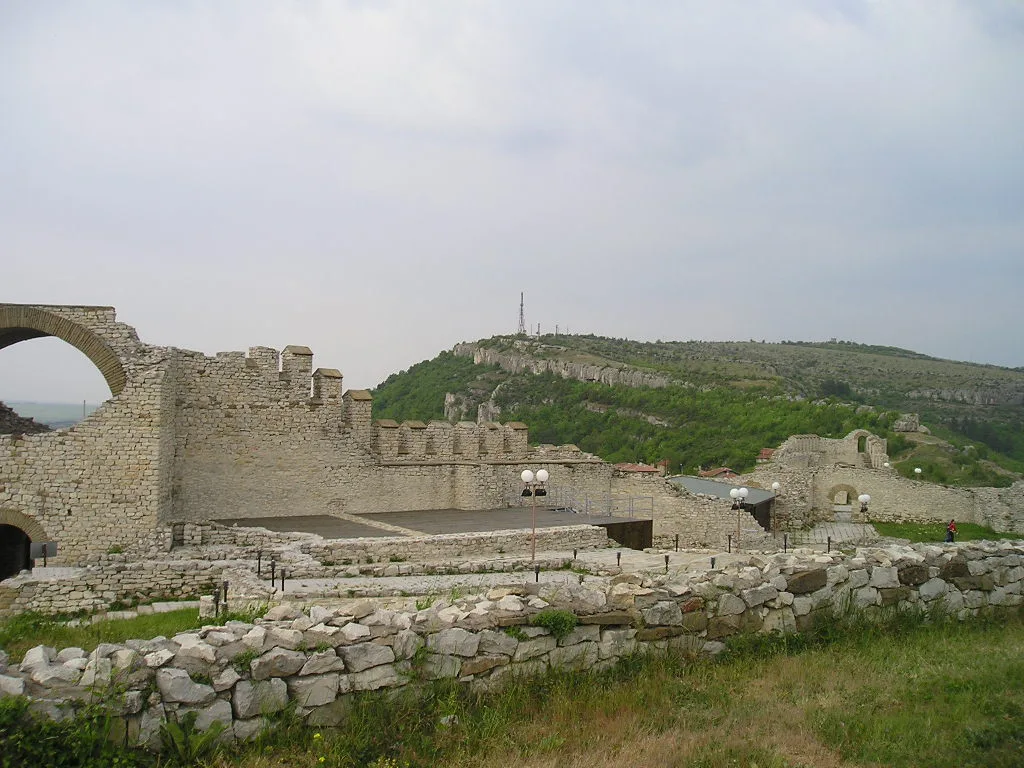
- Hissarya Fortress. Medieval ruins stand above the old town, part of the wider castles and fortresses in Bulgaria list.
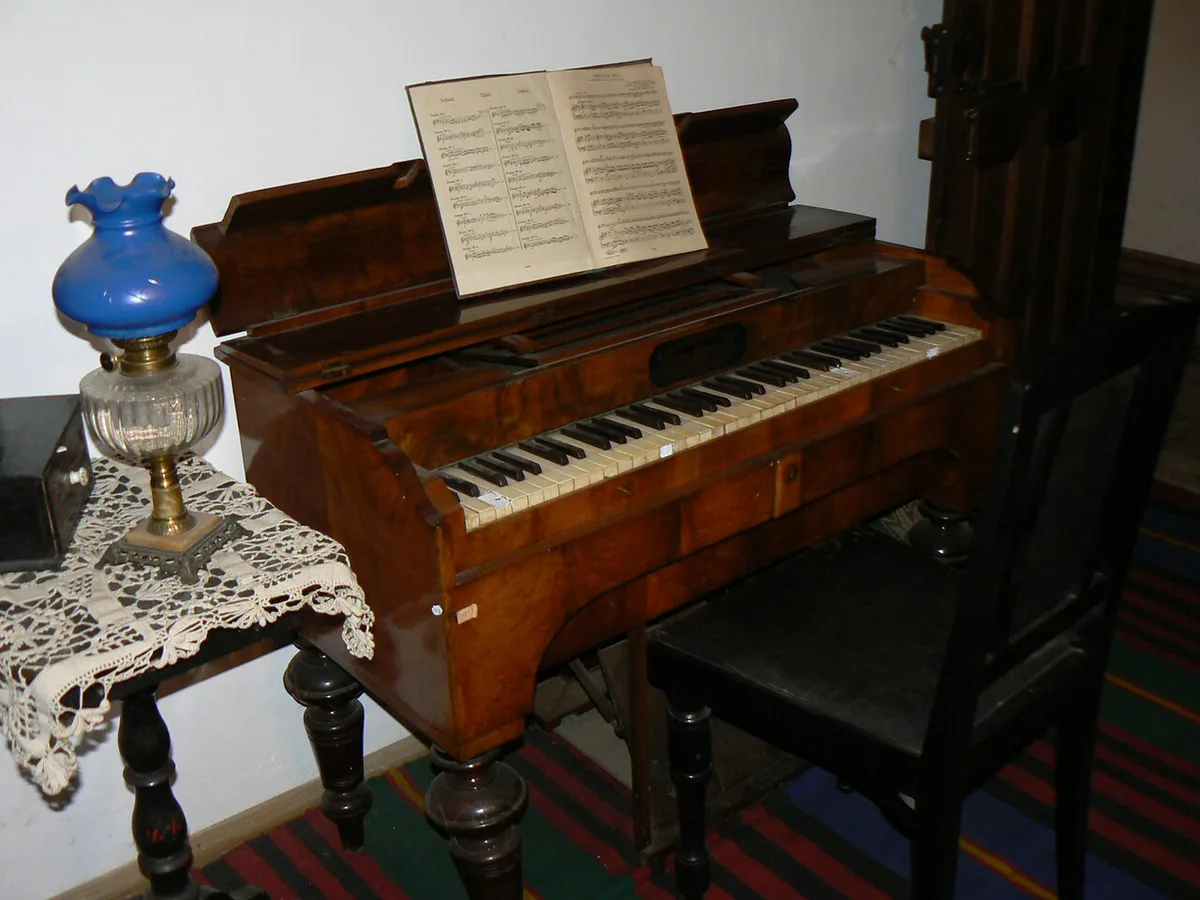
- Ethnographic Complex. Two restored 19th-century houses, the Drassova and Rashova houses, furnished to show Revival-era domestic life.
- Deli Hamam. The old Ottoman-era bath now operates as an interactive water museum. Check current opening status locally before visiting.
- Churches. The Assumption of Mary and St. Nedelia both stand inside Varosha. Vasil Levski served as a deacon at the Assumption of Mary earlier in his life.
- Yosif I School Building. Local historical accounts credit this schoolhouse as the place where the song 'Go, Folks Revived' was written.
Revival Architecture: Stone Walls, Verandas, and Kiosks
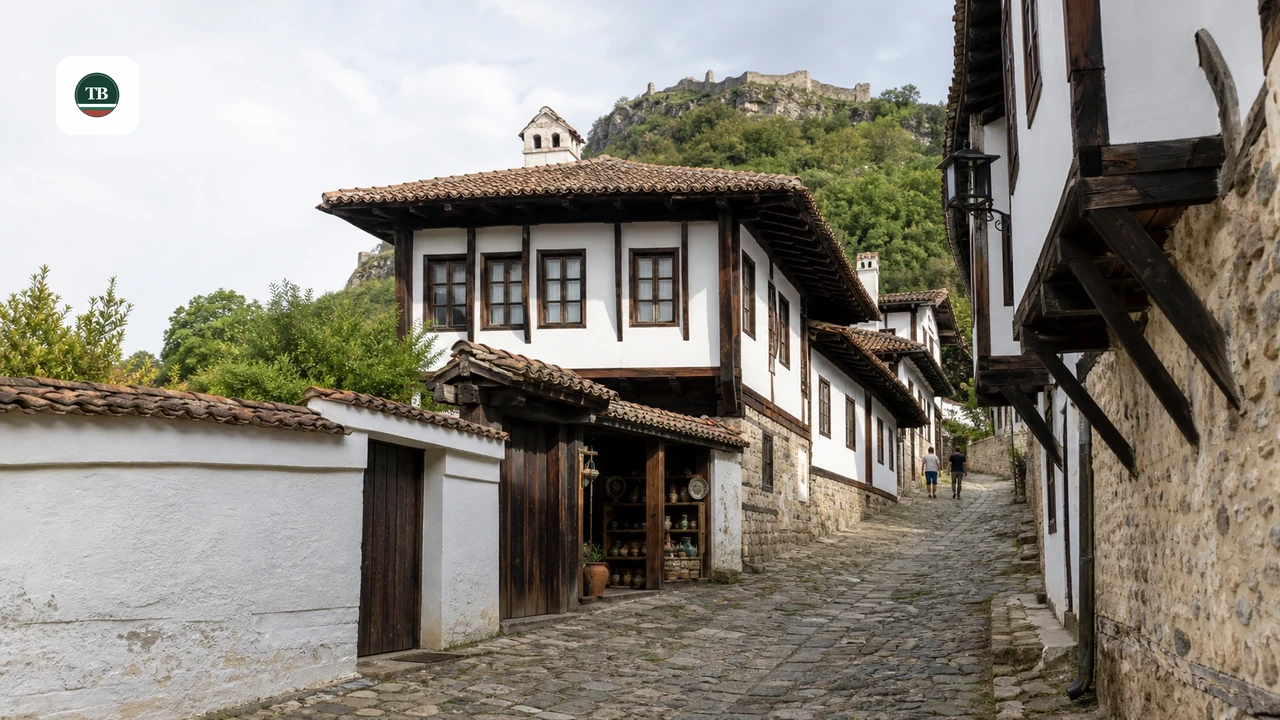
Varosha's houses follow a distinct pattern from the National Revival period. Most stand two stories high, tucked behind high stone walls with a single large gate opening onto the courtyard. Facades and balconies face inward toward the yard, while the plainer rear walls face the street. Yards are terraced and planted with ivy, wild geranium, lilac, and roses. Houses built between 1850 and 1870 are considered the finest examples of the style. Trade and craft activity historically concentrated on the charshiya market street, then moved onto the Covered Bridge, so most homes never included a workshop. Ground and basement floors once stored supplies and stabled animals. Today many house small workshops, guesthouses, restaurants, or museums, while others remain private residences. The wooden verandas known locally as kiosks extend from the upper floor and were built for watching the street below. Families gathered there to greet neighbors and follow the daily activity on the lane, a function similar to a modern café terrace.
Planning Your Visit: Getting to Varosha and Best Times to Go
Most visitors reach Lovech by car, since driving is the fastest way to combine Varosha with nearby sights. From Sofia, the drive covers about 150km (roughly 93 miles), mostly toward the Balkan foothills. From Veliko Tarnovo, the approach is shorter, about 80km (roughly 50 miles), typically 80-90 minutes depending on traffic. Early morning or the last hour before sunset gives the best light for photographing the stone walls and fortress ruins. The narrow lanes fall into shade by midday, so plan accordingly. Stratesh Park, across the river near the Covered Bridge, offers a wider view back toward the fortress and old town rooftops. For a guided walk, arrange a tour in advance through the Regional History Museum in Lovech or the town's Tourist Information Center. Both organize walks through Varosha and other local landmarks with a local guide.
Tickets, Hours, and the Tourist Information Center
Many of the houses inside Varosha are still private residences, so respect closed gates and posted signs. Museums, including the Vasil Levski Museum and the Ethnographic Complex, charge separate entry fees in Bulgarian lev. Sources reviewed for this guide list no fixed combined-ticket price, so confirm current BGN admission rates directly with the Regional History Museum in Lovech before visiting. As a benchmark, entry fees for small regional museums in Bulgaria's Balkan towns typically run lower than equivalent sites in Plovdiv or Veliko Tarnovo, matching Lovech's smaller-scale tourism footprint. The Tourist Information Center sits on Mostova Street, a short walk from the Covered Bridge, and can be reached at +359 68 601362 or through the Lovech Municipality's official site. Hours are not listed for Mondays, so plan visits from Tuesday through Sunday, and note the midday break built into each block below.
Beyond Monday closures, the midday break is critical: summer weekday hours like 9:00-13:00 and 14:00-18:00 mean a late lunch can easily consume your museum-visiting window.
| Season | Days | Hours |
|---|---|---|
| Summer | Tuesday-Thursday | 9:00-13:00 and 14:00-18:00 |
| Summer | Friday-Sunday | 10:00-14:00 and 15:00-19:00 |
| Winter | Tuesday-Thursday | 8:00-12:00 and 13:00-17:00 |
| Winter | Friday-Sunday | 9:00-13:00 and 14:00-18:00 |
Where to Stay and Eat in Varosha
A number of restored Revival-era houses inside Varosha now operate as small guesthouses in the traditional han style. Staying in one puts visitors inside the same stone-walled courtyards described earlier in this guide. Traditional mehana taverns are scattered through the old town and the streets just outside it, serving regional Bulgarian dishes in dining rooms styled after 19th-century interiors. Staying inside the reserve puts the Covered Bridge, the Vasil Levski Museum, and Hissarya Fortress within easy walking distance. That cuts out the need for a car once you arrive.
Day Trips and Nearby Stops from Varosha
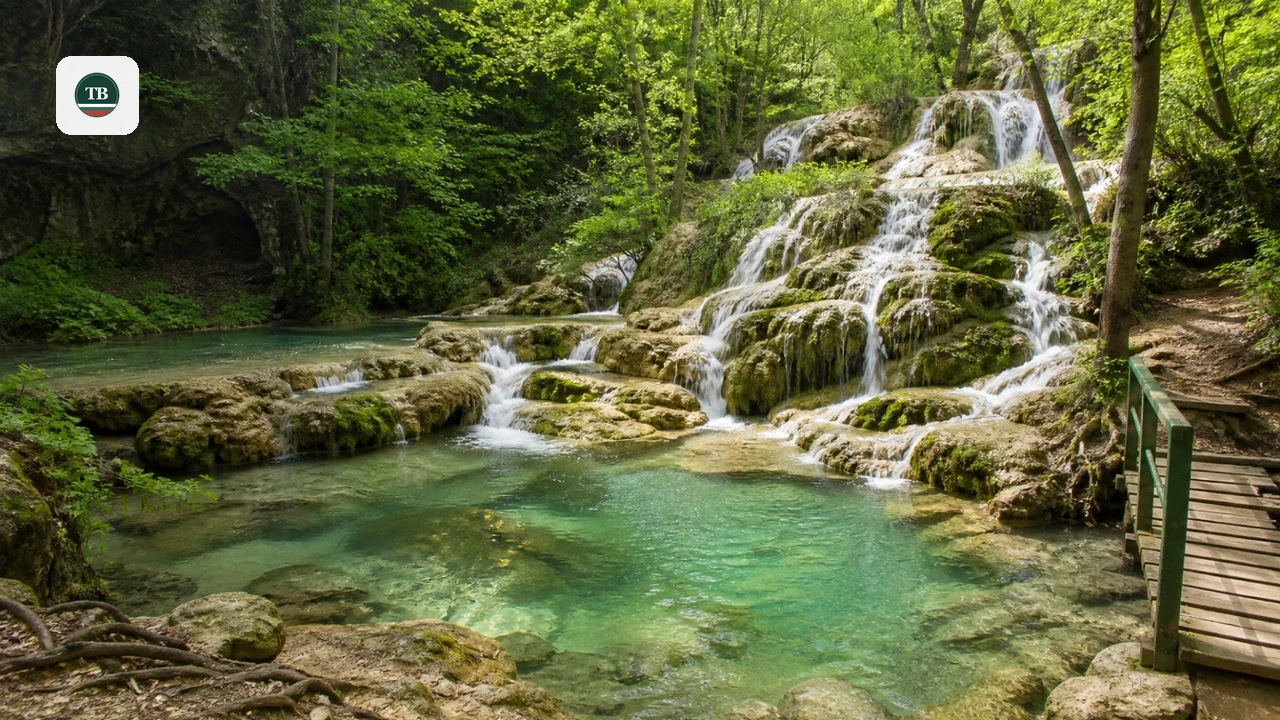
Varosha works well as a base for exploring the wider Lovech area. The Krushuna Waterfalls day trip covers two of the region's natural landmarks in a single outing. Kakrina Inn sits about 19km (roughly 12 miles) from Lovech and holds a documented place in Vasil Levski's story. It pairs naturally with a stop at the Vasil Levski Museum back in town. Drivers continuing toward Veliko Tarnovo or back to Sofia can fold both stops into a single day, given the 80km and 150km distances covered earlier in this guide.
The same 80km and 150km distances to Veliko Tarnovo and Sofia that frame Varosha's location also make layered day trips feasible—you're positioned for multi-stop road itineraries.
Varosha vs Plovdiv's Old Town: Why Choose Lovech?
Plovdiv's Old Town draws far more visitors and spreads across several hills, with a higher price point for dining and lodging near the center. Varosha covers a smaller, walkable area that most visitors finish in a few hours, with fewer organized tour groups working through its lanes. Both share the same National Revival architecture, stone walls, and wooden verandas. In our editorial assessment, Lovech offers that character with less foot traffic and comparatively lower everyday costs. Travelers short on time or budget, or looking for a quieter alternative to Plovdiv, get a comparable architectural experience in Varosha.
| Feature | Varosha (Lovech) | Plovdiv's Old Town |
|---|---|---|
| Crowd levels | Quieter, fewer organized tour groups | Busier, a major stop on national itineraries |
| Size | Compact, walkable in a few hours | Larger, spread across several hills |
| Typical cost | Generally lower dining and lodging prices | Higher price point near the center |
Mistakes to Avoid in Varosha
A few planning missteps come up often for first-time visitors to Varosha.
- Wrong footwear. Varosha's lanes are uneven cobblestone, so heels and slick soles are risky. Closed, flat shoes work best.
- Assuming full accessibility. Cobblestones and stepped lanes make parts of Varosha hard to cover with a stroller or wheelchair. Plan routes around the flatter streets near the Covered Bridge where possible.
- Showing up on a Monday. Several museums keep Tuesday-through-Sunday hours with a midday break, so Mondays are a common gap. Confirm opening times before setting out.
- Skipping Bash Bunar Park. It is a short walk from the old town and an easy add-on that shorter visits often miss.
Frequently Asked Questions
What is Varosha in Lovech?
Varosha is the old town quarter of Lovech, Bulgaria, declared a protected architectural and historical reservation in 1968. It preserves cobblestone lanes and National Revival houses on the right bank of the Osam River, most built between the early 1800s and the 1970s.
How far is Varosha from Sofia and Veliko Tarnovo?
Sofia sits about 150km (roughly 93 miles) away, and Veliko Tarnovo is about 80km (roughly 50 miles) east, typically an 80-90 minute drive. Both distances make Lovech a workable stop on a longer Bulgarian road trip.
How much time should you plan for a visit to Varosha?
A few hours covers the main landmarks. That includes the Covered Bridge, the Vasil Levski Museum, and the Ethnographic Complex. Add extra time for Hissarya Fortress and a walk through Bash Bunar Park if the schedule allows.
Are the museums in Varosha open every day?
No single schedule covers every site inside Varosha. The Tourist Information Center itself keeps Tuesday-through-Sunday hours with a midday break. Individual museums may differ, so confirm hours locally before visiting.
Is Varosha accessible for strollers or wheelchairs?
Parts of Varosha are difficult to navigate because of cobblestones and stepped lanes. Flatter streets near the Covered Bridge are more manageable than the upper lanes toward Hissarya Fortress.