The Madara Rider: A Visitor Guide to Bulgaria's UNESCO Rock Relief
Last updated July 2026, this guide covers the Madara Rider, the rock relief carved into a cliff east of Shumen in northeastern Bulgaria. The horseman has held UNESCO World Heritage status since 1979, and it remains the only relief of its kind to survive from early medieval Europe. Here's how to see the carving, decide whether to climb to Madara Fortress, and combine the visit with Shumen or Varna.
What Is the Madara Rider?
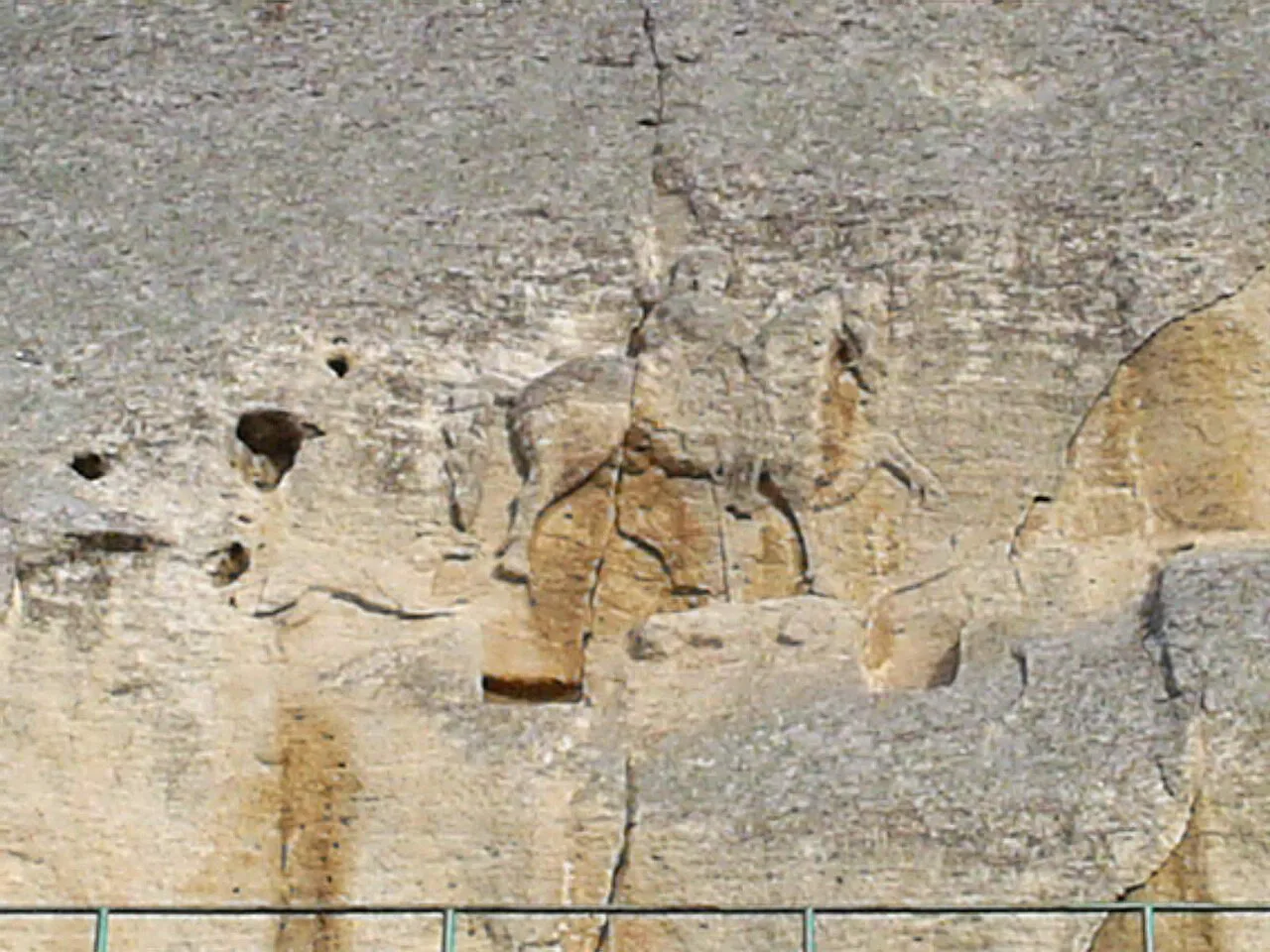
The Madara Rider (Madarski konnik in Bulgarian) is a rock relief cut into an almost vertical, 328-foot cliff on the Madara Plateau, east of Shumen in northeastern Bulgaria. The horseman sits roughly 75 feet above ground level, facing right, thrusting a spear into a lion at his horse's feet, with a dog running behind him. Historians date the carving to the very end of the 7th century or, more commonly, the very start of the 8th century, during the reign of Bulgar Khan Tervel. UNESCO inscribed the Madara Rider as a World Heritage Site in 1979, during the Committee's third session, under cultural criteria (i) and (iii). Centuries of erosion have worn away the horseman's halo, garments, and the bird once carved near his face, so a few details are hard to make out today. Similar rock images appear at Pliska, Veliki Preslav, and other early Bulgar sites, though none matches Madara's scale.
Madara Rider at a Glance
Here's the essential information before you plan the trip.
| Detail | Information |
|---|---|
| Location | Madara Plateau, near Shumen, northeastern Bulgaria |
| UNESCO status | World Heritage Site since 1979 (criteria i and iii) |
| Relief height above ground | About 75 feet (23 m) |
| Cliff height | About 328 feet (100 m) |
| Protected core area | 1.2 hectares (about 130,000 sq ft) |
| Buffer zone | 501.7 hectares (about 1.9 sq miles) |
| Steps to Madara Fortress | 386 steps |
| Nearest rail line | Shumen-Varna line, Madara stop |
Historical Significance: Khan Tervel and the First Bulgarian Empire
Three partly preserved Greek inscriptions surround the relief, naming Khan Tervel (701-718), Khan Krum (802-814), and Khan Omurtag (814-831). Tervel's inscription is the oldest. That is why most scholars connect the carving to his reign, or to the years just after the Bulgars settled the region. Archaeologists excavating between 1924 and 1935 found a pagan shrine and a ruler's dwelling about 250 meters (820 feet) north of the relief. They also uncovered a damaged inscription naming Khan Omurtag and the Bulgar deity Tangra. Early researchers briefly linked the carving to the Thracian Horseman, a rider-deity motif common in regional mythology. Most scholars later set that theory aside, since the details and animal pairing differ from the classic Thracian type. Other comparisons point toward the Sasanian rock-relief tradition of the Iranian world, and toward shared hero-horseman imagery from Turkic and Iranian-Alanic mythology. One researcher, Vladimir Toporov, connected the horseman to the Iranian deity Mithra, while others tie him more directly to the Bulgar sky god Tangra. The relief belongs to the story of the First Bulgarian Empire. The empire ruled from the capitals of Pliska and Veliki Preslav, an era covered in more depth in Bulgaria's early history. The image endures in national identity today. It appears on Bulgarian stotinki coins, a detail covered in curious facts about Bulgaria.
Who Should Visit the Madara Rider
Not every traveler needs the full climb to Madara Fortress. Use this quick check before committing half a day to the site.
- Go if you enjoy medieval history, rock-cut archaeology, and a moderate plateau hike.
- Go if you're already routing between Varna and Shumen and want a UNESCO stop en route.
- Skip the fortress climb if you have mobility limits or limited time; the relief is visible from the base in about 10 minutes.
- Skip the detour entirely if your schedule only allows a brief highway stop.
What to See at the Madara Historical-Archaeological Reserve
The reserve holds four main features, from the base of the cliff to the top of the plateau.
- The relief: the horseman sits about 75 feet up the cliff face, so bring binoculars or a telephoto lens.
- The Large Cave and Small Cave: rock-cut sanctuaries and dwellings used from prehistory through the early medieval period.
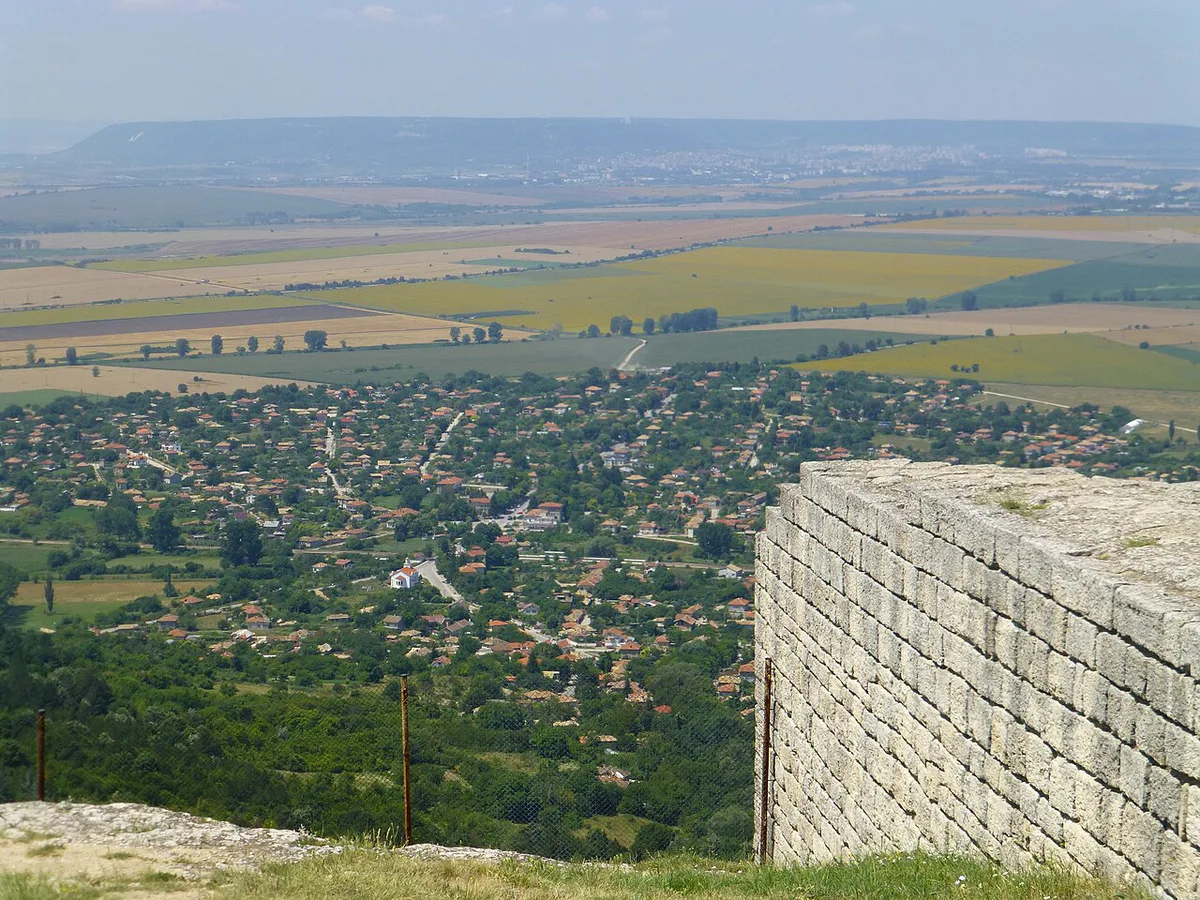
- Madara Fortress: a hilltop stronghold reached by the stair climb up the plateau, covered in more depth in Bulgaria's castles and fortresses.
- The Chapel of St. Panteleimon: a rock-cut chapel marking the site's later Christian use, part of the wider pattern explored in notable churches in Bulgaria.
Photography Tips for the Madara Rider
The relief sits high on the cliff face and shows centuries of wear, so a few adjustments improve your shots. Bring a telephoto lens or at least binoculars, since the carving is too far up to see clearly with the naked eye. Shoot at different times of day and compare results, since the angle of light across the rock changes how visible the horseman, lion, and dog appear. Avoid harsh midday sun if the light washes out the relief's shallow carving. An angled light earlier or later in the day often reveals more texture in the stone.
The relief sits 75 feet up the cliff, and erosion has faded the horseman's halo, garments, and a bird once carved nearby. These details remain faint even with binoculars, so shooting at different times of day becomes essential to capture visible light and texture.
Planning Your Visit: Getting to Madara from Shumen and Varna
Most visitors reach Madara from Shumen or Varna. Both cities sit along the same rail corridor, so the reserve works well as a stop between them. Plan half a day for the relief and reserve grounds alone, or a full day if you add the fortress climb and a stop in Pliska or Veliki Preslav.
- By car: the most direct option, with parking near the reserve entrance.
- By train: Madara has its own stop on the Shumen-Varna line. Check current Bulgarian State Railways timetables before you go, since regional services run limited daily schedules.
- By organized tour: day tours from Varna often bundle Madara with Pliska or Veliki Preslav.
- Tickets and hours: verify current admission and opening times through the National Institute of Immovable Cultural Heritage or the Shumen Tourism portal, since seasonal hours can shift for 2026.
The 386-Step Climb: Physical Requirements and What to Wear
The path to Madara Fortress climbs 386 steps up the plateau. Wear shoes with real grip, since sections of the route cross uneven, exposed rock. The plateau offers little shade, so carry water and sun protection even on a mild day. An early start pays off during the Balkan summer heat of July and August 2026. Entry to the reserve and the climb to the fortress are typically ticketed separately, and together they cost less than a guided day tour from Varna. From the Madara train stop, plan on a walk to the reserve entrance, so wear the same sturdy shoes you would want for the fortress stairs.
Climbing 386 steps across an exposed plateau in July–August heat narrows the ideal visit window to early morning. That same timing creates a secondary benefit: morning light angles reveal more texture in the relief's shallow carving than midday sun.
The Shumen Circuit: Pairing Madara with Pliska and Veliki Preslav
Madara rarely stands alone on an itinerary. Pliska, the first capital of the First Bulgarian Empire, sits within reach of the same regional loop. Veliki Preslav, the empire's later capital, adds a second layer of medieval history to the same day. Shumen itself is worth a stop for the Founders of the Bulgarian State Monument, a hilltop landmark overlooking the city. Together, Madara, Pliska, and Veliki Preslav sketch the arc of the First Bulgarian Empire, from its steppe-influenced origins to its Christian-era capital. The plateau's own story starts earlier than the Bulgars. Thracian tribes occupied this region long before Khan Tervel's era, a background covered in Thracian tribes of Bulgaria.
Mistakes to Avoid at Madara
A few planning slips repeatedly trip up first-time visitors.
- Rushing straight to the fortress stairs and skipping the Large Cave and Small Cave at the base.
- Visiting at midday in peak summer without water or sun cover on an exposed plateau.
- Leaving binoculars or a zoom lens behind, since the relief sits too high on the cliff to see details with the naked eye.
- Assuming opening hours are fixed year-round; confirm current 2026 hours before driving out from Shumen or Varna.
- Assuming card payment works everywhere; carry some cash for entry or parking at rural reserve sites.
Khan Tervel and the Defense of Constantinople
Khan Tervel’s importance extends beyond the likely creation of the Madara Rider. In 705, he helped the deposed Byzantine emperor Justinian II regain the throne. Justinian rewarded him with gifts and the title “Caesar,” an exceptional distinction for a foreign ruler.
Relations later shifted between conflict and diplomacy. A treaty concluded in 716 defined the Byzantine-Bulgarian frontier and established trading arrangements. It also shaped their cooperation during the Arab siege of Constantinople in 717–718.
Bulgar forces attacked the besieging Umayyad army from the rear while Byzantine defenders held the city. Medieval accounts disagree about troop numbers and casualties, so dramatic estimates should be treated cautiously. However, Bulgaria’s intervention clearly increased pressure on the attackers before the siege failed.
This episode explains Tervel’s modern nickname, the “Savior of Europe.” The phrase is not a contemporary title, but it reflects his role in a major Byzantine victory. The inscriptions beside the relief connect Madara directly with this powerful early ruler.
Further reading: Bulgaria on Wikivoyage · Bulgaria on Wikipedia
Continue planning: Use History of Bulgaria: 8 Key Eras from Antiquity to Modern Day and Bulgaria Castles: A Practical Guide to the Country's Best Fortresses and Ruins to connect this guide with the rest of your Bulgaria itinerary.
Frequently Asked Questions
What is the Madara Rider?
The Madara Rider is a rock relief cut into a cliff east of Shumen, Bulgaria, dated to the very end of the 7th or start of the 8th century. It shows a horseman spearing a lion, with a dog at his side. UNESCO inscribed it as a World Heritage Site in 1979.
How do you get to the Madara Rider from Varna or Shumen?
Drive directly, or take a train on the Shumen-Varna line to the Madara stop and walk to the reserve entrance. Organized day tours from Varna often include Madara alongside Pliska or Veliki Preslav.
How many steps lead to Madara Fortress?
The climb to Madara Fortress follows 386 steps up the plateau. Wear shoes with solid grip, since parts of the path cross exposed, uneven rock.
Can you see the Madara Rider without climbing the stairs?
Yes. The relief itself is visible from the base of the cliff in about 10 minutes. The fortress climb is a separate, optional extension for plateau views.
How much time should you plan for a visit to Madara?
Budget half a day for the relief, the caves, and the chapel. Add a full day if you also climb to the fortress or continue on to Pliska or Veliki Preslav.
Is the Madara Rider connected to Pliska and Veliki Preslav?
Yes. All three sites tie into the First Bulgarian Empire, whose rulers are named in the inscriptions carved around the relief. Many visitors combine the three in one regional loop through the Shumen area.
What does the Madara Rider depict?
The relief shows a horseman thrusting a spear into a lion at his horse's feet, with a dog running behind him. Centuries of erosion have faded the horseman's halo, garments, and a bird once carved near his face.
Why is the Madara Rider significant to Bulgarian history?
The relief and its inscriptions record events from the reigns of Khan Tervel, Khan Krum, and Khan Omurtag. It ties directly to the First Bulgarian Empire, whose capitals at Pliska and Veliki Preslav sit within the same regional loop.