Tryavna Old Town: A Guide to Bulgaria's Woodcarving Capital
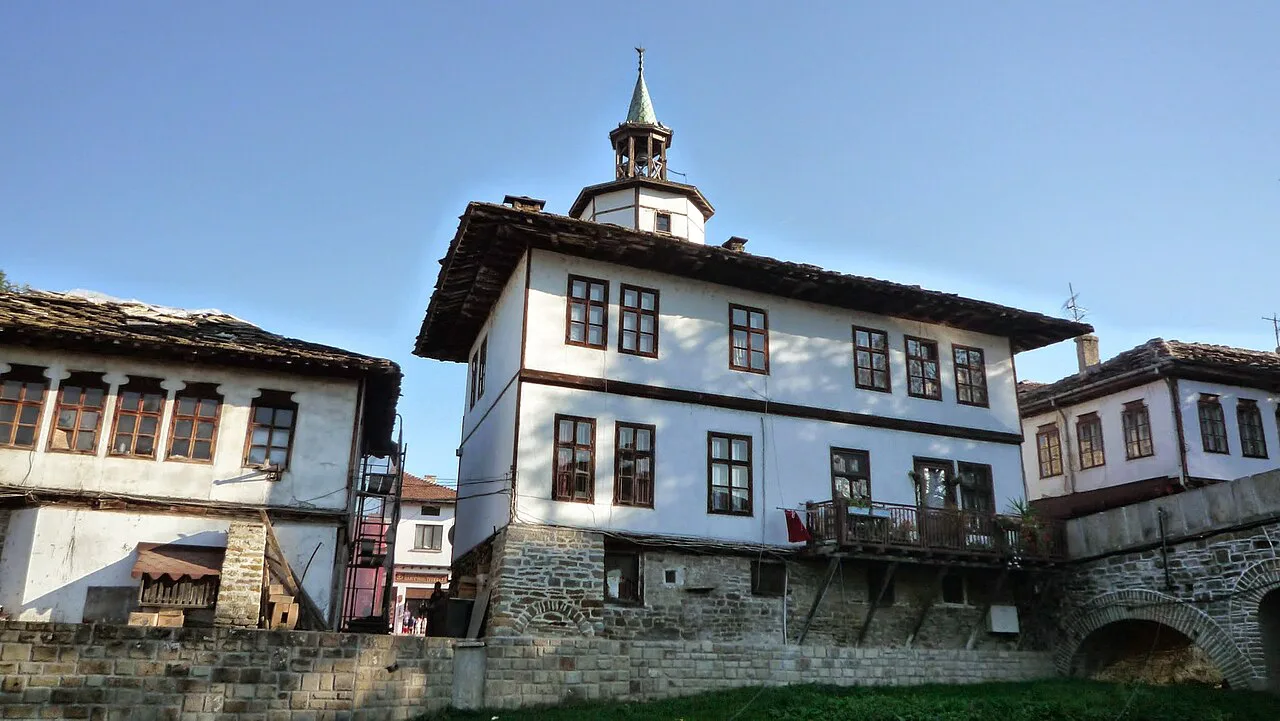
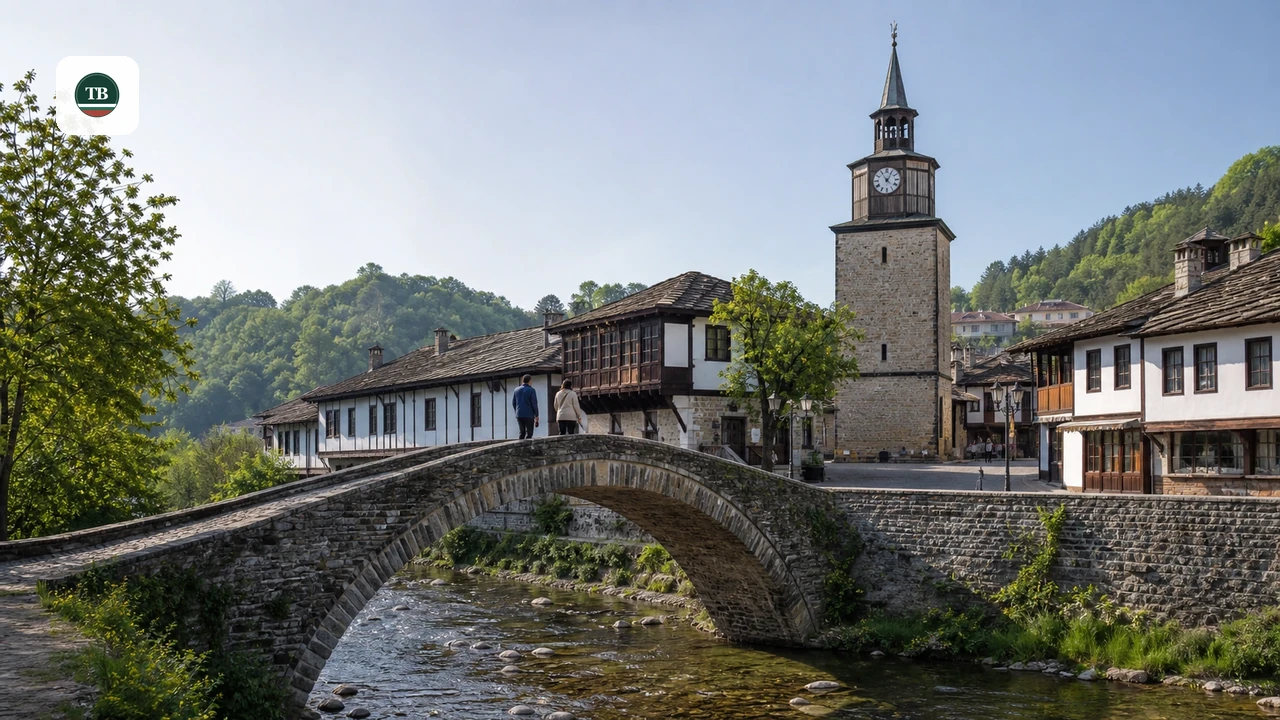
Last updated August 2026: Tryavna old town centers on a 1814 clock tower, a stone bridge, and cobbled Revival-era craft streets. Travelers based in Veliko Tarnovo can cover the main square in three hours, though an overnight stay reveals quieter streets and two specialist museums. This guide covers the landmarks, museum logistics, and day trips that make Tryavna feel more lived-in than other Revival-era towns.
Tryavna Old Town: Revival Architecture You Can Still Live In
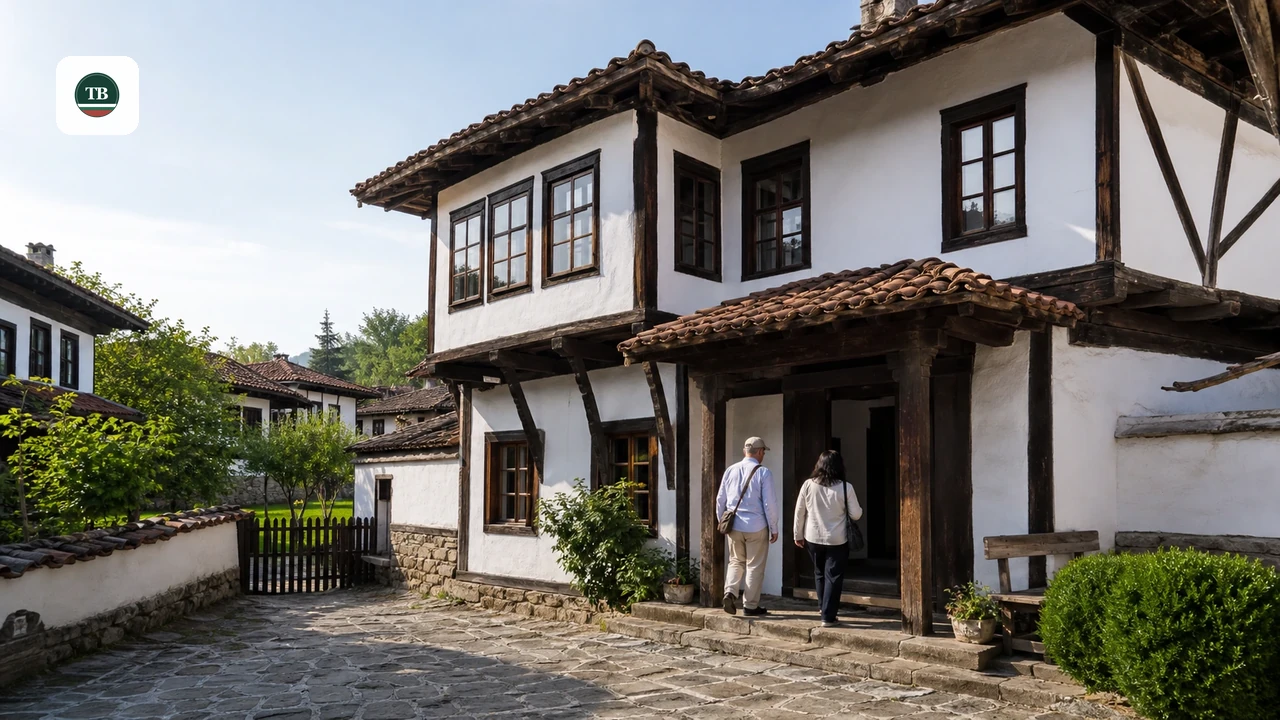
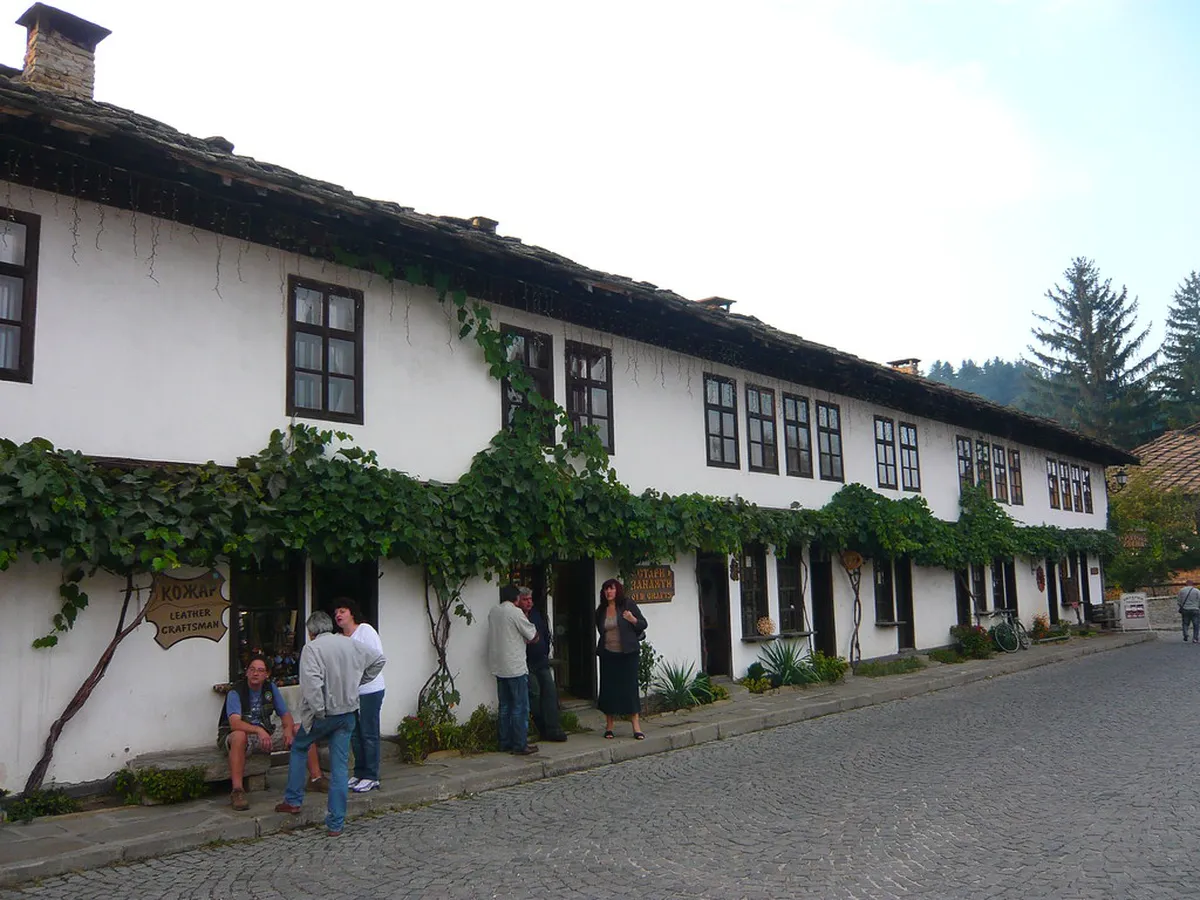
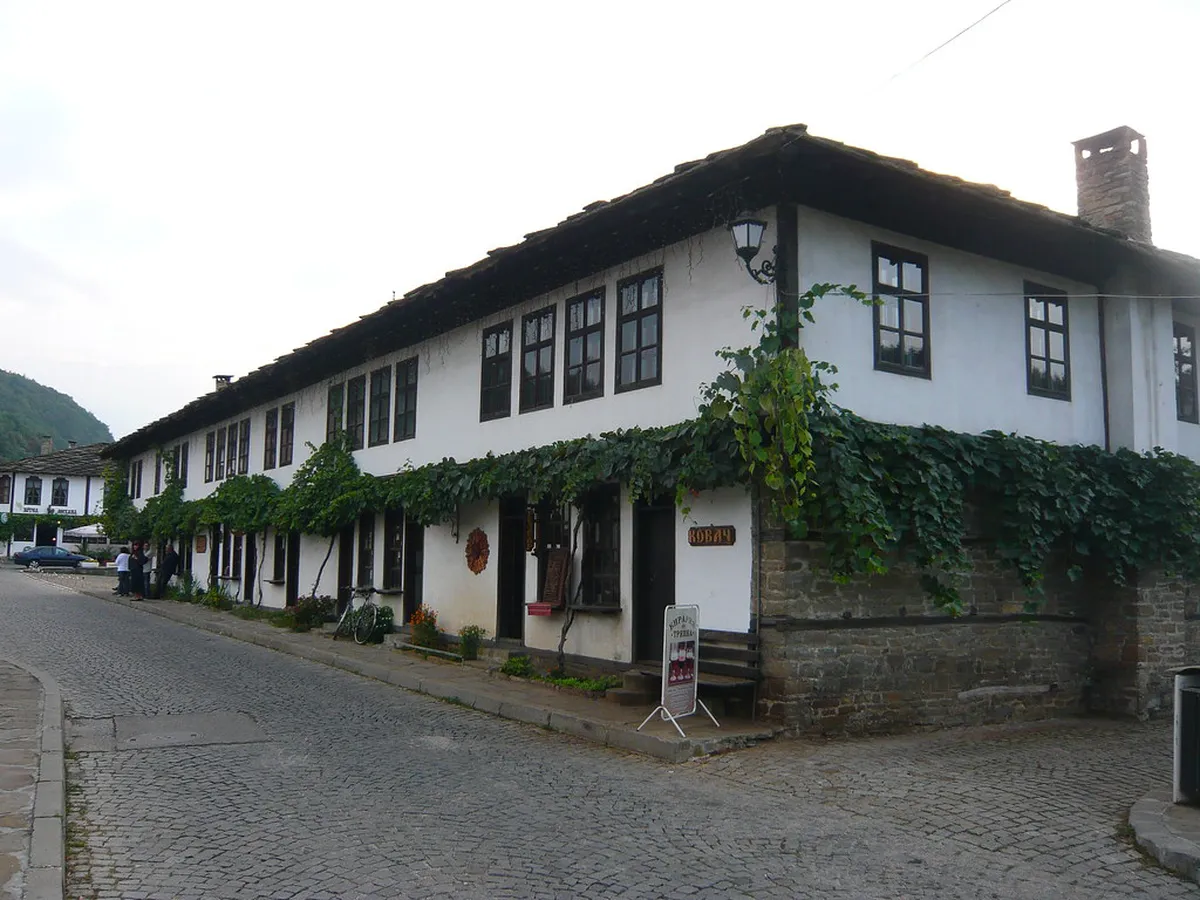
Tryavna old town sits inside a National Revival architectural reserve with about 140 preserved monuments, museums, and expositions, most within walking distance of the main square. Visit Bulgaria's tourism portal places the town at about 1,444 feet on Stara Planina's northern slopes, in the Tryavna river valley near Gabrovo. Founded during the Revival period, the Tryavna Art School trained generations of woodcarvers, icon painters, and builders whose work still fills the houses along the Tryavnenska River. In our editorial assessment, Tryavna reads less like a preserved-in-amber museum town than some other Revival-era stops, such as Koprivshtitsa. Craft workshops, guest houses, and shops still operate inside the same buildings as the landmarks. Three neighborhoods make up the town: Svetushka, Kachaun, and Hitrevtsi, with Kachaun holding the densest run of Revival-era streets. For a full roundup of sights across town, see the 8 Best Things to Do in Tryavna, Bulgaria (2026 Guide) guide.
A Quick History: From Thracian Sanctuary to National Revival Town
Thracian settlers used the area as early as the 4th century BC, evidenced by a sanctuary uncovered at Elova Mogila with bronze bells tied to local worship. Roman forces later held the surrounding mountain passes and built the Vereya Drum, a road linking the Danube to Constantinople through the Moesia and Thrace provinces. Bulgarian forces under Khan Krum defeated Byzantine troops in the Tryavna Pass in July 811, and the Battle of Tryavna in 1190 helped re-establish Bulgarian independence from Byzantium. During the Ottoman siege of Tarnovgrad in 1393, the area sheltered boyars and clergy fleeing the fall of the medieval capital. Centuries later, during the Bulgarian National Revival, the town became a craft and trading center. Irregular ground-floor workshops and wood bow-windows on upper floors from that period still define its Revival-era houses. Angel Kanchev, an associate of revolutionary Vasil Levski, was born in Tryavna. More than 200 local men joined the Russo-Turkish War of Liberation, and the town marked its freedom on St. Peter's Day in 1877.
Planning Your Visit: Distances, Timing, and Day Trip vs Overnight
Tryavna sits in Central Bulgaria, roughly 155 miles from both Sofia and Varna, and closer to Veliko Tarnovo. Most road trips reach the old town from Veliko Tarnovo, about 25 miles away, in under an hour on the regional road network. Budget about three hours to see the main square, Clock Tower, and Founders' Bridge on a fast visit. A fuller day adds the Museum of Asian and African Art and the Raykov House, plus time to walk the Kachaun back streets. An overnight stay lets travelers see the old town's streets after day-trip groups leave, when the square and bridge are quieter in the evening. Stara Planina's slopes add autumn foliage color and summer hiking appeal nearby, best planned once trail conditions are confirmed for the season. Tryavna appears among the stops in the 18 Best Places to Visit in Bulgaria: A Complete 2026 Guide guide. For a full loop pairing it with Veliko Tarnovo and the Balkan foothills, check the Bulgaria Road Trip Itinerary: 10 Essential Guide Sections.
Three hours covers the main square and Clock Tower, but the reserve comprises roughly 140 monuments, so an overnight stay or fuller itinerary better reveals the Revival-era facades scattered throughout town.
- Sofia to Tryavna: about 155 miles
- Varna to Tryavna: about 155 miles
- Veliko Tarnovo to Tryavna: about 25 miles
Five Landmarks That Anchor the Old Town
Five landmarks anchor most visits to Tryavna's reserve, clustered within a few hundred meters of the main square. Kapitan Dyado Nikola is the square's own name, and the Clock Tower, Old School, and Stone Bridge all sit within sight of it. Visit Bulgaria's tourism portal lists the Clock Tower, Daskalov House, the stone bridge, and several neighboring Revival-era houses as monuments of culture of national importance, most dating to a 1967 State Gazette listing. Daskalov House and the Old School both appear on the Best Museums in Tryavna: A 2026 Guide to Daskalov House and Beyond list, alongside current hours and admission notes. Across the bridge, the old street holds wood-carving workshops and souvenir shops. See the Bulgaria souvenirs guide for what to look for before buying.
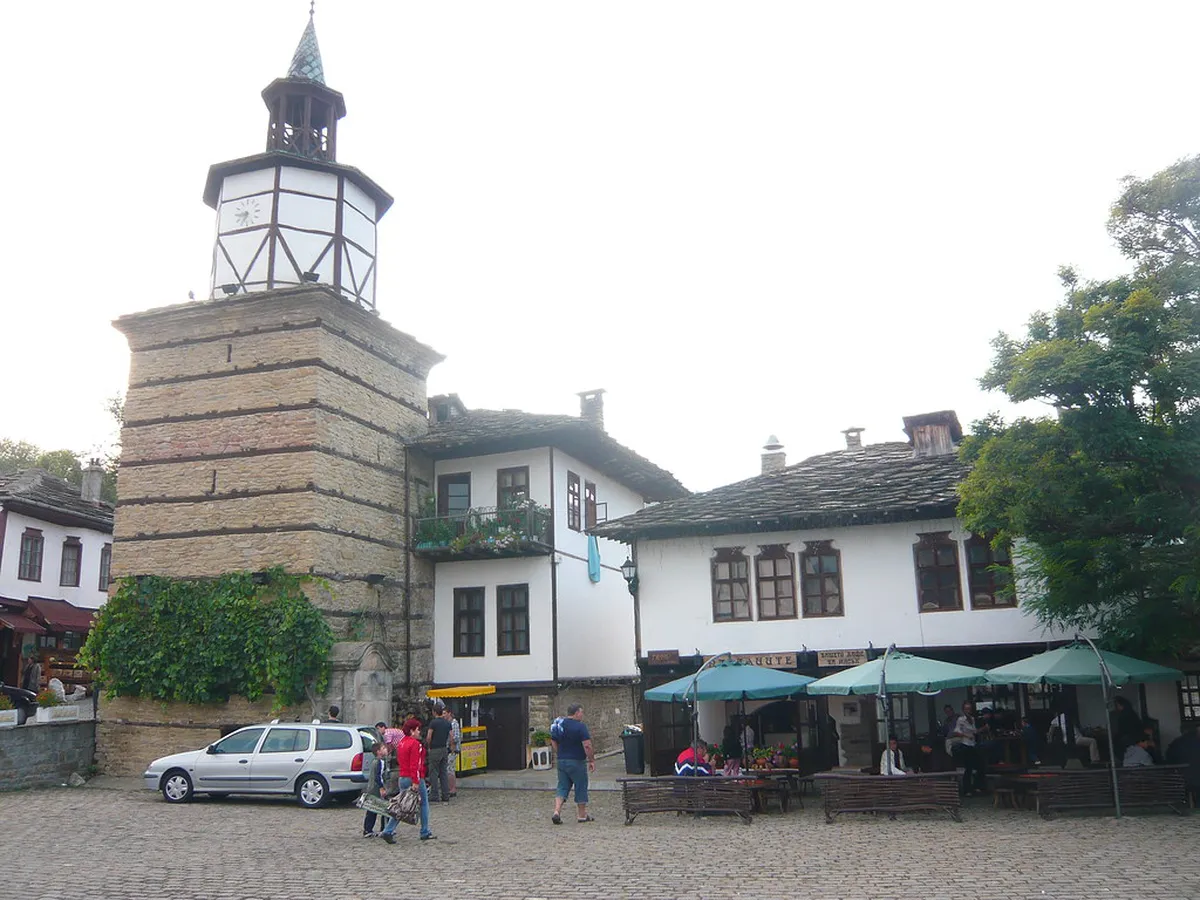
- Clock Tower (Sahat Kula): built in 1814, stands about 69 feet tall, and carries national monument of culture status.
- Founders' Bridge, known locally as the kivgireniyat bridge: built by Dimitar Sergyuv in 1844-1845, linking the square to the old craft street.
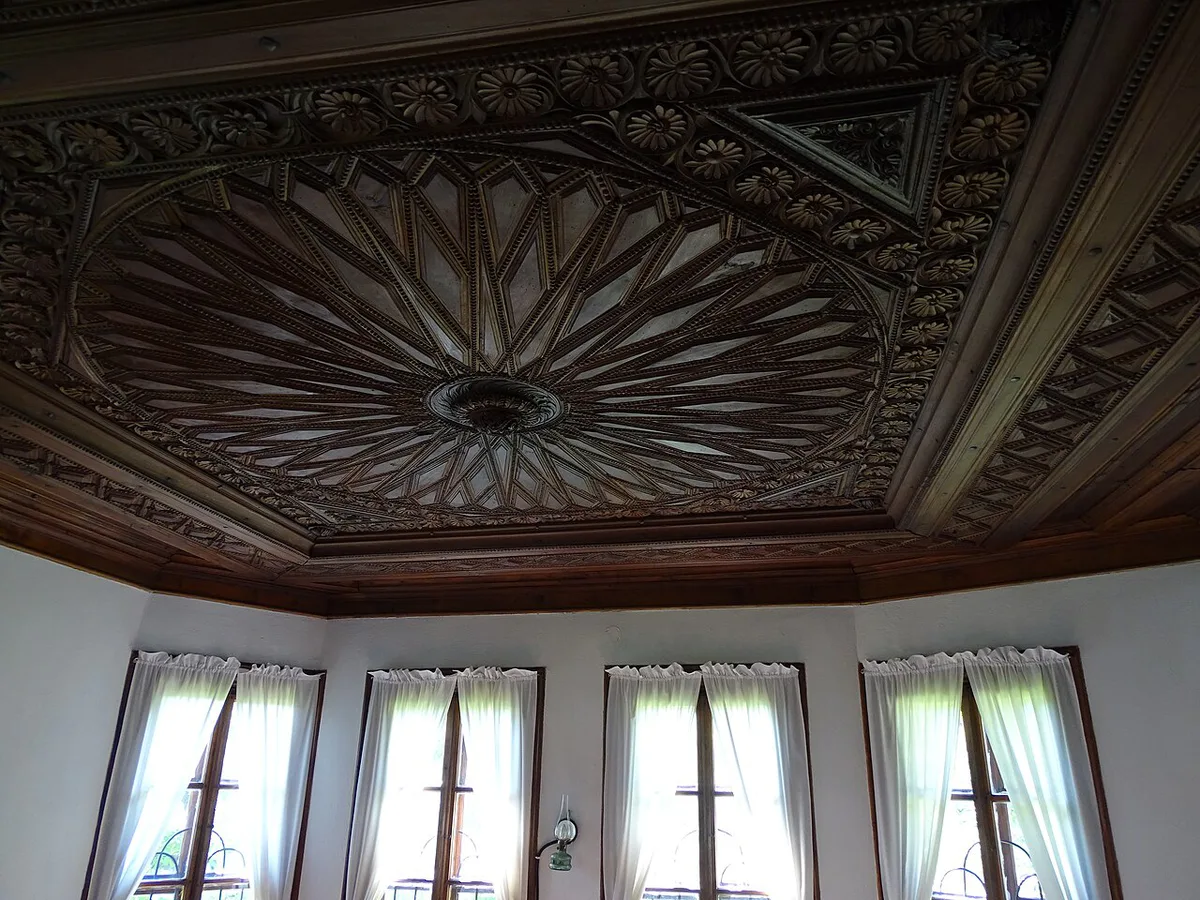
- Daskalov House: built in 1808, home to the wood-carved suns made by rival masters Ivan Bochukovetsa and Dimitar Oshanetsa.
- The Old School: one of Bulgaria's first secular schools, with a reconstructed 1893 classroom on the main square.
- Church of Archangel Michael: dates to the late 12th century, with a wood-carved iconostasis inside.
Specialized Museums Beyond the Big Five
These five house-museums round out the same museums list covered above, each holding a distinct collection from Tryavna's Revival-era craft schools. Visit Bulgaria's tourism portal describes the Museum of Asian and African Art as the only one of its kind on the Balkan Peninsula. Sculptor Zlatko Paunov donated the collection's more than 380 pieces. Confirm its current status locally, since claims like this can shift over time.
An overnight stay reveals two specialist museums, but the reserve holds more than five distinct collections spanning icons, decorative arts, and notable figures from the Revival period.
- Museum of Icon Painting: more than 160 original icons from the Tryavna Icon-Painting School, in a former chapel above town.
- Museum of Asian and African Art: pieces from Tibet, Nepal, India, and African countries, donated by sculptor Zlatko Paunov.
- Angel Kanchev House: birthplace of the revolutionary and Vasil Levski associate, with period weapons and photographs on display.
- Slaveykov House: home of poet Petko Slaveykov and his son, poet Pencho Slaveykov, with an exhibition on their work.
- Raykov House: birthplace of Pencho Raykov, the first Bulgarian professor of chemistry, blending Bulgarian and Western European interior styles.
- Kazakov Art Gallery / Kalinchev House: gallery collection donated by Totio Gybenski, shown alongside paintings by artist Dimitar Kazakov.
Practical Guide: Tickets, Route Planning, and the Cobblestones
Tryavna's museums sell individual admission at each house. Check whether a combined 'Tryavna Museums' ticket is available when planning a visit, since bundling several houses is typically cheaper than paying separate admission at each door. Paying at each house individually adds up quickly across five or six stops, which is why confirming a combined option first is worth the extra step. Seeing all roughly 140 listed monuments in one day is not realistic. Tryavna's tourism site offers a 360-degree virtual map. Browsing it before arrival helps identify which wood-carved ceilings or house interiors matter most. A prioritized route then covers just the handful of stops that matter to each traveler. Guides at Tryavna's museums work in Russian, English, German, and French, useful for group bookings arranged ahead of time. Confirm current opening hours before visiting, since the tourist information center posts its own seasonal schedule locally. Drivers arriving by car can also check charging options in advance. Some Tryavna-area guesthouses list 22 kW GigaCharger EV charging alongside their booking details. Kachaun's Revival-era lanes are surfaced in cobblestones, so flat, closed-toe shoes work better than sandals or heels on the steeper back streets.
- Tourist Information Center: 33 Angel Kanchev Street, Tryavna
- April-September hours: Monday-Saturday, 9:00 am-12:30 pm and 1:30-6:00 pm
- October-March hours: Monday-Saturday, 8:00 am-12:30 pm and 1:30-5:00 pm
Where to Stay and Eat in the Old Town
Guest houses inside the reserve range from single rooms to full restored Revival-era houses for short stays. Booking one inside the reserve itself, rather than on the outskirts, keeps the Clock Tower and Stone Bridge within a short walk after dinner. Guesthouses near the former Children's Royal Sanatorium district, built in 1938 with funding from Queen Joanna for children's lung treatment, sometimes point to the area's higher elevation and cleaner mountain air as a selling point. Traditional mehana taverns cluster around the main square and serve old-recipe regional dishes typical of the wider Gabrovo area.
Beyond the Old Town: Day Trips and Hiking
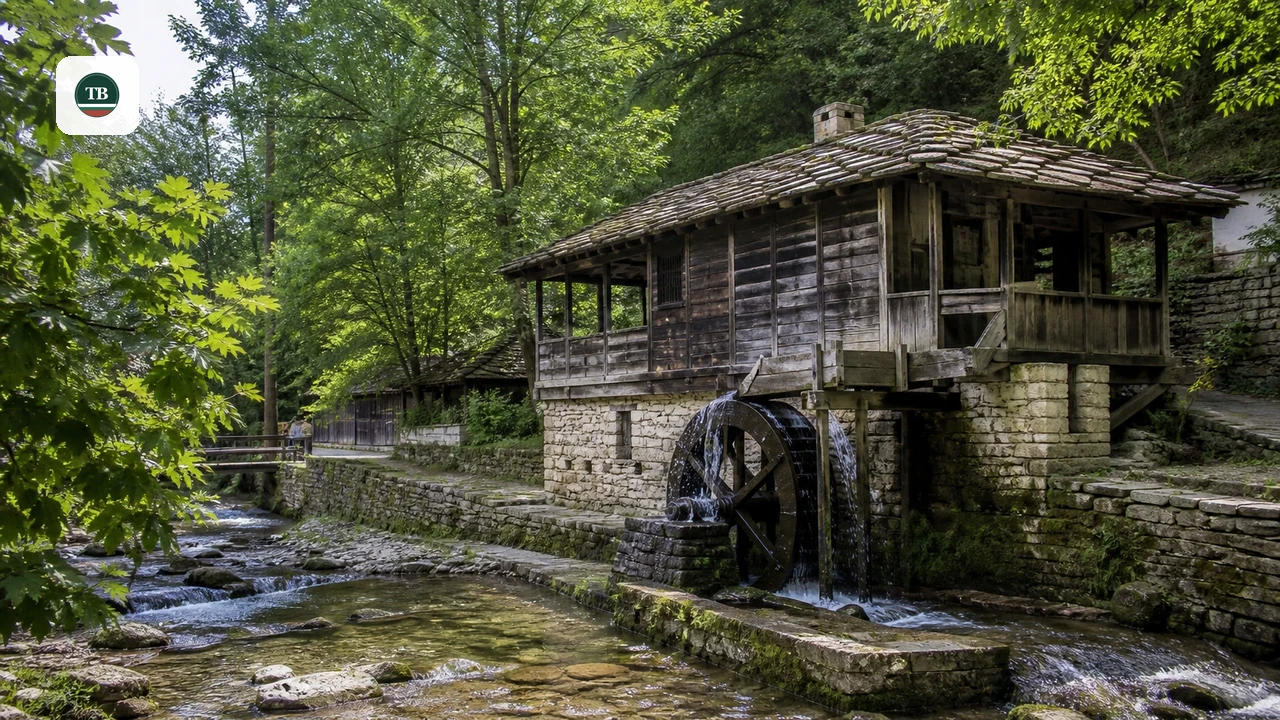
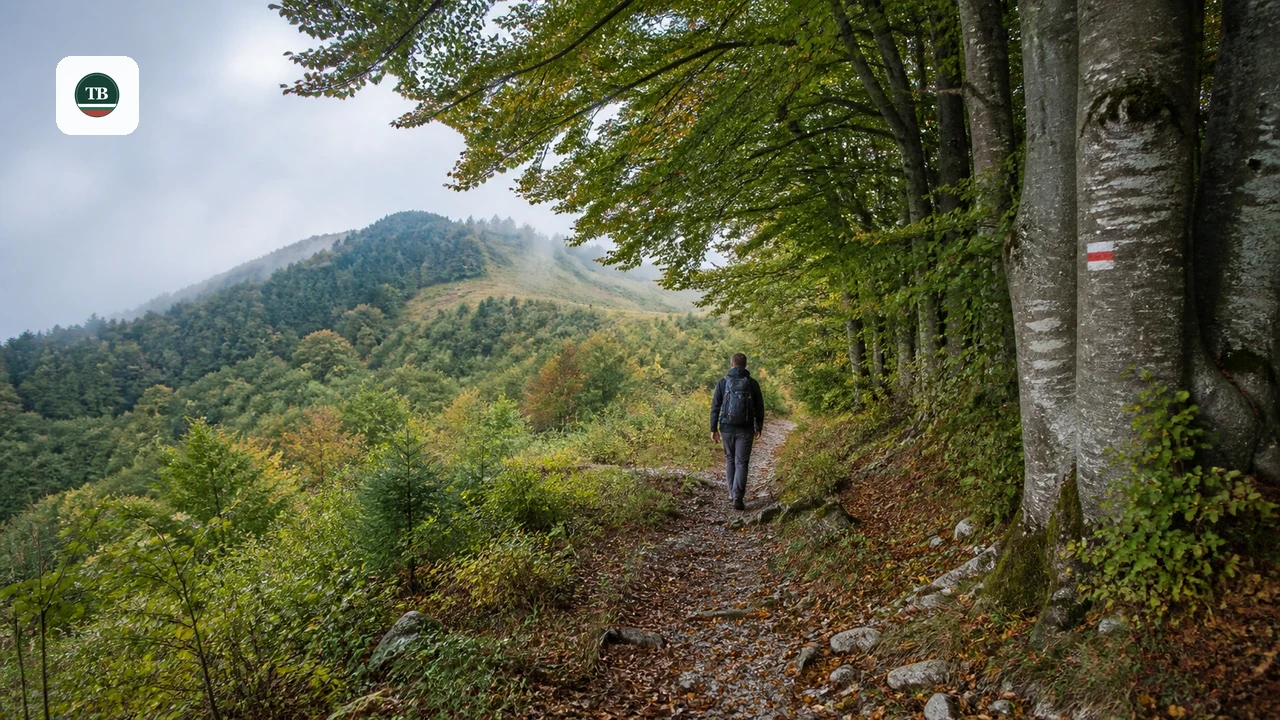
Voneshta Voda, a resort known for healing mineral springs, sits about 12 miles from Tryavna. Transport notes for the trip appear in the The Best Day Trips from Tryavna, Bulgaria (2026 Guide) guide. Veliko Tarnovo's Tsarevets and Trapezitsa fortresses make a natural pairing with an old-town morning, about 25 miles away. Two marked trails climb into the Stara Planina from town, reaching Golyam Krastets at about 6,670 feet and Barzovets at about 2,940 feet, each topped by a small chapel. Trailhead access details appear in the hiking trails near Tryavna guide. For the wider Balkan range context, see the 10 Best Bulgaria Hiking Trails to Try in 2026. Bulgarka Nature Park, which spans parts of the Tryavna and Gabrovo municipalities, adds further marked trails to the south. Local nature listings group these routes together with shorter eco-paths closer to town, better suited to a half-day walk than a full mountain hike. For more on the region's Revival-era craft heritage, the Etar Architectural-Ethnographic Complex near Gabrovo recreates working craft workshops in an open-air museum setting.
Mistakes to Avoid in Tryavna
Sticking to the main square alone means missing most of the reserve's roughly 140 monuments. Kachaun's back streets hold the bulk of the Revival-era facades that give Tryavna its lived-in character, not just its landmarks. Skipping the virtual map ahead of the trip also costs time on the ground, since several of the wood-carved ceilings sit behind unmarked courtyard doors easy to walk past. Bulgarian regional museums frequently close one weekday, often Monday or Tuesday. Confirm each house's current schedule before building a route, since a locked door can derail a tight visit. Tryavna has belonged to the Douzelage town-twinning network since 2011, linking it with 27 towns across the European Union. It has also been twinned with Brienz, Switzerland, since 1994. These ties point to a town still active beyond its Revival-era reputation, not simply preserved for visitors.
Frequently Asked Questions
How much time should you plan for Tryavna's old town?
Budget about three hours for the main square, Clock Tower, and Founders' Bridge on a fast visit. A full day allows time for the Museum of Asian and African Art, the Raykov House, and a walk through the Kachaun back streets.
Is Tryavna better as a day trip from Veliko Tarnovo or an overnight stay?
Veliko Tarnovo sits about 25 miles away, close enough for a half-day round trip. An overnight stay adds the old town's quieter evening streets and time for the specialist museums a rushed day trip usually skips.
What footwear works best for walking Tryavna's old town?
Closed-toe, flat shoes handle the cobblestones in the Kachaun neighborhood better than sandals or heels. Stone surfaces get uneven on the steeper back lanes near the church and the old craft street.
Do Tryavna's museums sell a combined ticket?
Combined 'Tryavna Museums' tickets are not guaranteed year-round, so confirm availability locally when planning. When offered, a bundled ticket is typically cheaper than paying separate admission at each house.
Is the Museum of Asian and African Art really the only one of its kind in the Balkans?
Visit Bulgaria's tourism portal describes it that way, with more than 380 pieces donated by sculptor Zlatko Paunov. Confirm its current status locally, since collections and claims like this can shift over time.
When do Tryavna's museums close for the week?
Many Bulgarian regional museums close one weekday, often Monday or Tuesday. Confirm each house's current hours before visiting, since posted schedules change seasonally.
Does Tryavna have its own train station?
Tryavna has its own railway station in addition to its road network. Veliko Tarnovo, about 25 miles away, still functions as the more common regional hub for onward connections.