Hisarya Mineral Springs Spa Guide: Drinking Fountains to Roman Baths
Last updated August 2026, this Hisarya mineral springs spa guide covers everything from free drinking fountains to paid soaking pools. Hisarya sits in central Bulgaria's Thracian Valley, about 35km from Plovdiv and 110km from Sofia. Its Roman-era identity as Diocletianopolis still shapes the town, from the fountains in its central spa park to the pools at Terme di Hissar.
Hisarya Mineral Springs and Spa Guide: Drinking vs Soaking
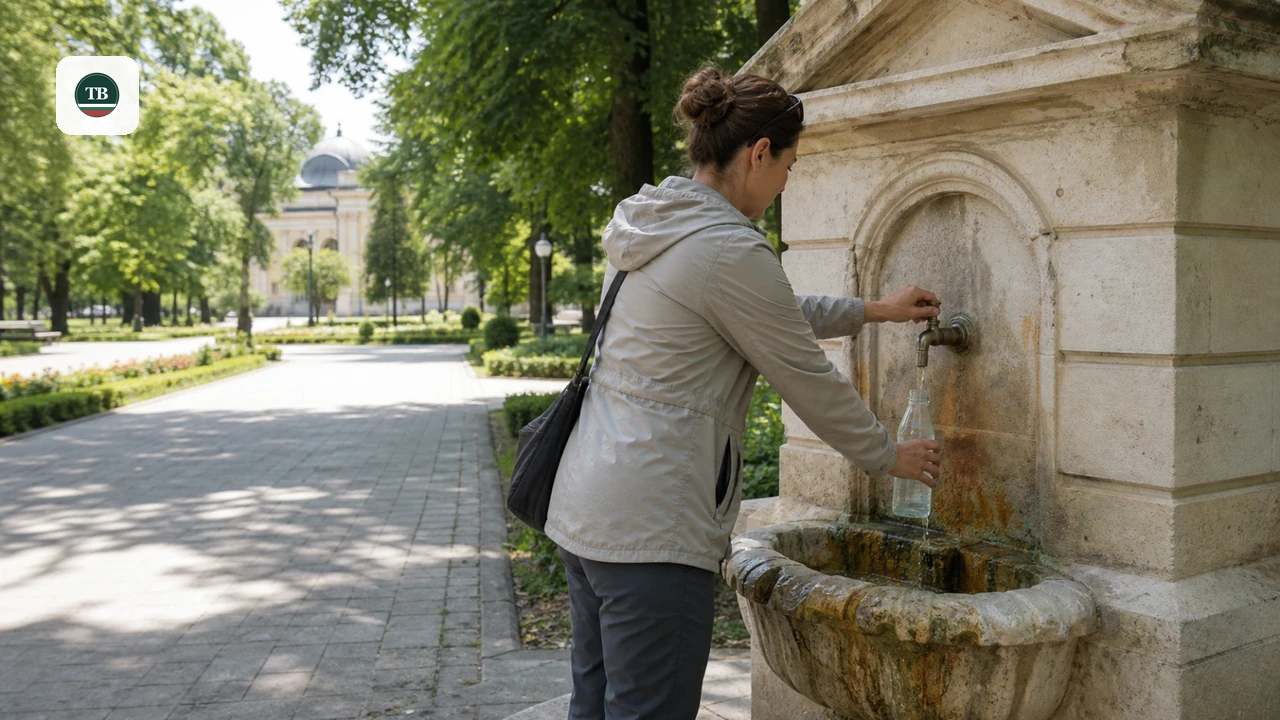
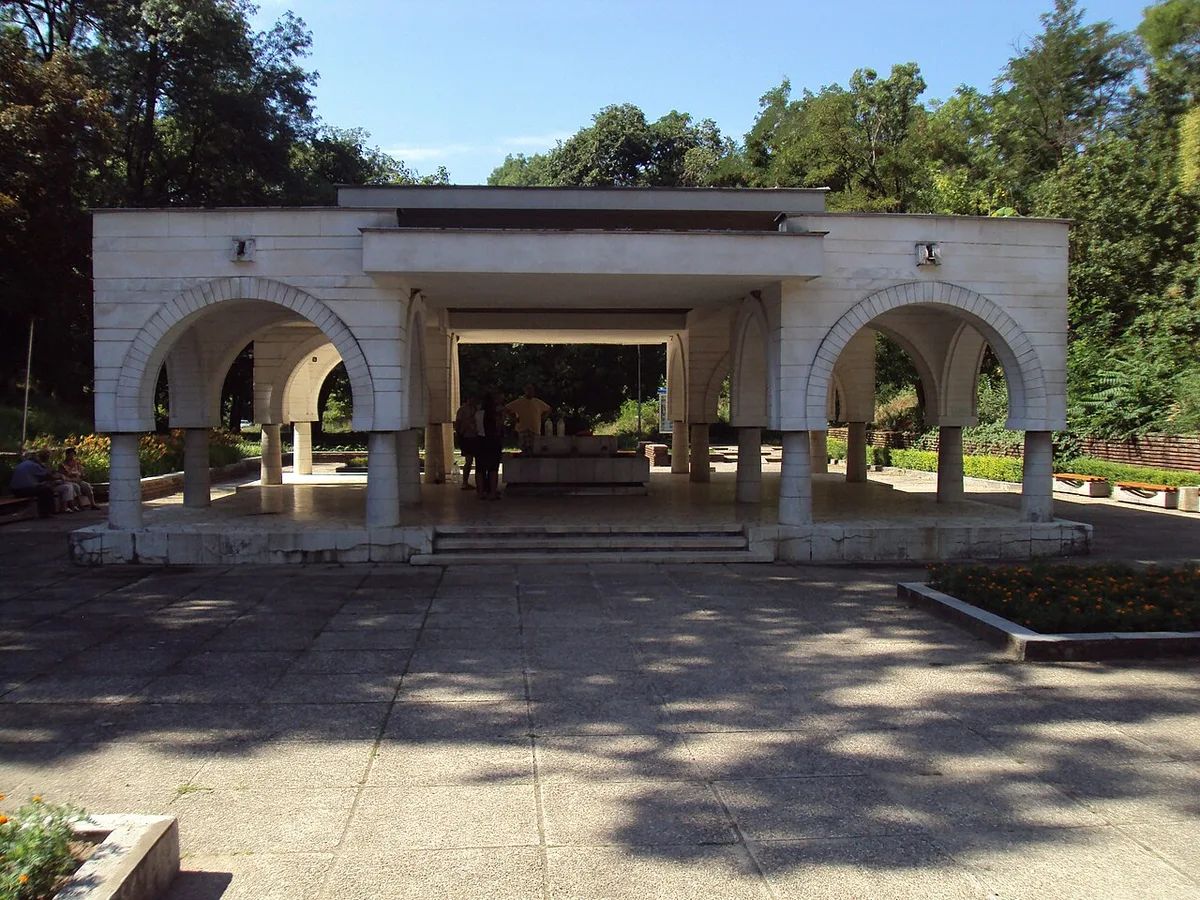
Hisarya draws on 22 mineral springs, and locals split the experience into two categories: drinking and soaking. The official Bulgaria tourism portal lists the town among the country's leading balneology resorts. Several springs feed free public drinking fountains in Hisar Park, the town's central spa park also known as Momina Banya. Locals fill bottles there daily, and the water runs free at any hour. Fountains sit close together around the park, so comparing a few before choosing one to refill is easy. Paid facilities work differently: complexes such as Terme di Hissar charge a day-entry fee for heated pools, saunas, and a salt room. Travelers sometimes describe the springs as an outdoor pharmacy, since individual fountains carry traditional associations with eyes, digestion, or skin. Both experiences pair well in a single day, starting with a fountain stop before moving to a paid pool session. The full Hisarya activity guide covers everything else worth doing in town.
| Feature | Public Mineral Fountains | Private Spa Complexes |
|---|---|---|
| Best for | Budget travelers, digestive-health sipping | Families and couples wanting a full day of soaking |
| Cost | Free | Around 15–30 BGN for a day pass |
| Experience | Filling bottles at fountains like Momina Banya | Multiple pools (28–36°C), saunas, and a salt room |
| Access | Outdoor, year-round | Seasonal outdoor pools; some indoor pools run year-round |
From Diocletianopolis to Modern Hisarya: A Quick History
Emperor Diocletian declared the area a city in 293, naming it Diocletianopolis after himself. Builders followed the Hippodamian plan used across the Roman world: streets crossing at right angles, with separate systems for cold drinking water and for the warm mineral water feeding the baths. By the 5th and 6th centuries, Diocletianopolis had grown beyond its walls. A 6th-century travel guide by the writer Hierocles ranked it the third-largest city in the Roman province of Thrace, behind only Philippopolis, modern Plovdiv, and Beroe, modern Stara Zagora. Early Christianity took hold quickly around the springs, and excavations have identified 10 early Christian basilicas built over former pagan temples in the area. New construction after Bulgaria's 1878 liberation reused stone from the ancient walls, until a local archaeological society formed in 1933 to protect the site. Official status followed later: the settlement became a resort of national importance in 1957, and took its current name, Hisarya, in 1964.
Terme di Hissar: Pools, Prices and the Relax Zone
Terme di Hissar is Hisarya's largest paid mineral complex, built on a 14-decare site about 700 metres from the town centre. Five pools draw from the Bancheto-Miromir mineral spring, each set at a different temperature. A Relax Zone adds a sauna, steam bath, and salt room to the indoor pool circuit. Cabanas, a restaurant, and three bars, including a poolside bar, round out the on-site amenities. Published 2024 rates set a day pass at around 25 BGN for adults and about 15 BGN for children between 1.20 and 1.40 metres tall. Confirm current prices directly with the complex before a visit, since seasonal rates can shift. Outdoor pools operate seasonally, while the indoor pool and Relax Zone run throughout the year. No advance booking is required for day access, so plans can stay flexible around weather or a fortress walk. Sun loungers and umbrellas are free around the outdoor pools, but they go first-come, first-served, so arrive early on summer weekends and public holidays. Families with young children, couples seeking the sauna-and-steam circuit, and day-trippers working around a single Plovdiv afternoon all find something at the complex. Wheelchair access has not been publicly confirmed; contact the complex ahead of a visit to check current step-free routes.
The indoor pool operates at 36°C year-round, yet sessions suit 20 to 30 minutes rather than extended afternoon soaks; build multiple shorter visits into each day.
- Indoor relaxation pool: 36°C, open year-round
- Outdoor children's pools: 34°C, seasonal, with an animation program
- Outdoor relaxation pool: 30°C, seasonal
- Semi-Olympic outdoor sports pool: 28°C, seasonal
Roman Fortress Walls and the Southern Gate
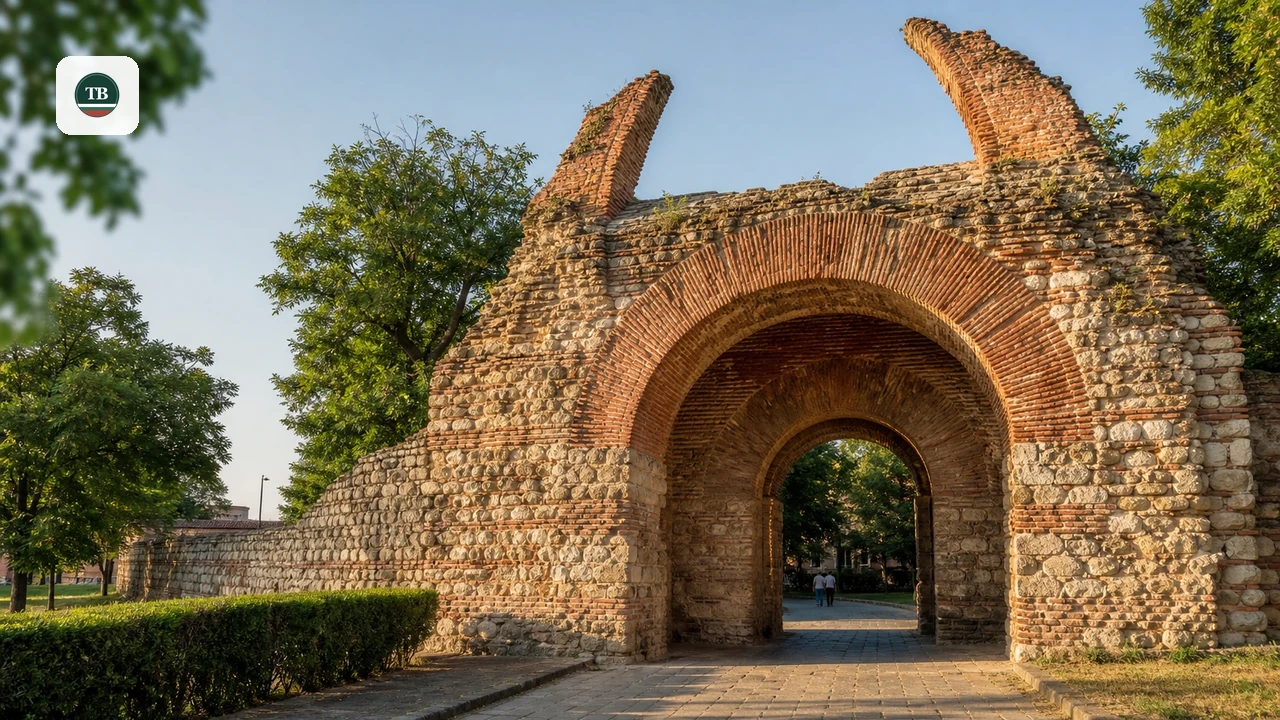
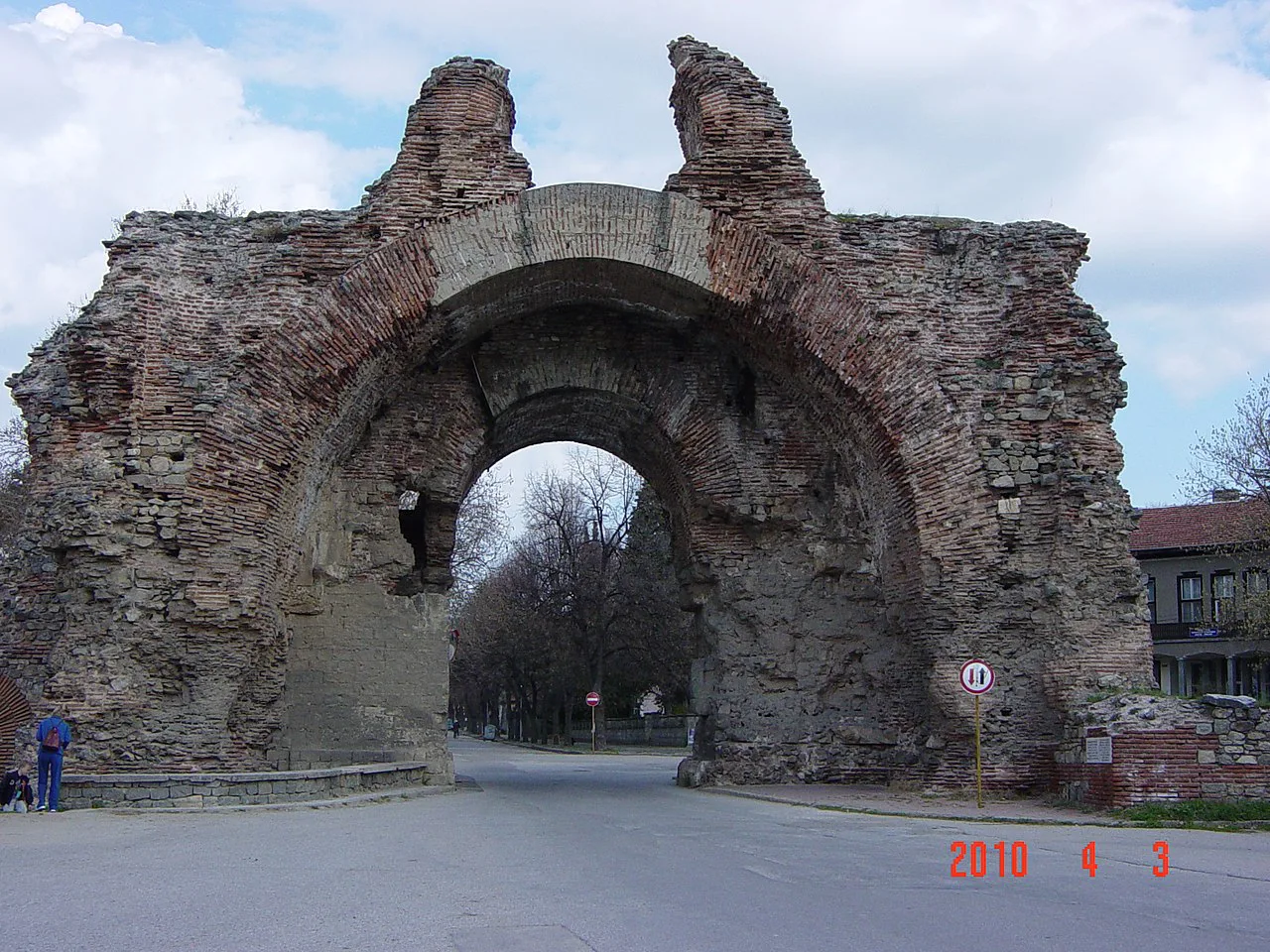
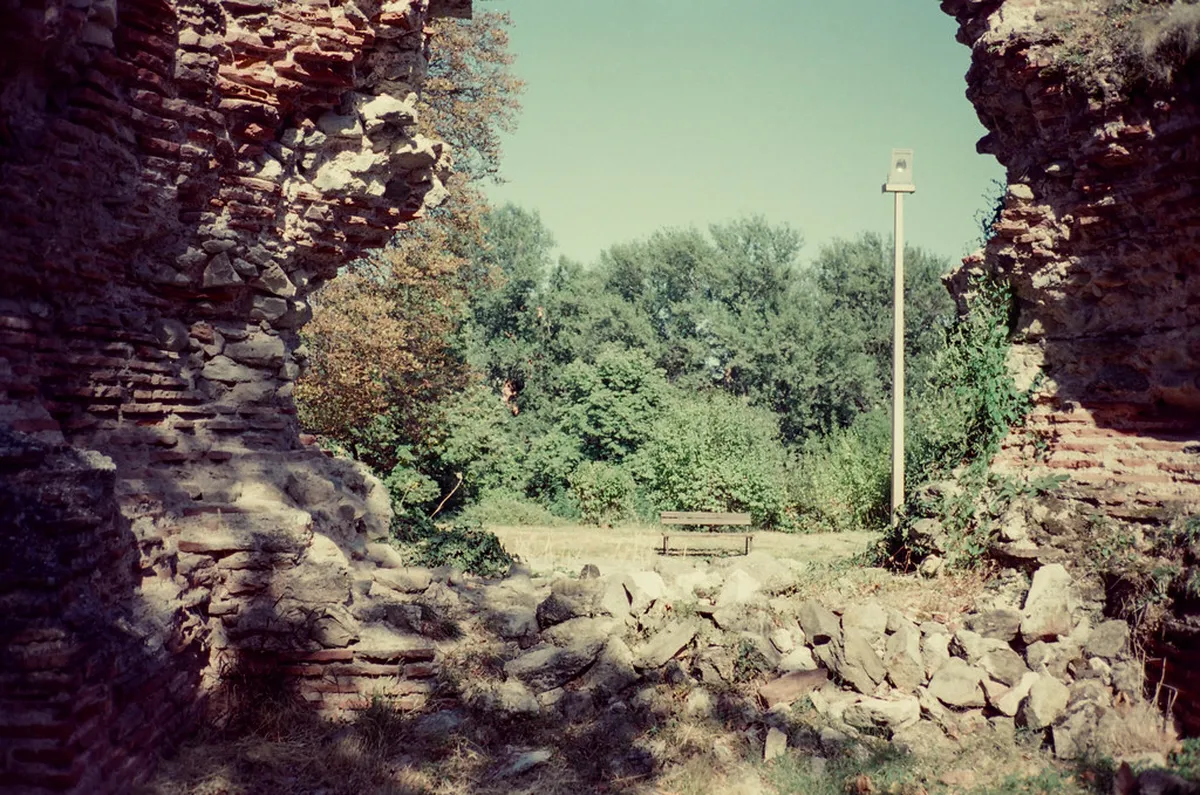
Hisarya's Roman fortress walls stretch 2,327 metres, roughly 2.3km, around the old town. Overall, the walls enclosed roughly 30 hectares of the ancient settlement. That circuit ranks among the best-preserved fortifications from the 3rd and 4th centuries anywhere in Bulgaria. Forty-four battle towers once studded the wall, mostly rectangular, though the southeast tower is fan-shaped and the northeast tower is octagonal. Each tower originally rose three storeys, giving defenders overlapping sightlines along the circuit. The Southern Gate is the standout stop on any walk through town. Locals call it The Camels, and its layered battlements echo gate designs used in Constantinople and Split. Its stonework catches strong color at sunset, a popular time for photos. A 2023 conservation project restored the gate's stonework using materials matched to the original Roman construction technique. For deeper history on the walls, read the Roman fortress walls guide. Travelers comparing fortifications nationwide can also check Bulgaria's castles and fortresses guide.
Roman Baths, Tombs and St. Paraskeva Church
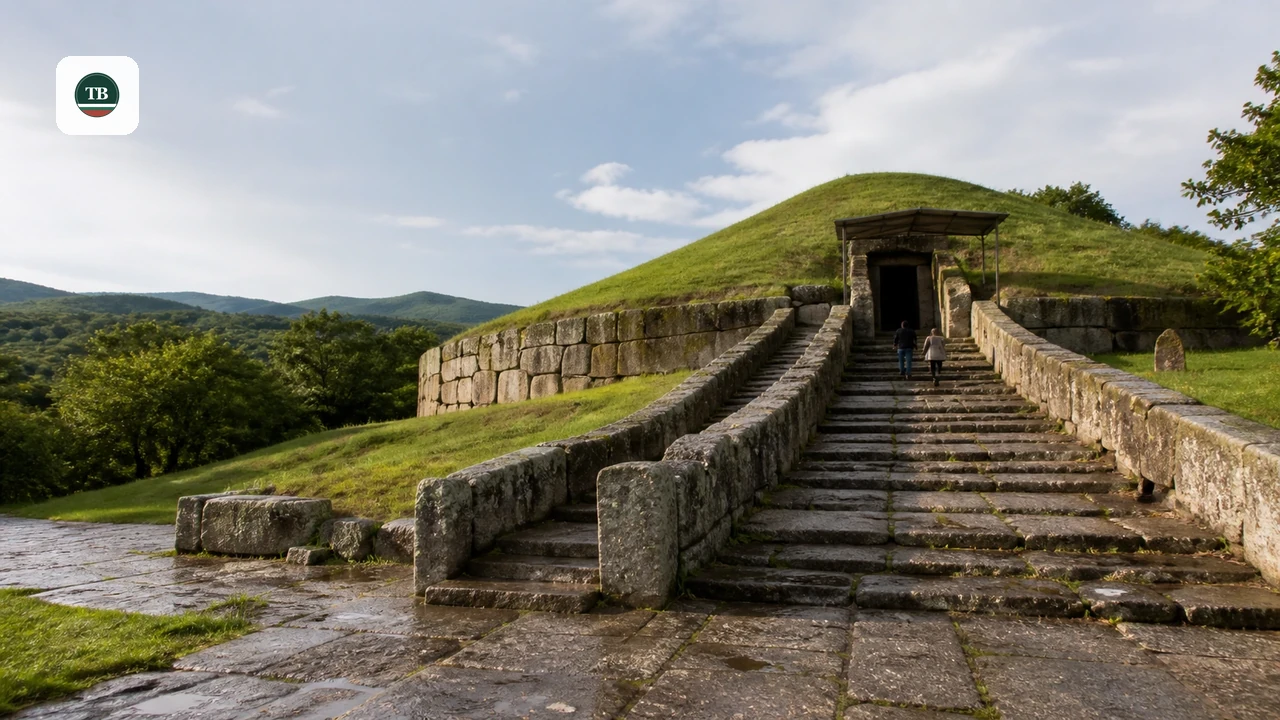
Diocletianopolis's Roman thermae are the only ancient baths in Bulgaria where the original aqueducts and drainage channels remain visible in place. Construction began in the middle of the 2nd century and expanded through the 4th century into an eastern and western complex. Inside the archaeological reserve, visitors can also see Roman administrative buildings, a basilica, and a Thracian tomb. Excavated rooms include two caldariums with pools, two tepidariums, and sections of the original water and sewage system. By the 4th century, the bath complex covered about 0.3 hectares after eastern and western expansions. Excavators also found a carved marble lion's head fountain fixture, likely mounted where an aqueduct fed water into one of the pools. Archaeologists have also uncovered votive plaques dedicated to the springs' nymphs, along with bronze coins that help date the site. Hisarya Archaeological Museum, in the town centre, displays these finds and gives context the ruins alone do not. St. Paraskeva Church, built in the 19th century, holds a set of preserved frescoes worth the short detour.
Getting to Hisarya: From Plovdiv, Sofia and Beyond
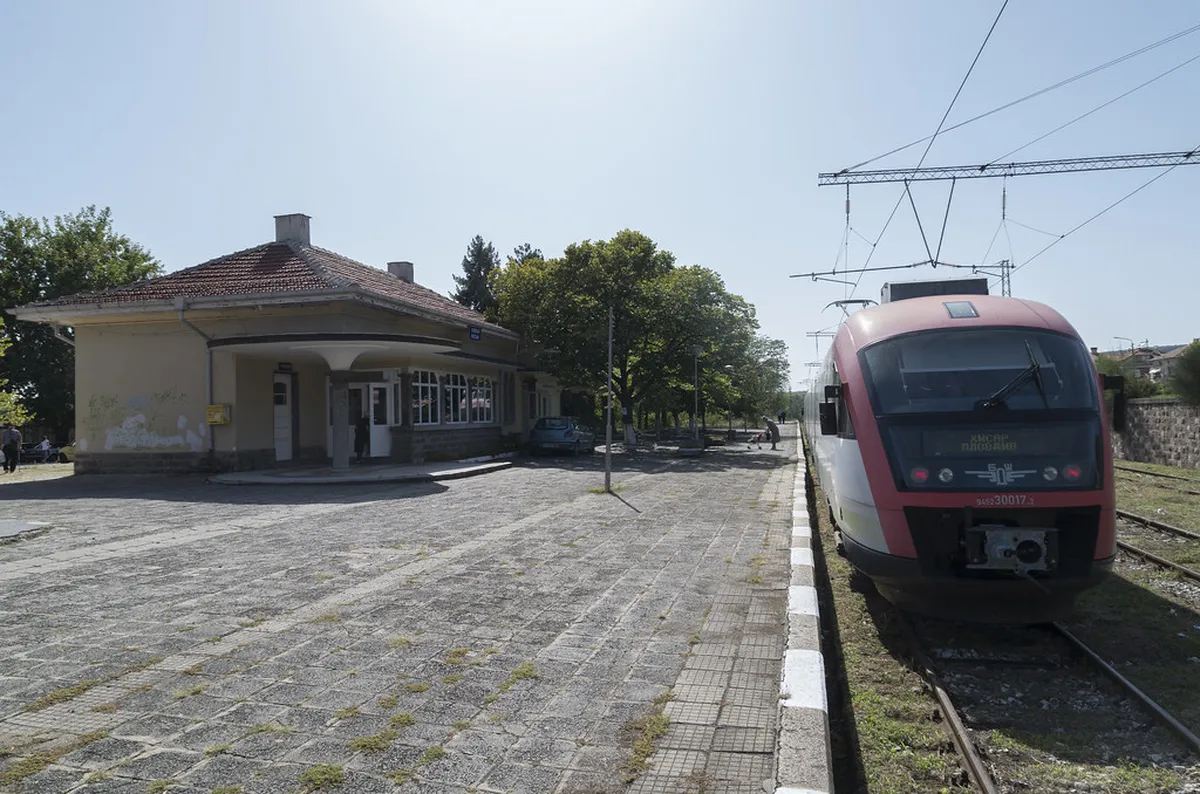
Getting to Hisarya from Plovdiv takes about 40 minutes by car, covering roughly 35km on the main road northwest. Regular buses also run from Plovdiv's central bus station, taking roughly 45 to 60 minutes. Regional trains connect Plovdiv and Hisarya too; check current timetables, since service frequency changes. From Sofia, drive southeast on the Trakia motorway and exit toward Hisarya; expect about 110km and 1.5 to 2 hours. Plovdiv International Airport sits roughly 60km away, making it the closer gateway for fly-in visitors. Plovdiv itself is worth pairing with the trip, since its old town and Roman theatre sit under an hour away. Drivers with a half-day to spare can extend the trip to the Starosel Thracian temple complex, about 20km west. Bus schedules do not comfortably allow that side trip, so a rental car helps here. The surrounding Thracian Valley also produces some of Bulgaria's most recognized wines, and wineries near Starosel offer tastings alongside the temple visit. See nearby day-trip options for Starosel and beyond. See our top Bulgaria destinations list to compare Hisarya with other bases.
When to Go and Where to Stay
Outdoor pools at Terme di Hissar typically run from May through September or October, depending on the year. Indoor pool access continues year-round at 36°C, which keeps Hisarya workable as a winter wellness stop. Modern pools all draw on the same mineral water that supplied the Roman baths centuries ago. Accommodation ranges from 20 one- and two-bedroom villas at the main complex to Antique Residence apartments about 2km away, linked by a free guest shuttle. Antique Residence guests use a discounted pool tariff; confirm the current rate when booking. A campground with 39 pitches sits on-site for travelers arriving by van or tent. Camping guests share the same restaurant, pool bar, and parking as day visitors and villa guests. Summer festival weeks bring the biggest crowds, so weekday mornings offer a quieter pool session. Hisarya's mountain backdrop, the Sredna Gora range, also draws hikers who base themselves in town. Hikers based in Hisarya can also explore Sredna Gora hiking routes nearby.
Local Tips and Spa Etiquette
Bring empty bottles if a fountain stop is on the plan, since locals fill up daily and the water is free at any hour. Signage near some fountains lists traditional uses for eyes, digestion, or skin. Read the posted plaques rather than guessing which spring suits a particular complaint. Bottled water is also sold locally, if refilling at a fountain is not convenient during a fortress walk. Swimsuits are required at every pool complex in town, and grip sandals help on wet pool surrounds and Relax Zone floors. Hisarya's pedestrianized core and parks also make it manageable for travelers with pets or strollers, since most attractions sit within walking distance of each other.
- Sauna sessions: 10 to 15 minutes, then cool down fully between rounds
- Salt room: 20 to 30 minutes for the air therapy to register
- Grip sandals: useful on wet pool surrounds and changing areas
- Swimsuits: required at every pool complex in town
Mistakes to Avoid in Hisarya
A few planning mistakes come up often in Hisarya.
Outdoor pools close roughly October and May, which is a common planning mistake; Hisarya remains viable year-round thanks to the heated indoor pool operating at 36°C for off-season spa sessions.
- Assuming every pool is open in winter: most outdoor pools close for the season between roughly October and May.
- Skipping the Hisarya Archaeological Museum, which supplies context that makes the fortress walls and thermae easier to read.
- Overstaying in the hottest water: the indoor 36°C pool suits sessions of about 20 to 30 minutes, not an entire afternoon.
- Arriving without a cash or card buffer for the day-pass fee, since pricing can shift between seasons.
- Forgetting a towel or flip-flops: rental options exist at some complexes, but availability is not guaranteed.
How Long to Spend in Hisarya
Hisarya works well as a day trip, but the right length depends on whether the priority is history or spa time. From Plovdiv, one full day is enough for a walk around the fortress walls, the Southern Gate, Hisar Park fountains, and the Archaeological Museum. Reserve a separate two- to three-hour block for Terme di Hissar or another pool complex.
Stay two nights if you want a slower wellness break. This gives you time to use the indoor Relax Zone, revisit the Roman thermae without rushing, and enjoy the parks between sessions. A longer stay also makes sense for drivers who want to combine Hisarya with Starosel.
- One day: fountains, Roman walls, museum, and one pool session.
- Two days: add the Roman baths, church, and an unhurried spa day.
- Three days: include the Starosel Thracian temple complex and a local wine tasting.
Choose weekday mornings for a quieter pool experience, especially during the outdoor season.
For trip-planning details, see Wikipedia - Hisarya.
Frequently Asked Questions
Is the mineral water in Hisarya safe to drink?
Yes, public fountains around Hisar Park serve drinkable mineral water at no charge. Locals fill bottles there daily for home use, and the water flows year-round.
How much does a day pass to Terme di Hissar cost?
Published 2024 rates list a day pass at around 25 BGN for adults. Children between 1.20 and 1.40 metres pay about 15 BGN. Confirm current pricing directly with the complex before a visit.
Is Hisarya worth a day trip from Plovdiv?
Yes, for most travelers. Plovdiv sits about 35km away, roughly a 40-minute drive or a 45-to-60-minute bus ride. A single day covers the fortress walls, one pool session, and the archaeological museum.
How many mineral springs does Hisarya have?
Hisarya counts 22 mineral springs across the town. Some feed free public fountains, while others supply paid pool complexes such as Terme di Hissar.
What is the Southern Gate, also called The Camels?
It is the most recognizable gate in Hisarya's Roman fortress wall, restored under a 2023 conservation project. Locals nicknamed it The Camels, and it remains a favorite photo spot in town.
Can you visit Hisarya in winter?
Yes. The indoor pool at Terme di Hissar runs year-round at 36°C, and the fortress walls and museum stay open. Most outdoor pools close for the season between roughly October and May.
What should first-time visitors pack for the springs?
Pack a swimsuit and grip sandals or flip-flops, plus an empty bottle for the fountains. A towel is worth bringing too, since rental towels are not guaranteed at every complex.