Best Time to Visit Sofia in 2026
The best time to visit Sofia is May, June, September, or early October if you want comfortable sightseeing weather, active cultural calendars, and easier access to Vitosha Mountain without the hottest summer afternoons or coldest winter days. July and August suit travelers who enjoy long evenings and lively parks. December through March works best for museums, festive city breaks, and snow activities on Vitosha.
For a visual introduction to what Sofia offers, this guide covers 22 of the city's best attractions:
Sofia is a year-round capital rather than a seasonal resort, so the right month depends on what you want to do. This guide compares each season by weather, crowd level, cost, daylight, and mountain access. Pair it with our Sofia activity guide and three-day Sofia itinerary once you have chosen your dates.
Sofia Seasons at a Glance
| Period | Best for | What to expect |
|---|---|---|
| April–June | Walking, parks, day trips | Changeable spring weather followed by warm, green days |
| July–August | Outdoor evenings, festivals | Hot afternoons, long daylight, quieter business districts |
| September–October | First visits, food, hiking | Mild days, clearer views, autumn color |
| November–March | Museums, festive breaks, snow | Cold weather, occasional snow, shorter daylight |
Late Spring: Best All-Round Conditions
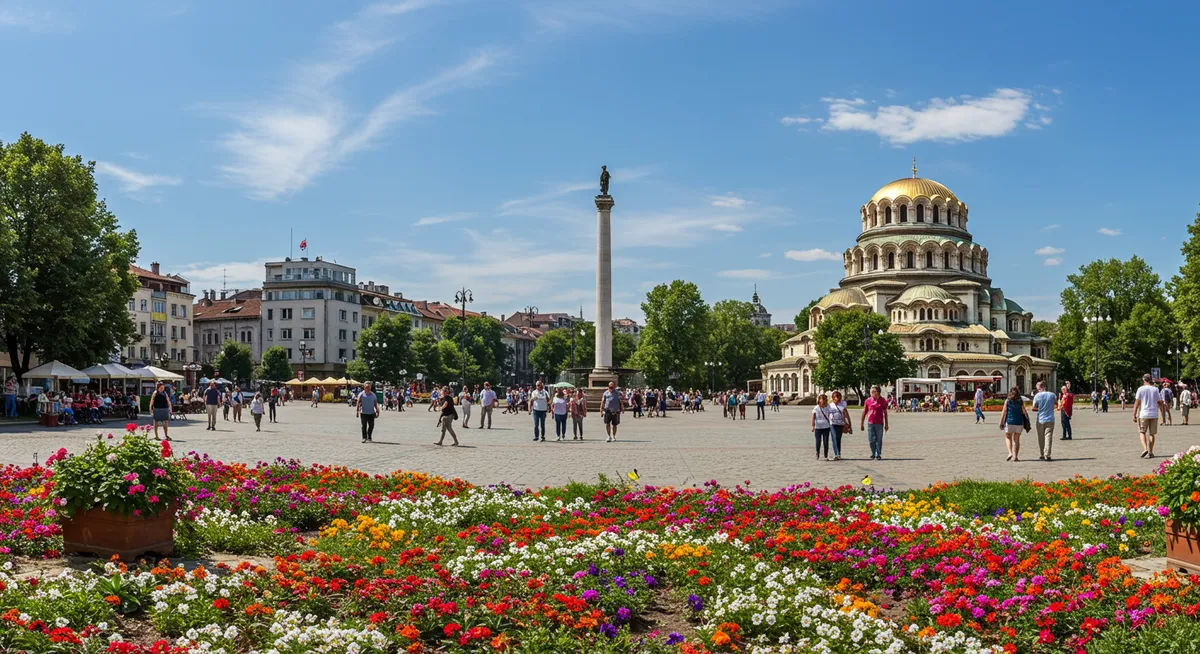
Late April through June is the easiest period for a first visit. The center is comfortable to explore on foot, Borisova Gradina is green, and outdoor seating returns along Vitosha Boulevard and the smaller streets around Shishman. Rain showers are possible, so a light waterproof layer is more useful than a heavy coat.
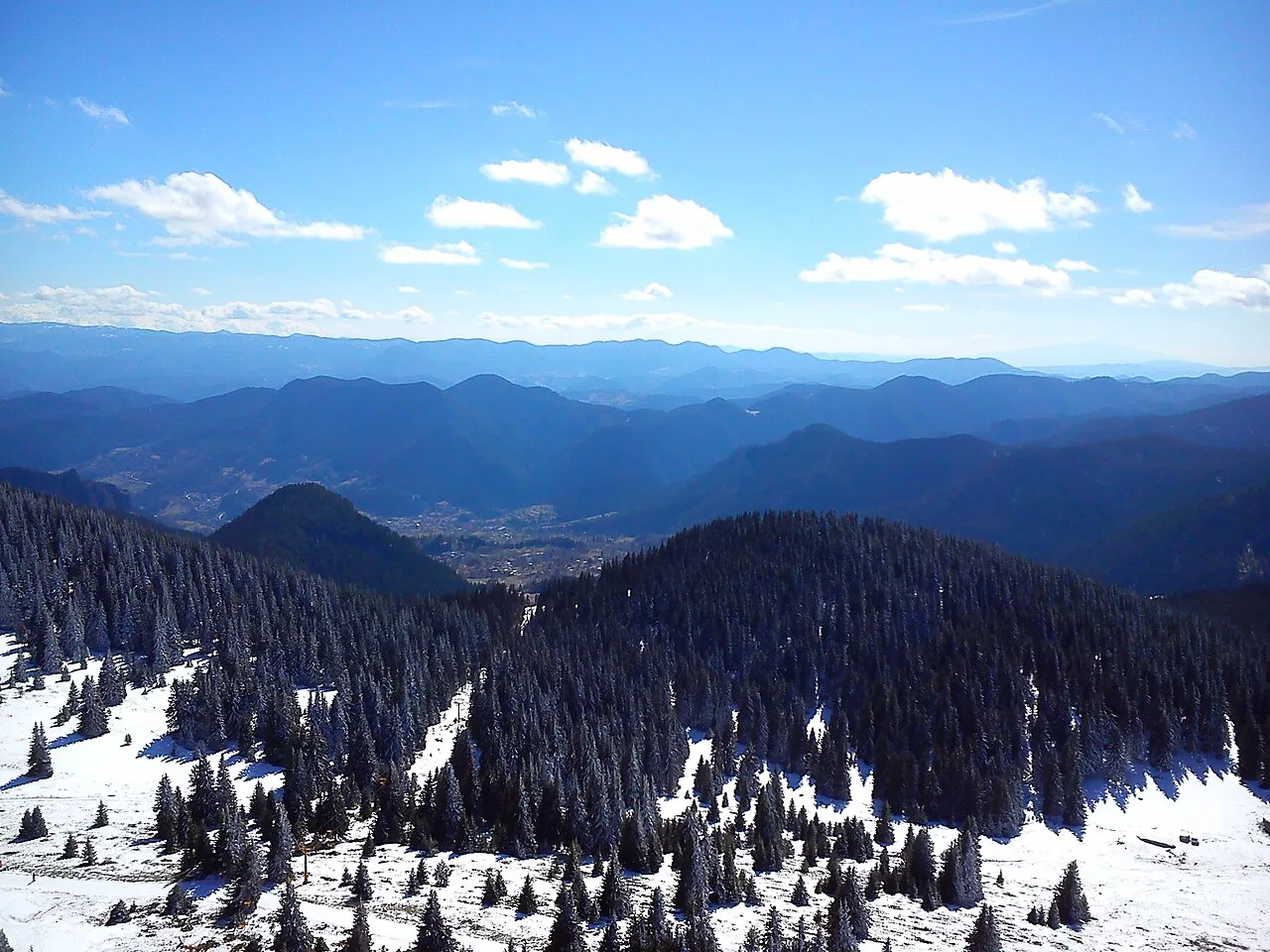
May and June also work well for combining the city with a day on Vitosha Mountain. Lower trails are usually accessible before the highest routes are fully in summer condition. Check the forecast and lift information close to departure because mountain conditions can differ sharply from the center.
Summer: Long Evenings and a Livelier Outdoor City
July and August bring the longest sightseeing days, busy terraces, open-air performances, and warm evenings. Plan churches, museums, and indoor attractions for the middle of the day, then return outside in late afternoon. Carry water and choose accommodation with air conditioning if heat affects your sleep.
Summer is not automatically the busiest period in every Sofia neighborhood. Some residents leave for the Black Sea coast, while international visitors concentrate around the cathedral, Serdika, and Vitosha Boulevard. That creates a useful rhythm: reserve headline experiences, but expect many ordinary restaurants and transit routes to remain manageable.
Event schedules change throughout the year. Use the official Visit Sofia calendar and the Sofia Municipality events page to confirm dates rather than planning around an old annual listing.
Autumn: The Best Balance for Most Travelers
September and the first half of October offer perhaps the strongest balance of mild temperatures, normal city life, good restaurant availability, and comfortable day trips. The light is softer for photography, the parks begin changing color, and Vitosha can be excellent for hiking before winter conditions arrive.
Late October becomes less predictable. Pack layers that work for a sunny afternoon and a cold evening, and keep one indoor alternative ready. The Sofia museum guide for first-time visitors makes a useful weather-proof plan, while cafés and mineral-water landmarks keep a short day interesting.
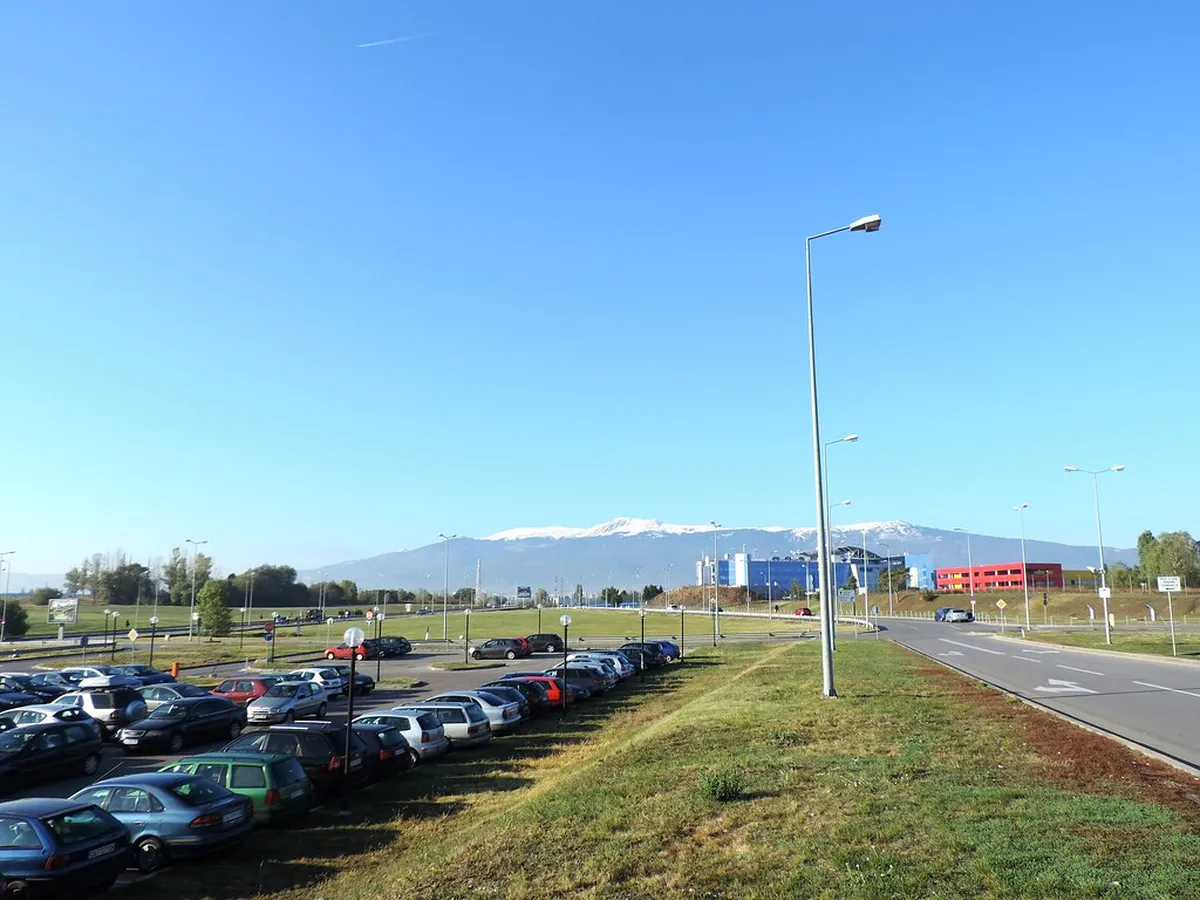
Winter: Culture, Christmas Atmosphere, and Vitosha Snow
November through March is the low-temperature season. December adds lights, seasonal markets, concerts, and a festive atmosphere, while January and February are better for travelers prioritizing snow. Pavements can be icy after freezes, so shoes with grip matter more than formal footwear.
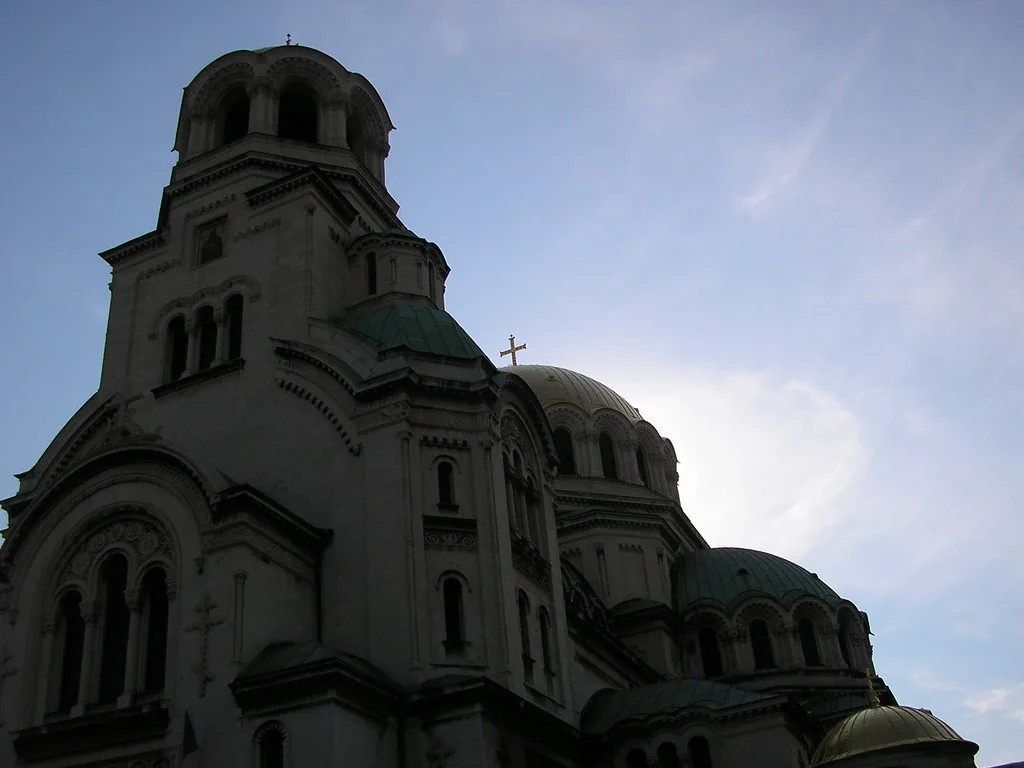
Build winter days around compact geographic groups: Alexander Nevsky Cathedral and the National Gallery area; Serdika and the Central Mineral Baths; or the National Palace of Culture and Vitosha Boulevard. This minimizes exposed travel time. For evenings, see the focused Sofia after-dark guide.
Snow in the city is never guaranteed for a particular date, and Vitosha conditions can change quickly. Treat skiing or snow walks as weather-dependent options rather than the only reason for a short city break.
How to Choose Your Month
- Choose May or June for green parks, long walking days, and flexible excursions.
- Choose July or August for outdoor evenings and a full cultural calendar, accepting hotter afternoons.
- Choose September or early October for the best overall mix of weather, atmosphere, and mountain access.
- Choose December for festive city energy and indoor culture.
- Choose January through March when snow activities matter more than long daylight.
Whatever the month, check a short-range forecast before packing and review current opening hours for the attractions you care about. Sofia’s official tourism site maintains a dedicated climate overview, while event listings should always be checked for the exact 2026 dates.
Continue planning: Use Things To Do in Sofia, Bulgaria and Belogradchik Day Trip From Sofia: Complete 1-Day Itinerary to connect this guide with the rest of your Bulgaria itinerary.
Frequently Asked Questions
What is the single best month to visit Sofia?
September is the safest all-round choice for many visitors. Days are usually suitable for walking, evenings remain active, and Vitosha Mountain is often accessible for hiking. May is the strongest alternative if you prefer spring greenery.
How many days should I spend in Sofia?
Allow two full days for the central sights and museums, or three days if you want Vitosha Mountain, Boyana Church, or a slower food-focused schedule.
Is Sofia worth visiting in winter?
Yes. Winter favors museums, churches, restaurants, concerts, and festive breaks. Add Vitosha only when the forecast and access conditions support your plan.
When is Sofia least crowded?
Late November, January, and February are generally quieter outside holiday periods. The tradeoff is shorter daylight and colder weather.