Independent Bulgaria travel guide
Ruse Food & Drinks: Top Culinary Delights
A 2026 guide to eating and drinking in Ruse, Bulgaria: Danube fish, traditional mehanas, craft beer, wine cellars, markets and what dishes to actually order.
On this page13 sections
Ruse sits on the Danube where Bulgaria meets Romania, and its food reflects that border position: northern Bulgarian staples, Danubian river fish, Ottoman-era grills, and a surprising pocket of central-European pastry shops left over from the city's late-19th-century trade boom. This guide covers what to eat in Ruse in 2026, where to find it, and the practical details (prices, hours, reservations, tipping) that most listicles skip.
Expect main courses in the 12–25 BGN range at neighborhood mehanas, 25–45 BGN at riverside or Ploshtad Svoboda restaurants, and coffee for around 2–4 BGN. Most kitchens close between 22:00 and 23:00, the central market opens early (around 06:30), and almost everywhere takes cards in 2026 — though small bakeries and the market still prefer cash in lev.
Continue planning: Use 20 Best Things To Do in Ruse 2026 (Bulgaria's Little Vienna) and Basarbovo Rock Monastery 2026: Visitor Guide & Transport Tips to connect this guide with the rest of your Bulgaria itinerary.
Traditional Bulgarian Dishes to Order in Ruse
Before chasing restaurants, know what you are looking for on the menu. Ruse's home cooking leans heavier and meatier than the Black Sea coast or Sofia. Start with shopska salata (tomato, cucumber, pepper, raw onion, grated white sirene cheese) as a near-mandatory opener, paired with a small bottle of rakia. Move on to kebapche and kyufte — minced grilled meat fingers and patties — usually served with lyutenitsa relish and a wedge of bread.
For something more regional, look for kavarma (slow-cooked pork or chicken with onions and peppers in a clay pot), sarmi (vine or cabbage rolls), and The Best Banitsa Recipe for breakfast — flaky filo with sirene, eaten standing up with a cup of boza or ayran. In summer, tarator, a cold cucumber-yogurt-walnut soup, appears on almost every menu and is often the cheapest thing on it (around 4–6 BGN).
The dish that genuinely separates Ruse from the rest of Bulgaria is Danube freshwater fish — covered in detail two sections down. Vegetarians do fine here: order chushka byurek (cheese-stuffed roasted peppers), kashkaval pane (breaded fried cheese), and grilled vegetable plates that are standard rather than special-request.
Best Restaurants in Ruse: Where to Eat by Type
If you only have a couple of evenings, match the restaurant to the experience you want rather than chasing a single "best" list. Ruse's strongest dining splits cleanly into four lanes — traditional mehanas for folk atmosphere, Danube fish houses for the local specialty, riverside terraces for the view, and the central-square cafes for pastry and people-watching. The table below maps the categories covered in this guide to a typical price band so you can plan a two-day eating itinerary at a glance.
| Type of place | Typical price (with drinks) |
| Neighbourhood mehana | 25–35 BGN per person |
| Folk mehana with live music | 35–55 BGN per person |
| Danube fish house (grilled catfish) | 18–28 BGN per portion |
| Riverside / Ploshtad Svoboda restaurant | 25–45 BGN per main |
| Cake shop & espresso | 3–6 BGN per slice, 1.80–6 BGN coffee |
💡 Good to know: The restaurants directly on the corners of Ploshtad Svoboda with English-language menu hawkers run 30–40% markups. Walk one block onto Aleksandrovska street or behind Ploshtad Sveta Troitsa for the same food at neighbourhood-mehana prices.
Riverside and Danube-View Dining
The Danube is Ruse's single best dining backdrop, and eating with the river in view is a category in its own right — it is also what most "best restaurants in Ruse" lists single out. The riverside terraces near the port and the walk down through the Danube Park put you opposite the Romanian shore, where sunset over the water is the postcard moment. Prices on the terraces run only marginally higher than the inland equivalents (broadly the 25–45 BGN-per-main band), so the view rarely costs much of a premium.
This is also where the fish and the view overlap: the cluster of fish restaurants near the river port lets you pair grilled catfish or pike with the Danube panorama in one sitting. Aim for a weekday lunch or an early dinner — riverside tables fill fast on warm weekend evenings, and the better river-fish cuts can sell out by 21:00.
Mehanas and Traditional Restaurants Worth Booking
A mehana is a folk-style tavern with wooden interiors, often live tambura or accordion music after 20:00, and a menu built around grilled meat, clay-pot dishes, and rakia. Mehana Strandjata, on the edge of the old centre, is the long-running benchmark — book a table for Friday or Saturday evenings, when the music starts. Expect 35–55 BGN per person with drinks for a full traditional spread.
Chiflika Restaurant, set in a converted 19th-century farmstead just outside the city, is the destination version: horse-drawn cart on the lawn, open spit-roast, garden seating in summer. It is a short taxi ride (10–15 BGN one way) and worth it for groups. Inside the centre, Restaurant Balkan delivers a broader pan-Balkan menu — Serbian-style grills, Macedonian ajvar, Greek-influenced moussaka — useful when your party can't agree.
For lower-key traditional cooking without the folk-show element, try the small mehanas tucked along Aleksandrovska street and the streets behind Ploshtad Sveta Troitsa. They cost roughly 25–35 BGN per head, take walk-ins on weekdays, and the menus are still in Bulgarian and English.
To get a sense of the farmstead-mehana experience before you book, this short walk-through of Chiflika captures the converted-farmhouse setting and open spit-roast that make it the destination choice just outside the city.
Danube Fish: The Local Specialty You Cannot Eat Inland
This is the single thing to prioritise. Ruse is one of only a handful of Bulgarian cities where Danube freshwater fish is genuinely fresh and a daily menu item rather than a frozen import. The classics are som (catfish), grilled or fried with garlic; shtuka (pike), often baked; and kefal (mullet), pan-fried whole. Sturgeon is now strictly regulated and rarely legal — be wary of any restaurant offering it cheaply.
Ribena Kashta and the cluster of fish restaurants near the river port are the obvious choices. Order grilled catfish (around 18–28 BGN per portion depending on weight), a side of grilled vegetables, and a glass of dry Bulgarian white — Dimyat or Misket pair well. For the freshest catch, eat lunch on a weekday: river fish moves quickly and weekend dinner service often runs out of the better cuts by 21:00.
If you want the river view alongside the meal, walk down to the Danube Park and the riverside terraces near the port. Sunset over the water with the Romanian shore opposite is the postcard moment, and prices are only marginally higher than the inland equivalents.
💡 Good to know: River fish moves fast, so eat it at a weekday lunch rather than a weekend dinner — by 21:00 the better catfish and pike cuts are often gone. And steer clear of any restaurant advertising cheap sturgeon: it is now strictly regulated and rarely legal.
The Habsburg Pastry Inheritance: Ruse's Cake and Coffee Culture
Most Bulgaria food guides skip this, but Ruse's late-19th-century boom — when it was the country's wealthiest port and home to large Austrian, Czech, and Hungarian merchant communities — left an unusually European pastry tradition. Cake shops here serve Sacher-style chocolate tortes, walnut roulades, and proper cream cakes that you would not reliably find in Sofia or Plovdiv.
Nedelya Cake Shop is the obvious entry point — try the Garash (a dense walnut-chocolate cake invented in nearby Vienna's Habsburg orbit) and a slice of крем карамел. For a more local-favourite stop, look for the small confectioners on Aleksandrovska between Ploshtad Svoboda and the courthouse; many have been run by the same families for decades and price slices at 3–6 BGN. Coffee is almost always served as Italian-style espresso (1.80–3 BGN at neighbourhood cafes, 4–6 BGN at terrace cafes on Ploshtad Svoboda).
Central Cafe Ruse, on the main square, is the people-watching seat — order a long coffee, a glass of cold water (always free in Bulgaria), and watch the square for an hour. It is the cheapest thing in Ruse that will make you feel like you are doing it right.
Wine, Rakia and Bulgarian Spirits
Ruse sits at the eastern edge of the Northern Bulgarian wine region, known for Gamza (a light red unique to this part of the Balkans) and crisp whites from the Danubian Plain. The Ruse Wine Cellar runs guided tastings of 5–7 wines for around 25–40 BGN per person; book at least a day ahead, especially on weekends. Ask specifically for Gamza if you want something you cannot easily buy outside Bulgaria.
Rakia — fruit brandy, usually grape (grozdova) or plum (slivova) — is the default aperitif. It is poured cold in 50 or 100 ml measures and drunk slowly with the salad course, not as a shot. House rakia at a mehana runs 2–4 BGN per 50 ml; quality bottled rakia (Peshtera, Sungurlare, small artisan distillers) is 5–8 BGN per measure. A typical Ruse evening pattern is rakia with the salad, wine with the main, and an espresso to finish.
Craft Beer, Cocktail Bars and Where to Drink Late
Ruse's drinking scene has expanded fast since 2022. Bar Mogador remains the craft-beer anchor, with a rotating tap of Bulgarian microbreweries (Glarus, Ailyak, Rolling Hop) and imports — pints run 5–8 BGN. Around the central square and along Aleksandrovska you will find a half-dozen newer cocktail bars built into 19th-century buildings, where a well-made cocktail costs 10–14 BGN, less than half the Sofia equivalent.
For late-night options, see the dedicated guide to Ruse Nightlife & Evenings — it covers the clubs and live-music venues that take over after the kitchens close around 23:00.
The Central Market and Self-Catering
The Central Market (Tsentralen Pazar), behind the Profit Building near the city centre, is the best single place to assemble a picnic or apartment dinner. Open roughly 06:30 to 18:00 Monday to Saturday and until midday Sunday, it sells seasonal produce, white sirene and yellow kashkaval cheese, cured meats (lukanka, sudzhuk), olives, honey, and bread baked that morning. Prices are roughly half of the supermarket equivalents.
For a Ruse-specific picnic, buy a loaf of warm bread, 200 g of sirene, a jar of lyutenitsa, half a lukanka sausage, a kilo of summer tomatoes, and a bottle of Gamza — total cost around 25–35 BGN for two people, and considerably better than most mid-range restaurant lunches. Eat it in the Danube Park or in front of the Monument of Liberty on Ploshtad Svoboda.
Italian, Pan-Balkan and International Options
Ruse is not a city where you should eat Italian instead of Bulgarian, but if you are staying a week and want a break, La Parma Restaurant does competent wood-fired pizza and pasta with locally sourced ingredients in the 18–28 BGN range. Pan-Balkan options at Restaurant Balkan are a useful middle ground — Serbian pljeskavica, Macedonian tavche gravche, Bulgarian grills under one roof, and a wine list that crosses the region.
Pizza and burger chains have taken root on Aleksandrovska for budget travellers and families, and most deliver via Foodpanda or Takeaway.com (kept in 2026 across Bulgaria). For breakfast, Bulgarian-style banitsa from a corner bakery (1.50–3 BGN) beats any hotel buffet.
Practical Etiquette: Tipping, Reservations and What to Avoid
Tipping is 10% in restaurants and is increasingly added automatically as a "service charge" line on the bill — check before adding more. Round up at cafes and bars. Reservations are unnecessary at lunch but expected for Friday and Saturday dinner at the better mehanas; a same-day phone call usually works. Most menus are in Bulgarian and English; a few traditional places only have Bulgarian menus, which is part of the charm.
Two things to avoid: restaurants on the immediate corner of Ploshtad Svoboda that have aggressive English-language menu hawkers — they are tourist traps with 30–40% markups — and any "Bulgarian folklore evening" buffet sold through hotel concierges, which uses imported, frozen everything. The genuine traditional experience costs less and tastes considerably better. For more budget tactics across the city, see budget-friendly things to do in Ruse.
Markets, Day Trips and Food-Adjacent Experiences
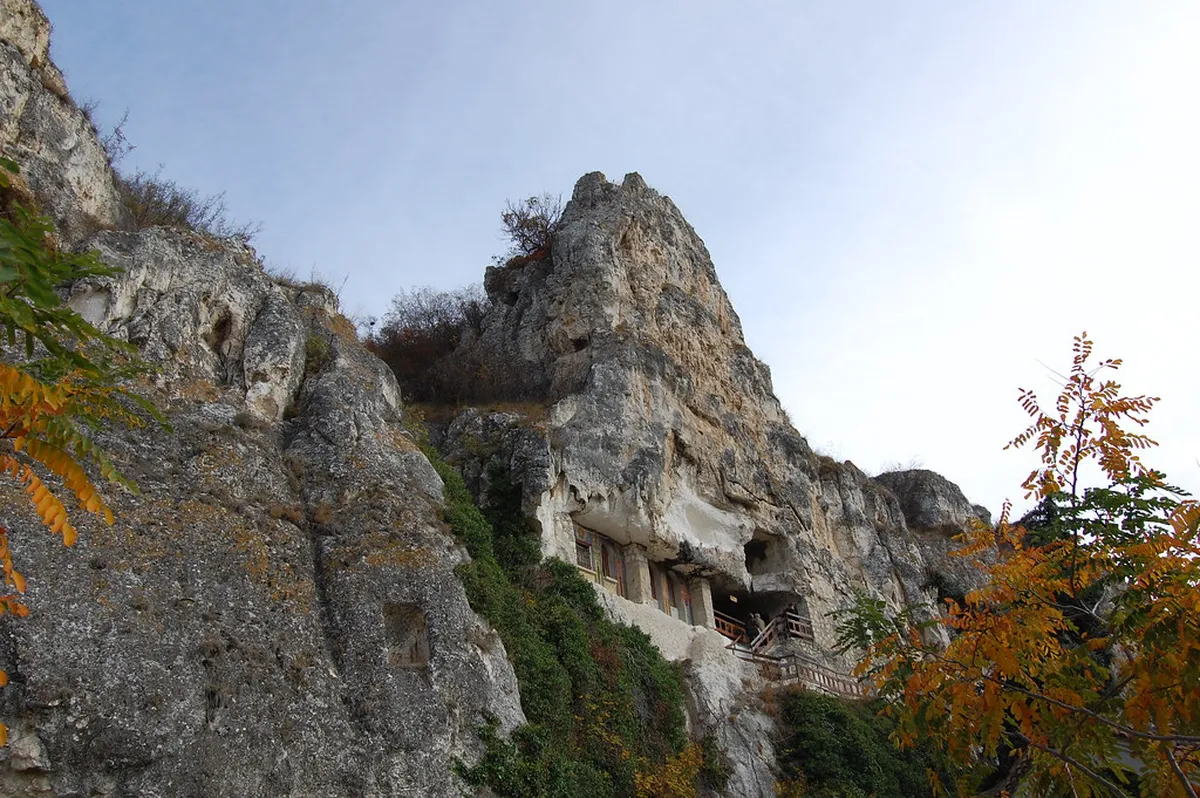
If you have an extra half-day, the village of Basarbovo (10 km south of Ruse) has a working monastery and a small farmers' market on weekend mornings selling honey, walnuts, and homemade rakia. The wine villages around Suhindol and Pavlikeni, an hour and a half south, run cellar tastings for groups — best arranged through a local driver if you do not want to drive yourself after tasting. Pair this kind of trip with the broader options in the Ruse activities guide.
Back in the city, the Saturday morning farmers' market that sets up near the bus station is smaller than the central market but better for foraged mushrooms in autumn and wild strawberries in late spring — both Ruse specialties that rarely make it onto restaurant menus but are worth eating fresh.
Ruse Food & Drinks: Frequently Asked Questions
What food is Ruse known for?
Ruse is best known for Danube freshwater fish — grilled catfish (som), baked pike (shtuka) and pan-fried mullet (kefal) — which is genuinely fresh here rather than a frozen import. Beyond the river, the city is known for its Habsburg-era pastry tradition (Garash walnut-chocolate cake, cream cakes, Sacher-style tortes) inherited from its 19th-century Austrian and Czech merchant communities, plus standard Northern Bulgarian home cooking like kavarma and sarmi.
Where are the best restaurants in Ruse?
For folk atmosphere, book Mehana Strandjata or the farmstead-set Chiflika Restaurant just outside town. For the local specialty, head to the fish restaurants near the river port. For the view, take the riverside terraces by the Danube Park. For a broad pan-Balkan menu when your group can't agree, Restaurant Balkan in the centre covers Serbian, Macedonian and Bulgarian grills under one roof.
How much does a meal cost in Ruse in 2026?
Mains run 12–25 BGN at neighbourhood mehanas and 25–45 BGN at riverside or Ploshtad Svoboda restaurants. A full traditional spread with drinks at a folk mehana is roughly 35–55 BGN per person, a portion of grilled Danube catfish is 18–28 BGN, and coffee is 1.80–6 BGN depending on whether you sit at a neighbourhood cafe or a central-square terrace.
Do restaurants in Ruse take cards?
Almost everywhere in Ruse takes cards in 2026. The exceptions are small bakeries and the Central Market, which still prefer cash in Bulgarian lev — handy to keep a little on you for banitsa, market produce and confectioners.
Do I need to book a restaurant in Ruse?
Reservations are unnecessary at lunch and for weekday dinners, but they are expected for Friday and Saturday dinner at the better mehanas — a same-day phone call usually secures a table. Wine-cellar tastings (around 25–40 BGN per person) should be booked at least a day ahead, especially on weekends.
Ruse's culinary scene rewards travellers who order what the city does best — Danube fish, slow-cooked clay-pot dishes, Habsburg-era pastries, and Northern Bulgarian wines — rather than defaulting to the international menu. Stay two days, eat three main meals at three different mehanas, drink one wine tasting, and you will have done it properly.
Filed under
Continue your journey
Related Bulgaria guides
6 Jun 2026
Nikopol Bulgaria Day Trip From Ruse Travel Guide
30 Jul 2026
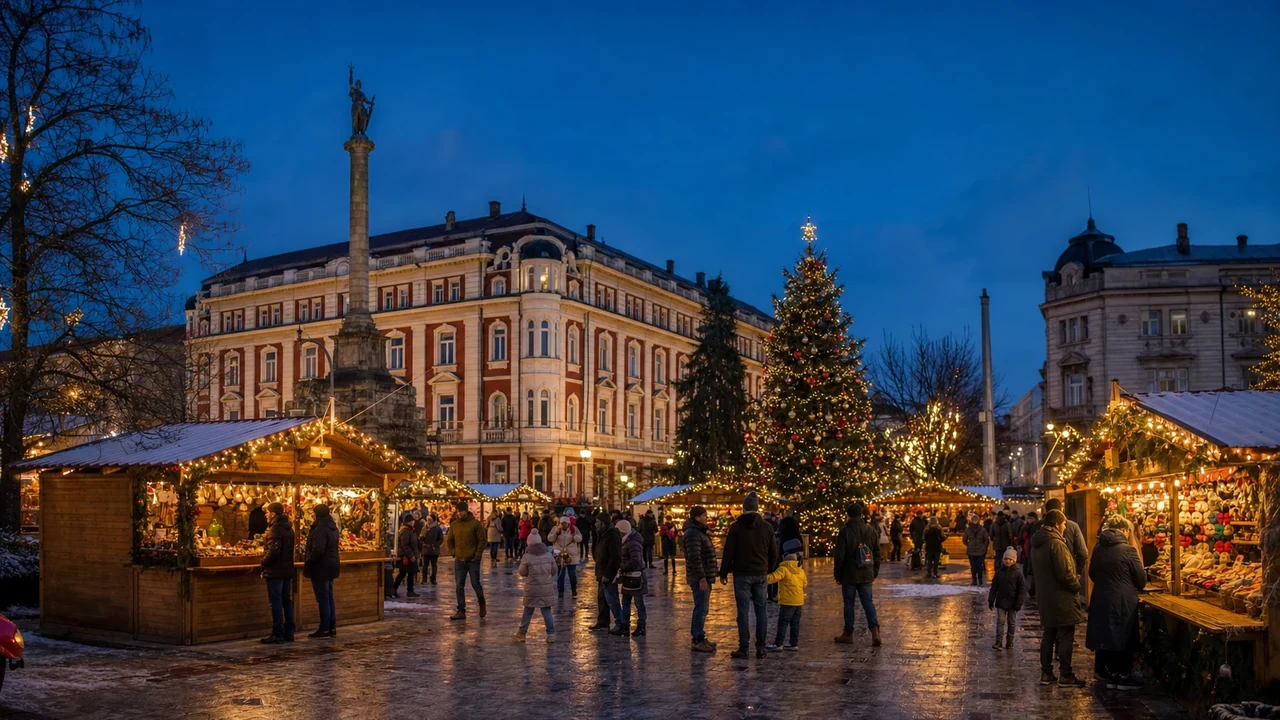
Ruse Christmas Market: 2026 Guide to Dates, Zones and Tips
30 Jul 2026
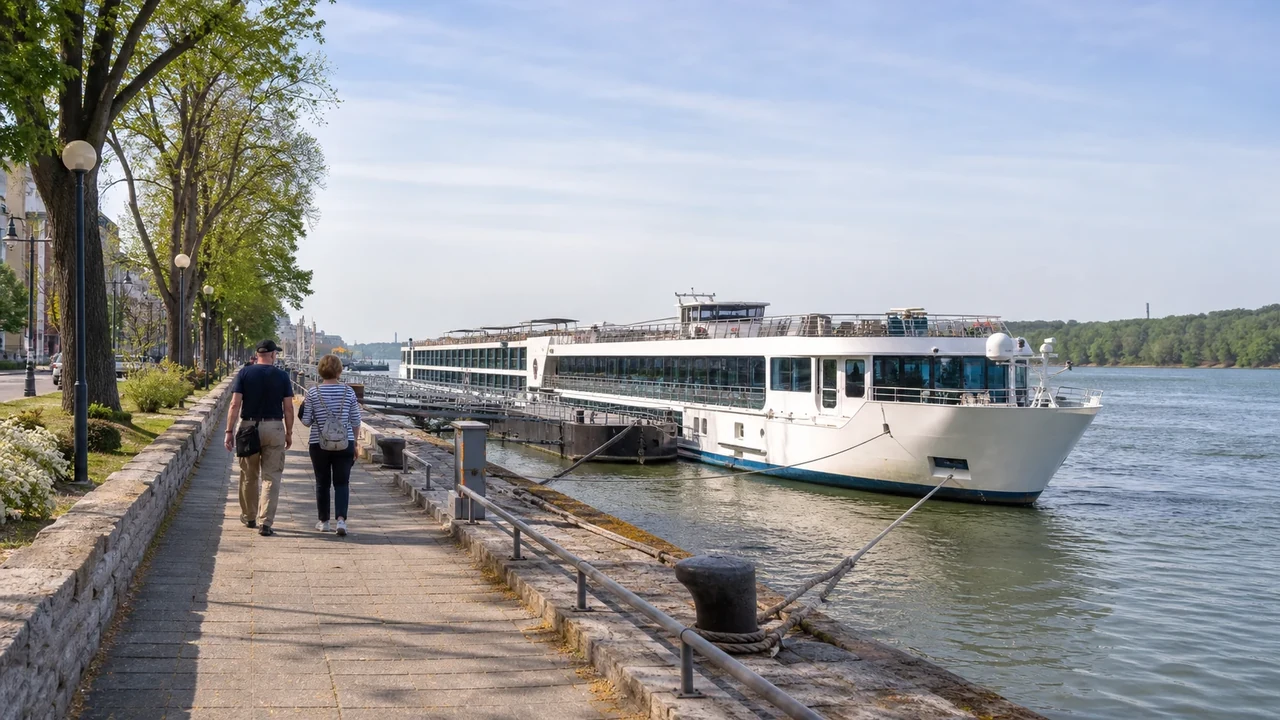
Ruse Danube Cruise Guide: Port Logistics, Excursions & Itineraries
30 Jul 2026
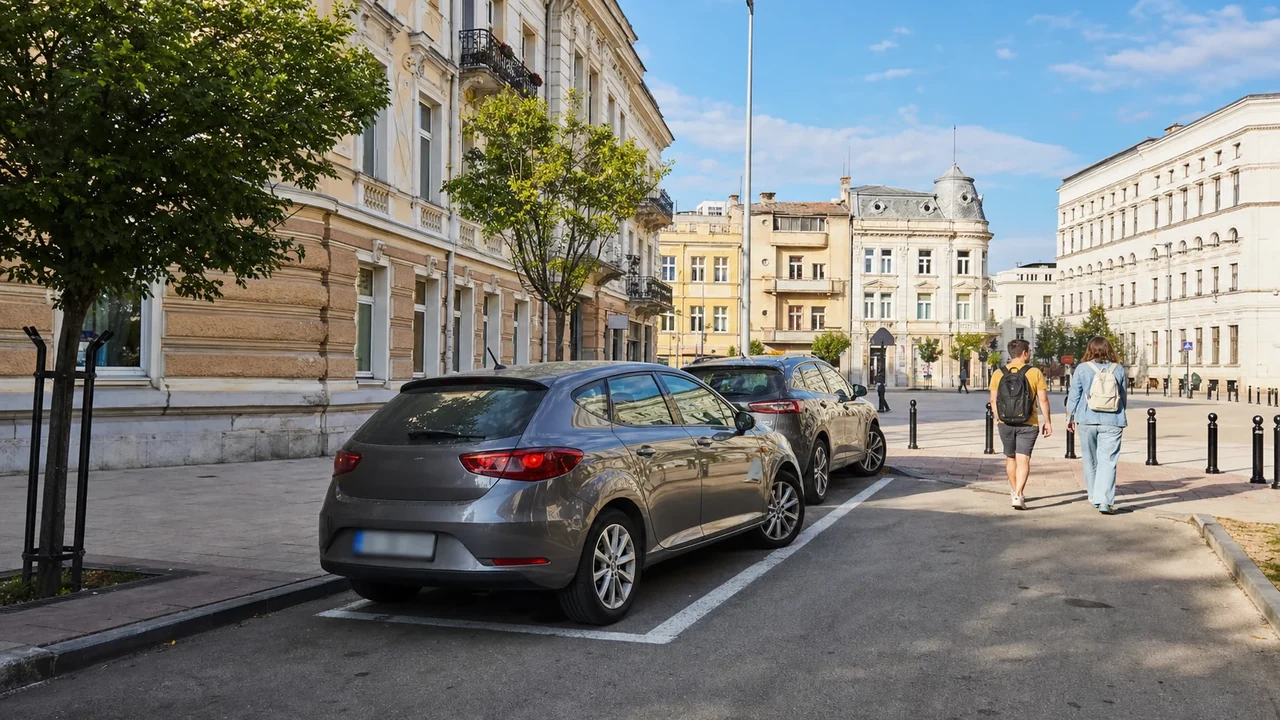
Ruse Parking Guide 2026: Blue Zone Rates, Garages & Free Lots
20 Jul 2026
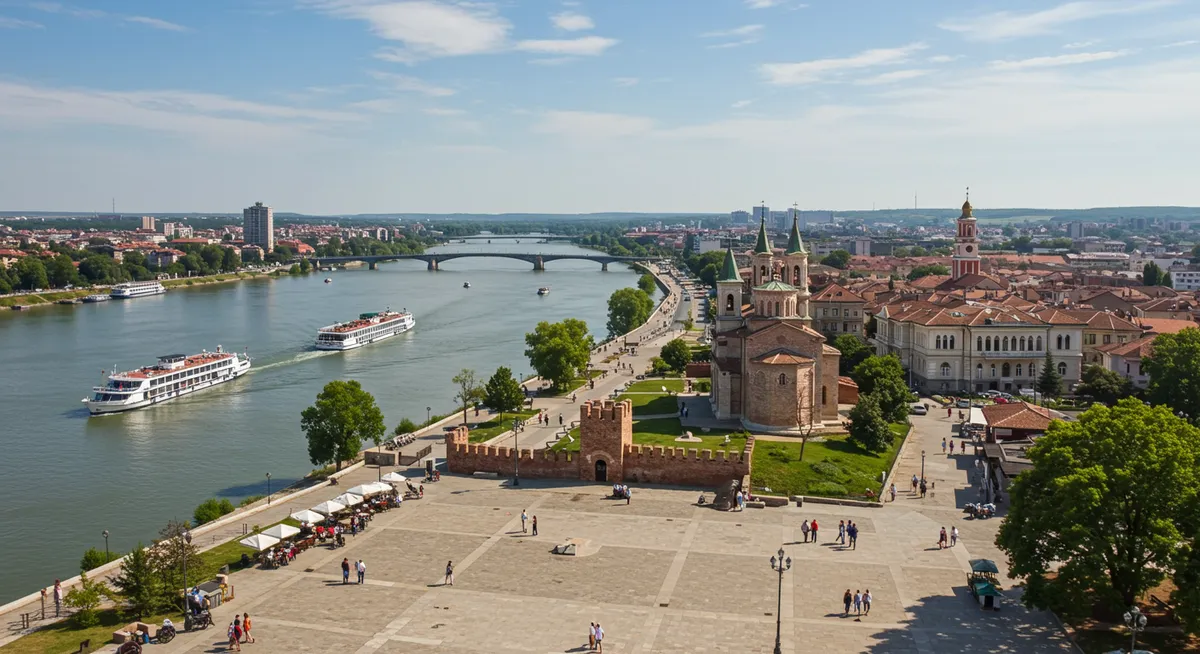
Best Time to Visit Ruse in 2026: Weather, Events and Crowds
17 Jul 2026