Independent Bulgaria travel guide
Ruse 3 Days Itinerary
Discover the ultimate Ruse itinerary for 2026. A complete guide with essential travel tips and a 3-day plan. Start planning your Ruse adventure now!
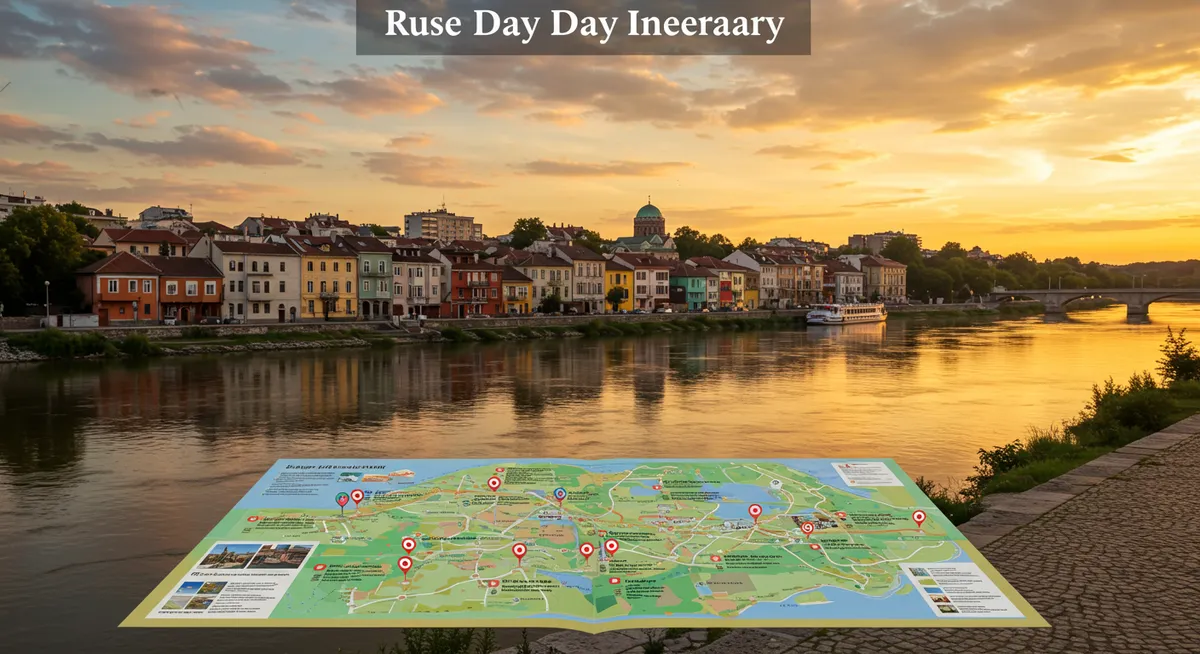
On this page12 sections
Three days in Ruse is the sweet spot. You get one day for the neoclassical core that earned the city its "Little Vienna of the Danube" nickname, a second day for museums and the Roman fortress, and a third for nature, river views, and the UNESCO-listed Ivanovo Rock Churches. This 2026 itinerary gives you hour-by-hour timings, current prices in euros (Bulgaria adopted the EUR on 1 January 2026, replacing the lev at the fixed rate of 1.95583 BGN), and walking routes that keep daily distances under 6 km. It works for first-time visitors arriving by train from Sofia, road-trippers crossing the Friendship Bridge from Romania, and Danube cruisers with a longer port call — and it answers the two questions every Ruse planner asks: is three days enough, and what are the best day trips from the city?
Quick Itinerary at a Glance
Use this as your three-day skeleton, then adjust based on the season and your arrival time. All sights below are inside or within a 25 km radius of central Ruse.
- Day 1 — Neoclassical core: Liberty Square, Dohodno Zdanie, Aleksandrovska Street, Profitable Building, Danube panorama, dinner on Sveta Troitsa Square.
- Day 2 — Museums and Roman past: Regional History Museum, Sexaginta Prista Roman fortress, Pantheon of National Revival Heroes, Baba Tonka Museum, Opera or Drama Theatre evening show.
- Day 3 — Day trip: Ivanovo Rock Churches and Basarbovo Monastery (UNESCO + cliff caves), or alternatively a half-day cross-border walk to Giurgiu, Romania.
Total walking on Days 1 and 2 averages 5–7 km. Day 3 needs either a rental car, a taxi (around EUR 25 one way to Ivanovo), or a half-day organised tour — see the Ruse transportation guide for current options.
| Day | Focus & how to get around |
| Day 1 — Neoclassical core | Liberty Square, Aleksandrovska Street, Pantheon, Danube panorama — all on foot (~4.8 km) |
| Day 2 — Museums & Roman past | Regional History Museum, Baba Tonka, Sexaginta Prista, Opera evening — on foot (5–7 km) |
| Day 3 — UNESCO day trip | Ivanovo Rock Churches + Basarbovo Monastery — taxi (~EUR 60 round trip), rental car, or shared tour |
| Cross-border swap | Half-day in Giurgiu, Romania via bus 24 (~EUR 4 each way) — passport needed |
| Mid-range solo budget | EUR 250–350 for 3 days, excluding flights |
For a visual walkthrough of the city's highlights before you finalise your route, this short guide is a useful overview:
Day 1 — The Neoclassical Heart of "Little Vienna"
Morning (09:00–12:30): Liberty Square and Aleksandrovska Street
Start at Liberty Square (Ploshtad Svoboda), the symmetrical heart of Ruse. The Monument of Liberty in the centre — designed by Italian sculptor Arnoldo Zocchi in 1908 — is the most photographed landmark in the city. Spend 20 minutes circling the square to see the Drama Theatre, the city library and the regional governor's building, all built between 1880 and 1905 when Ruse was the wealthiest port on the Lower Danube.
From there, walk south down Aleksandrovska Street, the main pedestrian spine. The standout building is the Profitable Building (Dohodno Zdanie Visitor Guide) on Sveta Troitsa Square, completed in 1902 in Viennese Secession style. Continue browsing the boutiques and cafés to the southern end at the Court House, then loop back via Borisova Street. Coffee stops along the way: Chucky's, Cafe Vienna and Bar Eclipse all have outdoor seating from April through October.
Lunch (12:30–14:00): Bulgarian classics near the centre
Walk to Mehana Chiflika on Otets Paisiy Street for a traditional sit-down lunch. Expect to pay EUR 12–18 per person for a shopska salad, a main of grilled pork or chicken kavarma, and a glass of Bulgarian Mavrud or Melnik wine. For a quicker bite, Happy Bar & Grill on the riverside has reliable Balkan-Mediterranean food and a kids' menu — useful if you're travelling as a family (see our family-friendly activities guide).
Afternoon (14:00–18:00): Danube riverfront and Pantheon
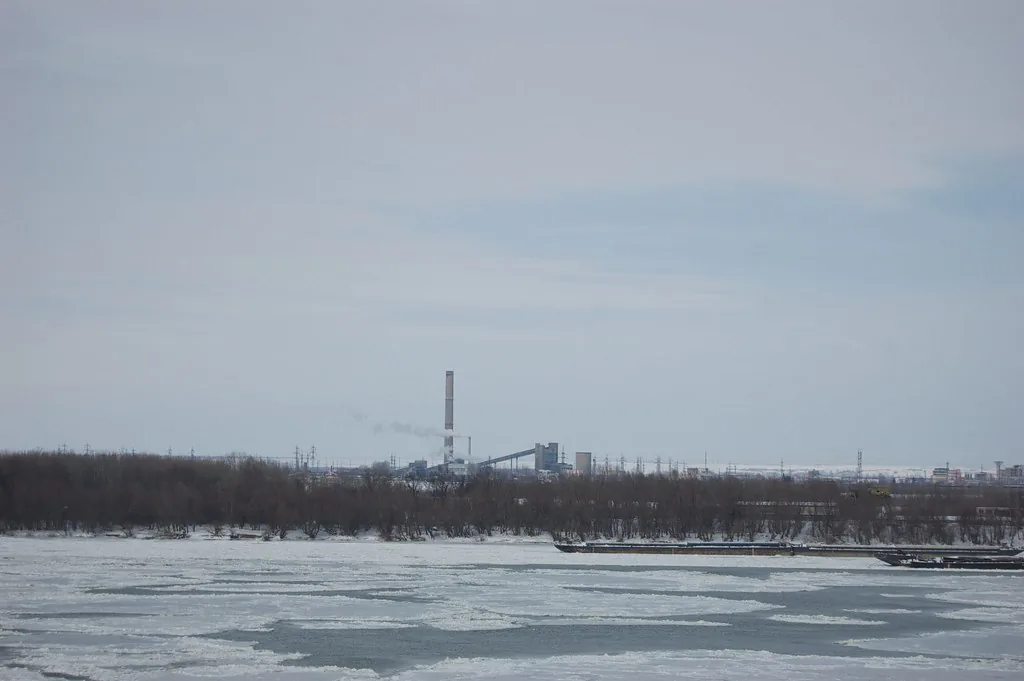
Cross into Park Mladezhki (Youth Park) and walk along the upper terrace for the classic Danube panorama looking across to Giurgiu, Romania. The viewpoint near the Pantheon of National Revival Heroes Visitor Guide (entry EUR 3, open 09:00–17:30 Tue–Sun) gives you both a museum visit and the best photo of the gilded dome that dominates the Ruse skyline. Allow 60 minutes inside.
From the Pantheon, descend the stairs to the riverside promenade and walk west toward the Ruse River Station (Riverni Gari), an Art Deco terminal built in 1937. Finish the loop back at Liberty Square by 18:00. Total walking distance: roughly 4.8 km.
Evening (19:30 onward): Dinner and a walk on Sveta Troitsa
For dinner, book a table at Leventa — a 19th-century Ottoman fortress converted into a restaurant on a hill above the city, with sweeping views and Bulgarian wine pairings (mains EUR 14–22). Taxi from the centre is around EUR 5. If you'd rather stay walkable, Strandjata on Sveta Troitsa Square serves the best traditional banitsa and slow-cooked lamb in the old town. Cap the night with a digestif at one of the wine bars covered in our Ruse nightlife guide.
Day 2 — Museums, Roman History and the Opera
Morning (09:30–12:30): Regional History Museum and Baba Tonka
Open at 09:30, the Regional History Museum (Battenberg Palace, EUR 4 entry) is the single best primer on the Lower Danube region — Thracian gold from the Borovo treasure, Roman lapidarium pieces, and a strong section on the 19th-century National Revival. Detailed tips on the collection are in our Regional Historical Museum guide. Allow 90 minutes.
Walk five minutes north to the Baba Tonka Museum (entry EUR 2), the preserved family home of Tonka Obretenova, mother of revolutionaries who fought Ottoman rule. The exhibits are small but emotionally weighty — plan 30–40 minutes.
Lunch (12:30–14:00): Riverside or Kapansko quarter
Cross to the Kapansko quarter for lunch at Mehana Chiflika (if you skipped it Day 1) or Restaurant Riverview overlooking the Danube. Both serve full-course Bulgarian meals for EUR 10–15. Vegetarians: ask for mish-mash (eggs with peppers and feta) or grilled vegetable platters — both off-menu at most traditional places.
Afternoon (14:00–17:30): Sexaginta Prista Roman Fortress
Head to the riverside Sexaginta Prista ("Port of Sixty Ships"), a 1st-century Roman naval base whose foundations sit beside the modern Danube quay. Entry is EUR 3, and a small on-site museum displays altars, inscriptions and ship fittings. Allow 60–90 minutes. From here you can walk east along the embankment to the Friendship Bridge viewpoint — the 2.8 km steel cantilever that links Bulgaria and Romania, opened in 1954 and still the only road bridge between the two countries on the Danube.
Evening (19:00 onward): Ruse State Opera or Drama Theatre
Ruse punches well above its weight in performing arts. The Ruse State Opera stages weekly performances September through June (tickets EUR 8–25 — far cheaper than Sofia or Bucharest), and the Drama Theatre inside the Profitable Building runs a parallel Bulgarian-language programme. Check schedules a week ahead at the box office on Aleksandrovska Street. Pre-show dinner: Happy Bar & Grill or Mr. Baba sushi for something lighter.
Day 3 — Ivanovo Rock Churches and Basarbovo Monastery
Morning (08:30–13:00): UNESCO frescoes in the cliffs
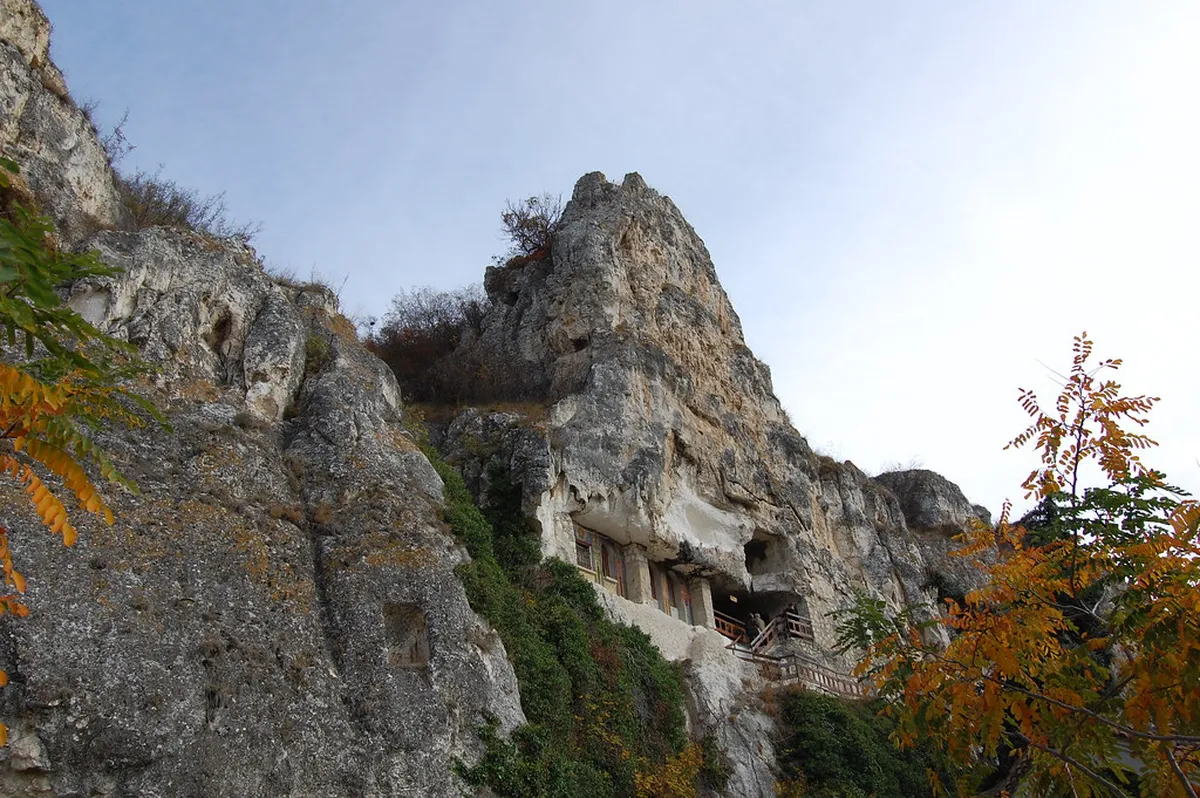
Day 3 takes you out of the city to the Ivanovo Rock-Hewn Churches, a UNESCO World Heritage site 22 km southwest of Ruse. Carved into limestone cliffs above the Rusenski Lom River between the 13th and 14th centuries, the churches preserve some of the finest medieval Bulgarian frescoes still in situ. Entry EUR 5; bring sturdy shoes — the climb from the car park to the Church of the Holy Mother of God involves 200+ stone steps. Plan 90 minutes on site. Detailed logistics, including taxi prices and tour pickups, are in our Ivanovo day trip guide.
On the way back to Ruse, stop at Basarbovo Rock Monastery (10 km south of the city, entry by donation). It's the only still-functioning cave monastery in Bulgaria, with chambers dug directly into the cliff. This Ivanovo + Basarbovo combination by taxi is around EUR 60 round trip with two hours of waiting; rental car is cheaper if you're staying multiple days.
Lunch (13:00–14:30): Picnic in Rusenski Lom or back in town
If the weather is good, picnic at one of the riverside meadows in Rusenski Lom Nature Park — bakery stops in Ivanovo village sell fresh banitsa for under EUR 2. Otherwise, return to Ruse and try Restaurant Loven Dom in the Lipnik Forest Park for grilled river fish (EUR 10–15).
Afternoon (15:00–18:00): Choose your finale
You have three good options for the final afternoon, depending on your interests. Hikers and birders should head deeper into Rusenski Lom National Park — the trail to Cherven medieval fortress is a 4 km loop with eagle and falcon nesting cliffs (full route in our Rusenski Lom park guide). Photographers should circle back to the top viewpoints at the Pantheon and Friendship Bridge — golden hour light on the Danube is unmatched. Shoppers and culture-seekers can stroll Aleksandrovska, then drop into the Ruse City Art Gallery on Borisova Street (free entry).
Evening (19:30 onward): Sunset dinner on the Danube
Finish the trip with a riverside meal. Riverside Restaurant and Chiflika 1930 both offer terraces with direct sunset views over the Danube and Romania beyond. Order a bottle of Mavrud and a sharing platter of grilled meats; expect EUR 30–45 for two with wine. If you have energy left, the speakeasy-style Bar Eclipse stays open until 02:00 on weekends.
Cross-Border Add-On: Half a Day in Giurgiu, Romania
This is the angle most three-day Ruse guides skip. Because the Friendship Bridge connects Ruse directly to Giurgiu, Romania, you can swap part of Day 3 for a quick cross-border excursion at almost zero extra cost. Public bus 24 leaves Ruse central station roughly hourly between 06:30 and 19:00, costs around EUR 4 each way, and clears the border in 20–40 minutes depending on traffic. Bring your passport (Bulgaria and Romania both joined the Schengen land border zone on 1 January 2025, but ID checks still happen at the bridge).
Once in Giurgiu, walk the riverside promenade to the Clock Tower (Turnul Ceasornicului), a Wallachian fortification, and lunch on Romanian classics — sarmale, mici, papanasi — at half the price you'd pay in Bucharest. Total round trip: 4–5 hours. Full crossing logistics, including driving and taxi options, are in our Friendship Bridge crossing guide. The same bridge also makes Ruse the easiest Bulgarian launch pad for a longer day trip to Bucharest — the Romanian capital is 75 km north, reachable by direct train in 2h30 — and our Ruse to Bucharest day trip guide covers schedules and timings.
Best Day Trips from Ruse (If You Have Extra Time)
Ruse's position on the Lower Danube makes it one of the best-connected day-trip bases in northern Bulgaria — which is exactly why so many travellers search for things to do around the city, not just inside it. The three days above already fold in the two essential excursions (Ivanovo and Basarbovo on Day 3, optional Giurgiu as a cross-border swap). If you can spare a fourth day, or want to rebalance the itinerary, these are the strongest add-ons.
Veliko Tarnovo — Bulgaria's medieval capital
The old royal capital of Veliko Tarnovo, with its dramatic Tsarevets Fortress Visitor Guide draped over the Yantra river gorge, is the classic full-day trip from Ruse — roughly 100 km south and reachable by bus or car in under two hours. It pairs naturally with an overnight if you upgrade to the longer route in our Ruse 7-day itinerary, which builds in deeper Rusenski Lom hikes and a Veliko Tarnovo stop.
Bucharest — the Romanian capital, 75 km north
Thanks to the Friendship Bridge, Bucharest is closer to Ruse than most Bulgarian cities are. A direct train covers the 75 km in about 2h30, making the Romanian capital a realistic full-day excursion — palaces, the Old Town and Romanian cuisine at a fraction of Western-European prices. Full schedules and crossing tips are in our Ruse to Bucharest day trip guide.
Cherven fortress and the Rusenski Lom canyons
For nature and quiet ruins rather than cities, the medieval Cherven fortress inside Rusenski Lom Nature Park is a half- to full-day trip of canyon walks, nesting eagles and falcons, and one of Bulgaria's best-preserved 14th-century hilltop strongholds — the trail detail is in our Rusenski Lom park guide.
Is Three Days in Ruse Enough?
Yes — three days is the sweet spot for Ruse itself. Two days cover the entire neoclassical core and every major museum at a relaxed pace, and the third frees you for the UNESCO Ivanovo Rock Churches and Basarbovo Monastery without rushing. You only need to stretch beyond three days if you want to add a full day trip to Veliko Tarnovo or Bucharest, do serious hiking in Rusenski Lom, or use Ruse as a Danube cruise stopover with a longer port call. For a tighter visit, the Ruse 1-day itinerary condenses the highlights into a single day for cruise passengers and Bucharest day-trippers; to go deeper, the Ruse 7-day itinerary adds the surrounding region.
💡 Good to know: Day 2 is the museum-heavy day, and almost every museum in Ruse closes on Mondays. If your trip includes a Monday, schedule it as your Day 3 (the outdoor Ivanovo/Basarbovo day trip) or your cross-border Giurgiu day, and keep the museum day on a Tuesday–Saturday.
What 3 Days in Ruse Costs (2026 Budget Breakdown)
Here's a realistic per-person budget for three days, in euros at 2026 prices. Bulgaria is now in the eurozone, so card payments are universal in central Ruse and ATMs dispense EUR notes; small museums and roadside stops still appreciate cash.
- Accommodation: EUR 45–75 per night for a 3-star city-centre hotel; EUR 90–140 for the Grand Hotel Riga or Cosmopolitan. Budget guesthouses from EUR 25.
- Food and drink: EUR 20–35 per day if you mix one sit-down meal with bakery breakfasts and street-food lunches.
- Museum entries (Days 1–2): Pantheon EUR 3, Regional Museum EUR 4, Baba Tonka EUR 2, Sexaginta Prista EUR 3 — about EUR 12 total.
- Day 3 transport and entries: EUR 60 taxi + EUR 5 Ivanovo + donation at Basarbovo, or roughly EUR 35 per person on a shared organised tour.
- Opera or theatre ticket: EUR 8–25.
- Total for 3 days, mid-range solo traveller: EUR 250–350 excluding flights or onward transport.
That makes Ruse one of the most affordable EU city breaks in 2026 — typically 30–40% cheaper than Sofia and roughly half the cost of Bucharest. For neighbourhood-by-neighbourhood hotel picks, see our Best Areas to Stay in Ruse (2026 Guide) breakdown.
Getting to Ruse and Around
Ruse has no commercial airport. The two practical entry points are Bucharest Henri Coandă (OTP), 75 km north — bus and shared transfers run roughly EUR 25–40 — and Sofia, with daily trains via Gorna Oryahovitsa (5h45, EUR 18 second class) and direct overnight buses (4h30, EUR 22). From Varna on the Black Sea coast, buses run twice daily (4h, EUR 15). Within the city, the centre is walkable end to end in 25 minutes; for hotels outside the core, ride-hailing (Yellow!Taxi, TaxiMe) is cheap at EUR 3–6 per ride.
One scheduling note for 2026: the Ruse–Bucharest train was suspended for track works through April but resumed full service in May, so timetables on older blogs may be inaccurate — check Bulgarian State Railways (BDZ) the week of travel. For the full breakdown of buses, taxis, bike rentals and seasonal river services, see our Ruse transportation guide.
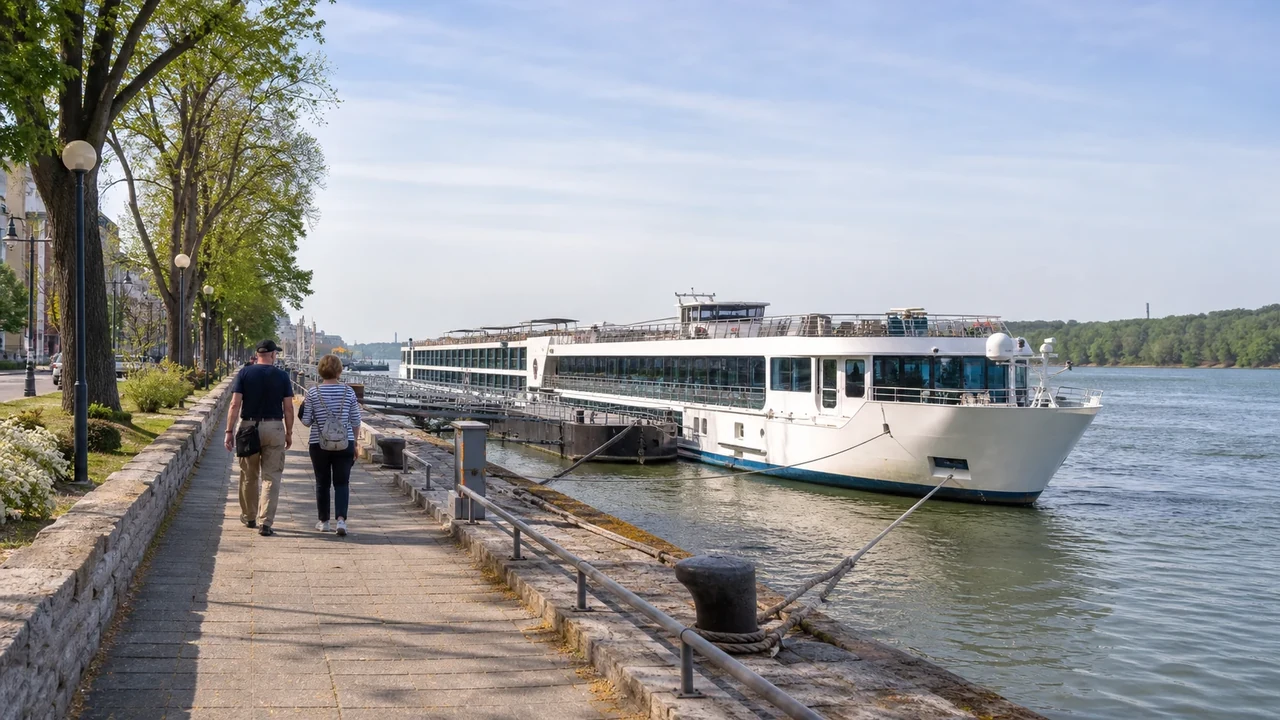
💡 Good to know: Most international visitors reach Ruse via Bucharest Henri Coandă (OTP), just 75 km north across the Friendship Bridge — often cheaper and faster to fly into than Sofia. If you're arriving on a Danube river cruise with only a short port call, run Day 1 of this itinerary in reverse from the riverfront so you start steps from the dock and finish at Liberty Square.
When to Visit and What to Pack
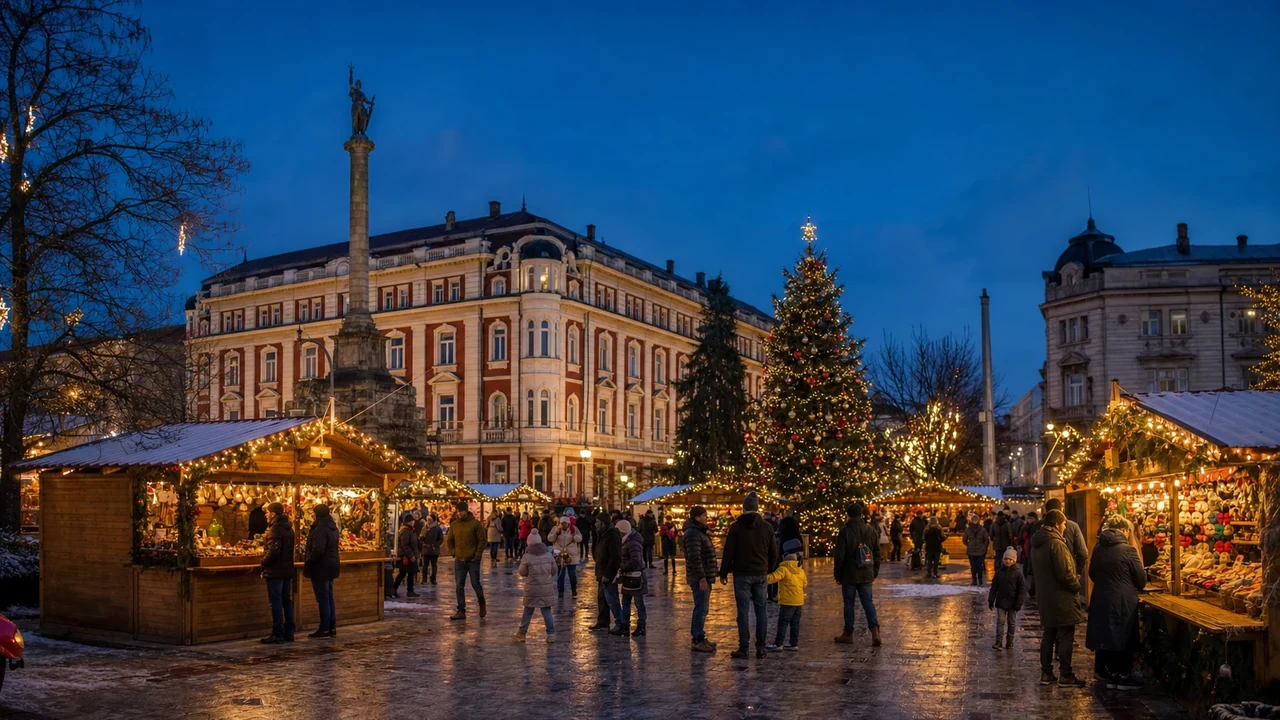
The best months for this 3-day itinerary are late April to mid-June and September to mid-October — daytime temperatures of 18–26°C, low rainfall, and museums and the Opera fully in season. July and August are hot (often 33–37°C) and busy with Romanian weekenders crossing the bridge, while December brings a small but charming Christmas market on Sveta Troitsa Square. Winter (Nov–Mar) sees the Opera at its best but most outdoor sights, including the Pantheon viewpoint, can be slippery after snow.
Pack layers regardless of season — Danube wind off the river drops perceived temperatures by several degrees in shoulder months. Comfortable walking shoes are essential for Day 3 (Ivanovo's stairs are uneven limestone). For seasonally specific suggestions, see our guides to spring, summer, fall and winter in Ruse.
Final Tips for Your Ruse Trip
A few practical pointers that don't fit elsewhere but make a real difference. First, almost every museum closes Mondays — build Day 2 (museum-heavy) on a Tuesday through Saturday if you can. Second, the central pedestrian zone is largely cash-free now that the euro has replaced the lev, but small icons, candles and donations at Basarbovo Monastery and roadside stops still take cash only — keep EUR 10 in coins. Third, English is widely understood in hotels, restaurants in the centre and at major museums; outside the core, a few words of Bulgarian (or a translation app) help.
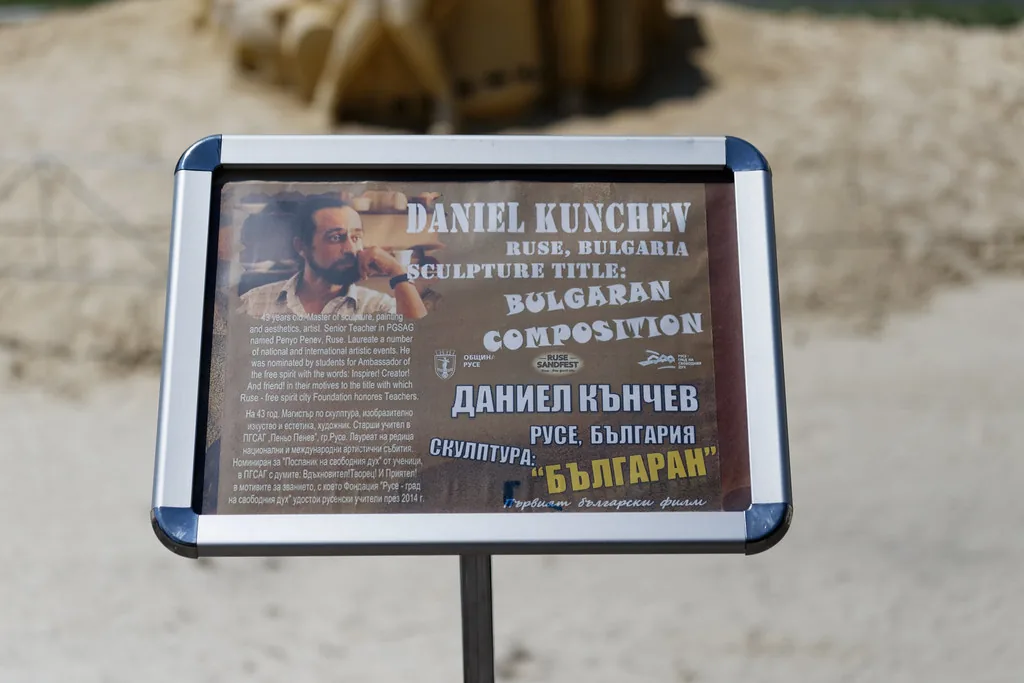
If three days feels short, scale up using our Ruse 7-day itinerary with deeper Rusenski Lom hikes and a Veliko Tarnovo overnight; or scale down with the Ruse 1-day itinerary for cruise-port stopovers. For more inspiration across the city's neighbourhoods, museums and food scene, browse the full 20 Best Things To Do in Ruse 2026 (Bulgaria's Little Vienna) hub.
Frequently Asked Questions About a 3-Day Ruse Itinerary
Is three days enough for Ruse?
Yes. Two days cover Ruse's neoclassical centre and main museums at a relaxed pace, while the third day leaves time for the Ivanovo Rock-Hewn Churches and Basarbovo Monastery.
What should you do on the third day?
Use day three for the UNESCO-listed Ivanovo Rock-Hewn Churches and Basarbovo Monastery. A half-day cross-border visit to Giurgiu is an alternative if you prefer an urban outing.
How much does a 3-day Ruse trip cost?
The article's 2026 mid-range estimate is EUR 250 to 350 per solo traveller for three days, excluding flights or onward transport. That includes accommodation, food, museum entries, and day-three transport.
When is the best time for this itinerary?
The strongest windows are late April to mid-June and September to mid-October, when daytime temperatures are generally 18 to 26 degrees Celsius and the museums and Opera are in season.
What is the easiest airport for reaching Ruse?
Bucharest Henri Coanda Airport is about 75 kilometres north of Ruse and is the closest practical airport. Sofia is another option, with rail and direct overnight bus connections to Ruse.
Filed under
Continue your journey
Related Bulgaria guides
6 Jun 2026
Nikopol Bulgaria Day Trip From Ruse Travel Guide
30 Jul 2026
Ruse Christmas Market: 2026 Guide to Dates, Zones and Tips
30 Jul 2026
Ruse Danube Cruise Guide: Port Logistics, Excursions & Itineraries
30 Jul 2026
Ruse Parking Guide 2026: Blue Zone Rates, Garages & Free Lots
20 Jul 2026
Best Time to Visit Ruse in 2026: Weather, Events and Crowds
17 Jul 2026