Sliven Food and Wine: Rakija, Thracian Valley Wineries, and Local Eating
Last updated August 2026, this guide to sliven food and wine covers the everyday tables around the pedestrian center and the vineyards ringing the city. Slivenska Perla, the aromatic rakija first licensed in 1979, is still the local pour worth seeking out first. Thracian Valley producers near Elenovo add Pinot Noir and sparkling bottlings to the picture, most of them a short taxi ride from downtown.
Slivenska Perla: Decoding the Pearl of Sliven
Slivenska Perla, the Pearl of Sliven, anchors any conversation about sliven food and wine. Engineer Georgi Gerginov created the recipe in 1979, working with Neno Nenov, then director of the Vinprom winery. That first bottling ran to about 8,070 liters, with roughly 5 tons produced in that debut year. The batch won a gold medal at the Plovdiv international fair the same year, and by 1980 production had scaled to around 50 tons for wider distribution. That blend became Bulgaria's first licensed aromatic rakija, and the brand has carried EU registration since 2003. A tasting committee has recalibrated the exact ratio of grape varieties every year since the 1979 release, aiming to keep the profile consistent from harvest to harvest.
- Grapes: Muscat Ottonel and Pearl de Xaba, picked at 19 to 21 percent sugar content
- Origin: created in 1979 by Georgi Gerginov with winery director Neno Nenov
- Aging: standard batches rest around six months; premium batches age up to three years in French, American, or Bulgarian Straldzha oak
- Recipe: no added sugar, so the aroma comes from the grapes alone
Essential Sliven Wineries and Tasting Rooms
Three producers define the tasting scene around sliven food and wine, spread across an industrial-to-boutique range. The official Sliven tourism portal frames Thracian and Balkan heritage as central to the town's identity, a backdrop that carries through into its wine and rakija traditions. Vini Sliven traces back to 1920, when Nedelcho Nedelchev, a Bulgarian graduate of the Montpellier vineyards college in France, founded the Shevka winegrowers' cooperative in his hometown after turning down offers to work abroad. That cooperative grew into Vinprom Sliven, later one of Bulgaria's largest alcohol producers, and it remains the company behind Slivenska Perla today. Its vineyards spread across the northern Thracian Lowlands and the eastern sub-Balkan Rosental region near Tvarditsa, covering roughly 2,800 decares of sandy soil. Sandy ground and around 235 days of sunshine a year suit the aromatic Muscat Ottonel and Pearl de Xaba vines. Winter temperatures average close to 2.5°C, moderated by the Balkan mountain chain near Sinite Kamani Nature Park. Rossidi takes the opposite approach, running small production batches with minimal intervention. Its egg-fermented Chardonnay and Pinot Noir target drinkers looking for something outside the industrial mainstream. Edoardo Miroglio, based in Elenovo, brings an Italian textile investor's backing to Pinot Noir and sparkling wine. That owner moved his textile business from Italy to Bulgaria roughly two decades ago, then purchased vineyard land and planted vines near Elenovo. The same owner runs the Park Central Hotel in central Sliven, which connects the winery directly to a place to eat and stay downtown.
The three wineries span industrial to boutique production styles, yet all are active facilities requiring 24 to 48 hours' notice for tours. Advance booking is essential regardless of your preferred cellar's size or approach.
| Winery | Distance from Sliven center | Booking | Best for |
|---|---|---|---|
| Vini Sliven | Historic base in the Sliven wine region | Contact ahead; working production facility | Rakija heritage and Slivenska Perla |
| Rossidi | Boutique cellar outside the center (confirm address when booking) | Advance booking recommended | Minimal-intervention Chardonnay and Pinot Noir |
| Edoardo Miroglio | About 15 to 20 minutes from central Sliven, in Elenovo | 24 to 48 hours' notice for formal tours | Sparkling wine, Pinot Noir, and a stayover at Park Central Hotel |
- Grapes are harvested by hand into crates and processed within 24 hours of picking
- Grape pulp rests 72 to 96 hours before fermentation to extract aroma
- Fermentation happens in reinforced concrete tanks at a controlled temperature
- Finished wine is separated from the pomace, distilled soon after, then aged in oak
Where to Eat in Sliven's Pedestrian Center
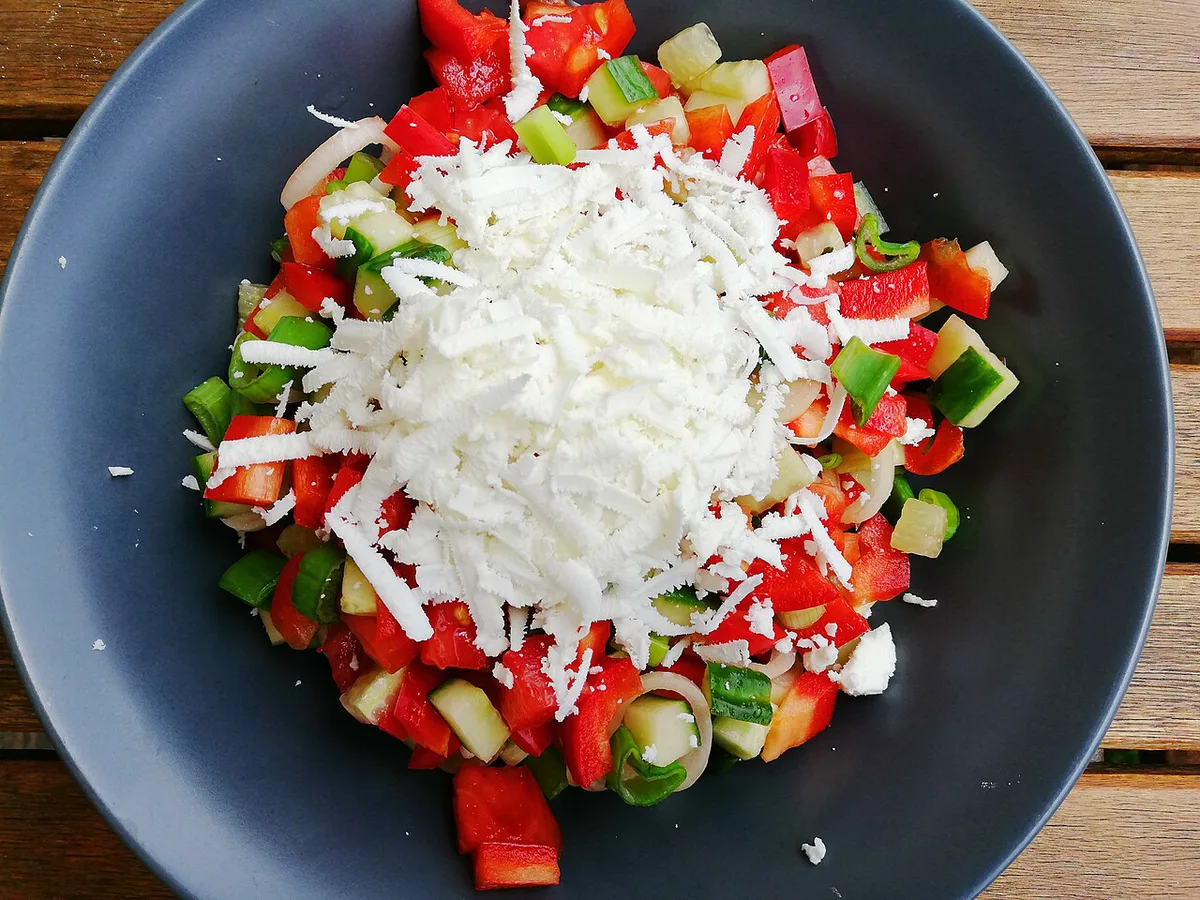
Sliven's everyday eating scene centers on the pedestrian core downtown. Cafes and grill restaurants there serve the same Shopska salad and dry-cured meat plates found across the Thracian Lowlands. Park Central Restaurant, inside the Park Central Hotel, is the most direct spot to pair a meal with the region's wine. Staff there have poured both Rossidi bottlings and Miroglio's Pinot Noir alongside dinner. Reservations are worth arranging in advance if a specific pairing is the goal, since these pours are not standard everyday stock. Order a Shopska salad of tomatoes, cucumbers, peppers, and grated cheese as a starter. Follow it with a meze plate of dry-cured sausage, which stands up well to rakija. For a main course, look for kavarma, a slow-cooked stew of meat and vegetables that shows up on menus across the region. Grilled skewers with flatbread are the other common choice. When you want a break from tastings, 9 Best Things to Do in Sliven, Bulgaria (2026 Guide) covers non-culinary stops nearby. A walk through Sliven's old town and museums works well as a quiet break before dinner.
Planning a Sliven Food and Wine Route
Grape harvest in September is the liveliest time to combine sliven food and wine. Pressing typically overlaps with tasting-room visits at Vini Sliven and Rossidi that month. Trifon Zarezan, Bulgaria's winemaker's day in February, is the other date worth planning around, with vine-pruning rituals at wineries across the Thracian Valley. No Sliven cellar publishes a fixed public tasting-flight price, so confirm current rates directly with each winery when booking. As a rule of thumb, a flight of several pours costs less than a full bottle of aged Slivenska Perla. Tasting before buying is the practical approach, and Bulgaria's wine-tourism costs generally run well below Western Europe's. Taxis in Sliven are inexpensive and easy to find, which matters because most wineries sit 15 to 20 minutes outside the city center. Self-driving between tastings is the less practical option, since sampling multiple pours in one day doesn't mix well with getting behind the wheel. A Bulgaria Road Trip Itinerary: 10 Essential Guide Sections that treats the Thracian Valley as one stop among several is a better use of a rental car. The Day Trips from Sliven: A 2026 Guide to Zheravna, Kazanlak, and the Blue Stones guide covers routing to Elenovo and other satellite villages in more detail. In Slavyantsi village, the Vinex Slavyantsi winery is a regional reference point worth a stop if you're routing further through the valley. Confirm current tasting availability before you go. Travelers pairing tastings with trail time can check routes in Bulgaria's hiking and mountain routes through the same range. Staying at Park Central Hotel also puts you near both Miroglio and Rossidi pours, cutting down on transport between tastings.
The region receives 235 days of sunshine a year, and peak tasting season arrives in September when grape harvest overlaps with winery visits. This timing makes September the ideal window for combining food and wine tourism with harvest activity.
- Best timing: grape harvest in September, or Trifon Zarezan (Winemaker's Day) in February
- Booking window: 24 to 48 hours' notice for production-heavy cellars like Vini Sliven and Miroglio
- Getting there: taxis from central Sliven, since most wineries sit 15 to 20 minutes outside town
- Where to stay: Park Central Hotel puts you near both Miroglio and Rossidi pours
Mistakes to Avoid on a Sliven Wine Trip
Skipping rakija to focus only on wine misses the point of a Sliven trip. Slivenska Perla is the city's signature pour, not a sideshow to the Thracian Valley reds. Skipping it altogether means missing the pour most closely tied to Sliven's own production history. Book ahead whenever possible. Vini Sliven and Edoardo Miroglio run working production facilities rather than tourist-first tasting rooms, and both typically want 24 to 48 hours' notice for a formal tour. Smaller boutique cellars, including Rossidi, may run reduced hours or close entirely on Sundays. Call or message ahead before building a Sunday stop into the route, since posted hours for small producers change without much notice. For a broader itinerary beyond Sliven, the guide to top Bulgaria destinations puts the Thracian Valley in national context. A bottle of Slivenska Perla also travels well as a gift, and the Bulgaria souvenirs guide covers what else is worth packing for the trip home.
Frequently Asked Questions
What is the best rakija in Sliven?
Slivenska Perla, produced by Vini Sliven from Muscat Ottonel and Pearl de Xaba grapes, is the reference bottle. Premium batches aged up to three years in oak carry more depth than the standard six-month release.
Can you visit wineries in Sliven without a car?
Yes. Taxis are inexpensive and widely available in Sliven, and most wineries, including Edoardo Miroglio in Elenovo, sit about 15 to 20 minutes from the city center. Booking a taxi for a return trip is simpler than arranging a rental car for one or two tastings.
What are the traditional foods of the Sliven region?
Shopska salad, dry-cured meats, and kavarma, a slow-cooked stew, anchor most menus around the pedestrian center. Restaurants pair these dishes with both Slivenska Perla rakija and Thracian Valley wines from producers like Rossidi and Edoardo Miroglio.
When is the best time to visit Sliven for food and wine?
September grape harvest puts pressing and tasting-room activity in the same week at wineries like Vini Sliven. Trifon Zarezan, Bulgaria's winemaker's day in February, is the other date worth planning around, with pruning rituals across the Thracian Valley.
Do Sliven wineries require advance booking?
Vini Sliven and Edoardo Miroglio are working production facilities, so both typically ask for 24 to 48 hours' notice before a formal tour. Boutique cellars such as Rossidi also recommend booking ahead, and some smaller tasting rooms reduce hours or close on Sundays.
What makes Sliven's wine terroir distinct?
Sandy soils around Sliven help protect vines from certain diseases, and the region gets roughly 235 days of sunshine a year. The Balkan mountain chain near Sinite Kamani moderates winter cold, keeping average winter temperatures close to 2.5°C. Those conditions suit the aromatic Muscat Ottonel and Pearl de Xaba grapes used in Slivenska Perla.