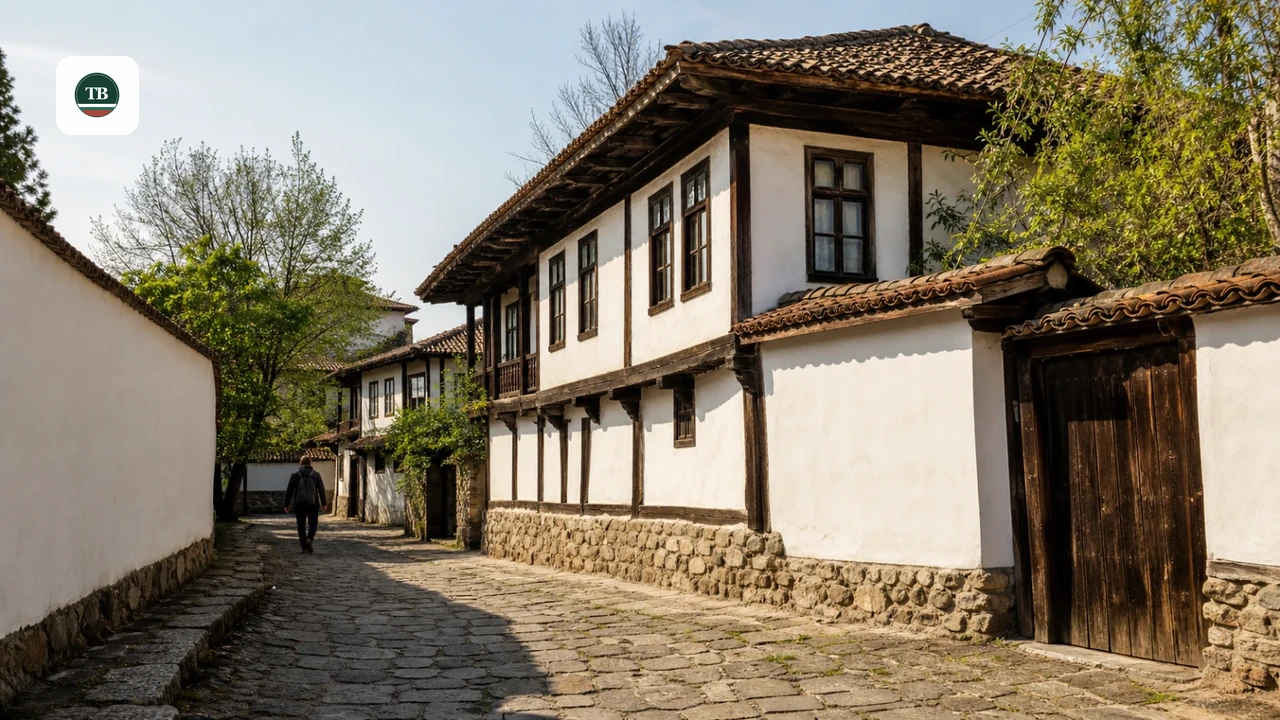
Sliven Old Town and Museums
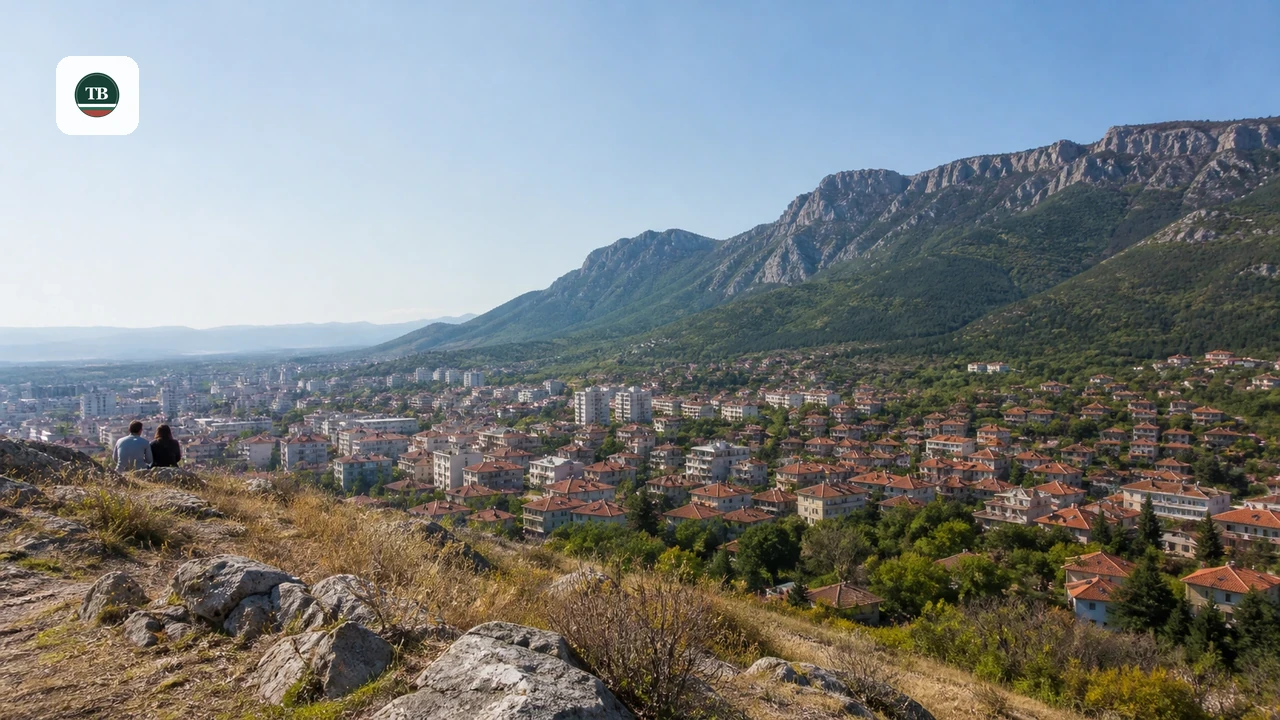
Last updated August 2026, this guide to sliven old town and museums maps the Revival-era streets and house-museums packed into Sliven's compact center. Sliven's old nickname, the Town of the Hundred Voivodes, comes from the rebels who once used the surrounding hills against Ottoman rule. Central Sliven's 9 Best Things to Do in Sliven, Bulgaria (2026 Guide) hub sits inside the Klutsohor district, the town's oldest residential quarter, a short walk from the cliffs of Sinite Kamani.
The Revolutionary Trail: Sliven's House-Museums
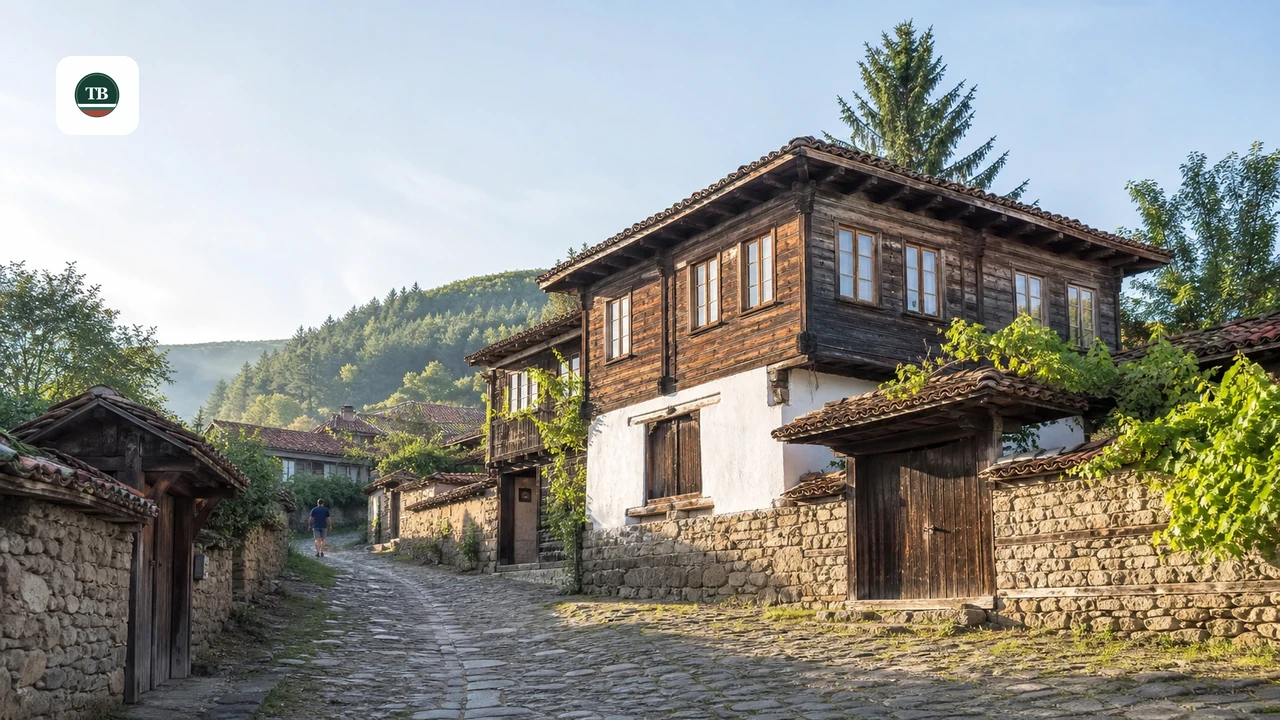
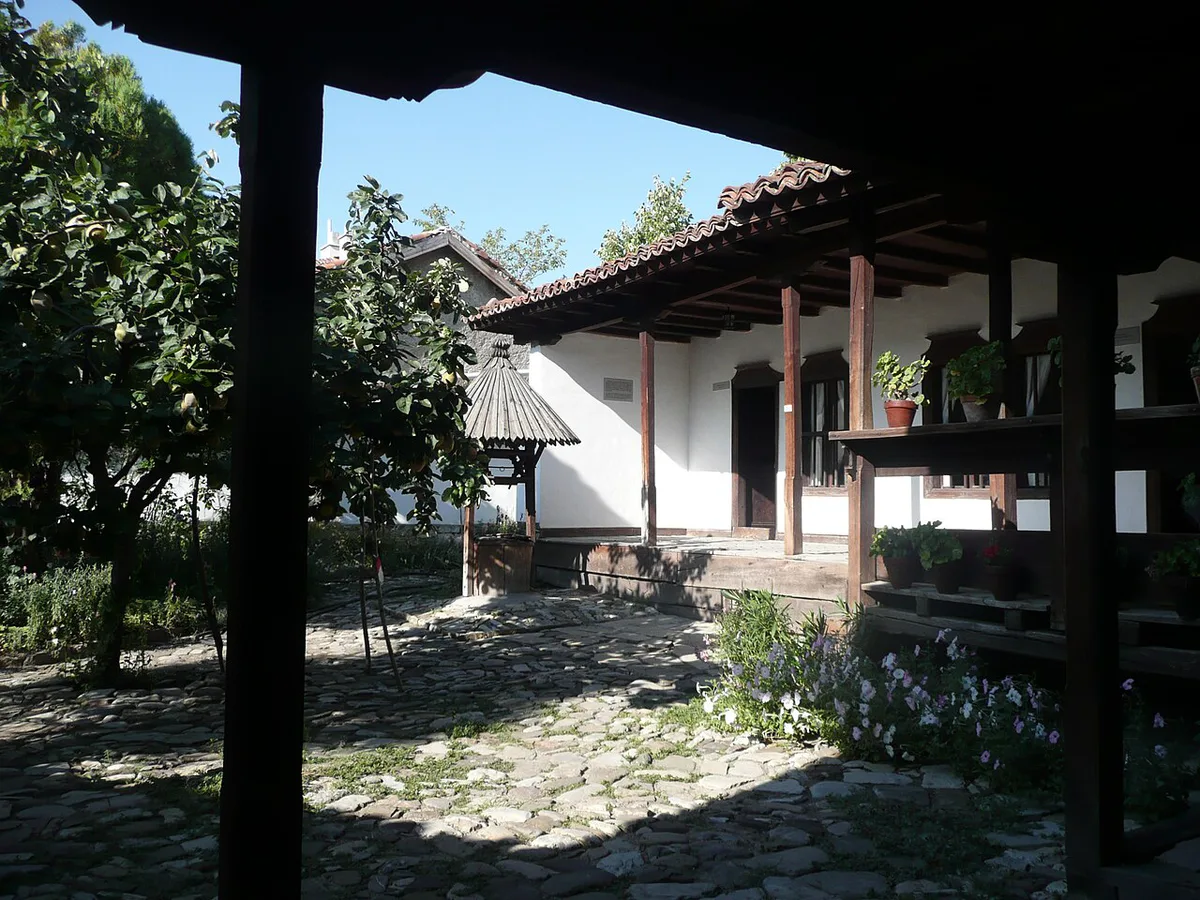
Central Sliven holds three connected house-museums built around the town's revolutionary history. Hadzhi Dimitar (1840-1868) grew up in a 19th-century home in Klutsohor. That home is preserved today as the Hadzhi Dimitar House-Museum, a monument to his fight for national liberation from Ottoman rule. All three sites sit inside walking distance of each other, so one loop through the old streets can cover them before lunch.
- Hadzhi Dimitar House-Museum: the childhood home of the voivode (1840-1868), in the Klutsohor district.
- Dobri Chintulov House-Museum: birthplace of the poet (1822-1886) whose revolutionary songs became a soundtrack of the Bulgarian National Revival.
- House-Museum of the Old Sliven Popular Customs: ethnographic exhibits on Klutsohor daily life, at ul. Simeon Tabakov 5.
The Industrial Cradle: Textile Heritage and Innovation
Sliven built its wealth on wool. Its National Museum of the Textile Industry sits in the yard of the country's first textile factory, and it is the only museum of its kind in Bulgaria. Working looms and spinning wheels on display there are close to 200 years old, and live demonstrations show how the industry once operated. Handwoven patterns inspired by these looms still turn up in Bulgaria Souvenirs: 15+ Authentic Gifts & Shopping Guide sold around the pedestrian center.
- National Museum of the Textile Industry: inside the yard of Bulgaria's first textile factory, with looms and spinning wheels close to 200 years old.
- Dobri Zhelyazkov (1800-1865): opened a cloth workshop in 1834 after learning the trade in Russia.
- Sultan's decree of 1836: authorized Zhelyazkov to keep producing cloth for the Ottoman army.
- The Town Clock: has marked the center's shared time for more than sixty years.
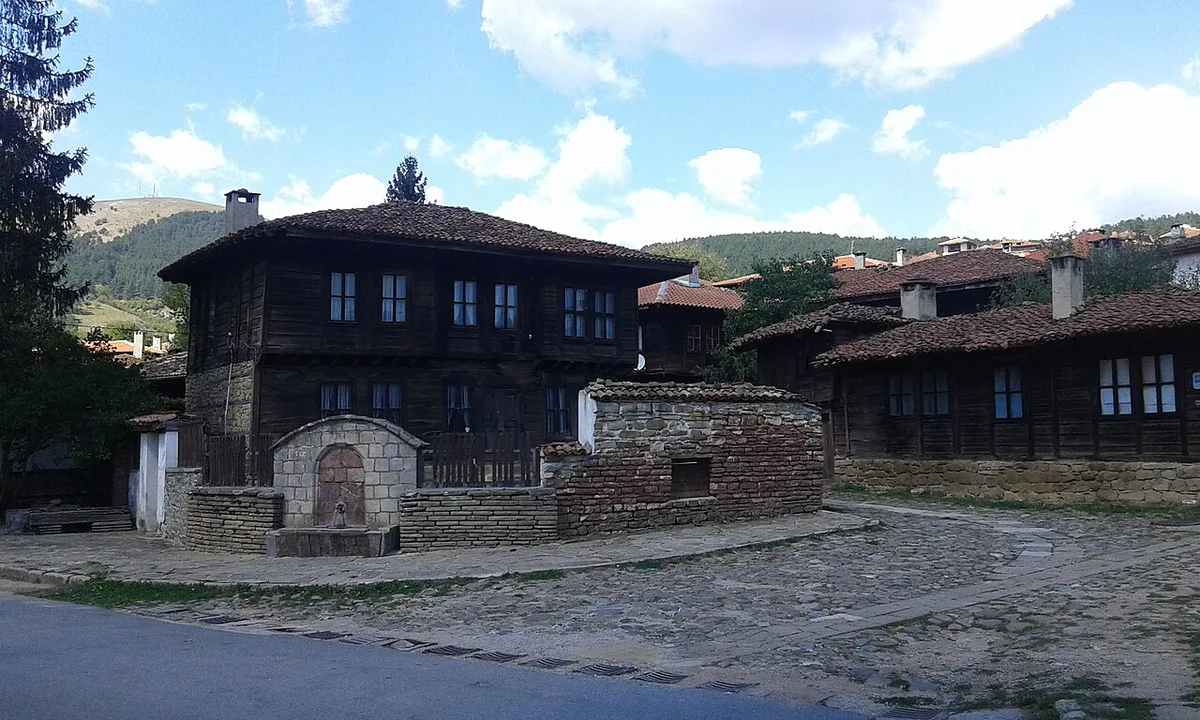
Architectural Landmarks and Symbols of the Old Town
A handful of physical landmarks carry Sliven's identity beyond its museums. Known locally as Stariyat Brast, the Old Elm stands at the start of the main promenade. Sliven's municipal site describes it as a thousand-year-old tree that lived through the centuries of Ottoman rule. Local memory holds that rebels were once hanged from its branches during the resistance, though the municipal site itself notes this is not documented fact. According to Sliven's municipal site, the elm was struck by tracheomycosis some years ago, and conservation efforts have had only limited success. Confirm its current condition before treating it as a guaranteed stop. On Hisarlaka Hill, at the edge of the old town, the remains of the Roman-era Tuida Fortress date to the second half of the 4th century AD.
- Monument of Hadzhi Dimitar: unveiled 8 November 1935 on the central square, with the hero's statue and five busts of prominent Sliven Revival-era citizens; restored in 1993-94.
- Monument of the 7th Cavalry Regiment, the Eaglet: originally funded by Sliven residents, renovated in 1996 with support from the National Donations Fund 13 Centuries Bulgaria and the Sliven Municipal Council.
Orientation: Finding Your Way Along Glavnata
Sliven's old town centers on a single pedestrian street known locally as Glavnata. History Museum exhibits sit directly on this street, and the central square nearby holds the Monument of Hadzhi Dimitar, ringed by busts of other Revival-era Sliven figures. Klutsohor, the town's oldest residential district, holds the Hadzhi Dimitar House-Museum a short walk from that square. Sliven's northern quarter holds three more stops covered above, all within walking reach of each other. Following Glavnata toward the town park, with its chestnut trees and small lake, works well as a natural close to a walking loop.
Sliven Old Town and Museums: Planning Your Visit
Most Bulgarian state museums close on Mondays, and Sliven's house-museums generally follow that pattern. Call ahead before a Monday stop, since posted hours can shift with the season. Hours at the Tourist Information Center, Tsar Osvoboditel Blvd. 1, run Monday to Friday, 08:00 to 17:00. Staff there confirm same-day museum hours and flag any temporary closures. A second information point has been reported near the start of the Haydushka Path. Confirm it is staffed before relying on it. That municipal site also offers monochrome, high-contrast, and magnifier display options for visitors who need them. On foot, the pedestrian core, including the house-museums and the History Museum, takes about a morning to cover. Reaching Tuida Fortress or the Sinite Kamani chairlift needs a car or taxi, since both sit outside that walking core.
| What to budget | What to expect |
|---|---|
| House-museums (Hadzhi Dimitar, Chintulov, Popular Customs) | A modest entry fee at each, priced closer to a coffee than a meal; confirm the current rate at the door. |
| National Museum of the Textile Industry | Similar modest entry; ask staff about a combined ticket with the History Museum. |
| Tourist Information Center | Free service; call +359 44 61148 or stop by Tsar Osvoboditel Blvd. 1 for current prices. |
Suggested Routes: A 4-Hour Loop vs a Full Day
Two rhythms cover most travelers' needs, depending on how much time is available. A tighter loop hits the highlights in around four hours. Add the fortress and a mountain detour for a full day instead.
The 4 hours route lists the Old Elm as a main stop, but recent conservation efforts have had only limited success, warranting verification of its current condition before planning around it.
| Time available | Route |
|---|---|
| About 4 hours | Hadzhi Dimitar House-Museum, the Old Elm, National Museum of the Textile Industry, and a walk along the main pedestrian street, known locally as Glavnata. |
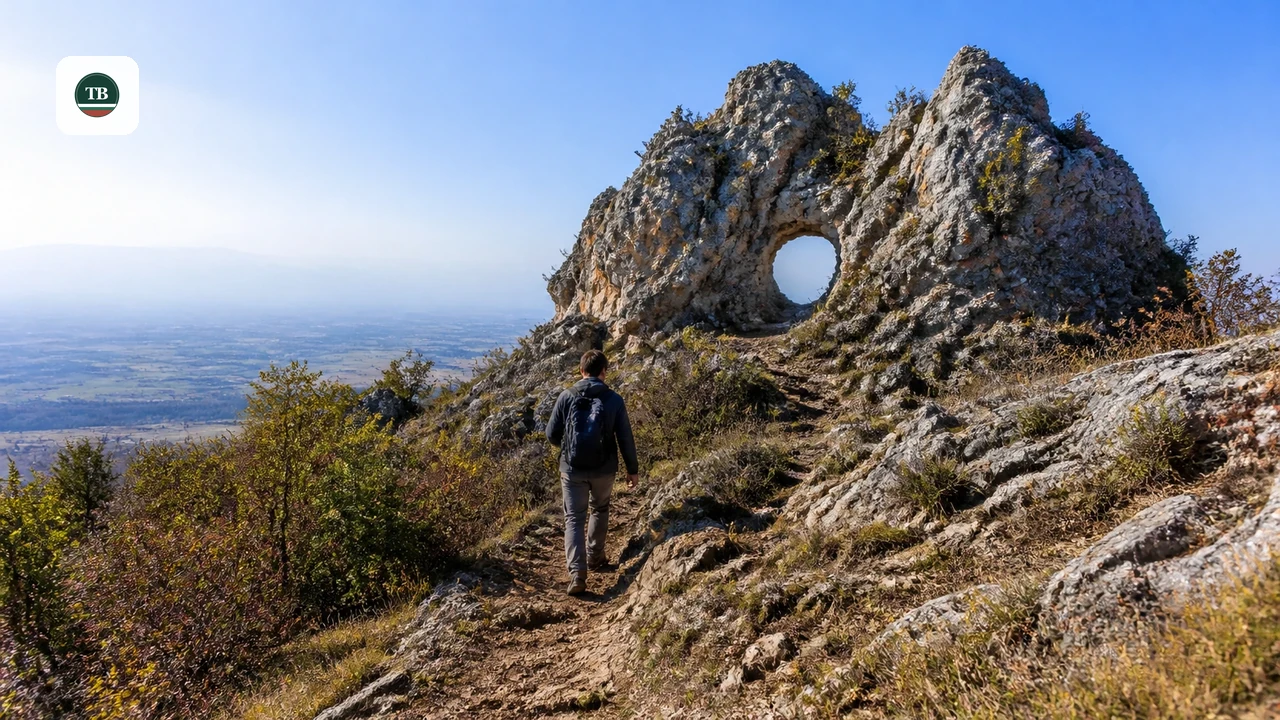
| A full day | Add Tuida Fortress on Hisarlaka Hill, the Chintulov House-Museum, and a ride up to Sinite Kamani Nature Park via the chairlift. |
- Pick the 4-hour route when passing through on a Bulgaria Road Trip Itinerary: 10 Essential Guide Sections between Sofia and Burgas.
- Pick the full day when Sliven is the overnight base and there's time for the Sinite Kamani chairlift.
Traveler Tips and Common Mistakes
Bora, the local wind, blows on more than half the days of the year. It can make outdoor walking uncomfortable, especially in colder months. Pick a calmer morning if possible, or plan indoor stops, like the museums, around the windiest hours. Skipping the History Museum's Thracian gold collection is a common mistake, since it's one of the region's most striking finds and sits right on the main pedestrian street. Sliven's church of St. Sofia and its church of St. Dimitar are also easy to miss but round out the old town's religious history alongside its revolutionary and industrial sites. Villages like Zheravna preserve their own Revival-era streets a short drive away, and the Day Trips from Sliven: A 2026 Guide to Zheravna, Kazanlak, and the Blue Stones guide covers routes there and to other nearby sites. After a morning of museums, the Klutsohor district and nearby streets hold most of the town's dining options. For where to eat and which regional wines to try, see the Sliven Food and Wine: Rakija, Wineries, and Where to Eat (2026 Guide) guide. Hikers extending the day toward the Sinite Kamani cliffs or the wider Balkan range should check the 10 Best Bulgaria Hiking Trails to Try in 2026 before setting out. For a broader sense of how Sliven compares with other stops, the 18 Best Places to Visit in Bulgaria: A Complete 2026 Guide guide places it alongside the country's other Revival-era towns.
Frequently Asked Questions
Are Sliven's museums closed on Mondays?
Most state-run museums in Bulgaria close on Mondays, and Sliven's house-museums generally follow the same rule. Call ahead, or check with the Tourist Information Center, before planning a Monday visit.
How much time should visitors plan for Sliven's old town and museums?
A focused loop through the Hadzhi Dimitar House-Museum, the Old Elm, and the Textile Museum takes about four hours. Adding Tuida Fortress, the Chintulov House-Museum, and the Sinite Kamani chairlift stretches the visit to a full day.
What is the bora wind, and when does it affect a visit?
Bora is a local wind that blows on more than half the days of the year in the Sliven area. It can make outdoor walking uncomfortable, so plan indoor museum time around windier stretches, especially in colder months.
Where is the Sliven Tourist Information Center?
Sliven's Tourist Information Center sits at Tsar Osvoboditel Blvd. 1, open Monday to Friday from 08:00 to 17:00. Staff there confirm same-day museum hours and can advise on the reported second point near the Haydushka Path.
How far is Sliven from Sofia and Burgas?
Sliven sits about 300 km from Sofia and about 115 km from Burgas, according to Bulgaria's official tourism portal. It works well as a stop for travelers driving between the two cities.