Ledenika Cave Vratsa: Visitor Guide to Bulgaria's Icy Show Cave
Last updated August 2026, this guide to Ledenika Cave Vratsa covers the drive-versus-hike decision, ticket logistics, and what the guided route actually shows underground. Ledenika sits about 16 km (10 miles) from central Vratsa inside Vrachanski Balkan Natural Park, with ten named halls linked by a roughly 350-meter walkway. Expect year-round karst formations, a beetle found almost nowhere else, and a cultural circuit that pairs the cave with Vratsa's Thracian gold collection.
Ledenika Cave Vratsa: Location and Quick Facts
Ledenika Cave sits inside Vrachanski Balkan Natural Park, roughly 16 km (10 miles) from central Vratsa in northwestern Bulgaria. Bulgaria's official tourism portal, Visit Bulgaria, places the site within the nature park and lists its entrance elevation and distance from town. The Bulgarian word 'ledenika' means icy or glacial, a name earned from stalactites and stalagmites that ice over near the entrance each winter. Summer and autumn visitors see the same limestone galleries without any ice, so the name describes a seasonal detail rather than a year-round look. Its cultural standing reaches beyond Bulgaria, too: Ledenika Peak in Antarctica's Graham Land was named for the cave. Visitor numbers peaked at a reported 100,000 a year in the late 1980s, before the 2005 renovation reset the walkways and lighting in use today. For the rest of the city's sights, pair this stop with 8 Best Things to Do in Vratsa: Caves, Gorges & History (2026).
- Distance from Vratsa: about 16 km (10 miles) by road
- Entrance elevation: about 830 m (2,720 ft) above sea level
- Opened to tourists: 1961, with infrastructure fully renovated in 2005
- Cave size: about 300 m of galleries across ten named halls
- Guided route: covers about 350 m and takes roughly one hour
- Recognition: included in the Bulgarian Tourist Union's 100 Tourist Sites list
Getting to Ledenika Cave from Vratsa: Drive or Hike
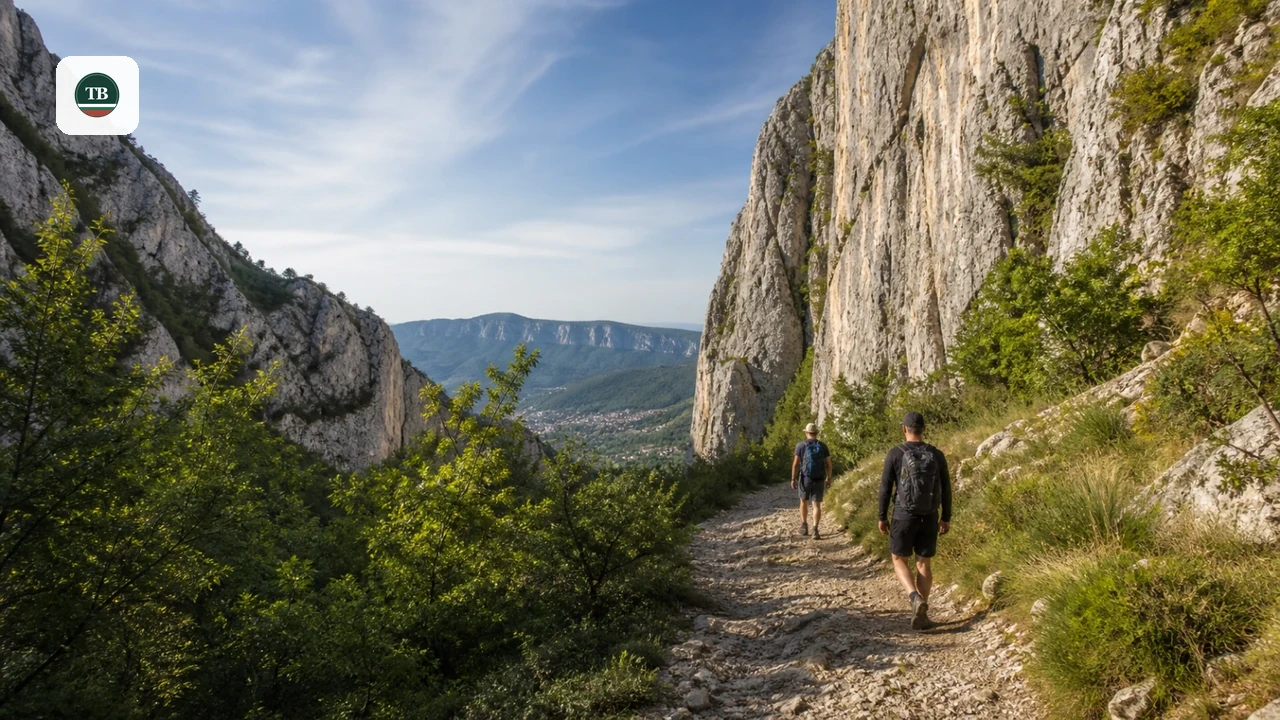
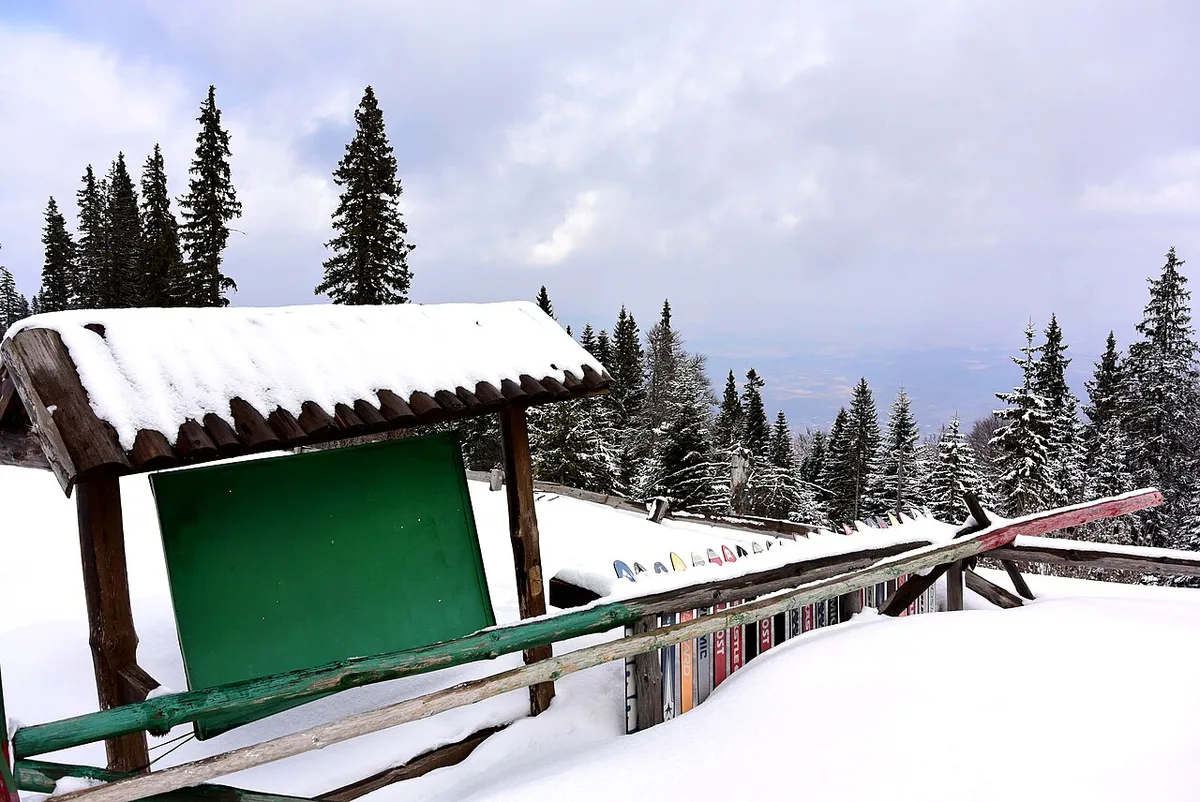
Two routes reach the cave from Vratsa, and the right one depends on time and appetite for a climb. Driving covers the same 16 km on a paved road that switches into hairpin turns as it climbs into the mountains. Road signs throughout Vratsa mark the way, and a parking lot sits directly in front of the cave entrance. Hiking instead starts at Vrattsata Pass, reachable by car or on foot about 1.5 km (0.9 miles) from town. Open Vratsa rates the trail as intermediate difficulty, taking roughly three hours one way. Families or travelers on a tight schedule generally do better driving. Hikers with a spring-to-autumn window and proper footwear get a longer look at the pass and the karst valley below.
Tour operators also package the hike with other Vratsa Karst stops. Traventuria's Sofia day tour adds the Borov Kamak eco-trail before the cave, with total transfer time around four hours and four to five hours of walking. Per Traventuria's published rates, it runs from €75 per person in a group of five or more up to €250 for a solo traveler, guide included. Best conditions run April through October. For trail-by-trail detail on the pass itself, see Vratsata Gorge Hiking Trails: The Best Routes in Vrachanski Balkan (2026). For the wider mountain network, check the 10 Best Bulgaria Hiking Trails to Try in 2026.
| Method | Approx. Time | Difficulty | Scenic Value |
|---|---|---|---|
| Drive | 30-40 min from Vratsa (16 km / 10 miles) | Easy driving, hairpin turns | Mountain road views |
| Hike from Vrattsata Pass | About 3 hours one-way | Intermediate, steep ascents | Garvanets ridge views over the pass and karst valley |
- Karierata campsite: about 30 minutes in, through pine forest
- Mechoto kladenche spring (Mechata voda): about 70 minutes in, with a rest area
- Garvanets rock ridge: the steepest stretch, with views over Vrattsata Pass
- Final descent to the cave: an easy 30-minute stretch downhill
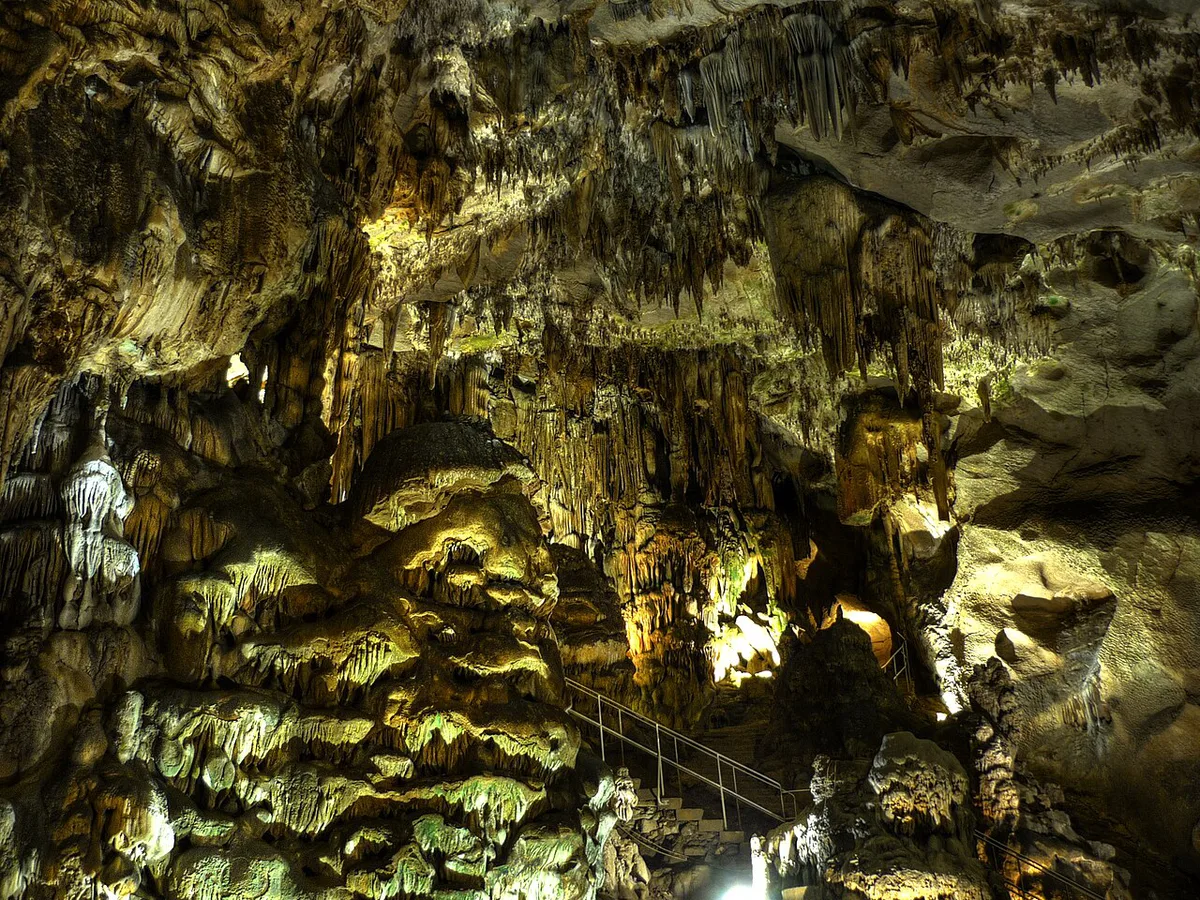
Inside Ledenika Cave: Halls, Formations, and the Light-Hater Beetle
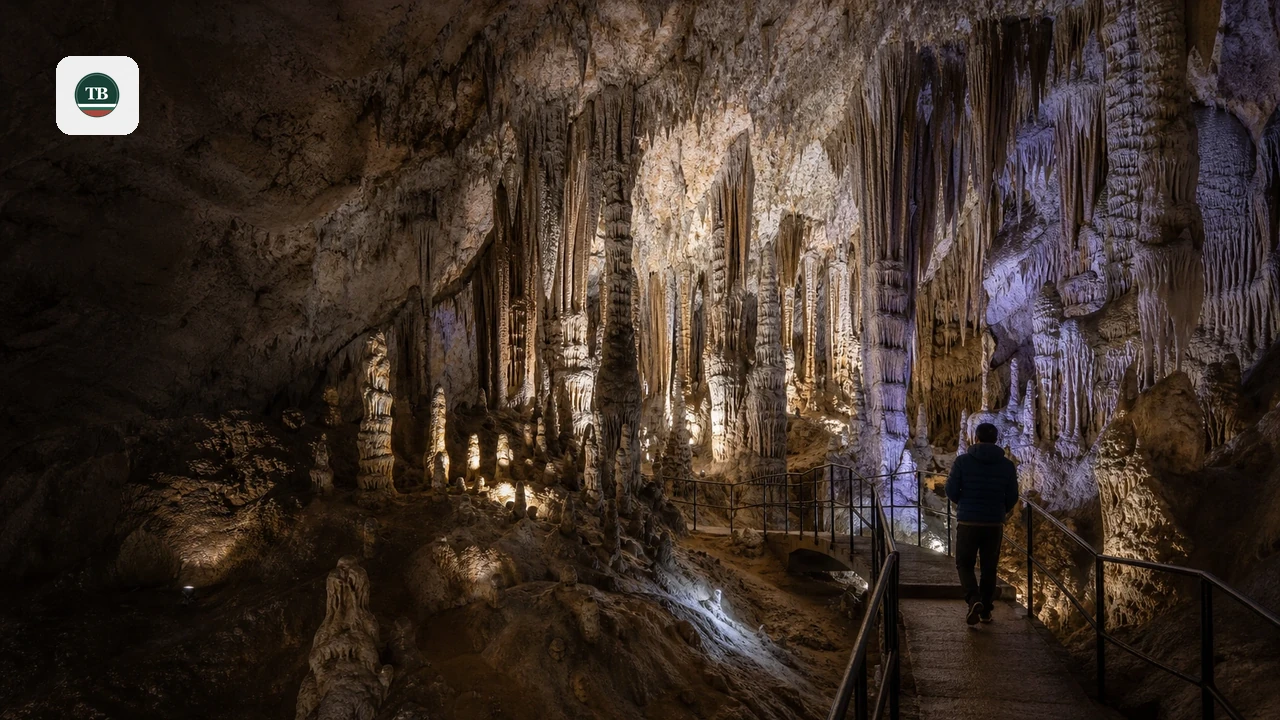
Guides lead every tour single file through roughly 350 m of galleries in about an hour. The walkway climbs through named halls and passages, in this order:
Botev Days (May 24 to June 2) bring both the annual Concert Hall performance and heavier visitor crowds, making advanced planning worthwhile for those seeking either experience.
- Antechamber: the lowest hall, and the only place true ice forms in winter and early spring
- Plaznyata: a low connecting passage
- Small circular hall
- Concert Hall: acoustics host an annual concert during Botev Days, May 24 to June 2, honoring revolutionary poet Hristo Botev
- Iron bridges over a small abyss and a large abyss
- Curtains corridor
- White Hall: the tour's highest point
Cave Formations, Microclimate, and the Wishing Lake
Formations along the route carry visitor nicknames, including shapes called Santa Claus, the Head of the Giant, and the House of Baba Yaga. A separate gallery, the Great Temple, holds the cave's tallest ceiling at about 15 m (50 ft). Near the entrance, the shallow Wishing Lake draws visitors who follow a local legend that dipping a hand in grants a wish. Interior temperature holds at about 7-8°C (45-46°F) year-round, and floors stay wet enough that footwear matters more than a jacket. Fifty-three recorded species live inside, among them an endemic beetle known as the light-hater, or Fagomycetes ledenicus, which dies if exposed to direct light.
Visitor Information: Tickets, Hours, and Tours
Every visit runs on a fixed schedule with a guide; independent exploration isn't an option. Hours split by season, and last entry closes an hour before closing time.
Visitor numbers peaked at 100,000 a year in the late 1980s, but today's guide-led group-tour format with restricted seasonal hours suggests infrastructure now constrains the flow.
None of the sources checked for this guide list a standalone entrance-ticket price, so confirm the current rate directly with Amusement Park Ledenika or Vratsa's municipal tourist office before driving out. For a rough cost anchor, Traventuria's guided day package, which bundles transfer, hiking, and cave entry from Sofia, starts around €75 per person in larger groups and runs up to €250 for a solo traveler. Information materials and souvenirs are sold at a stand next to the entrance, useful for a printed trail map if hiking in afterward.
A 1960 government decree declared Ledenika a natural landmark and added it to Bulgaria's list of protected territories. Rules ban collecting or damaging cave life, writing or painting on the walls, and carrying open flames or other smoking light sources inside.
- Summer hours: 09:00-17:00 daily, last entry 16:00
- Winter hours: 09:00-16:00 daily, last entry 15:00
- Entry: guide-led group tours only
- Parking: on-site lot directly at the cave entrance
- Amusement Park Ledenika info line: +359 92 623 553
- Municipality of Vratsa tourist contact: 6 Stefanaki Savov Street, Vratsa 3000; vratza.bg
The Vratsa Cultural Circuit: Museums, Treasures, and the Vrattsata Pass
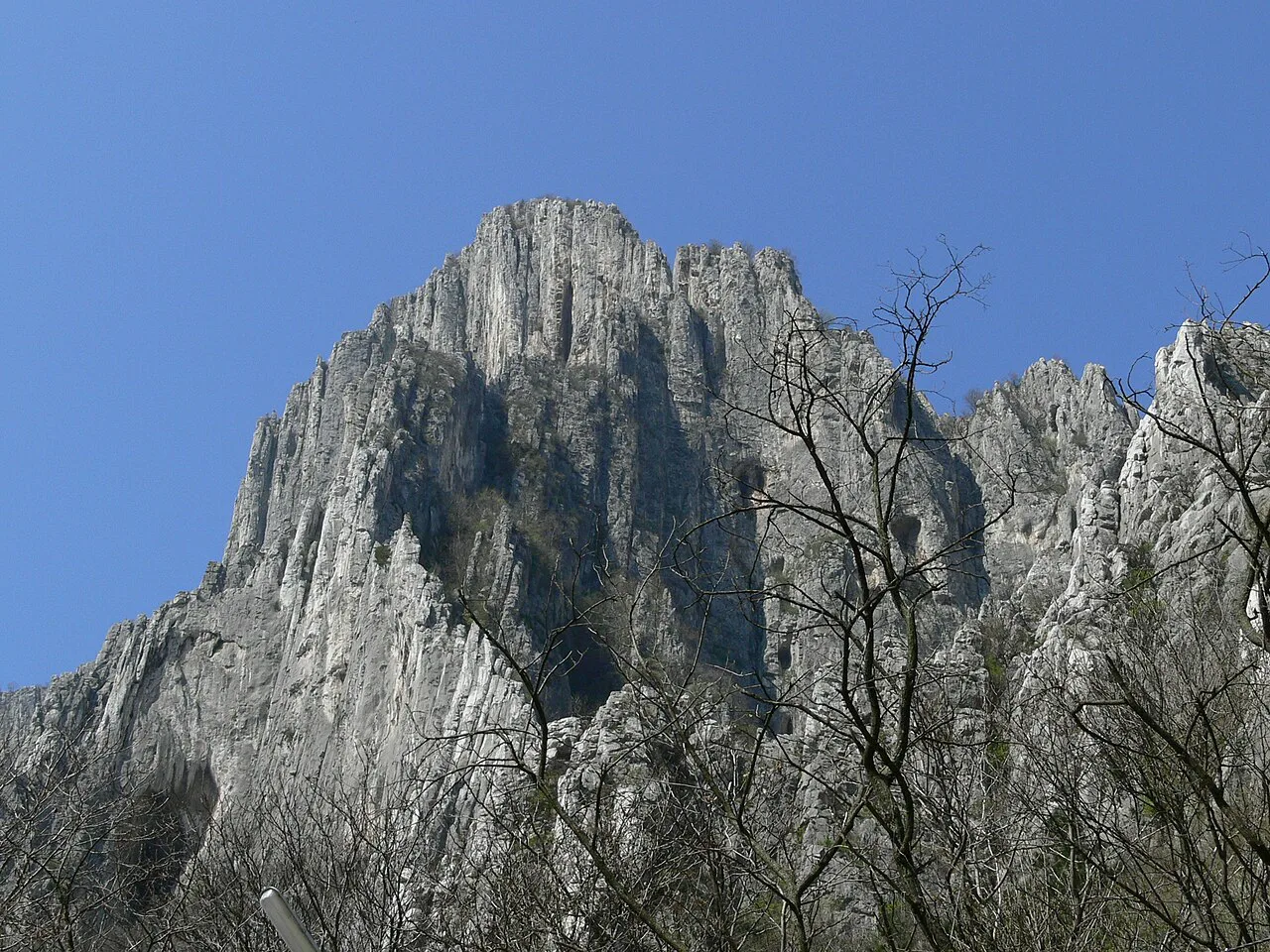
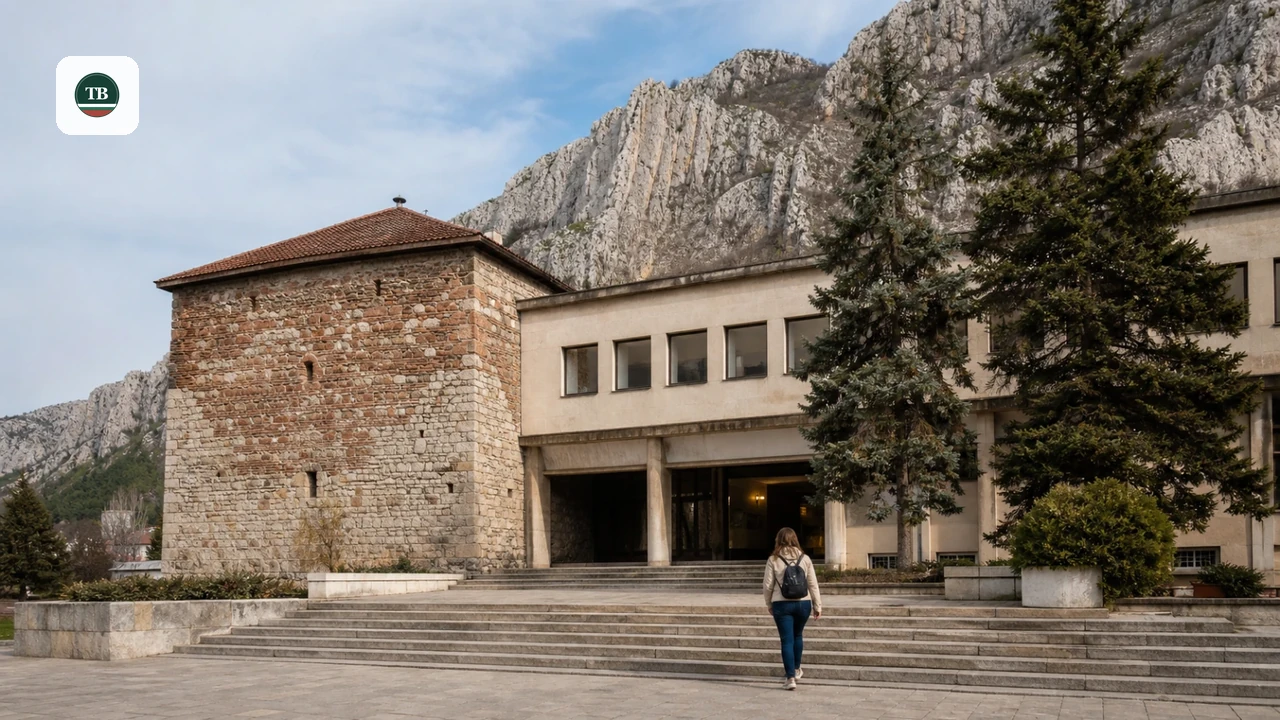
Vrattsata Pass is the gateway both the driving and hiking routes pass through. Tall vertical limestone walls flank the narrow gap on either side. Zgorigrad village sits along the approach from Vratsa and doubles as the starting point for guided tours that pair the pass with the Borov Kamak eco-trail. Inside Vratsa itself, the Vratsa History Museum holds the Rogozen Treasure and the separate Vratsa Treasures Exhibition, both drawn from the region's Thracian gold finds. Hristo Botev's regional significance extends beyond the Concert Hall performances to sites such as Okolchitsa - Hristo Botev National Park, part of the same commemorative landscape. Pairing a cave morning with a museum afternoon turns the day into what local guides frame as a karst-and-gold circuit. The Ethnographic-Revival Complex Nikola Voivodov offers a contrast, with 19th-century Bulgarian Revival-period architecture instead of limestone galleries. Before setting out on any hiking route, check conditions at the Nature Conservation Centre Natura, the park's on-the-ground resource for trail and weather updates.
Nearby Alternatives: Temnata Dupka Cave and the Borov Kamak Eco-Trail
Temnata Dupka Cave sits near Ledenika but skips the lighting, walkways, and guide-only format. It suits travelers who want rougher, unlit caving rather than a paved tour route. The Borov Kamak eco-trail is the area's other signature outing, built around a waterfall reported at about 50 m (164 ft) high. Wooden ladders and bridges carry the trail over cascades in the valley below Zgorigrad. Traventuria lists the walking time at four to five hours, best attempted April through October. Tour operators frequently combine Borov Kamak with a Ledenika visit in one long day, since both start from the same Zgorigrad-area trailhead. Anyone building a longer Bulgaria trip around these stops can route Vratsa into a Bulgaria Road Trip Itinerary: 10 Essential Guide Sections alongside Sofia and Belogradchik. For a wider set of options, the 18 Best Places to Visit in Bulgaria: A Complete 2026 Guide covers where else to add to that route.
Mistakes to Avoid and Local Tips
A handful of small planning choices make the difference between a smooth visit and a frustrating one.
- Skip sandals or flip-flops. Cave floors stay wet and slippery year-round, so closed hiking shoes are worth packing.
- Pack a light layer. The interior holds at 7-8°C (45-46°F) regardless of the season outside.
- Plan around Botev Days, May 24 to June 2, if a Concert Hall performance is the goal; expect heavier crowds those dates otherwise.
- Download offline maps before leaving Vratsa. Mobile signal is limited in the karst valleys around Vrattsata Pass and the hiking route.
- Check current trail status at the Nature Conservation Centre Natura before hiking outside the spring-to-autumn window.
- Combine the cave with the history museum on the same day trip rather than as two separate outings, since both sit inside the same compact Vratsa circuit.
For trip-planning details, see Ledenika Cave.
Frequently Asked Questions
How far is Ledenika Cave from Vratsa, and how long does the drive take?
Ledenika Cave sits about 16 km (10 miles) from central Vratsa. The paved access road climbs through hairpin turns, so plan for roughly 30-40 minutes each way.
How long is the guided tour inside Ledenika Cave?
The standard guided tour covers about 350 m of galleries in roughly an hour, moving through named halls from the Antechamber to the White Hall. Independent, unguided visits aren't offered.
What should visitors wear inside the cave?
Closed hiking shoes matter most, since the floors stay wet and slippery year-round. Sandals and flip-flops aren't practical for the terrain. A light jacket helps too, since the interior holds at 7-8°C (45-46°F) regardless of the season outside.
Can travelers hike to Ledenika Cave instead of driving?
Yes. An intermediate-difficulty trail runs about three hours from Vrattsata Pass, passing the Karierata campsite and the Mechoto kladenche spring before reaching the cave. Open Vratsa recommends the route mainly in spring through autumn.
What else is worth visiting near Ledenika Cave?
Temnata Dupka Cave offers unlit, undeveloped caving nearby, and the Borov Kamak eco-trail adds a four-to-five-hour waterfall hike. In Vratsa itself, the history museum's Rogozen Treasure rounds out a fuller day.
Is Ledenika Cave protected, and are there rules for visitors?
Yes. A 1960 government decree declared it a natural landmark, and rules ban collecting cave life, marking the walls, or carrying open flames inside.