Hristo Botev Monument Vratsa: City Square, Regional History Museum, and Okolchitsa Peak
Last updated August 2026, this guide separates the two structures that share the name "Hristo Botev monument Vratsa": a 12-meter bronze statue in the city's central square, and a 26.60-meter memorial cross on Okolchitsa Peak, 20 km away. A poet-revolutionary's 1876 uprising links directly to this modern city, whose museum holds his original 1890 statue. Knowing which monument fits your day, and how to reach each one, keeps you from wasting a whole afternoon.
The Legacy of Hristo Botev in Vratsa
Hristo Botev (1848 to 1876) was a poet, journalist, and revolutionary who led an armed detachment into Ottoman-ruled Bulgaria in 1876, aiming to spark a wider uprising for independence. His detachment fought its final battle near Vratsa. Botev died in that fighting the same year. Vratsa became the center of his memory because the events unfolded almost within sight of the city. Later generations built two separate monuments to mark different parts of that story, plus a museum that preserves the earliest one. Bulgaria still honors his death every June 2, and Vratsa hosts the country's largest commemoration that day. The June 2 holiday's meaning has shifted over time. Before 1944 it honored those who died for Bulgaria's independence. During the socialist era, official ceremonies also honored Communist partisans alongside Botev. After 1989, the day briefly lost official backing, and only in recent years has it returned as a widely observed public holiday. Poetry and revolutionary politics both shape how Bulgarians remember him, which is why his name marks a city square, a mountain peak, and a museum collection all at once.
Two Hristo Botev Monuments in Vratsa: City Square vs. Okolchitsa Peak
Two monuments answer to Hristo Botev's name in and around Vratsa, and mixing them up is the most common planning mistake for first-time visitors. One sits in the pedestrian city center, an easy stop on any walking tour. Another stands 20 km away on Okolchitsa Peak, marking the site of his detachment's final battle. They differ in height, setting, and the physical effort needed to reach them. Travelers with only an hour in town should prioritize the square. Those planning a half-day in the mountains should add Okolchitsa. Use the table below to decide which one, or both, fits your schedule.
| Feature | City Square Monument | Okolchitsa Peak Monument |
|---|---|---|
| Height | 12 meters (bronze statue) | 26.60 meters (concrete cross) |
| Distance from Vratsa center | In the central pedestrian square | About 20 km, near Chelopek village |
| Effort level | Wheelchair accessible, flat pedestrian square | Drive on a maintained road, or hike from Pavolche or Chelopek |
| Historical event marked | 1964 rededication at the city's memorial complex | 1876 final battle of Botev's detachment |
| Access and cost | Open 24/7, free, no ticket | Open access, free, no ticket; check road status before winter visits |
The 1964 City Center Monument at Hristo Botev Square
Sculptor Vladimir Ginovski designed the current statue, working with architects I. Ivanchev and D. Sugarev. Workers unveiled it on June 2, 1964, as part of a wider project to unify Vratsa's memorial sites under one plan. City planners intended the project to consolidate the city's earlier, scattered commemorative structures into a single memorial park. The bronze figure stands 12 meters tall in Hristo Botev Square, the city's main pedestrian plaza. Some map listings place the statue's address at bul. Hristo Botev 10 in central Vratsa. This central Vratsa sightseeing guide covers the square alongside the city's other central sights.
Hristo Botev Square itself stays open 24 hours a day, with free entry and no ticket required. Flat paving makes the site wheelchair accessible, unlike the mountain monument at Okolchitsa. A memorial flame marks the site for national commemorations, and crowds gather here every June 2. Official wreath-laying ceremonies center on this flame each June 2, drawing local and national dignitaries. Vendors and cafes around the square stay open through the evening, since the site sits inside the city's main pedestrian zone.
The Original 1890 Statue and the Regional History Museum of Vratsa
Austrian sculptor Gustav Eberlein designed Vratsa's very first Botev monument, unveiled on May 27, 1890. It was the first commemorative statue built for a national hero in independent Bulgaria. The original setting included a small fountain at the statue's base and an iron fence around the pedestal. Prince Ferdinand and Prime Minister Stefan Stambolov attended the opening, alongside Botev's mother, wife, and daughter. Workers dismantled the statue in 1955, and it now stands inside the Regional History Museum of Vratsa.
Two monuments anchor Vratsa's Botev memory: Eberlein's original 1890 statue, removed in 1955 but preserved in the museum, and the 1964 replacement that became the city square's main public memorial.
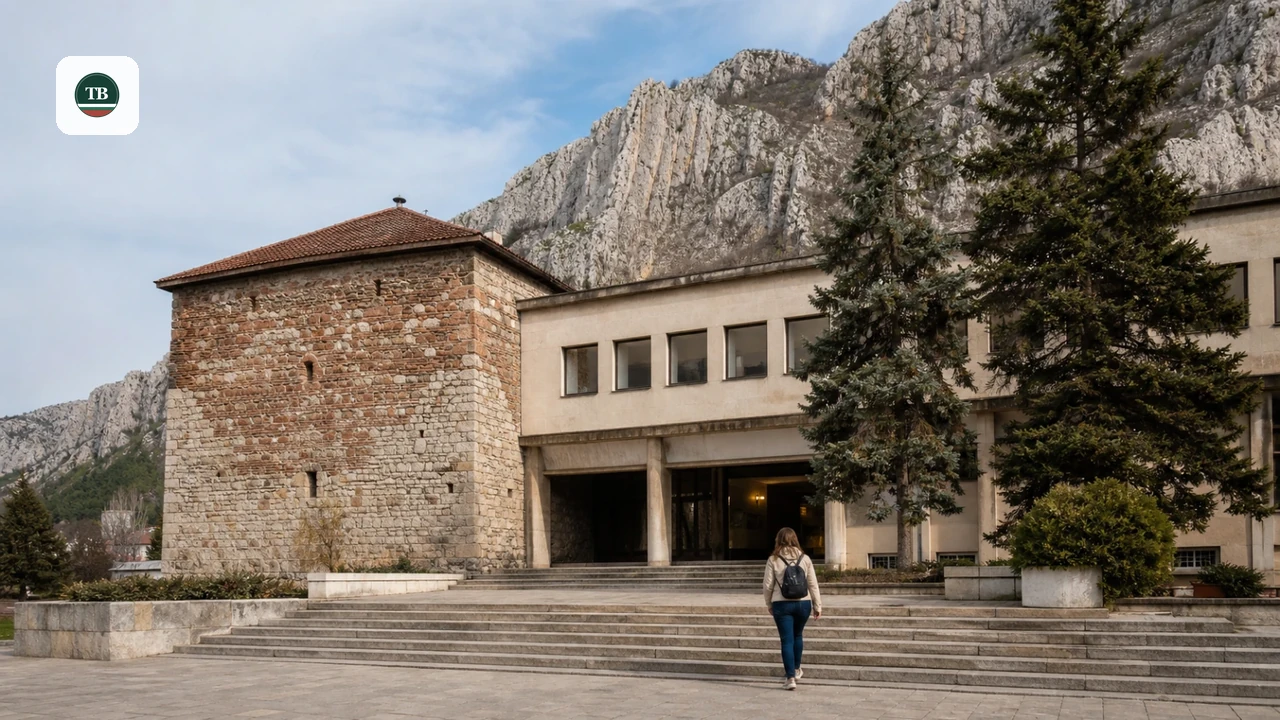
Vratsa's Regional History Museum sits at Hristo Botev Square 2, a short walk from the 1964 monument. It opens Monday to Friday from 09:00 to 17:30, and Saturday to Sunday from 09:00 to 17:00. Beyond the original Botev statue, the permanent collection displays Thracian-era finds connected to the nearby Mogilanska Mogila burial mound. The museum's Thracian gallery sits alongside other regional archaeological exhibits, giving visitors a broader view of Vratsa's history beyond the 19th century. Pair the museum with the square monument for a single history-focused stop in central Vratsa.
Okolchitsa Peak: The Memorial Cross Where Botev's Detachment Fell
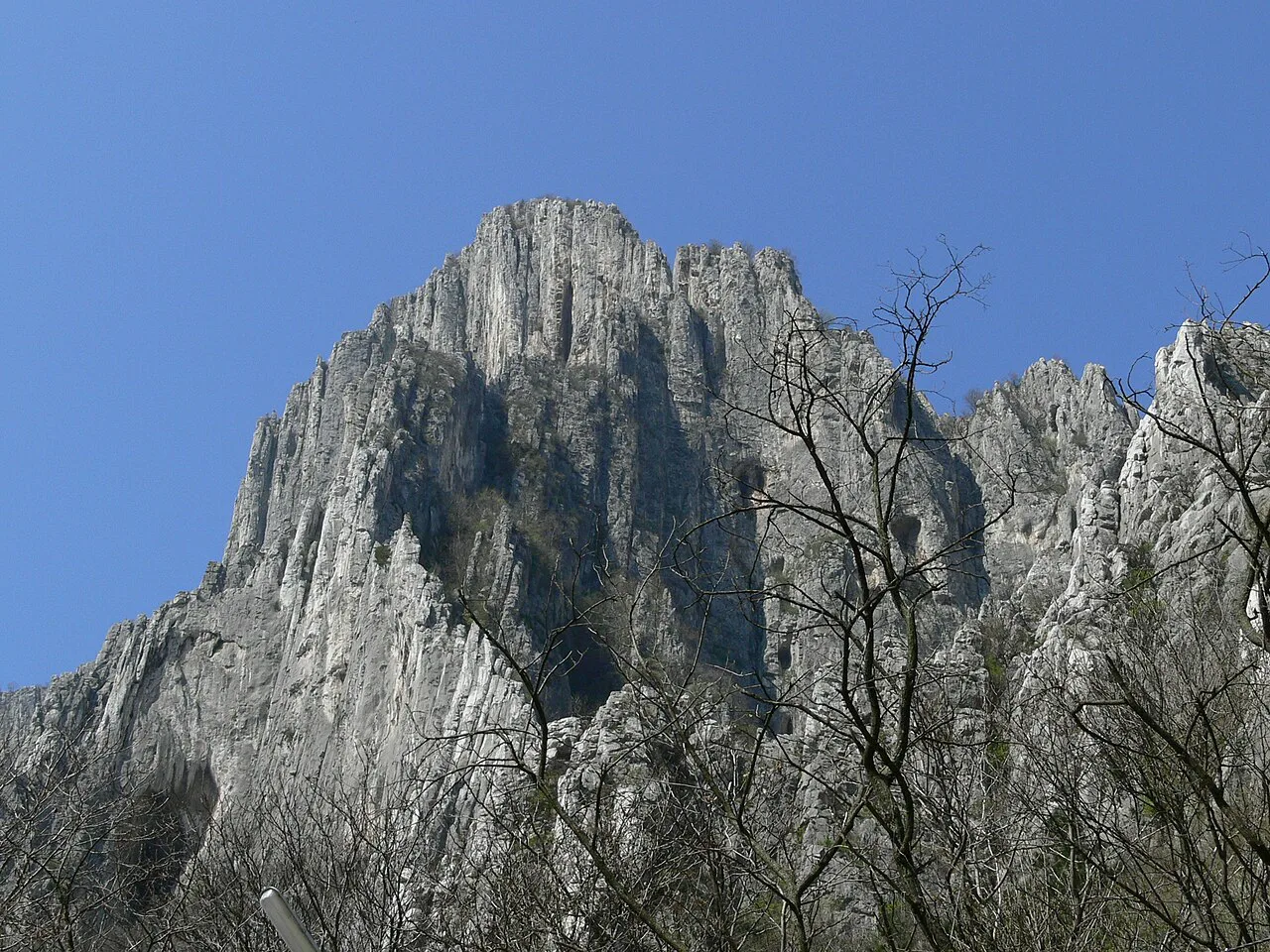
Okolchitsa Peak rises to 1,048 meters in the Vrachanski Balkan mountains, about 20 km from central Vratsa near Chelopek village. Botev's detachment fought its final battle here in 1876. A committee including nine of the detachment's surviving members chose the exact spot in 1901, picking ground close to the actual fighting.
Builders raised the monument in 1926: a reinforced-concrete army cross on what is now called Boteva Meadow. Authorities reshaped it into a five-pointed star in 1947, then restored the original cross form in 1991. Today it stands 26.60 meters tall, with the chapel of St. George at its base. Bulgaria's Ministry of Tourism lists it among the country's 100 National Tourist Sites. The peak also draws hang-gliders and weekend visitors for its views over the surrounding mountains, beyond its historical significance.
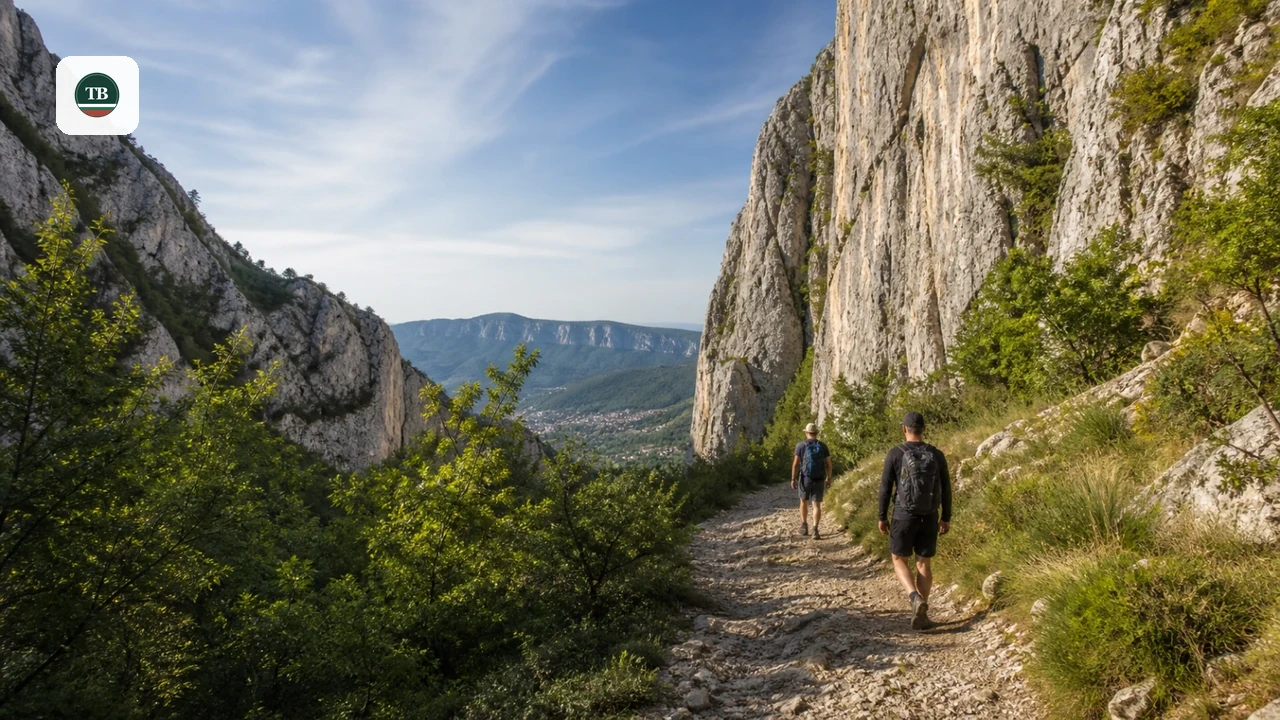
A well-maintained road connects Vratsa to the peak, suitable for regular cars. Hikers can also reach the site on marked trails from Pavolche and Chelopek villages. Check current road conditions before a winter visit, since mountain routes in this range can close after snow. Long-distance hikers sometimes arrive via the Botev Path, a marked route that begins in Kozloduy and ends at the peak, retracing the detachment's 1876 march. Budget a half-day round trip if driving. The city square monument suits a quicker stop for anyone short on time. Vratsa itself supplies the nearest hotels and restaurants for travelers who want to stay overnight before or after the peak visit.
Planning Your Visit: Hours, Costs, and Botev Days Timing
Both monuments cost nothing to visit, and the city square stays open around the clock. The Regional History Museum charges a modest admission ticket, unlike the two open-air monuments. Confirm the current price directly with the museum at Hristo Botev Square 2 before you go, since posted rates can change. Combine the visit with the museum's hours if you want both the original 1890 statue and the modern square monument in one trip. Add the stop to a wider multi-day Bulgaria itinerary if you're covering Northwest Bulgaria over several days.
June 2 draws the country's largest Botev commemoration, with nationwide sirens at 12:00, making early arrival essential to avoid parking and road congestion at both sites.
Bulgaria marks Botev's death every June 2, when sirens sound nationwide at 12:00 and Vratsa hosts the country's largest gathering for Botev Days. Crowds fill both the city square and Okolchitsa Peak that morning. Expect traffic on the mountain road and limited downtown parking around midday. Late May through early June suits travelers who want the commemorations themselves. Clear days later in summer suit those who mainly want the view from Okolchitsa. Fog or low cloud can block the summit outlook entirely, since the peak sits above 1,000 meters. Check the official Bulgaria tourism portal for updated national holiday schedules before a June 2 visit.
The Vratsa History Loop: Nearby Sights to Pair With Your Visit
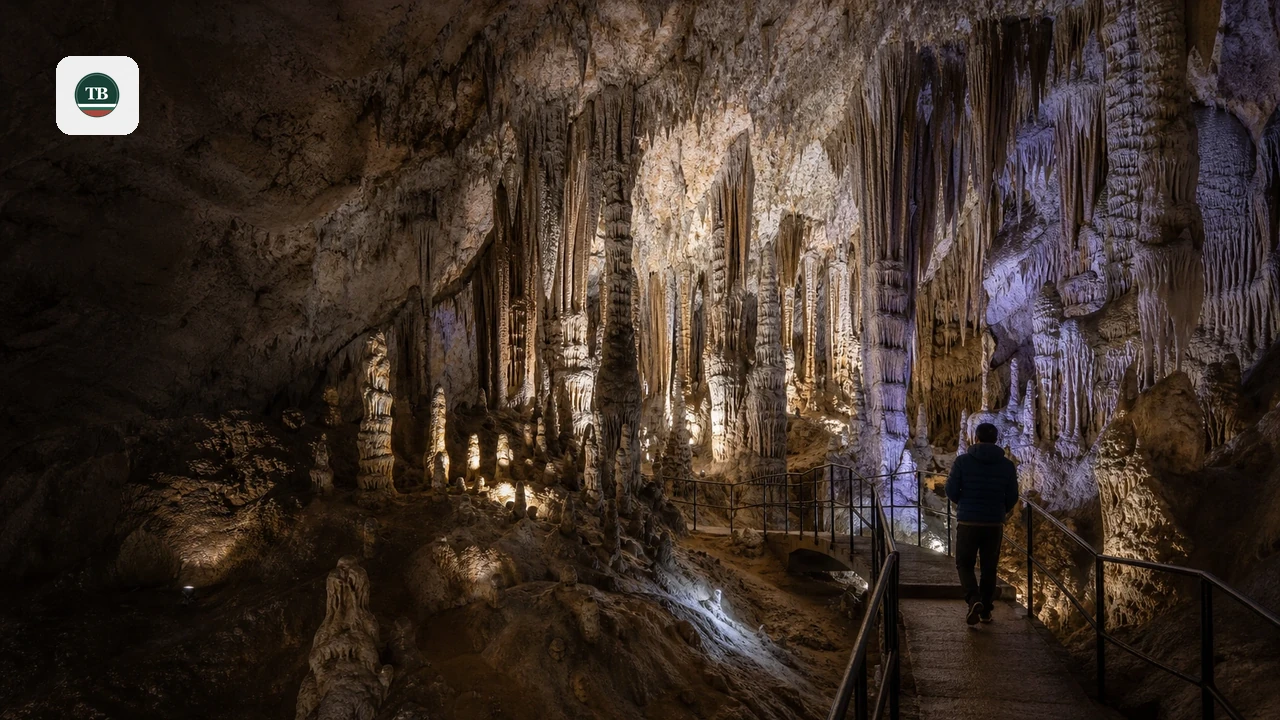
Several more sights sit within a short drive of central Vratsa, making a full day easy to plan. Meshchiite Tower stands only 159 meters from the city square monument, an easy stop before lunch. Vratsata Gorge hiking trails mark the entrance to the mountains just outside town. Ledenika Cave sits about 4 km away, roughly a 15-minute drive from the city center. Read the full Ledenika Cave visitor guide before you go, since opening times and tour formats change by season. Hikers planning a longer trip through the range should check the wider Balkan hiking guide for route planning across the region. Together, these stops turn a single monument visit into a half-day loop covering history, geology, and mountain scenery around Vratsa.
Common Mistakes to Avoid at the Hristo Botev Sites
A few planning errors show up again and again around these sites.
Building slack time into the schedule keeps a packed day from feeling rushed, especially around the June 2 holiday crowds. Once you've covered Vratsa's Botev sites, the wider Vrachanski Balkan region rewards a few extra days. For more stops across the country, the best places in Bulgaria guide lists other regions worth the drive.
- Confusing the city square monument with the Okolchitsa Peak monument: they sit 20 km apart, and mixing up directions wastes a morning.
- Driving to Okolchitsa Peak in heavy fog: the winding mountain road gets harder to navigate, and the summit view disappears entirely.
- Parking inside Hristo Botev Square: most of central Vratsa's core is pedestrianized, so park on a surrounding street and walk in.
- Assuming the museum keeps monument hours: the Regional History Museum closes overnight and runs shorter weekend hours, while both monuments stay open around the clock.
- Ignoring June 2 crowds when planning parking or road time: both sites see heavy visitor traffic that day, so arrive early or pick another date.
For trip-planning details, see Hristo Botev.
Frequently Asked Questions
Is the Hristo Botev monument in Vratsa open all day?
Vratsa's city square monument stays open 24 hours with free entry. Okolchitsa Peak is also open access with no ticket. Museum hours differ, since the Regional History Museum houses the fragile 1890 original: Monday to Friday 09:00 to 17:30, and Saturday to Sunday 09:00 to 17:00.
How tall is the Hristo Botev monument in Vratsa?
Vratsa's city center statue stands 12 meters tall. Okolchitsa Peak's memorial cross reaches 26.60 meters, more than double that height.
Can you hike to Okolchitsa Peak from Vratsa?
Yes. Marked trails reach the peak from Pavolche and Chelopek villages, and a well-maintained road also connects Vratsa to the site for drivers. Long-distance hikers sometimes follow the Botev Path from Kozloduy, retracing the detachment's 1876 route to the memorial.
What's the difference between the two Hristo Botev monuments in Vratsa?
Vratsa's city square statue, unveiled in 1964, honors Botev from the center of town. Okolchitsa Peak's cross, first raised in 1926 and restored to its original shape in 1991, marks the actual site of his detachment's final battle 20 km away.
How much time should I plan for visiting the Hristo Botev sites in Vratsa?
Budget under an hour for the city square monument and museum together. Add a half-day round trip if you're driving to Okolchitsa Peak, or longer if you're hiking in from Pavolche or Chelopek.
Is there an entrance fee for the Hristo Botev sites in Vratsa?
The city square monument and Okolchitsa Peak are both free to visit. The Regional History Museum charges a modest admission ticket for its collection, including the original 1890 statue. Confirm the current price directly with the museum at Hristo Botev Square 2.
What's the best time to visit the Hristo Botev monument in Vratsa?
Late May through early June brings the Botev Days commemorations, including the June 2 ceremonies at both sites. Clear days later in summer give the best visibility from Okolchitsa Peak's summit. Winter visits to the peak depend on road conditions, so check current status before driving up.
Is the Hristo Botev monument in Vratsa wheelchair accessible?
Vratsa's city square monument sits on flat, paved ground and is wheelchair accessible. Okolchitsa Peak's monument sits at the end of a mountain road, so reaching it requires a vehicle capable of the drive. The immediate summit area is less consistently paved than the city square.