Rozhen Monastery: Complete Guide for Visitors
Rozhen Monastery stands in the Pirin foothills, about 6 kilometres from the town of Melnik. Bulgaria's largest monastery in the Pirin Mountains has welcomed pilgrims and curious travellers for over 800 years. Its medieval frescoes, gilded iconostasis, and vine-draped courtyard make it one of the most rewarding sites in southwestern Bulgaria.
Most visitors pair the monastery with the scenic Melnik eco-trail, a 1.5 to 2-hour walk through dramatic sandstone formations. Whether you hike in or drive straight to the gate, the monastery deserves a proper visit.
This video offers a visual tour of Rozhen Monastery's medieval architecture and 13th-century heritage:
History of Rozhen Monastery
The monastery was founded in the early 13th century, during the rule of Despot Alexius Slav. Historians date the earliest archaeological evidence here to coins and grave items from the late 1200s. The first written record appears in a chant book from 1551, now held at the Great Lavra library on Mount Athos.
When Ottoman forces reached the Melnik region at the end of the 14th century, the monastery fell into long neglect. Monks slowly restored it in the 16th century, rebuilding the church and adding the earliest surviving frescoes.
A fire in the 17th century destroyed the library and most residential buildings. Wealthy Bulgarian donors funded a major reconstruction in the 18th century, including a full repainting of the church in 1732. That rebuilt complex is essentially what visitors explore today.
The monastery once held stavropegial status, meaning it answered directly to the Ecumenical Patriarch. The Greek Church withdrew this autonomy in 1761, citing financial ties to the Iveron Monastery on Mount Athos. Bulgaria reclaimed the monastery in 1912, and a court ruling in 1921 confirmed ownership in Bulgaria's favour.
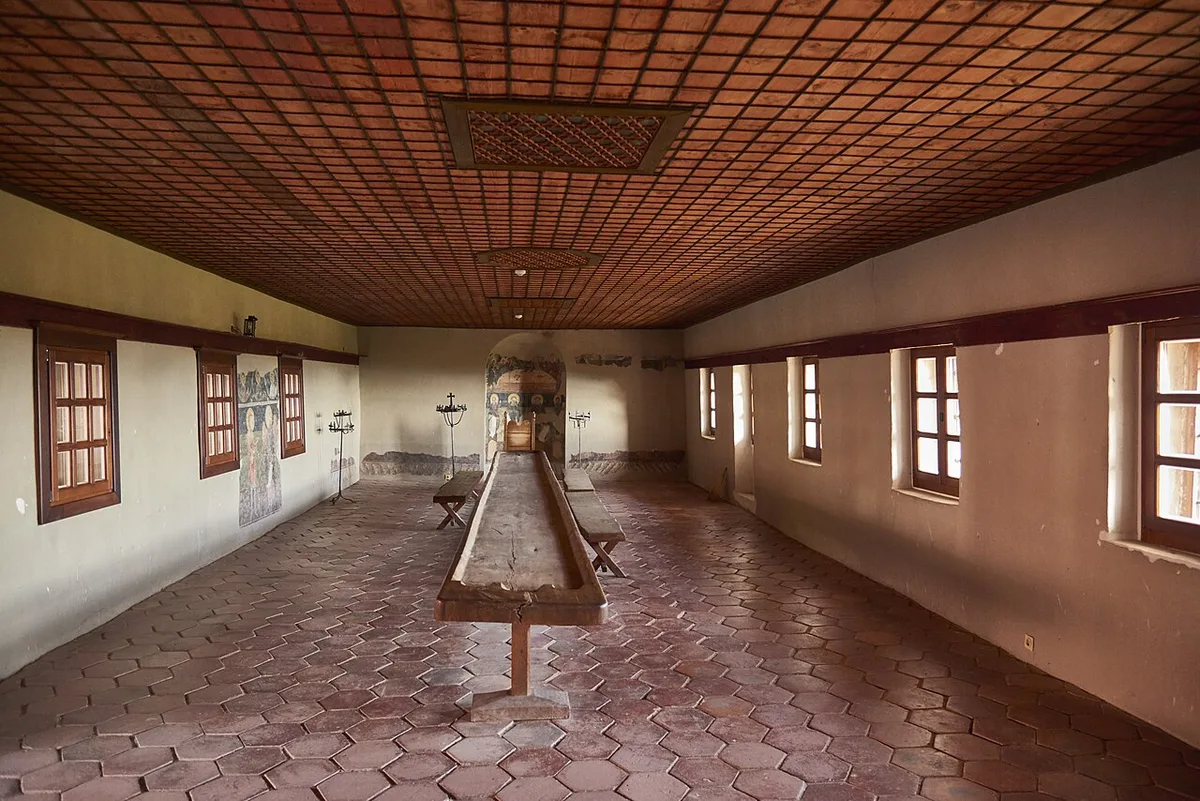
Architecture, Frescoes, and Icons
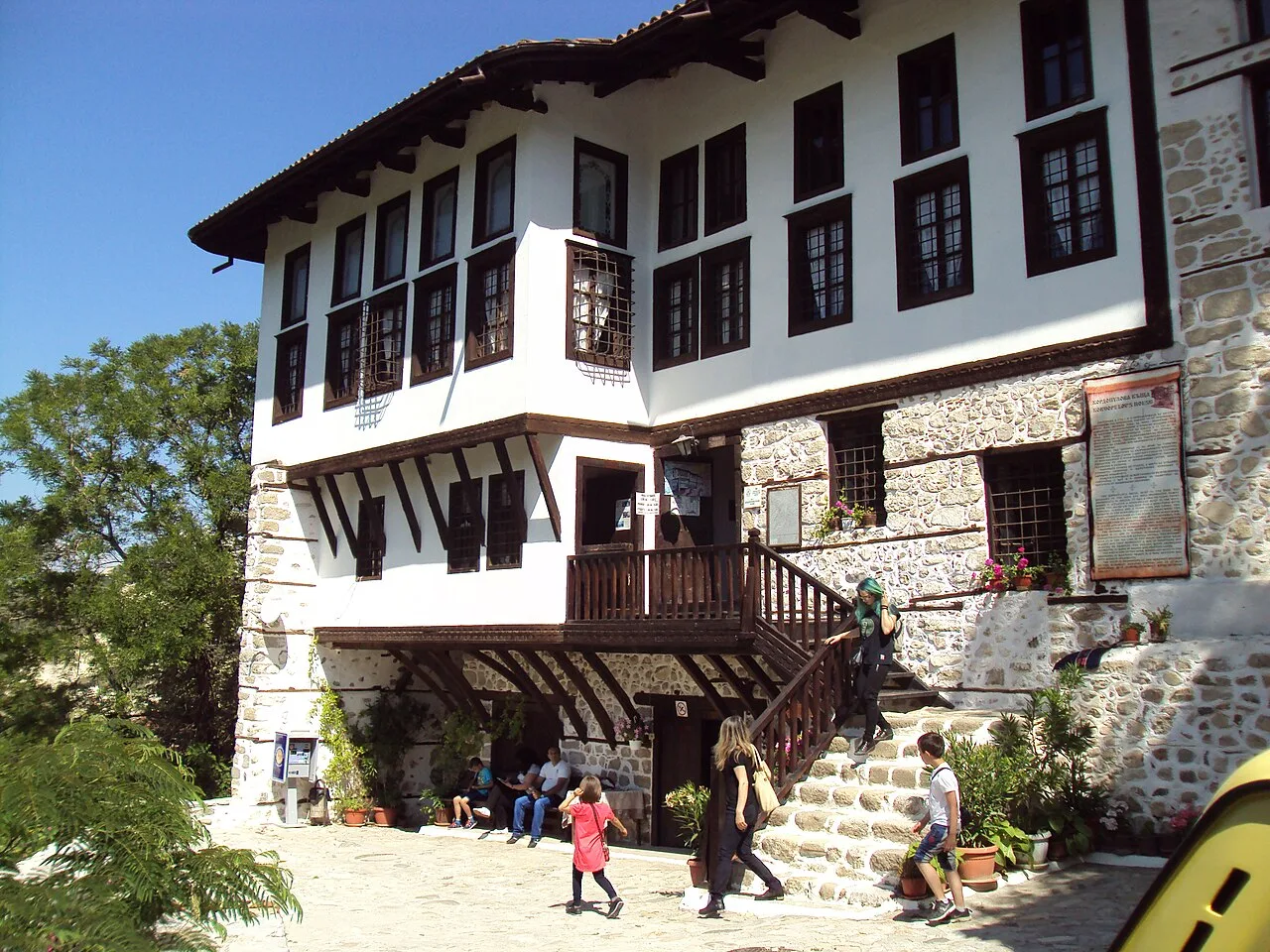
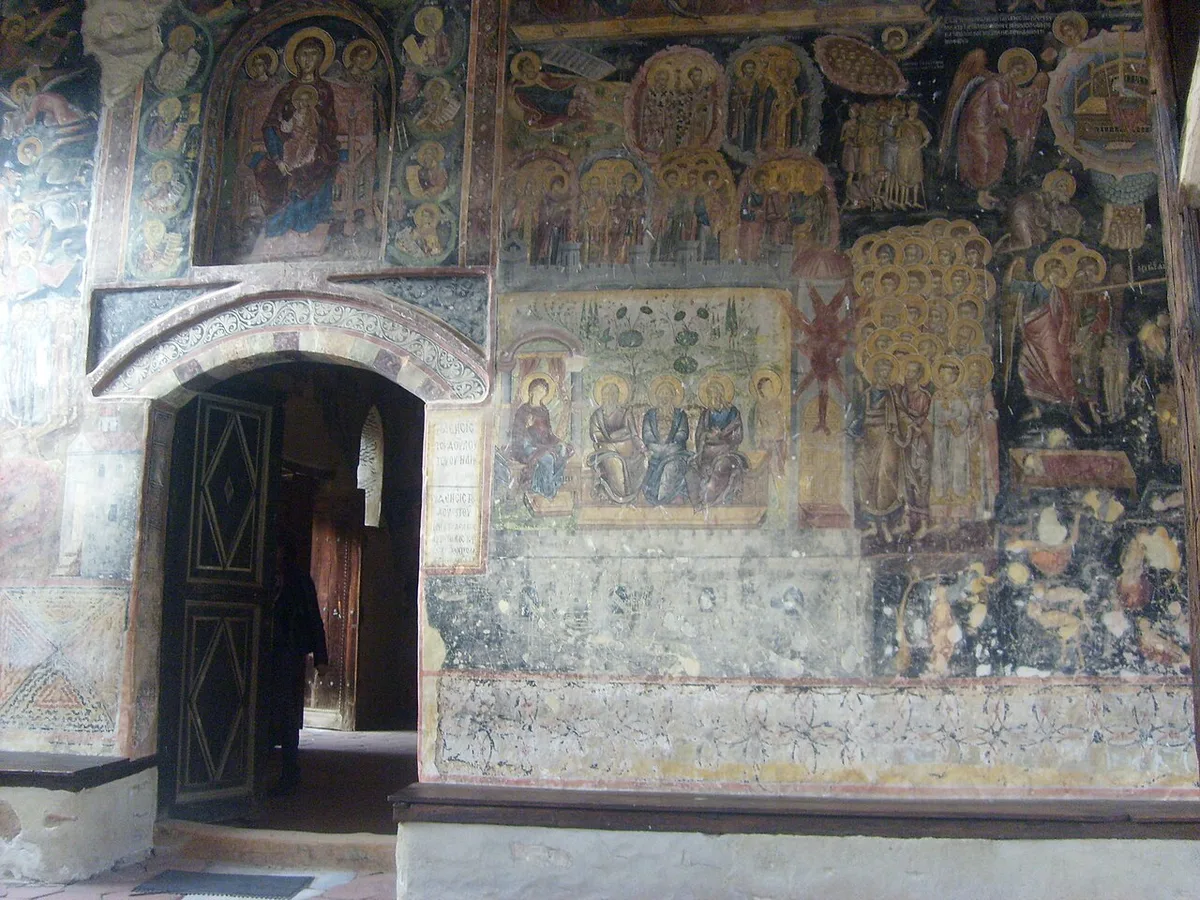
The main church is a three-nave, three-apsed building first constructed in the 16th century. Its current appearance reflects the 18th-century reconstruction, but the narthex still holds original 16th-century frescoes. These paintings focus on scenes of Christ's miracles after the Resurrection, depicted with striking emotional detail.
The iconostasis is the most impressive piece of woodcarving in the entire complex. Craftsmen completed it in 1732, filling its panels with interlaced floral patterns and gilded relief work. Most visitors stop in front of it without speaking — the level of detail demands attention.
The monastery's most treasured object is the icon of the Holy Virgin Portaitissa, painted in 1790. Legend says a widow in Nikea threw the original icon into the sea to protect it from a Byzantine emperor. Monks from Mount Athos retrieved it from the waves, and it eventually reached the Iveron Monastery in 999. Every year on 8 September — the monastery's patron day — pilgrims from across Bulgaria gather to pray before it.
Walking from Melnik to Rozhen Monastery
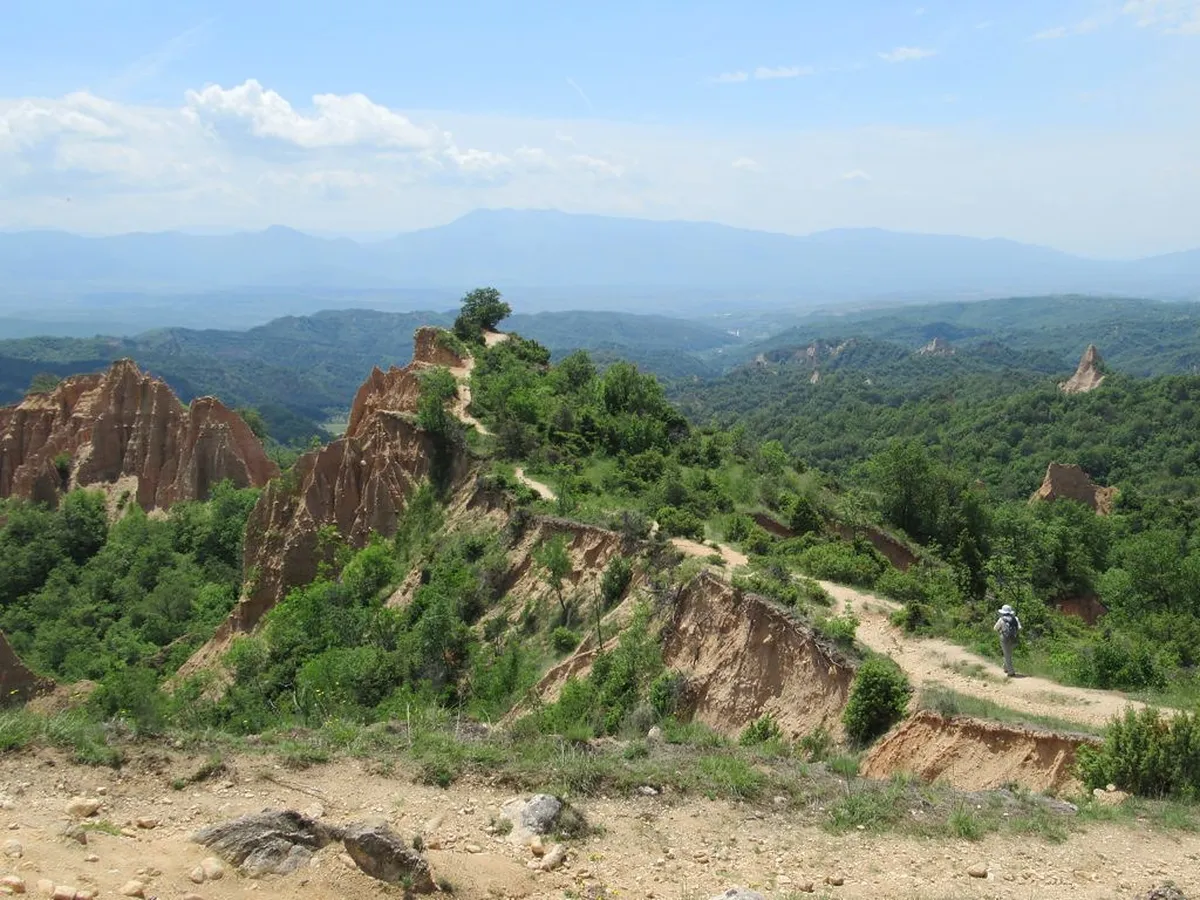
The eco-trail from Melnik to Rozhen Monastery is the most scenic way to arrive. The path covers about 6 kilometres and takes 1.5 to 2 hours at a relaxed walking pace. It is well-marked throughout and suitable for families with older children.
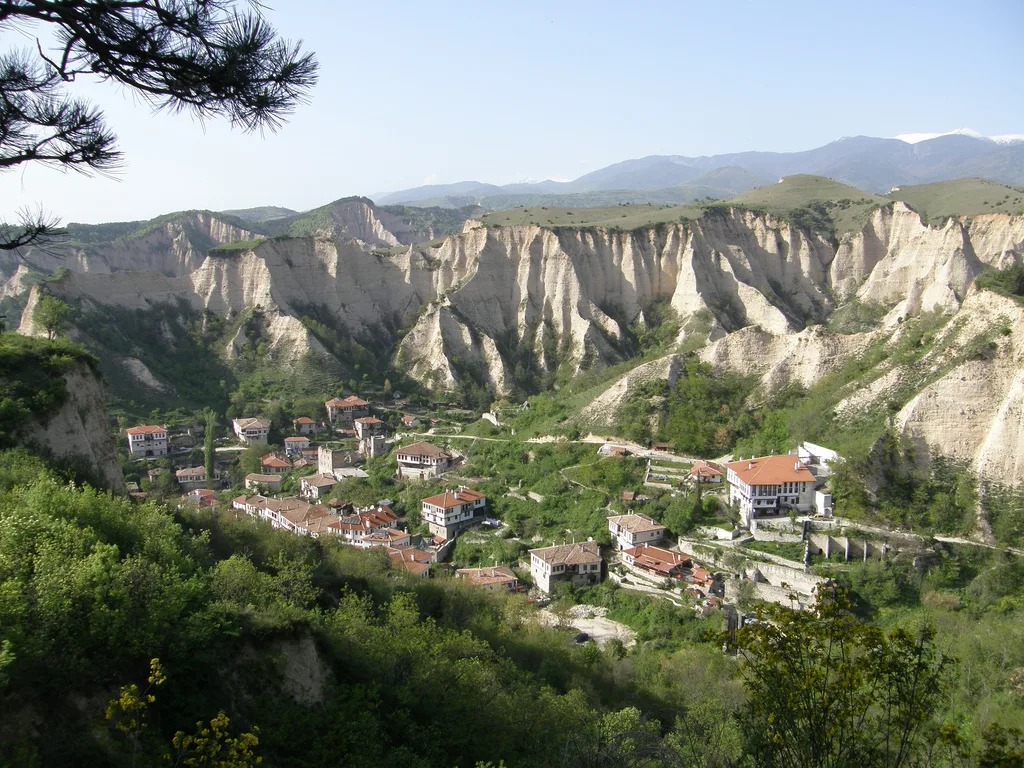
Shortly after leaving Melnik, the trail passes through the Melnik Sandstone Pyramids Travel Guide, formations that rise up to 100 metres. These eroded towers and mushroom-shaped rocks look especially striking in afternoon light. The pyramids were declared a protected landmark in 1960 and appear on Bulgaria's list of 100 national tourist sites.
The trail ends at a wide meadow directly outside the monastery gates. This open space is ideal for a picnic before or after exploring the complex. Note that the monastery has no café or food vendors, so carry snacks and water from Melnik.
For a shorter approach, the trail can also be walked from the village of Rozhen, about 1 kilometre from the monastery. From the village, a steep 10-minute climb up stone steps is the fastest option. A longer but easier 30-minute walk along the hairpin road offers better views of the Rozhen Pyramids.
The Melnik-to-Rozhen eco-trail takes 1.5 to 2 hours at a relaxed pace and covers 6 kilometres. Carry plenty of water and snacks, as there are no cafés along the route or at the monastery. Wear comfortable walking shoes with good grip, especially if visiting after rain.
How to Reach Rozhen Monastery
Rozhen Monastery sits 6 kilometres from Melnik in the Blagoevgrad Province of southwestern Bulgaria. By car, the drive takes about 15 minutes on a paved road. Free parking is available in the meadow directly in front of the monastery gates.
Melnik is reachable from Sofia by bus, with a journey of roughly 3 to 3.5 hours. From Sandanski, around 30 kilometres to the east, minibuses run to Melnik during the summer season. Check local schedules before travelling, as services are limited outside peak months.
- On foot from Melnik
- Distance: 6 km eco-trail
- Time: 1.5 to 2 hours
- Passes: Sandstone Pyramids
- Difficulty: easy to moderate
- By car from Melnik
- Distance: 6 km by road
- Time: about 15 minutes
- Parking: free meadow at the gate
- From Rozhen village (1 km away)
- Option A: steep steps, about 10 minutes
- Option B: hairpin road, about 30 minutes
- From Sofia by bus
- Bus to Melnik: 3 to 3.5 hours
- Then walk the eco-trail or hire a local taxi
What to See Near the Monastery
Just outside the monastery complex stands the Church of Saints Cyril and Methodius, built in 1914. Most visitors walk past it on the way in, but it rewards a closer look. Photography is permitted on the exterior here, unlike inside the main church.
Beside this church lies the grave of Yane Sandanski, a Macedonian revolutionary leader killed on 21 April 1915. His tombstone carries a Cyrillic inscription that translates as: To live is to fight — the slave for freedom, the free man for excellence. History-minded visitors often linger here longer than they expect.
The Melnik Pyramids are visible from the trail and from the monastery meadow, easy to appreciate in passing. For a closer look, the best things to do in Melnik include a dedicated eco-trail detour through the pyramid formations. A return to Melnik for wine tasting rounds off a full day in the area naturally.
Practical Tips Before You Visit
The monastery closes at 5pm, so plan to arrive by 3:30pm at the latest. This allows enough time to explore the church, courtyard, ossuary, and the Sandanski grave outside without rushing. On 8 September — the patron day — expect larger crowds and a more lively setting.
Modest dress is required inside the monastery, as it remains an active place of worship. Covered shoulders and knees are expected for both men and women. Scarves are sometimes available at the entrance, but it is safer to carry your own.
A fresh mineral spring in the courtyard provides free drinking water, so a reusable bottle is worth bringing. Photography is not permitted inside the main church, but the courtyard and exterior frescoes are open to photograph. Entry to the grounds is generally free, though a small donation when visiting the church is customary. Bulgaria's official tourism portal maintains a dedicated page for the monastery with current seasonal details.
The monastery closes at 5pm — plan to arrive by 3:30pm to allow adequate time for a full visit. Modest dress is required inside the church: covered shoulders and knees for both men and women. Bring a scarf if you don't have clothing that meets this requirement, or grab one (sometimes available) at the entrance.
Continue planning: Use 10 Best Things to Do in Melnik and Best Time to Visit Melnik, Bulgaria to connect this guide with the rest of your Bulgaria itinerary.
Frequently Asked Questions
How long does it take to walk from Melnik to Rozhen Monastery?
The eco-trail from Melnik to Rozhen Monastery covers about 6 kilometres and takes 1.5 to 2 hours at a comfortable pace. The path is well-marked and passes the Sandstone Pyramids along the way. Most visitors combine the walk with a monastery visit for a rewarding half-day trip.
What time does Rozhen Monastery close?
Rozhen Monastery closes at 5pm. Aim to arrive by 3:30pm to allow enough time to explore the church, courtyard, and the Yane Sandanski grave outside the gate. Opening hours may vary on public holidays, so it is worth checking locally before you visit.
Is Rozhen Monastery free to enter?
Entry to the monastery grounds is generally free. A small donation is customary when visiting the church. Photography is not permitted inside the main church, but the courtyard and exterior frescoes are open to photograph freely.
Who is buried near Rozhen Monastery?
The grave of Yane Sandanski, a Macedonian revolutionary leader killed in 1915, sits just outside the monastery near the Church of Saints Cyril and Methodius. His tombstone inscription translates as: To live is to fight — the slave for freedom, the free man for excellence. It is a compelling stop for history-minded visitors. Read more on the Tours Bulgaria travel blog.
Can you visit Rozhen Monastery and Melnik in one day?
Yes, combining both in a single day is the standard approach for most visitors. Walk the Melnik eco-trail to the monastery in the morning, spend time at the complex in the early afternoon, and return to Melnik for wine tasting and dinner. The full loop takes around 5 to 6 hours at a relaxed pace.
Rozhen Monastery rewards visitors with one of the most complete medieval experiences in Bulgaria. Its frescoes, carved iconostasis, and courtyard spring carry the weight of eight centuries of history. The Yane Sandanski grave and the walk through the Sandstone Pyramids add layers that most monastery visits simply do not offer.
Whether you hike the scenic eco-trail from Melnik or drive straight to the gate, plan at least two hours at the complex. Arrive before 3:30pm, dress modestly, and let the quiet courtyard do the rest.