Varosha Old Town, Blagoevgrad: A Guide to the Historic Quarter
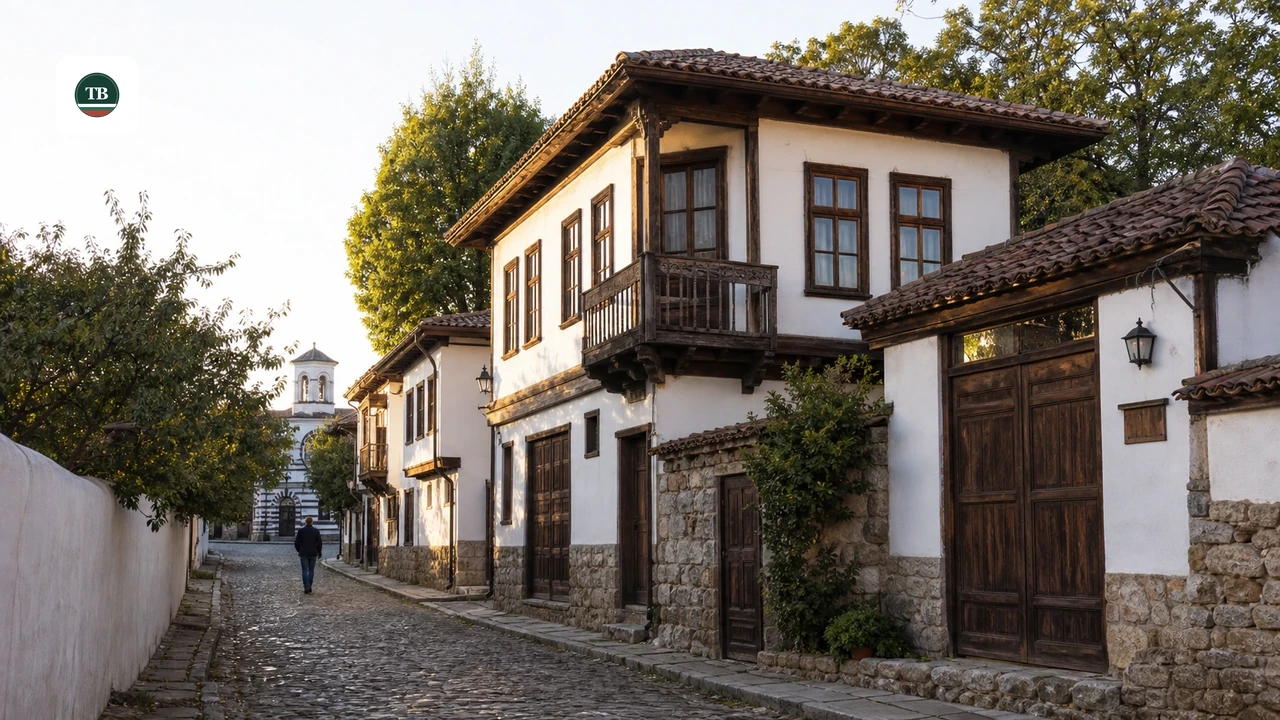
Last updated August 2026, Varosha old town Blagoevgrad remains the compact Renaissance quarter that shows what the city looked like before its 20th-century expansion. Cobblestone lanes climb from the Bistritsa River past 19th-century Bulgarian National Revival houses, timber balconies, and gated stone courtyards. This guide covers the quarter's key sights, a self-guided walking route from Macedonia Square, and the fees and hours to check before you go.
What Is Varosha Old Town in Blagoevgrad?
Varosha is the old Christian quarter of Blagoevgrad, a name rooted in a proto-Bulgarian word for old town. Ottoman-era records first mention it in 1502, when the city was still called Gorna Dzhumaya. By the 18th century it had become the only Christian district in town, while Turkish residents lived on the other side of the river near the mineral springs. Regional tourism sources count Varosha among Bulgaria's One Hundred National Tourist Sites, and it is often grouped among the 18 Best Places to Visit in Bulgaria: A Complete 2026 Guide for travelers tracing Renaissance-era towns south of Sofia. The Ministry of Tourism lists the quarter's infrastructure as hotels, restaurants, and shops, with free, year-round access and roads nearby for anyone arriving by car. Address listings for the quarter often read simply Varosha, Blagoevgrad, since the district itself, not a single building, is the destination.
Today the quarter functions as a lived-in neighborhood as much as a sightseeing stop. Galleries, workshops, and a children's arts complex now operate out of several former merchant houses, and restaurants near the quarter offer a place to pause between stops. Modern Blagoevgrad grew up around Georgi Izmirliev Square, rebuilt in 1987 for a state visit that brought 150 diplomats to the city. Thirty older buildings were demolished to make room for the new civic center, built in under two years. Varosha's grid of stone lanes and 19th-century houses sits apart from that socialist-era square, so crossing the river into the quarter feels like moving into an earlier century. For a full list of 15 Best Things to Do in Blagoevgrad, Bulgaria (2026 Guide), this walk through Varosha pairs well with stops across the modern city center.
Top Sights Inside Varosha Old Town Blagoevgrad
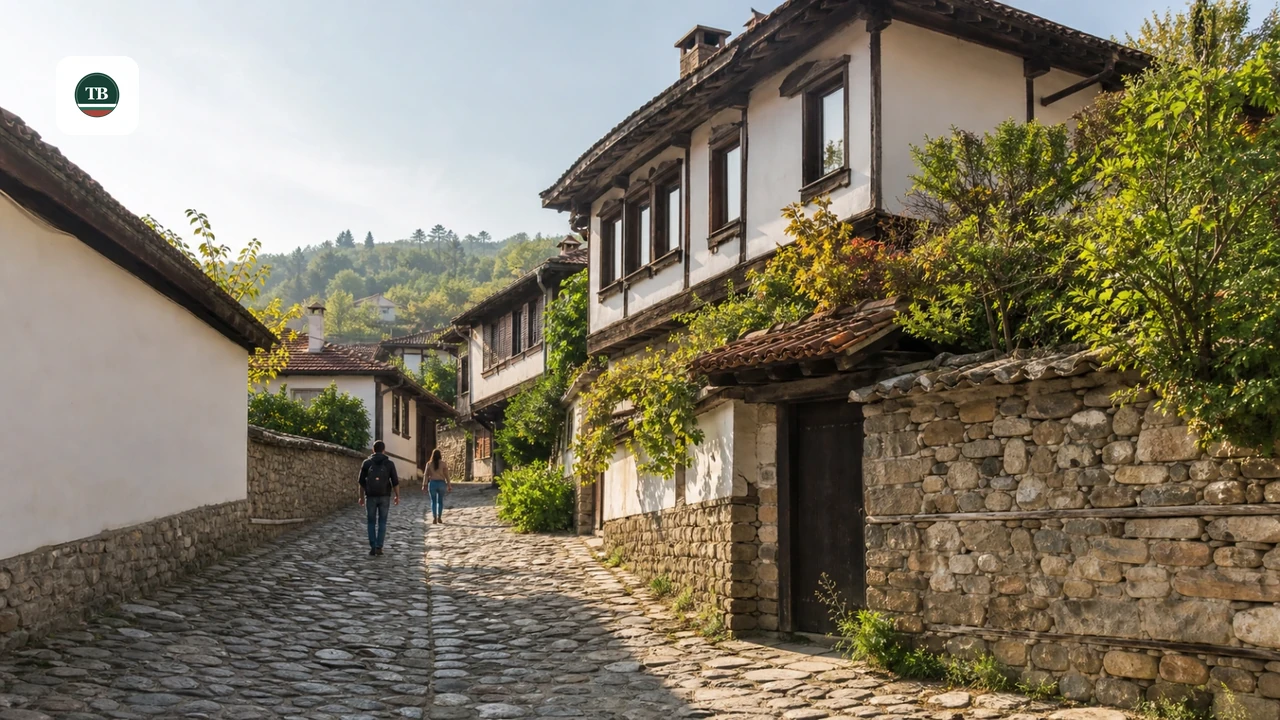
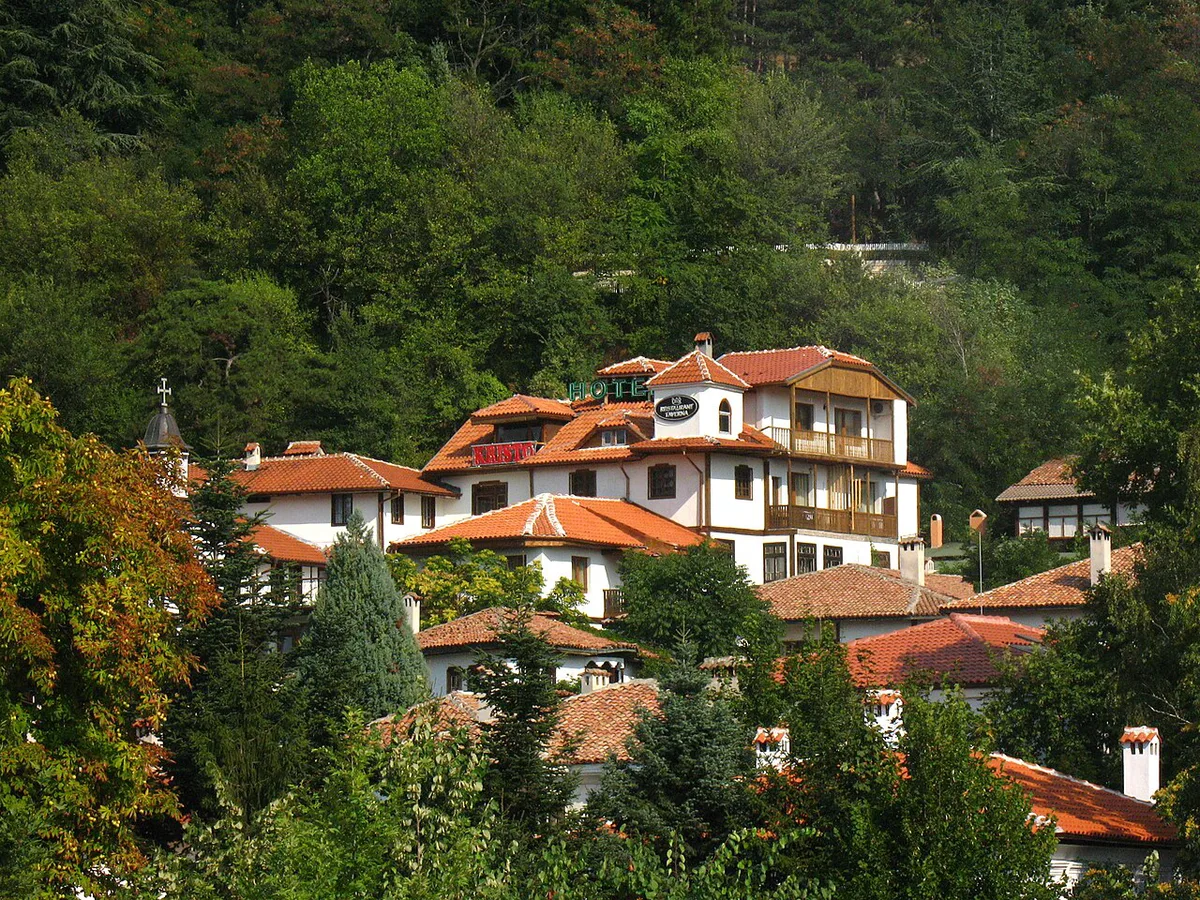
Four stops anchor most visits to the quarter: a Revival-era church, a regional history museum, a merchant's house, and a revolutionary's home turned museum. A short walk connects all four, since Varosha's streets form a compact grid. Across the quarter, look for carved wooden eaves, projecting timber balconies, and gated stone courtyards typical of Bulgarian National Revival architecture.
The Regional History Museum's 116,000 items span from prehistoric cult figures and Thracian weapons to medieval artifacts, predating Varosha's documented 1502 settlement by centuries.
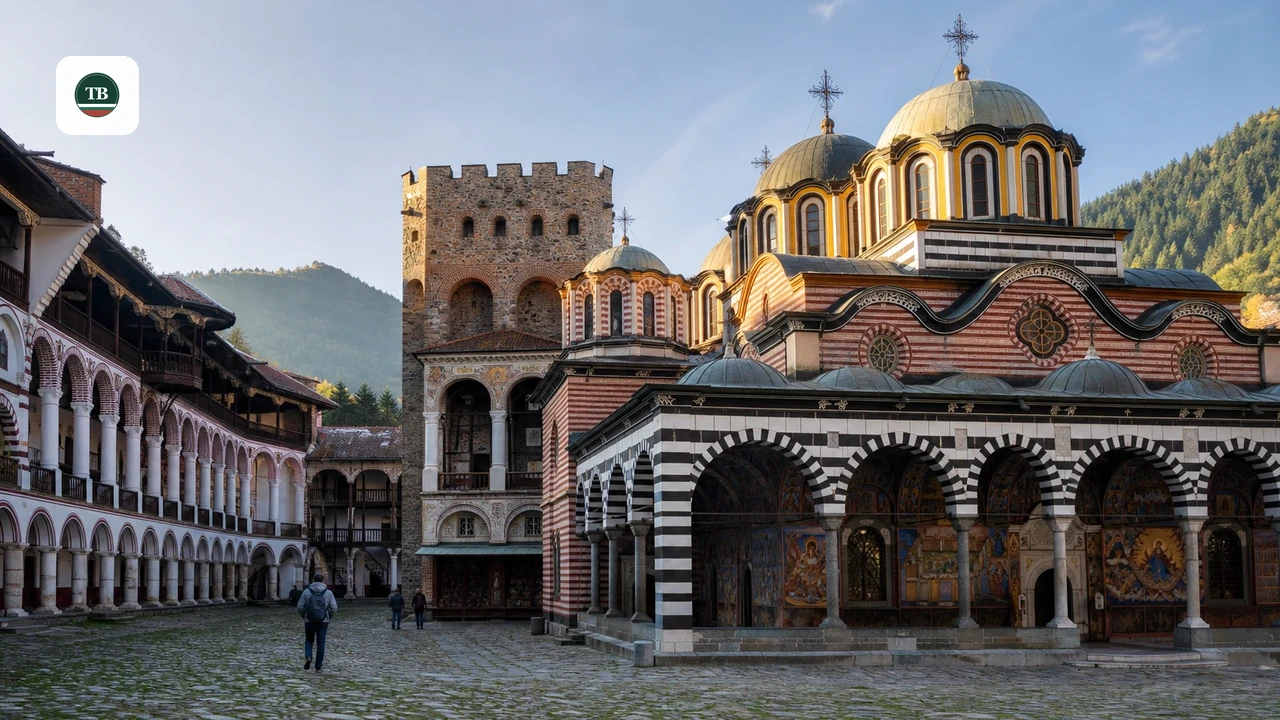
Construction on the Church of the Presentation of the Mother of God began in 1840, after an 1839 reform gave Christians the right to build openly, and the church was consecrated in 1844. Locals describe it as a small copy of Rila Monastery for its layout and interior style. That comparison makes it a practical stop for travelers who cannot fit in the full Rila Monastery day trip from Blagoevgrad. Inside, look for the wood-carved iconostasis and frescoes attributed to Bozhin Stamenitov.
Close to 116,000 items fill the Regional History Museum, and its collection documents the wider Pirin Mountain region, from prehistoric cult figures to Revival-period documents. Holdings include Thracian weapons, coins and masks, finds from the ancient necropolis near Roupite, and artifacts from medieval Melnik and the Samouil fortress. Its library carries more than 17,000 books. Two house-museums round out the quarter. Moshtan House is a two-story stone mansion from 1888 with a floral-patterned facade. Georgi Izmirliev House-Museum opened to the public in 1976, with the family's original carved ceiling and period furniture, and it shares its name with Georgi Izmirliev Square across the river. In summer, an art gallery of local work fills its courtyard.
| Site | Built / Established | Highlight |
|---|---|---|
| Church of the Presentation of the Mother of God | Consecrated 1844 | Wood-carved iconostasis and frescoes attributed to Bozhin Stamenitov; styled after Rila Monastery's layout and interior |
| Regional History Museum | Collections assembled 1952 | About 116,000 items spanning the Pirin region, plus a library of over 17,000 books |
| Moshtan House | Built 1888 | Two-story stone mansion with a floral-patterned facade and carved wooden interiors |
| Georgi Izmirliev House-Museum | Opened 1976 | Family's original carved ceiling and period furniture, with a summer courtyard art gallery |
Hours, Fees, and the Clock Tower
Walking Varosha's streets costs nothing and stays open year-round. Entry to the Regional History Museum and the quarter's house-museums runs around 4 lv per site. Museum hours can run shorter than travelers expect, with some quarter sites closing as early as 1 pm on certain days, so confirm the current schedule locally before planning a visit around a specific opening. Access is pedestrian: a short, uphill walk from Macedonia Square reaches the quarter's edge, and nearby roads allow arrival by car for anyone staying outside downtown. Because Blagoevgrad sits between Sofia and Bansko, many travelers add Varosha to a Bulgaria Road Trip Itinerary: 10 Essential Guide Sections as a half-day stop rather than a dedicated overnight. The quarter suits history enthusiasts, architecture photographers, and travelers looking for a quieter break from the student energy around the American University campus in the city center.
- Regional History Museum and house-museums: about 4 lv entry per site; walking the streets is free.
- Clock Tower: built in 1876, about 17 meters tall, with a dial on three sides and no north face.
- A restaurant with a terrace operates at the base of the Clock Tower.
- The tower marks the former Turkish quarter, a short walk from Varosha's Christian-quarter streets.
Walking Route: From Macedonia Square to Varosha's Cobblestones
A short, mostly uphill walk connects the modern city center to the old quarter. The walk starts at Macedonia Square, in front of the Blagoevgrad Opera House. Under Ottoman rule, this square held the Great Mosque. A community cultural center called Saglasie was founded on the site in 1913, and by 1926 the mosque had been replaced by a new building with a stage and cinema hall. A monument to Gotse Delchev now stands at the square's center, with the Bridge of Lovers stretching over the river nearby. Late afternoon light works best for photographs on the walk into Varosha, when the sun warms the white-washed walls and the stone catches long shadows against the Rila foothills. Georgi Izmirliev Square, a few blocks away, shows the other side of that history: its 1987 rebuild used a Sofia-style civic layout, a deliberate contrast to Varosha's centuries-older streets.
- Start at Macedonia Square, in front of the Opera House.
- Cross the Bistritsa River on the Bridge of Lovers.
- Pause on the bridge; benches face the Rila peaks profiled in the 10 Best Bulgaria Hiking Trails to Try in 2026.
- Continue uphill into Varosha's grid of cobblestone lanes.
- Visit the church, museum, and house-museums at your own pace.
- Finish at the City Mineral Bath to rest after the climb.
Beyond the Cobblestones: Mineral Bath, Bachinovo Park, and American University
Varosha is a short walk from several other landmarks that round out a visit to the old quarter. City Mineral Bath traces its roots to the Ottoman-era Charshi Banya, a bathing site described enthusiastically by Roman-era residents of the historic town of Skaptopara. That original bathhouse was demolished in 1956 and rebuilt on the same site; the current building holds a public bathhouse with separate men's and women's sections plus a rehabilitation center. Entry runs about 4 lv, open Thursday through Monday from 8 am to 1 pm, with the box office closing at noon, and the bath is closed Tuesday and Wednesday. Hotel Monte Cristo, on the same site, runs a paid spa option at 40 lv per adult, open from 8 am to 8 pm.
Bachinovo Park begins nearby via the Alley of Health, a path that leads from the city center to a lake with ducks and swans. In summer, visitors can rent water bikes on the lake, and several riverside spots are set up for barbecues. Near the lake's fountain, Royal Park restaurant serves meals by the water; further along, Vodenitsa serves traditional Bulgarian dishes near a small animal park with deer, roe deer, and ponies. A 5-kilometer run departs from the park every Sunday, at 10 am in winter and 9 am in summer. Blagoevgrad's City Park, dating to 1924, offers another green stop within reach of the quarter; it began as a fruit orchard before acacias replaced the trees a decade later.
Founded in 1991, American University in Bulgaria positions itself as a one-of-a-kind, US-style liberal arts campus in the region. Its main building occupies the former Communist Party building on Georgi Izmirliev Square, and its riverside campus includes a canteen restaurant with river views. That contrast between AUB's modern campus and Varosha's 19th-century streets is one of the clearest ways to see how Blagoevgrad's two eras sit side by side.
Traveler Tips: What to Wear, When to Go, and What to Respect
A few adjustments make a visit to Varosha more comfortable, and more respectful of how residents use the quarter today.
- Wear sneakers or other flat, closed shoes; the 19th-century cobblestones are uneven and difficult to manage in heels.
- Visit in the morning or late afternoon during summer, since the white-washed walls reflect midday heat back onto the street.
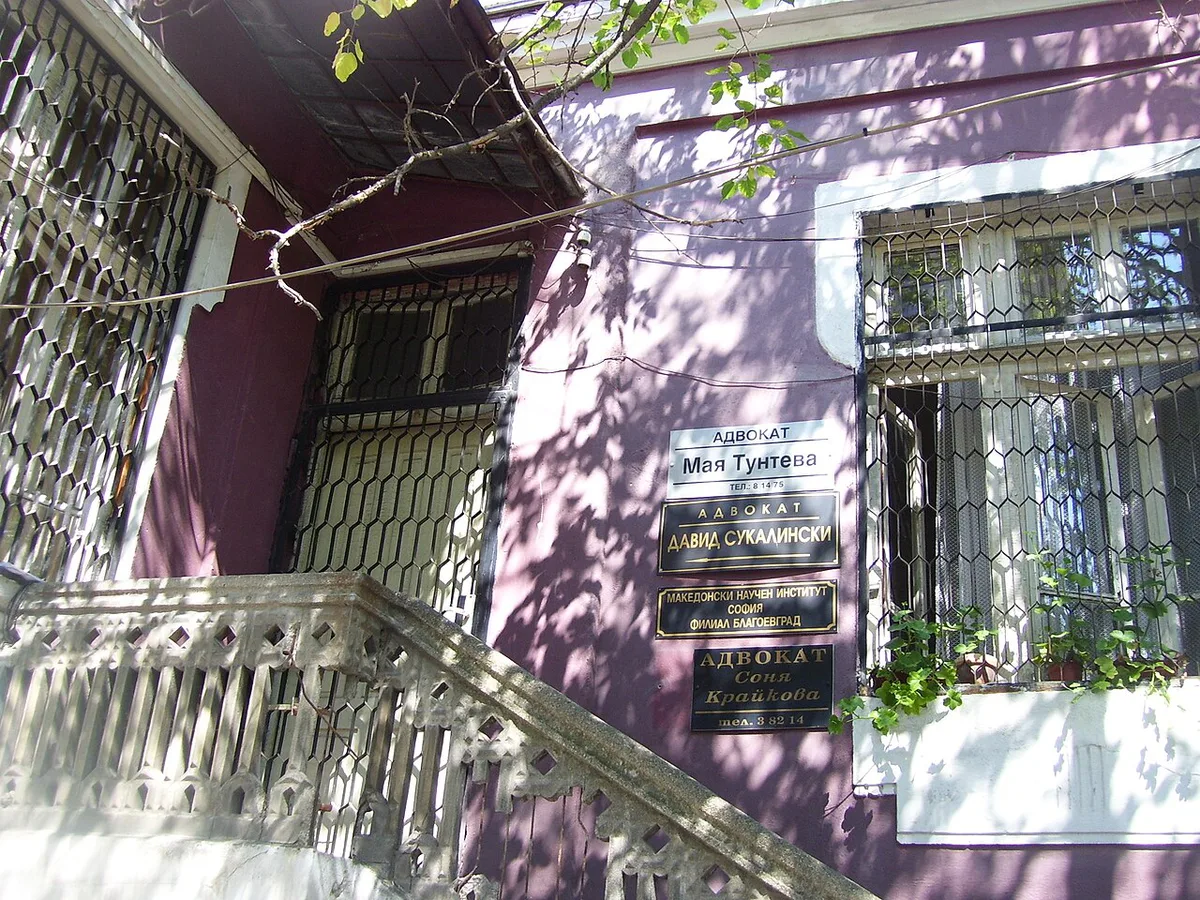
- Expect many houses to hold private galleries, workshops, and schools today; treat closed doors and private signs as off-limits.
- Budget 1.5 to 3 hours for the quarter, depending on how many house-museums and the regional museum you enter.
- Check the Regional History Museum's schedule before a Tuesday or Wednesday visit, since several quarter sites keep shorter or seasonal hours.
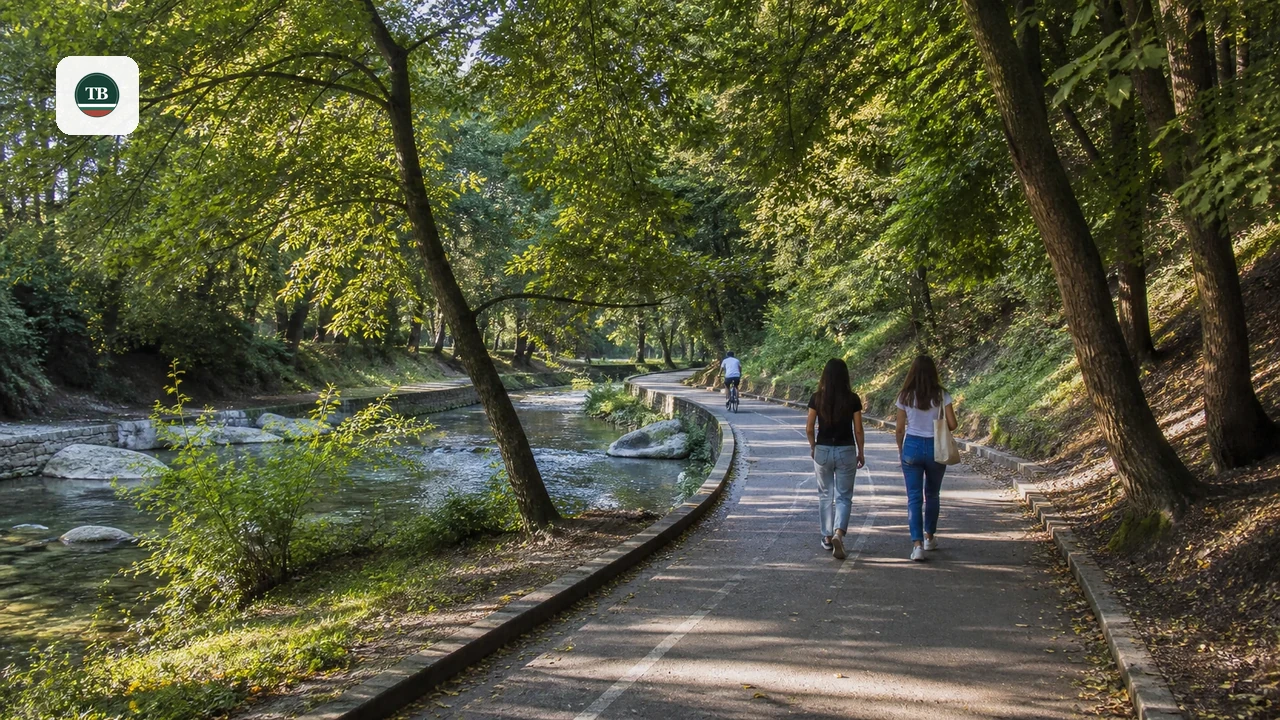
- Pair the visit with the Alley of Health leading toward Bachinovo Park if you want a longer walk beyond the quarter.
Frequently Asked Questions
What does the name Varosha mean in Blagoevgrad?
Varosha comes from a proto-Bulgarian word meaning old town. In Blagoevgrad, it refers to the historic Christian quarter first recorded in an Ottoman document from 1502.
How much time should you plan for Varosha Old Town?
Plan on 1.5 to 3 hours, depending on whether you enter the Regional History Museum and the house-museums. Walking the streets alone takes less time than a full museum visit.
How much does it cost to visit the museums in Varosha?
Walking the quarter's streets is free. Entry to the Regional History Museum and the house-museums runs around 4 lv per site. Hours vary by day, so confirm the current schedule locally before you go.
Is the church in Varosha related to Rila Monastery?
Varosha's Church of the Presentation of the Mother of God is not part of Rila Monastery. Locals describe it as a small copy of the monastery because of its layout and interior style. That makes it a useful stop if a full day trip to Rila is not on the itinerary.
When is the best time of day to photograph Varosha?
Late afternoon works best, when the sun angles across the white-washed walls and stone streets. Midday summer light tends to flatten the texture that makes the quarter's architecture stand out.
Can you combine Varosha with other Blagoevgrad sights in one walk?
Yes. Start at Macedonia Square, cross the Bistritsa River, and walk uphill into Varosha. From there, City Mineral Bath, Bachinovo Park, and the American University campus are all within easy reach for the rest of the day.
Is Varosha accessible by car?
Varosha itself is a pedestrian, cobblestone quarter, though roads run nearby, per the Ministry of Tourism, and it sits close to central Blagoevgrad. Most visitors walk in from Macedonia Square or Georgi Izmirliev Square rather than drive directly into the quarter.
What's the best season to visit Varosha?
Spring and early autumn keep the stone streets comfortable for walking. Summer visits work best in the morning or after 5 pm, since the white-washed walls hold onto midday heat.
What does the Regional History Museum in Varosha display?
Its roughly 116,000 items span the wider Pirin region, including Thracian weapons, prehistoric cult figures, and finds from medieval Melnik and the Samouil fortress. Its library holds more than 17,000 books.
Are there restaurants inside Varosha?
Yes. Several of the quarter's old merchant houses now operate as cafes and restaurants, and more sit just outside the quarter near Macedonia Square and the mineral bath.