St. Nicholas Monastery and the Byala Cliffs: A Complete Visitor Guide
Last updated August 2026, St Nicholas Monastery in Byala combines a 5th-century fortress complex with a cliff-top view of the Black Sea. Below the ruins, the White Cliffs, known locally as Belite Skali, expose a rock layer formed 65 million years ago at the Cretaceous-Paleogene boundary. Plan on roughly 1.5 to 2 hours to cover the fortress, the small museum pavilion, and the cliff-edge walk.
St Nicholas Monastery in Byala: History and Ruins at Cape St. Athanasius
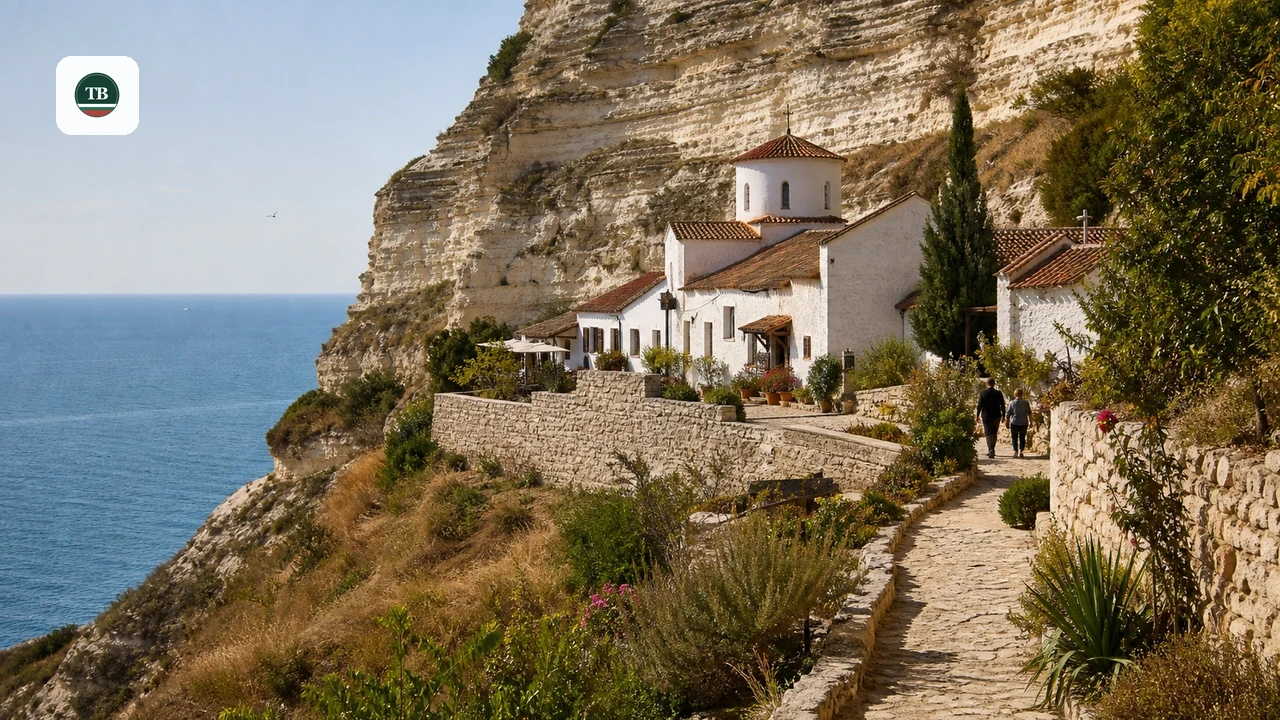
Cape St. Athanasius held a Roman-era fortress before Byala's Christian community converted part of the complex into a monastery in the 5th century. Archaeologists place that transition in the Late Antiquity period, when defensive walls gave way to a basilica, a baptistery, and monastic cells. Fortified promontories like this one were common along the Black Sea coast during that period, built to watch both the sea approach and inland routes. A basilica of this kind typically served as the community's main worship space, while the baptistery basin marked where new members joined the church. Excavations carried out from 2009 uncovered pithoi, the large clay vessels once used for wine and grain storage. That find confirmed the monks here also ran a working wine-production operation alongside their religious life, tying the site into wider trade along this stretch of coast. Artifacts recovered during the 2009 excavations, including pieces of the pithoi, are displayed in the small museum pavilion near the site entrance. Two structures reward the most time on-site: the reconstructed basilica foundations and the baptistery basin, both with clear sightlines to the sea. Walking paths connect the ruins directly to the cliff edge, so the historical stop and the geological one share a single route. If Bulgaria's fortified sites interest you, this coastal complex makes a useful contrast to the country's larger strongholds covered in Bulgaria's castles and fortresses guide.
The 2009 excavations found monastic storage vessels beneath the site. The cliff face preserves rock formed 65 million years ago, merging two vastly different timescales into one visit.
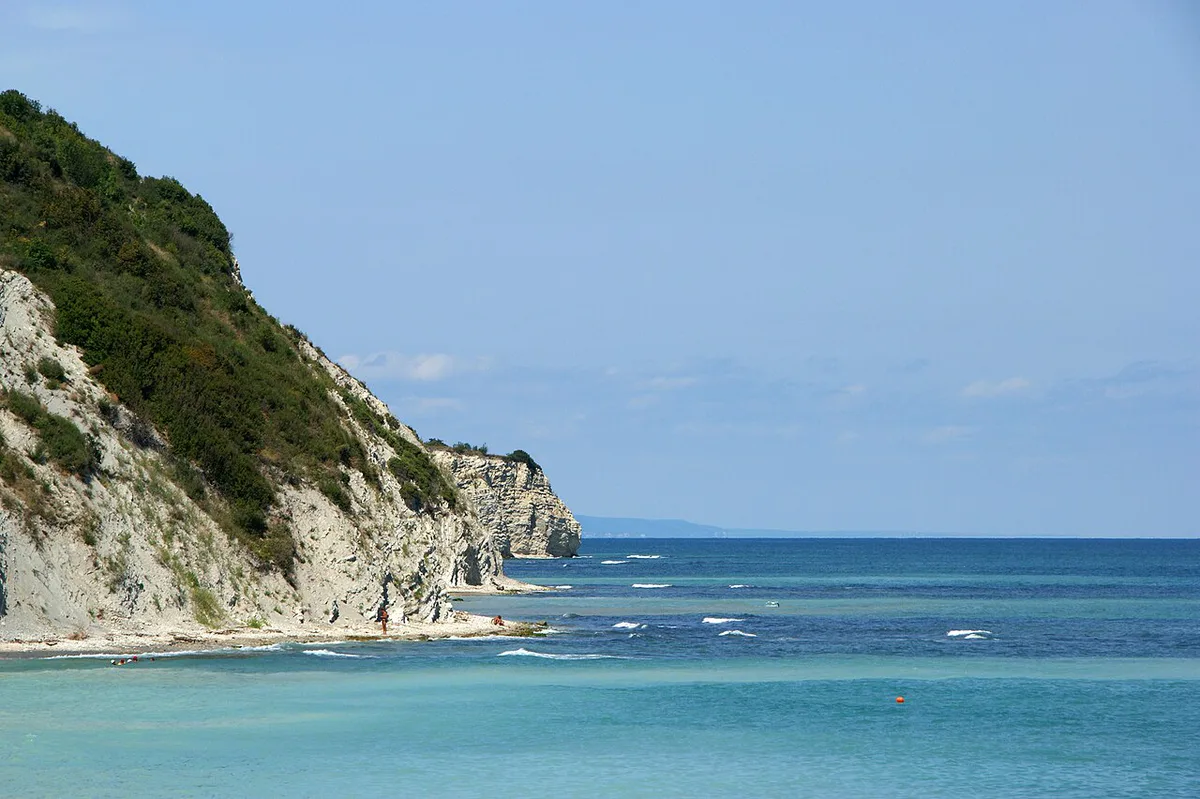
The White Cliffs (Belite Skali): Where Geology Meets the Coast
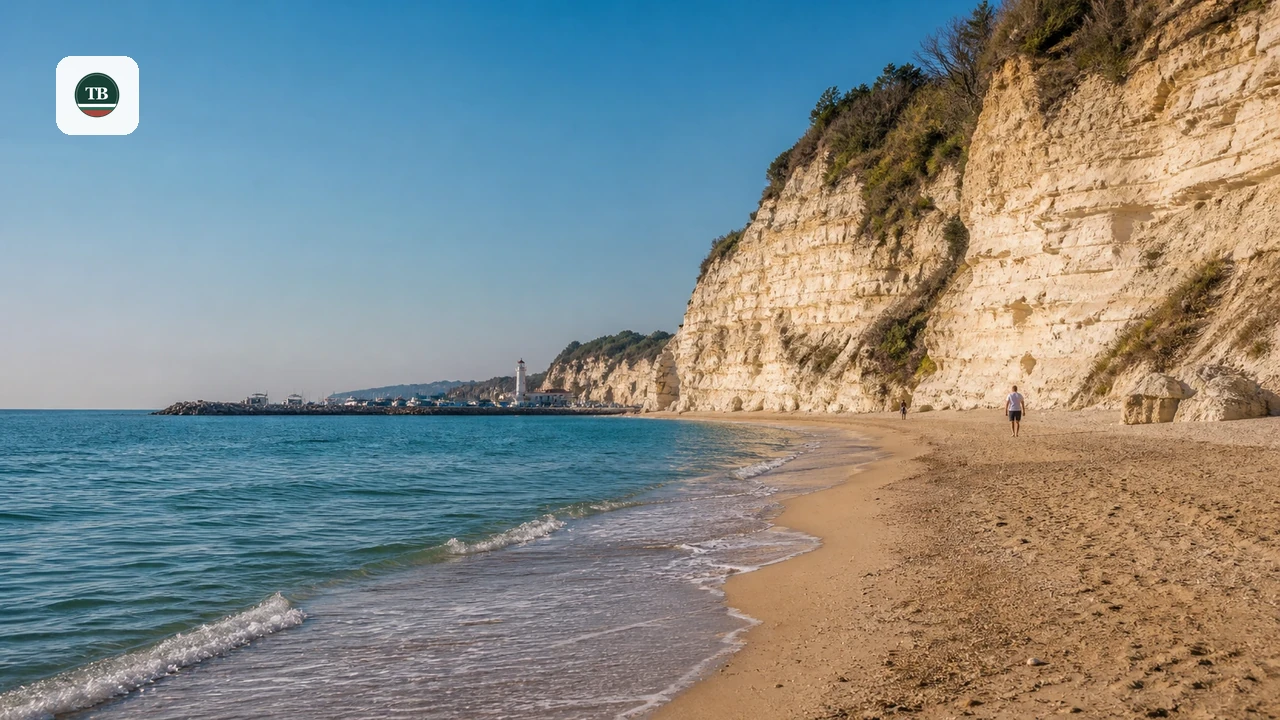
Just beyond the fortress walls, the cape drops into the White Cliffs, known locally as Belite Skali. The exposed rock face preserves the Cretaceous-Paleogene boundary. Geologists date this marker layer to roughly 65 million years ago, tied to the mass extinction that ended the dinosaurs. For visitors without a geology background, the boundary marks the rock-level line between the age of dinosaurs and the age that followed. The color change is subtle rather than a bright stripe. Look closely at the rock face instead of expecting an obvious line from a distance. Few coastal sites anywhere let you stand directly on this boundary layer. This is what makes the short cliff-edge walk worth the added time beyond the ruins, even if you came mainly for the history. Chalk-white limestone drops toward dark Black Sea water, with no built structures breaking the view. Photographers get the strongest contrast in the two hours after sunrise or before sunset, when low light deepens the color difference. Bring a wide lens if you shoot the full sweep of the cliff line from the fortress side. Compared with busier cliff viewpoints elsewhere on the coast, this approach stays quiet enough for an unhurried walk. It pairs naturally with a broader look at Bulgaria's Black Sea beaches. The cliffs sit within easy reach of several beach towns along this stretch of coastline.
Getting to St Nicholas Monastery and Cape St. Athanasius
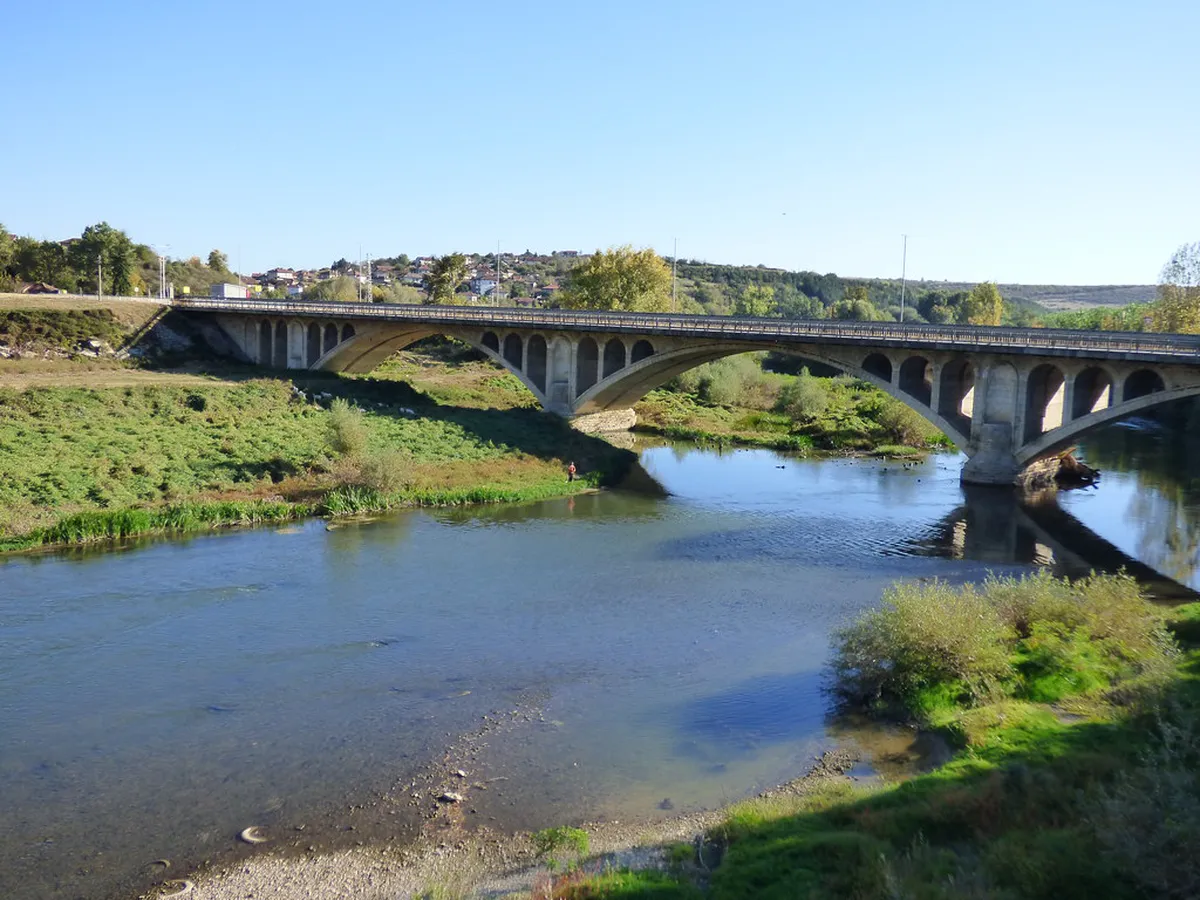
The archaeological site sits at the tip of Cape St. Athanasius, on the coast just south of Byala's town center. You can reach it by car or on foot, and both routes work well for most visitors staying nearby. Drivers follow a signed access road from the main coastal route down to a dedicated parking area. That leaves a short walk from car to entrance. Anyone based in Byala without a car can pick up the coastal path from the town promenade and follow it south toward the cape. Since the cape sits at the road's end, there is no through traffic past the site, which keeps the approach quiet even in peak season. Whichever way you go, budget roughly 1.5 to 2 hours for the full stop, including the ruins, the pavilion, and the cliff walk.
- Driving: a signed access road leads to a parking area near the site entrance.
- Walking: Byala's coastal promenade connects to a path toward the cape, workable if you are staying in town.
- Hours: the museum pavilion typically opens April through October; confirm the current schedule locally before you go.
- Entry fee: set locally and revised each season, so check the posted rate at the ticket window on arrival.
Best Time to Visit and What to Pack
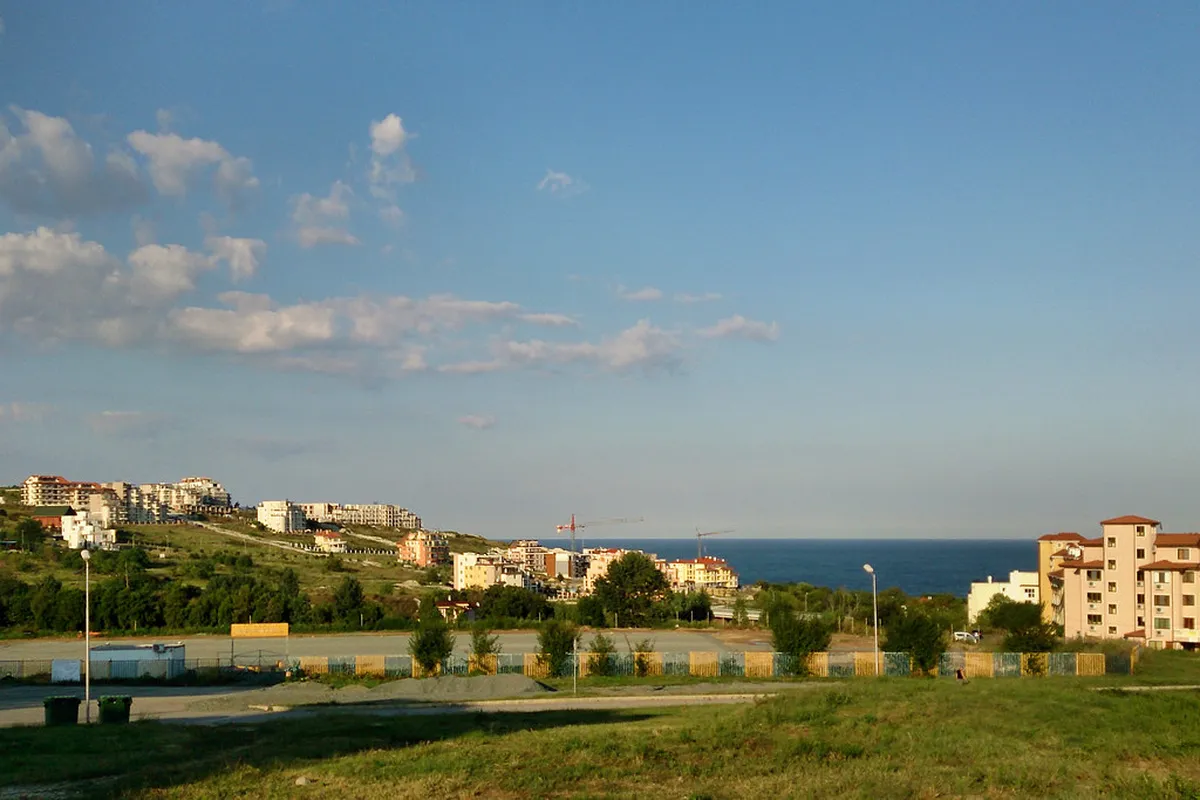
Early morning and late afternoon light gives the strongest contrast between the white limestone and the Black Sea. It is easier on the eyes than the midday glare, too, especially across the full 1.5 to 2 hours on-site. July and August afternoons can feel exposed on the cape, since shade is limited to the museum pavilion and a few low walls near the ruins. Spring and early autumn bring milder temperatures for the cliff-edge walk, if your travel dates are flexible. Cafes and shops sit back in Byala's town center, not on the cape itself, so plan any meals before or after the visit. Byala sits within Bulgaria's main summer coastal season, and you can check broader seasonal planning notes in Bulgaria in Summer: 10 Essential Tips and Destinations before building out a longer trip.
- Sun protection: shade is limited to the museum pavilion.
- Sturdy shoes: the cliff-edge path is uneven in places.
- Water: there are no shops directly on the cape.
- A light layer: wind picks up on the exposed headland even on calm days in town.
Combining the Cliffs with Byala's Beaches
A wooden staircase descends from the cliff top to a narrow beach below, giving you direct access to the coastline beneath the White Cliffs. It functions as the main marked access point down from the cliff top to this stretch of shoreline. These beaches sit apart from Byala's main resort strip, with no boardwalk facilities or rental umbrellas at the base of the stairs. Pack water and snacks before heading down, since the nearest cafes and shops are back up on the cape or in town. Treat it as an undeveloped beach: assume there is no lifeguard or rental service. Steps can turn slick after rain or heavy spray, so sturdy footwear matters here as much as on the cliff path above. This quieter stretch of sand suits visitors who want downtime after the ruins and cliff walk, rather than a full beach day with amenities. For a fuller rundown of sand, entry points, and facilities along the town's coastline, see the Byala Beaches Bulgaria: A Guide to the White Cliffs & Quiet Sands. Families traveling with young children may prefer a shoreline with easier access and on-site facilities, covered in the 10 Best Family Beaches in Bulgaria (2026 Travel Guide) guide.
Allow at least 1.5 to 2 hours for the fortress and cliffs, but add time if you plan to descend the wooden staircase to swim or rest at the undeveloped beach below.
St Nicholas Monastery vs. Cape Kaliakra: Which Cliff Site Fits Your Trip
Cape Kaliakra, well north along Bulgaria's coast, is one of the country's best-known cliff and fortress sites, and it draws correspondingly heavy visitor traffic in peak season. If you are based in Obzor, Byala, or nearby along the central coast, reaching Kaliakra means a considerably longer drive than the short trip to Cape St. Athanasius. St Nicholas Monastery and the White Cliffs give you a similar combination: a fortified religious site plus an exposed limestone cliff, without the extra travel time or the crowds. The trade-off is scale. Kaliakra's fortress ruins and legend-driven history draw a wider audience, while this site rewards a more focused visit built around the 5th-century monastery and the exposed boundary layer. Both sites share the same coastal-fortress-into-Christian-site pattern common along Bulgaria's Black Sea coast. Choosing between them comes down to how much driving time fits your itinerary. Travelers based near Varna or farther north may still find Kaliakra worth the detour, while an Obzor or Byala base makes this cape the more efficient stop.
Nearby Attractions and Day Trips from Byala
St Nicholas Monastery and the White Cliffs work well as a half-day anchor for a longer stay in Byala or neighboring Obzor. Pair the visit with other options in the full Day Trips from Byala, Bulgaria: Varna, Nessebar, and the Coast (2026 Guide) guide, which maps out routes toward Varna and the wider province. Back in town, the monastery and cliffs are one stop among several worth covering in the broader 10 Best Things to Do in Byala, Bulgaria: A Local Travel Guide guide. Mapping a longer national route, you can see where Byala fits alongside other stops in Bulgaria's best places to visit. Byala and its neighboring coastal towns offer a range of stay options for a multi-night base near the cape. A broader shortlist appears in the 10 Best Beach Resorts in Bulgaria for Your 2026 Holiday guide. For broader trip planning along Bulgaria's Black Sea coast, Bulgaria's official tourism portal is a useful starting point for seasonal listings and travel basics.
Quick Facts: St Nicholas Monastery and the White Cliffs
Use this table as a fast reference before you head out to the cape.
| Detail | What to Know |
|---|---|
| Location | Tip of Cape St. Athanasius, on the coast just south of Byala's town center |
| Access | Drive via the signed access road to on-site parking, or walk the coastal promenade from town |
| Hours | Museum pavilion typically open April through October; confirm current dates locally before visiting |
| Entry fee | Set locally and revised each season; check the posted rate at the ticket window on arrival |
| Time needed | About 1.5 to 2 hours for the ruins, the museum pavilion, and the cliff-edge walk |
| Difficulty | Easy walking overall, with one uneven, unshaded stretch along the cliff edge |
| Best for | History and geology, photography, and an easy add-on to a Byala beach day |
| Beach access | Wooden staircase down to an undeveloped beach beneath the White Cliffs |
Frequently Asked Questions
Is St Nicholas Monastery in Byala dog-friendly?
There is no published pet policy for the site, so check current signage or ask locally before bringing a dog onto the fortress grounds. Leash your dog on the cliff-edge path regardless of the local rule, since parts of the drop-off are unguarded.
Can you swim at the base of the White Cliffs?
Yes, swimming is possible at the small beach beneath the staircase. Treat it as an undeveloped beach with no lifeguard or rental service, and bring your own water and shade.
Is there a gift shop or cafe on-site?
The cape's museum pavilion is a small facility without a dedicated cafe or gift shop. Plan to eat and shop back in Byala's town center, either before heading out to the site or after.
How long should you plan for a visit to St Nicholas Monastery and the White Cliffs?
Budget roughly 1.5 to 2 hours to cover the fortress ruins, the museum pavilion, and the cliff-edge walk at an unhurried pace. Add extra time if you plan to descend the staircase to the beach below.
When is the Cape St. Athanasius museum pavilion open?
Seasonal hours apply: the pavilion typically operates April through October. Confirm the current calendar locally before visiting, since seasonal opening dates can shift from year to year.
Do you need a car to visit St Nicholas Monastery and the White Cliffs?
A car makes the trip easiest, since the signed access road leads directly to parking at the site entrance. If you are staying in Byala without a car, the coastal promenade connects to a walking path toward the cape instead.