Pamporovo Weather and the Best Time to Visit
Every time I get asked about Things to Do in Pamporovo, Bulgaria, the first follow-up question is almost always about the weather. That makes sense — Pamporovo's whole reputation rests on its climate. It is consistently marketed as the sunniest ski resort in Bulgaria, and in my experience that reputation is earned: the Rhodope Mountains here sit close enough to the Aegean that winter days feel noticeably brighter and milder than in Bansko or Borovets.
But "sunny ski resort" is only half the story. Pamporovo also has a genuinely pleasant, cool green summer that a lot of visitors overlook because they only ever think of it as a winter destination. This guide walks through what the weather actually looks like month by month, so you can decide whether you are coming for the skiing, the hiking, or simply the best value window between seasons.
I've written this the way I'd explain it to a friend planning their first trip: what the temperatures actually feel like at altitude, which months you can trust for snow, when the mountain turns green again, and what to pack so you're not caught out by a microclimate that behaves differently to the rest of Bulgaria. None of the figures below are precise measurements for any single day — mountain weather is too changeable for that — but they reflect the typical, dependable pattern you can plan a trip around.
Pamporovo Weather at a Glance
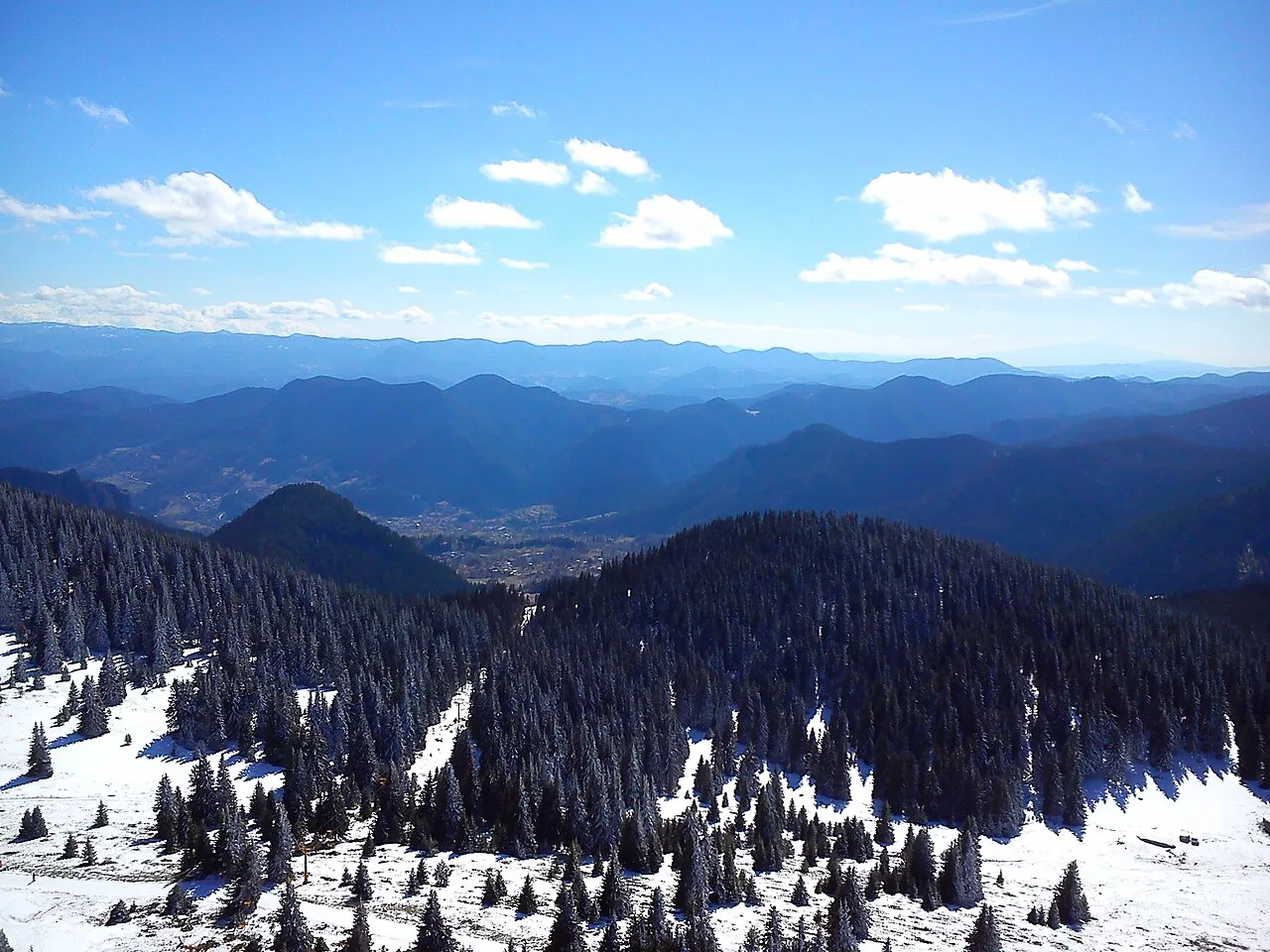
Pamporovo sits at a base altitude of around 1,650 metres, rising to roughly 1,926 metres at the top of Snezhanka Peak. That altitude alone would normally mean cold, grey winters, but the resort's position in the southern Rhodope Mountains — closer to the Aegean coast than any other Bulgarian ski area — pulls in noticeably more sunshine than you would expect for the elevation. It is genuinely the mildest and brightest of Bulgaria's three big mountain resorts, which shapes almost everything about when you should plan a trip.
Why Pamporovo Is Bulgaria's Sunniest Resort
If you compare Pamporovo with the other best ski resorts in Bulgaria, the climate difference is the first thing locals mention. Bansko and Borovets both sit further from the coast and catch more continental cloud cover in midwinter. Pamporovo, by contrast, benefits from a milder, sunnier microclimate thanks to its proximity to the Aegean Sea to the south. Clear skies are common even in January, and the light through the pine forest here has a different, softer quality than the harsher alpine glare you get on Bulgaria's higher peaks.
That said, "sunny" doesn't mean "warm." Temperatures at 1,650 metres and above still drop well below freezing on winter nights, and wind chill on the open runs near Snezhanka TV Tower (Pamporovo Tower) Visitor Guide can bite hard even on a bright day. Think of Pamporovo's sunshine as a quality-of-light advantage rather than a promise of shirt-sleeve weather — you will still want proper layers.
The mechanism behind this is worth understanding if you're comparing resorts. Pamporovo's position in the southern Rhodopes puts a lower, gentler mountain range between it and the cold continental air masses that regularly sweep down over Bansko's Pirin peaks and Borovets' Rila range. At the same time, warmer, drier air drifting up from the direction of the Aegean helps break up cloud cover more often than at Bulgaria's other resorts. The net effect is a resort that gets noticeably more bright, blue-sky days across a typical winter than its northern rivals, even though its base altitude is actually the lowest of the three main ski areas.
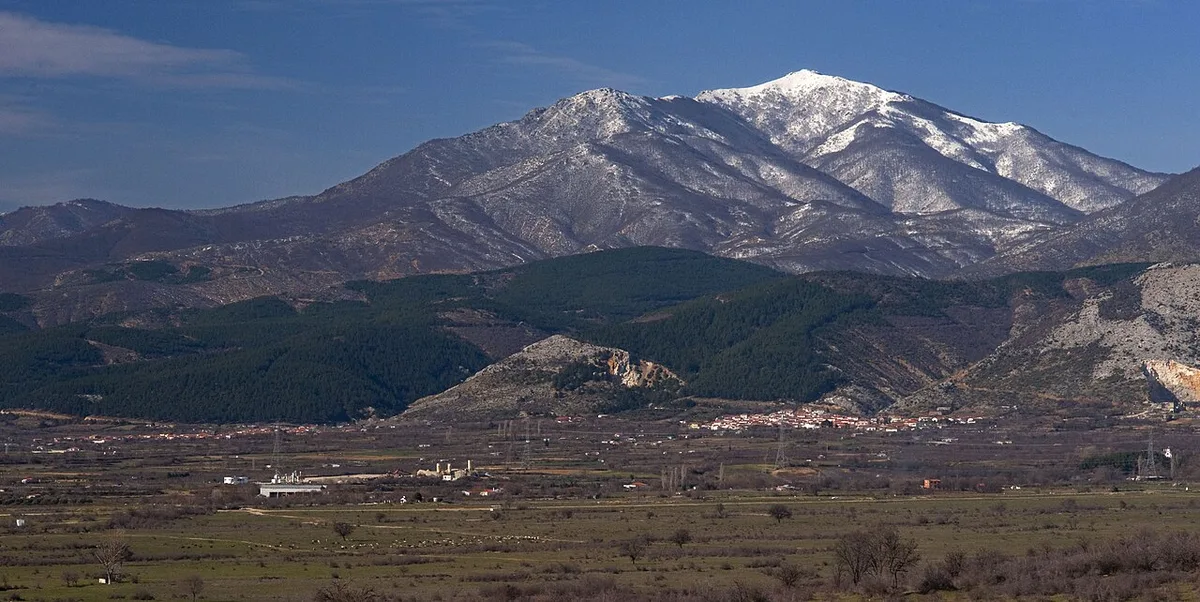
How Pamporovo's Weather Compares to Bansko and Borovets
If you're choosing between Bulgaria's three main resorts, weather is a bigger differentiator than most first-time visitors expect. Bansko, with its higher top station and Pirin backdrop, tends to hold deeper and more consistent snow through the season but sees more overcast, grey stretches in midwinter. Borovets sits somewhere in between — good snow reliability at altitude, but exposed to Rila's colder, wetter continental weather more often than Pamporovo. Pamporovo trades a little bit of altitude and terrain drama for a genuinely milder, brighter experience: fewer flat-light days, softer cold, and a much better chance of skiing under a clear sky.
That trade-off is exactly why Pamporovo has built its reputation around families and beginners rather than advanced skiers chasing vertical drop. If deep powder and big mountain terrain are the priority, the extra altitude at Bansko usually wins out. If a comfortable, sunny, easygoing week on the slopes matters more, Pamporovo's climate is the more forgiving choice.
Ski Season Month by Month
The Pamporovo ski season typically runs from mid-December through to mid-April, though the exact opening and closing dates shift a little each year depending on snowfall. Here is roughly what to expect if you're timing a trip around When To Ski In Bulgaria: A Month-by-Month Guide.
- December (mid-to-late): The season opens gradually. Natural snow can be thin in the first half of the month, and daytime temperatures often hover close to freezing, sometimes a touch above. Snowmaking cannons cover most of the lower pistes, so the resort usually opens on schedule even in a dry year, but conditions can feel patchy before the holidays properly kick in.
- January: This is typically the coldest month, with daytime highs commonly sitting in the low single digits Celsius and overnight lows well below freezing. It is also one of the two most reliable months for a solid natural snow base, especially at altitude near Snezhanka. Pack for genuinely cold mornings even on a sunny day.
- February: Usually the peak of the season for snow depth and cover. Temperatures are similar to January or a shade milder by the end of the month, and this is when Pamporovo's sunny reputation is most visible — clear, bright days over a deep base are common. Half-term weeks make this the busiest month too.
- March: Snow quality starts to soften, particularly on south-facing and lower-altitude runs, while the higher pistes near the top station tend to hold better conditions into the month. Daytime temperatures climb noticeably, often comfortable enough to ski in a light jacket by midday. Early March can still deliver excellent conditions; late March gets more variable.
- April (early-to-mid): The tail end of the season. Snow becomes spring-like — soft and slushy by afternoon, firmer in the morning — and only the upper slopes usually stay skiable. Some years the resort closes by early April if a warm spell arrives early; other years it stretches closer to mid-month. Always check current conditions before booking this late.
For the full rundown of lifts, pistes, and where to stay for ski week, see our Pamporovo Ski Resort.
Rain, Cloud, and Fog: What Else to Expect
Sunshine gets the headline, but Pamporovo does still see its share of unsettled weather, particularly outside the core winter months. Spring, from April through early June, tends to be the wettest stretch of the year in the Rhodopes, with more frequent showers as the snowpack melts and warmer air moves in. Late summer afternoons, especially in July and August, can bring short, sharp thunderstorms that build up over the mountains and clear again within an hour or two — normal for high-altitude terrain and rarely a reason to change plans, but worth building into a hiking schedule so you're back at lower ground by mid-afternoon.
Fog and low cloud are more of a winter and shoulder-season phenomenon, usually clearing by mid-morning once the sun is up, though it can occasionally linger on cooler, still days in November and early December before the ski season is in full swing. None of this undermines Pamporovo's sunny reputation — it simply means "sunniest resort in Bulgaria" is a relative, seasonal average rather than a guarantee for every single day of your trip.
The Shoulder Weeks: Late November, Late April, and May
The weeks just outside the official ski season are the trickiest to plan around, but they can also be the best value if you don't mind uncertainty. Late November through early December is typically too early for reliable snow and many lifts, restaurants, and hotels are only partially open. Late April and May sit on the other side — the snow is gone, spring is arriving in the valleys, but the higher trails around Snezhanka can still be muddy or hold patches of old snow, and mountain weather can flip from warm sunshine to a cold front within a day. If you're targeting one of these windows, treat any specific date as a rough guide rather than a guarantee, and pack for both warm afternoons and cold mornings.
The upside of these in-between weeks is real, though: hotel rates typically soften considerably compared with the January-February peak or the busiest weeks of summer, restaurants are far less crowded, and if you're mainly interested in the mountain scenery rather than a specific activity, you can still have a rewarding short trip. Just build in flexibility — don't book a shoulder-season trip around a single expected activity like the first snow or a specific wildflower bloom, since the exact timing genuinely varies year to year.
Spring and Summer: The Cool Green Escape (June to September)
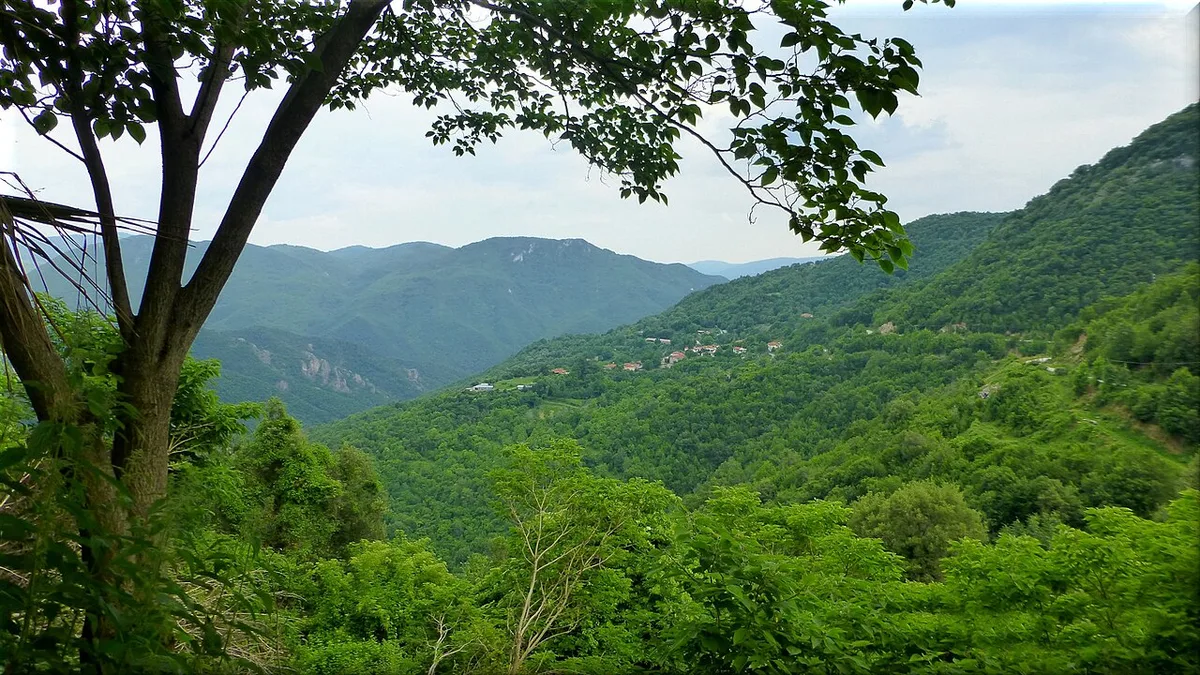
This is the part of Pamporovo's calendar that surprises a lot of first-time visitors. Because the resort sits at altitude in the Rhodope Mountains, summer here is meaningfully cooler than the lowland cities — typically somewhere around 10 to 15°C cooler than Sofia or Plovdiv on the same day. While Plovdiv can swelter in a summer heatwave, Pamporovo tends to stay comfortable, often in the high teens to low-to-mid twenties Celsius during the day, dropping to genuinely cool, jacket-worthy evenings.
June through September is the sweet spot for warm-weather visits. The forests are green, wildflowers are out on the meadows around Snezhanka, and the hiking trails that connect Pamporovo to nearby villages are at their most pleasant. July and August are the warmest and busiest months; June and September tend to be quieter with similarly good conditions, and September especially rewards visitors with crisp mornings and clear mountain air. Mountain weather can still turn quickly, so an afternoon thunderstorm in July or August is not unusual — worth keeping in mind if you're heading out for a full-day hike. For trail ideas and what the terrain looks like in summer, see our guide to Hiking in Pamporovo 2026 and our dedicated look at 10 Best Things to Do in Pamporovo in Summer.
What makes the summer season work so well here is the combination of gentle terrain and cool air — the same rolling, family-friendly slopes that make Pamporovo easy for beginner skiers become equally easy walking and cycling country once the snow melts. You don't need technical mountaineering experience to get out on the trails around Snezhanka, and because the resort rarely gets uncomfortably hot, it's a genuinely appealing base for travellers trying to avoid the summer heat you'd find down in Plovdiv or along the Black Sea coast. Many visitors combine a few nights here with time in Smolyan, using Pamporovo as the cooler, greener half of a Rhodope Mountains itinerary.
Even in peak summer, evenings at Pamporovo's altitude can feel genuinely chilly once the sun drops. A light fleece or jacket is worth packing even for a July trip, especially if you're staying out to watch the sunset from Snezhanka Tower.
Autumn: October and November
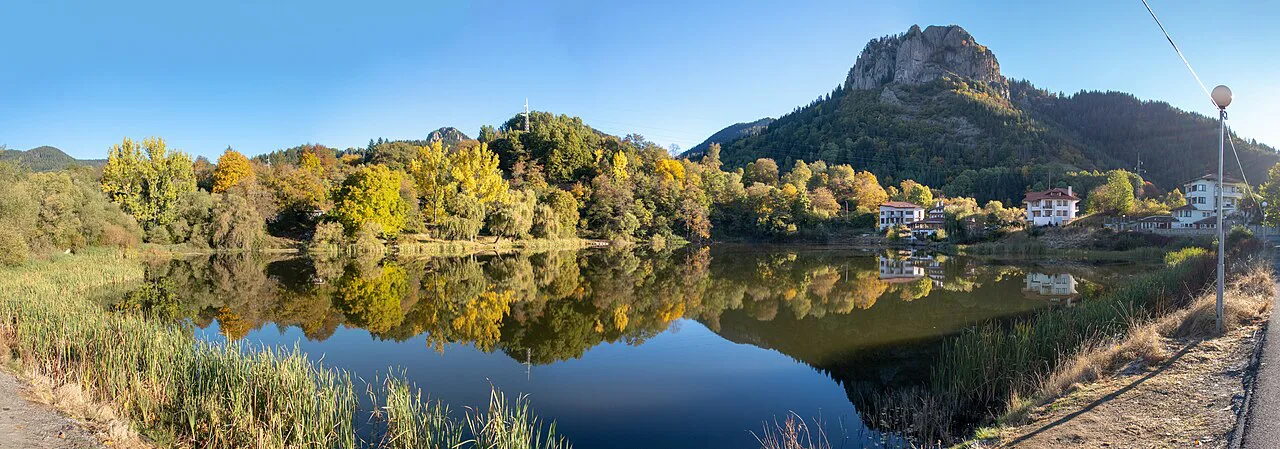
Autumn arrives early at altitude. By October, daytime temperatures are cooling noticeably and the forests around Pamporovo turn genuinely striking shades of gold and copper — this is an underrated season if you enjoy hiking without summer crowds. Days are typically mild but crisp, while nights get cold quickly. By November, the weather becomes more unpredictable, with an increasing chance of the season's first snow at higher elevations, and many resort services start winding down ahead of the ski season. If your priority is quiet trails and comfortable walking weather rather than snow or heat, early-to-mid October is worth considering.
Photographers in particular tend to rate autumn here highly: the mix of dark pine forest and turning deciduous trees around the lower slopes creates a contrast you don't get in the depths of winter, and the clearer, drier autumn air often means better visibility from the top of Snezhanka than the haze that can build up on a hot summer afternoon. Just don't expect much in the way of open restaurants, shops, or activities much beyond late October — most of the resort's summer operations wind down well before the first snow arrives, leaving a genuinely quiet gap before the ski season machinery starts back up in December.
Quick Month-by-Month Summary
| Month | Typical Conditions | Best For |
|---|---|---|
| December | Season opening, patchy early snow | Early-season skiers, holiday breaks |
| January | Cold, reliable snow base | Skiing, snow-sure conditions |
| February | Peak snow depth, plenty of sun | Skiing, best overall conditions |
| March | Softening snow, milder days | Value skiing, sunny slopes |
| April (early) | Spring snow, limited terrain | Late-season, budget skiing |
| May | Snow mostly gone, unsettled | Quiet, off-peak visits only |
| June–September | Cool, green, mild days | Hiking, nature, family summer trips |
| October | Crisp, colorful, quiet | Autumn hiking, photography |
| November | Cold, unpredictable, pre-season | Generally best avoided unless flexible |
What to Pack by Season
Packing right for Pamporovo comes down to remembering that altitude changes everything, whatever the calendar says.
- Ski season (December–April): Proper insulated ski jacket and trousers, thermal base layers, waterproof gloves, a warm hat, and good sunglasses or ski goggles — the sunshine here is real and reflected snow glare adds up fast. Bring layers you can shed by early afternoon in March.
- Summer (June–September): Layers rather than just summer clothes — a t-shirt for midday warmth, a fleece or light jacket for morning and evening, and a waterproof shell for the occasional afternoon shower. Comfortable, broken-in hiking boots matter more here than sandals.
- Shoulder seasons (May, October, November): Pack as if the weather could do anything in a single day — waterproofs, a warm layer, and sturdy footwear, since trails can be muddy and temperatures swing widely between morning and afternoon.
Whatever season you're travelling in, sun protection deserves more attention than most people give it. Pamporovo's combination of altitude, reflective snow in winter, and clear mountain air in summer means UV exposure is stronger than it feels — sunscreen and proper sunglasses belong in your bag year-round, not just for a beach trip.
Best Time to Visit by What You're Doing
There isn't a single "best" month for Pamporovo — it depends on why you're coming.
- For skiing: January and February give you the most reliable natural snow and the fullest terrain open, including the black run at the top of the mountain. If you want sunshine with your skiing — which is really Pamporovo's whole appeal — late January into February is hard to beat.
- For hiking and nature: June through September for warm, stable weather and full trail access, or early October if you want autumn color and fewer people on the paths around Snezhanka.
- For value: Early December before the holiday crowds arrive, or March after the half-term rush has passed, typically bring lower accommodation prices without sacrificing much in the way of conditions. Since Bulgaria adopted the euro at the start of 2026, it's worth budgeting in euros directly when comparing package prices — most Pamporovo hotels and ski rental desks now list rates in euros rather than the old leva, which makes shoulder-season deals easier to compare against Bansko or Borovets at a glance.
- For a quiet trip: September and early October are consistently the calmest, with pleasant weather and noticeably fewer visitors than the summer or ski peak.
If you're deciding where to stay for either season, our guide to where to stay in Pamporovo breaks down the best bases for skiers versus summer hikers. And for a change of scenery on a clear day, the short trip to 10 Best Things to Do in Smolyan makes an easy half-day out from the resort, whatever the season. You can also ride up to the landmark itself via the Snezhanka Tower Pamporovo 2026, which is worth doing in both winter and summer for very different views.
Continue planning: Use Things to Do in Pamporovo, Bulgaria and Day Trips from Pamporovo 2026: Smolyan, Caves & Rhodope Highlights to connect this guide with the rest of your Bulgaria itinerary.
Common Questions About Pamporovo Weather
Is Pamporovo warmer than Bansko? Generally, yes. Pamporovo's lower base altitude and proximity to the Aegean tend to give it milder daytime temperatures and considerably more sunshine than Bansko, even though Bansko's higher slopes often hold deeper snow.
What is the coldest month in Pamporovo? January is typically the coldest month, with the lowest overnight temperatures and the most consistently cold daytime highs of the ski season, though February can feel similar in a colder year.
Does it snow every year in Pamporovo? Yes, the resort reliably gets winter snow, though the exact amount of natural snowfall varies year to year. Extensive snowmaking coverage on the lower pistes means the ski season opens on schedule most years even after a lighter snowfall.
Can you hike around Pamporovo in winter? Some lower, cleared paths near the resort centre stay walkable, but most higher trails are best left for the snow-free months from roughly May through October, when they are properly passable without winter gear.
Is Pamporovo hot in summer? No. Pamporovo stays notably cooler than lowland Bulgaria through summer, which is why it works well as a green-season escape rather than only a winter destination.
Final Thoughts
Pamporovo's weather is genuinely one of its biggest selling points, not just a footnote. The combination of gentle terrain, budget-friendly prices, and more sunshine than any other Bulgarian resort makes it a forgiving choice for a winter trip — and the same altitude that keeps the ski season cool also makes for a refreshingly mild, green summer when the lowlands are baking. Whichever season you pick, build in some flexibility around the shoulder weeks, pack in layers, and check current conditions close to your travel dates rather than relying on averages alone.