Best Time to Visit Ravda, Bulgaria: A Season-by-Season Guide
Last updated August 2026. The best time to visit Ravda, in Bulgaria's Burgas Province, is late June through early September, when sea temperatures peak near 27°C (81°F) and the beach promenade fills with visitors. June and September offer nearly the same warmth with fewer crowds, lower prices, and a quieter version of the town's peak-season energy.
Best Time to Visit Ravda: The Quick Verdict
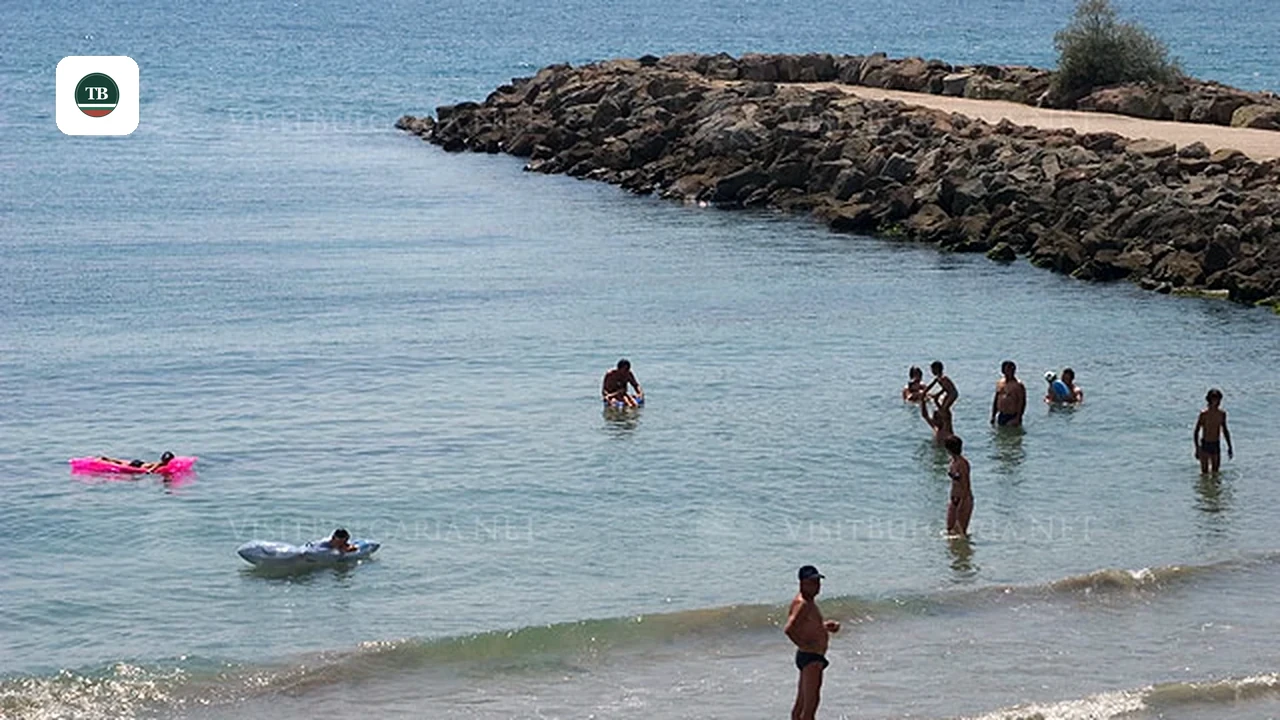
Peak season in Ravda runs from July through August, when air temperatures hit 28°C (82°F) and sea temperatures reach roughly 27°C (81°F). Beaches, the promenade, and Ravda's restaurant and nightlife scene operate at full capacity during these two months. June and September deliver nearly the same swimming conditions with noticeably thinner crowds and lower accommodation costs. Late autumn through winter is the window to avoid for a beach trip, since many seasonal restaurants, bars, and rental kiosks close down entirely. Travelers planning a wider Black Sea itinerary should also check the broader Bulgaria travel calendar. Inland regions and mountain areas follow a different seasonal pattern than the coast. Once travel dates are set, pair this guide with Ravda's full activity guide for a season-specific plan.
- Peak season (July-August): sea temperature near 27°C (81°F), busiest beaches and nightlife
- Shoulder season (June and September): 24-25°C (75-77°F) sea, thinner crowds, lower prices
- Off-season (October-April): nighttime lows near 2°C (36°F), most tourist businesses closed
Ravda Weather by Season: Summer, Shoulder, and Winter
Summer in Ravda spans June through August, with daytime highs climbing from 25°C (77°F) in June to 28°C (82°F) in July and August. August is also the driest month of the year, averaging just 32mm (1.3in) of rain. Humidity drops to its yearly low of 71% in July, keeping peak heat from feeling as heavy as it does in mid-winter. Shoulder season covers May and September, when days stay warm but nights cool enough for a light jacket on the promenade. September's air temperature averages 24°C (75°F), close enough to peak summer for swimming while accommodation demand eases. This window also suits Best Day Trips from Ravda, Bulgaria (2026 Guide) to nearby Nessebar, since sightseeing feels easier without August's midday heat. March and April sit outside comfortable swimming range, since sea temperatures are still climbing from their February low of 7°C (45°F). Off-season runs from October through April, when nighttime lows fall to 2°C (36°F) in January and many seasonal businesses shut down for the winter. Travelers weighing other coastal options can cross-check Bulgaria's best Black Sea beaches guide. Those building a longer trip should see Bulgaria's summer travel guide for how inland heat compares to the coast.
How Ravda's Seasons Compare
The table below lines up Ravda's three practical travel seasons, using average daytime temperatures alongside what to expect on the ground. Use it as a fast reference before working through the full monthly breakdown below.
| Season | Months | Avg Daytime Temp | What to Expect |
|---|---|---|---|
| Peak summer | July-August | 28°C (82°F) | Sea near 27°C (81°F); fullest beaches, promenade, and nightlife |
| Shoulder season | May, June & September | 21-25°C (70-77°F) | Warm days, cooler evenings; lower prices and thinner crowds |
| Off-season | October-April | 7-19°C (45-66°F) | Nighttime lows near 2°C (36°F) in January; most seasonal businesses closed |
Ravda's Monthly Climate at a Glance
Monthly averages make it easier to pinpoint an exact travel window, especially for readers comparing swimming weather against sunshine and rainfall. Pair these numbers with the season comparison above to settle on exact travel dates.
| Month | Avg Daytime Temp | Notable Detail |
|---|---|---|
| January | 7°C (45°F) | Coldest month of the year; only about 93 hours of sunshine across the entire month |
| February | 9°C (48°F) | Coldest sea temperature of the year, averaging around 7°C (45°F) |
| March | 11°C (52°F) | Transition month; sea and air are still too cool for comfortable swimming |
| April | 15°C (59°F) | Warms quickly, though most seasonal businesses remain closed until later spring |
| May | 21°C (70°F) | Comfortable sightseeing weather begins; sea is warming toward swimming temperature |
| June | 25°C (77°F) | Swimming season opens in earnest as the sea catches up to air temperature |
| July | 28°C (82°F) | Sunniest month of the year, averaging 357 hours of sunshine in total |
| August | 28°C (82°F) | Driest month at 32mm (1.3in) of rain; sea peaks near 27°C (81°F) |
| September | 24°C (75°F) | Warm swimming conditions continue with noticeably thinner crowds than August |
| October | 19°C (66°F) | Wettest month of the year, averaging 68mm (2.7in) of rainfall |
| November | 14°C (57°F) | Most seasonal restaurants and beach bars have closed for the year |
| December | 9°C (48°F) | Winter conditions settle in ahead of the coldest months, January and February |
Sunshine, Humidity, and Rainfall Across the Year
Sunshine hours swing dramatically across the year in Ravda. July delivers the most light, averaging 11.9 hours of sunshine a day and roughly 357 hours for the month as a whole. January sits at the opposite end, averaging just 3.1 hours a day and about 93 hours across the entire month. Total annual sunshine reaches around 2,514 hours, which keeps most of the warm season reliably clear for beach days. Rainfall follows a milder swing. October is the wettest month at 68mm (2.7in). August stays driest at 32mm (1.3in). Humidity moves in the opposite direction from temperature. It peaks at 82% in January and drops to 71% in July. That makes the sunniest, driest month also the least humid one.
Timing a Nessebar Day Trip from Ravda
Nessebar's UNESCO-listed old town sits within easy reach of Ravda, and seasonal timing changes how comfortable that visit feels. Summer's midday heat, especially in July and August when temperatures hold at 28°C (82°F), makes early-morning or early-evening visits the more comfortable choice. May and September offer milder daytime temperatures, closer to 21-24°C (70-75°F), which suit a full day of walking the cobbled streets without retreating to shade. Day trips from Ravda to Nessebar work in any season. Shoulder-season light and thinner crowds make the old town's churches and harbor easier to photograph. Off-season visits are possible too, though shorter daylight hours and colder temperatures, down to 7°C (45°F) in January, shrink the comfortable sightseeing window considerably.
Which Traveler Are You? Best Time to Visit by Activity
Ravda suits different travelers depending on the month. Match personal priorities to the window that fits best. Humidity also plays a role in comfort. It peaks at 82% in January and eases to a yearly low of 71% in July, so peak-summer heat at 28°C (82°F) feels comparatively dry.
- Sun-worshippers and swimmers: aim for August, when Ravda's main beach gets the warmest sea of the year, around 27°C (81°F).
- Families with young children: target early July, when the water is already warm and Bulgaria's best family beaches guide can help narrow down a shallow, sheltered stretch nearby.
- Budget travelers: book late May or mid-September, when accommodation demand and prices drop well below the July-August peak.
- Sightseers headed to nearby Nessebar: choose May or September, when milder daytime heat makes walking the old town's cobbled streets more comfortable.
- Photographers and early risers: come in June, when longer daylight hours stretch comfortable outdoor time across more of the day.
Seasonal Prices: What Peak Timing Costs You
Ravda's status as a seasonal resort town means prices swing sharply with demand. Budget double rooms often run near 70-90 лв a night in late May or September. That same room often climbs past 140 лв once the July-August peak hits full swing. Restaurant menus, beach-umbrella rentals, and car rentals tend to follow the same pattern. They stay cheapest during the shoulder months and priciest at the height of summer. The tourist economy contracts sharply outside the warm season. Because of that, some accommodations and restaurants close entirely from October through April rather than dropping rates to stay open. Travelers chasing the lowest cost should target early-to-mid June or the back half of September, when sea temperatures near 24-25°C (75-77°F) still support comfortable swimming.
Accommodation prices climb past 140 лв in July-August, when sea temperatures also reach their annual peak of 27°C (81°F). Choosing May or September trades that warmest swimming for rates nearer to 70-90 лв.
Ravda's Resort Season: Crowds, Opening Hours, and Getting There
Ravda keeps a noticeably quieter, more residential feel than Sunny Beach, its larger neighbor roughly 6km (3.7 miles) up the coast. Much of the climate data published for Ravda, including the sunshine and sea-temperature figures above, is actually recorded at Sunny Beach's weather station. Treat exact daily readings as a close approximation rather than an on-the-spot measurement. During July and August, Sunny Beach's clubs and beach bars run at a louder, more crowded pace than Ravda's promenade. Ravda's promenade stays busier with families and long-stay guests than with nightlife crowds. Most of Ravda's seasonal restaurants, beach bars, and rental kiosks operate only from late spring through early autumn. Confirm exact opening and closing dates directly with individual venues, since these shift from year to year. Reaching Ravda by air means flying into Burgas Airport (BOJ), which runs far more direct routes during the June-through-September season than in winter. Off-season travelers should check airline schedules closely, since some routes drop and connecting through Sofia becomes more common. Before finalizing dates, check the official Visit Bulgaria tourism portal for current travel advisories and entry requirements.
July peaks at 357 hours of monthly sunshine during full resort operations. October, when bars and restaurants close for the season, is the year's wettest month, averaging 68mm (2.7in), with temperatures of just 19°C (66°F).
Common Mistakes to Avoid When Timing a Ravda Trip
A few timing mistakes come up again and again when travelers plan a Ravda trip. Avoiding these keeps expectations realistic and the itinerary on track.
- Booking early May or October and expecting hot beach weather. The Black Sea warms and cools slowly, so sea temperatures lag behind air temperature at both edges of the season.
- Assuming Ravda stays fully open all year. Many restaurants, beach bars, and rental kiosks close completely from October through April, unlike inland Bulgarian cities.
- Ignoring humidity when planning a July or August trip. Humidity actually drops to its yearly low of 71% in July, so the driest peak-summer days feel less heavy than the raw temperature suggests.
- Skipping Best Day Trips from Ravda, Bulgaria (2026 Guide) during the shoulder season. May and September's milder heat make these some of the most comfortable months for exploring Nessebar without midday crowds.
Frequently Asked Questions
What is the best month to visit Ravda for swimming?
August offers the warmest sea, averaging around 27°C (81°F), with July and September close behind. Water stays comfortable for swimming from June through September.
Is Ravda open all year, or does it shut down in winter?
Many restaurants, beach bars, and rental kiosks close completely from October through April. A smaller set of year-round local businesses stays open for residents. The tourist-facing side of town scales back sharply once the season ends.
How does Ravda's weather compare to nearby Sunny Beach?
Ravda sits about 6km (3.7 miles) from Sunny Beach. Most published weather data for the area is actually recorded at Sunny Beach's station. Air and sea temperatures track closely between the two towns. Ravda's atmosphere stays quieter than Sunny Beach's louder nightlife scene, even during the July-August peak.
When is the cheapest time to visit Ravda?
Late May and mid-to-late September bring the lowest accommodation prices, often well under the July-August peak. Sea temperatures during these windows still support comfortable swimming, typically in the mid-20s°C (mid-70s°F).
Should you plan a Ravda trip around a Nessebar day trip?
May and September are the most comfortable months for exploring Nessebar's old town on foot, since midday heat is milder than peak summer. Best Day Trips from Ravda, Bulgaria (2026 Guide) to Nessebar work in any season. Summer's heat and crowds make early mornings the more comfortable option.
What is Ravda like in January, the coldest month?
January is Ravda's coldest month, with daytime highs near 7°C (45°F) and nighttime lows around 2°C (36°F). Humidity peaks at 82%, and most seasonal tourist businesses stay closed until spring.
Which month gets the most sunshine in Ravda?
July is the sunniest month, averaging about 11.9 hours of sunshine a day and roughly 357 hours in total. That makes it the most reliable month for full beach days without cloud cover.
Does it rain a lot in Ravda?
Ravda receives about 653mm (26in) of rain a year, spread unevenly across the seasons. October is the wettest month at 68mm (2.7in), and August is the driest at 32mm (1.3in).