Vasil Levski Museum, Lovech: Visitor Guide to Hours, Tickets, and Exhibits
Last updated August 2026. Vasil Levski Museum in Lovech tells the story of the town's role as the secret hub for Bulgaria's revolutionary committees. It holds one of the country's largest collections of Vasil Levski's personal belongings, including his sabre, a printing press, and an 1870 portrait. This guide covers opening hours, ticket prices, and how to pair the museum with nearby Varosha sights like Hisarya Fortress and the Covered Bridge.
Vasil Levski Museum Lovech at a Glance
Here are the essentials before getting into the museum's history and exhibits.
| Detail | What to know |
|---|---|
| Address | Marin Poplukanov 14 Str., Varosha District, Lovech |
| Hours (summer) | 09:00–13:00 and 14:30–18:00 |
| Hours (winter) | 09:00–12:00 and 13:00–17:00 |
| Tickets | 2 lv adults, 1 lv students/pensioners |
| Recommended visit length | 45–60 minutes |
| Recognition | Part of the 100 Tourist Sites of Bulgaria list |
Why Lovech Became Known as Vasil Levski's Revolutionary Capital
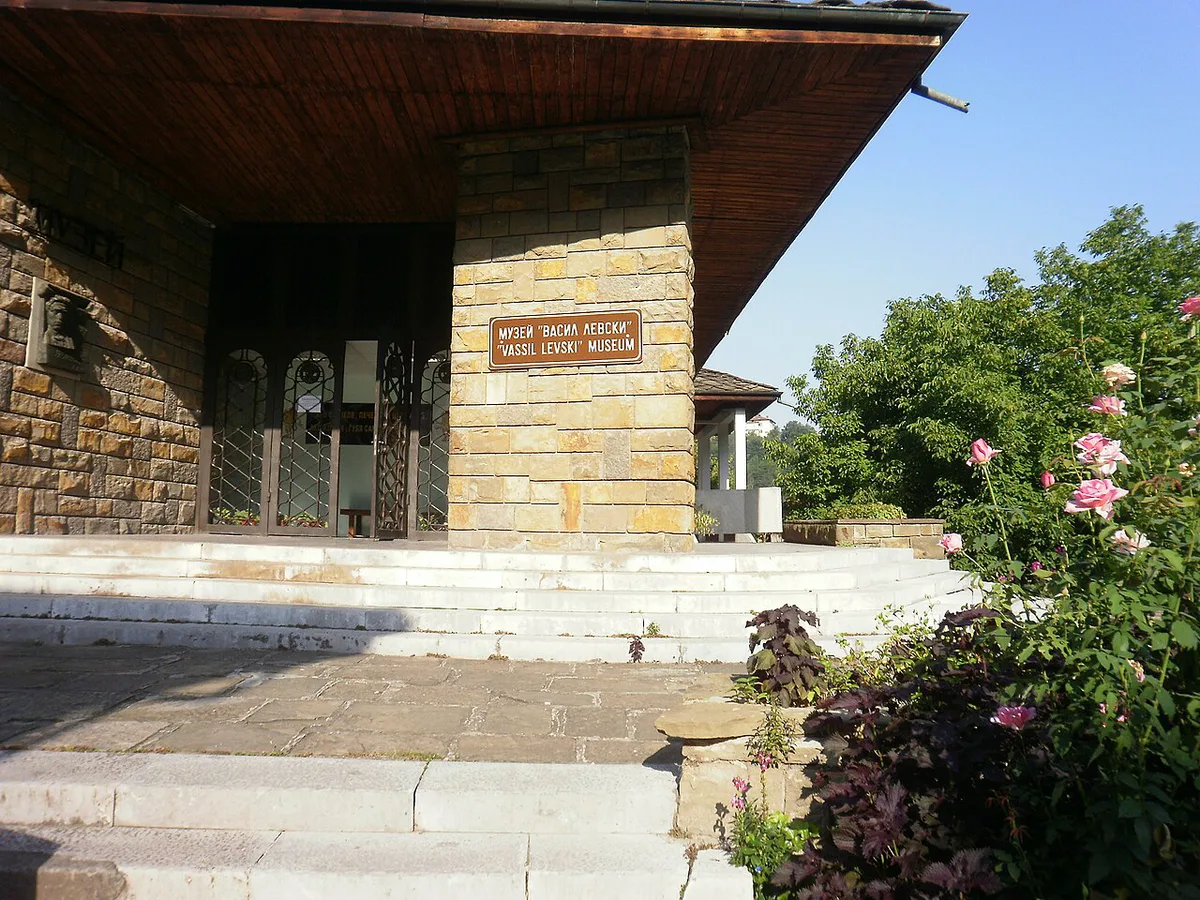
Vasil Ivanov Kunchev, better known by his adopted name Levski, is Bulgaria's most revered national figure. During the 1860s and 1870s, he built a clandestine network of revolutionary committees across Ottoman-ruled Bulgarian lands. He chose Lovech as the headquarters of that network, later known as the Internal Revolutionary Organization, rather than his native Karlovo. From a base in the town's Varosha Architectural Reserve, Levski coordinated couriers, funding, and coded correspondence between committees in other towns. Bulgaria's official Lovech tourism guide highlights this revolutionary history as the town's defining visitor draw. That dedicated museum opened on 19 February 1954, and its exhibition has occupied the current Varosha building since 1967. This preference for Lovech over Karlovo is why the town, not Levski's birthplace, is remembered as the movement's revolutionary capital. It's also why the museum dedicated to his work sits here.
Inside the Museum: Personal Effects, the Printing Press, and the 1870 Portrait
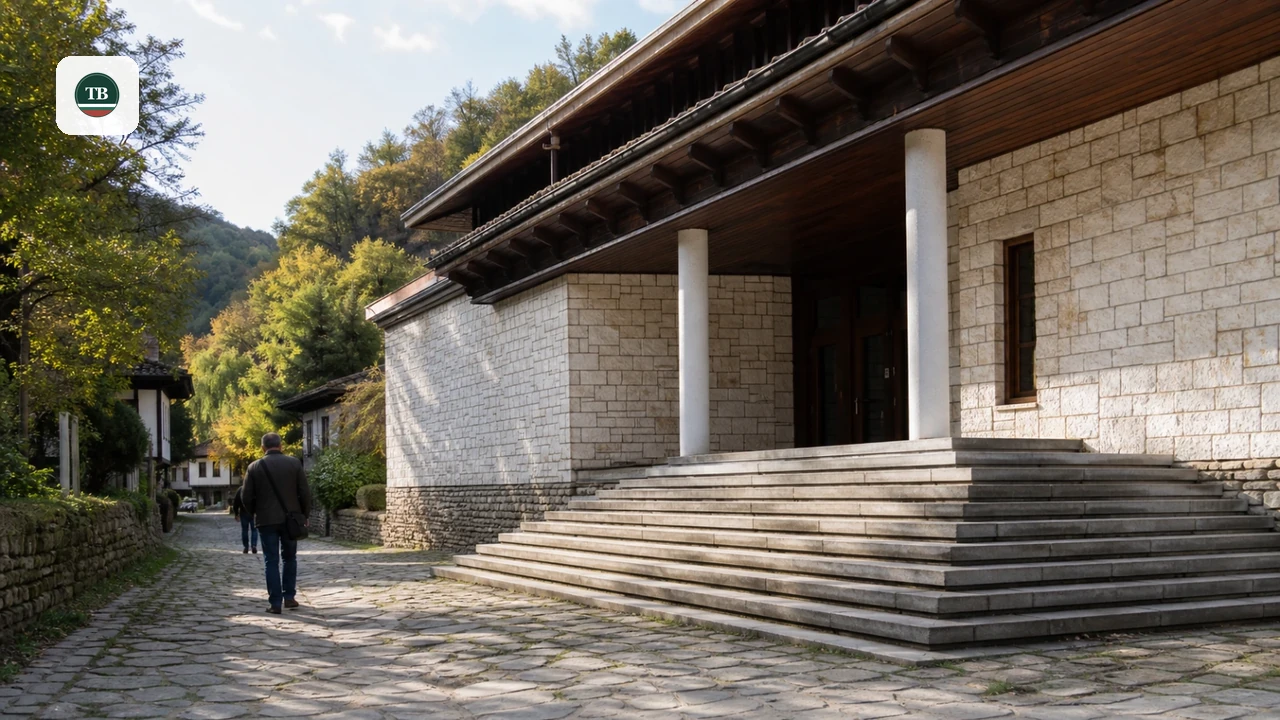
Two floors of exhibition space move chronologically from Levski's committee work toward Bulgaria's eventual liberation. Ground-floor cases concentrate on items connected directly to Levski himself. Upstairs, the display documents the wider national liberation struggle, including the April Uprising of 1876 and the War of Liberation of 1877-1878, alongside items belonging to Levski's fellow committee members from Lovech.
Since 1967, the Varosha building has housed Levski's exhibition. That same year, his sabre arrived from Troyan Monastery to complete the country's largest collection of his revolutionary artifacts in one location.
- Levski's sabre: 870 mm (about 34 inches) long, with a wooden sheath and metal fittings at both ends; it stayed hidden at Troyan Monastery until 1967, then passed to the museum.
- The dagger Levski carried while traveling the country, kept on permanent display here rather than in Karlovo.
- A small printing press used for revolutionary documents, brought into Bulgaria by Angel Kanchev and donated to the museum's collection in 1901.
- Counterfeit Turkish official seals and forged receipts, evidence of how committees tracked funding and moved couriers safely.
- An original portrait of Levski painted in 1870.
Visiting the Vasil Levski Museum in Lovech: Hours, Tickets, and Location
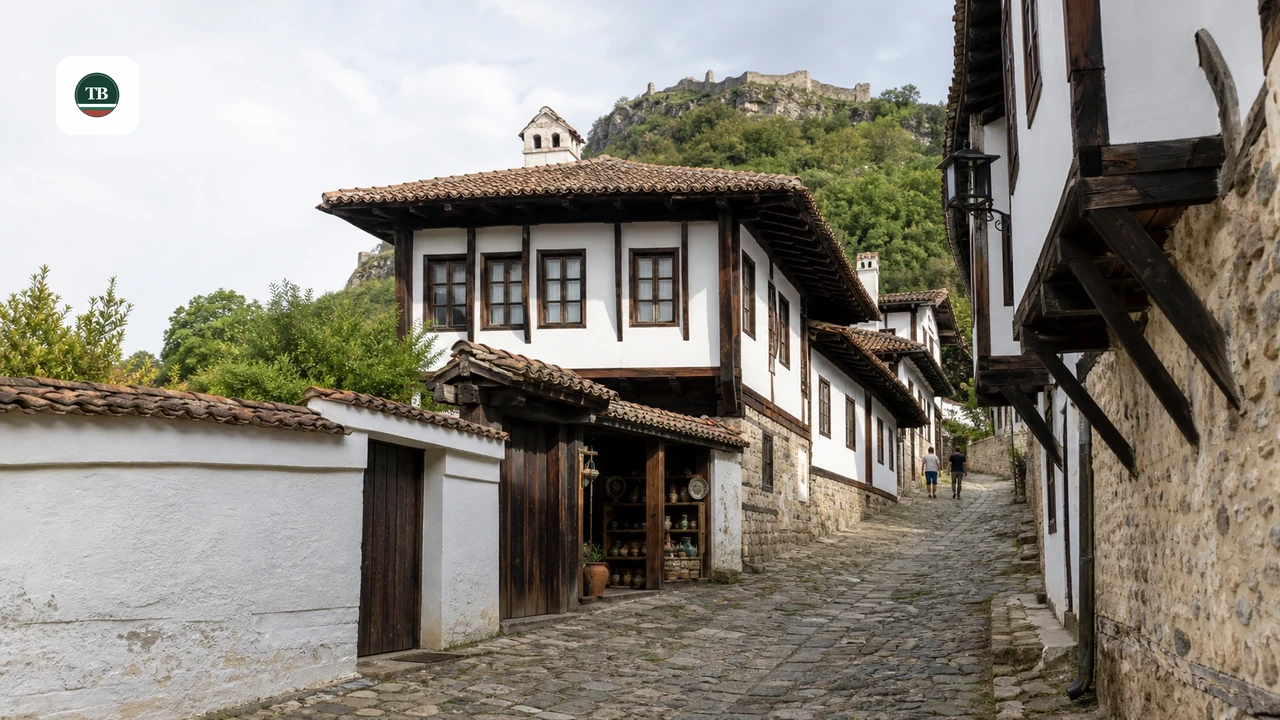
You'll find the museum at Marin Poplukanov 14 Street, inside the Varosha Architectural Reserve. Hours split into a summer and a winter schedule, and both include a midday closure that catches visitors off guard. Lovech's municipal tourist information center can confirm same-day changes before the trip. Varosha's lanes surround the museum on every side, so most visitors arrive on foot after parking near the district's edge.
| Season | Morning session | Afternoon session |
|---|---|---|
| Summer | 09:00–13:00 | 14:30–18:00 |
| Winter | 09:00–12:00 | 13:00–17:00 |
- Adults: 2 lv per ticket.
- Students and pensioners: 1 lv per ticket.
- Groups of 10 or more (students/pensioners): 0.50 lv per person.
- Groups of 10 or more (adults): 1 lv per person.
- Confirm current prices at the ticket desk, since published rates can change.
Planning Your Visit: Timing, Footwear, and the 100 Tourist Sites Stamp
Budget 45 to 60 minutes for the museum itself, plus extra time to walk the surrounding Varosha lanes. Streets here are cobbled and slope toward Hisarya Hill, so flat, sturdy shoes work better than sandals. Travelers collecting stamps for the 100 Tourist Sites of Bulgaria list can typically get this museum's stamp at the ticket desk, so bring the passport booklet along. A small shop at the entrance also sells souvenirs and books about Levski.
Vasil Levski Museum Lovech vs. the Birth House in Karlovo
International visitors sometimes confuse this museum with Levski's birthplace in Karlovo, a separate town in Bulgaria's Plovdiv district with its own Vasil Levski National Museum. That museum centers on his childhood home, family descent, and early life. This Lovech museum instead covers his adult work: the committee network, the printing press, and the sabre that has been on permanent display here since 1967. Both institutions honor the same historical figure, but they preserve different chapters of his life. Some searches also surface Levski's deacon's cross or a revolver linked to him; both of those items are actually held at Sofia's National Museum of Military History, not at either Levski museum.
Nearby in Varosha: Hisarya Fortress, the Covered Bridge, and the Levski Memorial
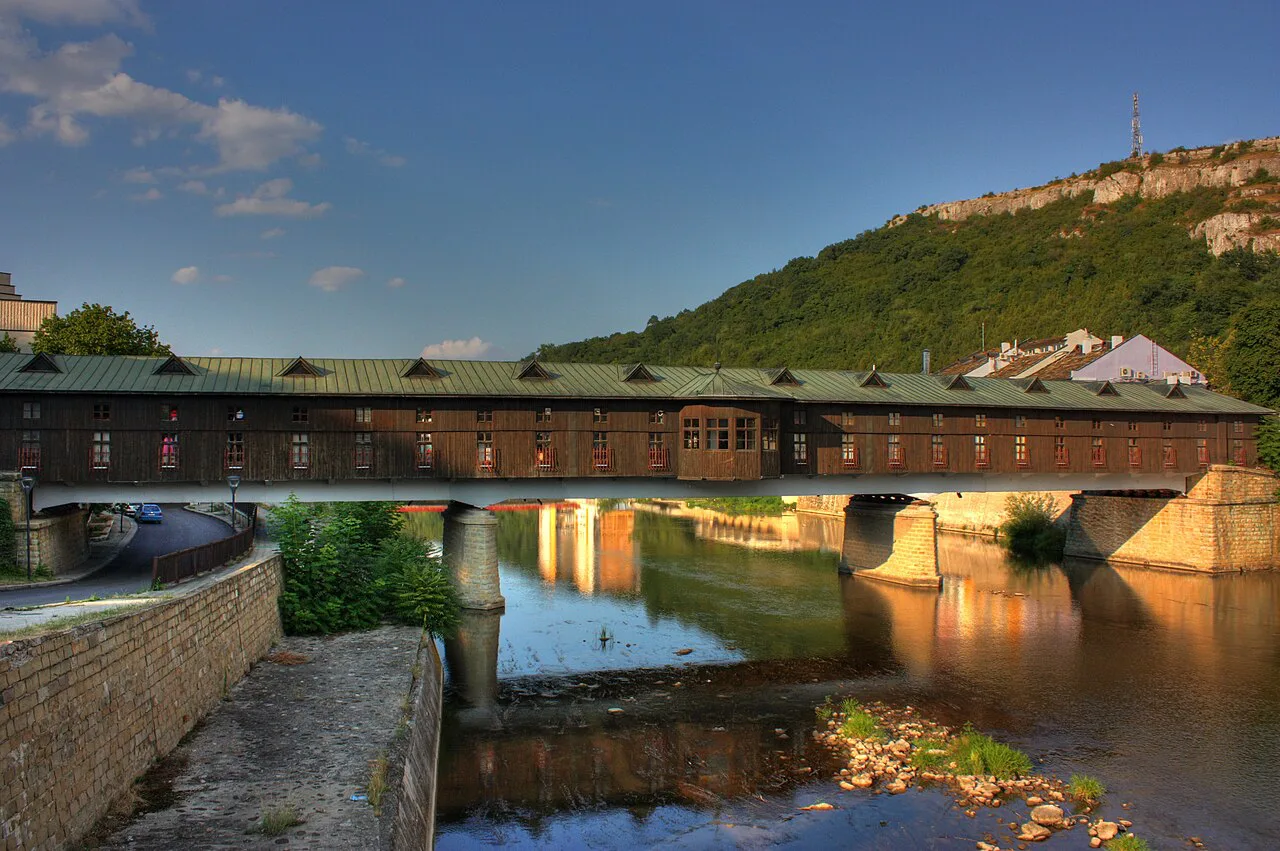
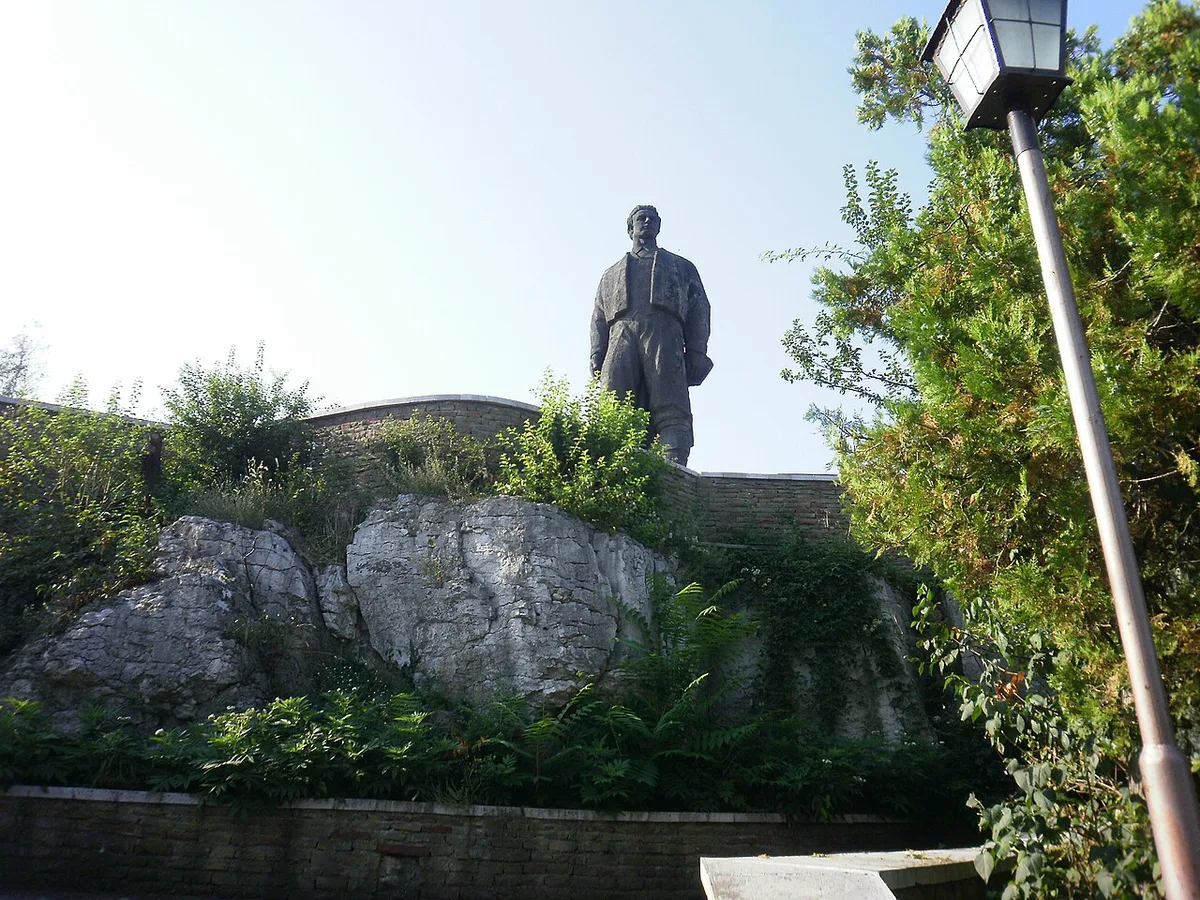
Varosha holds several more historic sites within walking distance of the museum. On the hill above the neighborhood stands Hisarya Fortress, the medieval stronghold at the heart of Varosha's skyline, featured in this guide to Bulgaria's fortresses. Next to the fortress rises the Levski Memorial, a 14-meter (46-foot) statue inaugurated on 27 May 1964. A short walk from the museum, the Covered Bridge is Lovech's best-known landmark. Regional crafts and domestic life fill the neighborhood's Ethnographic Complex, the last stop on a typical Varosha loop.
Mistakes to Avoid When Visiting
A few planning slips are easy to avoid with the right timing and route.
The summer midday break from 13:00 to 14:30 means visitors choosing afternoon slots must wait until after the closure before accessing the museum's two-floor exhibition of Levski's belongings.
- Arriving during the midday closure: the winter break runs 12:00 to 13:00, and the summer break runs 13:00 to 14:30.
- Assuming this is Levski's birth house: that building and its exhibits are in Karlovo, not Lovech.
- Driving into Varosha itself: the old quarter's lanes are narrow and steep, so park on the streets bordering the district and walk in.
Regional Day Trips from Lovech
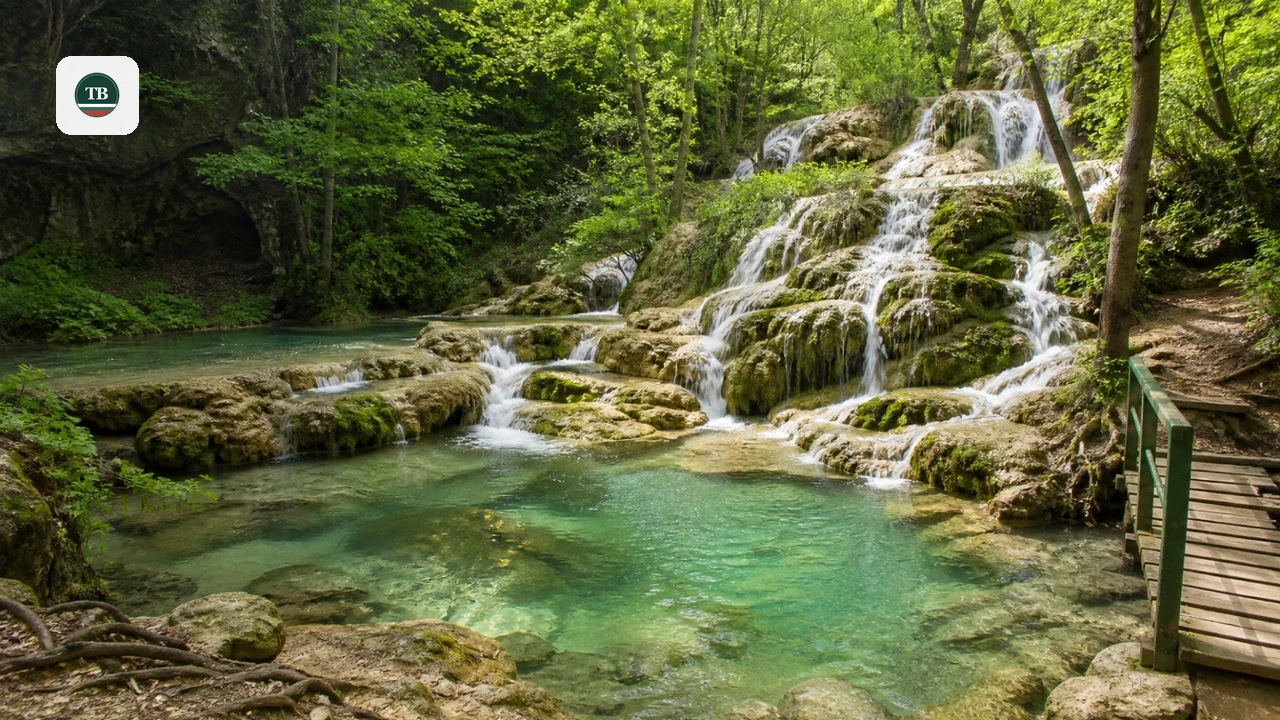
Lovech works well as a base for a longer North-Central Bulgaria itinerary, and the museum ranks among Lovech's full attractions list as a top cultural stop. A day trip to Krushuna Waterfalls and Devetashka Cave covers two of the region's natural landmarks. Pleven's Museum of Wine is another common regional add-on for travelers extending the stay. Drivers linking Lovech into a wider route can check the Sofia-to-Veliko Tarnovo road trip itinerary, which lists the town as a stop between the two cities.
Frequently Asked Questions
What are the current Vasil Levski Museum Lovech opening hours?
Hours split into two daily sessions with a midday closure in between. Summer hours run 09:00 to 13:00, then 14:30 to 18:00. Winter hours run 09:00 to 12:00, then 13:00 to 17:00. Confirm the exact seasonal switchover dates with the museum before visiting, since these can shift slightly year to year.
How much are tickets at the Vasil Levski Museum in Lovech?
Published rates list adults at 2 lv and students or pensioners at 1 lv. Groups of 10 or more pay a reduced rate: 0.50 lv per student or pensioner, and 1 lv per adult. Prices can change, so confirm current rates at the ticket desk.
Is the Vasil Levski Museum in Lovech the same as his birthplace?
No. Levski's birthplace and childhood home are preserved at the separate Vasil Levski National Museum in Karlovo, in Plovdiv district. This Lovech museum instead covers his adult revolutionary work, including the committee network he built and items like his sabre and printing press.
How much time should you plan for the museum?
Plan for 45 to 60 minutes inside the museum itself. Add extra time to explore the surrounding Varosha lanes, Hisarya Fortress, and the Covered Bridge on the same visit.
Can you get a 100 Tourist Sites of Bulgaria stamp here?
Yes, the Vasil Levski Museum is listed among the 100 Tourist Sites of Bulgaria. Ticket-desk staff typically provide the stamp on request, so bring the passport booklet along.
How long does it take to see the museum and nearby Varosha sights together?
Plan on 45 to 60 minutes for the museum, plus another hour or two for Hisarya Fortress, the Covered Bridge, and the Ethnographic Complex nearby. Most visitors comfortably fit the whole Varosha cluster into a half-day.
Where should you park near the Vasil Levski Museum in Lovech?
Varosha's lanes are narrow, cobbled, and steep, so avoid driving to the museum door. Park on the streets bordering the old quarter instead and walk in from there.