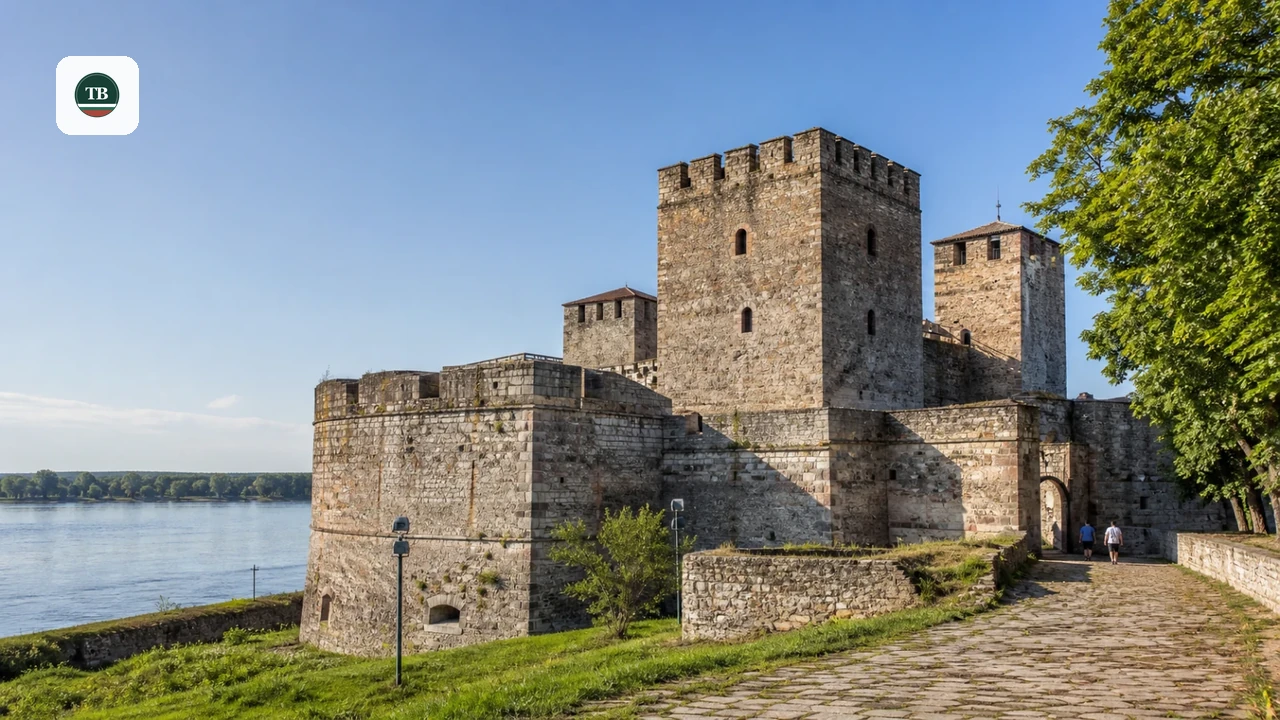
Baba Vida Fortress in Vidin: What to Know Before You Go
Last updated August 2026, this guide covers Baba Vida Fortress in Vidin, the 10th-century stronghold that anchors the town's riverside park. Bulgaria's only entirely preserved medieval castle sits on the Danube in Vidin, built from a Roman-era watchtower into Tsar Ivan Sratsimir's stronghold. Below, find current ticket prices, opening hours, the walk from Vidin's train station, and what to expect inside the walls.
Baba Vida Fortress in Vidin: Tickets, Hours, and Access
Baba Vida Fortress sits at the northern end of Vidin's Danube riverside park, known locally as Dunavska Gradina. The table below lists 2026 ticket prices and opening hours, based on published rates for the fortress. Hours run later on weekends than on weekdays, so plan an early start with that gap in mind. Confirm current pricing when you arrive, since small-site rates can shift from one season to the next. A ticket booth sits at the main gate, and the interior typically stops admitting new visitors shortly before the posted closing time.
| Category | Details |
|---|---|
| Adult ticket | €2 |
| Student / child ticket | €1 |
| Private guide | €10 per group |
| Weekday hours (Mon–Fri) | 8:30 AM–4:00 PM |
| Weekend hours (Sat–Sun) | 10:00 AM–4:30 PM |
| Location | Northern end of Dunavska Gradina, Danube riverside park |
Why Baba Vida Is Bulgaria's Only Fully Preserved Medieval Fortress
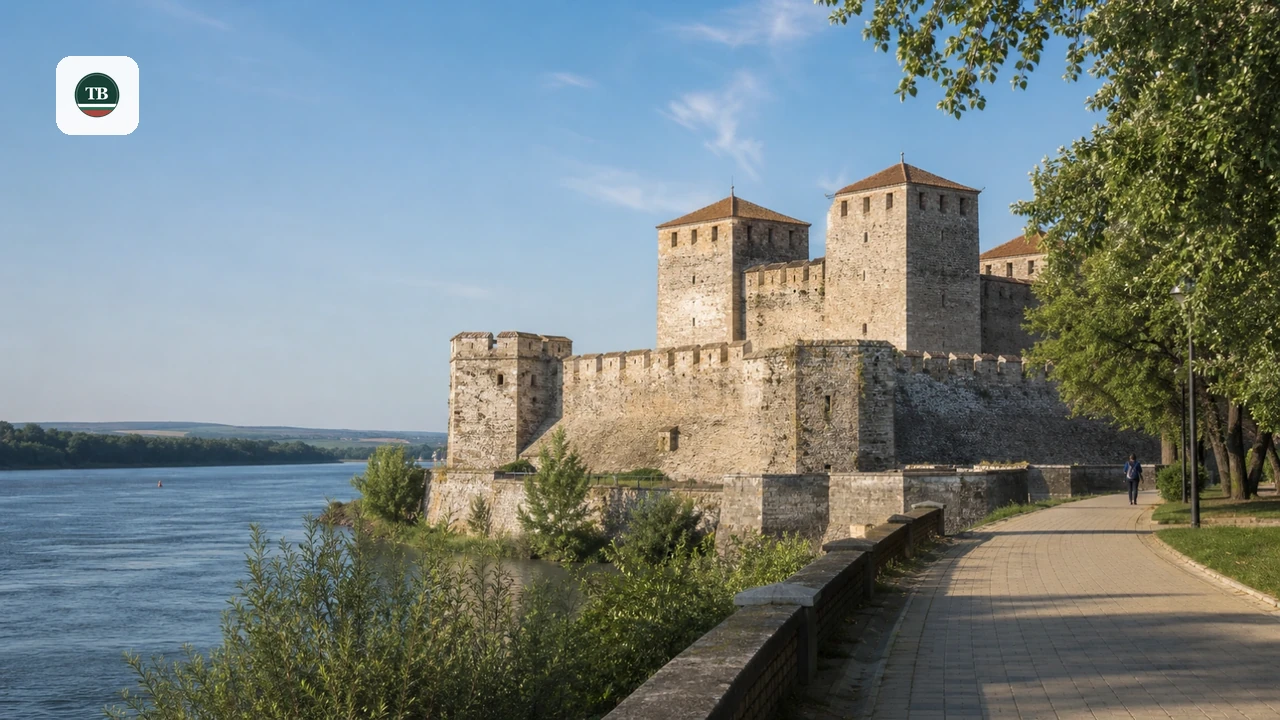
Most Bulgarian castles standing today are partial rebuilds rather than intact structures. Tsarevets in Veliko Tarnovo, for example, is largely a 20th-century reconstruction built over medieval foundations. Baba Vida differs. It is the only medieval fortress in Bulgaria preserved in its original form, according to the same regional travel guide. Two concentric curtain walls still ring the site today. Roughly nine towers survive in total, and three of them keep their full medieval height along with the original battlements. That distinction is why guides to Bulgaria's best fortresses consistently rank it near the top of the list. Visitors walking the ramparts are looking at stonework that has stood largely unaltered since the Ottoman period ended, not a modern rebuild dressed as medieval.
Best Time to Visit Baba Vida Fortress
Morning visits suit photographers best. Early light angles across the Danube and the outer wall, before midday glare flattens the stonework by early afternoon. Summer months add a second reason to time a trip deliberately. Baba Vida's courtyard runs a summer theater season, with performers from around Bulgaria staging shows through the warmer months. Confirm festival dates locally before you build a trip around one specific evening performance, since a museum-run schedule can shift from year to year. Outside summer, the fortress stays quieter, which suits visitors who prioritize photography and reading the exhibits over catching a live show.
Weekend hours of 10:00 AM–4:30 PM mean photographers must arrive early to capture Danube-facing stonework in morning light before afternoon glare flattens the medieval walls.
The Legend of Granny Vida
The fortress name translates loosely as Granny Vida, tied to a local legend rather than a documented ruler. One version names a Bulgarian king who divided his realm among three daughters before his death. Vida, the eldest, received Vidin and the lands north toward the Carpathians. Kula was given Zaychar and the Timok Valley, and Gamza took the lands west toward the Morava. Both sisters married men later described as reckless, and both lost standing as a result. Vida never married. She built the castle instead and ruled from it alone, which is how the fortress got her name. A second telling of the story swaps the king for a wealthy nobleman, but keeps the same three sisters and the same outcome for Vida.
From Roman Bononia to Tsar Ivan Sratsimir's Capital
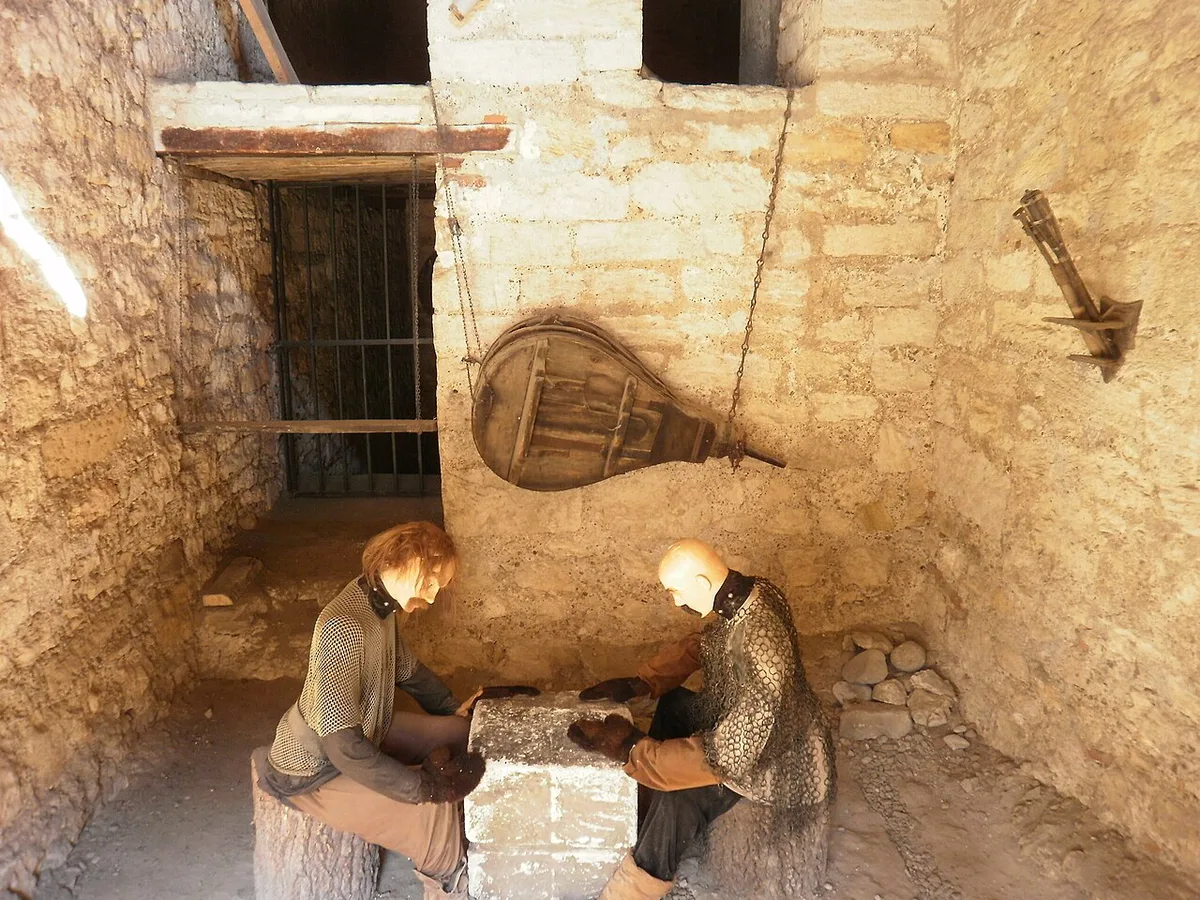
Construction on Baba Vida began in the 10th century, on ground first fortified by Rome. A Roman watchtower called Bononia stood on the same site from the 1st century AD, built over an earlier Thracian settlement. Byzantine forces under Emperor Basil II laid siege to the finished fortress for eight months and failed to take it. Tsar Ivan Sratsimir enlarged and modernized Baba Vida between 1356 and 1396, ruling the Tsardom of Vidin from inside its walls. Hungarian forces under Louis I captured the castle in 1365. Sratsimir spent four years retaking it, regaining control in 1369 but ruling afterward as a Hungarian vassal. Ottoman armies invaded in 1388 and forced Sratsimir into vassalage as well. In 1396 he joined a crusade led by Sigismund of Hungary. It collapsed at the Battle of Nicopolis, and by 1397 the Ottomans held most of his former lands. Under Ottoman rule, Baba Vida became a weapons store and a prison instead of a royal seat. It also served for a period as a residence tied to the local Ottoman-era ruler Osman Pazvantoğlu. Baba Vida had stopped serving any defensive purpose by the end of the 18th century, and it operates today as a museum.
What to See Inside the Fortress Walls
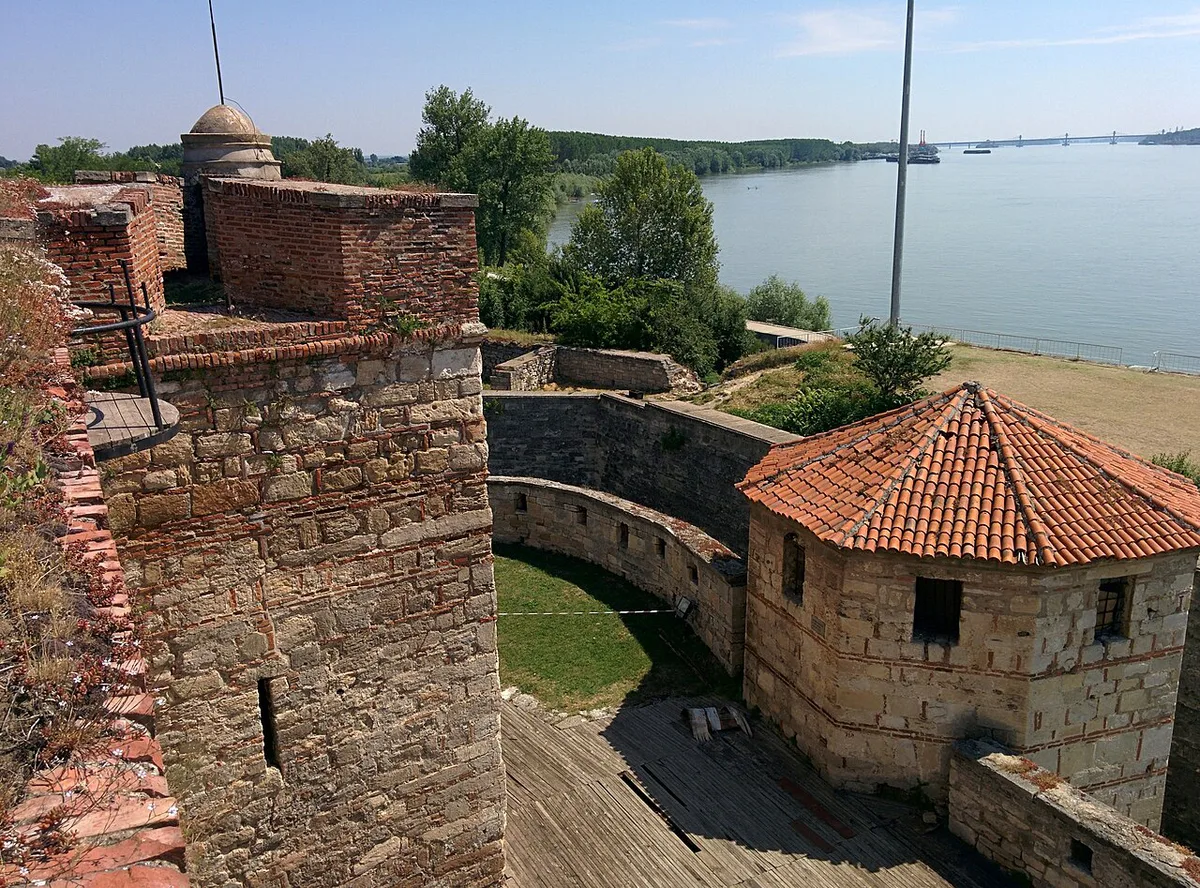
Inside the walls, the layout still reads as a working medieval defense system rather than a partial reconstruction. Two rings of curtain wall separate the outer approach from the inner courtyard, and visitors pass through both on the way in. Displays inside the towers cover the fortress's Ottoman-era use as an armory and prison, alongside its earlier role as Tsar Ivan Sratsimir's royal seat. Ramparts along the outer wall give an open view over the Danube toward Romania on the far bank. Plan on covering both wall rings and at least one tower interior before calling the visit complete.
- Two concentric curtain walls enclosing the main courtyard
- Nine towers in total, three preserved to full medieval height with original battlements
- A tower added during a later period of Austrian control
- Exhibit rooms covering the fortress's Ottoman-era use as an armory and prison
- Rampart views across the Danube toward Romania
Baba Vida's Summer Theater and Modern Use
Baba Vida is not a static ruin. Its courtyard doubles as Vidin's summer theater, hosting a run of theatrical performances each year with artists from across Bulgaria. That modern layer sets it apart from fortress sites that function purely as history exhibits. A performance date can change what the visit feels like, since staging and seating temporarily reshape the courtyard. Anyone planning a summer trip around a specific show should confirm the schedule locally rather than assuming a fixed calendar, since dates vary by season.
Getting to Baba Vida Fortress from Sofia and Beyond
Sofia to Vidin covers roughly 200 km, and the trip by car or train typically takes three-and-a-half to four hours. Direct trains and buses both run from Sofia, alongside the driving option. Check current timetables before you lock in a schedule, since operators and frequencies change. Vidin's train station sits about a 20-minute walk from the fortress, and the route runs straight through Dunavska Gradina, the same Danube riverside park that borders Baba Vida. That walk through the park is worth building into the schedule rather than treating it as a chore. Drivers following a planned Bulgaria driving route can park near the riverside park and continue on foot. For exact current train and bus timetables, check a dedicated guide to reaching Vidin. Travelers arriving by river cruise or crossing from Romania or Serbia should also review Bulgaria's entry requirements before the trip. Danube river cruise passengers with a Vidin stop can walk to Baba Vida directly from the riverside park.
The roughly 200 km from Sofia to Baba Vida takes three-and-a-half to four hours by car or train; the journey compensates by reaching Bulgaria's only entirely preserved medieval fortress with original stonework and battlements.
Planning Your Time: Baba Vida vs. Belogradchik and Tsarevets
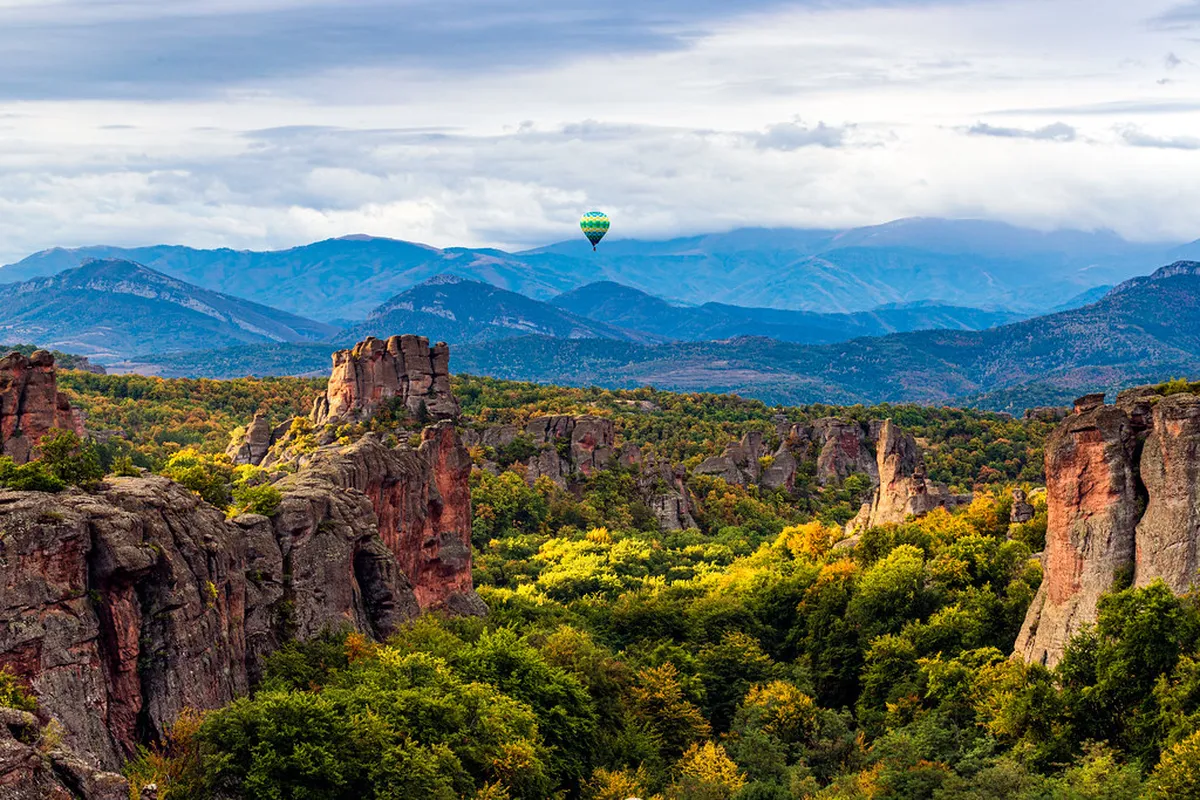
Most travelers need one to two hours to see Baba Vida fully, including time on the ramparts and inside the towers. That pace leaves room to add a nearby site on the same day. Many independent travelers pair the fortress with a Belogradchik Rocks day trip, since both sit in the same corner of northwest Bulgaria. Combining both sites in one day is realistic for drivers, though exact drive times are worth confirming before setting out. Compared with Tsarevets in Veliko Tarnovo, Baba Vida wins on authenticity rather than scale. Tsarevets covers a larger hilltop and shows more dramatic walls, but much of that reconstruction dates from the 20th century. Baba Vida offers less ground to cover and more original stonework underfoot. Vidin's hotel options cluster near the Danube waterfront, within walking distance of the fortress and the old town core. That keeps logistics simple for a one or two night stay. If you're mapping a wider route, weigh both stops against other top Bulgaria destinations before finalizing an itinerary.
Mistakes to Avoid and Practical Tips
Three details trip up first-time visitors most often. None of these rule out a visit for you; they just change how comfortable it feels once inside.
- Wear closed, flat shoes. Medieval stone stairs and uneven flooring are common inside the towers.
- Skip the visit with a wheelchair or stroller. The fortress keeps its original stairs and thresholds rather than adding ramps.
- Carry cash. Small ticket booths like this one do not always take cards or large notes.
Beyond the Fortress: Vidin's Old Town
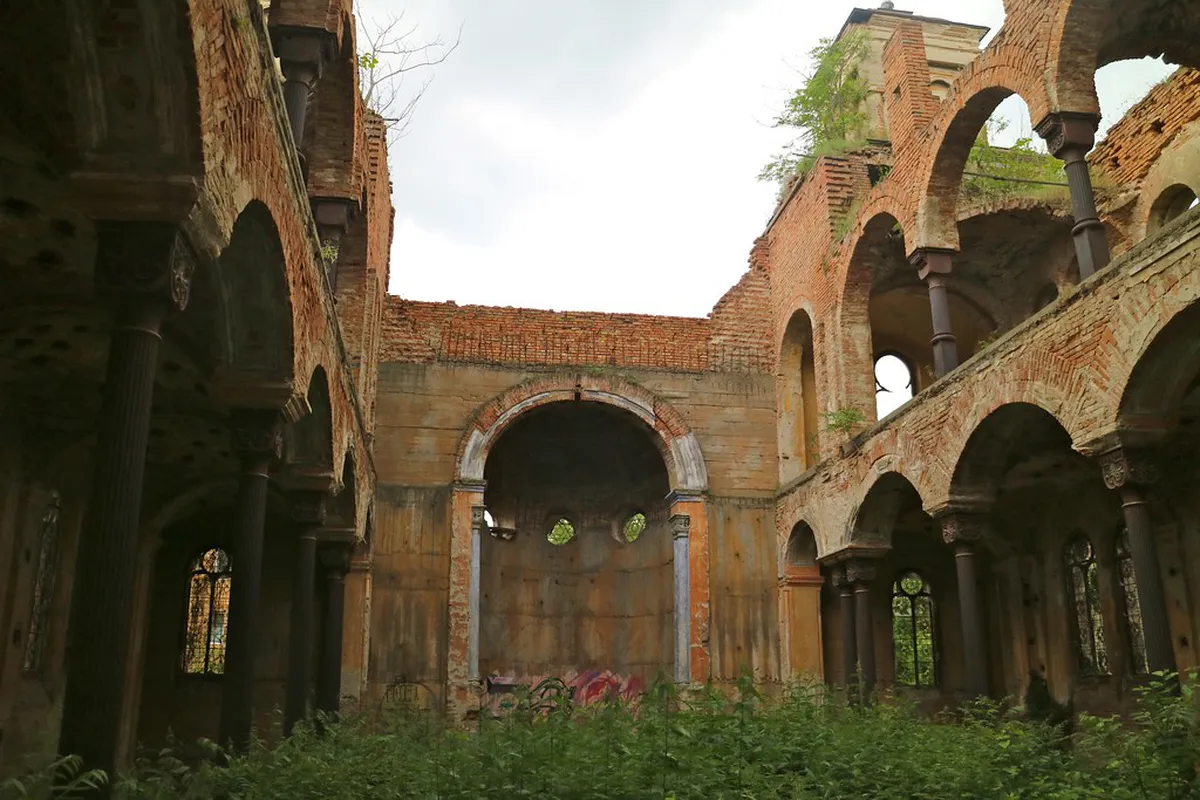
Vidin has more to offer than the fortress alone. St. Pantaleon Church and the Vidin Synagogue, which remains under restoration, both sit within easy walking distance of the fortress. A dedicated old town walking tour covers both sites plus the streets between them in more depth. For the fuller list of stops around town, the wider Vidin guide rounds out the fortress with markets, riverside cafés, and other nearby sights.
For trip-planning details, see Baba Vida Fortress - Wikipedia.
Frequently Asked Questions
Is Baba Vida Fortress worth the trip from Sofia?
For history-focused travelers, yes. Baba Vida is Bulgaria's only entirely preserved medieval castle, a distinction few other national sites can claim. Most visitors spend one to two hours inside, which fits well alongside a same-day stop elsewhere in northwest Bulgaria. Travelers short on time might prioritize it over less complete ruins nearby.
How much does it cost to enter Baba Vida Fortress?
As of 2026, published rates list adult tickets at €2 and student or child tickets at €1. A private guide costs €10 per group on top of standard entry. Confirm current prices locally on arrival, since small-site rates can change from one season to the next.
Can you walk to Baba Vida from the Vidin train station?
Yes. The walk covers about 20 minutes and runs through Dunavska Gradina, the Danube riverside park that borders the fortress. Treat that stretch as part of the visit rather than a detour, since the park itself is a notable stop.
What is the legend behind the name Baba Vida?
Local legend credits a Bulgarian ruler who divided his realm among three daughters: Vida, Kula, and Gamza. Vida stayed unmarried, built the castle at Vidin, and ruled it alone, unlike her sisters, who lost standing through their marriages. The fortress carries her name as a result, translating roughly as Granny Vida.
How does Baba Vida compare to Tsarevets in Veliko Tarnovo?
Tsarevets is larger and more dramatic to look at, but much of its structure was rebuilt in the 20th century. Baba Vida is smaller in scale, yet it keeps original medieval stonework and battlements rather than reconstructed ones. Travelers who prioritize authenticity over scale often favor Baba Vida for that reason.
What does the entrance fee include at Baba Vida?
Entry covers the courtyard, both curtain walls, and the tower exhibit rooms covering the fortress's Ottoman-era and medieval history. A private guide is available for €10 per group, useful for visitors who want the full history explained rather than reading gallery text alone.