Primorsko Travel Guide: When to Go, Best Beaches & Local Tips
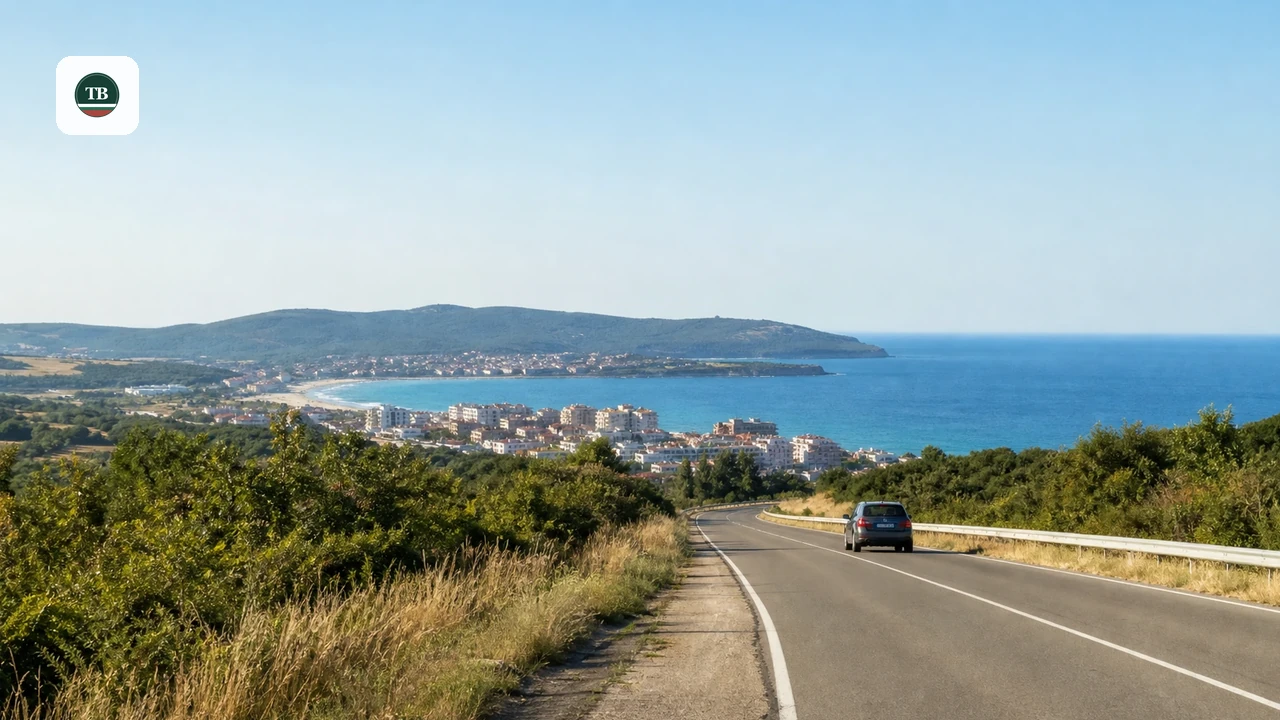
Last updated August 2026, this Primorsko travel guide when to go breaks down which months deliver warm water without heavy crowds. Primorsko sits on Bulgaria's southern Black Sea coast between Sozopol and the Ropotamo Nature Reserve. Independent travelers, budget-conscious families, and hikers headed for Beglik Tash each need a different month, and this guide sorts out which one fits.
Primorsko at a Glance
A few core numbers frame every planning decision for Primorsko, from picking a month to budgeting the trip. Use this table alongside the seasonal breakdown and beach comparison below to plan the rest of the visit.
| Detail | Figure |
|---|---|
| Distance from Burgas Airport | 22 miles, about 1 hour by bus or car |
| Bus fare from Burgas | around €6 |
| Taxi or private transfer | €20 to €30 |
| Guesthouse room | €15 to €30 a night |
| Ropotamo boat trip | around €15 per person |
| Combined beach length | about 6.2 miles |
| Town population | about 3,000 residents (2021) |
Primorsko Travel Guide: When to Go by Season
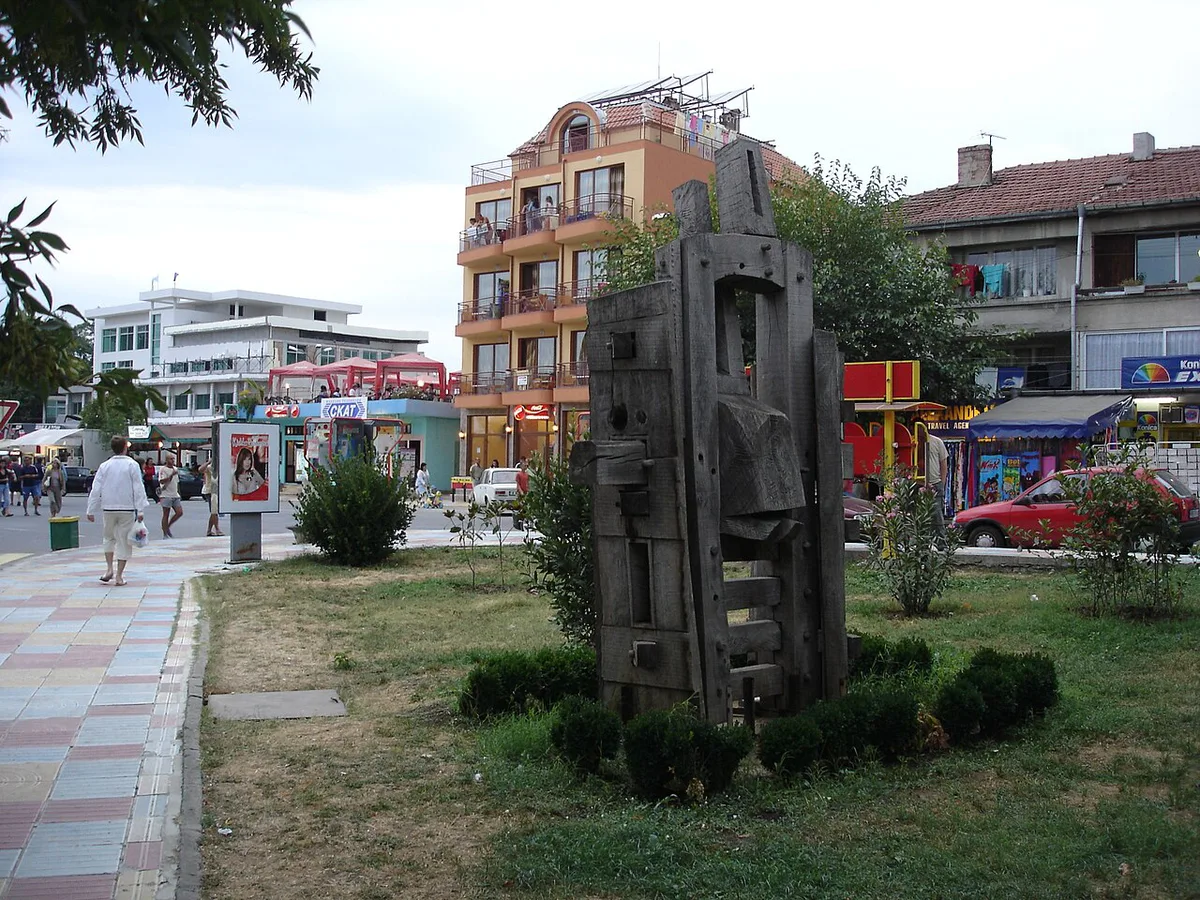
July and August bring Primorsko's hottest weather, with air temperatures regularly above 30°C and the warmest sea of the year. That combination also draws the heaviest crowds of the season. August specifically is peak time for domestic Bulgarian tourism, so beaches, guesthouses, and beach-bar tables fill up fastest that month. Travelers chasing nightlife and a full resort scene similar to Bulgaria's biggest beach resorts should plan around July or August despite higher prices and thinner room availability.
June and September are the sweet spot for hikers and history-focused travelers. Water stays swimmable through both months, especially in September, and the town stays walkable without the August crush. That gap makes it easier to fit in a Beglik Tash visit or a longer Ropotamo paddle without competing for parking or trail space. October through May is Primorsko's off-season reality: most restaurants, beach bars, and tourist-facing guesthouses close for winter, leaving a quiet town that suits only travelers who want solitude over amenities.
| Months | Weather | Crowd Level | Best For |
|---|---|---|---|
| June | Warm, sea swimmable | Light | Beglik Tash hikes, quieter beaches |
| July–August | Hot, 30°C+, warmest sea | Peak (August is the peak domestic-tourism month) | Nightlife, full resort scene |
| September | Warm, sea still swimmable | Moderate, thinning after early September | Value stays, warm sea minus crowds |
| October–May | Cool to mild | Minimal, most tourist infrastructure closed | Solitude, off-season quiet |
Beglik Tash and the Ropotamo Nature Reserve
Beglik Tash is a Thracian rock sanctuary about 4.3 miles north of Primorsko, reached by a hiking trail that starts at the Ropotamo reserve parking lot. Archaeologists began serious excavation there in 2002, and the recovered artifacts date from the Early Iron Age through the Middle Ages. Visit close to 6 PM if you can; the rock formations catch strong late-day light for photography. For the full activity round-up, including the aquapark and Beglik Tash logistics, see Primorsko's full attractions guide. A deeper look at the site's history lives in the Ropotamo and Beglik Tash deep-dive.
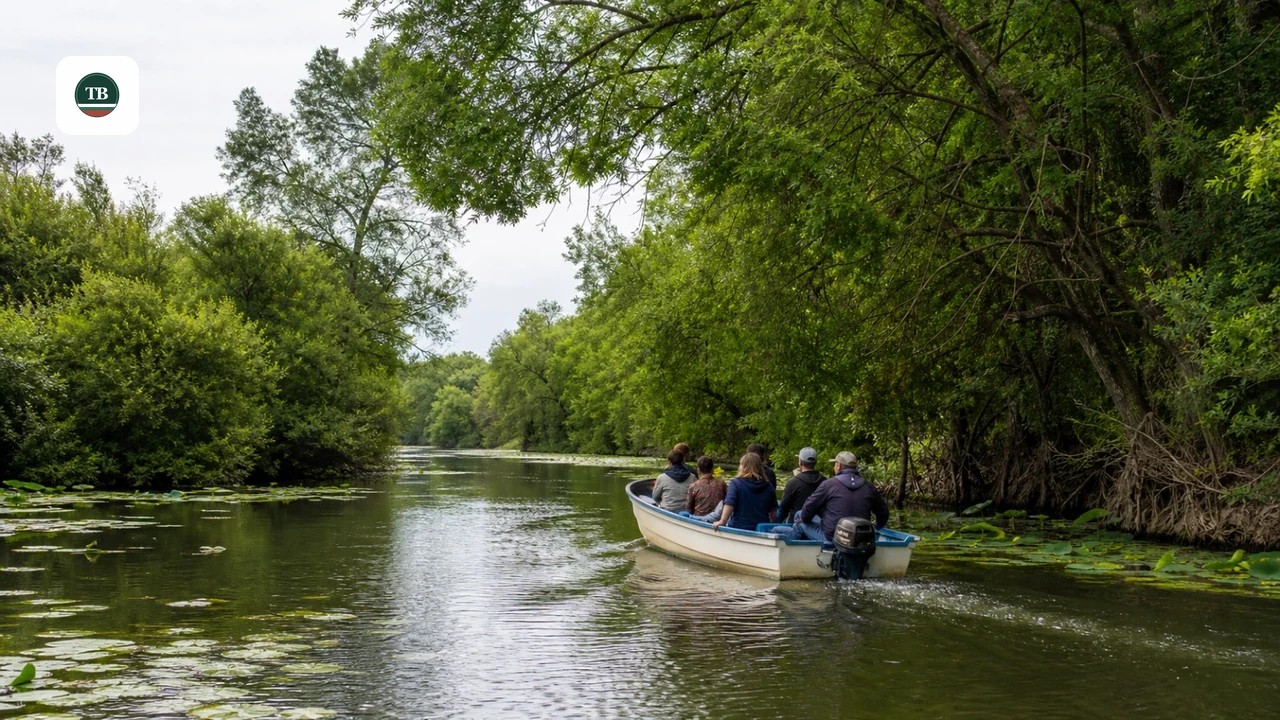
The Ropotamo Nature Reserve begins about 3 miles north of town and covers roughly 2,500 acres of longoz forest, marshland, and river mouth. Boat trips run the river past water lilies and grey herons, typically booked through operators based in Sozopol, and cost around €15 per person. St. Thomas Island and Arkutino Marsh sit inside the same reserve boundary, so one boat trip or a walk from the parking lot covers several sights at once.
North of the reserve, the abandoned Perla Residence marks the site of Todor Zhivkov's former government retreat, built in the 1970s for Bulgaria's Communist-era leadership. That main building has stood empty since the 1990s following a change of ownership, though its beach and pier remain in public use today.
Nature Beyond the Beach: Strandzha Mountain and the Longoz Forest
Primorsko sits close enough to Strandzha Mountain that a day away from the coast is realistic without changing your base. Guided jeep tours into Strandzha's mountain sanctuaries are bookable locally, covering forest trails and viewpoints that most beach-based visitors skip. The Ropotamo reserve also protects longoz forest, the floodplain woodland that lines the river's marshland and lower reaches.
Choosing Your Beach: North, South, and Perla
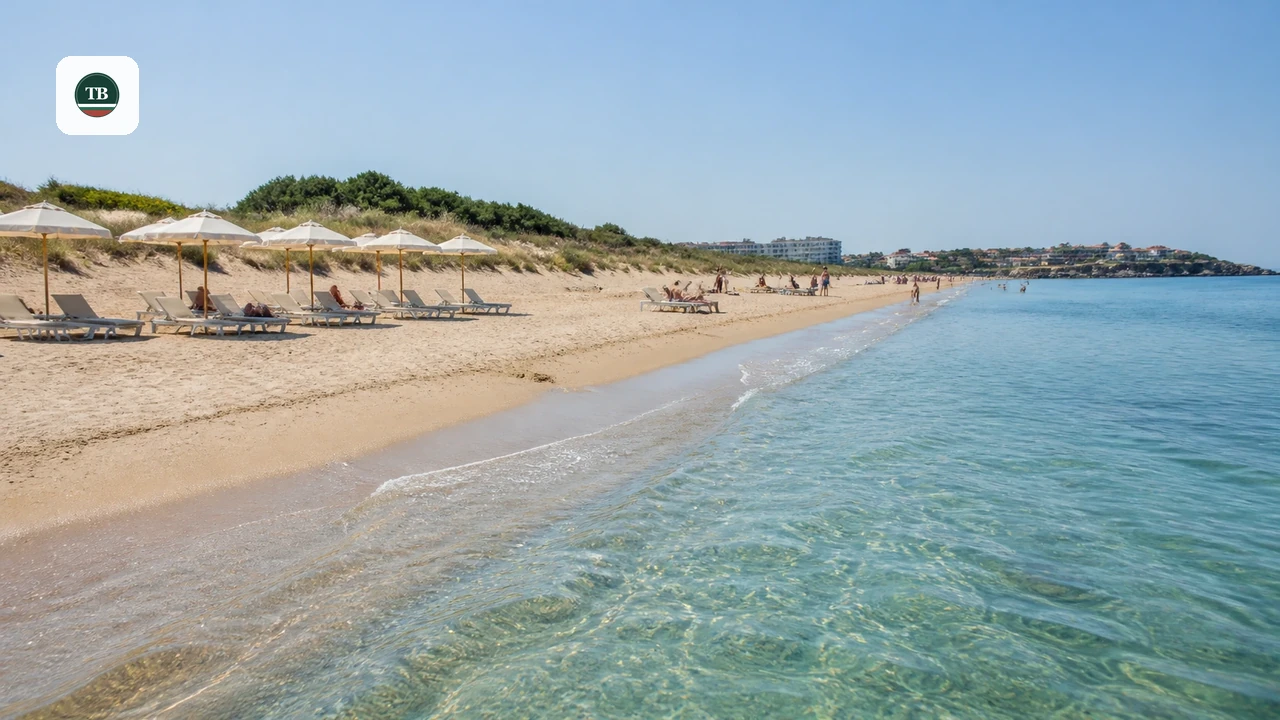
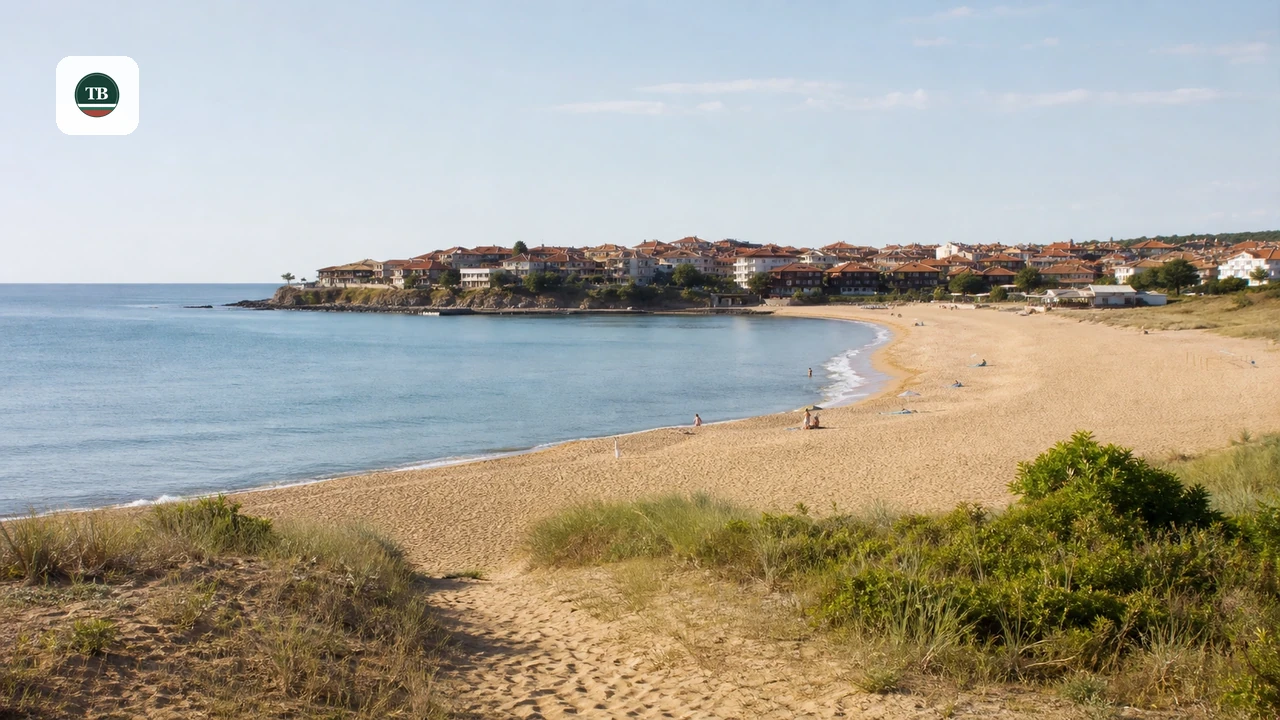
Primorsko's beaches run about 6.2 miles combined, split mainly between North Beach, South Beach, and Perla Beach north of town. North Beach catches more wind, which makes it the better pick for surfing and bodyboarding. South Beach is the longest stretch south of Burgas, with a gradual, shallow slope that suits young children and steady lifeguard coverage through the season. Every stretch of sand gets its own writeup in a full beach-by-beach breakdown. Parents comparing options across the country can check shallow, lifeguarded beaches nationwide.
Perla Beach's gradual depth extends 65 feet from shore, and when visited during June or September's lighter tourist season, this shallow zone combines with reduced crowds to create ideal conditions for wading families and Beglik Tash excursions.
Perla Beach sits north of town near the Ropotamo reserve edge and stays quieter, with no loud beach-club music and enough space for real privacy even in summer. The water stays shallow for about 65 feet from shore before it drops off, and beach bars space out roughly every 200 meters, some free for customers and some paid. Travelers weighing Primorsko against louder resorts further along the coast can compare options in the wider Black Sea beach lineup.
| Beach | Water & Waves | Best For |
|---|---|---|
| North Beach | Windier, more chop | Surfing, bodyboarding, active swimmers |
| South Beach | Shallow, gradual slope, calm | Families with young kids, lifeguarded swimming |
| Perla Beach | Shallow near shore, deepens about 65 ft out | Privacy, dunes, fewer crowds |
- Choose North Beach if you want wind and waves for surfing or bodyboarding.
- Choose South Beach if you're traveling with toddlers and want a lifeguarded, gradual entry.
- Choose Perla Beach if you want space, dunes, and fewer beach-bar crowds.
Getting to Primorsko from Burgas Airport
Burgas Airport sits about 22 miles northwest of Primorsko, and the coastal road via Sozopol covers that distance in roughly an hour by bus or by car. Minibuses from Burgas's bus station are the cheapest option, at around €6 per seat. A taxi or private transfer runs €20 to €30, depending on demand and season. Agree on a fixed price before getting into any taxi. Meters are rarely used in tourist towns on this stretch of coast, and a running fare can climb fast once you're inside.
Everything in town sits within easy walking distance, including the center, both main beaches, and most guesthouses, so renting a car for local use isn't necessary. For current entry requirements and other country-wide travel planning, check Bulgaria's official tourism portal, Visit Bulgaria.
Where to Stay and What Primorsko Costs in 2026
Guesthouse rooms in Primorsko typically run €15 to €30 a night, depending on season and location. Rates sit toward the low end during the June and September shoulder months this guide already flags as the best value window. A long-standing local tradition still shows up at the bus station. Residents wait there to offer spare rooms directly to arriving travelers, often at rates that beat anything listed on a booking site.
Guesthouse rooms range from €15 to €30 a night, with the lowest rates during June and September—months when water remains swimmable and crowds lighten, creating the best value window for budget travelers seeking coastal culture without peak-season markups.
English is limited outside the main hotels, so a few basic Bulgarian phrases help with any bus-station negotiation.
Keep your passport and valuables with you rather than leaving them in a rented room, and confirm the price and number of nights before you commit. The History Museum on Albatros Street previously charged 10 BGN for entry; confirm the current admission price locally rather than relying on that older figure.
- Kolko struva — how much does it cost
- Zdravey — hello
- Blagodarya — thank you
- Dovizhdane — goodbye
What to Eat in Primorsko
Ribna chorba (fish soup) and banitsa, Bulgaria's phyllo-and-cheese pastry, are the two dishes to prioritize in Primorsko's seaside restaurants. Budget-conscious travelers can expect casual seaside taverns throughout town, with fish soup and grilled Black Sea catch as the standard budget-friendly options. Fig jam from Sozopol's old town, sold in handmade jars for about €4, makes a good stop if you're already covering the coastal road between the two towns.
Boza, a fermented millet drink, is sold cold at snack bars along Arkutino Beach near the Ropotamo reserve. It's thick, sweet, and an acquired taste, so treat it as a one-time local experience rather than a drink to build a meal around.
Is Primorsko the Right Black Sea Base?
Independent travelers drawn to Bulgarian coastal culture and ancient history get more from Primorsko than from the larger resorts further north. Beglik Tash and the Ropotamo reserve both sit within a short trip of town. Budget-conscious families do well here too, mainly because South Beach's shallow, lifeguarded water and the town's walkable layout cut down on both transport costs and childcare stress. Nature enthusiasts prioritizing the Ropotamo biosphere and Strandzha Mountain get a coastal base that's genuinely close to both, rather than a resort where nature is an hour-long side trip.
Mistakes to Avoid in Primorsko
A few recurring mistakes show up on this stretch of coast every season, and each one is easy to avoid once you know about it in advance.
- Skip rocky areas without water shoes: sea urchins hide in the shallows near headlands like Maslen Nos.
- Never board a taxi without a fixed price first: meters are rarely used in tourist towns on this coast.
- Carry cash in euros for beach bars and small guesthouses, since card acceptance is inconsistent outside the main hotels.
- Avoid August if crowds matter more than heat: domestic tourism peaks that month, so June or September gives you calmer beaches.
Frequently Asked Questions
What is the best time to visit Primorsko?
June and September are the best months, since the sea stays swimmable and the town avoids the August crush. July and August bring the hottest weather and the most nightlife, but also the heaviest domestic-tourism crowds. October through May sees most restaurants and guesthouses close for winter.
How do you get from Burgas Airport to Primorsko?
The coastal road via Sozopol covers the roughly 22 miles in about an hour. A minibus from Burgas costs around €6 per seat, while a taxi or private transfer runs €20 to €30. Agree on a fixed taxi price before you get in, since meters are rarely used on this stretch of coast.
Is Primorsko good for families with young kids?
Yes — South Beach has a gradual, shallow slope and steady lifeguard coverage that suits toddlers well. North Beach is windier and better suited to older kids or adults who want surf and bodyboarding conditions.
How much does the Ropotamo River boat trip cost?
Boat trips run around €15 per person and are typically booked through operators based in Sozopol. The route passes water lilies and grey herons along the Ropotamo river mouth and longoz forest.
Do you need cash in Primorsko?
Yes, carry cash in euros for beach bars and small guesthouses, since card acceptance is inconsistent outside the main hotels. The bus station's informal room-letting tradition also runs on cash.
How is Primorsko different from Sozopol or Sunny Beach?
Primorsko is smaller and more nature-oriented than the high-rise resorts further north on the coast. Sozopol sits closer to the airport and carries more historic old-town character, while Primorsko leans on Beglik Tash, the Ropotamo reserve, and quieter beaches instead.