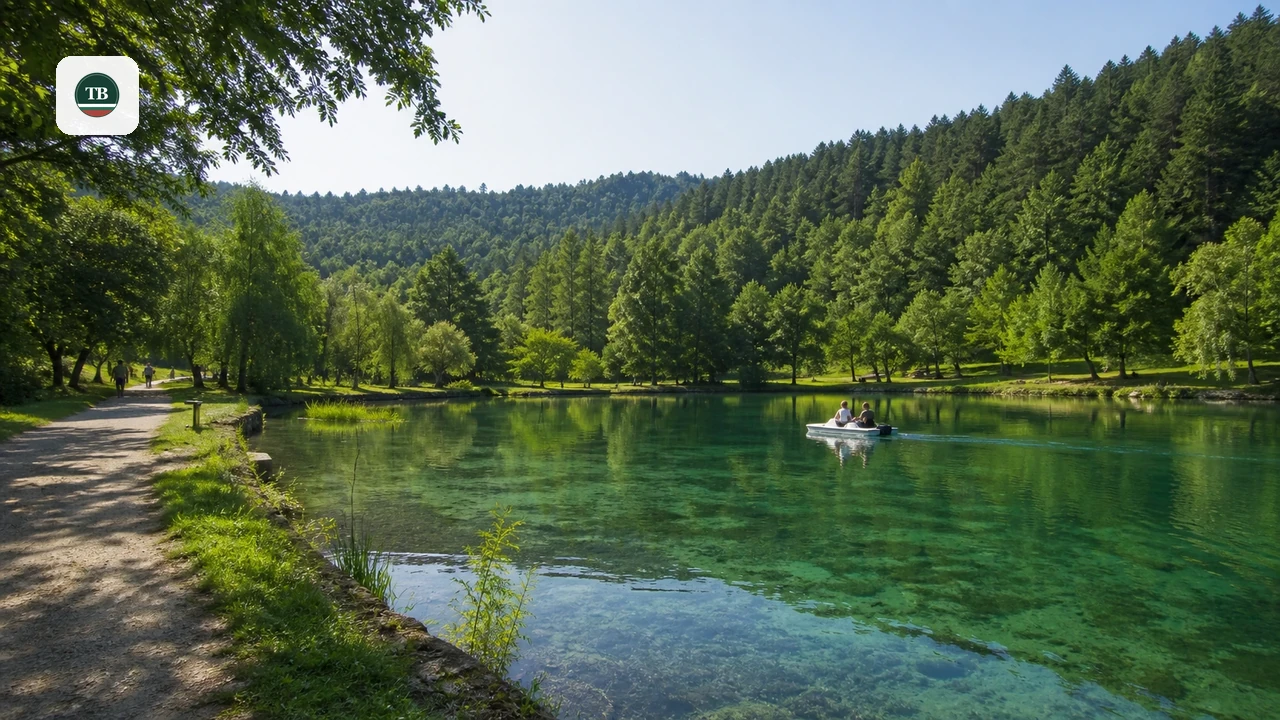
Kleptuza Park, Velingrad: A Complete Guide to Bulgaria's Largest Karst Spring
Last updated August 2026. Kleptuza Park in Velingrad ranks as Bulgaria's largest karst spring and the town's most recognizable landmark in the Chepino district. Two small lakes, forest trails, and pedal boats sit inside a protected park fed by a spring that holds steady at 8.1°C. This guide covers walking and bus routes from town, the main hiking trailheads, and the hydrology behind the park's year-round temperature.
What Is Kleptuza Park in Velingrad?
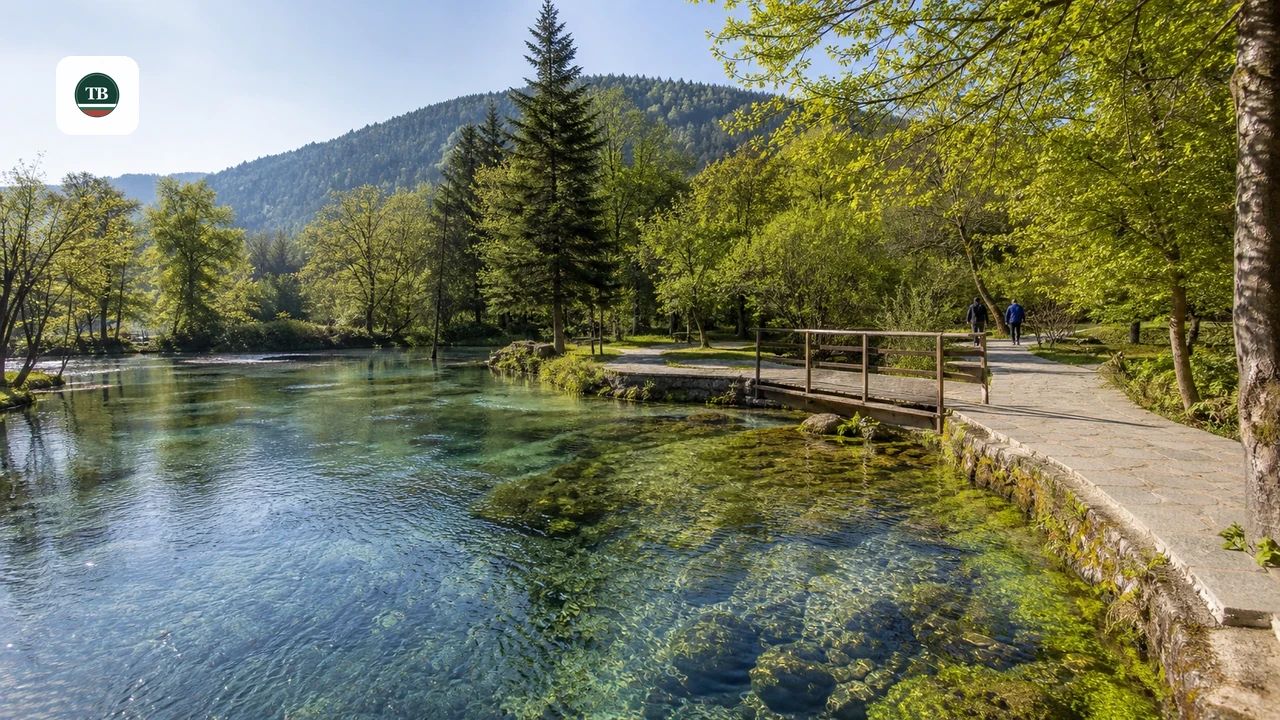
Kleptuza is Bulgaria's largest karst spring, rising on the right bank of the Chepinska River in Velingrad's Chepino district. Bulgaria's government declared the surrounding 412 hectares a protected landmark under Ordinance No. 407 on 9 February 1966. Two artificial lakes collect part of the spring's flow, and the rest drains toward the Chepinska River. Chepino is one of Velingrad's three thermal quarters, and Kleptuza has become the district's best-known landmark. Roe deer, wild boar, and woodpeckers still use the surrounding forest, alongside more than 260 recorded plant species. One theory traces the park's name to the Greek word klepto, meaning to hide or steal. That fits how much water stays hidden underground before it surfaces. For the resort's wider landmark list, see Velingrad's full attractions list.
Getting to Kleptuza Park from Velingrad's Town Center
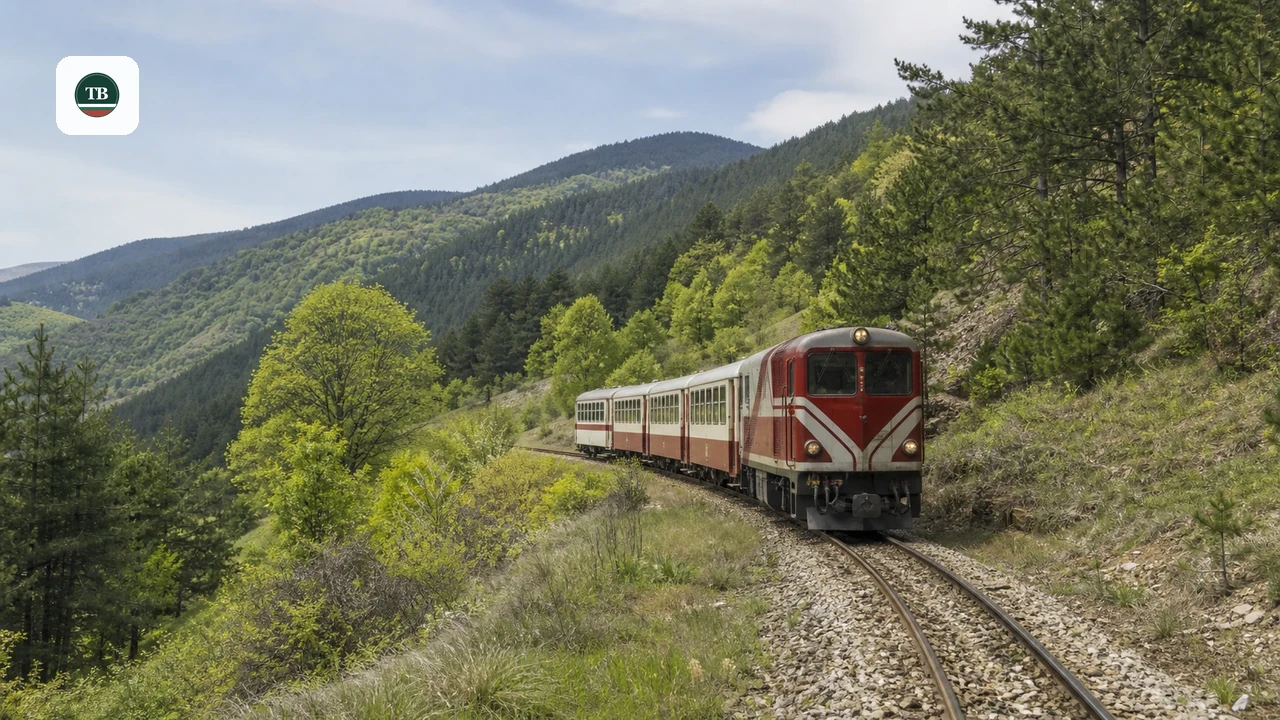
Kleptuza sits at the southwestern edge of Velingrad, where National Road III-843 runs along the park toward Dospat Dam. Guests staying at Chepino hotels such as Arte Spa & Park Hotel can reach the lakes on foot. Nearby Sveti Spas-area hotels list walks of roughly 9 to 14 minutes. Bus line No. 1 runs from central Velingrad to the park, according to Bulgaria's official tourism portal. The narrow-gauge line between Septemvri and Dobrinishte, run by Bulgarian State Railways, passes along the park's western trails. Drivers can park along pull-offs on National Road III-843, close to the park's southwest entrance. Travelers starting the trip from the capital can check the Sofia-to-Velingrad journey guide for train and bus timing.
- Walk: roughly 9 to 14 minutes from Chepino-district hotels near Sveti Spas; Arte Spa & Park Hotel borders the park directly
- Bus: Line No. 1 from central Velingrad to the park
- Drive: pull-offs along National Road III-843 at the southwest entrance
- Rail: the narrow-gauge Septemvri–Dobrinishte line runs along the western trails
Things to Do at Lake Kleptuza
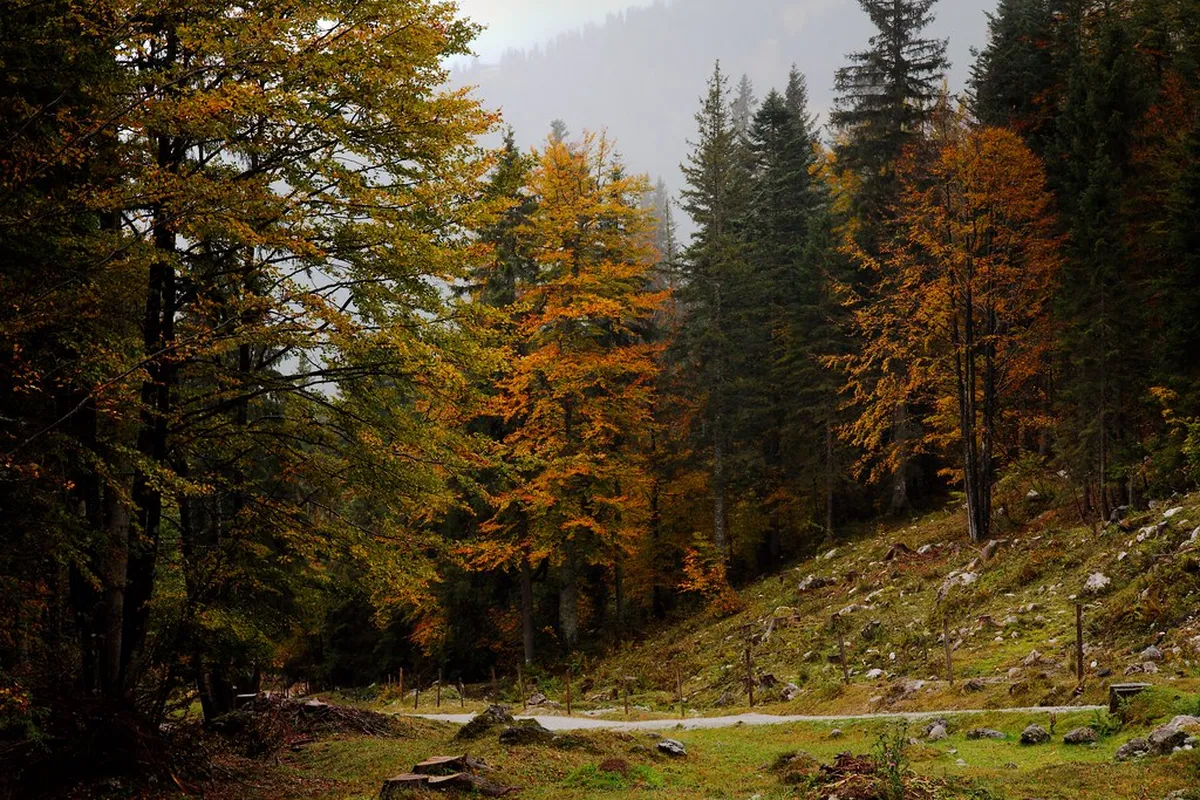
Two lower lakes hold pedal boats for rent, with a run of waterside restaurants along the boardwalk. Entry to the park itself is free. Pedal boat rental and boardwalk meals cost extra. The kiosk's posted rate typically undercuts a sit-down table by the water. South of the lakes, black pines aged 100 to 160 years shade a quieter forest park with picnic lawns. Marked trailheads leave Kleptuza for Harmanite, Brezi, and Sivata Voda, three half-day walks into the Rhodope foothills. Above the park, Markovi Skali holds the St. Elijah chapel, built on an earlier Thracian sanctuary site. Local sources place Bulgaria's only crossing of the 24th meridian and 42nd parallel on this same ridge. Hikers stitching Kleptuza into a longer route can cross-check the Bulgaria's mountain hiking routes guide before setting out.
The black pines aged 100 to 160 years already stood when volunteers built the first lake in 1933 and completed the wider park by 1937, indicating the developers preserved existing old-growth forest rather than replanting the woodland.
- Pedal boats on the two lower lakes
- Lakeside restaurants and cafés along the boardwalk
- Forest walks under 100- to 160-year-old black pines
- Trailheads to Harmanite, Brezi, and Sivata Voda
- Markovi Skali and the St. Elijah chapel
The Karst Spring: Science Behind Kleptuza's Constant 8.1°C Water
Kleptuza's water rises through karst marble beneath the Rhodope foothills, arriving through three separate outlets along a fault line in the Chepinska riverbed. Bulgaria's official tourism portal lists the spring's debit at 580 to 1,180 liters per second, a range driven by seasonal rainfall and snowmelt. That steady underground path keeps the water at a constant 8.1°C in both summer and winter. Part of the flow feeds Velingrad's municipal water supply and a fish-breeding pond before the rest reaches the two lakes. Downstream, the overflow joins the Chepinska River, then the Maritsa River, on its way toward the Aegean Sea. More than 50 rare tree and shrub species and over 260 recorded plant species grow within the protected area. The site was a marshy meadow until the early 1930s, when runoff still drained straight into the Chepinska River. Volunteers from the former Chepino municipality built the first lake in 1933. They finished the wider park by 1937, planting the alleys and stairways still in use today.
The spring's 8.1°C temperature is maintained by its underground marble path, so even a summer day reaching 35°C cannot warm the water enough for comfortable swimming.
The Legend of Klepna: Why Kleptuza Carries Her Name
Local legend, passed down through generations in Velingrad, gives Kleptuza a second origin story. A girl named Klepna, the story goes, belonged to the Uza family and loved a man her relatives refused to accept. When her family arranged a match with a wealthy suitor from a neighboring village, Klepna ran to meet her beloved through the forest instead. A band of raiders caught her along the way, and, as the legend tells it, she prayed rather than be taken. The ground is said to have opened beneath her, and water began flowing from the spot where she vanished. That water, local storytellers say, is the spring still rising at Kleptuza today.
Where to Stay Near Kleptuza Park
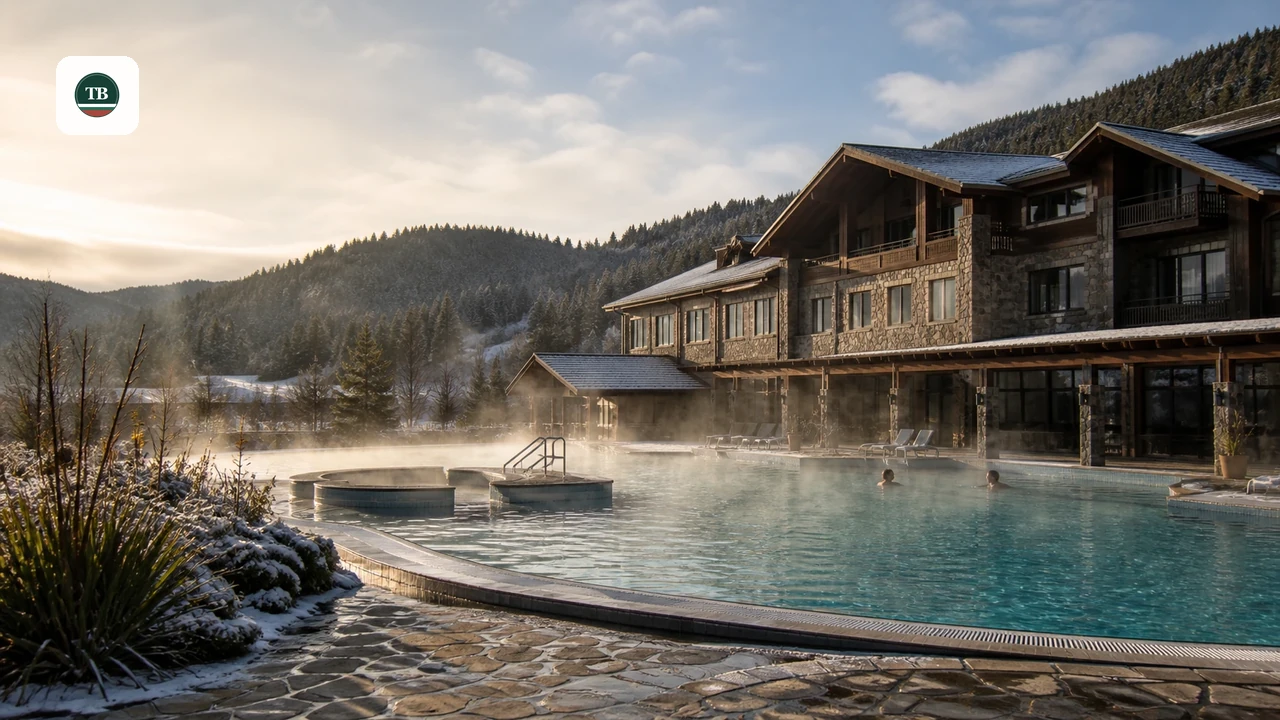
Velingrad's spa scene extends well past Kleptuza's edge, and a dedicated guide to Velingrad's mineral spring hotels breaks down mineral-pool options across town. Near the park itself, hotel choices split into two groups: spa-first properties and stays picked mainly for proximity to the lakes. Grand Hotel Velingrad sits on a Chepino hillside with views over the pine park. Maxi Park Hotel & Spa sits inside a hillside pine park of its own. Park Hotel and SPA Vella Hills is the closer family pick, with on-site pools. Balneo Complex & Spa Aquatonik sits in Velingrad town, a short trip from the lakes.
| Hotel | Distance from the park | Best for |
|---|---|---|
| Arte Spa & Park Hotel | Walking distance | Spa-first stays with a direct park walk |
| Grand Hotel Velingrad | Chepino hillside, short drive | Hillside views over the pine park |
| Maxi Park Hotel & Spa | Inside a hillside pine park | Quiet, forest-adjacent stays |
| Park Hotel and SPA Vella Hills | In the Kleptuza area | Families wanting on-site pools |
| Sveti Spas-area hotels | About 9 to 14 minutes on foot | Budget-minded spa stays near the park |
| Balneo Complex & Spa Aquatonik | Velingrad town | Mineral-pool-focused stays |
Best Time to Visit Kleptuza and Mistakes to Avoid
Morning light gives the clearest reflections on the lakes, before pedal boats stir the surface. Visiting on a weekday sidesteps the day-trip crowds that build on summer weekends. Kleptuza's water holds at 8.1°C year-round, cold enough that a 35°C August afternoon will not make it swimmable. While the surrounding forest often carries snow, the lake surface stays open year-round because the spring's discharge never drops below 8.1°C. Restaurants directly on the boardwalk charge tourist-season prices. Walking a few minutes into central Velingrad usually turns up quieter, cheaper tables. Drivers building a longer loop around the country can check a Bulgaria road-trip route for pacing ideas. Travelers still deciding where Velingrad fits into a wider trip can browse Bulgaria's top destinations list.
Who Kleptuza Park Is Best For
Kleptuza works best as an easy outdoor break during a Velingrad spa stay. Families and visitors with limited time can focus on the two lower lakes. The flat boardwalk, pedal boats, cafés, and open views make this the simplest part of the park to enjoy.
Nature-minded visitors should continue south into the black-pine forest. The shaded paths and picnic lawns feel calmer once the lakeside restaurants are behind you. Hikers can use the park as a trailhead for Harmanite, Brezi, Sivata Voda, or the climb toward Markovi Skali and St. Elijah chapel.
- Choose the lakes for a short, low-effort family outing.
- Choose the forest trails for shade, walking, and a quieter setting.
- Choose another activity if you want swimming or a remote mountain hike.
The spring is a landmark rather than a bathing spot. Its water remains about 8.1°C throughout the year, and the busier boardwalk is least appealing on summer weekends.
Frequently Asked Questions
What is Kleptuza Park in Velingrad?
Bulgaria's largest karst spring, Kleptuza, sits inside a protected 412-hectare park in Velingrad's Chepino district. Two artificial lakes, pedal boats, and forest trails surround the spring, which holds at a constant 8.1°C.
How do you get to Kleptuza from central Velingrad?
Bus line No. 1 runs from central Velingrad to the park. Guests staying in the Chepino district, near the Sveti Spas hotels, can usually walk there in roughly 9 to 14 minutes.
Is Kleptuza Lake safe to swim in?
The spring stays at 8.1°C year-round, so it is too cold for casual swimming even in summer heat. Pedal boats are the main way visitors get out on the water.
How much does it cost to visit Kleptuza Park?
Entry to the park is free. Pedal boat rental and boardwalk restaurant meals cost extra, and the kiosk's posted rate board is the place to check current prices.
What hiking trails start at Kleptuza?
Marked trailheads leave the park for Harmanite, Brezi, and Sivata Voda. A separate path climbs to Markovi Skali and the St. Elijah chapel above the lakes.