Kamchia Longoza Nature Reserve: A Day Trip Guide from Obzor
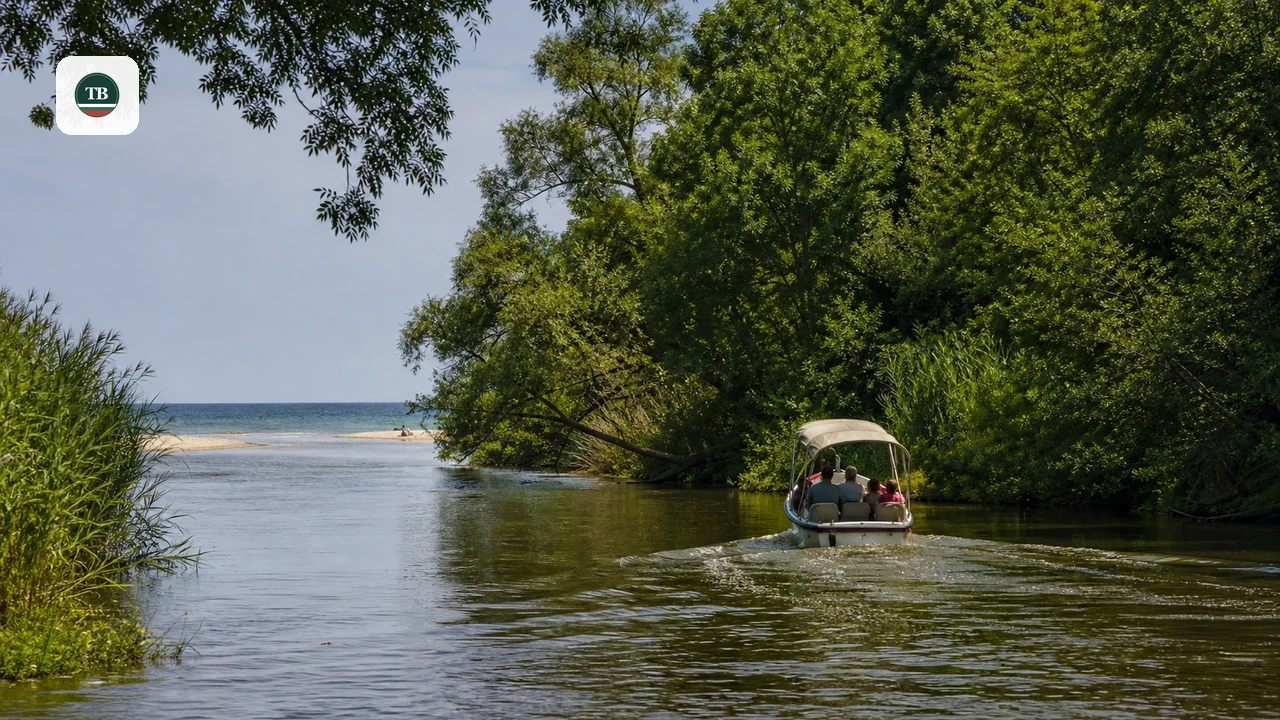
Last updated August 2026: Kamchia Longoza Nature Reserve protects one of the last large floodplain forests on Bulgaria's Black Sea coast. It sits at the mouth of the Kamchia River, roughly 35 km north of Obzor. Dense ash, elm, and oak stands draped in wild lianas give the reserve its jungle-like feel, while the river's final stretch opens onto wide sand dunes where forest meets sea.
What Is Kamchia Longoza Nature Reserve?
Kamchia Longoza Nature Reserve covers the floodplain forest at the mouth of the Kamchia River, on Bulgaria's northern Black Sea coast. The core protected area spans 842.1 hectares of alluvial forest. Combined with the adjoining Kamchia Sands protected area, the total habitat covers roughly 1,200 hectares. Locals call this forest type longoz: a swampy, lowland woodland shaped by the river's seasonal floods rather than by elevation. The reserve sits about 25 km south of Varna, near the villages of Staro Oryahovo and Shkorpilovtsi, and roughly 35 km north of Obzor, past the town of Byala. It makes a natural add-on to Obzor's full activity guide for anyone planning a full day away from the beach.
Why Visit Kamchia Longoza: Biodiversity, Landscape, and the Via Pontica Flyway
Kamchia packs a rare mix of habitats into a small stretch of coastline. Records count 245 species of higher plants and 258 bird species across the forests, marshes, and dunes. Bulgaria's official tourism portal notes that bird tally as roughly 66% of all species recorded nationwide. The forest is also the only known home of the Bulgarian endemic plant Cardamine tuberosa. The site sits directly on the Via Pontica, a major migration flyway between Europe and Africa. More than 60,000 white storks pass overhead here each autumn. The river itself holds dozens of documented fish species, with carp among the most common, and the forest floor and riverbanks support roe deer, wild boar, and pine marten alongside the birdlife. Few places on the Black Sea coast combine river, dense floodplain forest, marsh, and open dune in one walk.
- Black stork (Ciconia nigra) and lesser spotted eagle (Aquila pomarina), flagged as breeding specialties of the reserve
- Middle spotted woodpecker (Dendrocopos medius) and semi-collared flycatcher (Ficedula semitorquata), rare breeding birds tracked closely by ornithologists
- Roe deer, wild boar, pine marten, and Eurasian otter in the forest and riverbank habitat
- European pond turtle and Hermann's tortoise, both visible along the marked trails in warmer months
UNESCO Status: What Actually Changed in 2017
Bulgaria's forestry ministry first protected this floodplain in 1951, after decades of logging and drainage had shrunk it. The site joined UNESCO's Man and Biosphere network as a biosphere reserve in 1977, and many older travel write-ups still use that UNESCO label. That status was formally withdrawn in 2017; Bulgaria announced the change on 14 June that year. Public records do not detail the specific reasons behind the delisting, but on-the-ground protections at the reserve have not changed as a result. Kamchia keeps its protection today as a strict nature reserve, IUCN category Ia. Bulgaria's Ministry of Environment and Water and the Regional Inspectorate of Environment and Water in Varna manage the site. Skip any listing that still calls it a UNESCO biosphere reserve; that label is out of date.
Top Things to Do at Kamchia Longoza
Most visitors split their time between four activities in and around the reserve. Most people combine two or three of these in a single half-day trip rather than attempting all four in one visit. Kamchia Sands ranks among the widest, least developed beach strips on this coast. It contrasts with the more built-up shoreline covered in the beach scene in Obzor. For a wider coastal comparison, see the Black Sea beaches guide.
- River boat trips: motorized boats run from jetties near the Kamchia resort, gliding beneath the dense canopy that gives the river its 'Bulgarian Amazon' nickname among local operators
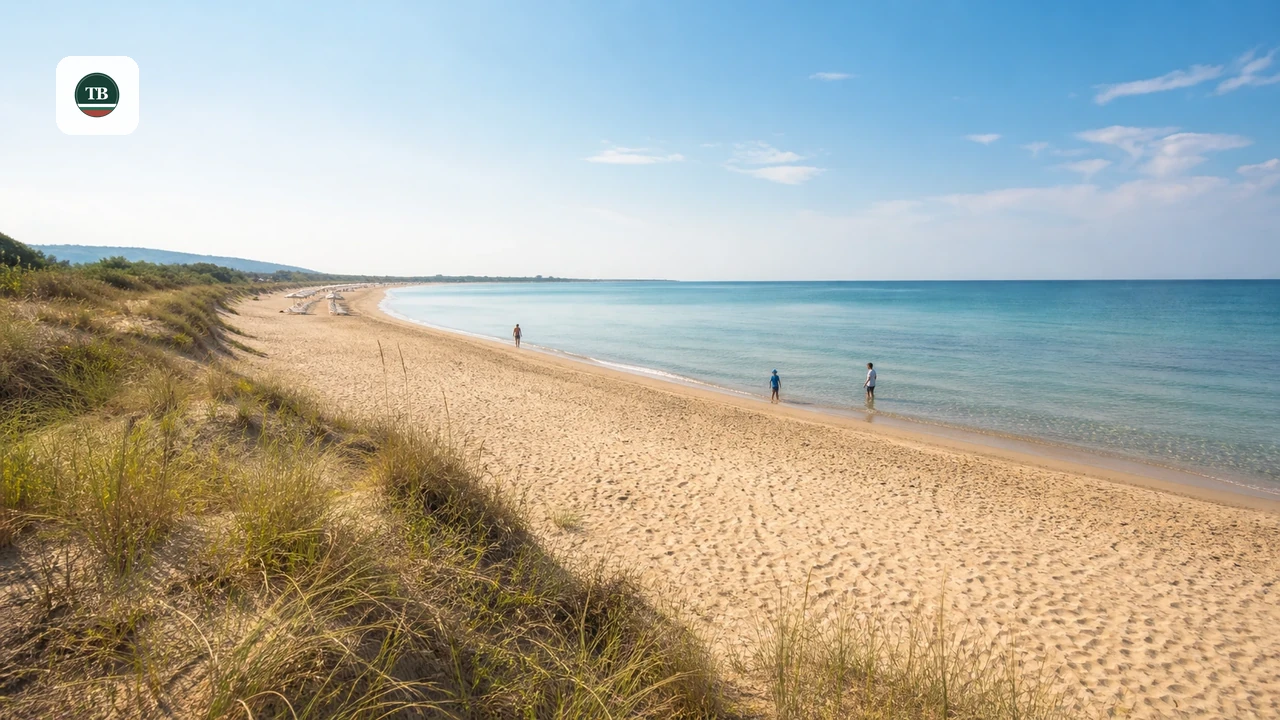
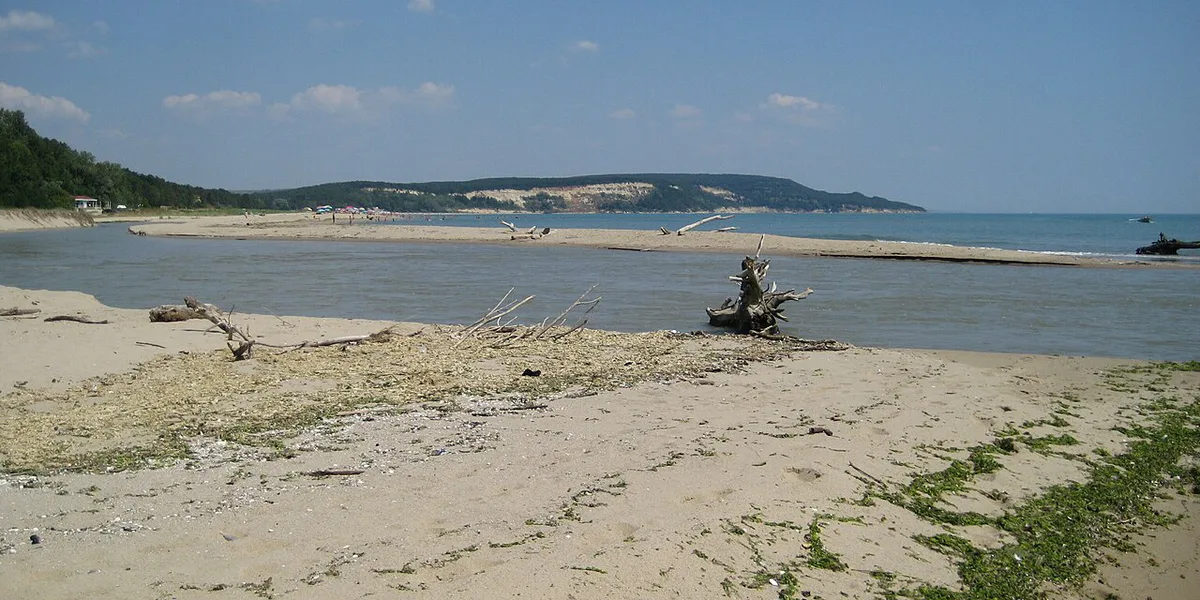
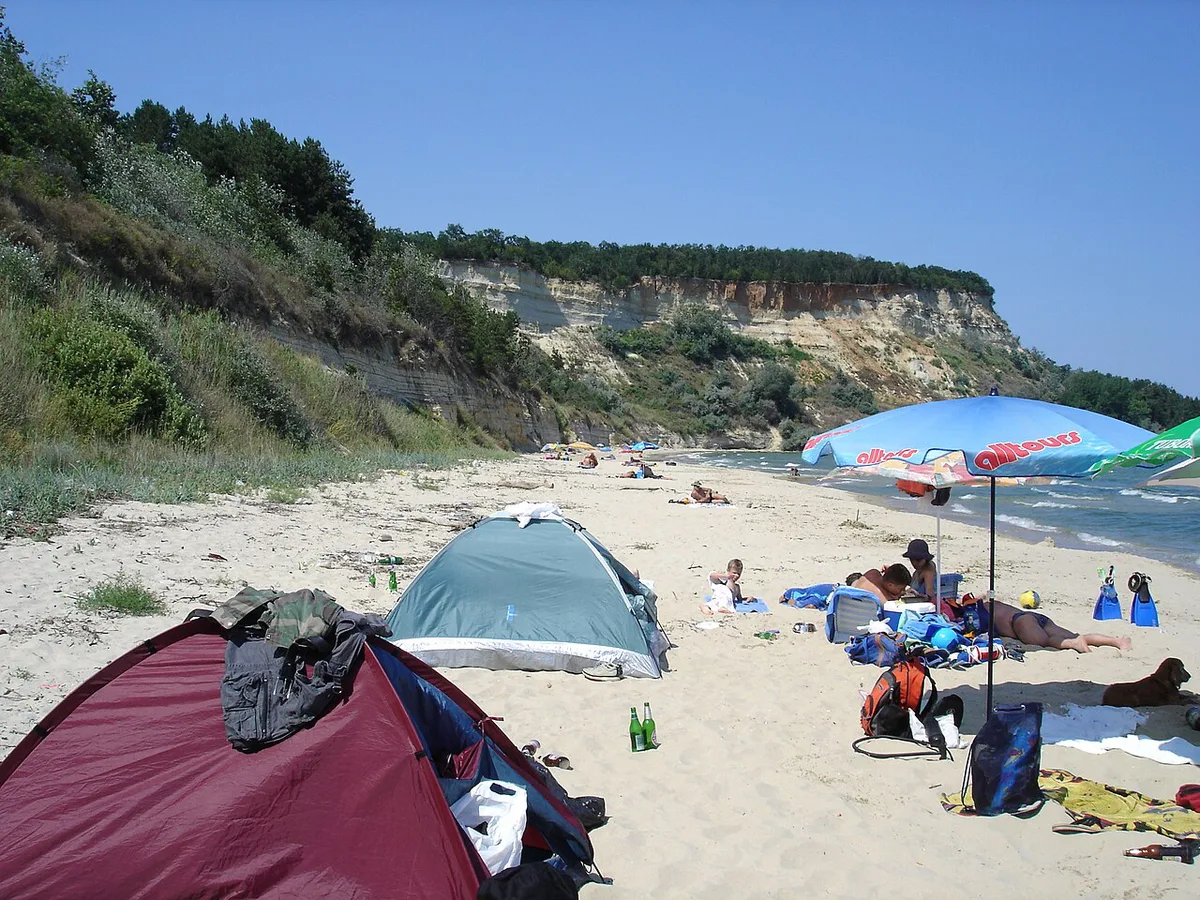
- Kamchia Sands beach: a wide, undeveloped strip of dune-backed sand where the river meets the sea
- Birdwatching: black stork and lesser spotted eagle sightings are likely at dawn along the reedbeds; bring binoculars
- Kayaking: paddle independently on the calmer side channels, or join a guided motorboat trip for the main river stretch
Hiking the Longoz Trails: What to Expect
Kamchia is registered as an IUCN category Ia strict nature reserve, the strictest protection tier Bulgaria applies. Visitors must stay on marked paths at all times; the rule is compulsory, not a suggestion. The terrain is flat, low-lying alluvial ground shaped by the river's floods, so there is no elevation gain to plan for. Trails wind through stands of ash, elm, oak, and maple, with wild lianas of Clematis, Smilax, and Periploca draped between the trunks. Expect the canopy to close in fairly quickly from the trailhead, then open again near the marsh edges. That flat, forest-floor walking is a different experience from Bulgaria's inland ranges. For elevation and switchbacks, hiking Bulgaria's mountain trails covers the mountain routes instead.
High humidity of 75-80% keeps the forest floor persistently damp and muddy, creating trail conditions more demanding than the flat terrain initially suggests. Waterproof or water-resistant footwear, rather than standard shoes, works better in these conditions.
Boat Trip or Hike? How to Choose
Boat trips and hiking show the reserve differently, and picking between them comes down to bugs, time, and what you want to see. Neither option requires much advance planning beyond checking the season, though boat trips depend on operators actually running that day.
| Factor | Boat Trip | Hiking |
|---|---|---|
| Best for | River-mouth and canopy views with little effort | A close-up look at the longoz forest floor |
| Terrain | Seated on the water, no walking required | Flat, but muddy and slippery after rain |
| Mosquito exposure | Lower, out on open water | Higher, especially near standing marsh water |
| Typical operating hours | 09:00-18:00 in season | Trails follow the reserve's own access hours |
Getting to Kamchia Longoza from Obzor
Driving is the most direct option. The route follows the E87 highway north from Obzor, past Byala, and takes roughly 40 minutes in normal traffic. Look for parking near the river mouth close to the Kamchia resort, since spaces are limited right at the entrance in peak season. Public transport works too, though it takes longer. Catch a Varna-bound bus from Obzor and get off at the Staroselyets or Kamchia junction. From there, plan on a walk or a short local taxi ride to reach the reserve. There is no direct bus stop at the reserve entrance itself, so factor that connection into your timing either way. A number of Obzor-based hotels also run organized day trips that bundle transport with a guided boat trip, useful if you would rather skip the logistics. This stop also slots into a wider set of other day trips from Obzor. It fits equally well into a multi-stop Bulgaria itinerary along the coast.
Since the drive from Obzor takes 40 minutes, half-day visitors must choose strategically: most travelers combine two or three activities rather than attempt all four in a single visit.
Costs, Opening Hours, and Best Time to Visit
Entering the reserve costs nothing since the marked trails are open access. Boat trips and kayak rental are the paid extras, typically priced per person or per boat rather than a fixed reserve fee. Confirm current rates directly with operators at the Kamchia resort jetty. You can also call the Varna tourist information center at +359 52 820690 before you drive up. According to Bulgaria's official tourism portal, that center runs daily 09:00-19:00 from May through September, and Monday-Friday 08:30-17:30 for the rest of the year. Late spring brings the lushest scenery, when the forest floods and the Via Pontica migration is in full swing. By midsummer, water levels drop and the swampy sections dry out, so the same trail can look markedly different in July than in April. If beach time matters more than birdlife, aim for summer instead. Pair the trip with Bulgaria's summer travel guide for heat and crowd timing.
| Item | Details |
|---|---|
| Reserve entry | Free, open access on marked trails |
| Boat trips and kayak rental | Paid per person or per boat; confirm rates at the jetty |
| Varna tourist information center | May-Sept daily 09:00-19:00; Oct-Apr Mon-Fri 08:30-17:30 |
| Boat operators in season | Typically run 09:00-18:00 |
Weather and What to Pack
Kamchia sits in a temperate-continental climate zone softened by the nearby sea. Average January temperatures hover around 1.2°C, while July averages closer to 23°C. Humidity stays high year-round, typically 75-80%, because of the coastal location. That combination keeps the forest floor damp and the mosquito population active for most of the warm season.
- Insect repellent, ideally applied before you reach the tree line
- Closed shoes or water-resistant sandals for muddy or flooded trail sections
- Binoculars for birdwatching along the reedbeds and river channels
- Sun protection for the open dune and beach sections near Kamchia Sands
- A refillable water bottle, since there are no shops inside the core reserve
Mistakes to Avoid and Practical Tips
A few planning slips are common enough to flag before you go.
- Skip the mosquito spray and you will regret it: the swamp forest breeds them in numbers, especially near still water and at dusk
- Do not expect food stalls inside the core reserve; pack water and snacks, or plan to eat at the Kamchia resort before or after your walk
- Straying off the marked paths, picking plants, or littering inside a strict nature reserve can carry fines; stick to the trail and carry out what you bring in
- Booking a boat trip without checking the weather first can mean a cancelled slot; river levels and wind both affect whether operators run that day
Nearby Places to Pair With Your Visit
Kamchia pairs naturally with other stops along Bulgaria's northern Black Sea coast. Kamchia Sands is wide and undeveloped. The dunes and pine woods at Irakli Beach and Cape Emine feel wilder and less managed, worth comparing on the same trip. If traveling with kids, weigh both against the calmer, shallower options in the family-friendly beaches guide. Varna itself makes an easy add-on for travelers driving north past the reserve, since it sits only a short distance beyond the Kamchia turnoff. Zooming out, this reserve is one stop among many worth building into Bulgaria's top destinations guide for a longer coastal trip.
Pair Kamchia with Pobiti Kamani (Stone Forest)
Pobiti Kamani offers a striking contrast to Kamchia’s wet forest and river landscape. Also called the Stone Forest, it contains natural stone columns rising from pale sand near the village of Slanchevo, west of Varna.
This is a practical full-day addition for travelers with a car. From Kamchia, drive north toward Varna before turning west toward Slanchevo and Beloslav. The site is not on the direct return route to Obzor, so allow extra travel time and avoid combining it with a rushed boat departure.
The main field is open and largely unshaded. Carry water, wear shoes suitable for sand and uneven ground, and use sun protection during warmer months. Morning or late afternoon usually provides more comfortable walking conditions and clearer shadows around the columns. Check current access hours before leaving Kamchia, especially outside summer. Visitors relying on buses should treat Pobiti Kamani as a separate excursion because local connections are less convenient than the coastal route between Obzor, Kamchia, and Varna.
Frequently Asked Questions
Is Kamchia Longoza Nature Reserve worth visiting?
Yes, if you want a change from beach time. The floodplain forest, wide dunes, and bird migration on the Via Pontica flyway are not replicated elsewhere on this stretch of coast. Keep expectations realistic: trails are flat and short, and the appeal is quiet nature rather than dramatic scenery.
Can you swim in the Kamchia River?
Available sources do not spell out formal river-swimming rules for the Kamchia. Most visitors swim at the sea beach on Kamchia Sands instead, where conditions are more predictable. If you want to swim in the river itself, check current signage and ask locally before entering the water.
How do I get to Kamchia from Obzor?
By car, follow the E87 north past Byala; the drive takes roughly 40 minutes. By bus, take a Varna-bound service from Obzor and get off at the Staroselyets or Kamchia junction, then walk or take a short taxi to the reserve. Several Obzor hotels also offer organized day trips that include a guided boat ride.
What animals live in the Kamchia reserve?
Birdlife is the headline draw, with black stork and lesser spotted eagle among the notable breeding species, plus tens of thousands of migrating white storks each autumn. The forest and riverbanks also hold roe deer, wild boar, pine marten, and Eurasian otter. Reptiles such as the European pond turtle and Hermann's tortoise turn up along the marked trails in warmer months.
Is Kamchia Longoza still a UNESCO biosphere reserve?
No, that UNESCO status was withdrawn in 2017 after being granted in 1977. Bulgaria still protects the site today as a strict nature reserve under its own Ministry of Environment and Water, just without the UNESCO label.
When is the best time to see the Via Pontica bird migration at Kamchia?
Autumn draws the biggest numbers, when more than 60,000 white storks pass overhead on their way south. Late spring is the other strong window, combining migration activity with the lushest, most flooded look of the forest. Summer trades birdlife for easier beach access at Kamchia Sands.