Etar Open Air Museum (Etara): A Guide to Gabrovo's Living History
Last updated August 2026. Etar Open Air Museum near Gabrovo runs almost entirely on water power, with mills and grindstones still turning on the Sivek River. Craftsmen still work the old way on Craftsman Street, shaping pottery, bells, and copper vessels by hand. Sokolski Monastery sits a short drive away, and most visitors treat it as a quick, worthwhile add-on rather than a separate trip.
What Makes Etar Open Air Museum in Gabrovo Different
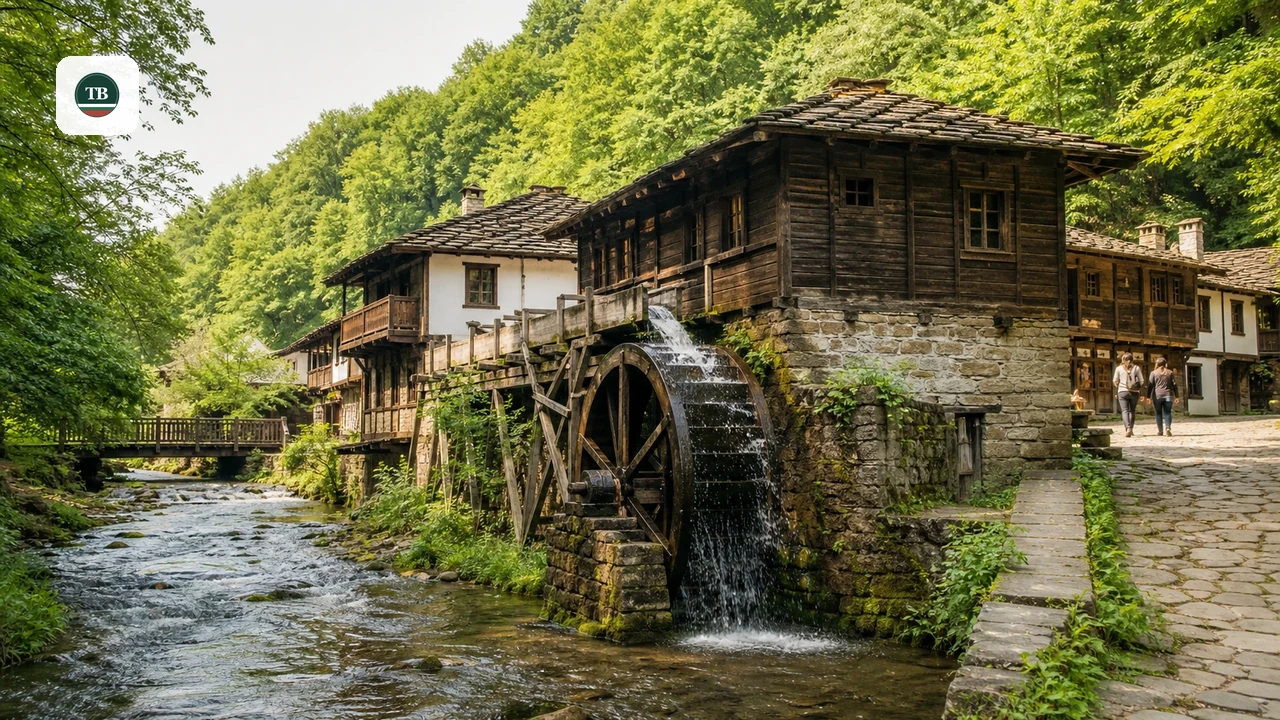
Etar Architectural-Ethnographic Complex sits about 9 km (5.5 miles) south of central Gabrovo, on the northern edge of Bulgarka Nature Park. Lazar Donkov began building the museum in 1963, and it opened to the public on 7 September 1964. Bulgaria declared it a monument of culture in 1971. The site now holds roughly 50 structures spread across 7 hectares (about 17 acres). What sets Etar apart is its water system. The Sivek River still drives mills, grindstones, and fulling machines. Gabrovo's tourism portal calls it the only working collection of its kind in Bulgaria. Karadzheyka water mill, the oldest structure on site, dates to around 1780. It was restored rather than rebuilt when the rest of the complex went up around it. Etar anchors most 8 Best Things to Do in Gabrovo, Bulgaria (2026 Guide) itineraries. It also regularly appears among the 18 Best Places to Visit in Bulgaria: A Complete 2026 Guide for travelers who want hands-on demonstrations instead of static museum cases.
- Opened: 7 September 1964, built under Lazar Donkov
- Size: 7 hectares (about 17 acres), roughly 50 structures
- Oldest structure: Karadzheyka water mill, built around 1780
- Distance from Gabrovo center: about 9 km (5.5 miles)
How the Water-Powered Installations Work
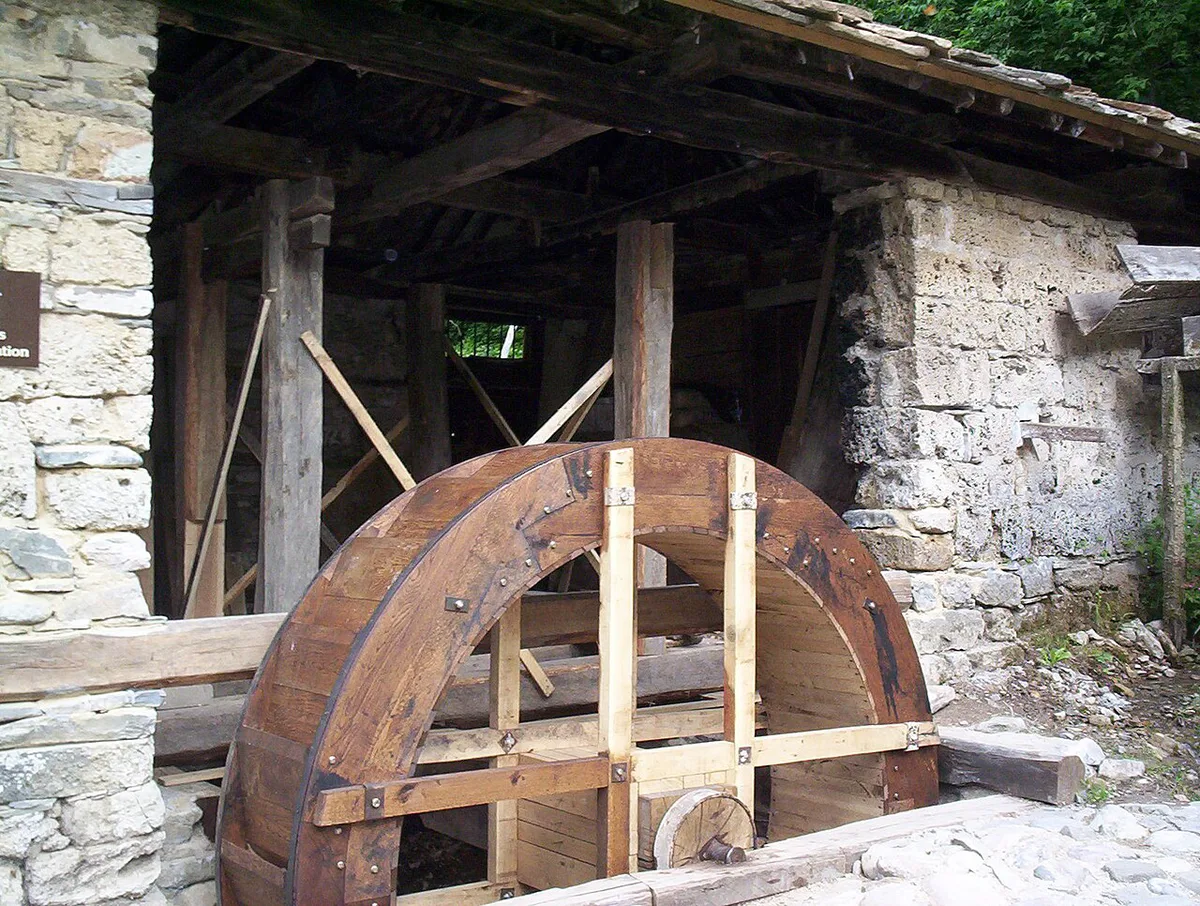
The Sivek River is the engine behind everything at Etar. Water still turns the Karadzheyka mill's stones, and the sound of grinding grain carries across that end of the site. Fulling mills, known locally as tepavi, use the same current to felt wool cloth. That process once supplied much of the region's clothing trade. Standing near the mill race, you notice the temperature drop and hear the water before you see the wheel turning. That combination of sound, spray, and turning stone is the detail that static photos miss entirely.
The Sivek River's water systems and the artisans on Craftsman Street provide sensory experiences—water spray, metalworking sounds, and baking smells—that photographs entirely miss; budget 3 hours minimum to properly experience both together.
Craftsman Street: Crafts and Architecture
Craftsman Street carries its own soundtrack of hammers striking metal, a potter's wheel spinning, and bells tested for pitch. The smell of fresh bread drifts from the bakery near the bazaar's center, mixing with woodsmoke from the blacksmith's forge. Sixteen houses line the street, each an exact copy of a historic Gabrovo building relocated or rebuilt on site. Working artisans demonstrate crafts using period tools rather than modern equipment. Saakov House carries 21 windows across two floors. Locals cite the window count as a marker of the family's historic wealth. A clock tower marks the bazaar's center, and the Holy Epiphany Chapel serves as the complex's working place of worship.
- Bell-making — wrought bells for livestock
- Pottery — wheel-thrown ceramics fired on site
- Sugar-craft — decorative sugar figures
- Furriery and cutlery-making
- Needlework and wood carving
- Coppersmith work — hammered copper vessels
Planning an Etar Visit: Hours, Tickets, and the Best Time to Go
Etar keeps different hours by season. From May through September, the museum runs from 09:00 to 19:00. From October through April, hours shorten to 09:00–17:00. Opening times, ticket prices, and seasonal closures all appear on the official Etar site, so confirm before a visit. Ticket cost sits separate from the paid parking lot at the entrance, so budget for both if arriving by car. Guides lead tours in Bulgarian, Russian, English, and German. That's useful for groups who want context on the water systems instead of just photos. Early September brings the busiest weekend of the year: the first Friday, Saturday, and Sunday of the month. That's when the International Fair of Traditional Crafts brings artisans from across Bulgaria and abroad to trade alongside the resident craftsmen. Check exact fair dates in the 10 Best Bulgaria Festivals: A Guide to Traditions & Events (2026) calendar before booking travel. The fair shifts within that first-weekend window from year to year.
October through April hours (09:00–17:00) provide only 8 hours total, so arriving after 14:00 means missing most of the site when 3 hours minimum is needed.
| Season | Hours |
|---|---|
| May – September | 09:00 – 19:00 |
| October – April | 09:00 – 17:00 |
Getting to Etar from Gabrovo
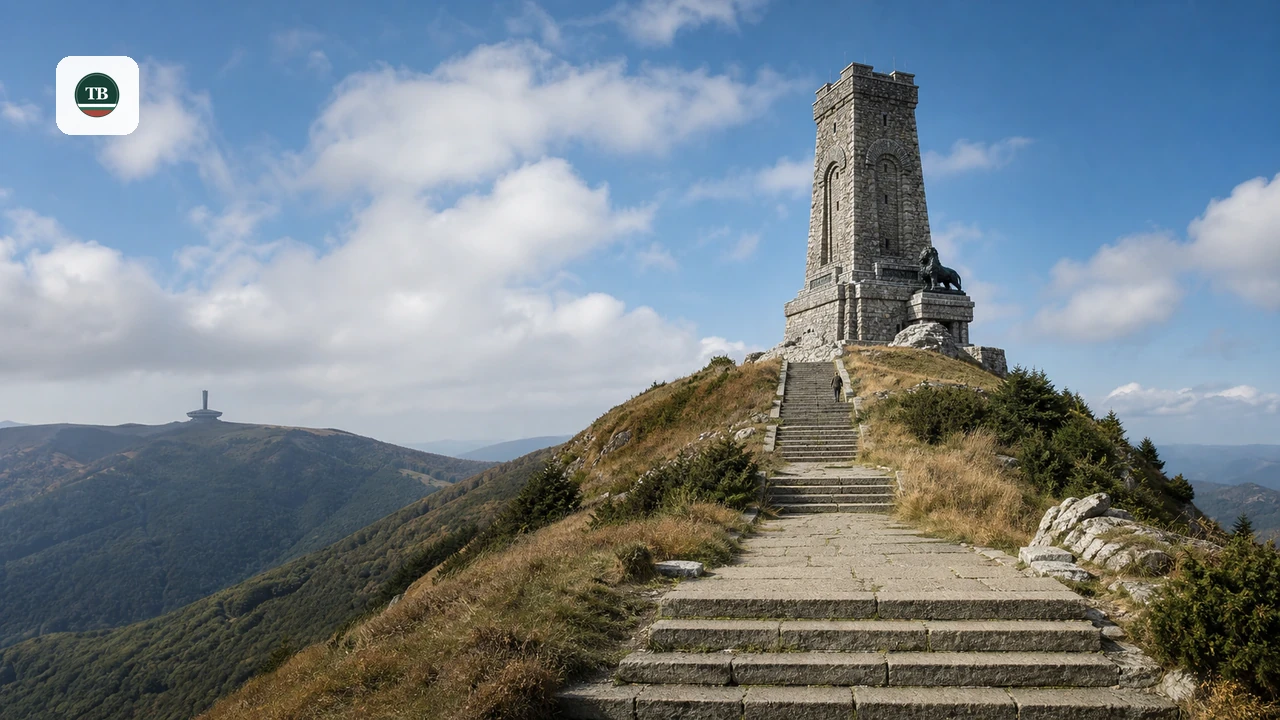
Drivers head out of central Gabrovo toward Shipka Pass, then watch for a fork in the road. Etar fits naturally into a longer Bulgaria Road Trip Itinerary: 10 Essential Guide Sections that continues over the mountains afterward. Hikers can also reach the museum on foot, since it sits on the northern edge of Bulgarka Nature Park. Trail options from the park connect through the 10 Best Bulgaria Hiking Trails to Try in 2026 for anyone building a walking route instead of driving. From the Shipka fork, many travelers continue on to the Shipka Pass day trip after finishing at Etar. Both stops sit along the same road south of Gabrovo.
- Straight at the fork: continue for Etar (the right branch leads to Shipka)
- Parking: paid lot directly at the complex entrance
- Bus: Rusevtsi–Elovitsa line, or Line 1 from Rusevtsi to the Etar center
- On foot: marked trails from Bulgarka Nature Park's northern edge
Extending the Trip to Sokolski Monastery
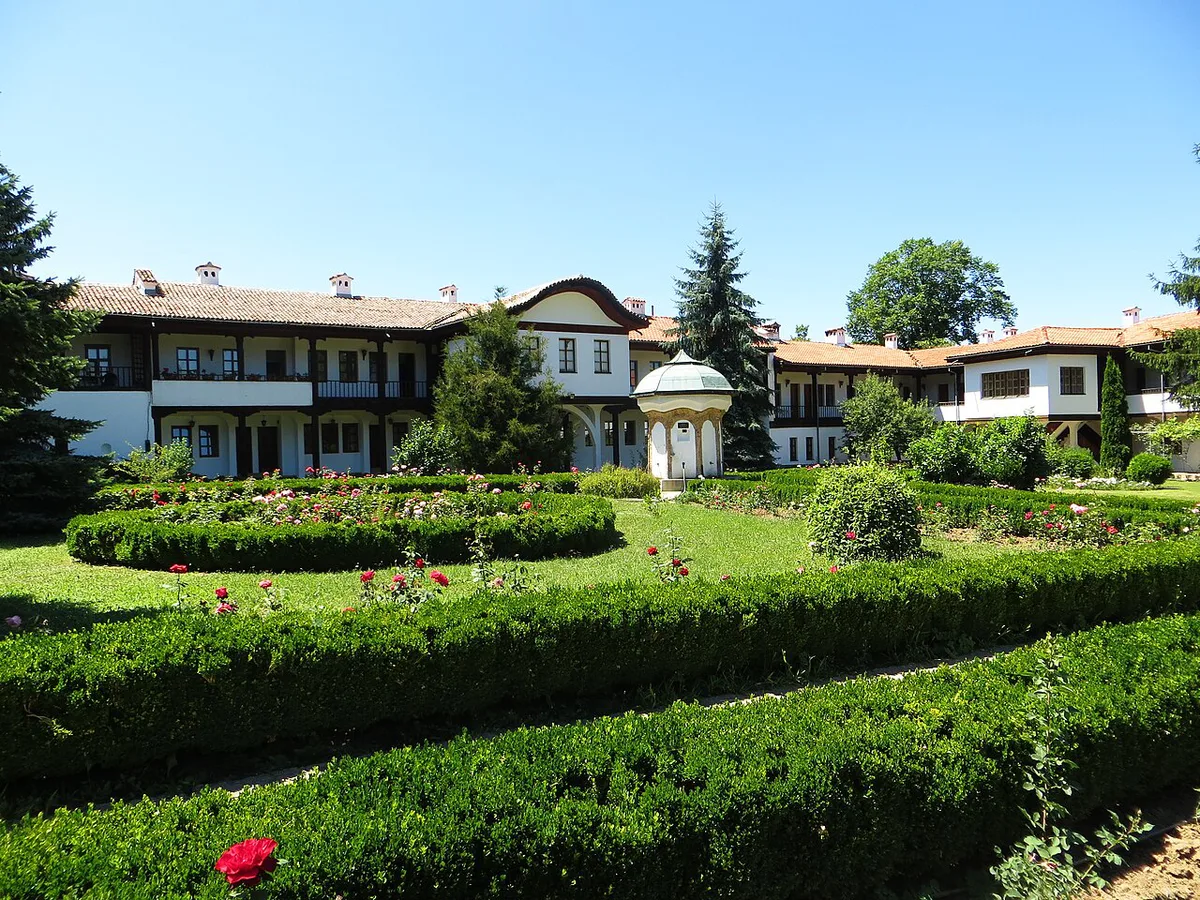
Sokolski Monastery sits about 4 km (2.5 miles) from Etar. Most visitors treat it as a mandatory add-on rather than an optional stop. Kolyu Ficheto, the National Revival builder, designed the monastery's stone fountain, carved with eight hawks around its basin. Its courtyard also opens onto panoramic views across the Balkan Mountains. You can drive between the two sites, or follow the marked hiking trail that connects them directly. Budget about 15 minutes for the drive, plus time to walk the courtyard and fountain area. Combining Etar and Sokolski Monastery in one outing keeps both stops inside the same half-day window most travelers set aside for Gabrovo's outskirts.
Eating and Shopping on Craftsman Street
A restaurant inside the complex serves traditional dishes made from old local recipes. Plan a sit-down meal rather than a quick snack between craft stops. Portions arrive at a working pace, in keeping with the rest of the complex, so build in extra time rather than rushing lunch. A hotel on site lets anyone stay overnight instead of returning to Gabrovo. Along Craftsman Street, a bakery sells fresh simit, and the smell of it baking reaches the street before you spot the stall. Coffee here comes brewed on hot sand, a preparation method worth watching before you drink it. Buying directly from the craftsmen is the most reliable way to get an authentic souvenir. Watch pottery, coppersmith work, or wood carving made in front of you, then buy that same item at the stall. Skip the souvenir shops near the entrance if a hand-made piece from the working artisans matters more than a factory print.
Mistakes to Avoid at Etar
Plan at least 3 hours for Etar. The water installations and the full length of Craftsman Street both take real time to see properly. Arriving less than an hour before closing means missing most of the site. Staff start closing individual workshops before the museum's official closing time. No fixed closing day applies to Etar, which opens year-round. Individual craftsmen, though, sometimes keep shorter or different hours during the low season. Confirm which workshops are staffed on the day you visit if a specific craft is the main draw. Wear sturdy, closed shoes for the visit. Cobblestone paths, known locally as kalderam, are uneven throughout the complex, and flat sandals or heels make the walk uncomfortable.
- Arriving with under an hour before closing
- Wearing sandals or heels on the kalderam cobblestones
- Skipping confirmation of which craftsmen are working that day in low season
- Budgeting under 3 hours for the water mills and Craftsman Street combined
Access, Facilities, and Practical Information
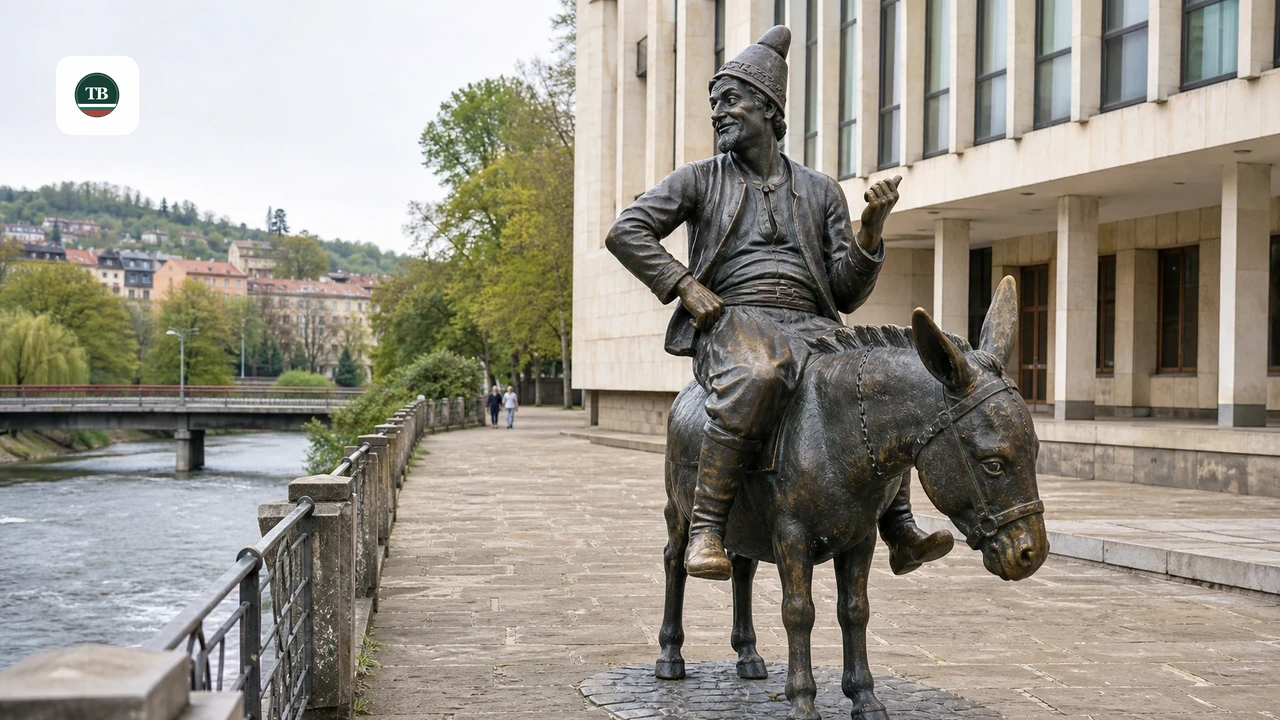
Uneven cobblestone paths make wheelchair and stroller access difficult in sections of the complex. Plan routes in advance if mobility is a concern. Tourist Information Center for Gabrovo sits at 11 Opalchenska Street and keeps hours Monday through Friday, 09:00 to 17:30. Gabrovo's tourism portal lists current transit schedules and contact details for both the museum and the information center. Back in central Gabrovo, round out the day at the House of Humour and Satire before heading to dinner. Check its current hours on the museum's official site, since they run independently from Etar's schedule.
- Address: 144 General Derozhinski Street, Gabrovo 5309
- Tourist Information Center: 11 Opalchenska Street, Gabrovo
- Info Center hours: Monday–Friday, 09:00–17:30
Frequently Asked Questions
How much time should you plan for Etar Open Air Museum in Gabrovo?
Set aside at least 3 hours to see the water installations and Craftsman Street properly. Add extra time during the September craft fair, since crowds slow the pace along the bazaar.
What are Etar's opening hours?
Etar runs 09:00 to 19:00 from May through September. Hours shorten to 09:00–17:00 from October through April. Check the official Etar site for any seasonal changes before you travel.
How far is Sokolski Monastery from Etar, and how do you get there?
Sokolski Monastery sits about 4 km (2.5 miles) from Etar. You can drive between the two, or follow the marked hiking trail connecting them. Most travelers treat the stop as a short add-on rather than a separate trip.
Is Etar open every day, including public holidays?
No scheduled closing day applies to Etar, which opens year-round. Individual craftsmen sometimes keep shorter or different hours during the low season, so confirm ahead if a specific demonstration is the goal.
Can you reach Etar by public transport from central Gabrovo?
Yes. The Rusevtsi–Elovitsa line and bus Line 1 both connect Gabrovo to the museum. A paid parking lot also sits at the entrance for drivers.