Sapareva Banya Geyser: Europe's Hottest Mineral Spring
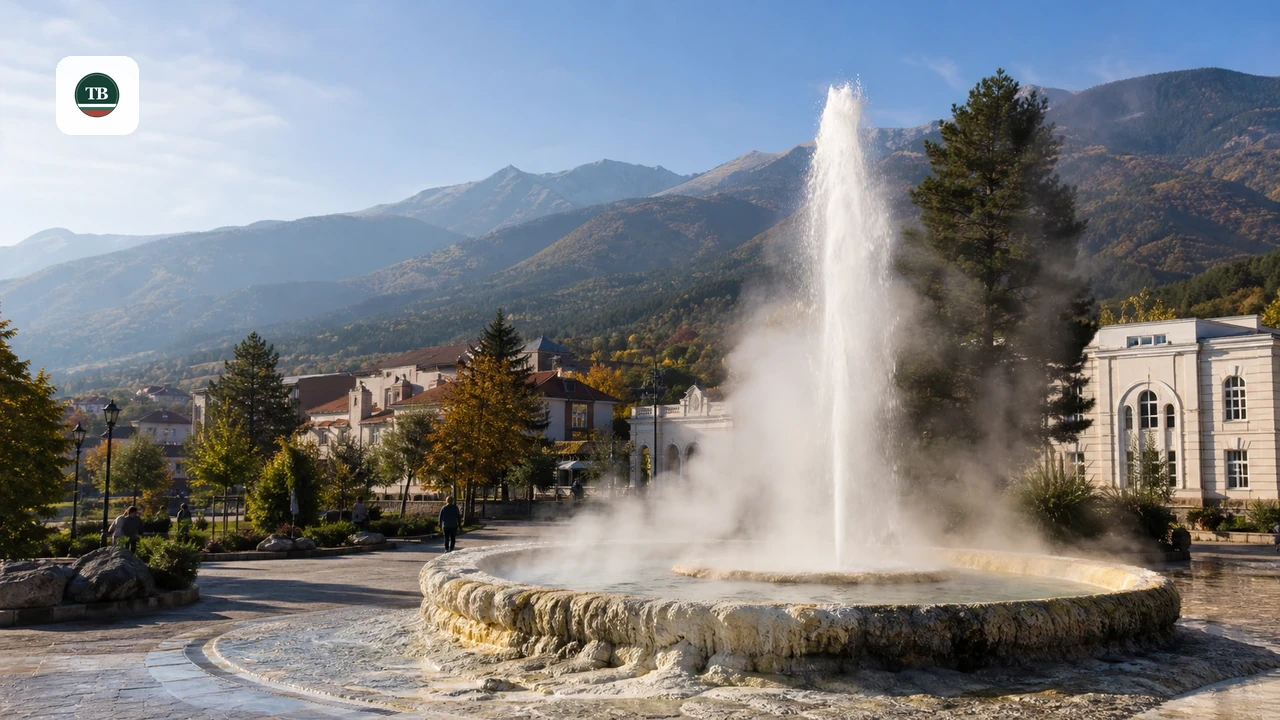
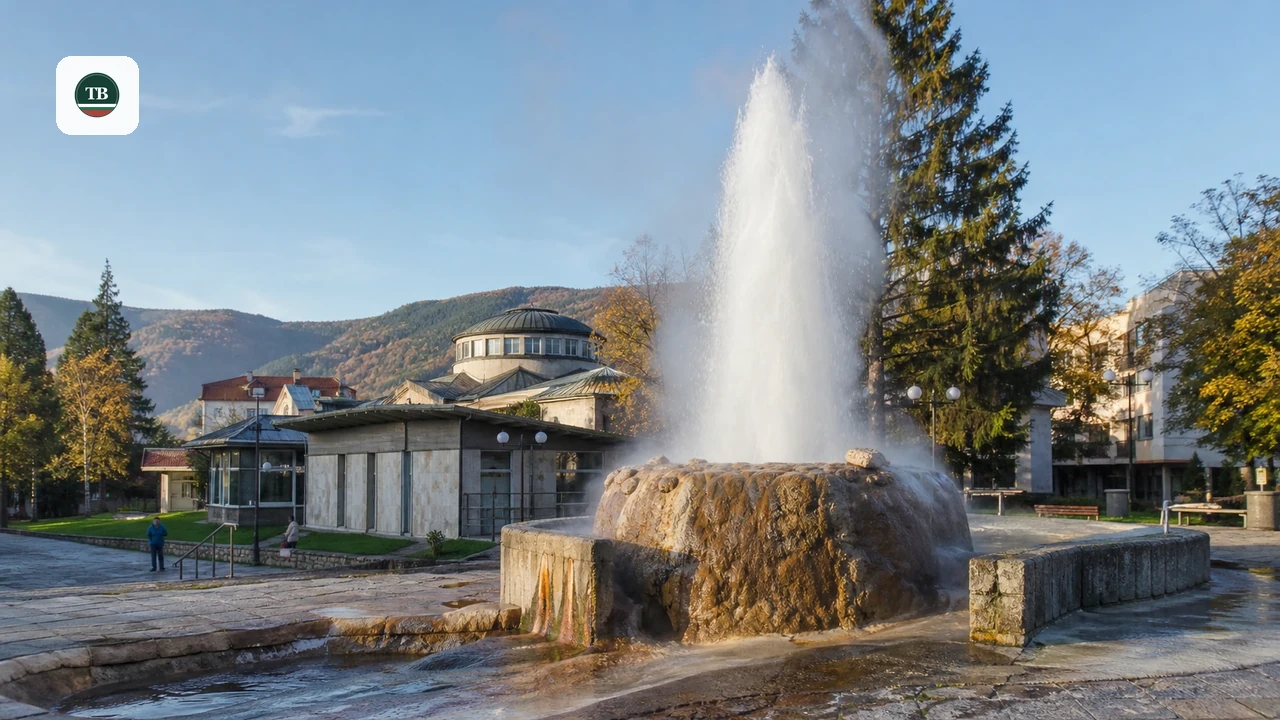
Last updated August 2026, the Sapareva Banya geyser remains the only geyser on the Balkan Peninsula. It pushes water heated to 103°C as high as 18 meters from a fountain in the center of town. Sapareva Banya sits on the north slope of the Rila mountains in Kyustendil Province, about 70 km south of Sofia and 15 km east of Dupnitsa.
The Sapareva Banya Geyser Experience: What to Expect
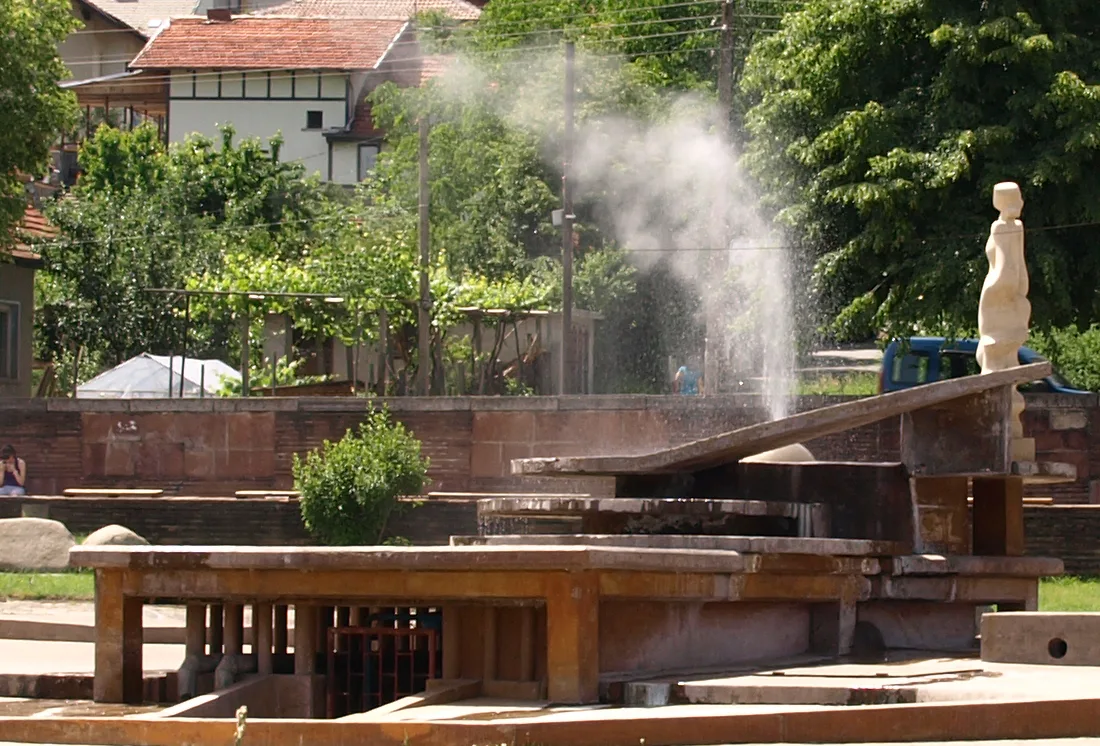
Sapareva Banya's geyser sits in a small park at the center of town, next to the municipal building and the bath house. It is not a wilderness feature. A concrete fountain structure channels the natural pressure below ground into a controlled vertical jet, so what you see is engineered even though the heat and water are entirely natural. Hydrologists found the source in 1957, drilling 73 meters down and striking water and steam at 102°C. That pressure now drives a column that reaches about 18 meters above the fountain on a strong day. Up close, the mineral smell is unmistakable. Hydrogen sulfide gives the steam a sulfur odor that carries across the square, especially when there's no wind. Winter mornings produce the most dramatic visual, when cold air turns the steam into a dense white column against the fountain structure. Summer visits trade that contrast for easier photography, best attempted in early morning or late afternoon light before the sun sits directly overhead. Unlike the municipal baths, the geyser park itself keeps no set hours, so you can walk past for a look at any time of day. Most travelers pair the geyser with the rest of the town center. See the 8 Best Things to Do in Sapareva Banya: Spas, Hiking & Day Trips guide for the church, museum, and nearby walking routes.
The spring's 103°C temperature creates maximum visual drama in winter when January temperatures average near 0°C, while summer photography is easier despite losing the steam-column contrast.
Healing Waters: A Guide to the Mineral Baths
Saparevo's mineral water is clear, colorless, and hyperthermal at 103°C (217°F), with roughly 15.5 mg of hydrogen sulfide per liter. Long-documented local and balneological use credits it with easing several conditions, listed below. Treat that as traditional, balneotherapy-based use rather than a clinical guarantee. Confirm suitability with a doctor first if you have a specific health condition. Where you actually get in the water depends on budget and comfort level. Options range from municipal pools to a dedicated rehabilitation hospital to private spa hotels, all built around the same source. Current opening hours and admission for the municipal pools shift by season, so confirm details directly with the municipality before you go. Whatever the season, the municipal baths typically cost less than a private spa hotel day pass, which is the main trade-off between the two. Here's how the three main choices compare.
The mineral water contains roughly 15.5 mg of hydrogen sulfide per liter, giving the steam its distinctive sulfur odor — travelers sensitive to strong smells should consider limiting their time at the geyser despite the thermal water's documented health benefits for musculoskeletal conditions.
| Option | Best for | What to expect |
|---|---|---|
| Geyser park | Photos and the view | Free public plaza; viewing only, no bathing |
| Municipal mineral baths | Budget, authentic soak | Outdoor pools and a bath house run by the town; bring your own towel and flip-flops |
| Private spa hotels | Comfort and privacy | Indoor and outdoor pools tied to a hotel stay; higher cost than the municipal baths |
- Composition: hydrocarbonate, sulphate-sodium, fluorine, silicon, sulphide, and hydrogen sulfide
- Traditionally used for: musculoskeletal and peripheral nervous system conditions
- Also cited for: upper respiratory tract issues and certain skin conditions
- Also cited for: recovery support after heavy-metal exposure
Planning Your Visit: Getting There, Costs, and Timing
Sapareva Banya sits about 70 km south of Sofia and 15 km east of Dupnitsa, near the E-79 highway corridor. Locals refer to the fountain's neighborhood simply as the Geyser area, under postal code 2650. The wider municipality also includes the villages of Ovchartsi, Resilovo, and Saparevo. Driving from Sofia is the most direct option and leaves flexibility for continuing into the Rila foothills afterward. From Dupnitsa, the drive is short enough to treat Sapareva Banya as a half-day stop. Regional bus service connects Dupnitsa to the town, but departures are infrequent. A rental car works better if you're combining the geyser with other stops on a Bulgaria Road Trip Itinerary: 10 Essential Guide Sections. Entry to the geyser park itself is free. Budget about 30 minutes for the geyser and the immediate square, or 3 to 4 hours if you're adding a soak at the municipal baths or a spa hotel. Parking near the park is generally available on the surrounding streets, and the geyser, St Nicholas Church, and the bath house all sit within walking distance of each other. The Tourist Information Center sits right in the Geyser area and keeps Monday-to-Friday hours from 8:00 to 17:00, useful for questions about trail conditions or bus times. Expect a transitional-continental climate. January temperatures average near 0°C, and July averages around 22°C. A winter soak means moving between hot pools and cold air, which is part of the appeal.
Germaneia: Roman and Thracian Roots Beneath the Steam
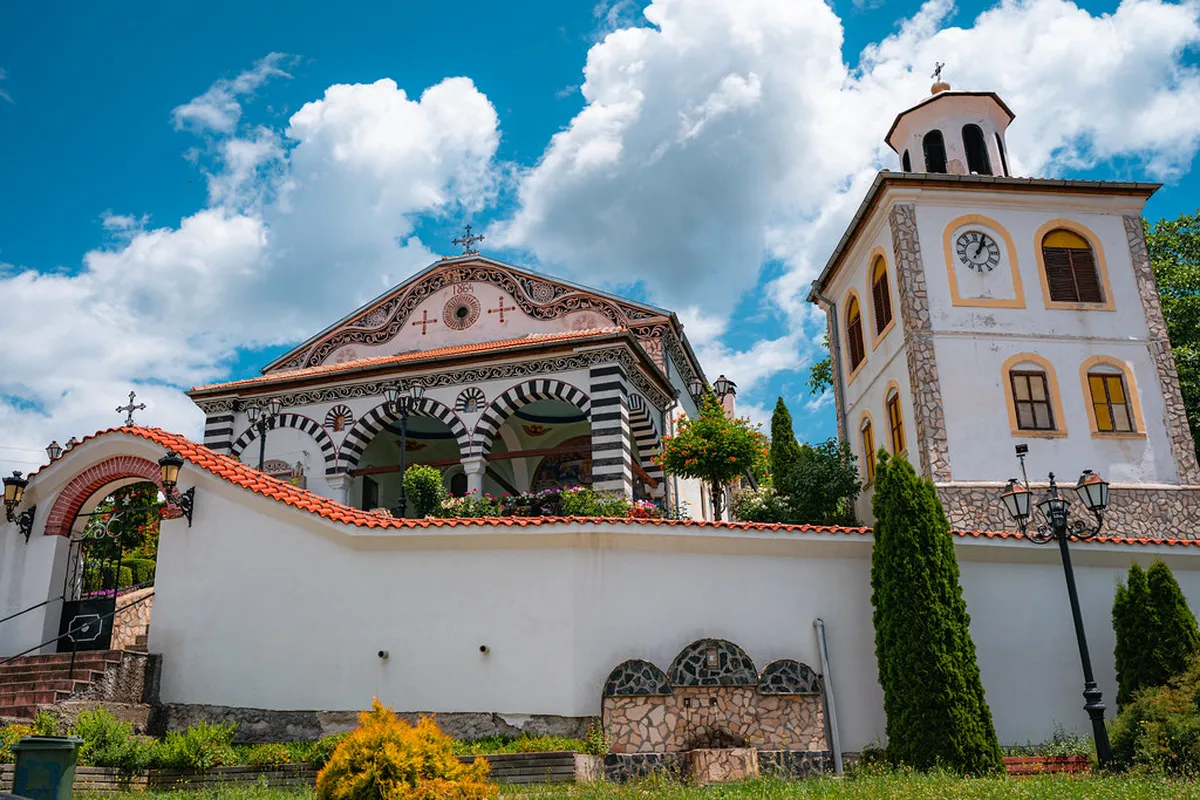
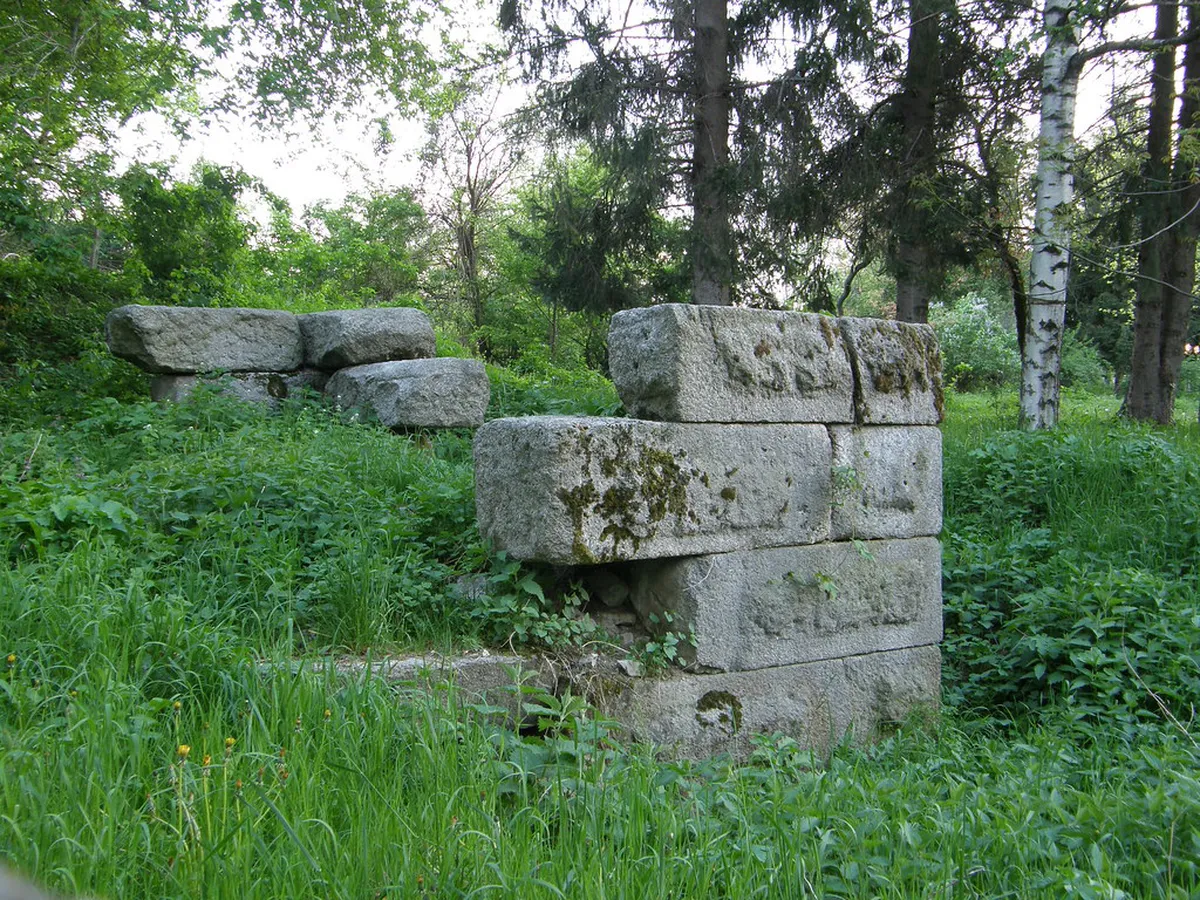
Long before it was a spa town, this was Germaneia, a name the Thracians gave the settlement for its hot water. Scholars connect the word to the Thracian term for heat, and some link it to a local Thracian god associated with warmth. Saparevo's own modern name likely comes from a dialect word for woodchopper, first recorded in 1570; the word banya, Bulgarian for bath, was added later to mark the springs. By the 3rd century AD, Germaneia had grown into a significant center of the Roman province of Dacia Mediterranea, built around the same springs that feed the geyser today. Barbarian attacks damaged the town in the 5th century AD. Remains of the Roman-era settlement still sit near the 12th- to 13th-century St Nicholas Church, in the center of town opposite the municipal building. Historical sources also link Germaneia to the Byzantine general Belisarius, naming it as his likely birthplace. Germaneia became part of the First Bulgarian State in the 7th century, and Tsar Kaloyan folded it into the Second Bulgarian State around 1205. Under Ottoman rule, the population resettled at what is now the nearby village of Saparevo, and sheep-breeding became the region's main trade for a time. Two later churches round out the town's religious history. St George's Church dates to the 18th-century Bulgarian National Revival period. The Forty Holy Martyrs Church followed in 1859, with wall paintings added in 1878 and 1879. Archaeological finds from the area sit in an ethnographic collection at the local Hristo Botev school. That same Forty Holy Martyrs Church separately holds an icon of St Mary that local tradition considers miraculous.
Combining Sapareva Banya with the Rila Mountains
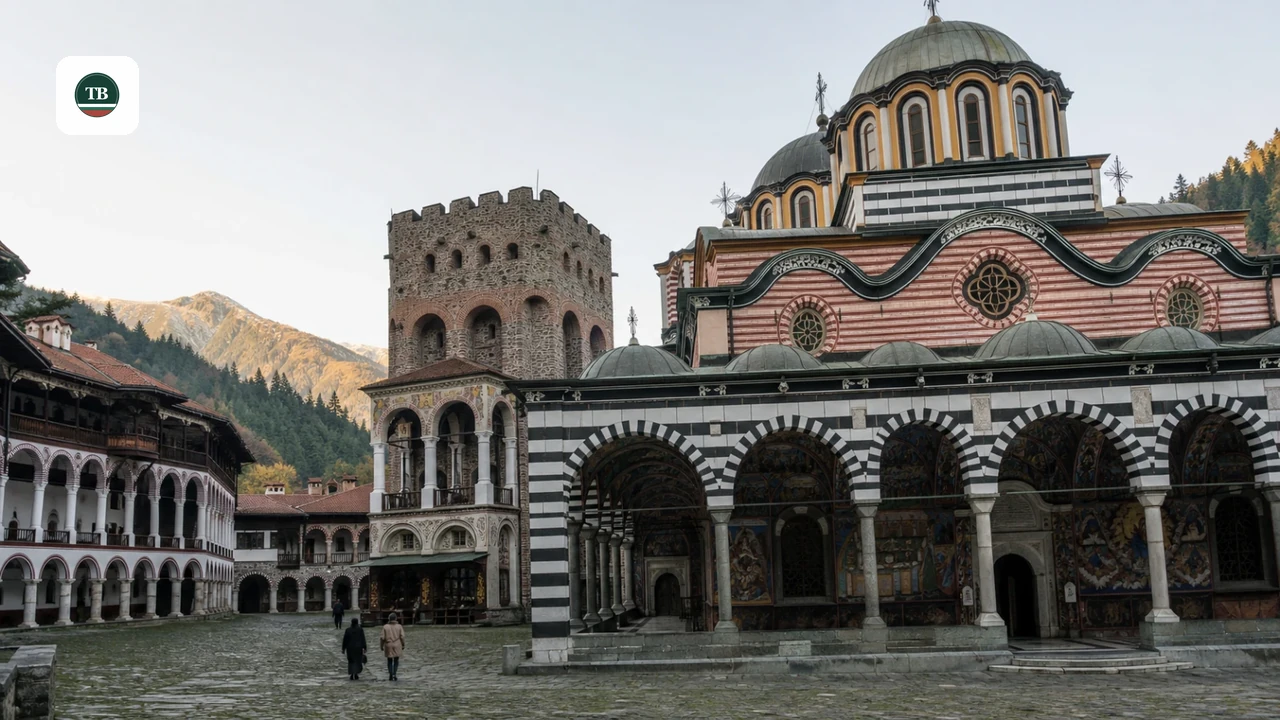
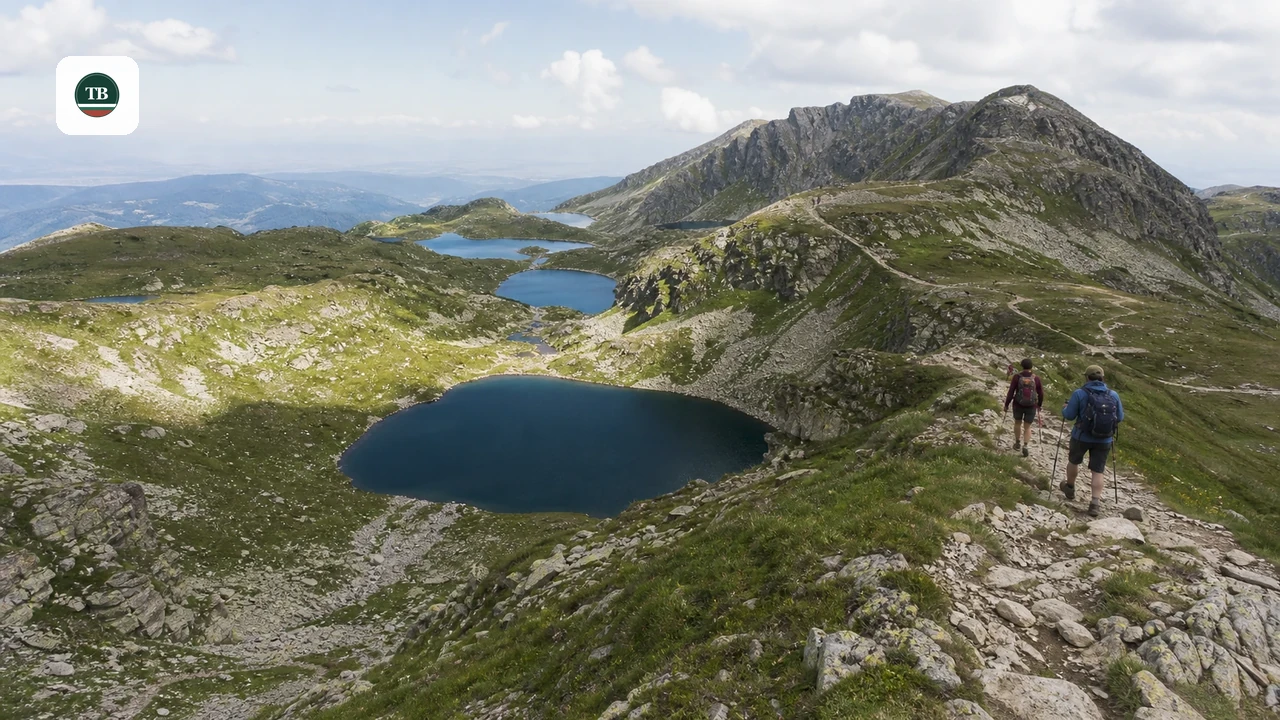
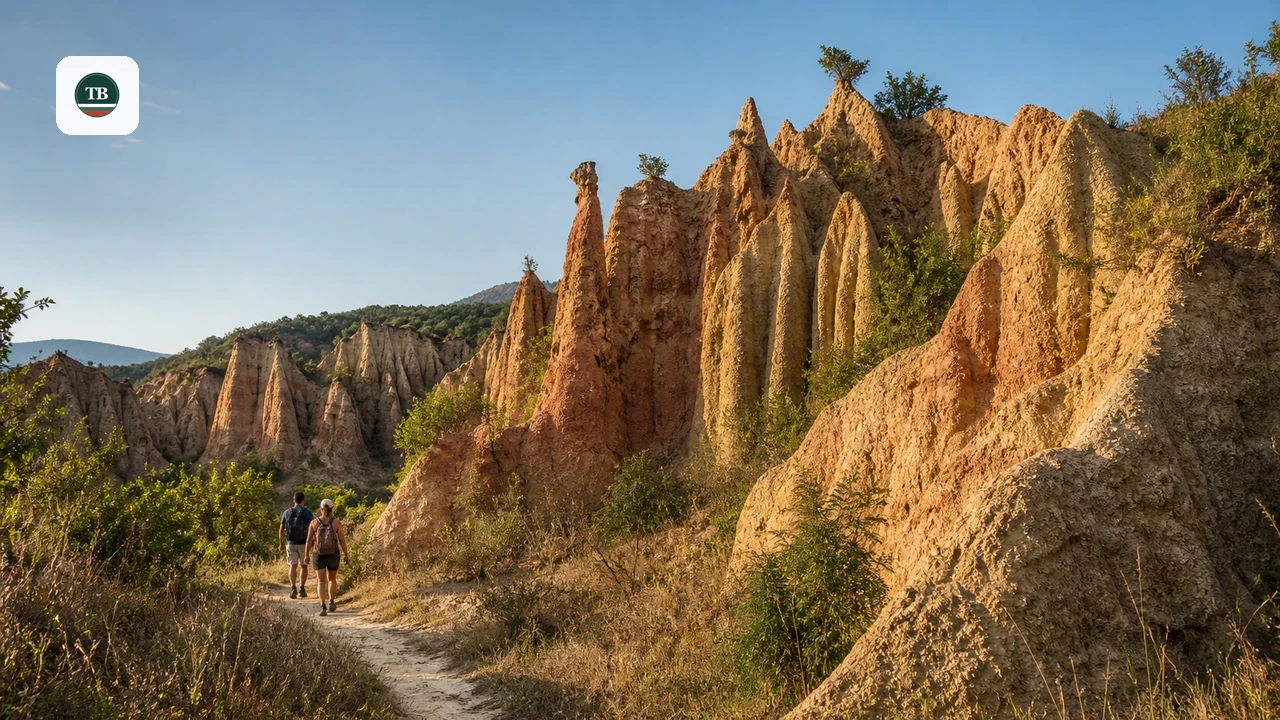
Sapareva Banya works well as a base for the Rila high country, not just a highway stop. See the Seven Rila Lakes from Sapareva Banya: Chairlift, Trail Routes, and 2026 Costs guide for the standard route up from town. Panichishte, a mountain resort around 1,350 meters, sits on the way and has marked trails plus a winter ski tow-lift. Trail conditions above Panichishte can hold snow well into early summer some years, so check current conditions before committing to a long lake circuit. For a slower regional itinerary, the Rila Monastery from Sapareva Banya: How to Get There in 2026 guide lays out the drive and timing to the monastery itself. Closer to town, the Resilovski Monastery, an active convent founded in the 1930s, sits about 7 km southeast and makes an easy add-on before or after a soak. Hikers building a longer Rila itinerary should also check the 10 Best Bulgaria Hiking Trails to Try in 2026 for trail conditions across the range. Travelers with extra time can detour to the eroded rock columns at the Stob Pyramids Near Sapareva Banya: Hiking Guide & Logistics, a short drive from town. Bulgaria's official tourism portal also profiles the wider Rila National Park area that surrounds the resort.
Mistakes to Avoid at the Geyser and Baths
A few small planning gaps cause most of the frustration here.

- Expecting a wild, untouched geyser: the natural pressure is real, but it surfaces through a built fountain in a town square, not a backcountry feature.
- Skipping towels and flip-flops: the municipal baths do not necessarily supply either, so pack your own.
- Underestimating the sulfur smell: hydrogen sulfide is part of the experience, and travelers sensitive to strong odors should plan a shorter stop near the fountain.
- Assuming public transport is frequent: buses from Dupnitsa run on a limited schedule, so build in extra time or drive instead.
- Missing the town center entirely: the geyser itself takes about 30 minutes, but St Nicholas Church and the Roman-era remains nearby are worth the extra stop.
- Not checking information-center hours: the Tourist Information Center in the Geyser area keeps Monday-to-Friday hours from 8:00 to 17:00, so weekend questions need pre-trip research.
Sapareva Banya Travel Checklist
Use this as a quick reference before heading out. For where the town fits into a broader route, the 18 Best Places to Visit in Bulgaria: A Complete 2026 Guide guide places Sapareva Banya alongside the country's other spa towns and mountain stops.
- Temperature: 103°C (217°F), cited as the hottest mineral spring temperature in Europe
- Water column height: about 18 meters at the fountain
- Discovery: 1957, at a depth of 73 meters below ground
- Distance: 70 km from Sofia, 15 km from Dupnitsa, in Kyustendil Province
- Time needed: 30 minutes for the geyser, 3 to 4 hours if you add a soak
- Info center: Monday to Friday, 8:00 to 17:00, in the Geyser area
- Pack: towel, flip-flops, and swimwear for the municipal baths
Frequently Asked Questions
Is the Sapareva Banya geyser a natural phenomenon or a man-made fountain?
Both. Natural heat and pressure drive the spring, while a concrete fountain structure in the town park channels and directs the jet you see today. Crews built that structure soon after hydrologists struck the spring while drilling in 1957.
How hot is the water at the Sapareva Banya geyser?
Water here reaches 103°C (217°F), commonly cited as the hottest mineral water temperature in Europe. Hydrologists recorded water and steam at 102°C, 73 meters down, during the original 1957 discovery.
Can visitors swim at the geyser itself?
No. That park is built for viewing, not bathing. Swimming and soaking happen at the adjoining municipal mineral baths and at private spa hotels around town.
How far is Sapareva Banya from Sofia?
It's about 70 km south of Sofia and roughly 15 km east of Dupnitsa. Driving is the most practical way to reach it, since regional bus service runs on a limited schedule.
How much time should travelers plan for a Sapareva Banya visit?
Plan on about 30 minutes for the geyser park itself. Add 3 to 4 hours if you also want to soak at the municipal baths or a nearby spa hotel.
When is the best time to see the geyser?
Winter mornings give the strongest visual, since cold air turns the steam into a dense white column. For photography without that contrast, aim for early morning or late-afternoon light in any season.
Is parking available near the geyser?
Yes. Free street parking is generally available on streets around the town's central park. From there, the geyser, bath house, and St Nicholas Church all sit within walking distance.
What should travelers bring to the municipal baths?
Bring a swimsuit, a towel, and flip-flops or water shoes, since the municipal baths do not guarantee supplies. A change of clothes for afterward is worth packing too, given the sulfur smell that can linger on fabric.
Is Sapareva Banya worth a stop if you're not soaking in the water?
Yes. The geyser itself takes about 30 minutes to see and photograph, and the town center adds St Nicholas Church and Roman-era remains nearby. It also works as a natural break on the way to the Seven Rila Lakes or Rila Monastery.