
Rila Monastery History: A Comprehensive Guide to Bulgaria's Spiritual Heart
Discover the rich history of Rila Monastery, its architectural wonders, and practical tips for visiting Bulgaria's most iconic spiritual sanctuary.
On this page
Rila Monastery History: Bulgaria's Enduring Spiritual and Cultural Legacy
Rila Monastery stands as a profound symbol of Bulgarian history and spirituality.
This UNESCO World Heritage site is nestled deep within the majestic Rila Mountains.
It has served as a beacon of faith, culture, and national identity for centuries.
Understanding Rila Monastery history enriches any visit to this iconic landmark.
The Enduring Legacy of Saint John of Rila
The Rila Monastery's story begins with Saint John of Rila, a revered hermit and patron saint of Bulgaria. He sought solitude in the Rila Mountains in the 10th century. His ascetic life and spiritual wisdom attracted many followers, laying the groundwork for the monastic community.
Saint John lived in a cave near the present-day monastery, dedicating his life to prayer and contemplation. This original hermitage became a focal point for early pilgrims. His teachings emphasized humility and devotion, influencing generations of monks.
Even after his passing, Saint John's legacy continued to inspire the development of the monastery. His relics were eventually brought to the site, solidifying its status as a major pilgrimage destination. Pilgrims still visit his cave today, seeking spiritual connection.
The enduring spiritual importance of Saint John of Rila makes the monastery a living testament to his faith. His influence shaped not only the monastery but also the broader Bulgarian Orthodox Church. He remains a powerful figure in Bulgarian national consciousness.
History at a Glance
- Founded: 10th century by St John (Ivan) of Rila
- Hrelyo's Tower: 1335 — the oldest surviving building
- Recognition: Inscribed as a UNESCO World Heritage Site in 1983
- Learn more: Bulgaria's official tourism board
A Millennium of History: From Hermitage to National Treasure
The Rila Monastery history spans over a thousand years, evolving from a humble hermitage into a grand spiritual center. It was officially founded in the 10th century by Saint John's disciples. The monastery quickly grew in prominence, receiving support from Bulgarian rulers.
During the Second Bulgarian Empire, the monastery flourished as a major cultural and literary hub. Monks copied manuscripts, created religious art, and preserved knowledge. This period saw significant expansion and architectural development of the complex.
The Ottoman conquest of Bulgaria in the 14th century brought immense challenges for the monastery. Despite periods of destruction and rebuilding, it remained a stronghold of Bulgarian Orthodox faith. It secretly preserved national identity during foreign rule.
The Bulgarian National Revival in the 18th and 19th centuries saw Rila Monastery play a crucial role. It served as a sanctuary for revolutionaries and a center for education and national awakening. The monastery symbolized resilience and hope for the Bulgarian people.
Architectural Marvels and Artistic Heritage
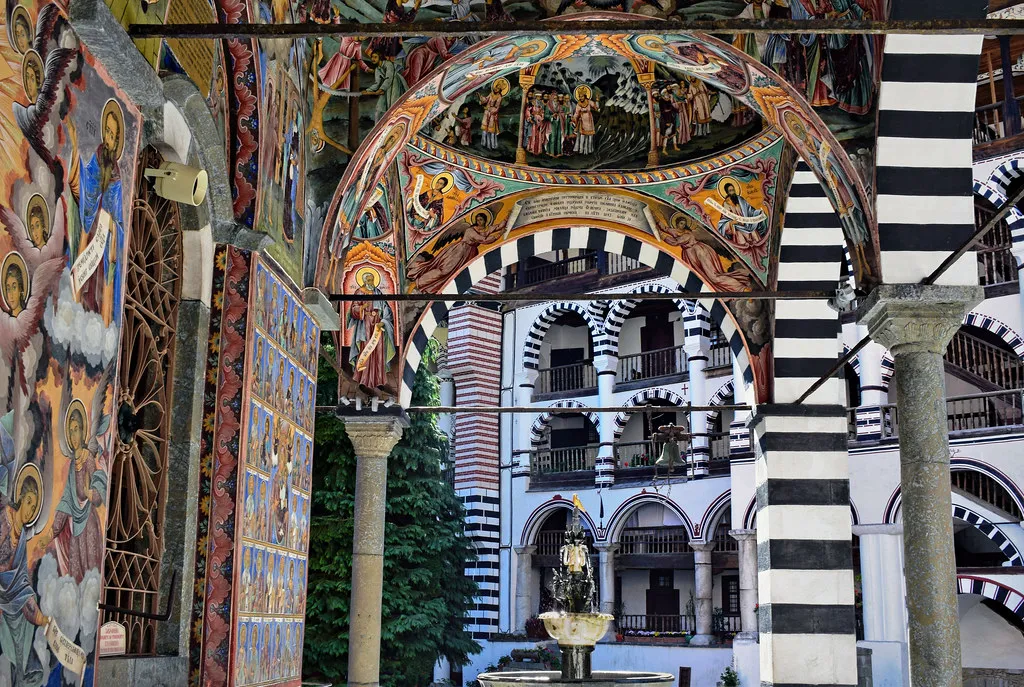
Rila Monastery showcases a unique blend of architectural styles, reflecting its long and complex history. The current complex, largely rebuilt in the 19th century, features distinctive arches, domes, and colorful facades. Its design harmonizes with the surrounding mountain landscape.
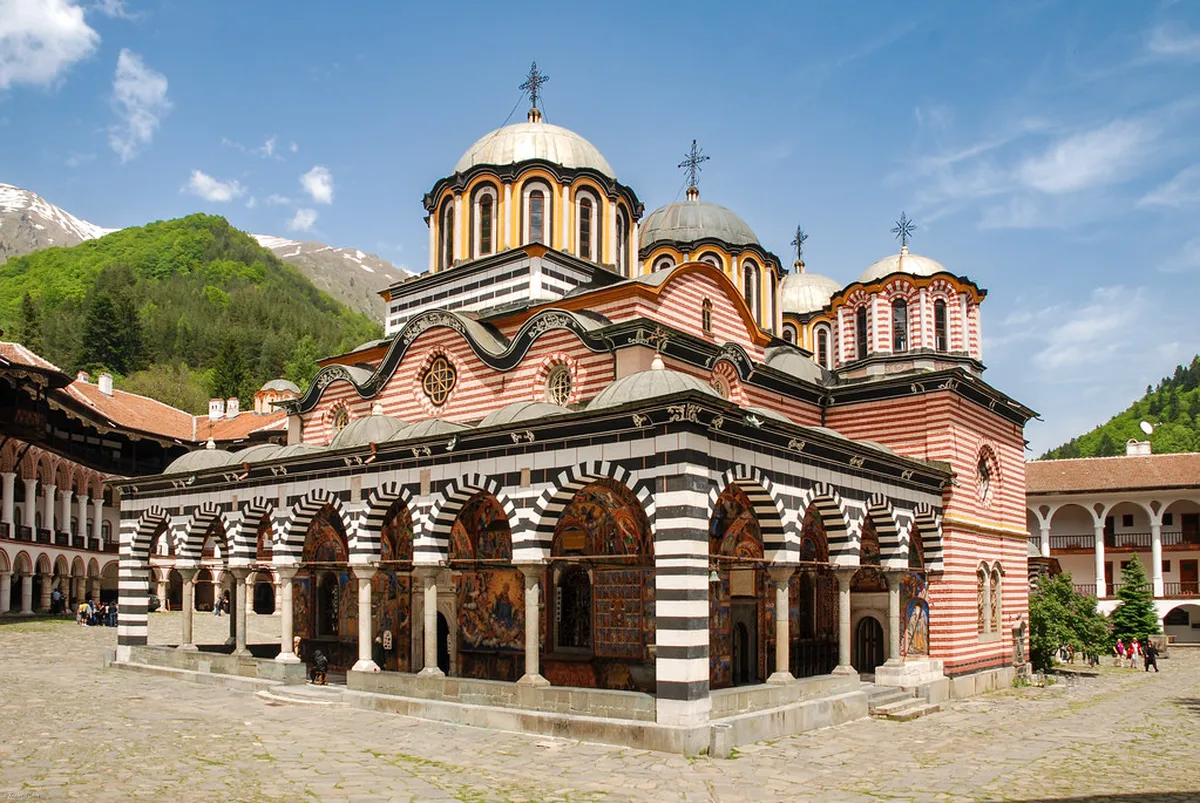
The main church, the Nativity of the Virgin, is a masterpiece of Bulgarian Revival architecture. Its five domes and intricate carvings are truly captivating. Inside, visitors are greeted by stunning frescoes that cover almost every surface, depicting biblical scenes and saints.
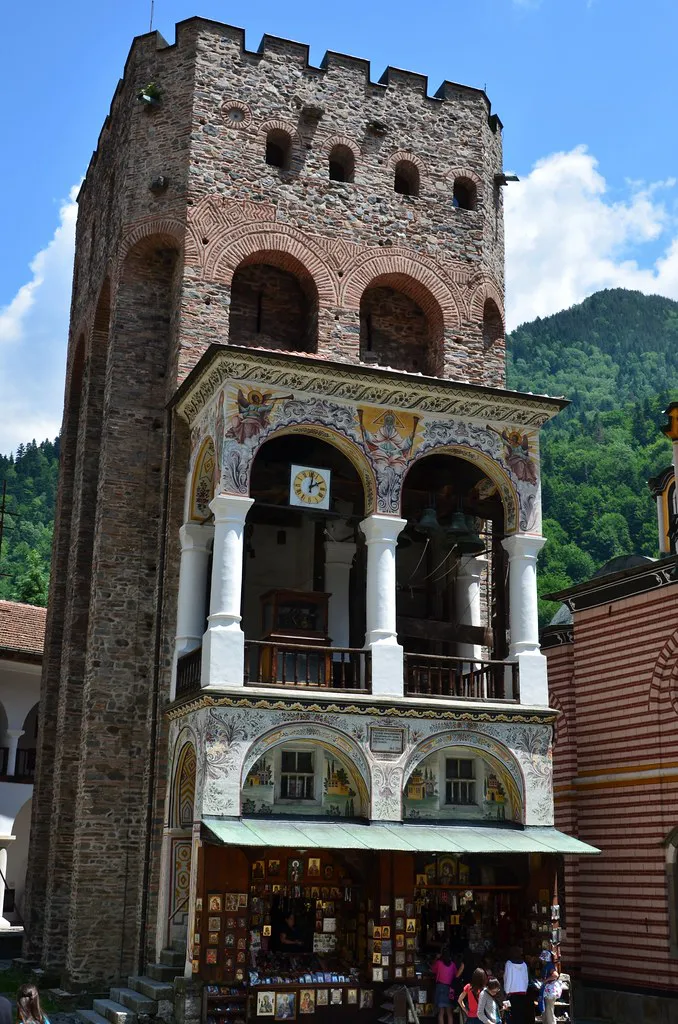
Hrelyo's Tower, dating back to the 14th century, is the oldest surviving building in the complex. This formidable stone tower served as a defensive stronghold and a bell tower. You can climb to the top for panoramic views of the monastery grounds and mountains.
The monastery's museums house a rich collection of religious artifacts, icons, and historical documents. These exhibits provide deeper insights into the monastery's past and its artistic contributions. The Rila Monastery cross, with its tiny carved figures, is a notable highlight.
Rila Monastery's Role in Bulgarian National Identity
Rila Monastery stands as a powerful emblem of Bulgarian national identity and resilience. During centuries of Ottoman rule, it was a vital sanctuary for Bulgarian culture and language. Monks diligently preserved ancient manuscripts and traditions.
The monastery served as a clandestine school, educating generations of Bulgarians in their native tongue and Orthodox faith. This educational role was crucial for maintaining national consciousness. It prevented assimilation and cultural loss.
Its very existence symbolized hope and resistance against foreign domination. Rila Monastery inspired poets, writers, and revolutionaries during the Bulgarian National Revival. It became a rallying point for national liberation efforts.
Today, the monastery remains a source of immense pride for Bulgarians. Its designation as a UNESCO World Heritage Site in 1983 acknowledges its global significance. It represents a living testament to the country's rich spiritual and cultural heritage.
Planning Your Visit: Beyond the Basics
A visit to Rila Monastery can be easily combined with other stunning attractions in the Rila Mountains. Consider extending your trip to explore the nearby Seven Rila Lakes. This popular hiking destination offers breathtaking alpine scenery.
For a multi-day itinerary from Sofia, you could spend one day at the monastery and another exploring the surrounding nature. Several tour operators offer combined Rila Monastery and Seven Lakes tours. These options streamline transportation and planning.
Explore the less-traveled paths around the monastery for unique viewpoints and quieter moments. The area offers several short hiking trails suitable for various fitness levels. Always wear comfortable shoes for walking around the complex and any trails.
Consider staying overnight near the monastery to experience its serene atmosphere after the day-trippers leave. This allows for a more reflective visit and early morning exploration. You can find accommodation options near Rila Monastery for different budgets.
How to Get to Rila Monastery
Reaching Rila Monastery from Sofia is straightforward, with several transportation options available. The monastery is approximately 120 kilometers south of the capital. The drive usually takes about two hours, offering scenic views along the way.
Public transport is an economical choice, with a daily bus departing from Sofia's Ovcha Kupel bus station. The bus journey takes around three hours, including a transfer in the town of Dupnitsa. Always confirm the latest bus schedules to Rila Monastery before your trip.
Renting a car provides the most flexibility, allowing you to explore at your own pace and visit nearby sites. The roads to the monastery are generally well-maintained. Parking is available near the monastery entrance for a small fee.
Many tour operators offer organized day trips from Sofia to Rila Monastery. These tours often include transportation, a guide, and sometimes visits to other attractions. This is a convenient option for first-time visitors.
- Bus from Sofia
- Departure: Ovcha Kupel bus station
- Duration: Approximately 3 hours
- Cost: Budget-friendly option
- Transfer: Often requires a change in Dupnitsa
- Rental Car
- Flexibility: Explore at your own pace
- Duration: Around 2 hours drive
- Parking: Available near the monastery
- Roads: Generally well-maintained
- Organized Tours
- Convenience: Includes transport and guide
- Coverage: Often combines with other sites
- Booking: Available from various operators
- Ease: Hassle-free experience
What to See During Your Visit
The Rila Monastery complex offers a wealth of sights for visitors to explore. The central Nativity Church is the undeniable highlight, with its vibrant frescoes and intricate iconostasis. Spend time admiring the detailed artwork and spiritual atmosphere.
Climb Hrelyo's Tower for a glimpse into the monastery's defensive past and stunning views. This medieval tower offers a unique perspective on the entire complex. Its thick stone walls tell stories of centuries gone by.
Visit the monastery museum to learn more about the Rila Monastery's history and its treasures. The museum houses a remarkable collection of religious artifacts, including ancient manuscripts and the famous Rila Monastery Cross. The historical context of the monastery is well-presented.
Explore the monastery's kitchens, which offer a fascinating look into monastic life. You can also wander through the residential quarters, admiring the traditional architecture. The peaceful courtyard provides a perfect spot for reflection.
Natural Setting: Rila National Park and Spiritual Routes
Rila Monastery is beautifully situated within the breathtaking Rila National Park, offering more than just historical insights. The park is Bulgaria's largest national park, known for its pristine forests, alpine meadows, and diverse wildlife. This natural beauty adds to the monastery's spiritual allure.
The surrounding Rila Mountains provide numerous opportunities for hiking and nature walks. You can find trails suitable for all levels, from gentle strolls to challenging climbs. These routes often lead to stunning viewpoints or tranquil spots for reflection.
The spiritual routes around the monastery connect to Saint John of Rila's original hermitage cave. Following these paths allows visitors to experience the same serene environment that inspired the saint. It offers a deeper connection to the monastery's spiritual origins.
Even a short walk through the forest surrounding the monastery can be a deeply calming experience. The clean mountain air and peaceful atmosphere contribute to the sense of sanctity. Remember to respect the natural environment during your visit.
Information for Visitors: Tips for a Memorable Experience
The Rila Monastery is generally open to visitors daily, but it is always wise to check specific opening hours and entrance fees before your visit. The main church is usually free to enter, but museums may have a small charge. Plan your arrival for early morning to avoid larger crowds.
A respectful dress code is expected when visiting the monastery, as it is an active religious site. Shoulders and knees should be covered for both men and women. Scarves are often available for rent or purchase at the entrance if needed.
Allow at least 2-3 hours to explore the monastery complex thoroughly, including the church, tower, and museums. If you plan to hike or visit Saint John's cave, allocate extra time. Consider a full day if you wish to combine it with a trip to the Seven Rila Lakes.
Several small shops and restaurants are located within and just outside the monastery grounds. You can enjoy traditional Bulgarian food, including mekitsa (fried dough) and local honey. Public restrooms are also available for visitor convenience.
Seasonal Considerations for Visiting Rila Monastery
Visiting Rila Monastery offers different experiences depending on the season. Spring (April-May) brings lush greenery and pleasant temperatures, ideal for exploring the grounds. The crowds are also generally smaller during this shoulder season.
Summer (June-August) is the most popular time, with warm weather perfect for combining a visit with hiking in the Rila Mountains. However, expect larger crowds and higher accommodation prices. Book tours and lodging in advance during peak summer months.
Autumn (September-October) offers stunning fall foliage, creating a picturesque backdrop for the monastery. The weather remains mild, and tourist numbers begin to decrease. This season is excellent for photography and a more tranquil visit.
Winter (November-March) transforms the monastery into a magical, snow-covered wonderland. While some roads may require winter tires, the serene atmosphere and fewer visitors make for a unique experience. Winter photography opportunities are exceptional, capturing the monastery in a different light.
Frequently Asked Questions
Why is Rila Monastery a UNESCO World Heritage Site?
Rila Monastery earned its UNESCO World Heritage status due to its outstanding universal value. It represents a masterpiece of Bulgarian National Revival architecture and art. The monastery also played a crucial role in preserving Bulgarian culture and faith during foreign rule.
What are the opening times and entrance fees of Rila Monastery?
The Rila Monastery complex is generally open daily from early morning until late evening. The main church usually has free entry. However, museums and Hrelyo's Tower typically charge a small admission fee. Always check the official website or local sources for the most current opening times and prices before your visit.
What can I see at Rila Monastery?
Visitors to Rila Monastery can explore the magnificent Nativity Church, adorned with vibrant frescoes. You can also climb Hrelyo's Tower for panoramic views. The monastery museum houses valuable artifacts, icons, and historical documents. Don't miss the old monastery kitchens and residential quarters.
How much time should you plan for Rila Monastery?
Plan to spend at least 2-3 hours exploring the Rila Monastery complex itself. This allows sufficient time for the church, tower, and museums. If you wish to visit Saint John's cave or enjoy a short walk in the surrounding nature, allocate half a day. A full day is ideal if combining with nearby hiking trails or a more relaxed pace.
Are there accommodations near Rila Monastery?
Yes, there are accommodation options available near Rila Monastery, including guesthouses and hotels. Some visitors choose to stay in the monastic cells within the monastery complex itself for a unique experience. Nearby villages also offer various lodging choices. You can find more details on Where to Stay Near Rila Monastery: Your Complete Guide.
The Rila Monastery's history is a testament to Bulgaria's enduring spirit and rich cultural heritage.
It stands as more than just a historical site; it is a living symbol of faith and national identity.
A visit offers a profound journey through time, art, and spirituality.
Plan your trip to experience this magnificent spiritual heart of Bulgaria firsthand.