
Rila Monastery: Ultimate Visitor's Guide & Travel Tips
Discover Rila Monastery's history, what to see, and practical tips for planning your visit from Sofia. Get the most out of your trip to this UNESCO site.
On this page
Rila Monastery: Your Essential Guide to Bulgaria's Sacred Site
Rila Monastery stands as a profound symbol of Bulgarian heritage and spirituality. This UNESCO World Heritage site draws visitors from across the globe. It offers a unique glimpse into the country's rich past and vibrant culture.
Nestled deep within the scenic Rila Mountains, the monastery captivates with its stunning architecture and serene atmosphere. Its colorful frescoes and intricate woodwork tell centuries of stories. Planning a visit to Rila Monastery promises an unforgettable journey.
This guide provides all the essential information for your trip to Rila Monastery. You will learn about its fascinating history and must-see attractions. We also cover practical tips for planning your visit from Sofia and beyond.
Key Takeaways
- Dress modestly: cover shoulders and knees when visiting the monastery.
- Plan transport: consider organized tours from Sofia for convenience.
- Arrive early: beat the crowds, especially during peak seasons.
- Explore beyond: combine your visit with nearby Rila Mountains attractions.
- Check official sources: verify opening hours and fees before your trip.
Rila Monastery at a Glance
- Where: Rila Mountains, ~120 km / 2 hrs south of Sofia
- Status: UNESCO World Heritage Site since 1983, Bulgaria's largest Eastern Orthodox monastery
- Entry: Free to the courtyard & main church; small fees for the museum & Hrelyo's Tower
- Plan ahead: See Bulgaria's official tourism board for current visitor information
A Brief History of Rila Monastery
Saint Ivan of Rila founded the Rila Monastery in the 10th century. He was a revered hermit who lived in a cave nearby. His disciples built the first structures to preserve his teachings.
Over centuries, the monastery became a spiritual and cultural center for Bulgaria. It played a vital role in preserving Bulgarian language and identity during Ottoman rule. The monastery served as a beacon of hope and learning.
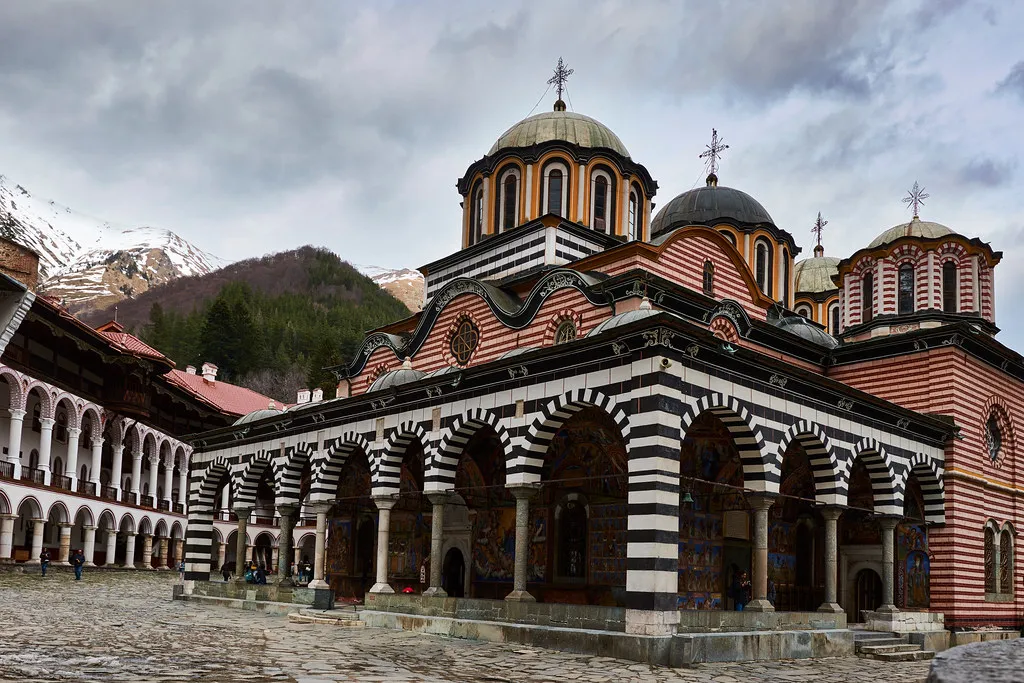
The current complex largely dates from the 19th century after a devastating fire in 1833. Bulgarian masters like Alexi Rilets led the reconstruction efforts. This period saw the creation of its most iconic architectural features.
The Rila Monastery was recognized as a UNESCO World Heritage site in 1983. This designation acknowledges its exceptional universal value. It remains a testament to Bulgarian artistry and resilience.
What to See and Do at Rila Monastery
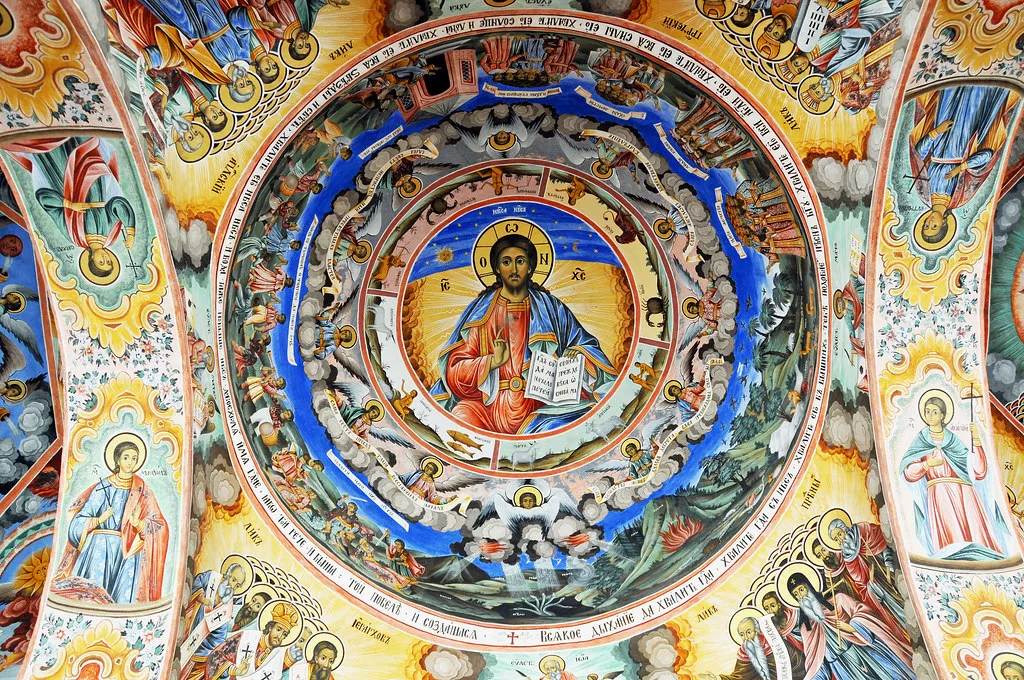
The main church, known as the "Rozhdestvo Bogorodichno," is the monastery's centerpiece. Its vibrant frescoes cover both interior and exterior walls. These paintings depict biblical scenes and saints with incredible detail.
Visitors should also explore Hrelyo's Tower, a stone defense tower from the 14th century. It is the oldest surviving building in the complex. You can climb to the top for panoramic views of the monastery courtyard.
The Monastery Museum houses a rich collection of artifacts, including ancient manuscripts and religious items. One notable exhibit is the Rafail's Cross, an intricately carved wooden cross. This cross features 104 religious scenes and 650 miniature figures.
Do not miss the old monastery kitchen, with its enormous cauldrons and chimneys. It offers a glimpse into the monastic life of past centuries. This area highlights the self-sufficiency of the community. Many visitors find this historical insight fascinating.
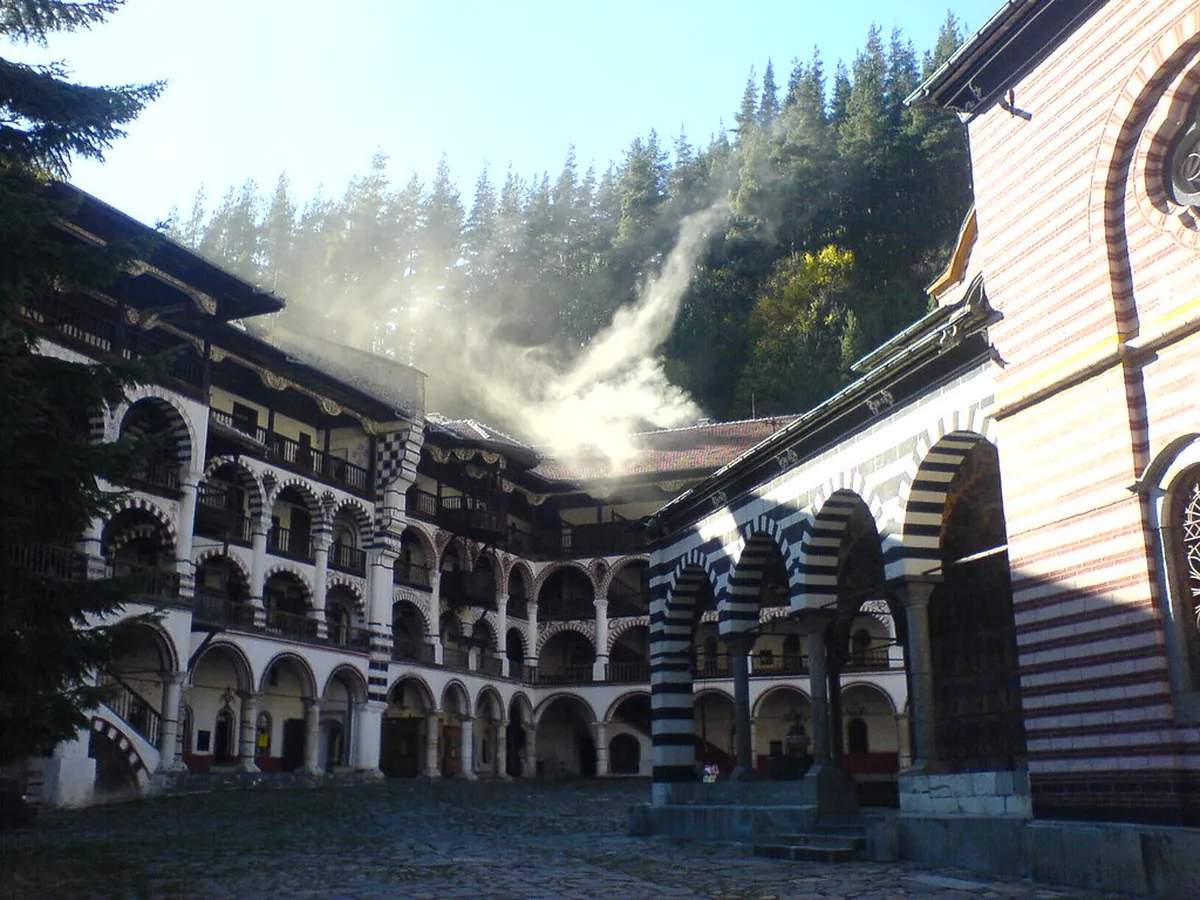
Wander through the residential quarters to admire the unique architecture and carved wooden balconies. Each archway and column shows impressive craftsmanship. The serene atmosphere invites quiet contemplation. Consider spending a night in the monastery for a deeper experience, as discussed in Where to Stay Near Rila Monastery: Your Complete Guide.
Planning Your Visit: Getting There & Around
Rila Monastery is about 120 kilometers south of Sofia, making it an ideal day trip. Several transportation options are available to suit different budgets and preferences. Planning ahead ensures a smooth journey to this remote location.
Many travelers opt for an organized 11 Essential Tips for a Rila Monastery Day Trip From Sofia. These tours often include transportation and a guide. They provide convenience and insights into the site's history.
Public transport is another option, though it requires more planning. A direct bus departs from Sofia's Zapad (West) Bus Station once daily. Confirm the bus schedule to Rila Monastery in advance for 2026 travel.
Driving offers the most flexibility, allowing you to explore at your own pace. The journey takes about two hours from Sofia. Parking is available near the monastery entrance for a small fee. Ensure your rental car includes mountain driving capabilities.
Consider combining your visit with other nearby attractions for a fuller experience. Many tours offer a combined Rila Monastery & Seven Rila Lakes Tour: Your 1-Day Itinerary & Guide. This allows you to see more of the beautiful Rila Mountains.
Best Time to Visit Rila Monastery
The shoulder seasons of spring (April-May) and autumn (September-October) are often ideal for visiting Rila Monastery. The weather is generally mild and pleasant for exploring. Fewer crowds mean a more tranquil experience.
Summer (June-August) brings warmer temperatures and lush green landscapes, but also the largest crowds. Expect longer lines and more people in photographs during these months. Book accommodations and tours well in advance for summer visits.
Winter (November-March) offers a magical, snow-covered landscape, which can be truly breathtaking. However, some roads may be challenging to navigate, and temperatures are much colder. Check weather forecasts and road conditions before traveling in winter.
Regardless of the season, aim to arrive early in the morning, especially on weekends. This strategy helps avoid peak tourist rush. You will enjoy the monastery's serene beauty with fewer distractions. Find more detailed seasonal advice in our guide on the Best Time to Visit Rila Monastery: Seasonal Guide & Travel Tips.
Practical Tips for a Smooth Visit
Rila Monastery is an active religious site, so respectful attire is essential. Both men and women should cover their shoulders and knees. Scarves are often available for rent or purchase at the entrance if needed.
Photography is generally allowed in the courtyard and museum, but check for specific restrictions inside the church. Flash photography is usually prohibited in sacred spaces. Always be mindful of others practicing their faith.
The monastery has a few small shops selling souvenirs, icons, and local products. There are also a couple of restaurants and cafes nearby for meals and refreshments. You can find restrooms within the complex.
The monastery operates with specific opening hours and entrance fees for certain sections. The main courtyard is usually free to enter, but the museum and Hrelyo's Tower require tickets. Verify these details on the Rila Monastery Official Website before your visit.
Consider bringing cash for small purchases or donations, as not all vendors accept cards. Allow at least 2-3 hours to fully explore the monastery complex. This ensures you can appreciate its beauty without feeling rushed.
Combining Rila Monastery with Other Attractions
Many visitors choose to combine their trip to Rila Monastery with a hike to the Seven Rila Lakes. This stunning glacial lake group is located higher in the Rila Mountains. It offers breathtaking natural beauty and rewarding trails.
Another option is to visit the nearby village of Rila or the town of Blagoevgrad. These locations provide a glimpse into local Bulgarian life. You can experience traditional cuisine and hospitality in these charming spots.
For those interested in history beyond the monastery, explore other cultural sites in the region. The Stob Pyramids, a natural rock formation, are a short drive away. They offer unique geological formations to admire. Bulgaria also has a rich network of sacred sites worth discovering — see our guide to the best Bulgarian monasteries for a full circuit beyond Rila.
Consider an overnight stay in the Rila Mountains for a more immersive experience. This allows for early morning monastery visits or extended hiking. You can find guesthouses and hotels in nearby towns. Explore accommodation options near Rila Monastery for convenience.
Explore More Rila Monastery Guides
Dive deeper into planning your visit with our complete Rila Monastery cluster:
Frequently Asked Questions
What is the history of Rila Monastery?
Rila Monastery was founded by Saint Ivan of Rila in the 10th century. It served as a vital spiritual and cultural center for centuries. Most of the current structures were rebuilt in the 19th century after a major fire.
What are the must-see attractions at Rila Monastery?
Key attractions include the main church with its vibrant frescoes and Hrelyo's Tower. The Monastery Museum, containing the Rafail's Cross, is also a highlight. Do not miss the historic monastery kitchen.
How do I get to Rila Monastery from Sofia?
You can reach Rila Monastery from Sofia by organized tour, public bus, or rental car. Organized tours offer convenience, while driving provides flexibility. Public buses depart daily from Sofia's Zapad (West) Bus Station. Check transport options for current schedules.
What is the best time of year to visit Rila Monastery?
Spring (April-May) and autumn (September-October) offer pleasant weather and fewer crowds. Summer is popular but can be very busy. Winter provides a unique snowy landscape, but access may be challenging.
Are there any dress code requirements for visiting Rila Monastery?
Yes, visitors should dress modestly. Shoulders and knees must be covered as it is an active religious site. This applies to both men and women. Ensure respectful attire for your visit.
Rila Monastery offers a profound and enriching experience for any traveler to Bulgaria. Its blend of spiritual significance, historical depth, and artistic beauty is truly captivating. Planning your visit carefully will enhance your journey.
From its ancient foundations to its vibrant frescoes, every corner tells a story. This guide provides the necessary tools for a memorable trip. Take time to absorb the peaceful atmosphere and stunning mountain surroundings. You will carry these memories long after you leave.
Whether you arrive by tour, bus, or car, the journey to Rila Monastery is well worth it. This sacred site stands as a testament to Bulgarian resilience and culture. It remains an essential destination for cultural exploration.