9 Things to Know About Ski Resorts in Bulgaria
Discover the best ski resorts in Bulgaria. Our guide covers Bansko, Borovets, and Pamporovo, plus costs, après-ski culture, and tips for beginners.
On this page
9 Things to Know About Ski Resorts in Bulgaria
Ski resorts in Bulgaria offer a fantastic mix of affordable slopes and rich culture for winter travelers. You can find modern facilities tucked away in the beautiful Pirin and Rila mountain ranges. Many visitors choose these destinations because they provide incredible value compared to the expensive French Alps. This guide will help you navigate the best spots for your next snowy adventure in 2026.
Bulgaria has 22 ski resorts in total, from purpose-built international destinations to quiet local hills near Sofia. Three resorts dominate for international visitors — Bansko, Borovets, and Pamporovo — but smaller spots like Dobrinishte and Vitosha have their own appeal. This guide compares them all so you can match the resort to your ability level, budget, and holiday style.
Key Takeaways
- Bansko offers the best mix of modern skiing and historic culture.
- Expect to save 40-60% on costs compared to major Alpine resorts.
- Pamporovo is the ideal choice for families and first-time skiers.
- Arrive early at the Bansko gondola to avoid peak morning queues.
Where to Ski in Bulgaria: The Top Resorts
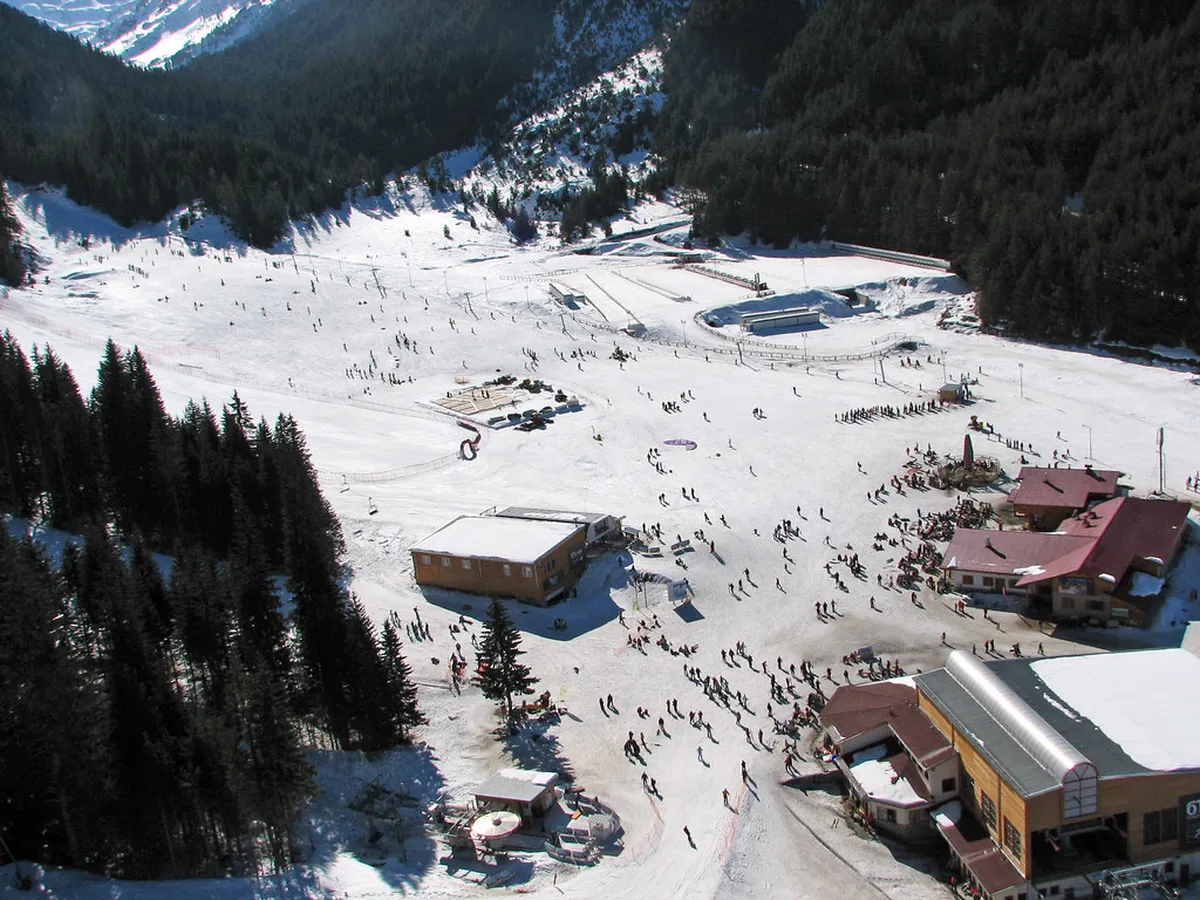
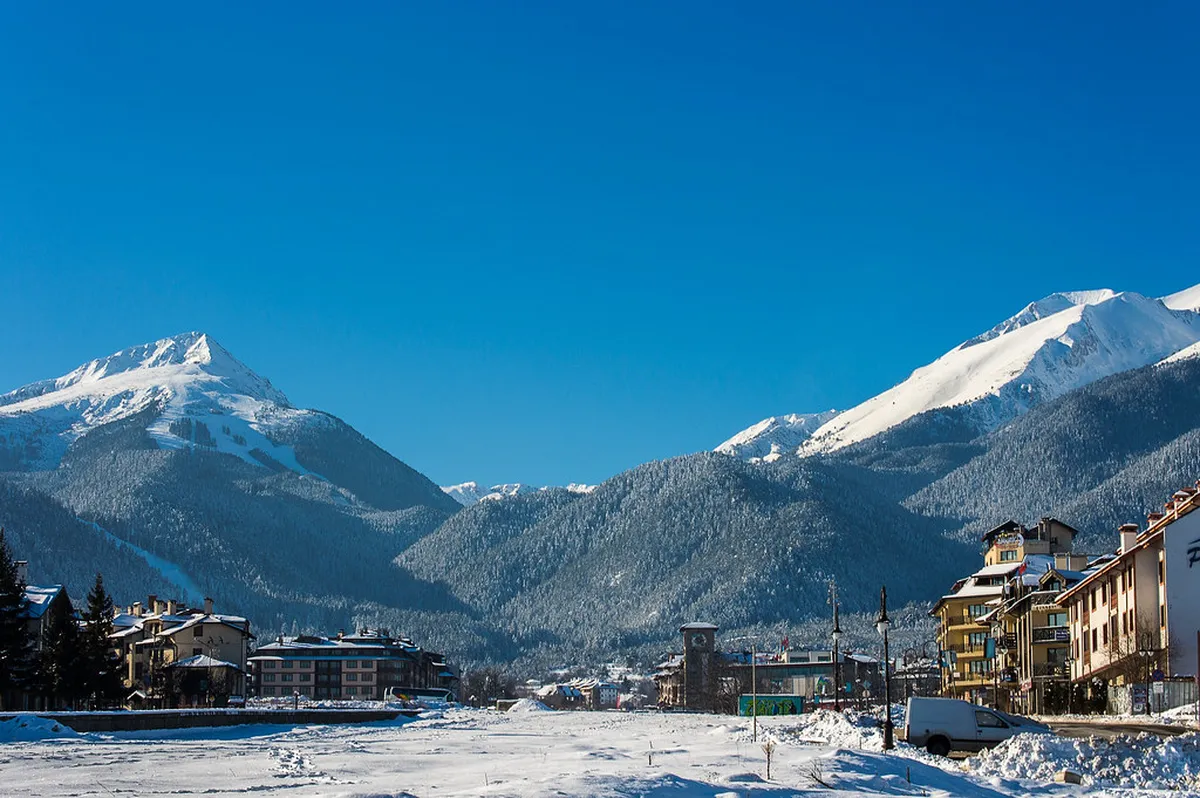
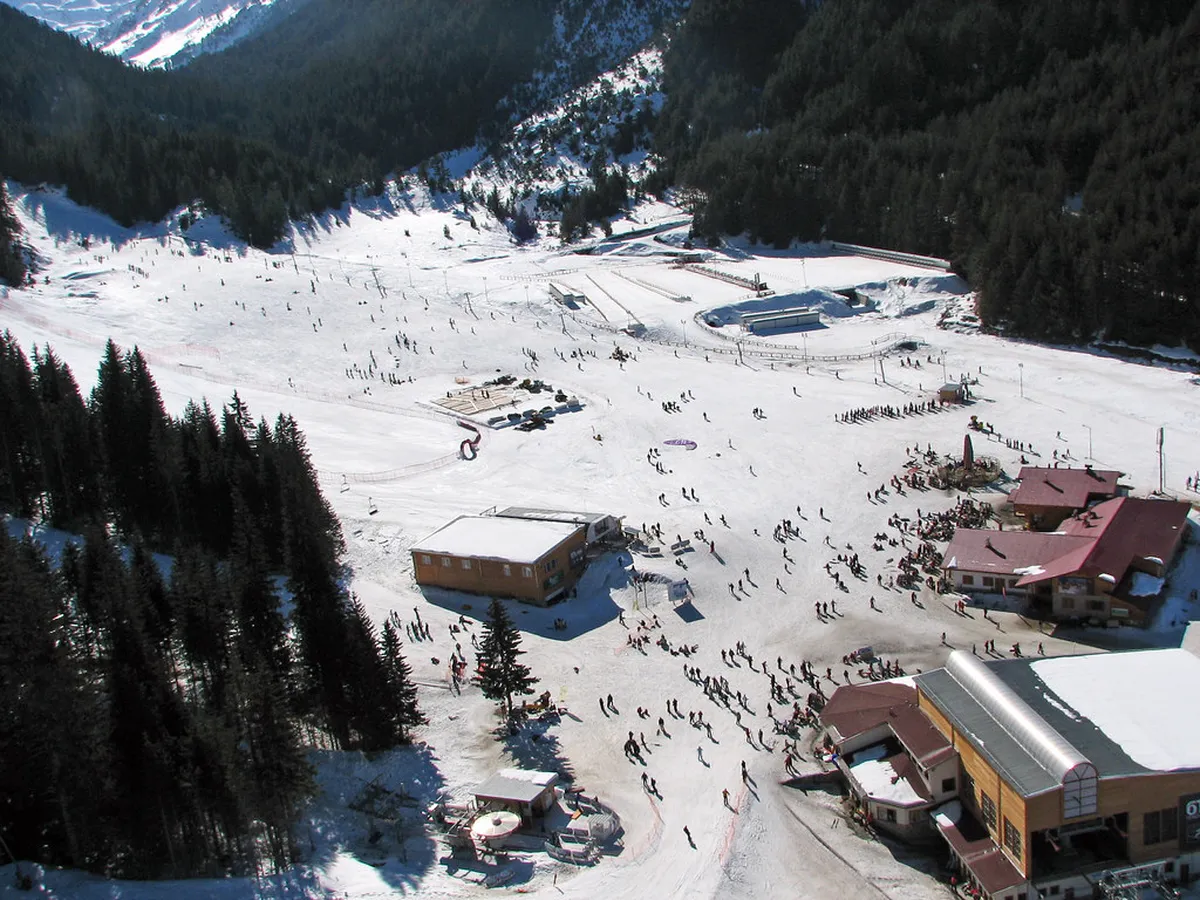
Bansko is the most popular resort for international visitors and the largest ski area in Bulgaria. It sits in Pirin National Park, about 160km south of Sofia, with 75km of marked pistes between 1100m and 2600m altitude. The lift system has been modernised extensively — there is a high-speed eight-person gondola from town plus fast chairlifts higher up. The historic old town at the bottom is a UNESCO World Heritage-listed area of cobblestone streets and stone-built guesthouses, which gives Bansko a character that purely purpose-built resorts cannot match. Read our detailed Skiing In Bansko Bulgaria to learn more about the specific runs available.
Borovets is Bulgaria's oldest ski resort, established in 1896, and sits about 73km from Sofia in the Rila Mountains. The area covers around 58km of slopes at 1300m to 2560m, split across three linked sectors with a good mix of beginner, intermediate, and black runs. Its compact layout puts most hotels, bars, and lift bases within easy walking distance of each other. Check out our 11 Essential Tips for Borovets Ski Resort for tips on the best accommodation near the gondola.
Pamporovo lies in the Rhodope Mountains in southern Bulgaria, roughly 1.5 hours from Plovdiv. It is the sunniest of the three main resorts, which means more pleasant conditions but sometimes lighter snowfall. The 37km of pistes are predominantly green and blue, making it a stress-free environment for families and first-timers. Our Pamporovo Ski Resort covers everything you need to know about this family-friendly destination.
Beyond the big three, Dobrinishte is worth knowing about. It sits just 10 minutes by car from Bansko and shares the same Pirin Mountain terrain. The slopes are quieter and lift queues are essentially non-existent, making it a smart choice if you want Bansko-quality skiing without the crowds. Vitosha, on the edge of Sofia itself, offers 20km of slopes and is useful for a half-day out of the capital. Deciding between Bansko or Borovets is the question most visitors ask first, and the comparison below helps.
| Resort | Piste Length | Top Altitude | Best For | Distance from Sofia |
|---|---|---|---|---|
| Bansko | 75km | 2600m | All levels, longest season | 160km (2h) |
| Borovets | 58km | 2560m | Intermediates, nightlife | 73km (1h15) |
| Pamporovo | 37km | 1926m | Beginners, families | 240km (2h45 via Plovdiv) |
| Dobrinishte | 25km | 2600m | Uncrowded alternative to Bansko | 165km (2h10) |
| Vitosha | 20km | 2290m | City-break add-on, day trips | 10km (10min) |
How Much Does a Bulgaria Ski Holiday Cost?
Planning a cheap ski holiday in Bulgaria is much easier than in Western Europe, but it is worth having accurate numbers. A six-day adult lift pass in Bansko for the 2024-25 season cost 635 lev (around €325). That is comparable to a similar-sized Alpine resort for the pass alone, though equipment hire is where Bulgaria pulls ahead: six days of ski, pole, and boot hire runs roughly 185 lev (about €95), versus €159 or more in a French resort like Morzine. The real savings come on accommodation, food, and drink rather than the lift pass.
Dining on the mountain costs roughly the same in Bulgarian lev as you would pay in euros at an Alpine resort. A beer on the slopes runs 6–8 lev (€3–4), and a mountain lunch with soup and a main course comes to around 20–25 lev (€10–13). The dramatic saving is in town. In the resort villages and especially in Bansko's old town, a beer drops to 3 lev (about €1.50) and a full evening meal with wine lands at 25–30 lev (€13–15 per person).
Accommodation prices remain genuinely competitive even during peak school holiday weeks in February. Luxury hotels with spa facilities — including five-star properties — often cost the same as basic apartments in more expensive European resorts. Booking several months in advance brings the deepest discounts on premium lodging. Many hotels include breakfast and dinner in their rates, which further reduces your daily spending. All-in packages combining flights from the UK, transfers, and half-board accommodation in Bansko or Borovets frequently come in at €400–600 per person for a week.
Equipment hire costs roughly 185 lev (€95) for six days in Bulgaria, significantly less than Alpine resorts. The real savings come from affordable food and lodging rather than lift passes.
The Best Time to Visit for Snow
The best time to ski in Bulgaria generally falls between late December and early April. January and February provide the coldest temperatures and the most consistent natural snowfall across the mountains. Travelers who visit in March often enjoy longer daylight hours and pleasant sunny conditions on the slopes. Late-season skiing in April can be hit-or-miss but often features significantly lower prices for accommodation.
Bansko and Borovets both sit at similar top altitudes of around 2560m, giving them the longest and most reliable seasons. Borovets can stay open until late April in a good year. Pamporovo's lower elevation and more southerly position make it more susceptible to warm spells, so December through February is the safer window there. Snow-making systems at all three main resorts now cover the key runs, so a dry spell rarely means closure of the main pistes.
Peak holiday periods like New Year and the February half-term are the busiest times on the mountains. You should expect longer wait times at the lifts and busier restaurants during these specific weeks. Visiting in mid-January or early March offers a much quieter experience with plenty of space on the pistes. Mid-week skiing is also a great way to avoid the weekend crowds coming from the city of Sofia.
Arrive at the Bansko gondola by 08:30 to avoid morning queues that can stretch to 45 minutes during peak weeks. Alternatively, use the upper chairlifts at Shiligarnika via shuttle to bypass the queue entirely.
Is Bulgaria Good for Beginners?
Many people wonder if skiing in Bulgaria for beginners is a good choice for their first trip. The answer is yes. Ski schools across all three major resorts are well-organized, English-speaking instructors are standard, and group lesson prices are reasonable. Six half-day group lessons in Bansko cost around €250, while a two-hour private lesson runs approximately €95 — cheaper than France for private tuition.
Pamporovo is most often cited as the best resort for learning. Its green and blue runs dominate the piste map, the nursery area is right in the resort centre, and the relaxed atmosphere means there is no pressure to advance faster than you are comfortable with. Borovets has an excellent learning area near the Rila Hotel that works well for children and nervous adults. Bansko has good beginner facilities too, though the morning gondola queue can be an unwelcome introduction to skiing for a complete first-timer.
Progression comes quickly because the resorts offer a solid mix of blue and red runs for building confidence. You can move from the nursery area to higher terrain within just a few days. Affordable multi-day packages often bundle lessons, lift passes, and equipment hire together, making the first ski holiday genuinely accessible for families on a modest budget.
Beyond the Piste: Off-Piste and Ski Touring in Pirin
Bulgaria's marked piste network is smaller than the Alps, so experienced skiers who cover ground quickly sometimes worry they will get bored. The answer is Pirin National Park's backcountry. The mountains surrounding Bansko contain extensive off-piste terrain and touring routes that are almost entirely untracked by international visitors. A certified local mountain guide can take intermediate and advanced skiers into quieter valleys that are inaccessible on lift-served pistes, with untouched powder lasting well into the week after a snowfall.
Guided ski touring in Pirin is significantly cheaper than equivalent trips in the Chamonix Valley or the Dolomites. Half-day guided backcountry sessions start at around €50 per person in a small group. The terrain includes couloirs above the Bansko ski area and longer touring circuits in the Vihren massif, where the Vihren peak reaches 2914m. This is something no resort-focused article tells you: Bulgaria's mountains are genuinely wild once you step off the groomed runs.
The Tomba black run inside Bansko's marked ski area is the best-known challenge for experts. It is a genuine World Cup-calibre course that hosted FIS races. But after a day or two on the pistes, hiring a guide for a backcountry session is the move that transforms a Bulgaria ski holiday from "good value" to genuinely memorable for a strong skier.
What to Expect: Facilities and Infrastructure
Bulgarian resorts have undergone significant modernisation over the last two decades. Our Bulgaria Ski Holidays highlights the many fast chairlifts and gondolas now in operation. Bansko in particular has hosted FIS World Cup races, which forced investment in lift infrastructure, snowmaking, and slope grooming up to international standards. You will find high-quality rental shops that stock current-season equipment from major global brands.
The Bansko gondola queue is the most-discussed downside of the resort. During peak weeks, the morning queue at the base station can run to 45 minutes or longer. The practical fix is simple: arrive at the gondola base by 08:30, before the main hotel breakfast rush. Alternatively, a private shuttle or taxi to the upper chairlifts at Shiligarnika bypasses the gondola entirely. This tip alone can reclaim an hour of skiing time per day during busy February weeks.
Luxury accommodation options have expanded with world-class properties like the Kempinski Grand Arena in Bansko, which is the only ski-in, ski-out hotel at the resort. The Yastrebets Wellness and Spa in Borovets offers excellent spa and pool facilities at a price point far below comparable Alpine properties. While some older infrastructure remains at smaller resorts, the overall quality continues to improve. Road surfaces on the approach to some resorts and in parts of the ski villages are rougher than you would find in the Alps — factor in sturdy footwear.
Bulgarian Après-Ski: More Than Just Party Vibes
The après-ski in Bansko and Borovets has a reputation for being loud, cheap, and full of stag groups — and in parts of both resorts, that reputation is earned. Both towns have a dense concentration of bars offering cheap shots, live music, and late-night clubs near the gondola base and the main resort strips. If that is your scene, Bulgaria delivers it at a fraction of the cost of Val Thorens or Verbier.
Travelers seeking a more cultural evening should walk ten minutes from the gondola into Bansko's old town. This is where you find the Mehanas — traditional Bulgarian taverns built into stone-walled medieval townhouses. Inside, there are open fireplaces, wooden beams, and musicians playing folk instruments. The food is homemade and the atmosphere is genuinely warm. A table at a Mehana is one of the most distinctive evenings you can have at any European ski resort, and it costs a fraction of a comparable restaurant in a French resort.
Pamporovo offers a much more relaxed evening vibe with a decent selection of family-friendly restaurants and low-key bars. Borovets is compact enough that even quiet nights out still put you close to the livelier options if the mood changes. No matter which resort you choose, the friendliness of local staff and the absence of the transactional atmosphere common in big Alpine resorts is something most visitors comment on.
Local Flavors: Bulgarian Food and Drink
Trying authentic 15 Must-Try Bulgarian Foods is a highlight of any trip to the mountains. You must try Banitsa — a flaky pastry filled with salty white cheese and eggs, sold warm from bakeries from early morning. It is the ideal pre-slope breakfast, inexpensive and filling. Hearty stews like Kavarma, slow-cooked pork or chicken with peppers and mushrooms in an earthenware pot, are the classic mountain lunch after a cold morning on the runs.
Shopska salad appears on every menu and is the starting point of any Bulgarian meal: diced tomatoes, cucumbers, peppers, and onion topped with a generous snowfall of grated white sirene cheese. Bulgarian yogurt — thick, tangy, and culturally protected as a distinct product — is often served with local honey and walnuts. The grilled meats known as Kebapche and Kyufte are the fast-food staple of the mountain restaurants and are reliably good and cheap.
Rakia is the national spirit and the traditional pre-dinner drink in every Mehana. It is a fruit brandy — plum, grape, or apricot — that ranges from smooth commercial versions to fiery home-distilled bottles offered by guesthouses. Bulgarian wine from the Melnik region (near Bansko) is underrated and excellent: the Melnik grape variety is grown nowhere else in the world. Pair it with a slow mountain dinner and you have one of the genuine pleasures of a Bulgarian ski holiday.
Beyond the Slopes: Tours and Sightseeing
Taking a break from skiing allows you to explore the incredible history and natural beauty of the region. The Rila Monastery is a UNESCO World Heritage site and is easily accessible from both Sofia and Borovets. You will be amazed by the stunning architecture and the intricate frescoes that cover the monastery walls. This spiritual center is tucked away in a mountain valley and offers a peaceful escape from the busy resorts.
A day trip to Sofia provides a chance to see ancient Roman ruins and beautiful Orthodox cathedrals. The capital city is full of trendy cafes, museums, and shopping centres for a different kind of holiday fun. You can reach Sofia in about two hours from Bansko or just over an hour from Borovets. Exploring the city on foot is the best way to see the main landmarks like the Alexander Nevsky Cathedral.
Thermal spas are located near several of the ski resorts. The village of Banya, ten minutes from Bansko, has natural hot springs and modern spa facilities where an afternoon soak costs a few euros. Dobrinishte, just 10 minutes from Bansko in the other direction, is also known for its mineral-water spa hotels — making a two-resort day easy to combine with a thermal recovery session. These spa experiences provide real value compared to Alpine equivalents and are a favourite with families travelling with non-skiers.
Practical Tips for Planning Your Trip
Arranging your transport from Sofia to Bansko in advance will save you time and money. Shared shuttles are the most cost-effective option while private transfers offer more comfort and flexibility. The journey takes you through beautiful mountain scenery and typically lasts around two to three hours. Make sure your driver knows exactly where your hotel is located to avoid any confusion upon arrival. For Borovets, the transfer from Sofia airport is only about 1 hour 15 minutes — a genuine advantage if you have a short trip.
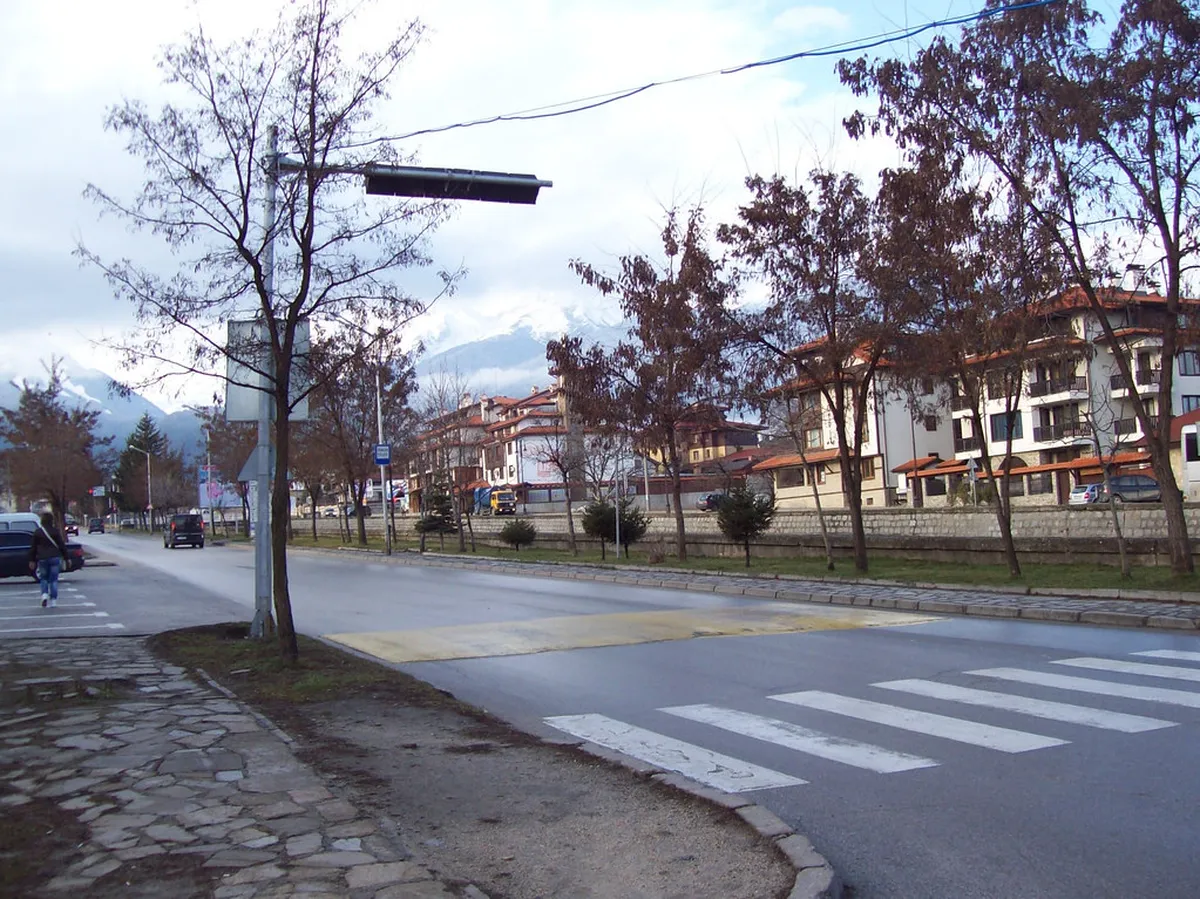
The local currency is the Bulgarian Lev (BGN), pegged to the euro at approximately 1.96 lev to the euro. It is wise to carry some cash for smaller mountain bars and local vendors. Most major hotels and restaurants in the resorts accept credit cards, but smaller shops and Mehanas may not. ATMs are available in all the main resort centres. Budget airlines including easyJet, Wizz Air, and Ryanair all operate direct flights from UK airports to Sofia, with return fares often available well under £100 outside peak weeks.
Packing the right layers is essential as temperatures drop sharply once the sun goes behind the ridge. You should bring high-quality thermal underwear and a waterproof ski jacket to stay warm on the lifts. Sunscreen is non-negotiable on clear days — the mountain UV at altitude is strong even in January. Travel insurance covering winter sports activities is essential; check that your policy includes off-piste skiing if you plan any guided backcountry sessions.
Ski resorts in Bulgaria provide a genuine alternative to the more expensive destinations in Western Europe. Whether you are a beginner, an intermediate skier, or someone ready to explore Pirin's backcountry, you will find terrain and value that matches your ambitions. The combination of modern lift infrastructure, traditional Mehana culture, and some of Europe's most affordable mountain food makes for an unforgettable winter holiday.
Start planning your trip early to secure the best prices on lift passes and accommodation for the 2026-27 season. Book your ski school lessons and transfers in advance, explore the old town Mehanas in the evenings, and consider adding a backcountry day to your itinerary if you are a stronger skier. Bulgaria continues to grow in popularity for good reason — and understanding the differences between its resorts is the key to picking the right one for you.
Explore More Bulgaria Ski Guides
Plan every part of your Bulgarian ski trip — from choosing a resort and timing the snow to lessons, lift passes, family travel and the legendary après-ski scene.
Resort Guides
- Skiing In Bansko Bulgaria
- Borovets Ski Resort
- Pamporovo Ski Resort
- Smaller Ski Resorts in Bulgaria and Planning Tips
Plan Your Ski Trip
- Bulgaria Ski Holidays
- the best time to ski in Bulgaria
- budget ski holidays in Bulgaria
- How to Get from Sofia to Bansko
- Bansko Ski Season
- Bulgaria's winter highlights
For Every Skier
Compare & Après-Ski
Frequently Asked Questions
Is skiing in Bulgaria cheaper than France?
Yes, Bulgaria is significantly more affordable than traditional French resorts like Val d'Isère or Courchevel. You can expect to pay much less for lift passes, equipment hire, and daily mountain meals. Budget-conscious travelers often save hundreds of Euros on a standard one-week winter holiday.
Which is better, Bansko or Borovets?
Bansko is better for those who want a modern resort with a large ski area and a historic old town. Borovets is the preferred choice for visitors seeking short transfer times and a very lively nightlife scene. Both offer excellent value and high-quality facilities for all levels.
Is Bulgaria good for expert skiers?
While Bulgaria is famous for beginners, expert skiers will find challenging black runs and some off-piste opportunities in Bansko. The Tomba run is a world-class black piste that tests even the most experienced athletes. However, the total mileage of expert terrain is smaller than in the Alps.
What is the snow record like in Bulgaria?
Bulgaria has a reliable snow record with the season typically running from December through April. Modern snow-making systems ensure that the main runs stay open even during dry spells. February is generally the most reliable month for deep natural snow cover across all mountain ranges.
Can you ski in Bulgaria in March?
March is actually one of the best months to ski in Bulgaria due to the combination of good snow and sunny weather. The days are longer, the temperatures are milder, and the resorts are usually less crowded than in February. It is a perfect time for spring skiing enthusiasts.