Independent Bulgaria travel guide
Ruse: Best Photo Spots
The best photography spots in Ruse, Bulgaria for 2026: golden-hour locations, drone rules, gear tips, and the exact angles that make the Danube's "Little Vienna" shine.
On this page14 sections
Ruse, Bulgaria's "Little Vienna," packs more Neo-Baroque, Secession and Art Nouveau facades into one square kilometre than any other city on the lower Danube. For photographers in 2026 that translates to dense vantage points: a single 20-minute walk from Svoboda Square to the river produces enough material for an entire Lightroom catalogue. This guide is built around the spots themselves but also the practical layer most articles skip — what time of day each location works, where drones are actually legal, and which lens to pull out of the bag.
Use it alongside our wider Best Views in Ruse: 8 Panoramic Viewpoints for 2026 roundup, and if you want context on the surrounding riverfront and parks check the Outdoor & Nature in Ruse guide. Solo shooters can pair this with the Solo Traveler’s Guide; couples chasing twilight portraits will find more ideas in Romantic Things to Do in Ruse guide, and families balancing kids with shutter time should see Family-Friendly Activities in Ruse.
Best Time of Year and Time of Day for Ruse Photography
Ruse sits at 43.85 N, which gives it a noticeably stronger golden hour than Sofia or Plovdiv because the sun tracks lower across the Danube horizon. The sweet windows in 2026 are mid-April to early June (cherry blossom in the city park, mist on the river) and late September to early November (orange foliage on the embankment plus crisp air that cuts haze across to Romania). July-August midday light is brutal and high-contrast — shoot before 09:00 or after 18:30.
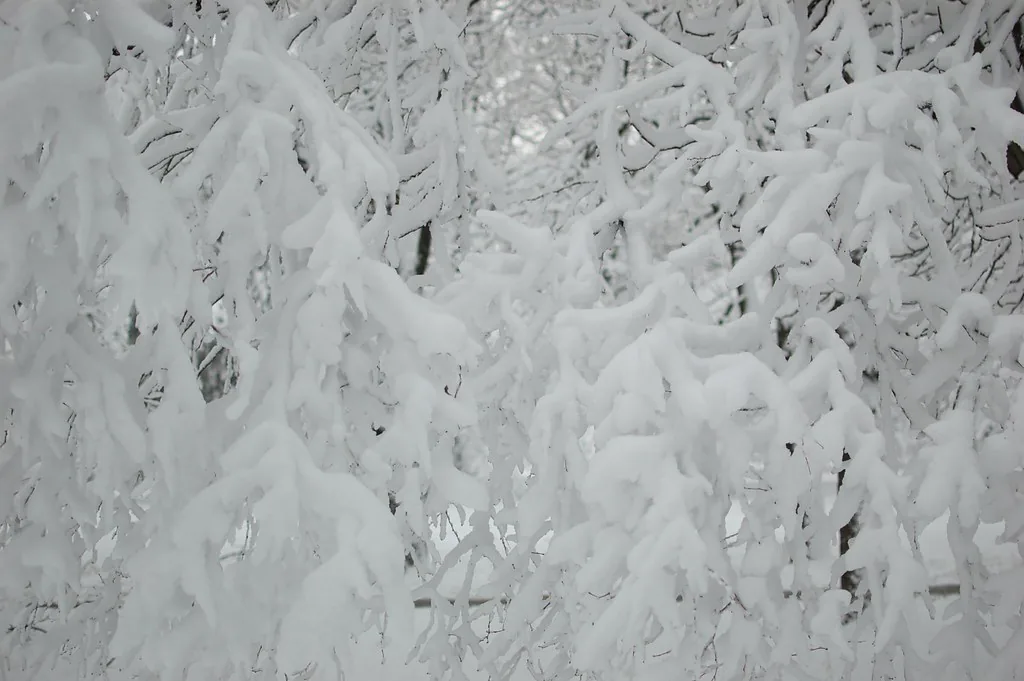
Blue hour lasts roughly 25 minutes after sunset because of the river reflection; that is when Svoboda Square and the Dohodno Zdanie facade reach their best ratio of warm tungsten light against deep blue sky. For the riverfront, sunrise is the better call — the Danube faces north-east, so the sun rises across the water and lights the Bulgarian bank, not the Romanian one. Winter dawns frequently produce a low ground fog that drifts off the river around 07:30 and is some of the most cinematic light Ruse offers.
💡 Good to know: Because the Danube faces north-east, you can shoot both directions on one morning without backtracking: catch sunrise on the riverfront for backlit ships and ground fog, then walk five minutes inland so the same low light rakes warmly across the Svoboda Square facades. Save the river-facing buildings for blue hour, when the 25-minute reflection window balances their uplighting against the sky.
Svoboda Square and the Monument of Liberty
Svoboda (Liberty) Square is the geometric and emotional centre of Ruse and the obvious starting point. The Monument of Liberty, a 22-metre granite column topped by a bronze figure of Liberty designed by Italian sculptor Arnoldo Zocchi in 1909, sits dead-centre. Shoot it at sunrise from the south side of the square — the sun rises behind the Court House and rim-lights the bronze figure against the sky. A 35mm or 50mm gives you the figure plus the surrounding Neo-Baroque facades; a 70-200mm compresses the column against the Court House dome behind it.
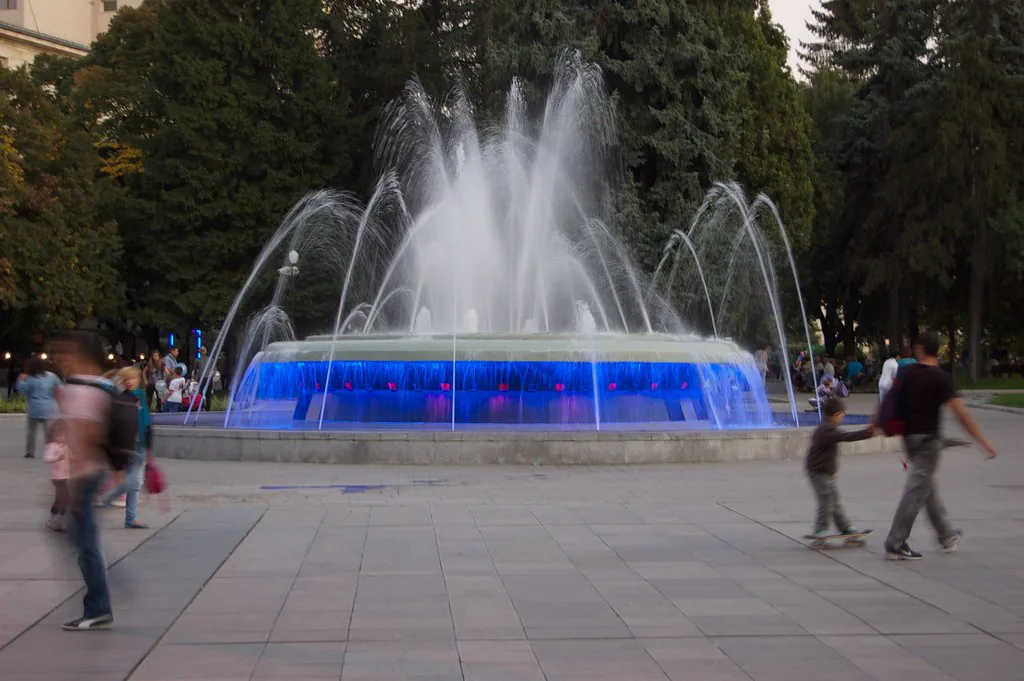
The square is fully pedestrianised, so you can set a tripod without harassment outside of cafe terraces. Local police are relaxed about photography but will move you on if you block the central fountain during summer evenings when families gather. For the best long-exposure water trails on the fountain, come on a Friday or Saturday between 21:00 and 22:00 in summer when it is illuminated.
Dohodno Zdanie (Profitable Building) and the Theatre Facade
The Dohodno Zdanie Visitor Guide, completed in 1902 by Viennese architect Peter Paul Brang, is the most-photographed facade in Ruse — and rightly so. The building houses the Sava Ognyanov Drama Theatre and is fronted by allegorical statues of Industry, Trade and Agriculture by Italian sculptor Arnoldo Zocchi (the same man behind the Liberty column). The trick is angle: stand on the north-west corner of the small park opposite, not directly in front, so the side wing leads diagonally into the frame and the statues sit against the sky rather than against the wall.
Late afternoon light hits the facade head-on between roughly 16:00 and 18:00 from March through October. After dark, two warm uplighters illuminate the central pediment — bring a tripod and shoot at f/8, ISO 200, 8-15 seconds for a clean low-noise capture. Avoid wide-angle distortion under 24mm unless you want the columns to bow; a 35mm prime is the workhorse here.
The Pantheon of the National Revival Heroes
Most photo guides skip the Pantheon, which is a mistake. Built in 1978 inside the old city park to house the remains of 453 Bulgarian revival figures, it is a circular concrete structure crowned by a 7-metre gold-leaf dome that absolutely glows at sunset. The dome was re-gilded in 2020 and now reflects light visible from the Romanian bank of the Danube. Shoot from the eastern path approach so the dome floats above the surrounding plane trees.
The interior, with its eternal flame and circular crypt, is open daily 09:00-17:30 (entry around 4 BGN). Photography is permitted without flash but you cannot use a tripod inside without prior written request — a fast 35mm f/1.8 handles the dim interior. For the strongest exterior shot, return at the precise moment of sunset when the gold catches direct horizontal light; the window is roughly 8 minutes.
The Danube Embankment and Riverfront Promenade
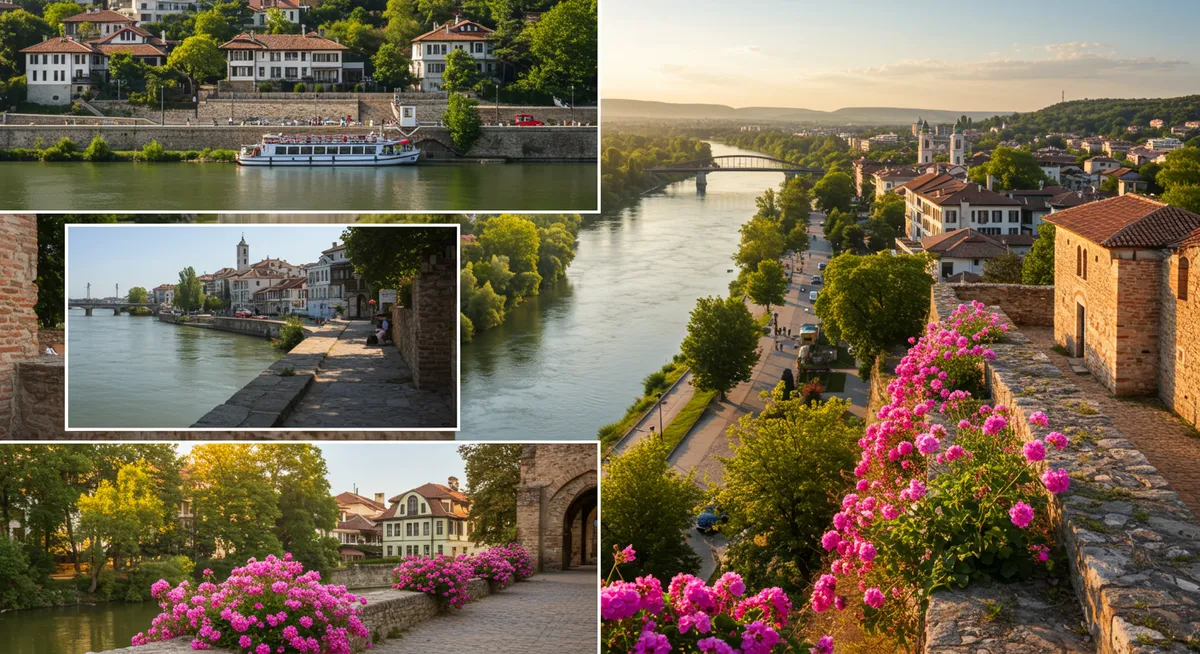
The riverfront is where Ruse separates itself from every other Bulgarian city. The embankment runs roughly 3 km from the cargo port east to the passenger terminal, and the best photographic stretch is the central kilometre between the Monument of the Soviet Army and the Sexaginta Prista Roman fortress remains. Sunrise across the Danube produces cleanly backlit silhouettes of moored cruise ships (typically Viking and AmaWaterways vessels berth April-October), with the Friendship Bridge visible in the distance to the east on clear days.
For wildlife, an early summer dawn at the eastern stretch near Lipnik Park can produce cormorants, herons and the occasional white-tailed eagle — bring at least a 300mm lens. A polarising filter cuts river glare and deepens the blue when the sky is open. If you want the river in context with the city, climb the steps up to the upper embankment at the Pantheon viewpoint for a layered cityscape.
Saint Trinity Cathedral and Saint George Church
Saint Trinity Cathedral sits below street level — you literally walk down into it because Ottoman-era restrictions forbade Christian churches from rising above mosques. That sunken position produces a unique compositional opportunity: shoot from the surrounding plaza looking down across the carved wooden iconostasis (one of the finest in Bulgaria, completed in 1863 by the Tryavna school) framed by the surrounding railing. Interior photography is allowed during non-service hours; flash is forbidden, and women should cover shoulders.
Saint George Church, two streets away, is smaller but rewards detail work. The intricate facade with its carved stone arches works best in late morning when the sun rakes across from the south-east. A macro or 100mm lens captures the iconography without distortion. For both churches, check the service schedule posted at the entrance and avoid Sunday mornings (10:00-12:00) and major Orthodox feast days unless you specifically want congregational photography.
Drone Rules and Where You Can Actually Fly in Ruse
Bulgarian drone law follows the EU EASA framework. As of 2026, drones under 250 g (DJI Mini series, Autel Nano) flown in the Open A1 subcategory do not require operator registration if you are an EU resident, but non-EU tourists still need to register with Bulgaria's General Directorate for Civil Aviation Administration (GD CAA) before first flight — registration is online, costs around 25 BGN and is valid for one year. Drones 250 g and above always require registration plus visible operator ID on the aircraft.
Inside Ruse city centre, you cannot legally fly over Svoboda Square, the Court House, the Pantheon area during open hours, or the riverfront passenger terminal (it is an active border crossing point with Romania). The two practical legal takeoff zones are the eastern end of the embankment past Lipnik Park, and the Rusenski Lom canyon edges south of the city — both well outside the 5 km airport buffer of Ruse Airport. A pre-flight check of the GD CAA online map is mandatory; controlled airspace lines do shift seasonally.
Day Trips: Ivanovo Rock Churches, Cherven Fortress and Rusenski Lom
The most rewarding photographic day trip from Ruse is the loop south to Ivanovo Rock Churches and Cherven Fortress, both inside Rusenski Lom National Park. Ivanovo's UNESCO-listed cave churches contain 13th- and 14th-century frescoes that survive because of the constant cave temperature; interior light is extremely low (1/15s at f/2.8, ISO 3200 is typical) and tripods are forbidden — bring a fast prime and brace against the rock wall.
Cherven Fortress, 35 km south of Ruse, perches on a meander of the Cherni Lom river. Arrive 90 minutes before sunset for the magic combination of side-lit limestone, the surviving 12th-century tower silhouetted against the sky, and the river bend below. The drive back at dusk through the canyon often produces deer crossings — keep a long lens accessible. Both sites have entry fees under 6 BGN and open seasonally; check before driving.
Basarbovo Rock Monastery and Orlova Chuka Cave: The Photographers' Favourites
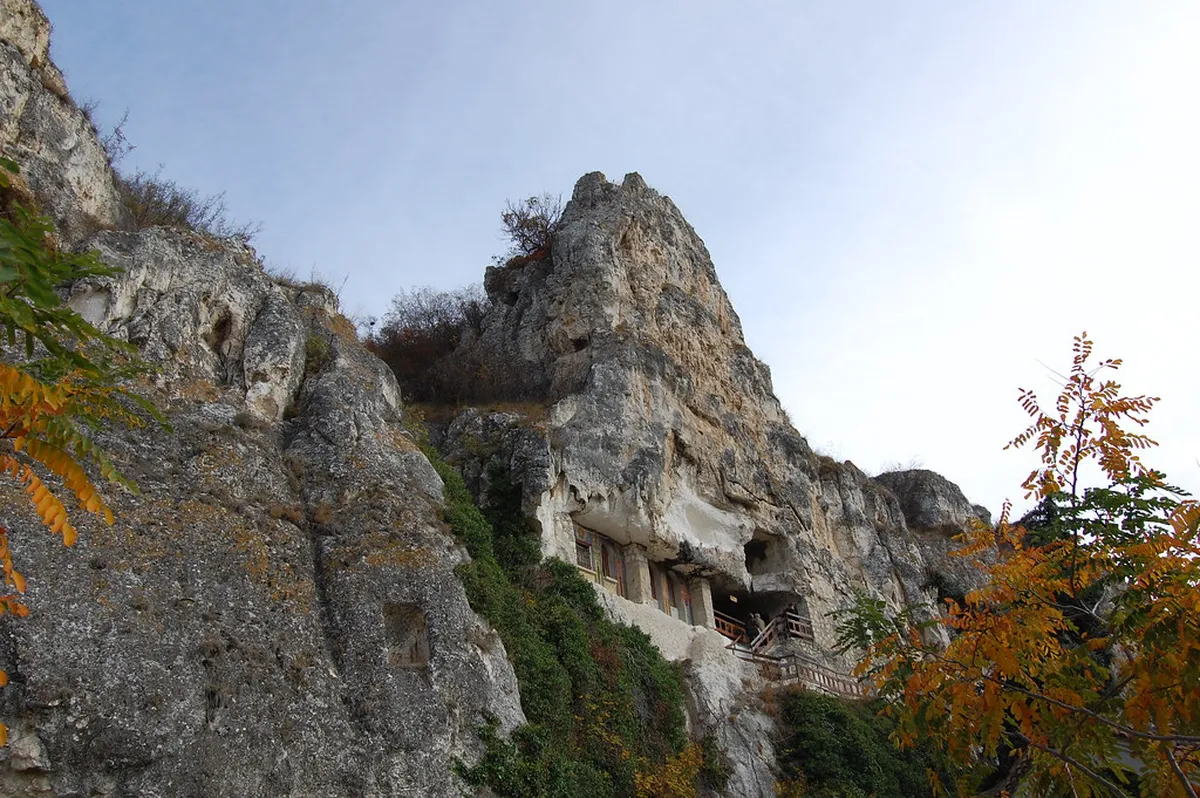
The spots that rank highest on dedicated photo-location databases for the Ruse region are the two most photographers skip on a city-only visit — and both sit a short drive south of the centre. Basarbovo Rock Monastery, just 10 km from Ruse, is the only still-functioning cave monastery in Bulgaria, with chapels and cells carved directly into a sandstone cliff above the Rusenski Lom river. Shoot it from the access path below in the early afternoon, when sun rakes across the cliff face and throws the carved window openings into relief; the worn rock-cut staircase climbing the face is the signature frame. Interior chambers are dim and lit by candles — a fast 35mm and a steady brace handle them, and entry is by donation, so keep coins on hand.
Orlova Chuka, near the village of Pepelina, is the second-longest cave in Bulgaria with over 13 km of mapped passages. Only the ~600 m show-cave section (a 40-minute guided loop) is open, and the holds-steady 10-12 °C interior means a light jacket even in August. Flash-free long exposures off a small brace render the stalactite chambers and one of the country's largest bat colonies; entry runs around 8 BGN. Neither site is on a public bus route, so chain them with Ivanovo and Cherven into the south-of-Ruse loop described above — full logistics and travel times are in the Rusenski Lom National Park Guide: 10 Essential Planning Tips and the Outdoor & Nature in Ruse roundup.
💡 Good to know: The rural sites — Basarbovo, Orlova Chuka, Ivanovo and Cherven — run mostly on cash and have no ATMs at the trailheads. Carry 30-40 BGN in small notes per person to cover entry fees and a taxi leg, and remember tripods are forbidden inside Ivanovo's cave churches and Orlova Chuka, so a fast prime you can hand-hold against the rock is worth more than a travel tripod on this loop.
The December 7 Lantern Procession and Other Festival Light
December 7 is St. Nicholas Day, Ruse's patron saint, and the city stages a lantern procession from Saint Trinity Cathedral up to Svoboda Square in the late afternoon. It is a hyper-local event almost no foreign photographer attends, which means you get warm-light shots of the cathedral surrounded by hundreds of hand-held candle lanterns with no other tripods in your frame. Shoot at ISO 1600, f/2 to freeze motion of the moving lanterns; a 35mm full-frame equivalent is ideal for the close-quarters crowd.
Other festival light worth planning around: the March Music Days festival (mid-March to early April) brings concerts to the Dohodno Zdanie with crowds spilling onto the lit facade after performances, and the late-June Ruse Carnival fills the riverfront with costumed parades. For everyday city-life atmosphere, see Ruse Events 2026 – What’s On and pair it with the Ruse culture guide to time your visit around something specific.
Practical Gear, Etiquette and Safety
For a single travel kit, a mirrorless body with a 24-70mm f/4 covers about 80% of Ruse — facades, square scenes, riverfront landscapes. Add a 70-200mm for compressed cityscapes from the embankment toward the bridge and for wildlife along the river. A travel tripod with a centre column under 1.6 kg is enough; you do not need a heavy studio rig. Bring a polariser for the river, a 6-stop ND for daytime long exposures of the Danube, and spare batteries — winter mornings drain a battery in under an hour.
Photographing inside churches and the Historical Museum is generally fine without flash; museum staff will tell you immediately if a specific exhibit is restricted. Street photography of locals is culturally accepted but ask before photographing Roma residents, who are sometimes wary of being photographed. The city is safe at night for tripod work in the centre, but the eastern industrial port stretch is poorly lit and worth pairing up for. For getting between spots, see the Transportation in Ruse, Bulgaria guide.
One-Day Photography Itinerary in Ruse
If you have only 24 hours, structure them around light. Pre-dawn (06:30 in summer, 07:30 in winter): walk the embankment for sunrise across the Danube and ground fog. Mid-morning (09:00-11:00): Saint Trinity Cathedral interior, Saint George detail work, Pantheon dome. Lunch and a break. Mid-afternoon (15:00-17:00): Dohodno Zdanie facade head-on, then a slow loop of Svoboda Square as the sun drops.
Sunset: Pantheon dome from the eastern path for the gold-leaf glow, then walk five minutes to the elevated section above the embankment for the river afterglow. Blue hour and into the night: return to Svoboda Square for the illuminated Court House and Dohodno Zdanie, finishing with the central fountain long-exposure. Refuel along the way using the Ruse Food & Drinks guide — the cafes on Aleksandrovska street stay open late and most are happy for you to leave a tripod under the table.
Most Instagrammable Spots and the Geotags That Work
To scout the route before you arrive, this complete walk of Ruse's central pedestrian street shows the exact facades and frames you will be shooting.
If you are shooting for Instagram rather than a print catalogue, the most recognisable Ruse frames cluster on and just off Aleksandrovska street, so you can hit them all on foot. The Dohodno Zdanie facade with its allegorical statues is the single most-shared building in the city; Svoboda Square with the Monument of Liberty and its fountain is the classic centre-of-frame portrait spot; and the gold-leaf dome of the Pantheon catching sunset is the shot that reads instantly as "Ruse" rather than "any Habsburg town." For a softer feel, the sunken plaza around Saint Trinity Cathedral and the carved iconostasis inside give a frame nobody expects from Bulgaria. Tag locations as "Ruse, Bulgaria" (Cyrillic "Русе" surfaces a far larger local photo pool worth scouting before you go), and on the riverfront geotag the embankment promenade rather than the port — the cruise ships and the Friendship Bridge backdrop are what get saved.
The table below distils every primary spot in this guide into a quick at-a-glance plan — when the light is best, and which lens to reach for first.
| Spot | Best light & lens |
| Svoboda Square & Monument of Liberty | Sunrise from the south side; 35-50mm, or 70-200mm to compress the column against the Court House dome |
| Dohodno Zdanie (Drama Theatre) | Head-on light 16:00-18:00, or after-dark uplighting at f/8, 8-15s; 35mm prime |
| Pantheon of National Revival Heroes | The ~8-minute sunset window on the gold dome from the eastern path; 35mm f/1.8 for the dim interior |
| Danube Embankment & Riverfront | Sunrise across the water for backlit ships; polariser, plus 300mm for river wildlife |
| Saint Trinity Cathedral | Non-service hours, shooting down into the sunken plaza; flash forbidden, shoulders covered |
| Basarbovo Monastery & Orlova Chuka | Early-afternoon raking light on the cliff face; fast hand-held prime, no tripods allowed inside |
Frequently Asked Questions
What is the best photography spot in Ruse?
For a single iconic frame, the Dohodno Zdanie (Profitable Building) facade is the most-photographed in the city — shoot it from the north-west corner of the park opposite so the side wing leads diagonally into the frame. For the most distinctly "Ruse" shot, the gold-leaf Pantheon dome catching direct horizontal light at sunset is hard to beat. Both sit within a 20-minute walk of Svoboda Square.
Are the photography spots in Ruse free to visit?
Most of the city's best vantage points are free — Svoboda Square, the Dohodno Zdanie exterior, the Danube embankment and the church plazas cost nothing. Paid sites are modest: the Pantheon interior is around 4 BGN, Orlova Chuka Cave around 8 BGN, Cherven and Ivanovo under 6 BGN, and Basarbovo Monastery is by donation. Carry small cash, as rural sites rarely take cards.
Can you fly a drone in Ruse for photography?
Yes, but not everywhere. Bulgaria follows EU EASA rules; sub-250 g drones in the Open A1 subcategory need no operator registration for EU residents, while non-EU tourists must register with the GD CAA before the first flight (around 25 BGN, valid a year). You cannot legally fly over Svoboda Square, the Court House, the Pantheon during open hours, or the riverfront passenger terminal. The practical legal takeoff zones are the eastern embankment past Lipnik Park and the Rusenski Lom canyon edges — always pre-check the GD CAA map first.
What are the most Instagrammable places in Ruse?
The most-shared frames are the Dohodno Zdanie facade with its allegorical statues, Svoboda Square with the Monument of Liberty and fountain, the Pantheon's gold dome at sunset, and the sunken Saint Trinity Cathedral plaza. On the riverfront, the embankment promenade with cruise ships and the Friendship Bridge backdrop saves better than the port. Geotag as "Ruse, Bulgaria."
When is the best time of year to photograph Ruse?
The two strongest windows are mid-April to early June (cherry blossom in the city park and river mist) and late September to early November (orange foliage on the embankment with haze-cutting crisp air). July-August midday light is harsh — shoot before 09:00 or after 18:30. Winter dawns often bring cinematic ground fog off the Danube around 07:30.
Ruse rewards photographers who plan around light rather than just lists of spots. Pair this guide with our Discover lesser-known places piece for off-the-tourist-track angles, and the Best Things To Do in Ruse guide overview if you want to balance shooting time with non-photo activities. Whether you have an afternoon or a long weekend, the city's architectural density and the Danube together make it one of the most under-rated photo destinations in Eastern Europe in 2026.
Filed under
Continue your journey
Related Bulgaria guides
6 Jun 2026
Nikopol Bulgaria Day Trip From Ruse Travel Guide
30 Jul 2026
Ruse Christmas Market: 2026 Guide to Dates, Zones and Tips
30 Jul 2026
Ruse Danube Cruise Guide: Port Logistics, Excursions & Itineraries
30 Jul 2026
Ruse Parking Guide 2026: Blue Zone Rates, Garages & Free Lots
20 Jul 2026
Best Time to Visit Ruse in 2026: Weather, Events and Crowds
17 Jul 2026