Independent Bulgaria travel guide
Sofia's lesser-known places: Local Secrets for 2026
Discover Sofia's lesser-known places in 2026: UNESCO Boyana Church (10 BGN), Earth & Man Museum (5 BGN), Knyazhevo mineral baths, Dragalevtsi village trails, and the underground Serdika ruins. A local-first guide for 2026.
On this page6 sections
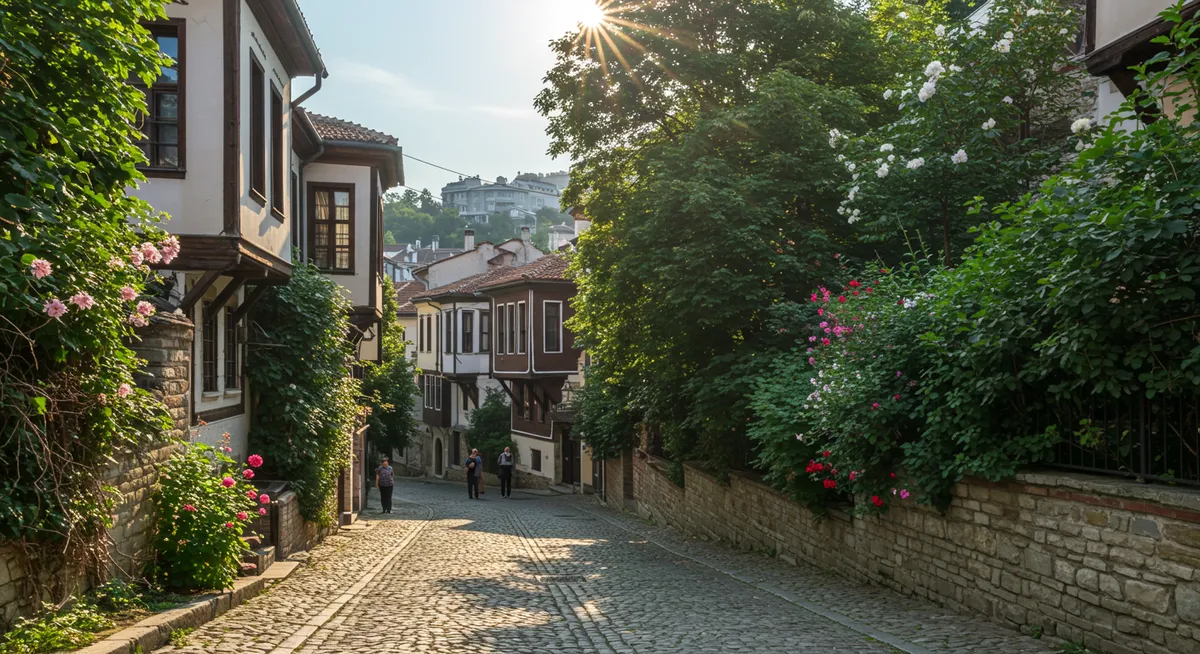
Sofia, Bulgaria, rewards travelers who step beyond Vitosha Boulevard Visitor Guide and the Alexander Nevsky Cathedral Visitor Guide. In 2026, the capital's quietest corners — UNESCO-listed frescoes in a Boyana side street, free mineral baths in Knyazhevo, Soviet-era monuments fading into Borisova Gradina Visitor Guide — offer a more authentic experience than any guidebook circuit. This guide organizes Sofia's lesser-known places by neighborhood and vibe, with current entry fees in Bulgarian lev (BGN), opening hours, and how to reach each spot using public transport. For the broader pillar overview, see our Things To Do in Sofia, Bulgaria guide; for visual scouting, our Sofia Photography Spots companion covers the best lenses and golden-hour timings.
Quick Answer: What Are Sofia's Best lesser-known places in 2026?
Sofia's top lesser-known places for 2026 are the Boyana Church Visitor Guide (UNESCO frescoes, 10 BGN entry, 09:30–17:30 daily), the Earth and Man National Museum (giant amethyst geodes, 5 BGN, closed Mondays), the Knyazhevo mineral fountains (free 24/7 thermal water taps), the Dragalevtsi Monastery and chairlift (free entry, lift 8 BGN return), and the Serdika Archaeological Complex (free, accessible from Serdika metro). All five are reachable on a 1.40 BGN public transport ticket from the city center.
| lesser-known place | Entry & how to reach |
| Boyana Church (UNESCO frescoes) | 10 BGN adult / 1 BGN student · bus 64 from NDK |
| Earth and Man National Museum | 5 BGN (3 BGN student), closed Mondays · tram 6 from NDK |
| Knyazhevo mineral fountain | Free, 24/7 thermal taps · tram 5 terminus |
| Dragalevtsi Monastery + chairlift | Monastery free; lift 8 BGN return · bus 64 |
| Serdika Archaeological Complex | Free, 24h · metro line 2 to Serdika |
By Neighborhood: Where Sofia's Locals Actually Go
Boyana District — UNESCO Frescoes and Forest Foothills
The Boyana neighborhood sits at the foot of Vitosha Mountain, ten minutes by taxi from the center (around 12 BGN) or 40 minutes on bus 64. Its star attraction is the Boyana Church, a 13th-century stone chapel whose 1259 frescoes pre-date the Italian Renaissance and earned UNESCO World Heritage status in 1979. Entry is 10 BGN for adults, 1 BGN for students, and visits are capped at ten minutes inside to protect the pigments — humidity sensors trigger automatic group rotation. Open daily 09:30 to 17:30 (April through October) and 09:00 to 17:00 in winter.
💡 Good to know: Boyana Church admits visitors in small groups for a strict ten-minute window to protect the 1259 frescoes, and humidity sensors trigger automatic rotation — arrive early in the day to avoid waiting behind a tour coach, and remember entry is cash-only in BGN.
A five-minute walk uphill brings you to the National Museum of History, housed in the former communist-era government residence. Skip the main exhibits if you're short on time and head straight to the Thracian gold collection — the Panagyurishte and Valchitran treasures alone justify the 10 BGN entry. The museum café terrace overlooks the entire Sofia plain.
Knyazhevo — Free Thermal Water and the Lyulin Foothills
Most visitors miss Knyazhevo, a residential southwest neighborhood reachable by tram 5 (terminus stop, 1.40 BGN single ticket). Its open-air mineral fountain on Tsar Boris III Boulevard runs 24 hours a day, free to fill any bottle with naturally warm 31°C alkaline water — locals queue with five-liter jugs every morning. From the fountain, a marked trail climbs into the Lyulin foothills past abandoned Soviet-era summer dachas; allow 90 minutes for the loop back to the tram stop.
Lozenets and Doctor's Garden — Sofia's Coffee-Culture Quarter
Lozenets, the leafy district south of the National Stadium, has quietly become Sofia's third-wave coffee hub. Cafés like Dabov Specialty Coffee (Yanko Sakazov 19) and Fabrika Daga roast their own beans and source from Bulgarian micro-farms in the Rhodope mountains. A flat white runs 4–5 BGN — a third of Western European prices. Pair an afternoon there with a stroll through the Doctor's Garden (Doktorska Gradina), a small park dominated by a 1884 monument to the 531 Russian and Bulgarian medical personnel who died in the 1877–78 Russo-Turkish War. Free, open 24/7.
Dragalevtsi and Simeonovo — Mountain Villages Inside the City
Twenty minutes by bus 64 from the center, Dragalevtsi feels like a Balkan mountain village despite officially being a Sofia neighborhood. The 14th-century Dragalevtsi Monastery (free, 07:00–20:00 daily) hides a small ossuary and frescoes commissioned during Ottoman rule. Behind the monastery, the Dragalevtsi chairlift climbs to Bay Krastyo on Vitosha (8 BGN return, weekends only outside ski season) — the upper station opens onto trails leading to Cherni Vrah summit (2,290 m, 3-hour hike one way). For more outdoor routes, see our Outdoor & Nature in Sofia guide.
By Vibe: Pick Your Mood
For History Buffs: The Underground Serdika Complex
Beneath the Serdika metro station lies the Serdika Archaeological Complex, an open-roofed excavation of the 4th-century Roman city of Ulpia Serdica that once hosted Emperor Constantine. Free entry, accessible via the metro mezzanine 24 hours a day. The exposed cardo maximus, early Christian basilica foundations, and a partial decumanus are interpreted with multilingual panels installed in 2023. Allow 45 minutes.
The Rotunda of St George: Sofia's Oldest Building, Hidden in a Courtyard
Most visitors walk straight past the Rotunda Church of St George (Rotonda Sveti Georgi) because it hides in an interior courtyard between the Sofia Hotel Balkan and the Presidency building — a stone's throw from the Serdika ruins. Built in the early 4th century from red Roman brick, it is the oldest preserved building in Sofia, older than the city's Ottoman, Byzantine, and Bulgarian layers above it. Inside, three superimposed strata of frescoes survive — 10th-, 11th-, and 14th-century saints painted over earlier pagan decoration. Entry is free (it is a working Orthodox church), open daily 08:00–18:00, though it closes to sightseers during services. Slip in through the unmarked passage off Knyaz Alexander Dondukov Boulevard; the ceremonial changing of the Presidential guard happens on the hour just outside.
The Red Flat: A Communist-Era Apartment Frozen in 1989
For a more intimate slice of Soviet memory than Borisova Gradina's monuments, the Red Flat (Cherveniyat Apartament, near the Lions' Bridge) recreates a typical Bulgarian family apartment from the late communist era — original 1980s furniture, ration coupons, a working rotary phone, and cassette tapes you can play. Self-guided with an audio handset, it takes about 45 minutes and runs roughly 10 BGN. Pair it with the open-air Museum of Socialist Art in the Izgrev district (tram or metro to G. M. Dimitrov), where the toppled red star from the old Party House headquarters and dozens of Lenin and partisan statues stand in a sculpture garden for a 10 BGN ticket — the most concentrated dose of Sofia's Cold War iconography anywhere in the city.
For Nature Lovers: The Earth and Man National Museum
Hidden behind a Soviet-era facade on Cherni Vrah Boulevard, the Earth and Man National Museum houses the largest collection of giant crystals in Europe — including a 1.5-tonne smoky quartz from Madan and a 200 kg cluster of Brazilian amethyst geodes. Entry is 5 BGN (3 BGN students), open Tuesday–Sunday 10:00–18:00, closed Mondays. Reached on tram 6 from NDK in eight minutes — see the Sofia tourism board listing for accessibility details.
For Art and Soviet Memory Hunters: Borisova Gradina's Forgotten Corners
Sofia's largest park, Borisova Gradina, hides several decommissioned Soviet-era monuments that few tour groups visit. The crumbling Bratska Mogila (Brotherhood Mound) on the eastern edge — a 42-metre concrete obelisk to Bulgarian partisans — stands fenced off but photographable through the railings. Nearby, the Ariana Lake boathouse rents pedalboats for 8 BGN per half-hour. For more visual ideas, our Sofia Photography Spots guide maps every monument with golden-hour timings, and Street Art & Creative Spaces in Sofia covers the murals around the park's western entrance.
For Coffee and Cafe Culture: The Specialty Roastery Trail
Beyond Lozenets, Sofia's specialty coffee scene includes Bulgaria's first SCA-certified roastery, Dabov Specialty Coffee (multiple locations, flagship at Hristo Belchev 10), and Espresso Coffee Lab on Knyaz Alexander I Boulevard. Most independents open by 08:00 and serve pour-overs from Ethiopian, Colombian, and increasingly Bulgarian Strandzha-mountain estates. A flat white plus a cardamom bun rarely exceeds 8 BGN.
For Market Wanderers: Zhenski Pazar, the Lady's Market
The Zhenski Pazar (Lady's Market) on Stefan Stambolov Boulevard is the oldest and largest open-air market in Sofia, and the single most-cited "local" spot in expat guides to the city — yet it sits five minutes' walk from Vitosha Boulevard and almost no tour group stops there. Stalls heap seasonal produce, jars of Rhodope honey, sheep's-milk sirene cheese, dried Bulgarian rose petals, and bunches of slinky-thin banitsa pastry, all priced in cash BGN at a fraction of supermarket rates. It runs daily roughly 07:00–19:00 (free to wander), busiest on Saturday mornings; the surrounding streets have become a low-key food-and-wine quarter of late, with hole-in-the-wall mehana taverns serving lunch under 12 BGN.
How to Reach These lesser-known places
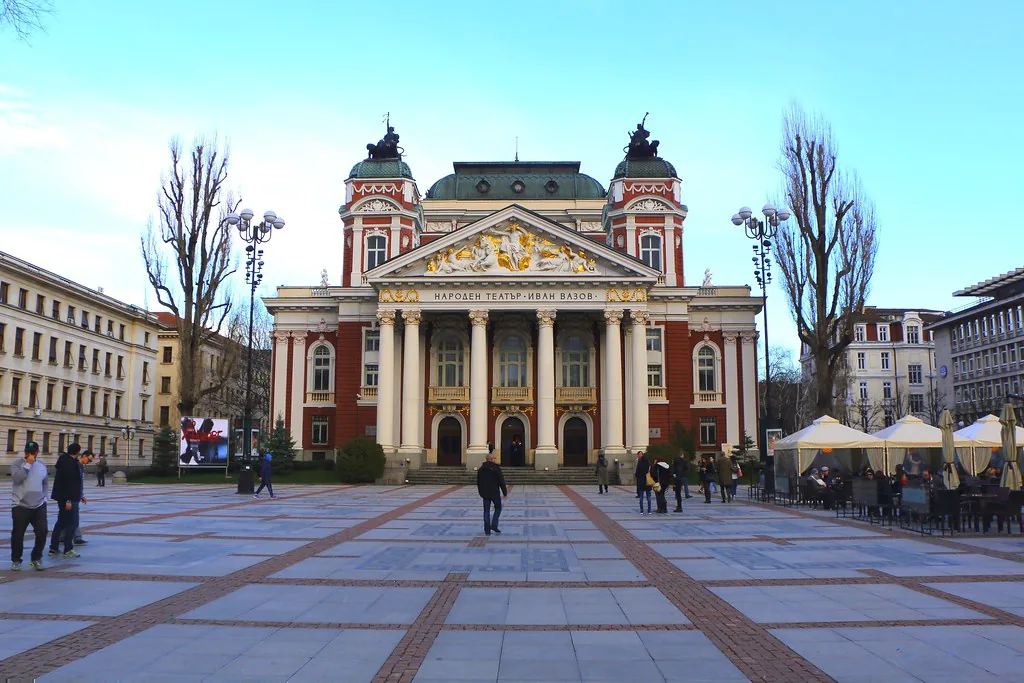
Sofia's public transport is one of Europe's cheapest. A single ticket costs 1.40 BGN on bus, tram, trolleybus, or metro (validate on board); a 24-hour pass is 4 BGN; a three-day visitor card is 12 BGN and includes unlimited trips plus discounts at several museums. From Sofia Central Station, metro line 2 reaches Serdika in five minutes. For Boyana, take bus 64 from NDK; for Dragalevtsi, the same bus 64 continues onwards. Knyazhevo is the terminus of tram 5 from Hristo Botev Boulevard. Apple Pay and contactless card tap-to-ride launched on all metro gates in March 2026.
💡 Good to know: If you plan to chain two or three gems in a day, the 4 BGN 24-hour pass pays for itself after just three single rides — a single Boyana-and-Earth-and-Man loop alone uses four. Buy it from any metro vending machine and you can ride bus 64, tram 5, tram 6, and the metro on the same pass.
Practical Tips for Visiting Sofia's lesser-known places in 2026
- Cash matters: Most small museums (Boyana Church, Earth and Man) only take BGN cash — bring small notes. ATMs at every metro station dispense 10 and 20 BGN bills.
- Best season: April–June and September–October balance clear weather with thin tourist crowds. Vitosha trails (Dragalevtsi, Knyazhevo) are snow-free from late May through early November.
- Free Sundays: The National Museum of History waives admission on the first Sunday of each month — Boyana Church does not.
- Combo tickets: A 12 BGN combo covers Boyana Church plus the National History Museum (valid 48 hours, sold at either ticket office).
- Language: Cyrillic dominates outside the city center — download an offline Bulgarian-English Google Translate pack before riding tram 5 to Knyazhevo.
Frequently Asked Questions
What is the most famous lesser-known place in Sofia?
The Boyana Church is Sofia's most famous lesser-known site — a 13th-century stone chapel with frescoes that pre-date the Italian Renaissance. Entry costs 10 BGN, open 09:30–17:30 daily, and visits are capped at ten minutes to preserve the medieval pigments. It's listed on UNESCO's World Heritage register since 1979.
How much does it cost to visit Sofia's lesser-known places?
Most of Sofia's lesser-known places cost between 0 and 10 BGN. The Serdika Archaeological Complex, Knyazhevo mineral fountains, Dragalevtsi Monastery, Doctor's Garden, and Borisova Gradina are free. Earth and Man Museum charges 5 BGN, Boyana Church 10 BGN, the Dragalevtsi chairlift 8 BGN return. A full day of hidden-gem hopping costs under 30 BGN per adult including transport.
Are Sofia's lesser-known places open year-round?
Most are open year-round, but Vitosha-area sites (Dragalevtsi chairlift, Knyazhevo trails) are weather-dependent. The chairlift runs daily December through April for skiers and weekends only May through November. Boyana Church, Earth and Man, and the Serdika Complex stay open every season except major Bulgarian Orthodox holidays (Christmas Day, Easter Sunday, March 3 Liberation Day).
Can I visit Sofia's lesser-known places on public transport?
Yes — every site in this guide is reachable on Sofia's 1.40 BGN single-ticket public transport network. Bus 64 covers Boyana and Dragalevtsi from NDK; tram 5 reaches Knyazhevo from Hristo Botev; tram 6 reaches Earth and Man from NDK; metro line 2 stops directly under Serdika. A 4 BGN day pass covers all of them.
What's the best lesser-known place near Sofia for a half-day trip?
The Boyana Church plus the Earth and Man Museum combo is Sofia's best half-day hidden-gem itinerary — 15 BGN total entry, both reachable on bus 64 and tram 6, completable in four hours including travel. For a longer half day, swap the museum for the Dragalevtsi chairlift up Vitosha.
Are these lesser-known places suitable for families with young children?
Most are, with caveats. The Earth and Man Museum's giant crystals captivate kids; Borisova Gradina has a pedalboat lake and playgrounds; Dragalevtsi Monastery has open courtyards. Boyana Church's ten-minute capped visit and dim lighting suit children eight and older better than toddlers. The Serdika ruins involve uneven Roman paving — strollers struggle.
What is the oldest building in Sofia?
The Rotunda of St George is the oldest preserved building in Sofia — an early 4th-century red-brick Roman rotunda hidden in a courtyard between the Sofia Hotel Balkan and the Presidency. It is still a working Orthodox church with free entry (08:00–18:00 daily) and preserves three superimposed layers of medieval frescoes inside. It sits just steps from the Serdika archaeological ruins, making the two easy to combine.
Where can I see Sofia's communist and Soviet-era history?
For Sofia's Cold War side, combine three lesser-known spots: the Red Flat near the Lions' Bridge (a communist-era apartment frozen in 1989, about 10 BGN), the open-air Museum of Socialist Art in Izgrev (the toppled red star and dozens of Lenin and partisan statues, 10 BGN), and the decommissioned monuments in Borisova Gradina such as the Bratska Mogila obelisk. Together they trace Bulgaria's socialist period far more vividly than the headline cathedrals.
For a wider range of itineraries beyond these lesser-known places, return to our pillar guide on Things To Do in Sofia, Bulgaria, or branch out to Outdoor & Nature in Sofia for the Vitosha hiking circuits, Sofia Photography Spots for the best vantage points, and our Shopping in Sofia 2026 guide for off-the-beaten-path antique markets and craft boutiques. Plan your 2026 trip around just two or three of these gems and you'll see a Sofia that most visitors fly home without ever meeting.
Filed under
Continue your journey
Related Bulgaria guides
5 Jun 2026
10 Best Rooftop Bars in Sofia (2026)
3 May 2026
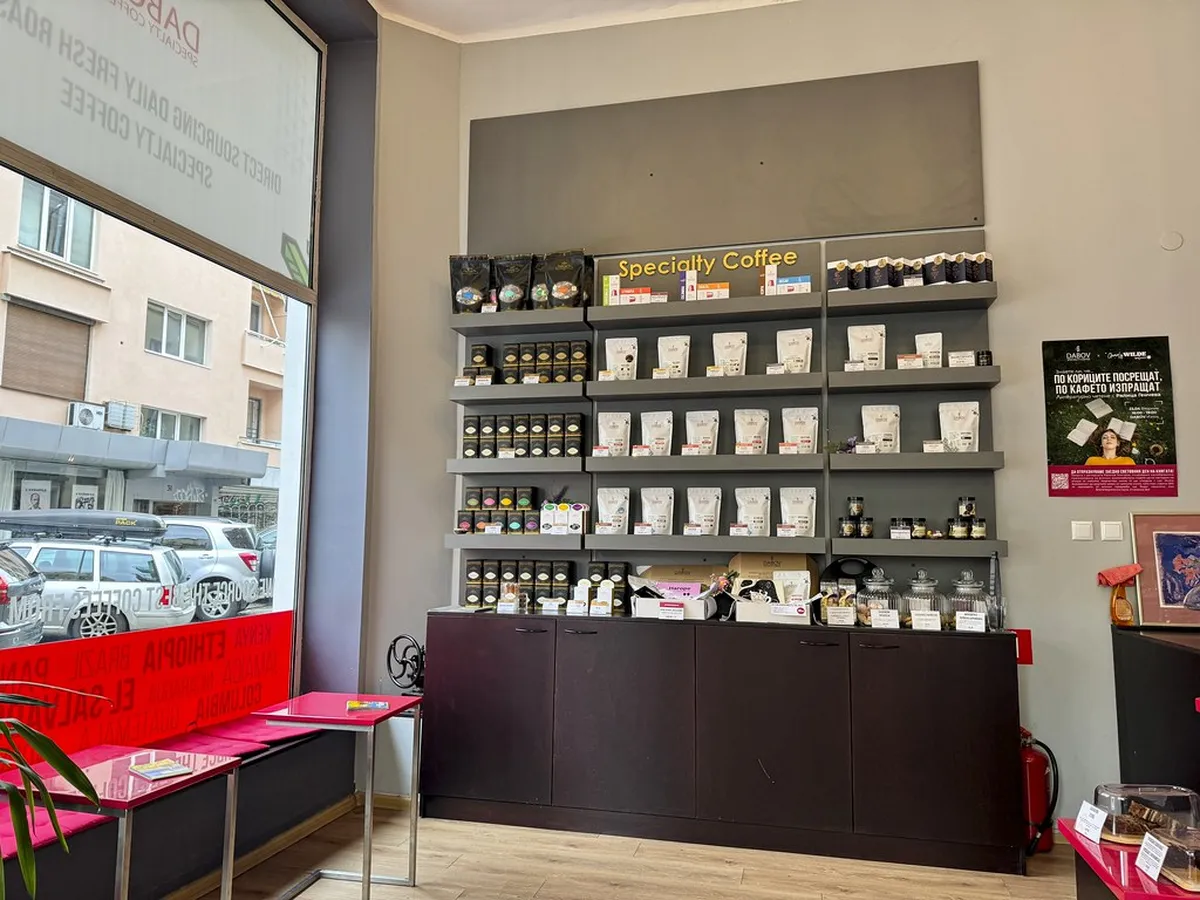
12 Best Specialty Coffee Shops in Sofia (2026)
22 Jul 2026
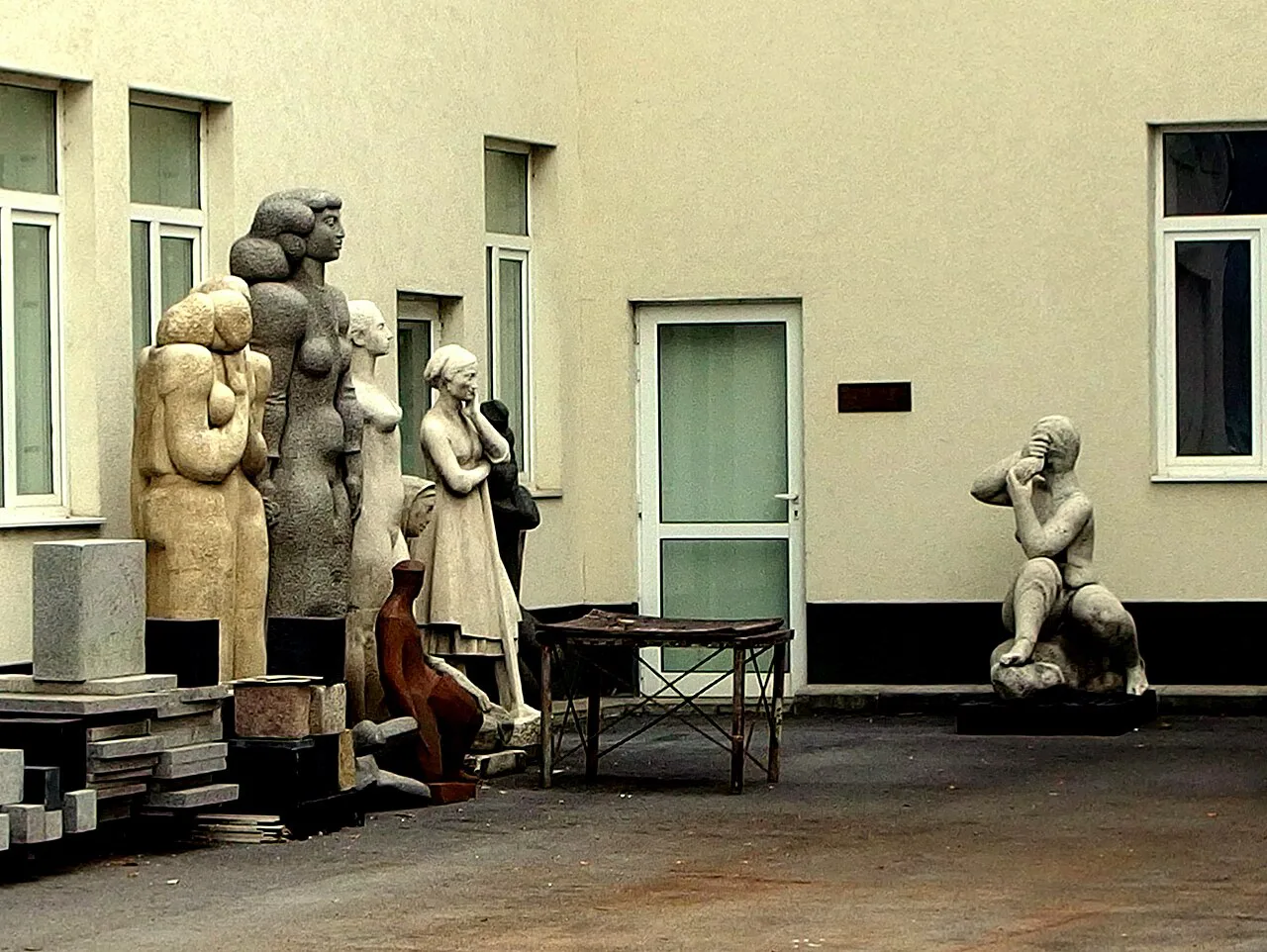
Communist Tour Sofia: Best Walking Tours & History Guide
22 Jul 2026
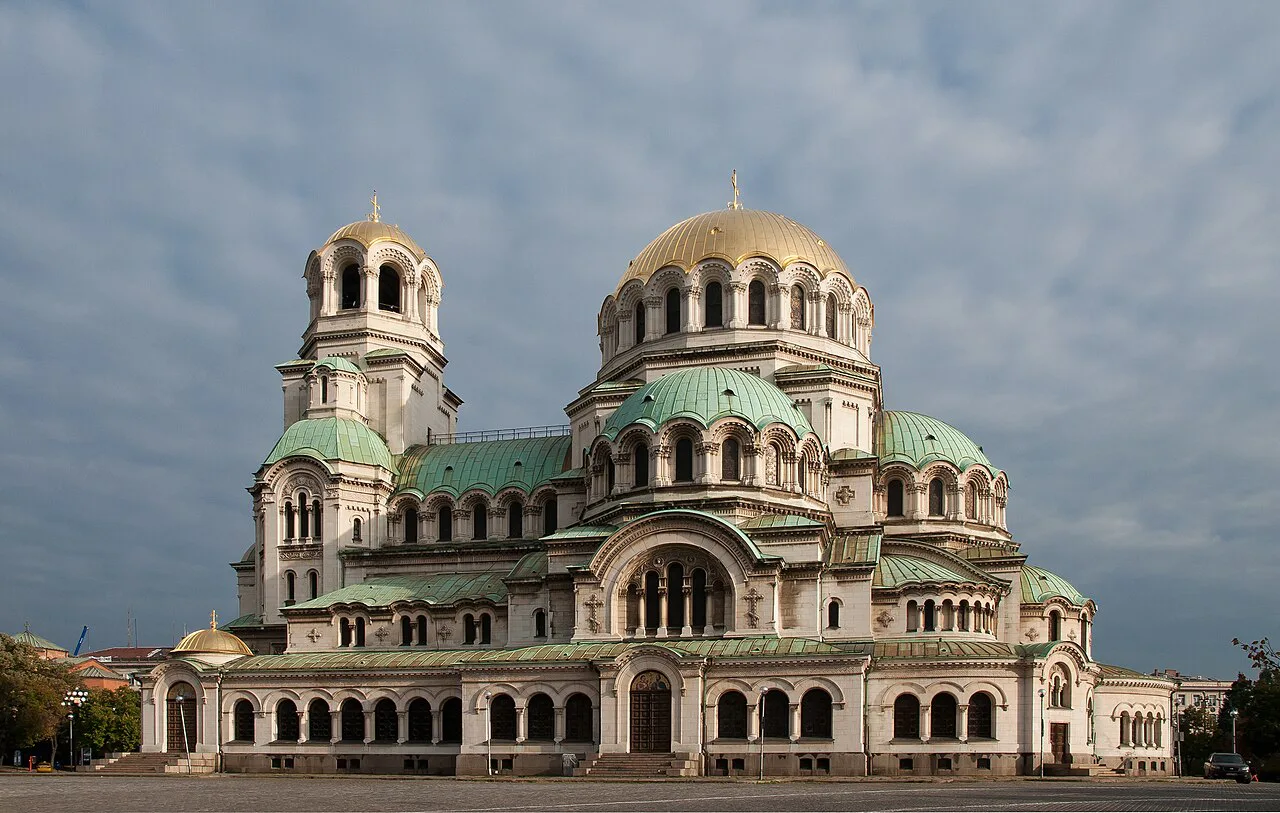
Sofia 2 Day Itinerary: A 48-Hour Route for 2026
22 Jul 2026
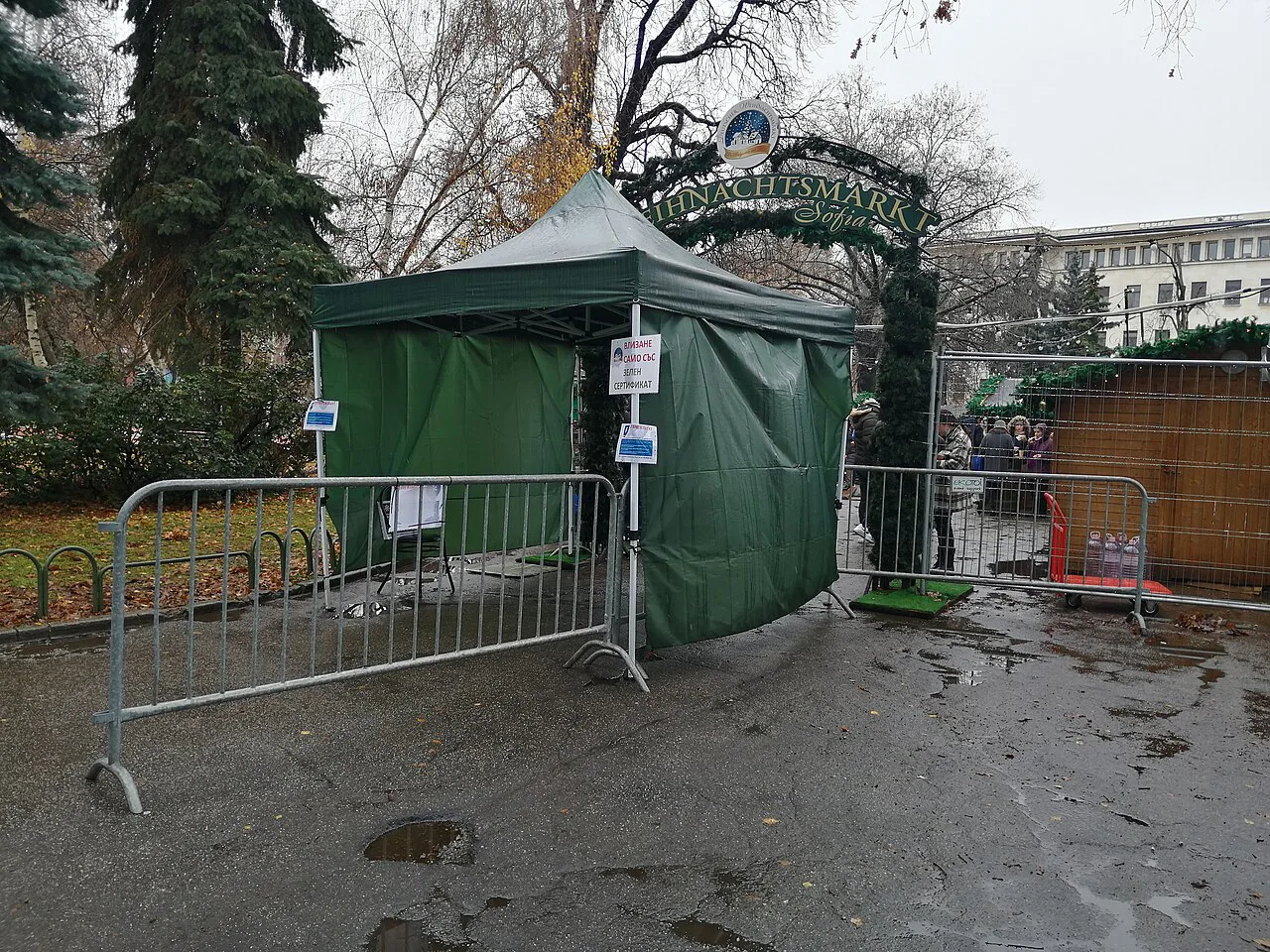
Sofia Christmas Market Guide: Dates, Locations & Local Tips
22 Jul 2026