6 Things to Know Before Visiting Aquae Calidae Burgas
Hidden just outside the modern city limits, Aquae Calidae Burgas stands as a testament to thousands of years of history. This ancient site has served as a spiritual and healing center for Thracians, Romans, Byzantines, and Ottoman Sultans alike. Visitors today can explore beautifully restored ruins and experience cutting-edge digital storytelling within a historic bathhouse. Understanding the layers of this archaeological gem will help you appreciate its role in the Bulgarian Black Sea region.
The complex is more than just a collection of old stones and marble columns. It represents a unique blend of natural mineral wealth and strategic political importance across many centuries. Planning a visit allows you to step back in time while enjoying one of the most significant Top 15 Burgas Attractions available today. This guide covers everything from the legendary healing waters to the practical details for your upcoming trip in 2026.
The Ancient Thracian and Roman History of Aquae Calidae
Long before the Romans arrived, the Thracians revered this location as the Sanctuary of the Three Nymphs. They believed the hot mineral springs were a gift from the gods with divine healing powers. Local tribes built a spiritual center here in the first millennium BC, making it one of the most sacred spots in ancient Thrace. Archaeological evidence shows that early visitors left votive offerings at a nymphaeum — a shrine dedicated to the nymphs — whose stone foundations are still being excavated today.
![Nessebar - Church of the Holy Saviour [17th century] in Burgas, Bulgaria](/images/aquae-calidae-burgas-guide-the-ancient-thracian-and-roman-histo.webp)
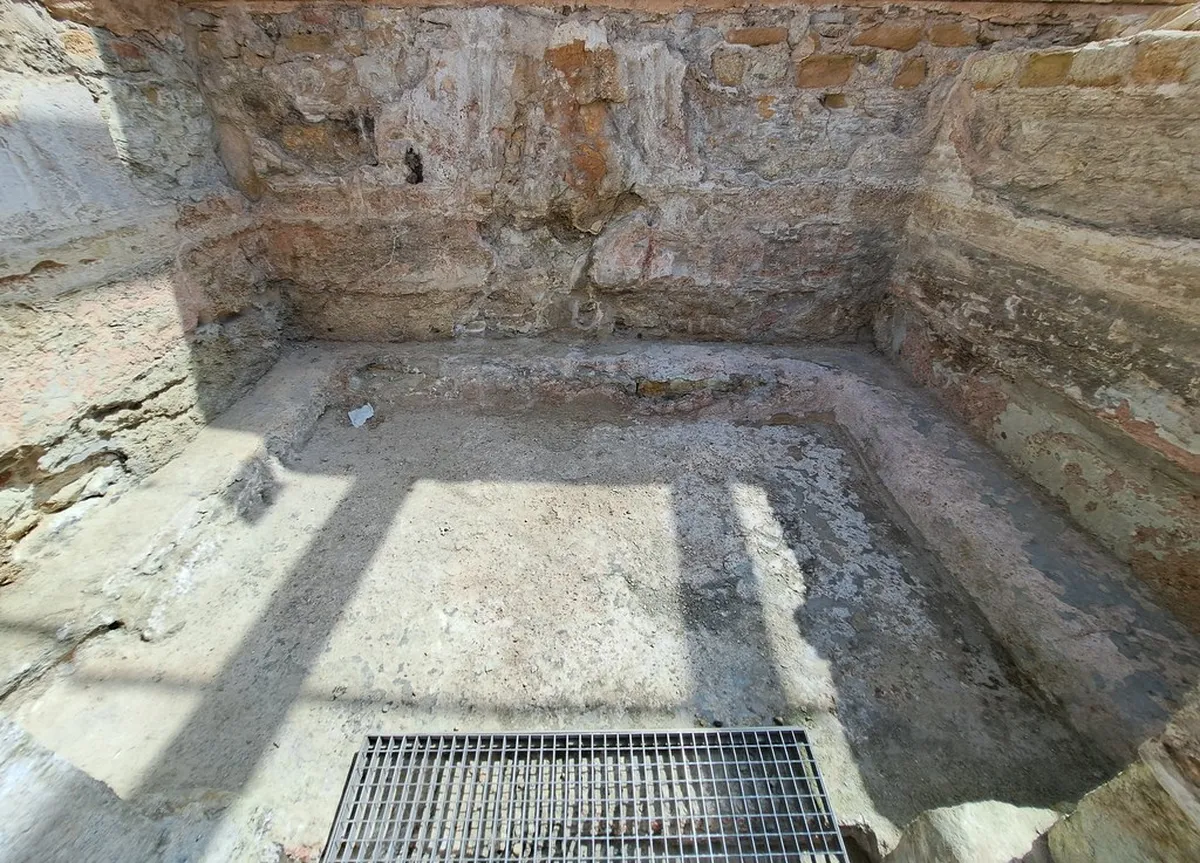
The Roman Empire recognized the strategic and medicinal value of the springs during the 1st century AD. Under the rule of Emperor Nero and later Emperor Trajan, the site was transformed into a massive bath complex named Aquae Calidae, meaning "Hot Waters" in Latin. Engineers built sophisticated plumbing systems to channel the 41-degree Celsius mineral water into large public pools. This era marked the peak of the site's architectural grandeur and its prominence across the wider Balkans.
During the Byzantine period, the settlement around the baths was known as Therma or Thermopolis and continued to serve as a vital social and medical hub. Fortifications were added to protect the valuable springs, but in 1213 Emperor Henry of Flanders and his forces destroyed the town during the aftermath of the 4th Crusade. After that upheaval, the region fell into obscurity for nearly three centuries. Each era left behind a distinct archaeological layer that the Regional Historical Museum Burgas is still uncovering.
Key Archaeological Discoveries: The Apollonius Inscription
One of the most significant finds at the site is a marble slab known as the Apollonius Inscription. This artifact, discovered during summer 2022 excavations, provides crucial details about the last years of the Odrysian Kingdom in Thrace. It mentions Apollonius, a high-ranking official who served under the Thracian kings during the Roman transition. Historians use this text to understand the complex political landscape of the late 1st century BC through the 1st century AD.
According to Archaeology in Bulgaria, this find revolutionized knowledge about ancient regional governance. The inscription confirms that Aquae Calidae was a major administrative center, not merely a bathing resort. It shows how local Thracian elites maintained power while accommodating the expanding Roman Empire — a political balancing act preserved in stone.
Excavations have also revealed thousands of coins, medical instruments, and pieces of jewelry from multiple eras. These items suggest the baths were frequented by wealthy citizens and traveling merchants from across Europe. The Regional Historical Museum Burgas displays these artifacts alongside interpretive panels that explain daily life for those who sought the water's benefits. The discovery of five medieval dwellings, part of a church, and a necropolis dated to the 11th–13th centuries adds yet another chapter to the site's long story.
The Restored Ottoman Hamam and 3D Museum Experience
The Ottoman period brought a new architectural chapter to the springs with the construction of a grand hamam in the 16th century. Sultan Suleiman the Magnificent ordered the bathhouse built after — according to local tradition — he visited the springs to treat his gout and credited the mineral water with improving his condition. The structure features classic Ottoman domes, carved stone arches, and a traditional hypocaust underfloor heating system that visitors can still observe.
Today the interior of the hamam serves as a high-tech venue for a 3D projection mapping show. This immersive experience takes visitors on a journey through the site's history from the Thracian nymph sanctuary to the Ottoman bath. The walls of the bathhouse come alive with projections of ancient warriors, Roman senators, and Ottoman royalty. The show runs in both Bulgarian and English, making it accessible to international visitors without needing to read lengthy information panels.
The restoration work, completed with funding from Burgas Municipality, preserves the original atmosphere while meeting modern safety standards. You can admire the marble floor slabs and the remains of the heating channels beneath your feet. This careful balance between conservation and accessibility makes the complex one of the most engaging Best Day Trips from Burgas for history lovers of all ages.
Active Excavations: What Archaeologists Are Finding Now
Continuous excavations at Aquae Calidae have run without interruption since 2008, funded annually by Burgas Municipality through the Regional Historical Museum. This makes it one of the longest-running active digs on the Bulgarian Black Sea coast. The current focus, supervised by Assoc. Prof. Dimcho Momchilov and assistant Miroslav Klasnakov, targets the north-eastern interior of the early Byzantine bath built in the 4th century AD.
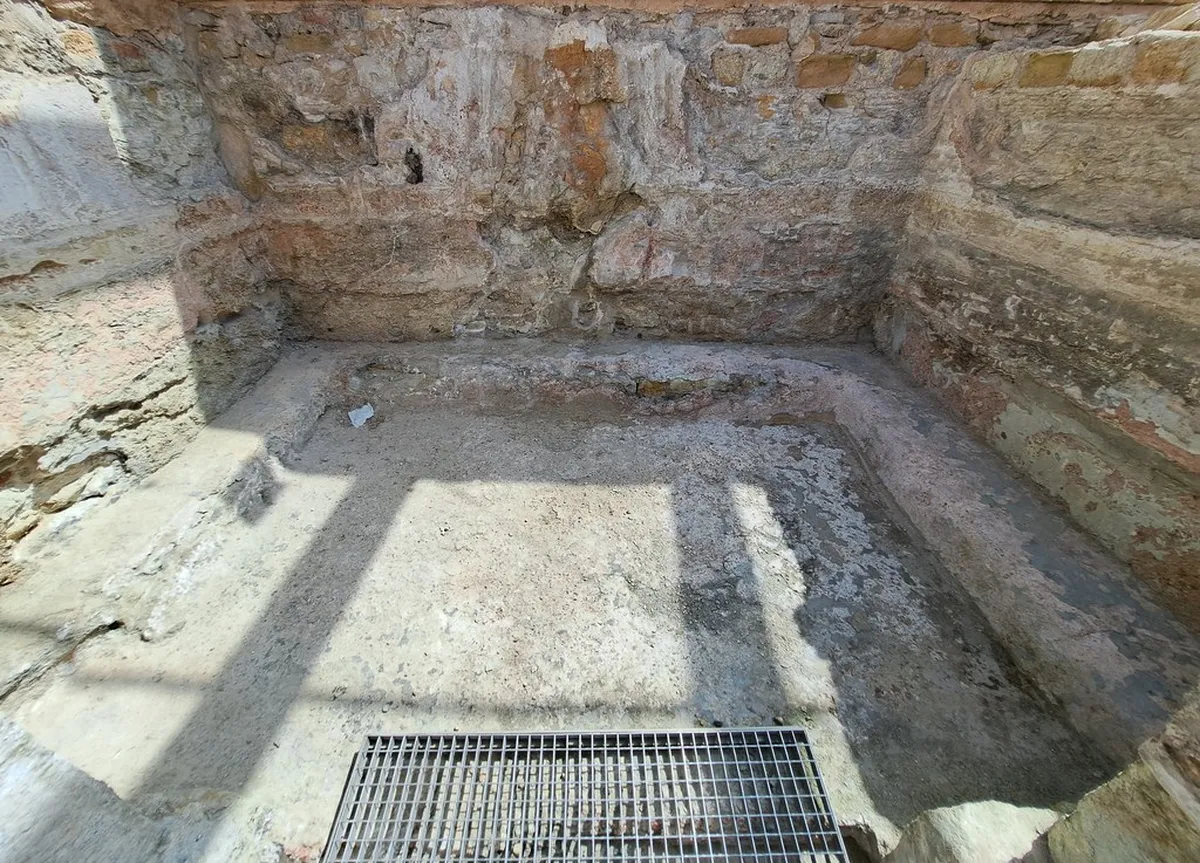
In recent seasons, archaeologists have identified five medieval dwellings, a partial church structure, and a necropolis within the 11th–13th-century layer. The team is also working to fully expose an ancient stone-lined canal that supplied the Roman baths, and a structure of andesitic tuff believed to be part of the original nymphaeum where the Thracians made their offerings. The groundwater level at the site regularly affects how deep each season's dig can reach, which means new chambers and walls are being revealed gradually.
For visitors, this means the site looks slightly different every year. During the summer season you may see active dig trenches cordoned off within the outdoor ruins. Occasionally museum staff will explain what is currently being excavated — worth asking about when you arrive. The ongoing work signals that Aquae Calidae is far from a finished story: significant structures almost certainly remain beneath the surface.
Therapeutic Benefits of the Local Mineral Springs
The mineral water at Aquae Calidae is famous for its consistent 41-degree Celsius temperature and distinctive chemical composition. It contains elevated concentrations of minerals associated with joint health and certain skin conditions — a reputation that drew visitors across three millennia. Ancient physicians prescribed stays here as a primary treatment, a tradition that continued in various forms right through the 20th century when the site operated as Aitos Mineral Baths after Bulgaria's liberation from Ottoman rule.
You cannot bathe in the archaeological ruins themselves, but the healing tradition continues nearby. The Banevo district, adjacent to the site, retains modern mineral bath facilities fed by the same underground source. You can explore more Burgas Wellness & Spas to experience the broader range of Bulgarian mineral water treatments available along the Black Sea coast.
Public drinking fountains within the complex provide access to the mineral water for those who want a taste. Locals visit regularly and fill bottles to take home. Be aware that the water carries a noticeable sulfur scent — this is entirely natural and a sign of its high mineral content. Drinking it in moderation is common practice among residents of the Vetren and Banevo neighborhoods.
💡 Good to know: Bring an empty bottle if you want to taste the 41°C mineral water from the on-site fountains — the sulfur smell is normal and harmless. To actually bathe, head to the modern mineral facilities in the adjacent Banevo district, since you cannot soak in the archaeological ruins themselves.
Practical Travel Tips: How to Get There and Entry Details
The complex sits in the Vetren district, roughly 14–15 kilometers northwest of Burgas city center, between the villages of Vetren and Banevo. By car, follow signs toward Vetren from the city ring road. By public transport, Bus No. 3 departs from the central Burgas bus station and stops at Mineralni Bani, the stop closest to the entrance. Buses run approximately every 20–30 minutes and the fare is around 1.50 BGN — the most affordable way to arrive without a rental car.
Check the Tourist complex "Aquae Calidae" official page for current opening hours, which change seasonally. Entry tickets for adults run approximately 6–10 BGN; concessions apply for students and seniors. The premium ticket includes the 3D mapping show inside the hamam and is worth adding — the show is the centrepiece of the visit. English-language audio is available, and the outdoor ruins are laid out so that visitors with limited mobility can navigate the main paths comfortably.
- Bus No. 3 from Burgas central station; stop: Mineralni Bani; fare approx. 1.50 BGN
- Adult entry approx. 6–10 BGN; 3D show included in the premium ticket
- Discounts for students and seniors; English audio available
- Allow 2–3 hours; spring and autumn mornings are least crowded
- Small on-site cafe; site is largely outdoors so dress for the weather
Why Aquae Calidae is a Top Burgas Day Trip
Aquae Calidae offers a refreshing contrast to the beach crowds of the Black Sea coast. It compresses 3,000 years of Thracian, Roman, Byzantine, and Ottoman history into a single compact site. The mix of outdoor ruins and an indoor 3D cinema keeps visitors of all ages engaged. You can easily reach it and return to Burgas within a half-day, making it a natural addition to any broader exploration of the region.
The surrounding park is well suited to a quiet walk or a picnic after exploring the museum. Families appreciate the open spaces and the interactive nature of the projection show. The site stays noticeably quieter than the central Burgas parks throughout the summer season, which adds to its appeal if you want space to think while looking at ancient stonework.
A popular combination is pairing the morning at Aquae Calidae with an afternoon boat trip to Saint Anastasia Island. Both sites offer layered historical perspectives absent from the typical Black Sea tourist circuit. Together they make for a full and genuinely memorable day away from the beach strip.
Pair this with our broader Burgas attractions guide for the full city overview. For related Burgas deep-dives, see our Burgas Wellness & Spas and Best Day Trips from Burgas guides. For deeper coverage of related Burgas spots, see our Burgas Lakes and Poda protected area guides.
Tickets, Opening Hours & Best Time to Visit (2026)
In 2026 Aquae Calidae Thermopolis is open Tuesday through Sunday, 9:00 AM – 6:00 PM, and closed on Mondays. The ticket desk closes 30 minutes before the complex shuts, so plan to arrive by 5:30 PM at the latest. Seasonal extensions are possible during peak summer months — check the official Aquae Calidae website or the Burgas tourism ticket portal for confirmed current hours before you travel.
Adult entry costs approximately 6–10 BGN for the outdoor ruins and archaeological walkways. The premium ticket (around 10–12 BGN) adds the 3D projection-mapping show inside the Ottoman hamam — strongly recommended as it is the highlight of any visit. Children under 7 enter free; discounted rates apply for students, seniors, and groups of 20 or more. A family ticket is available and offers the best value if you are travelling with children.
The best time to visit is April through June or September through October. Summer weekends attract Bulgarian domestic tourists and the outdoor paths can feel crowded by midday. Arriving when gates open (9:00 AM) on a weekday gives you the ruins largely to yourself and the coolest temperatures for the outdoor sections. Avoid the midday heat of July and August if possible — the site is largely open-air with limited shade. Winter visits are quieter but some outdoor sections may have restricted access due to groundwater and weather.
| Opening hours | Tue–Sun, 9:00 AM–6:00 PM; closed Monday (last entry 5:30 PM) |
| Adult ticket | Approx. 6–10 BGN (outdoor ruins); premium with 3D show approx. 10–12 BGN |
| Free / discounted | Children under 7 free; student, senior & group (20+) discounts |
| Best months | April–June and September–October |
| Time needed | 2–3 hours |
| From Burgas centre | ~14–15 km northwest; 18–25 min by bus, taxi or car |
- Open Tue–Sun, 9:00 AM–6:00 PM; closed Monday
- Adult ticket approx. 6–10 BGN; premium (with 3D show) approx. 10–12 BGN
- Children under 7 free; student/senior/group discounts available
- Best months: April–June and September–October for mild weather and thin crowds
- Allow 2–3 hours; on-site cafe and souvenir shop; free parking on-site
For up-to-date ticket prices and to book online in advance during peak season, visit the Burgas tourism portal at tickets.gotoburgas.com. Advance booking is not mandatory but can save queuing time in July and August.
How to Get to Aquae Calidae from Burgas
The complex sits in the Vetren–Banevo area, roughly 14–15 km northwest of central Burgas. It is easy to reach by public bus, taxi, or private car. The journey time from the city centre is 18–25 minutes regardless of which mode you choose, making this an effortless day trip from Burgas that does not require a full rental car.
By city bus (cheapest option): Bus No. 3 departs from Burgas West Bus Station (Avtogara Zapad) and stops at Mineralni Bani, the closest stop to the site entrance — about a 5-minute walk from the ticket desk. Buses run approximately every 20–30 minutes. The fare is around 1.50–2.00 BGN (one way) paid onboard or via the contactless reader on newer vehicles. Journey time is approximately 25 minutes. Bus lines 11, 12, 15, and Б1 also stop near the Aquae Calidae district if you are travelling from the eastern side of Burgas.
By taxi (fastest option): A metered taxi from Burgas centre to Aquae Calidae takes approximately 14 minutes and costs 15–20 BGN (roughly €7–€10). Use a licensed cab booked through the Burgas Taxi app or ordered from your accommodation to avoid overcharging. Uber and Bolt also operate in Burgas and typically quote 12–18 BGN for the same route.
By car: From central Burgas, take the ring road northwest following signs for Vetren. The site has a free car park directly at the entrance. Drive time is 15–20 minutes depending on traffic. If you are visiting from other spots near Burgas such as Atanasovsko Lake Visitor Guide or the Poda Protected Area Visitor Guide, you can combine these in a single morning loop without returning to the city centre in between.
Practical notes: Google Maps lists the site as "Aquae Calidae – Thermopolis" — use that exact name for reliable navigation. There are no lockers or left-luggage facilities, so leave large bags at your hotel. The on-site car park is free and spacious even in summer.
💡 Good to know: If you rely on Bus No. 3 for the return trip, the last evening service back toward Burgas runs reduced — confirm the exact time at the Mineralni Bani stop on arrival. Drivers can skip this entirely thanks to the free on-site car park, and the 14-minute taxi (15–20 BGN) is a reliable fallback after dark.
- Bus No. 3 from Avtogara Zapad → Mineralni Bani stop; ~25 min, ~1.50 BGN
- Taxi: ~14 min, 15–20 BGN; Bolt/Uber available in Burgas
- Car: 15–20 min via ring road toward Vetren; free on-site parking
- GPS: search "Aquae Calidae Thermopolis Burgas" for accurate routing
If you are relying on the bus for the return journey, note that the last Bus No. 3 back toward Burgas departs the Mineralni Bani stop in mid-evening — confirm the exact last service time locally on the day, as evening services are reduced. See our full Burgas transportation guide for bus maps and timetable tips.
Combine Your Visit: What to Pair with Aquae Calidae
Aquae Calidae takes about 2–3 hours to explore thoroughly. That leaves ample time in the day to add a second stop and create a genuinely full itinerary without feeling rushed. Below are the most natural pairings based on location, theme, and journey time — all easy to string together on a single day trip.
![Nessebar -St. Paraskeva Church [13th century] in Burgas, Bulgaria](/images/aquae-calidae-burgas-guide-combine-your-visit-what-to-pair-with.webp)
Atanasovsko Lake (5 min by car): Bulgaria's famous pink salt lake lies just to the east of the Aquae Calidae road. In summer the water turns vivid shades of pink and rose due to halophytic algae and brine shrimp — a striking visual contrast to the ancient stonework you have just left. The nature reserve around the lake is excellent for birdwatching year-round and requires no ticket for the walking paths.
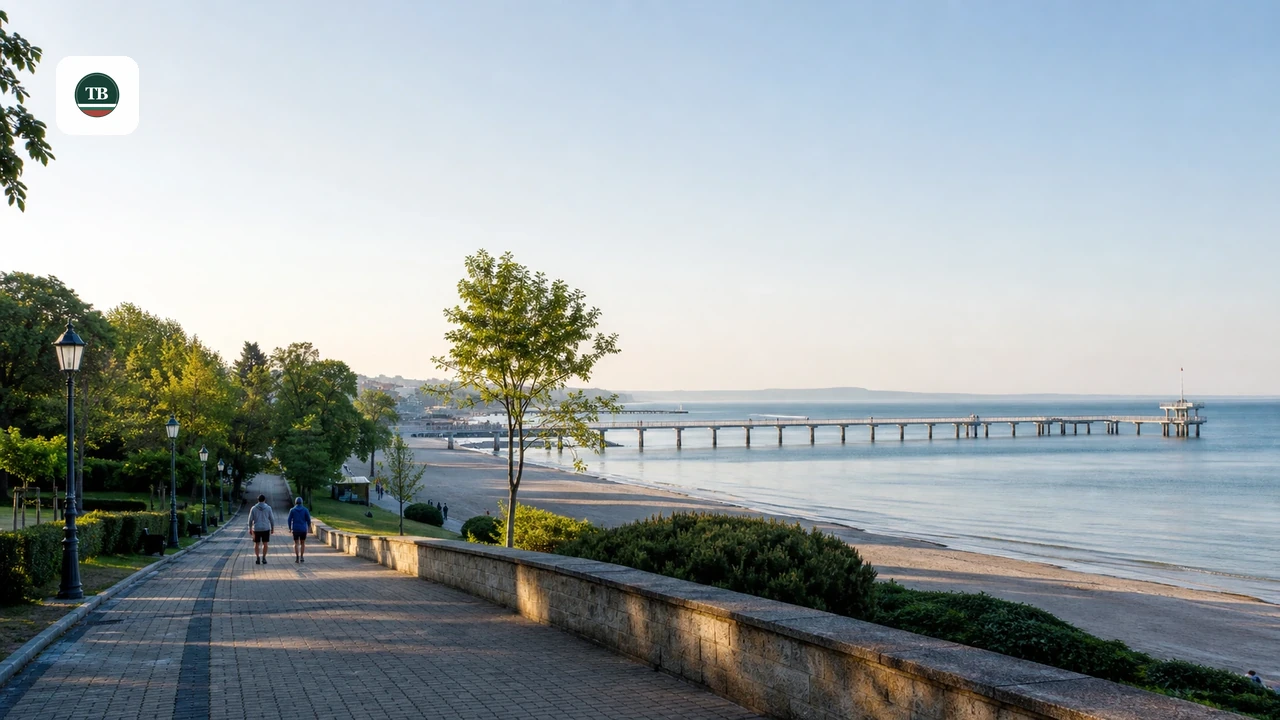
Burgas Sea Garden (20 min by bus/car): The largest coastal park in Bulgaria, Burgas Sea Garden stretches along the Black Sea shore and is lined with cafes, fountains, and sculpture gardens. After a morning at the ruins, the Sea Garden is the perfect place to unwind over lunch with sea views. Read our full Sea Garden Burgas 2026 for what to see inside the park.
Saint Anastasia Island (afternoon boat): Boat trips to Saint Anastasia Island depart from Burgas Port in the afternoon. The island holds a medieval monastery, a small wine cellar, and sweeping views of the bay. Pairing a morning at Aquae Calidae with an afternoon island trip gives you 3,000 years of Bulgarian history in a single day. See our Saint Anastasia Island guide for ferry times and booking.
Poda Protected Area (15 min by car): The wetlands at Poda are a globally important bird migration corridor. Spring and autumn visits to Aquae Calidae pair naturally with an hour at the Poda birdwatching tower. More detail is in our Burgas Lakes and Poda guide.
For a structured itinerary that incorporates all these stops, see our Burgas 1-day itinerary and Burgas 3-day itinerary — both include Aquae Calidae as a morning anchor with afternoon activities at the coast.
Continue planning: Use Top 15 Burgas Attractions and Best Areas to Stay in Burgas guide to connect this guide with the rest of your Bulgaria itinerary.
Frequently Asked Questions
How do I get to Aquae Calidae from Burgas city center?
You can take Bus No. 3 from the central bus station directly to the Mineralni Bani stop. The journey takes about 25 minutes and costs very little. If you prefer driving, follow the signs toward the Vetren district for about 15 kilometers.
What is the history of the Roman baths at Aquae Calidae?
The Roman baths were established in the 1st century AD under Emperor Trajan. They were famous across the empire for their size and healing mineral waters. The complex featured large pools and sophisticated heating systems that served the public for centuries.
Is the Turkish bath at Aquae Calidae still functional?
The original hamam of Suleiman the Magnificent is no longer a functional public bathhouse. It has been restored as a museum and cinema for 3D mapping shows. However, you can find active mineral baths in the nearby Banevo district for a traditional soak.
What was the significance of the Apollonius inscription found at the site?
The Apollonius inscription is a 1st-century marble slab that details the governance of the Thracian Odrysian Kingdom. It is a vital historical record of the transition between Thracian rule and Roman administration. This find is a highlight of the local archaeological museum.
How much does it cost to enter Aquae Calidae in 2026?
In 2026 adult entry to Aquae Calidae costs approximately 6–10 BGN for the archaeological site. A premium ticket including the 3D projection-mapping show in the Ottoman hamam costs around 10–12 BGN. Children under 7 enter free. Discounts apply for students, seniors, and groups of 20 or more. Check the official website aquae-calidae.com or tickets.gotoburgas.com for the latest prices before visiting.
What are the opening hours of Aquae Calidae Thermopolis?
Aquae Calidae Thermopolis is open Tuesday through Sunday from 9:00 AM to 6:00 PM. The complex is closed on Mondays. The ticket desk closes 30 minutes before the site, so plan to arrive by 5:30 PM. Hours may extend slightly during peak summer months — always verify on the official website before travelling.
What is the best time of year to visit Aquae Calidae?
The best months are April to June and September to October. The weather is mild, crowds are thin, and the outdoor ruins are at their most enjoyable. Midsummer (July–August) brings high temperatures and more domestic visitors. Weekday mornings are quietest year-round. Winter visits are possible but some outdoor sections may be restricted.
How long should I spend at Aquae Calidae?
Allow 2–3 hours for a complete visit: about 45 minutes for the outdoor Roman and Byzantine ruins, 30–40 minutes for the 3D projection show in the Ottoman hamam, and time for the small on-site museum and cafe. History enthusiasts may want a full half-day, especially if excavations are active and museum staff are explaining current finds.
Can you swim or bathe in the mineral water at Aquae Calidae?
No. You cannot bathe in the archaeological ruins themselves — they are a protected heritage site. However, the same 41°C mineral source still feeds modern bath facilities in the neighbouring Banevo district, and public drinking fountains within the complex let you taste the water. The original Ottoman hamam now operates as a 3D-projection museum rather than a working bathhouse.
Aquae Calidae Burgas is a must-visit destination for anyone interested in the layers of European history. From the spiritual roots of the Thracians to the luxury of the Ottoman Sultans, the site tells a fascinating story. The addition of the 3D mapping show makes these ancient tales accessible and exciting for modern travelers. Plan your visit today to discover why these healing waters have been famous for over two millennia.