The Ultimate Plovdiv 2 Day Itinerary: A Complete 48-Hour Guide
Plovdiv is one of the oldest continuously inhabited cities in Europe, and two days is exactly enough time to feel the full depth of it. This plovdiv 2 day itinerary is designed for first-timers who want a balanced mix of ancient Roman ruins, Bulgarian National Revival architecture, creative street culture, and good food. The city is compact, walkable, and genuinely affordable — a rare combination in 2026.
Day one centers on the Old Town hills and the Roman Theatre. Day two moves down to the Kapana creative district, the buried stadium on the pedestrian street, and a quieter hilltop for sunset. Both days end with strong local food and drink options that reflect exactly what Plovdiv is today: a city that has worn its history lightly for 8,000 years.
You can explore the many things to do in Plovdiv at a relaxed pace with this guide. Wear comfortable, grippy shoes — the Old Town cobblestones are steep and can be slippery in wet weather.
Ultimate Plovdiv 2 Day Itinerary: A Complete 2-Day Plan
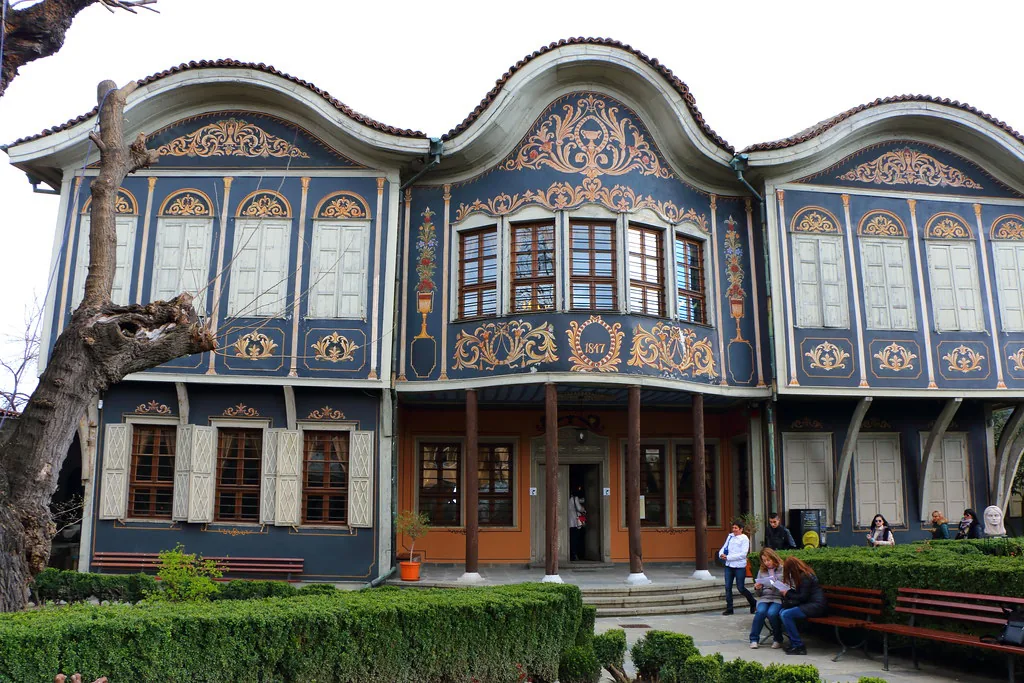
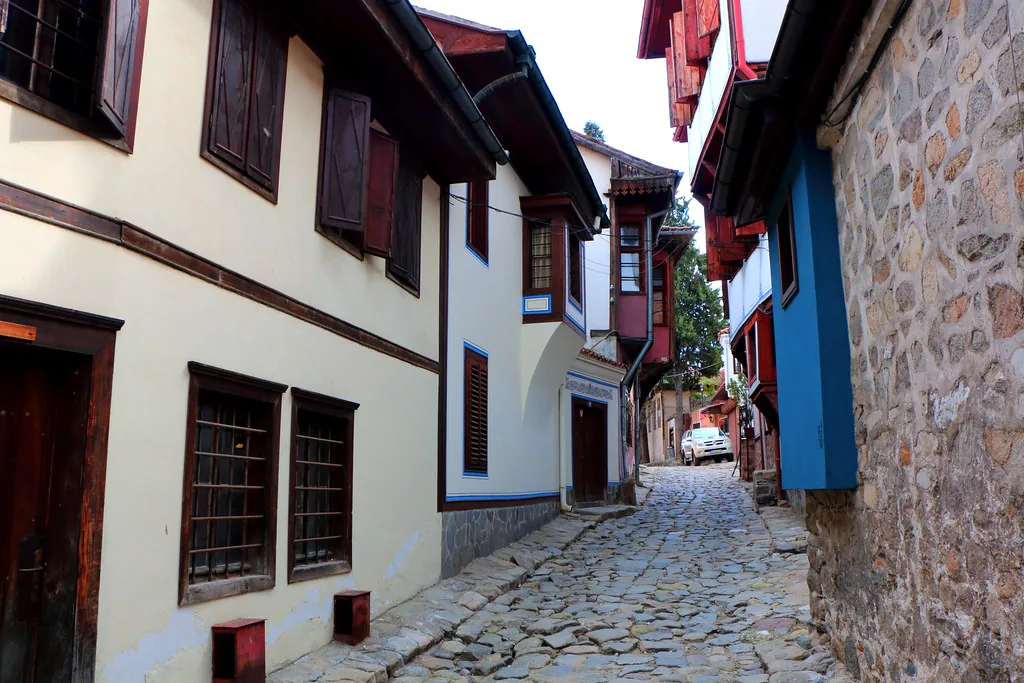
Start day one by entering the cobblestone lanes of the Old Town as early as 09:00. The Hindliyan House and Ultimate Balabanov House Visitor Guide are essential stops — both are ornate merchant mansions from the Bulgarian National Revival period with painted ceilings and rose-filled courtyards. Follow the detailed Plovdiv Old Town Guide: Architecture, History, and Travel Tips to navigate between them without backtracking. The Regional Ethnographic Museum, set inside another merchant house, adds useful historical context before you visit the ruins.
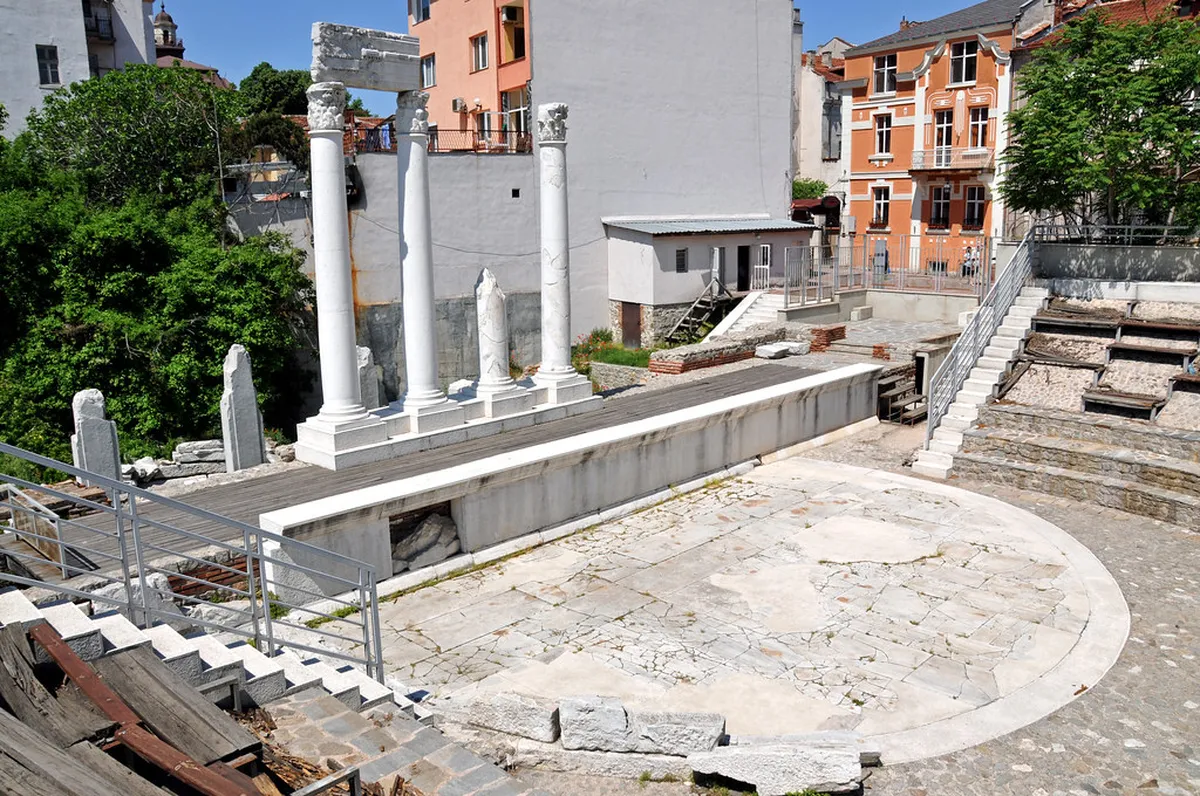
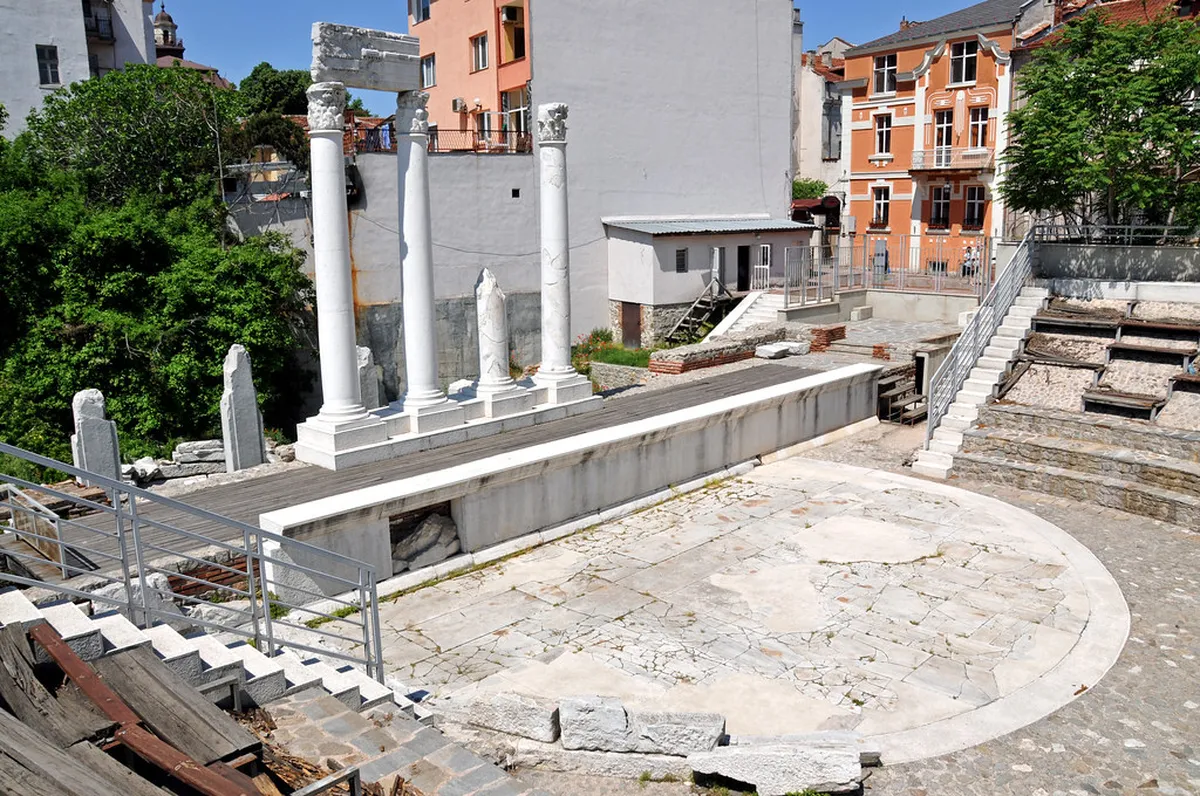
The Roman Theatre of Philippopolis is the crown jewel of the Old Town. It opens daily from 09:00 to 18:00; admission is around 5 BGN. The theatre was buried under buildings for centuries and only rediscovered in the 1980s — much of it was then carefully reconstructed. Sit on the original marble benches and look out over the rooftops of the modern city toward the Rhodope Mountains for a view that rewards the climb.
Spend your second morning on the lower pedestrian zone before heading to Kapana in the afternoon. The Roman Stadium is buried underneath Knyaz Alexander I, Plovdiv's main pedestrian street — you can see the curved end of the seating from street level and then go deeper inside the Kapana creative quarter area nearby. End both evenings either in Kapana or at a hillside viewpoint before the night crowds arrive.
- Day 1: Old Town and Roman Theatre
- 09:00 – 13:00: Old Town house museums, Ethnographic Museum, Nebet Tepe Visitor Guide fortress ruins.
- 13:00 – 14:00: Lunch in the Old Town (try Hemingway restaurant under the hills).
- 14:00 – 17:00: Roman Theatre, Dzhambaz Tepe viewpoint.
- 19:00 – 21:30: Traditional Bulgarian dinner; Sahat Tepe for sunset afterward.
- Day 2: Stadium, Kapana, and the Singing Fountains
- 10:00 – 12:30: Roman Stadium ruins and the H&M basement exhibit.
- 12:30 – 13:30: Lunch at Skapto Burgers or Pavaj in Kapana.
- 13:30 – 17:00: Kapana street art, galleries, and craft beer at Hopium Taproom.
- 20:00 – 22:00: Tsar Simeon Garden Visitor Guide and the Singing Fountains (June–September, Thu–Sat).
💡 Good to know: Front-load the Old Town climbs into your 09:00–13:00 window on day one. In July and August Plovdiv regularly hits 35–38°C by midday, so the steep, sometimes slippery cobblestone lanes are far more comfortable in the cooler morning hours — then save the flat pedestrian street, Kapana, and the shaded gardens for the heat of the afternoon.
Getting To & Around Plovdiv: Essential Logistics
The bus from Sofia is the fastest and most practical option. Buses depart from Sofia Central Bus Station (Tsentralna Avtogara) roughly every 30 to 60 minutes throughout the day. The two main operators serving Plovdiv are Biomet and Etap-Adress — each has its own ticket counter at the station. You can browse timetables here to plan ahead. The journey takes about 2 to 2.5 hours and tickets cost around 12–15 BGN each way. You generally do not need to book in advance outside of peak holiday weekends — arriving 30 minutes before departure is enough.
There is also a train, but it runs far less frequently and takes longer than the bus. Skip it unless you specifically want the scenic route through the Rose Valley. From Plovdiv's bus station, the Old Town is about 3 km away — take a taxi rather than walking with luggage. The reputable taxi companies are 6155 (Eko Taxi) and 6665. Look for those numbers on the roof sign, make sure the meter starts, or book directly through the Eko Taxi app to avoid the inflated "tourist rate" cabs that linger outside the bus station entrance.
Once you are in the center, you will not need any transport. The entire Old Town, Kapana, the pedestrian street, and Tsar Simeon Garden are all within a 15-minute walk of each other. The hills are steep but short. Public buses and trams exist for the outer neighborhoods but are rarely needed during a two-day visit focused on the center.
💡 Good to know: For the short ride from the bus station to the Old Town, stick to the reputable companies — 6155 (Eko Taxi) and 6665 — and either confirm the meter starts or book through the Eko Taxi app. The unmarked cabs idling at the station entrance charge an inflated "tourist rate," and the legitimate fare to the center is only about 8–12 BGN.
Where to Stay: Best Neighborhoods and Accommodations
Staying in or right next to the Old Town puts you closest to the best architecture and the quietest mornings before day-trippers arrive. Boutique guesthouses like Hotel Evmolpia and the Old Town guest houses sit inside restored Revival-era houses — the rooms are small but the atmosphere is genuinely charming. Expect to pay 60–120 EUR per night for a private double at a mid-range Old Town property. Be prepared for uphill walks with luggage on uneven cobblestones.
Kapana suits travelers who want to be close to restaurants and nightlife with slightly more modern accommodation. Boutique apartments in Kapana are typically quieter during the day but lively on Thursday through Saturday evenings. Many are listed on Airbnb at 40–70 EUR per night for a whole apartment. The walk to the Old Town from Kapana takes about 10 minutes uphill.
Budget travelers should look for hostels near the main pedestrian zone. The Hostel Old Plovdiv is well-rated, includes breakfast, and sits at the edge of the historic district. Dorm beds run around 18–25 EUR per night. For any accommodation, book at least a week ahead during July and August when the city fills up for summer festival season.
Plovdiv Budget Breakdown: What to Expect for 2 Days
Plovdiv is one of the best-value cities in Europe in 2026. Museum entries are low, meals are generous, and you can cover most of the best sights on foot for free. The table below gives a practical reference for planning your spend — all prices are in BGN (roughly 0.51 EUR per BGN).
| Trip length | 2 days / 2 nights (ideal for first-timers) |
| Sofia → Plovdiv bus | 12–15 BGN one way, ~2–2.5 hours |
| Roman Theatre entry | 5 BGN per person |
| Roman Stadium (H&M basement) | Free |
| Budget traveler total (2 nights) | Under 200 BGN (~100 EUR) |
| Mid-range couple total (2 nights) | 400–600 BGN with dinners and wine |
- Accommodation per night: 35–50 BGN (budget hostel dorm) / 120–230 BGN (mid-range hotel)
- Roman Theatre entry: 5 BGN per person
- House museum entry (Hindliyan, Balabanov, Ethnographic): 3–5 BGN each
- Roman Stadium basement (H&M): free
- Free walking tour tip: 15–20 BGN per person (tip-based, run by Free Plovdiv Tours)
- Lunch in Kapana (Skapto burger + drink): 20–28 BGN per person
- Sit-down dinner (mid-range restaurant): 30–55 BGN per person with wine
- Craft beer at Hopium Taproom (per glass): 6–9 BGN
- Sofia–Plovdiv bus (one way): 12–15 BGN
- Taxi from bus station to center: 8–12 BGN
A budget traveler spending two nights and three days can manage the whole trip, including transport from Sofia, for under 200 BGN (about 100 EUR). A mid-range couple should budget 400–600 BGN for the same period including dinners with wine. Note that drinking alcohol in public is technically illegal in Plovdiv, though this is very rarely enforced on hilltops or in parks — just keep it discreet.
Hopium Taproom: A Guide to Plovdiv's Craft Beer Scene
Bulgaria's craft beer scene has grown quickly, and Kapana is its best expression in Plovdiv. Hopium Taproom is the standout venue — rotating taps from local producers like Hills and Glarus sit alongside guest lines from smaller Bulgarian microbreweries. The staff know the beers well and can walk you through the styles. Most glasses cost 6–9 BGN, and they often run a tasting flight if you cannot decide.
The first craft beer bar in the city, Cat & Mouse, still operates in Kapana and is worth a stop for a more traditional pub feel. Both venues use Rhodope mountain water in their local brews, which gives the lighter styles a clean, mineral quality that you notice immediately. Evenings in Kapana draw a good mix of locals and visitors, and the atmosphere is casual enough that you will not feel out of place without a reservation.
If you want a more structured introduction to local beverages, some tour operators offer a Kapana craft beer and street food walk in the evenings. These run about 30–40 BGN per person and cover 3–4 venues in 2 hours. It is a worthwhile option if you are visiting as a couple or solo and want a ready-made social activity.
Skapto Burgers: Why This is a Kapana District Staple
When you want a fast, high-quality lunch between museum visits, Skapto (also called Skaptobara) is the most reliable option in Kapana. The kitchen uses fresh Bulgarian beef and local produce, and the portions are substantial. Prices are very reasonable — expect to pay 18–24 BGN for a burger and fries with a drink. There is a vegetarian quinoa burger and several plant-based options that are as filling as the meat versions.
The restaurant has an industrial interior and outdoor seating spilling onto one of Kapana's narrower streets. It gets busy between 12:30 and 14:00 on weekends, so aim to arrive slightly before or after the lunch rush. Service is quick enough that it does not disrupt a sightseeing schedule. The location also has a strong craft beer menu, which pairs well with the afternoon Kapana walking section of day two.
For a sit-down dinner with a more local atmosphere, Pavaj is the most-loved restaurant in Kapana. They serve traditional Bulgarian food with a modern presentation, cater well to vegetarians, and get busy enough at weekends that a reservation is worth making a day ahead. Tam's House is a good step up in quality if you want something more polished for a final-night dinner.
Sahat Tepe (Danov Hill): Finding the Best Sunset Spot
Nebet Tepe gets the tourist crowds at sunset. Sahat Tepe, directly adjacent to the main pedestrian street, is the quieter alternative and offers a panoramic view across the red rooftops toward the Rhodope Mountains. The hill takes its name from the clock tower near the summit — one of the oldest functioning clock towers in the Balkans, over 500 years old and still keeping time. Arrive at least 30 minutes before sunset to find a good position.
The climb from the pedestrian zone takes about 10 minutes on a paved path with steps. It is notably gentler than the route up to the Nebet Tepe fortress ruins. Locals come here for evening walks and quiet conversations, and the atmosphere is more relaxed than the viewpoints that appear on every tourist map. Bring a light jacket — the hilltop catches the breeze after 20:00.
Photography here works best in the golden hour when the old tile rooftops catch the warm light. You will not need to dodge other camera operators the way you would at the more famous viewpoints. It is also a practical starting point for the walk back down into Kapana for dinner and drinks, making it a natural end to day one's sightseeing loop.
Tsar Simeon Garden: Seeing the Famous Singing Fountains
Tsar Simeon Garden sits at the southern edge of the city center and is Plovdiv's most popular park for an evening stroll. The Singing Fountains run from June through September on Thursday, Friday, and Saturday nights, usually starting around 21:00 once it is dark. The show combines music, colored lighting, and synchronized water jets and lasts around 30 minutes. Entry is free — arrive 15 minutes early to find a clear view near the central lake.
Outside the fountain season, the park is still worth visiting. Wide tree-lined paths, playgrounds, and quiet benches make it an easy break from sightseeing. The Moraya lake area within the park is the calmest section. Plovdiv locals describe their city's pace of life with the word "aylyak" — a Balkan concept somewhere between relaxation and unhurried presence, without anxiety. This park is where you actually feel it.
The garden also hosts occasional open-air concerts and festival events, especially during the summer months when Plovdiv's cultural calendar is at its fullest. Check the Plovdiv Municipality website or local event boards in Kapana for any scheduled performances during your visit. Bring mosquito repellent for evening visits in July and August.
Ancient Stadium of Philipopolis: Practical Visitor Guide
The Roman Stadium of Philippopolis once held over 30,000 spectators — roughly half the city's entire Roman-era population. The stadium is now almost entirely buried under the modern pedestrian street, but you can see the curved north end (the Cavea) at street level near the central square. This exposed section includes several rows of original stone seating and gives you a direct sense of the scale. A small 3D cinema nearby runs a short film on the stadium's history.
The best hidden view is inside the H&M store on Knyaz Alexander I. Head to the basement level and you will find glass-protected ruins of additional seating sections from the stadium embedded directly into the retail floor. The exhibit is free and almost always quiet, even when the street above is packed with shoppers. It is a strange and memorable perspective on how deeply layered this city's history is. The Ancient Stadium of Plovdiv Official Site has background on the ongoing excavations.
The Free Plovdiv Tours walking tour covers the stadium as part of a 2-hour city loop that takes you past most of the major Roman and Revival-era sites. The tour is tip-based (15–20 BGN is a fair contribution) and runs daily, typically departing from in front of the post office on the main pedestrian street. Booking 24 hours ahead is advisable in summer. The guides are local and give context that is genuinely hard to get from reading alone.
Don't Miss These Central Sights: Basilica, Mosque, and Forum
Three more landmarks sit within a few minutes' walk of the pedestrian street and slot neatly into the gaps in this two-day plan. The Bishop's Basilica of Philippopolis is the highlight — a 4th-century early Christian basilica reopened to the public in 2021 after a long restoration, displaying around 2,000 square metres of brilliantly preserved bird mosaics that make it one of the most important Roman-era sites in the Balkans. It sits just south of the Roman Stadium near Tsar Boris III Obedinitel Boulevard, so it pairs naturally with your day-two morning at the stadium.
The Dzhumaya Mosque (Dzhumaya Square) anchors the northern end of the pedestrian street where the Roman Stadium's curved seating is exposed. Built in the 14th–15th centuries, it is one of the oldest Ottoman mosques in the Balkans and is still active — visitors are welcome outside prayer times if dressed modestly. A few steps away, the partially excavated Roman Forum and Odeon mark what was once the civic heart of ancient Philippopolis. Both are free to see from street level and take only a short detour from the route already in this itinerary.
Is One Day Enough, or Do You Need Two in Plovdiv?
One full day is enough to hit the headline sights — the Old Town house museums, the Roman Theatre, Nebet Tepe, and a quick loop through Kapana — but you will be moving fast and climbing the hills in the heat of the day with little time to linger. If a day trip from Sofia is all you can spare, compress day one of this plan: arrive on an early bus, spend the morning in the Old Town and at the Roman Theatre, have lunch under the hills, and walk the pedestrian street and Kapana before the late-afternoon bus back.
Two days is the sweet spot, and it is why this itinerary is built around it. The extra day unlocks the lower-pressure half of the experience — the buried Roman Stadium and Bishop's Basilica, an unhurried craft-beer evening in Kapana, a quiet sunset from Sahat Tepe, and the Singing Fountains in Tsar Simeon Garden. It also leaves room for the city's "aylyak" pace rather than a checklist sprint. With three days or more, add one of the day-trip extensions below — Bachkovo Monastery or the Thracian Valley wineries — without cutting into your time in the city itself.
Plovdiv Weather: The Best Time for a 2-Day Visit
Plovdiv sits in the Upper Thracian Plain, protected from northern winds by the Balkan mountain range, which gives it some of the warmest and sunniest weather in Bulgaria. Summers are genuinely hot — July and August regularly reach 35–38°C during the day. This is not ideal for climbing the Old Town hills in the middle of the day, but the long evenings are brilliant for Kapana outdoor dining and the Singing Fountains. Start sightseeing before 10:00 and take a midday break in the shade.
Late spring (May and early June) and early autumn (September and October) are the most comfortable windows for a walking-heavy itinerary. Temperatures sit between 20–27°C, the Singing Fountains are still running in September, and the tourist crowds are noticeably thinner than in July. Festival events, including open-air concerts at the Roman Theatre, cluster in June and September. Plovdiv's Opera and Philharmonic also run summer programs — check their schedules if live performance in an ancient theatre appeals to you.
Winter visits (December through February) are quieter and cheaper but cold, with temperatures occasionally dropping below zero. The Old Town is atmospheric in winter light, and several museums and the stadium exhibit are open year-round. The Singing Fountains do not operate. If you are flexible on timing, late May to mid-June or September offers the best combination of good weather, working attractions, and manageable crowd levels in 2026.
Looking for More? Plovdiv Day-Trip Extensions
If you have time beyond two nights, the Bachkovo Monastery is the most worthwhile half-day extension. It is located about 30 km south of Plovdiv in a narrow gorge above the Asenitsa River — 30 minutes by car or about an hour on the local bus from Plovdiv's Rhodope bus station. The monastery dates to 1083 and is the second-largest in Bulgaria. The valley scenery, especially in spring, is exceptional.
Asen's Fortress is another good option for history-focused travelers on a day trip from Plovdiv. The medieval fortress perches on a cliff above Asenovgrad, about 20 km south. It requires a 20-minute uphill hike from the car park, but the views back down the gorge and the partially intact church inside the fortress walls are worth the effort. Bring water and solid shoes.
Wine enthusiasts should consider a half-day in the Thracian Valley wine region. The town of Brestovitsa, about 20 km west of Plovdiv, has several independent wineries offering tastings of the indigenous Mavrud grape. Villa Vinifera is a well-regarded small producer. You can drive yourself or take a taxi; organized wine tours from Plovdiv's center typically cost 60–90 BGN per person and include transport and 3–4 tastings.
For the wider city context, see our complete Plovdiv guide.
For more Plovdiv reading, see our Plovdiv Weekend Itinerary: 9 Key Sections for a 2-Day Trip and 10 Best Ways to Experience a Plovdiv Walking Tour guides.
Frequently Asked Questions
How many days do you need in Plovdiv?
Two days is the perfect amount of time for a first visit. This allows you to see the Old Town, Kapana, and the Roman ruins without rushing. You will also have time to enjoy the local food and sunset views.
Can you see Plovdiv in one day?
Yes, one full day is enough for the headline sights — the Old Town house museums, the Roman Theatre, Nebet Tepe, and a quick walk through Kapana — which makes Plovdiv a popular day trip from Sofia. You will be moving quickly, though. Two days lets you add the buried Roman Stadium, the Bishop's Basilica mosaics, a relaxed Kapana evening, and a sunset from Sahat Tepe without rushing.
Is Plovdiv worth visiting for a weekend?
Yes, Plovdiv is an ideal weekend destination from Sofia or other European cities. The compact city center makes it easy to explore in 48 hours. You can find many 15 Best Restaurants in Plovdiv: A Local's Dining Guide to enjoy during your stay.
When do the Singing Fountains in Plovdiv run?
The fountains typically run from June through September on Thursday, Friday, and Saturday nights. The show usually starts around 9:00 PM or 9:30 PM once it is dark. Always check local listings for seasonal changes.
Plovdiv is a city that surprises every traveler with its deep history and vibrant energy. This plovdiv 2 day itinerary covers the essential sites while leaving room for local discovery. I hope you enjoy the mix of ancient ruins and modern Bulgarian culture. The city remains one of my favorite places in the Balkans for a quick getaway.
Remember to take your time and soak in the atmosphere of the pedestrian streets. Whether you are exploring Roman history or craft beer, Plovdiv has options for different travel styles. Safe travels on your upcoming Bulgarian adventure!