How Many Days In Plovdiv: A Complete Planning Guide
Two days is the best answer for most first-time visitors deciding how many days in Plovdiv to spend. One day works as a focused hit of Roman ruins, Old Town lanes, and Kapana, but it feels tight if you also want museums, sunset, and a proper dinner. Three days is better if Plovdiv is a base in a wider Bulgaria itinerary rather than a stop between Sofia and the Black Sea.
The city is compact, walkable, and easy to plan by neighborhood. The real limiter is not distance; it is the steep cobblestones in Old Town, the midday heat in July and August, and the temptation to sit longer than planned in a cafe or wine bar. In 2026, price displays may still show both euro and lev during Bulgaria's euro transition, but travelers should budget in euros.
Use this guide as a decision tool before booking nights. For a wider attraction shortlist, pair it with our guide to Best Things to Do in Plovdiv, then choose the 1-day, 2-day, or 3-day plan below based on your pace.
The Quick Answer: How Many Days is Enough?
Spend one full day in Plovdiv if you are coming from Sofia and only need the headline sights. Spend two days if you want the best balance of history, food, and atmosphere. Spend three days if you want hills, smaller museums, craft drinks, or a slower morning after a late night in Kapana.
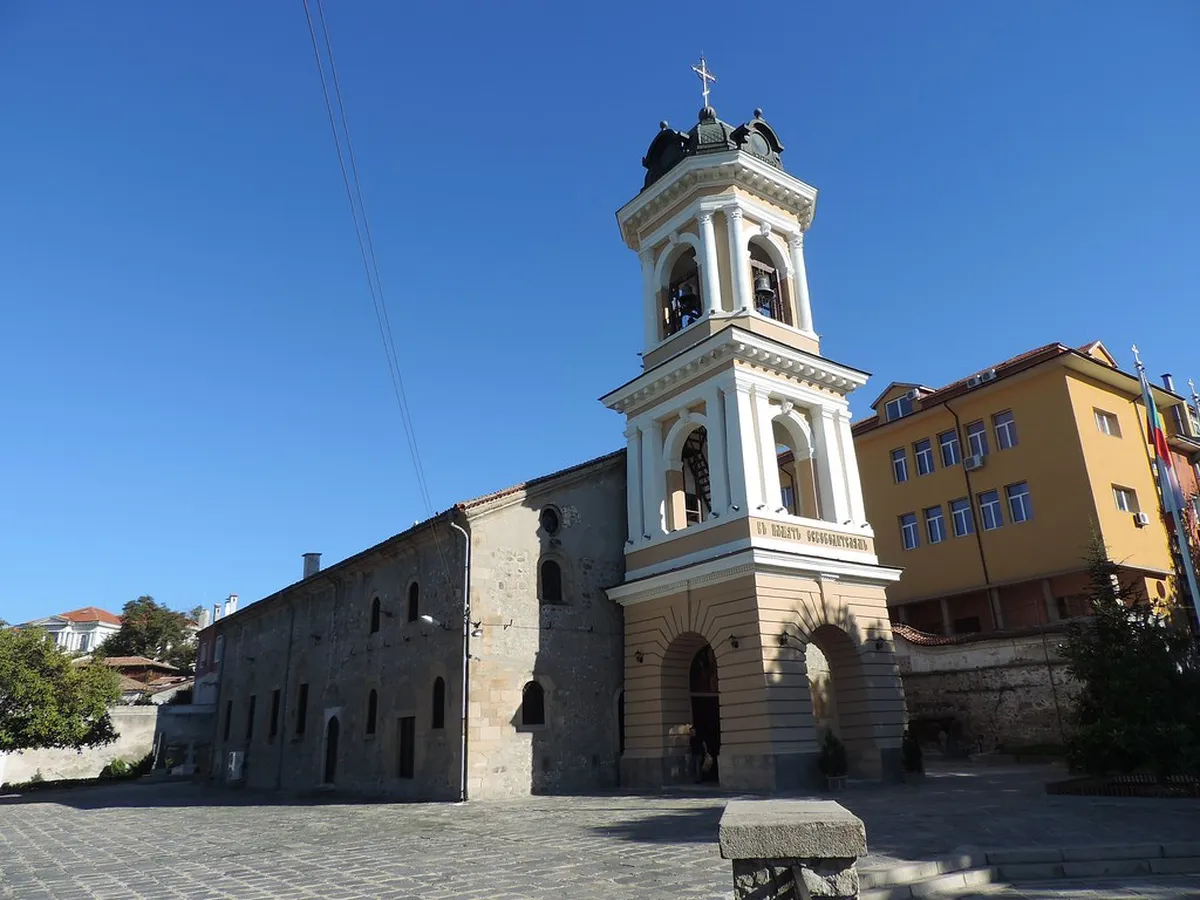
The mistake is treating Plovdiv like a checklist city. You can physically walk from the Roman Stadium to the Ancient Theatre and Nebet Tepe Visitor Guide in a few hours, but that misses why travelers like the city. Plovdiv works best when you leave space for a long lunch, a side street, and golden-hour views over the hills.
| Time in Plovdiv | Pace | What you can realistically cover |
|---|---|---|
| 1 day | Fast | Old Town, Ancient Theatre, Roman Stadium, Main Street, and dinner in Kapana. |
| 2 days | Balanced | Everything above, plus museums, Small Basilica mosaics, Nebet Tepe sunset, and a relaxed food or beer stop. |
| 3 days | Relaxed | All main sights, Bunarjik Hill, Alyosha Monument Visitor Guide, river walks, market time, and a nearby half-day option. |
- Choose one day if Plovdiv is a day trip from Sofia and you are comfortable walking for six to eight hours.
- Choose two days if this is your first Plovdiv itinerary and you want the city to feel enjoyable rather than efficient.
- Choose three days if you like photography, local food, wine, craft beer, or quieter archaeological sites.
1-Day Plovdiv Itinerary: The Ancient Highlights
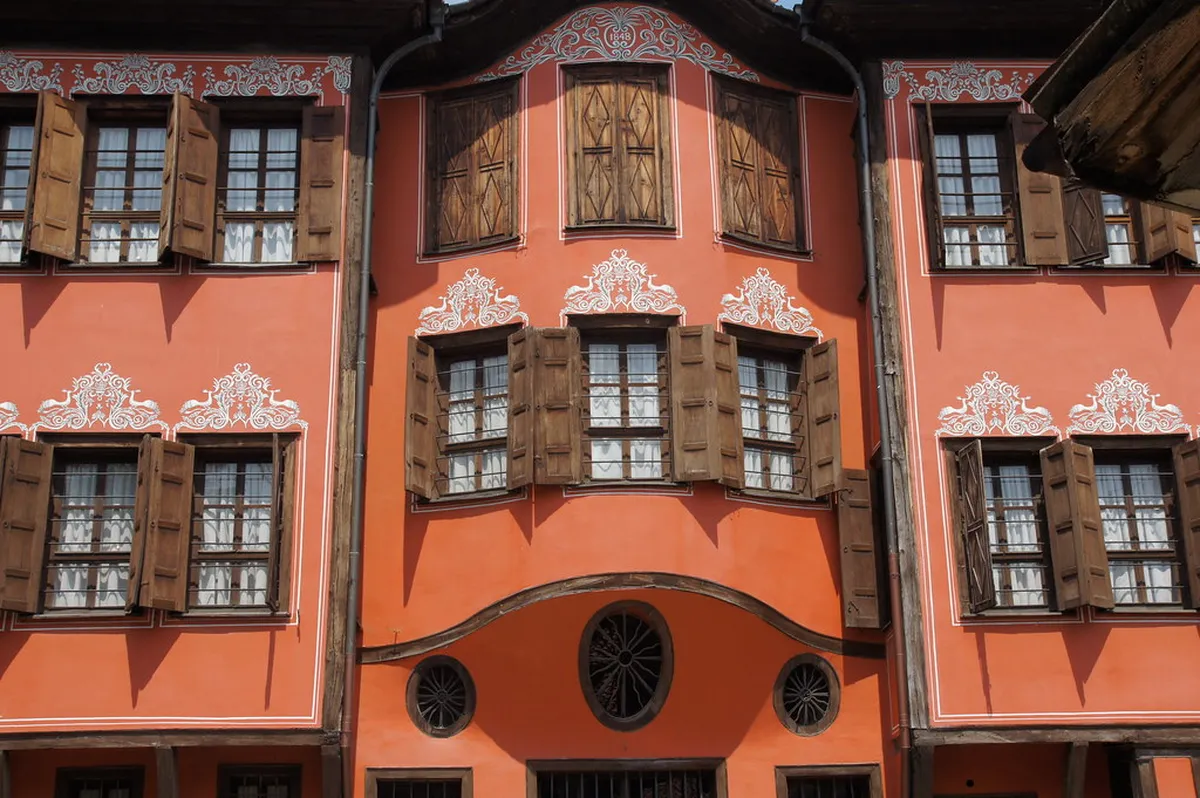
A 1-day Plovdiv itinerary should start early in Old Town before tour groups and heat build up. Begin around 9:00 at the Ancient Theatre of Philippopolis, then work downhill through the Revival-era houses, cobbled lanes, and viewpoints. The theatre is the one paid sight that belongs on almost every short visit.
After Old Town, walk to the Dzhumaya Mosque area and the Ancient Stadium of Philippopolis. The stadium sits under the main pedestrian street, so it is easy to see even when you are short on time. Use the official stadium entrance if you want the small interpretive section; otherwise the exposed ruins beside the square give enough context for a quick stop.
Late afternoon belongs to Nebet Tepe and Kapana. Nebet Tepe is best near sunset, while Kapana works for dinner, street art, cocktails, and craft beer. If you need a deeper hour-by-hour version, use the dedicated Plovdiv 1-day itinerary and keep this page for the bigger duration decision.
- Best for travelers on a Sofia day trip, fast walkers, and history-focused first-timers.
- Start with Old Town while the cobblestones are cooler and quieter.
- Leave luggage at your hotel or station storage because rolling bags through Old Town is miserable.
2-Day Plovdiv Itinerary: Kapana and Culture
Two days is the strongest choice because it separates ancient Plovdiv from modern Plovdiv. Keep day one for Old Town, the Ancient Theatre, the Roman Stadium, and Nebet Tepe. This gives you enough time to enter a house museum such as the Regional Ethnographic Museum Plovdiv instead of only photographing the facade.
Use day two for the Small Basilica, the pedestrian center, Tsar Simeon Garden, and a proper evening in Kapana creative quarter. The neighborhood is compact but dense, with cafes, galleries, burger spots, wine bars, and beer rooms packed into narrow streets. Hopium Taproom fits well after dinner if you want Bulgarian craft beer rather than another rakia or wine stop.
Food is part of the planning, not filler. Skapto Burgers works for a quick modern bite, while Rahat Tepe is better for grilled dishes and a view-led traditional meal. If you prefer wine, ask for Mavrud or another Thracian Valley red; Plovdiv is a better wine city than many short guides admit.
- Best for couples, solo travelers, food-focused visitors, and anyone who wants nights to matter.
- Use the second morning for indoor sites before the afternoon cafe and bar crawl.
- Book popular boutique rooms early for Friday and Saturday nights.
3-Day Plovdiv Itinerary: Hills and lesser-known places
Three days lets you see Plovdiv without turning every morning into a deadline. Keep the first two days close to the 2-day plan, then use the third day for hills, smaller museums, and slow neighborhoods. This is the right duration if you care about photography, city views, or less obvious archaeological sites.
The Small Basilica Archaeological Site is the best quiet addition. Its 5th- to 6th-century mosaics show birds, geometric patterns, and early Christian symbolism in a compact indoor space that rarely feels as busy as the Ancient Theatre. Go near opening time or late afternoon, and expect a modest entry fee of around EUR 3 to EUR 5 depending on ticket category.
Bunarjik Hill and the Alyosha Monument need more context than a normal viewpoint. The walk from the base takes about 25 to 35 minutes, with exposed sections that feel hot in summer. The Soviet soldier statue remains politically sensitive for some locals, so treat it as a historical site rather than a playful photo prop.
If you want the fuller slow route, our Plovdiv 3-day itinerary adds timing for museums, viewpoints, and meals. It is also the better plan if you are arriving late on day one or leaving early on day three.
- Best for relaxed travelers, photographers, repeat visitors, and anyone staying over a weekend.
- Carry water for Bunarjik Hill and avoid the climb at 14:00 in July or August.
- Swap the hill for the Maritza River walk if mobility or heat is a concern.
Essential Plovdiv Attractions You Can't Miss
The core sights are Old Town, the Ancient Theatre, the Roman Stadium, Kapana, and Nebet Tepe. Old Town is where Plovdiv feels oldest at street level, with steep cobbles, colorful Revival houses, and small museums behind high walls. Give it at least two hours even on a rushed itinerary.
The Ancient Theatre is the city's signature Roman site and still hosts performances. If a concert or opera is scheduled during your dates, it can justify staying overnight instead of making a day trip. The Roman Stadium is less complete but easier to access, sitting directly beneath the pedestrian center near Dzhumaya Square. Plovdiv's cultural importance deepened in 2019 when it earned recognition as European Capital of Culture, a designation that continues to shape the city's creative programming.
Kapana is not just a dinner district. It is the modern counterweight to ancient Plovdiv, with street art, small shops, bars, and a younger local crowd. Nebet Tepe then closes the loop, giving you the classic view over Plovdiv's rooftops and hills at sunset.
Best Areas to Stay for Short Trips
Stay near the Roman Stadium or Main Street if you have only one night. This keeps you flat, central, and close to both Old Town and Kapana. It is the easiest choice for travelers arriving by bus or train and leaving the next morning.
Old Town is atmospheric but less practical with luggage. The cobblestones are uneven, taxi access can be limited, and the streets are steep after dinner. It suits travelers who want a historic guesthouse more than convenience.
Kapana is best if restaurants and nightlife matter, but it can be noisy on weekends. For a quieter stay, look just outside the busiest lanes or around the pedestrian center. The full neighborhood breakdown is in our guide to the Best Areas to Stay in Plovdiv 2026.
Practical Logistics: Getting to Plovdiv
Plovdiv is one of the easiest city add-ons from Sofia. The route is short enough for a day trip, but an overnight stay changes the experience because you get sunset and dinner without watching the clock. If you are choosing between the two, read the fuller Plovdiv Day Trip From Sofia: A Complete 2026 Guide guide before cutting the night.
Buses are usually the simplest public transport option. Trains are scenic and comfortable when schedules line up, but they are often slower—check Bulgarian State Railways for current timetables and fares. Driving works well for a Bulgaria road trip, though parking near the center can be annoying and is not needed once you arrive.
| Route | Typical time | Typical cost in 2026 | Best use |
|---|---|---|---|
| Bus from Sofia Central Bus Station | About 2 hours | EUR 8 to EUR 12 | Fast, frequent, and easy for most visitors. |
| Train from Sofia | About 2.5 to 3 hours | EUR 5 to EUR 9 | Better scenery and more space, but slower. |
| Car from Sofia | About 1 hour 45 minutes to 2 hours | Fuel, vignette, and parking | Best if continuing to monasteries, wineries, or the Black Sea. |
Once in Plovdiv, walk the center and use taxis only for stations, late nights, or airport transfers. Cross-city taxi rides are usually inexpensive, but confirm the meter is running before you leave. Plovdiv Airport mainly serves limited budget routes, so most international travelers still arrive through Sofia.
Expert Tips for Maximizing Your Visit
Do not overbuy passes for a 1-day stay. A city card or combined museum ticket only makes sense if you plan to enter several paid houses and basilica sites in the same day. If your priority is walking Old Town, seeing the theatre, and spending the evening in Kapana, single tickets are usually simpler.
For two or three days, check whether a combined ticket covers the Regional Ethnographic Museum, Ultimate Balabanov House Visitor Guide, Hindliyan House, and related Old Town museums. It can save money if you are genuinely museum-focused, but it can also push you into indoor stops when the best part of Plovdiv is wandering. In 2026, compare the euro price at the desk before buying because transitional dual pricing may still appear on signs.
Summer needs a different rhythm. Visit exposed sites before 11:00, use indoor museums after lunch, and save Nebet Tepe or Bunarjik Hill for late afternoon. Spring and autumn are easier for walking, while winter is quieter but less lively at night.
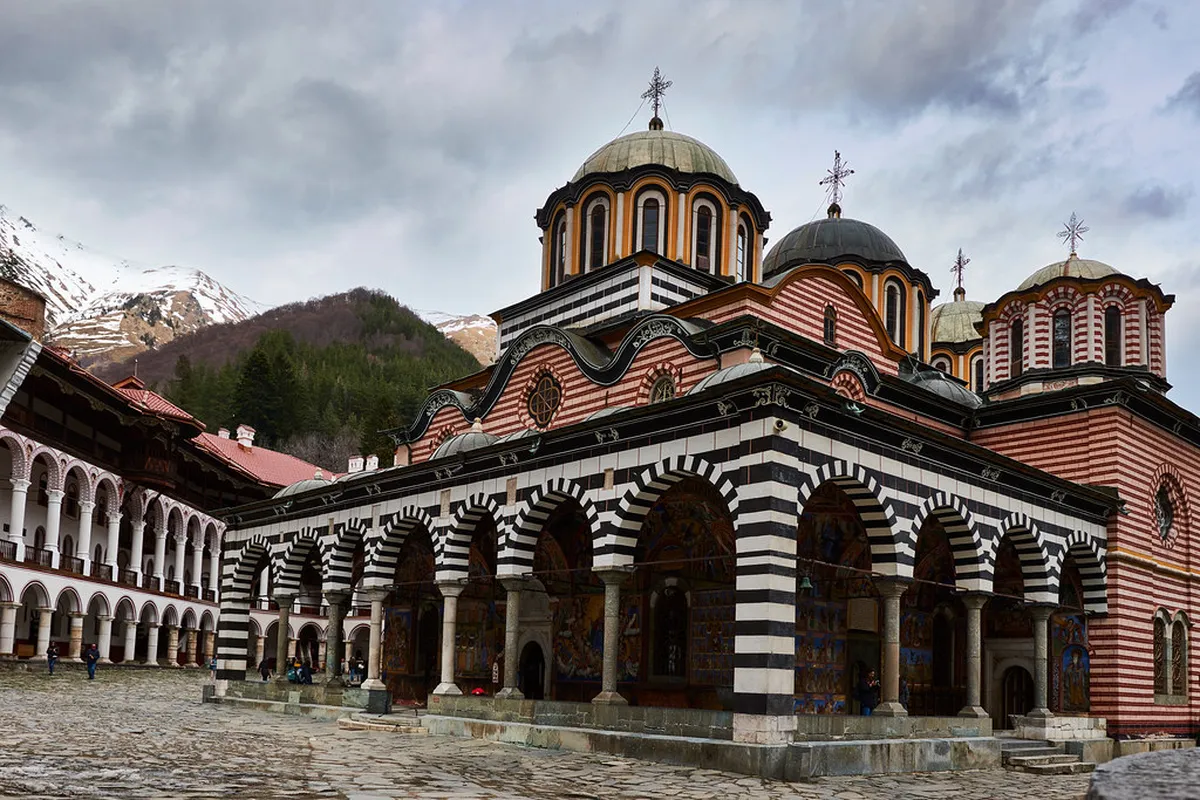
If you add a fourth day, choose the extension based on effort. Bachkovo Monastery, Bulgaria's second-largest monastery, and Asen's Fortress are the easiest short trip from Plovdiv, while Buzludzha is longer and more weather-dependent. Rila Monastery Visitor Guide is better paired with Sofia unless you have a car and do not mind a long day.
For related Plovdiv reading, see our Is Plovdiv Worth Visiting? 10 Reasons to Visit Bulgaria’s Oldest City guide.
Continue planning: Use Best Things to Do in Plovdiv to connect this guide with the rest of your Bulgaria itinerary.
Frequently Asked Questions
Is 2 days enough for Plovdiv?
Yes, two days is enough to see the major Roman sites and the Old Town. You will have time for the theatre and Kapana. This pace allows for relaxed meals and some shopping.
How long is the train from Sofia to Plovdiv?
The train journey usually takes between two and a half to three hours. It is slower than the bus but very scenic. Tickets are affordable and easy to buy at the station.
Can you walk everywhere in Plovdiv?
Most major tourist attractions are within walking distance in the city center. However, the Old Town has very steep hills and uneven cobblestones. Wear sturdy shoes to stay comfortable all day.
Plovdiv is a captivating destination that offers a unique blend of ancient history and modern creativity. Whether you stay for one day or three, the city's charm is sure to leave a lasting impression. I hope this guide helps you decide how many days in Plovdiv fits your travel style best. Enjoy your journey through the cobblestone streets of this Bulgarian gem.
Remember to take your time and enjoy the slow pace that defines life in this historic city. Don't forget to pack comfortable shoes and your camera for the stunning hill-top views. Safe travels as you explore one of the most beautiful corners of the Balkan peninsula.