
11 Best Smaller Ski Resorts in Bulgaria and Planning Tips (2026)
Discover the best smaller ski resorts in Bulgaria. From Dobrinishte to Vitosha, explore hidden gems with lower prices, fewer crowds, and authentic Bulgarian charm.
On this page
11 Best Smaller Ski Resorts in Bulgaria for 2026
Bulgaria has three headline ski resorts — Bansko, Borovets, and Pamporovo — that draw the bulk of international visitors. But beyond the Big Three, a network of smaller mountains offers quieter slopes, friendlier prices, and a more authentic connection to Bulgarian mountain life. According to Bulgaria's official tourism board, these hidden gems deliver authentic experiences at a fraction of major-resort costs. This guide covers the best of those alternatives, with practical detail on terrain, lift passes, access, and when to go.
Many visitors head straight to the 9 Things to Know About Ski Resorts in Bulgaria without realizing the value available elsewhere. Smaller resorts trade scale for atmosphere, and the savings on lift passes, gear hire, and accommodation can be significant. The sections below break each key resort into its own chapter so you can compare fairly and choose based on your priorities.
Why Opt for Smaller Ski Resorts in Bulgaria?
The Bansko gondola queue is a known bottleneck in peak season. On a busy February weekend the wait can run to 45 minutes before 09:00, eating directly into your skiing time. Smaller resorts have no such bottleneck. At Malyovitsa or Panichishte you walk from the car park to the lift in under five minutes, every morning, regardless of the date.
Authentic culture is a second reason. Local taverns — mehanas — near smaller resorts have not adapted menus to international tastes the way resort-town restaurants have. You will find proper kavarma (slow-cooked pork or chicken with vegetables), banitsa fresh from a wood oven, and shkembe chorba (tripe soup, a traditional skier's breakfast) for 6–8 BGN per dish. These places are frequented by Bulgarians, not just tourists.
Financial savings are the most concrete draw for those pursuing budget ski holidays in Bulgaria. Adult day passes at smaller mountains typically run 30–55 BGN versus 115–120 BGN at Bansko. Equipment rental averages 20–30 BGN per day compared to 40–50 BGN in the major resorts. A family of four can realistically save 200–400 EUR over a five-day trip by choosing a smaller destination.
Smaller Resorts vs. Bansko, Borovets, and Pamporovo
The Big Three dominate for a reason. Bansko has 75 km of pistes running to 2,500 m, a modern eight-seat gondola, and a UNESCO-listed old town with dozens of mehanas. Borovets is Bulgaria's oldest resort (1896) with 58 km of slopes and night skiing. Pamporovo in the Rhodopes offers 36 km of tree-lined pistes at southerly altitude, best suited to beginners. All three have reliable snowmaking, ski schools with English-speaking instructors, and a full range of accommodation from hostels to four-star hotels.
What they lack is intimacy. Bansko in peak season is an international resort with queues, high prices, and significant nightlife noise. Borovets draws heavy weekend crowds from Sofia. Pamporovo is mild in altitude (1,926 m peak), meaning natural snow can be thin in warmer winters. The smaller resorts in this guide sit at different points on the trade-off curve: fewer amenities, but also fewer crowds, lower prices, and a skiing experience that still feels genuinely Bulgarian.
The table below gives a quick comparison of the main smaller resorts covered here. Distances are from Sofia city centre.
| Resort | Mountain Range | Piste Length | Peak Altitude | Distance from Sofia | Adult Day Pass (approx.) | Best For |
|---|---|---|---|---|---|---|
| Dobrinishte (Bezbog) | Pirin | 5 km | 2,240 m | 161 km | ~65 BGN (€33) | Spa breaks, intermediate skiers, Bansko combo |
| Vitosha (Aleko) | Vitosha | 20 km | 2,290 m | 10 km | ~55 BGN (€28) | Day trips from Sofia, beginners |
| Chepelare (Mechi Chal) | Rhodope | 25 km | 1,937 m | 220 km | ~60 BGN (€30) | Intermediate/advanced, ski training |
| Malyovitsa | Rila | 4 km | 2,729 m | 87 km | ~45 BGN (€23) | Backcountry, ski touring, families |
| Panichishte (Rilski Ezera) | Rila | ~6 km | 2,100 m | 95 km | ~40 BGN (€20) | Budget skiing, scenic day trips |
| Osogovo | Osogovo | ~5 km | 1,700 m | 120 km | ~35 BGN (€18) | Snowboarders, freestyle, locals |
| Uzana | Stara Planina | ~3 km | 1,400 m | 220 km | ~25 BGN (€13) | Children, first-timers |
Smaller resorts save families €200–400 over a week compared to Bansko. Adult day passes run 25–65 BGN versus 115–120 BGN at major resorts. Equipment hire averages 20–30 BGN per day compared to 40–50 BGN elsewhere. Authentic mehana meals cost 6–8 BGN per dish with proper kavarma, banitsa, and traditional cuisine frequented by locals, not tourists.
Dobrinishte Ski Resort: The Best Alternative to Bansko
Dobrinishte sits 6 km south of Bansko in the Pirin Mountains. Its ski zone runs from 1,485 m at the base up to 2,240 m at the Bezbog Hut, served by one chairlift and three drag lifts. The 5 km of pistes are split across blue, red, and a short black section. The season typically runs from early December through to early May, making it one of the longer-season options among smaller Bulgarian resorts. Adult day passes cost around 65 BGN (approximately €33) for the 2025–2026 season; children aged 7–12 pay around 43 BGN.
The village itself is famous for 17 mineral hot springs. Several hotels pipe the mineral water directly into outdoor thermal pools that remain open year-round. After a morning on the slopes, a soak in 37°C mineral water costs nothing extra if you are staying at one of the spa hotels. This combination of skiing and thermal wellness is rare in Bulgaria and genuinely sets Dobrinishte apart from every other resort in the country.
The dual-base tactic is worth knowing about: stay in Dobrinishte, ski the Bezbog area on calmer days, and buy a single Bansko day pass (around 120 BGN) on the day you want bigger terrain and longer runs. The drive between the two is 10 minutes. Accommodation in Dobrinishte runs significantly cheaper than in Bansko — a guesthouse room with breakfast is often 40–60 EUR per night versus 80–120 EUR in Bansko town. Over a week, the savings on accommodation alone can offset multiple Bansko day passes. This is the most cost-effective way to access Pirin's full terrain without committing to Bansko prices every night.
Dobrinishte's 17 mineral hot springs set it apart: several hotels pipe mineral water into outdoor thermal pools (37°C) open year-round. A soak after morning skiing is included if you stay at a spa hotel. This wellness-skiing combo is rare in Bulgarian resorts and genuinely justifies combining Dobrinishte base-days with occasional Bansko passes for longer terrain.
Vitosha (Aleko): High-Altitude Skiing Near Sofia
The Aleko ski area on Vitosha mountain sits just 10 km from central Sofia, making it unique in Europe: a proper high-altitude ski zone reachable in under 20 minutes from a capital city. The resort operates 20 km of slopes across blue, red, and black runs at around 1,800–2,290 m. Lifts typically open from 09:00 and the season runs December through March, though the exact opening depends on snowfall. A day pass for adults costs around 55 BGN in 2026.
The trade-offs are real and worth knowing before you go. Vitosha's exposed plateau makes it highly susceptible to wind. When gusts exceed 15 m/s the chairlifts close for safety, which can happen at short notice. Check the Vitosha Natural Park weather forecast the evening before — not just a general Sofia forecast, as the plateau can experience gale conditions when the city is calm. The lift infrastructure is older than at Bansko or Borovets, and queues can build on weekend mornings as Sofia residents descend in numbers.
That said, no other resort in Bulgaria lets you ski from a city. You can take the number 66 bus from central Sofia to the Aleko base area, ski a few runs over a lunch break, and be back in the city by mid-afternoon. For city-based travellers who want one ski day without renting a car or booking accommodation, Vitosha is the only logical option. Advanced skiers visiting Sofia should set realistic expectations — the black runs are genuine but limited in number and length.
Chepelare (Mechi Chal): A Rhodope Mountain Favorite
Chepelare's Mechi Chal ski area lies in the western Rhodope Mountains, roughly 220 km from Sofia and 18 km from Pamporovo. It covers around 25 km of pistes served by a modern four-seat chairlift, with runs ranging from gentle blues to demanding reds. The resort's highest point sits at 1,937 m. Adult day passes run approximately 60 BGN; the slopes open at 08:30. Mechi Chal has good snow-making infrastructure and a training center used by the Bulgarian national alpine ski team, which tells you something about the slope quality.
One piste here deserves specific mention: the long red descent from the upper chairlift is one of the most challenging and rewarding red runs in any Bulgarian resort outside Bansko. It is wide, well-groomed, and long enough that you do not feel you are looping the same 500 m over and over. Intermediate skiers looking to push their technique will find Mechi Chal genuinely satisfying in a way that Pamporovo — which is primarily a beginner and novice resort — is not.
The town of Chepelare itself is a practical base. Accommodation is modest but inexpensive, restaurants serve traditional Rhodope cooking, and the local Ski Museum is worth an hour if weather closes the slopes. Pamporovo and Mechi Chal share a ski-pass arrangement in some seasons — check the current season's deal before buying, as a combined pass can give you access to both areas for a small premium.
Malyovitsa: Rugged Slopes and Backcountry Trails
Malyovitsa sits at the heart of the Rila Mountains, 87 km from Sofia and widely regarded as the cradle of Bulgarian mountaineering. The ski zone is small — around 4 km of pistes covering blue, red, and black runs — but the surrounding terrain is the draw. The area opens at 08:30 and day passes typically cost 40–48 BGN for adults. Saturday evenings usually include a night-skiing session from 18:00 to 21:00, one of the few smaller resorts in Bulgaria that offers this.
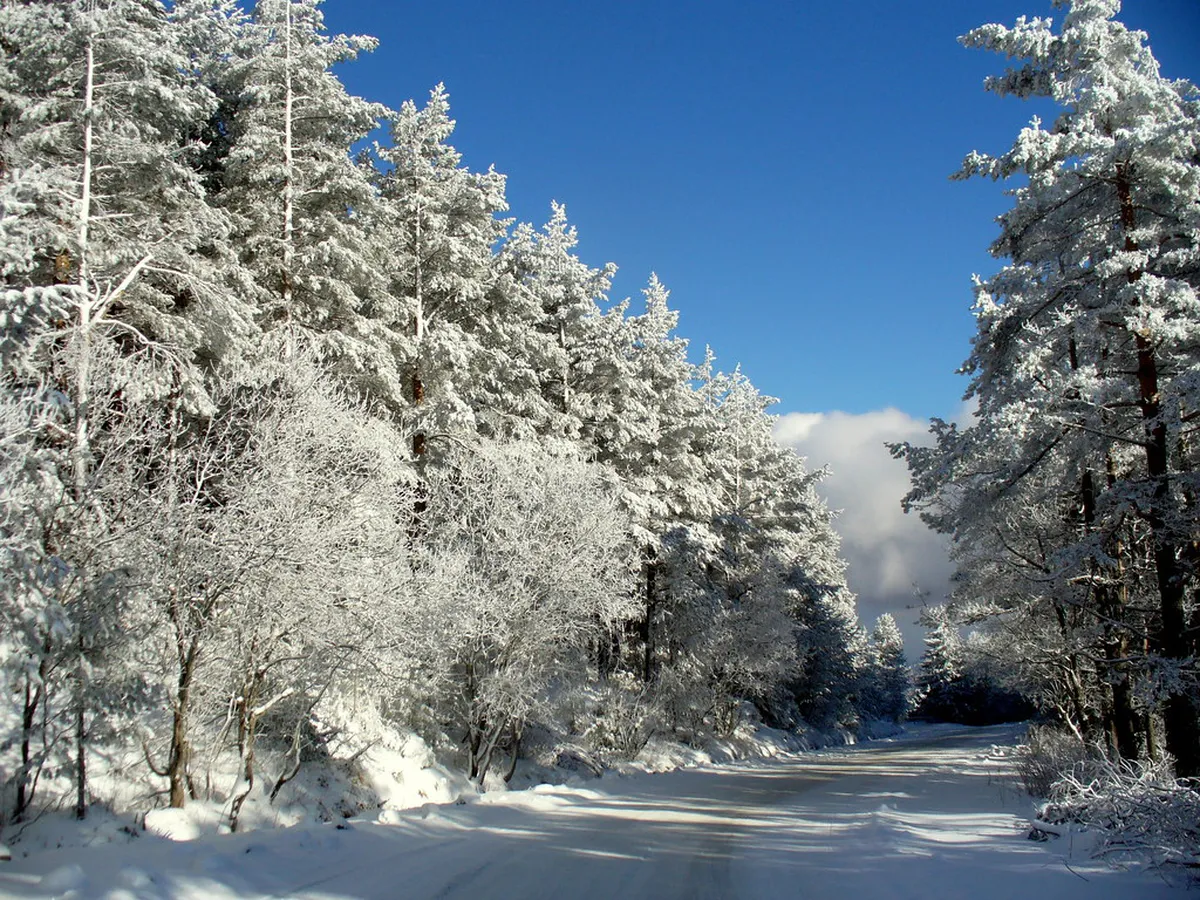
The real reason to come to Malyovitsa is off-piste and ski touring. The Rila massif above the resort — including slopes leading toward Malyovitsa Peak at 2,729 m — offers access to untouched terrain that is simply not available at any commercial resort in Bulgaria. Hire a certified local mountain guide for any backcountry excursion. The guides know which routes are avalanche-stable in which conditions, and the off-piste quality here can rival anything in the Alps at a fraction of the cost.
Three hotels operate at the resort base and all offer spa and wellness facilities. The Malyovitsa Mountaineering Museum at the base is a small but genuine institution covering the history of Bulgarian alpine exploration. Families with children will find the resort calm and low-pressure; the snow play area and tubing track keep non-skiers occupied. Access from Sofia takes around 90 minutes via Samokov — a good road with occasional ice patches in January and February, so winter tyres are essential.
Panichishte and Rilski Ezera: Scenic Budget Skiing
Panichishte and the Rilski Ezera (Seven Rila Lakes) area share a ski zone accessed from the end of the road above the Rila Monastery valley. A single chairlift rises to around 2,100 m, from where several natural pistes descend through pine forest. Lift tickets cost approximately 40 BGN for adults. The single-chair lift is slow — allow 25 minutes for the ascent, and bring a warm seat pad in January. The views across the Rila peaks make the ride worthwhile, but this is a resort for people who prioritise scenery and price over speed and variety.
The area is best visited mid-week. Weekend traffic from Sofia fills the small car park at the base and the limited pistes can feel crowded for their size. In terms of difficulty the runs suit beginners and early intermediates. Advanced skiers will exhaust the marked terrain in half a morning, though the landscape invites ski touring for those with the equipment and experience.
The nearby Rila Monastery — a UNESCO World Heritage Site — is 15 km from the ski area. Combining a morning on the slopes with an afternoon at the monastery makes for one of the more memorable winter day trips available anywhere in Bulgaria. The monastery complex remains open through winter and receives far fewer visitors in January and February than in the summer months.
Osogovo and Uzana: Hidden Gems for Local Skiers
The Osogovo ski area sits near Kyustendil in the Osogovo Mountains, roughly 120 km southwest of Sofia. Its runs are relatively short but the resort maintains a well-used freestyle park popular with local snowboarders. Night skiing operates on selected evenings during peak season. Day passes cost around 35 BGN for adults, making this one of the more affordable lift-served areas in Bulgaria. The drive from Sofia takes under two hours on good roads. Stay in Kyustendil and use the town's mineral baths in the evening — the city has been famous for its hot springs since Roman times.
Uzana, in the Stara Planina (Balkan Mountains) near Gabrovo, targets beginners and families entirely. The slopes are gentle and the environment is deliberately low-pressure. Day tickets run around 25 BGN. More experienced skiers will be bored within an hour, but for a first day on skis with young children, Uzana removes the stress completely. The nearby Ethnographic Complex Etar — a working open-air museum of traditional Bulgarian crafts — provides a good afternoon option if the snow conditions deteriorate.
Both Osogovo and Uzana represent the hyper-local end of the Bulgarian ski scene. These are not destinations to build a ski holiday around unless you are visiting specifically to explore that corner of the country. They function best as day trips from a base in Kyustendil or Gabrovo, or as warm-up days for beginners before moving to a resort with more terrain.
Is Skiing in Bulgaria Actually Cheap?
Compared to the French or Swiss Alps, Bulgaria remains significantly more affordable. But the gap has narrowed in recent years. A six-day adult lift pass in Bansko for the 2024–2025 season cost 635 BGN (approximately €324), which is comparable to a mid-size Alpine resort. Equipment hire at 185 BGN (€95) for six days still undercuts France and Austria by 40–50%. Food and drink on the slopes costs roughly half of Alpine prices in lev terms.
The savings are most pronounced at the smaller resorts. A day pass at Dobrinishte runs €33 versus Bansko's €59. Rental equipment drops to €10–15 per day at Malyovitsa or Panichishte. A guesthouse room near Uzana or Osogovo costs 30–50 EUR per night including breakfast — half to a third of what comparable accommodation costs in Bansko town. For families, the savings stack up to several hundred euros over a week, which funds activities like guided backcountry tours or thermal spa days.
For those exploring 8 Essential Tips for Family Ski Holidays in Bulgaria, smaller resorts also offer semi-private or private ski lessons at the price of group clinics at major resorts. An instructor at Malyovitsa or Chepelare will often spend two hours with a single child for the same fee that buys a half-day group lesson in Bansko. This is a genuine quality advantage, not just a cost one.
Bulgarian Après-Ski: Food, Drink, and Atmosphere
Bansko and Borovets carry a well-earned reputation as stag-do destinations. Budget flights from the UK and sub-€2 beers have made them popular with groups, and the nightlife reflects it. If you want live folk music and authentic mehana food rather than shots at a themed bar, the smaller resorts are genuinely better suited to that experience. There are no British-themed pubs in Chepelare or Malyovitsa. The bars that exist serve rakia (a Bulgarian fruit brandy, typically plum or grape), local beer, and mulled wine to a predominantly Bulgarian clientele.
The food at smaller-resort mehanas is worth seeking out specifically. Kavarma — pork or chicken slow-cooked with peppers, onions, and tomatoes in a clay pot — appears on almost every mountain menu. Banitsa (filo pastry with white cheese or spinach) is the standard breakfast. Shkembe chorba, a tripe soup served with vinegar and garlic, is the traditional Bulgarian hangover cure and a fixture at early-opening mountain huts. A full mehana dinner with rakia and wine costs 25–40 BGN per person. The Bulgarian wine — particularly whites from the Rhodope foothills and reds from the Thracian Plain — is genuinely good and priced at 10–15 BGN per bottle in restaurants.
Evening options at smaller resorts are limited by design. The culture is: ski hard, eat well, sleep. This suits many travellers who find the Bansko nightlife scene exhausting. If you want nightlife, Borovets or Bansko are the right choice. If you want a warm wooden room, a clay pot of kavarma, and a glass of rakia while snow falls outside, the smaller resorts deliver that consistently.
Essential Logistics for Smaller Bulgarian Resorts
Renting a car with winter tyres is the most practical approach for visiting most of these resorts. Mountain access roads to Malyovitsa, Panichishte, and Semkovo are narrow and steep. They are ploughed after significant snowfall but rarely treated with salt, making all-season tyres genuinely hazardous. Winter tyres are a legal requirement in Bulgaria on mountain roads from November 1 to March 1. Snow chains are worth carrying as a backup. Most major rental companies at Sofia Airport offer winter-tyre vehicles as standard in the ski season — confirm when booking, and add the snow-chain supplement if available. Understanding Bulgaria's winter highlights road conditions before you drive is important.
Vitosha (Aleko) is the exception: the number 66 bus from central Sofia runs to the base area and is a genuinely usable alternative to driving. Dobrinishte is accessible by train from Sofia (the narrow-gauge Septemvri–Dobrinishte line, approximately 5 hours) or by bus via Bansko. For Chepelare and Pamporovo, buses from Plovdiv (90 minutes) run regularly. The more remote spots — Malyovitsa, Semkovo, Panichishte — are effectively car-only unless you book a transfer.
Always carry cash in Bulgarian Lev. Remote lift ticket offices, mountain hut restaurants, and village parking areas rarely accept card payment. Withdraw enough in Sofia or Samokov before heading into the mountains — ATMs in mountain villages are scarce and often out of service in winter. For accommodation bookings, contacting guesthouses directly by phone or email often secures a better rate than online platforms, and hosts will usually give you more accurate local information than any website.
Frequently Asked Questions
Which smaller Bulgarian ski resort is best for families?
Uzana is the top choice for families due to its gentle slopes and central location. The resort offers a safe, low-pressure environment for children to learn. It is also one of the most affordable options in the country.
Can I reach smaller ski resorts in Bulgaria by public transport?
Yes, many resorts like Vitosha and Dobrinishte are accessible by bus or train from major cities. However, renting a car is recommended for reaching more remote spots like Semkovo or Malyovitsa. Check the Bulgaria Ski Holidays for transport tips.
When is the best time to visit smaller ski resorts?
Late January and February offer the most reliable snow cover for smaller resorts. Many of these areas lack extensive snow-making, so visiting during the peak winter months is essential. Always check local weather reports before traveling.
The smaller ski resorts in Bulgaria reward travellers who do a little research before they arrive. Dobrinishte delivers the best value in the Pirin range, especially if you pair it with Bansko day passes. Vitosha is unmatched for convenience from Sofia. Chepelare gives intermediate skiers a genuine technical challenge in the Rhodopes. Malyovitsa opens the door to Rila backcountry at prices no Alpine resort can match. And the quieter spots — Panichishte, Osogovo, Uzana — each fill a niche for budget-conscious or beginner-focused travellers.
The 2026 season brings no shortage of reasons to look beyond the Big Three. Authenticity, affordability, and empty pistes are in the smaller mountains. Plan carefully around transport and snow conditions, carry cash, and the experience will be one of the more memorable winter trips available in Europe at this price point.