8 Key Differences Between Plovdiv and Sofia
Sofia feels like a busy European capital while Plovdiv offers a slower, artistic pace. Both cities are genuinely rewarding — the problem is most visitors only have four or five days and need to make a call. This guide, updated for 2026, cuts through the noise and gives you concrete differences to help you decide.
Many travelers struggle to choose between these two Bulgarian gems during a short trip. Sofia offers grand monuments and urban energy. Plovdiv provides a romantic atmosphere with ancient ruins tucked into every corner. Both cities are affordable and pack far more into a day than most visitors expect. If you want to explore Best Things to Do in Plovdiv in depth, two days is the minimum you need there.
Atmosphere: Small-Town Charm vs. Capital City Energy
Sofia is the grand capital of Bulgaria and feels like a major European hub. The streets are wide, the energy constant, and the mix of modern business and deep historical roots pulls in multiple directions at once. You will encounter everything from Soviet-era ministry blocks to sleek glass towers within a single city block.
Plovdiv has a much more relaxed and bohemian feel. Locals linger at outdoor cafes for hours. Street art appears between Ottoman-era courtyards, and the pace of life invites you to slow down in a way that Sofia simply does not. The city was European Capital of Culture in 2019, and that investment in arts infrastructure still shows clearly in 2026.
The vibe difference is real but nuanced. Sofia has the authentic Eastern European edge — slightly crumbly, artistic, not sanitized for tourists — that Budapest lost a decade ago. Plovdiv has a holiday feel, almost Mediterranean, helped by palm trees in the center and a climate that runs warmer than the capital. Which atmosphere suits you is the single most important decision in this comparison.
| Factor | Plovdiv vs. Sofia (2026) |
| Vibe | Plovdiv: relaxed, bohemian, walkable. Sofia: busy capital-city energy |
| Mid-range daily budget | Plovdiv EUR 50–75; Sofia EUR 65–90 |
| Headline history | Plovdiv: Roman Theatre + Old Town. Sofia: Alexander Nevsky Cathedral |
| Nature | Plovdiv: seven hills. Sofia: Vitosha Mountain (2,290 m, skiing) |
| Suggested nights | 2 in Plovdiv, 3 in Sofia (5 total for both) |
| Best for first-timers | Plovdiv — compact, immediate charm, two days is enough |
If you want to weigh the two cities side by side before deciding, this short comparison walks through the trade-offs:
History: Ancient Roman Heritage vs. Soviet and Orthodox Grandeur
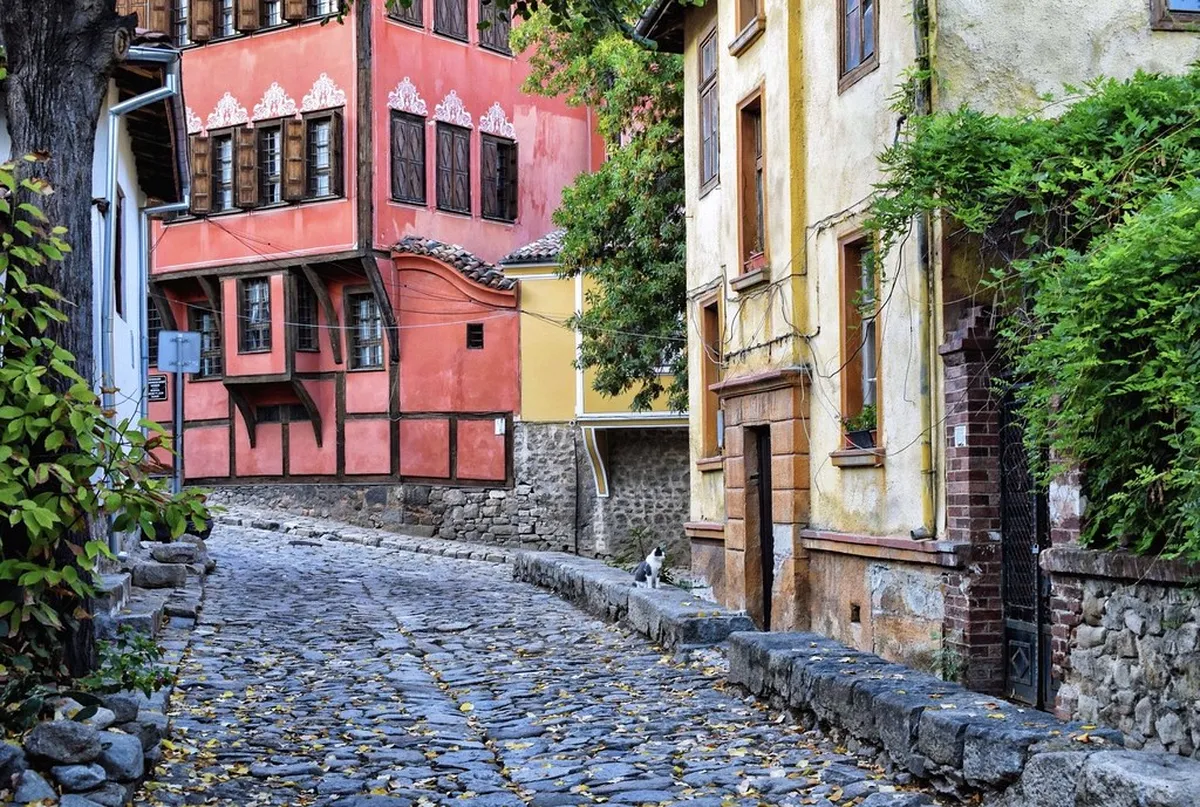
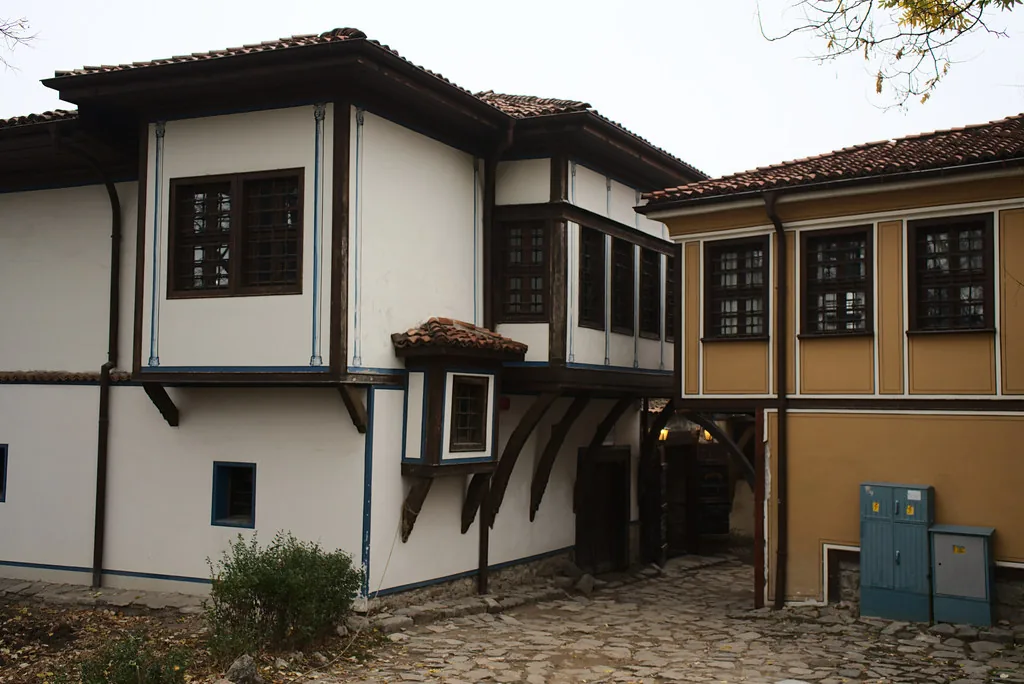
Plovdiv is one of the oldest continuously inhabited cities on Earth — over 8,000 years of settlement are embedded into its cobblestone streets. You can see a Roman stadium preserved under a modern shopping precinct on the main pedestrian boulevard. The Plovdiv Old Town showcases Bulgarian National Revival architecture at its finest: painted cantilever houses, wooden shutters, and narrow lanes climbing Nebet Tepe Visitor Guide hill. The site is on UNESCO's tentative World Heritage list, recognizing its exceptional historical layering.
The Roman Theatre of Plovdiv, built in the 1st century AD, is still used for live performances today. Watching a concert in a 7,000-seat ancient venue with the city skyline as a backdrop is one of Bulgaria's genuinely unmissable experiences. The Roman Theater guide covers ticketing and the best seats.
Sofia showcases a different layer of history. The Alexander Nevsky Cathedral Visitor Guide, built between 1882 and 1912 to honor Russian soldiers who liberated Bulgaria from Ottoman rule, is one of the largest Orthodox cathedrals in the world. The interior — marble, onyx, intricate frescoes, and beeswax candle scent — takes a full hour to absorb properly. Walking Sofia's streets, you pass the 6th-century Saint Sophia Church, the Banya Bashi Mosque, and Soviet-era government blocks within ten minutes. The layering of empires is visible everywhere.
Food Scene: Kapana District vs. Sofia's International Dining
Plovdiv's Kapana district — "The Trap" — is the standout food and drink neighborhood in Bulgaria. This compact, mostly pedestrianized area is packed with craft beer bars, independent cafes, and restaurants serving everything from grilled kebapche to creative Bulgarian small plates. The atmosphere after dark, with fairy lights strung across the alleys, is unlike anything in Sofia. The Kapana creative quarter guide has a full rundown of the best spots.
Sofia offers a wider variety of international dining options spread across the city. Excellent sushi, Italian trattorias, and a more sophisticated cocktail bar scene are all here. The trade-off is distance — the cool bars in Sofia are spread out, and you will cover more ground between drinks than in Plovdiv's concentrated Kapana. The 15 Best Restaurants in Plovdiv skew traditional Bulgarian, which is precisely the point for most visitors.
Meal prices in 2026 are comparable: a sit-down lunch at a mid-range restaurant runs BGN 20–35 (EUR 10–18) in both cities. Sofia has more high-end options at the top, while Plovdiv's food scene stays rooted in cozy, independent spots with local character.
Nightlife and Entertainment: Concentrated vs. Spread Out
This is the axis where the two cities diverge most sharply after dark. In Plovdiv, nightlife is concentrated in Kapana: the same compact, pedestrianized grid of craft beer bars and independent cafes that powers the food scene simply rolls into the evening. Fairy lights come on, the alleys fill, and you can hop between five or six venues without ever crossing a road. It is sociable, walkable, and easy to navigate even on your first night in the city.
Sofia plays a different game. As the capital, it carries a genuine club and live-music scene, a first-class arts calendar — galleries, theatre, opera, and a constant stream of events — and a more sophisticated cocktail-bar culture. The trade-off is geography: Sofia's best bars are spread across several neighborhoods rather than packed into one quarter, so you will cover more ground (and occasionally a short taxi) between drinks than you ever would in Plovdiv.
The practical takeaway: if you want a buzzing, big-city night out with variety and a serious arts program, Sofia delivers. If you want an effortless, convivial evening where everything is two minutes' walk away, Plovdiv's Kapana is hard to beat. For couples and first-time visitors, Plovdiv's concentrated format usually wins; for nightlife-led trips, Sofia has the depth.
Nature: Plovdiv's Seven Hills vs. Vitosha Mountain
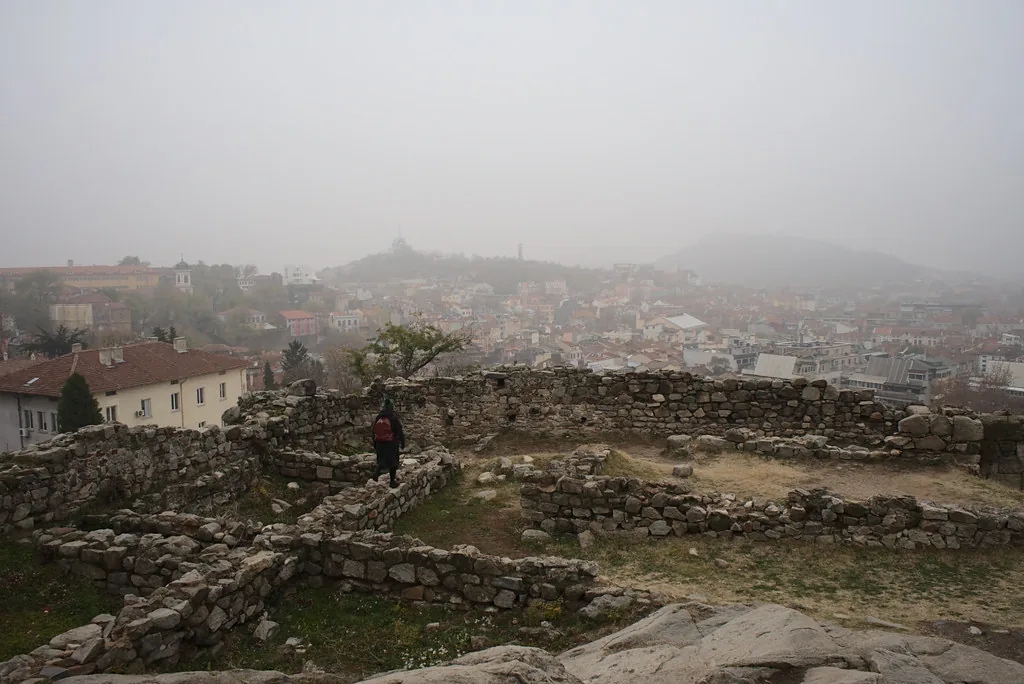
Plovdiv sits on a plain but is defined by its seven syenite hills, several of which are walkable from the city center. The fortress ruins at the top of Nebet Tepe hill give panoramic views over the Old Town and the Rhodope Mountains in the distance with very little effort — a 20-minute uphill walk from the main square. The Maritsa River runs through the city and is flanked by parks used heavily by locals for cycling and evening walks.
Sofia's natural asset is categorically different in scale. Vitosha Mountain Visitor Guide looms over the city at 2,290 meters and is visible from much of central Sofia — you can walk down a narrow city street and see snowcapped peaks at the end of the boulevard. In winter, Zlatni Mostove (Stone River) on Vitosha offers skiing within 30 minutes of the city center by bus. In summer, hiking trails reach the summit. No other European capital offers this proximity to serious alpine terrain.
If mountain access is a priority for your trip, Sofia wins outright. If you want scenic city walks with historic payoff at every summit, Plovdiv's hills are more than sufficient — and you can combine them easily with the Old Town on a single morning.
Walkability: The Hilly Old Town vs. Flat Grand Boulevards
Sofia is a flat city, which makes long walks easy. The main pedestrian street, Vitosha Boulevard, is perfect for a long stroll between coffee stops. The metro system is modern and covers the main tourist areas — you can reach most major sights without a taxi. Trams add another layer of transit that Plovdiv entirely lacks.
Plovdiv is compact but hilly, and the Old Town's cobblestones are uneven and steep. Wear grip-soled shoes — the stones get slick after rain. The city center is mostly pedestrianized, so once you arrive in the right area there is almost no traffic to navigate. Most of Plovdiv's highlights are concentrated in a small enough radius to cover on foot in a day. See our Plovdiv 1-day itinerary for a practical walking sequence.
Seasonal Timing: The Detail Most Travelers Miss
Plovdiv has a warmer climate than Sofia — generally true — but this comparison inverts in July and August. Plovdiv sits at 160 meters elevation on a flat Thracian plain and regularly hits 38–42°C in midsummer. Walking the cobblestone Old Town at midday in August is genuinely punishing: there is almost no shade on the main hill paths, stone surfaces radiate heat, and the uphill sections become exhausting.
Sofia sits at 550 meters elevation and stays 5–7°C cooler than Plovdiv throughout summer. A day in the capital that peaks at 32°C is comfortable for sightseeing; the same day in Plovdiv often hits 39°C. For summer visitors who are sensitive to heat, this is a material factor — Sofia is the easier city to walk in June, July, and August.
The seasonal calculus flips in spring and autumn, when Plovdiv's warmer base temperature is a genuine advantage. April, May, September, and October are peak months for Plovdiv: warm evenings, outdoor Kapana culture in full swing, and the Roman Theatre concert season running at full schedule. Winter in Sofia offers Vitosha skiing; winter in Plovdiv is quiet but mild and very affordable. The How Many Days In Plovdiv: 8 Essential Planning Tips guide covers timing by season in more detail.
💡 Good to know: If you visit in July or August and are sensitive to heat, weight your itinerary toward Sofia (550 m elevation, 5–7°C cooler) and walk Plovdiv's cobblestone Old Town early morning or after 18:00 — the main hill paths have almost no shade and stone surfaces radiate heat at midday.
Accessibility: Logistics and Travel Between Cities
Most international flights land at Sofia Airport year-round. Plovdiv Airport handles seasonal charter routes — mainly from the UK and Germany — but is not a reliable arrival hub for most travelers. The standard approach is to fly into Sofia and travel onward.
The journey between Sofia and Plovdiv takes approximately 1 hour 45 minutes by express train or 2 hours by bus. Buses from Sofia Central Bus Station on Knyaginya Maria Luiza Boulevard depart roughly every 30 minutes from 06:00 to 21:00. Train tickets from Sofia Central Station cost BGN 14–18 (EUR 7–9) and can be booked via Bulgarian State Railways. The Plovdiv day trip from Sofia guide covers schedules and which station to use for each option.
Combining both cities in one trip is very feasible. A common pattern: arrive in Sofia, spend two or three nights, then take the morning bus or train to Plovdiv for two nights before heading home from Plovdiv Airport or returning to Sofia for your flight.
💡 Good to know: You don't have to choose. The express train links Sofia and Plovdiv in about 1 hour 45 minutes for BGN 14–18 (EUR 7–9), so a 4–5 day trip can comfortably cover both. Buses run roughly every 30 minutes from 06:00 to 21:00, which makes a same-day return day trip workable if you only have a few hours to spare.
Day Trips and UNESCO Sites From Each City
If you are weighing the two cities as bases for exploring the wider region, the surrounding excursions matter as much as the cities themselves — and here the calculus shifts toward Sofia.
Sofia is the better launchpad for Bulgaria's headline UNESCO World Heritage Sites. The Rila Monastery Visitor Guide, the country's most iconic religious landmark, is a popular full-day excursion from the capital, and the medieval Boyana Church Visitor Guide sits on Sofia's own outskirts beneath Vitosha Mountain. That gives Sofia-based travelers easy access to multiple World Heritage sites without ever leaving the day-trip radius — a genuine advantage for anyone building a Bulgaria highlights trip.
Plovdiv counters with depth in its own backyard. The city itself sits on UNESCO's tentative World Heritage list for its layered Roman and National Revival heritage, and the nearby Bachkovo Monastery Visitor Guide — Bulgaria's second-largest — Asenovgrad's clifftop fortress, and the Plovdiv wine region all make easy half- or full-day outings. Our Day Trips from Plovdiv: Top 10 Escapes (2026 Guide) guide maps these routes in detail.
The verdict on excursions: choose Sofia as your base if ticking off Rila Monastery and the big UNESCO names is a priority; choose Plovdiv if you prefer monasteries, fortresses, and vineyards reachable in under an hour with less driving.
Cost of Travel: Comparing Daily Budgets
Both cities are among the cheapest destinations in Europe in 2026, but there are meaningful differences at each budget tier. Plovdiv is consistently cheaper than Sofia for accommodation and food, particularly in the mid-range bracket. Bulgaria's official tourism portal offers comprehensive budget breakdowns by season and region.
- Budget traveler (hostel dorm, street food, free sights): Plovdiv BGN 40–60/day (EUR 20–30); Sofia BGN 50–75/day (EUR 25–38)
- Mid-range (private room, restaurant lunch and dinner, entry fees): Plovdiv BGN 100–150/day (EUR 50–75); Sofia BGN 130–180/day (EUR 65–90)
- Comfortable (boutique hotel, cocktail bars, museum passes): Plovdiv BGN 200–280/day (EUR 100–140); Sofia BGN 250–350/day (EUR 125–175)
Most of Plovdiv's headline sights — the Roman Theatre exterior, Old Town walking, Kapana district — are free or low cost. Sofia has more paid museums with higher entry fees. Public transport in Sofia is inexpensive (BGN 1.60/ride on metro and tram), which partially offsets the higher accommodation costs. For a tight budget, Plovdiv stretches money further.
The Verdict: Which City Is Right for You?
For a first-time visitor to Bulgaria with limited time, Plovdiv is the easier call. Its charm is immediate, the historical density is extraordinary, and the walkable scale means you can feel like you have seen something real in just two days. Read our Is Plovdiv Worth Visiting? 10 Reasons to Visit Bulgaria’s Oldest City guide if you are still on the fence.
Choose Plovdiv if you love Roman ruins and archaeological depth, prefer a relaxed and walkable city with a compact center, want the best independent cafe and bar scene in Bulgaria, or are traveling in spring or autumn when the climate is perfect.
Choose Sofia if you want the full capital city experience with major museums and galleries, plan to hike or ski on Vitosha Mountain, are traveling in summer and want to avoid extreme heat, or need the widest possible range of international dining and nightlife options.
If you have five or more days, do both. Four or five days split between the two cities — three in Sofia, two in Plovdiv, or the reverse — gives you a complete picture of Bulgaria that neither city alone provides. Planning a longer stay? The Day Trips from Plovdiv: Top 10 Escapes (2026 Guide) guide adds Bachkovo Monastery, Asenovgrad, and the Plovdiv wine region to extend your itinerary further.
Continue planning: Use Best Things to Do in Plovdiv and Ancient Theatre Plovdiv 2026: Tickets, Events & History to connect this guide with the rest of your Bulgaria itinerary.
Frequently Asked Questions
Is Plovdiv or Sofia better for a first-time visitor?
Plovdiv is often better because it is more compact and charming. It offers a concentrated look at Bulgarian history and culture. Sofia is great if you prefer a busy capital city vibe.
How many days do you need in Plovdiv and Sofia?
You should spend 2 days in Plovdiv and 3 days in Sofia. This allows enough time to see the major ruins and museums. Five days total is perfect for both cities.
Can you do a day trip from Sofia to Plovdiv?
Yes, a day trip is possible by bus or train. The journey takes about two hours each way. However, staying overnight in Plovdiv is better to experience the evening atmosphere.
Is Plovdiv or Sofia cheaper to visit?
Plovdiv is consistently cheaper than Sofia, especially in the mid-range bracket. A mid-range day costs roughly EUR 50–75 in Plovdiv versus EUR 65–90 in Sofia, and most of Plovdiv's headline sights — the Roman Theatre exterior, Old Town, and Kapana — are free or low cost. Sofia has more paid museums with higher entry fees, though its cheap public transport offsets some of the higher accommodation cost.
Does Sofia or Plovdiv have better nightlife?
It depends on what you want. Plovdiv's Kapana district packs craft beer bars, cafes, and restaurants into one walkable, pedestrianized quarter, making for an effortless evening. Sofia has greater depth — a real club and live-music scene, a first-class arts calendar, and more sophisticated cocktail bars — but the best venues are spread across several neighborhoods.
Choosing between Plovdiv and Sofia depends on your personal travel style. Sofia offers the grandeur of a capital while Plovdiv provides ancient intimacy at a more manageable scale. Plan a Plovdiv 2-day itinerary to see the best spots if you are leaning toward Bulgaria's second city. No matter which you choose, Bulgaria will surprise you with its beauty and value.